
Do you work on Soprema roofs?
We inspect, repair and maintain the bituminous, liquid-applied and single-ply system types Soprema supplies, and the owner's documents set the products and warranty terms.
Inspection, repair and upkeep of Soprema bituminous and liquid-applied roofing in Kenosha, WI, with lap checks, flashing review and warranty records by section.
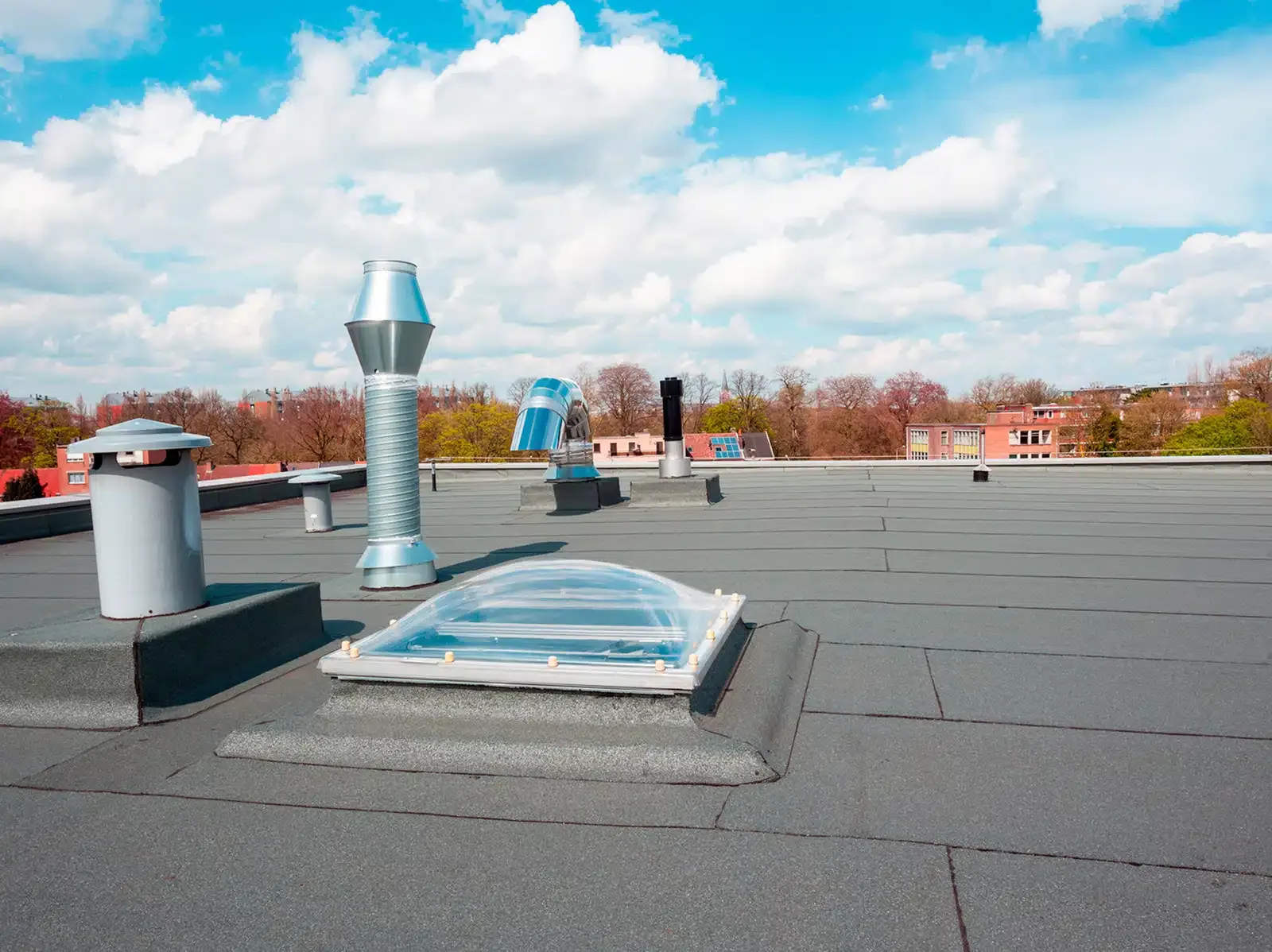
The liquid-applied flashing at a rooftop curb has cracked along its upper edge, and the photograph beside it shows the same edge intact a year earlier. That pair of images is how a roof with mixed materials gets managed. Soprema supplies bituminous sheets, liquid-applied resins and other systems, and a single roof can carry several.
For a Kenosha, WI building, the file begins with a material map: which areas are layered sheet, which are resin and which are something else. Findings are logged against that map.
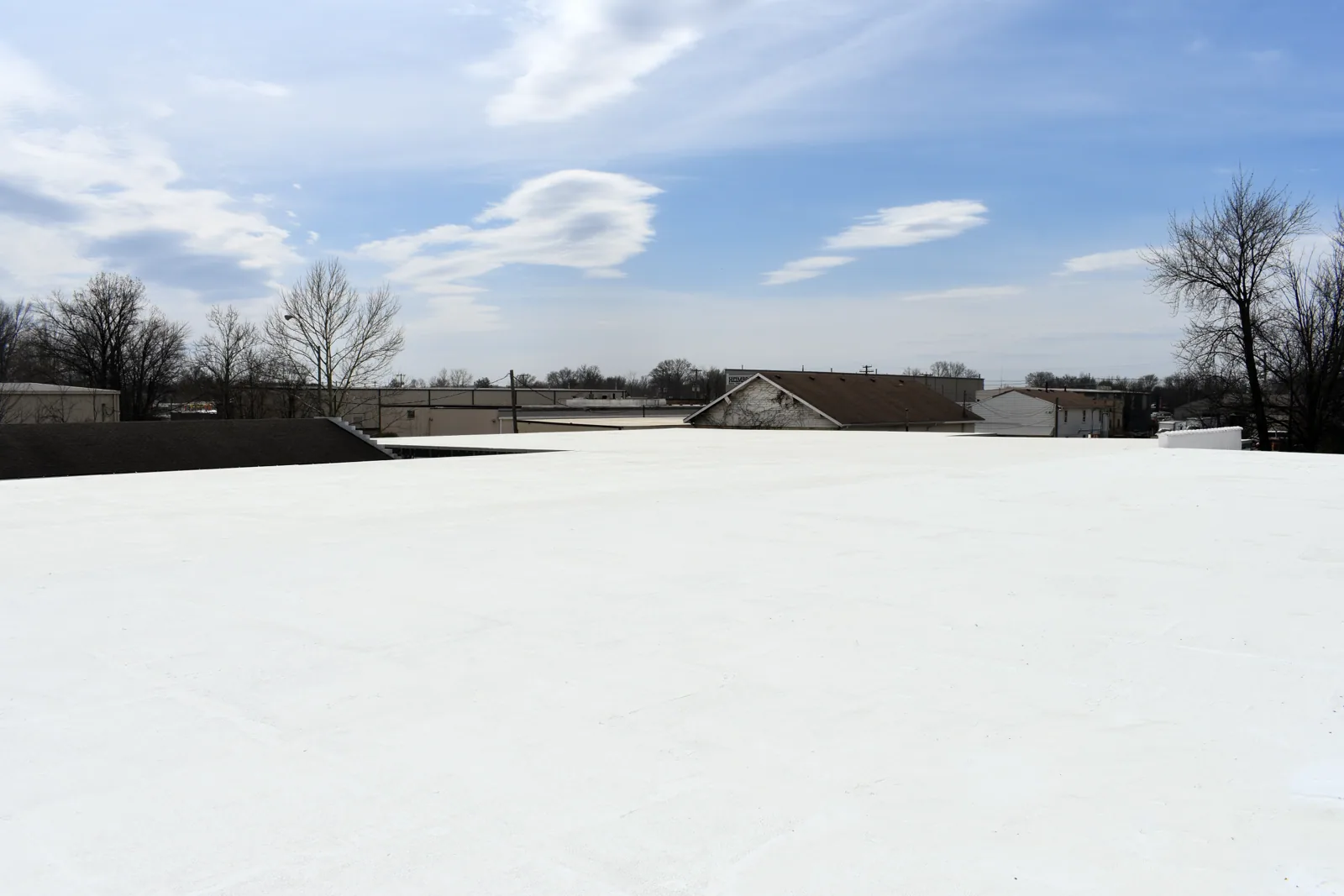
Soprema is a roofing and waterproofing manufacturer whose range includes modified bitumen membranes, liquid-applied resins for flashings and waterproofing, single-ply membranes and insulation. A commercial roof may combine them: bituminous sheets across the field and liquid-applied resin at penetrations and curbs.
Each material ages differently. Sheets show granule loss, open laps and blisters. Resins show cracking, thinning, loss of bond or discoloration. We identify each material on each section and write it into the plan, so a repair uses the compatible product and method. Mixing incompatible materials is a common cause of repeat failures, and the record guards against it.
Insulation and cover boards sit beneath all of these materials. We log board type, thickness and moisture condition at every core, because a bituminous sheet over wet insulation fails from below. Vapor retarders matter too, especially in buildings with humid interiors, and we note their presence when a core reaches them.
On layered bituminous sections, laps are the first place we look. A lap that has opened by a fraction of an inch lets water travel under the cap sheet. We also check granule loss, blisters, ridges over insulation joints and bleed-out at seams. Cores show how many plies remain and whether the felts are dry.
Repairs are made with compatible materials, torch-applied, hot-applied or cold-applied depending on the building. On occupied buildings, cold-applied methods reduce heat and fire risk. The modified bitumen roofing method logs each application, and the section rating updates after the repair.
Edges and terminations complete the sheet review. A bituminous flashing is built in layers up a wall or curb, and its top edge is sealed with a termination bar or counterflashing. Sealant at that edge dries and splits first. We probe it, photograph it and reseal it during preventive visits, a small repair that protects the layers below.
Liquid-applied resin is often used at curbs, pipes, drains and other odd shapes where cut sheets are hard to fit. A cured resin forms a continuous layer without joints, but it depends on a clean substrate, correct thickness and sometimes reinforcing fabric.
We check resin details for cracking, blisters, thin spots and bond failure at the edges. We photograph them and log the date. Repairs use the same resin family, applied to cleaned and primed surfaces. Because resins cure by reaction, cold or damp conditions can disrupt them, and permanent resin repairs wait for conditions the product allows. The skylight and penetration flashing record keeps each detail on its own line.
Thickness is the measure that matters on a resin. A thin film wears early and a thick one holds. Where the plan calls for reinforcement, we confirm the fabric is embedded and not exposed. If an earlier repair used a different product, we test a small area for compatibility before applying new material, and we write the result into the file.
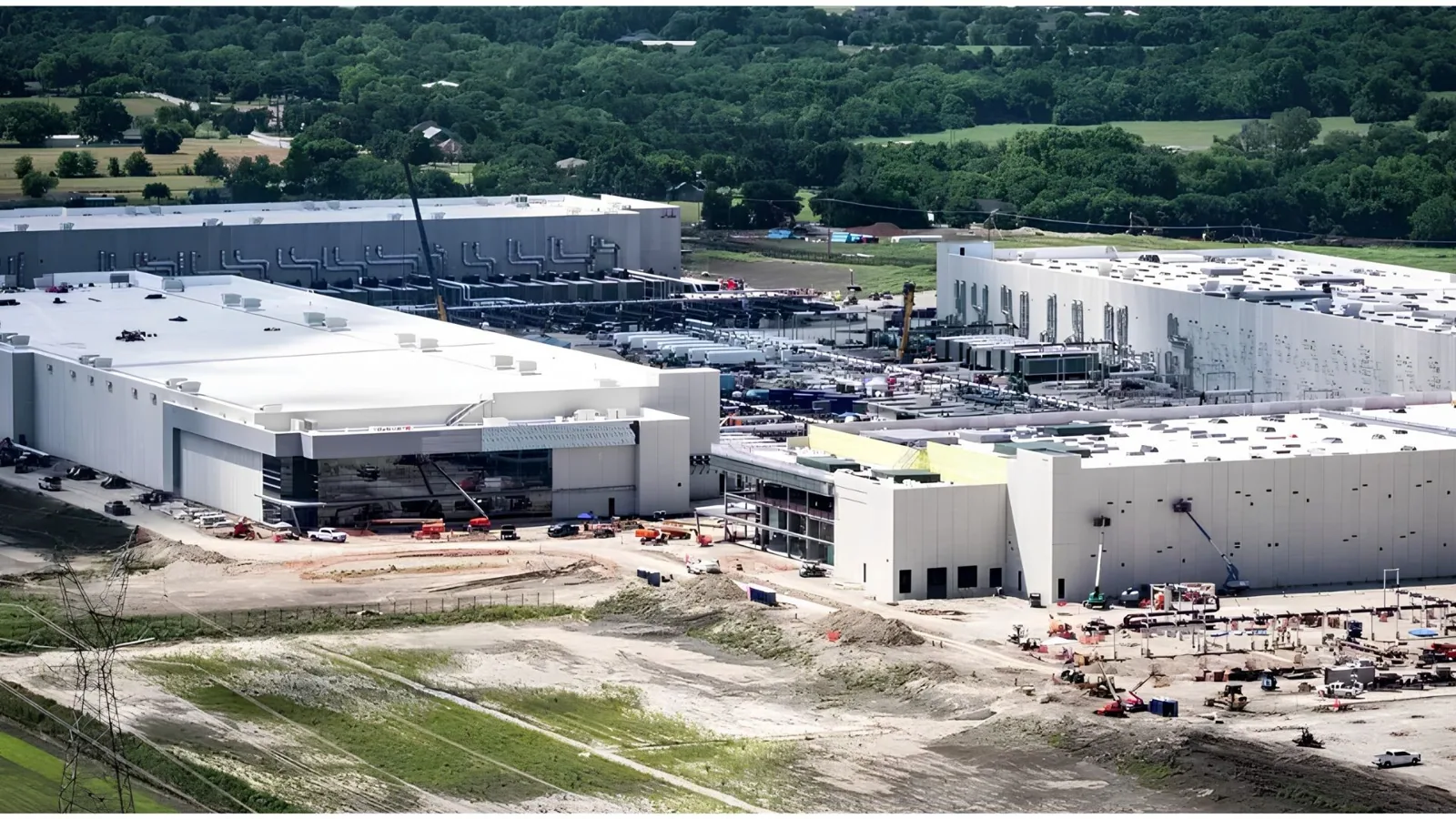
Asphalt-based sheets stiffen in the cold and soften in the heat. Kenosha has read minus 31 degrees in January 1985 and 105 in July 2012, and a typical year brings about 36.2 inches of snow. Laps and flashings take that movement every season.
Spring is when winter shows its mark. We walk each section after the thaw, compare photographs to the prior set and rate any change. Fall visits seal details before snow. Along the county's lakefront, buildings take wind and freeze-thaw from Lake Michigan, and those sections come first.
Wind adds another check. On January 7, 2008 the county saw tornadoes that damaged 105 homes, among them a touchdown in Somers and on Kenosha's north side. After any storm, we look at edge metal, coping and the first lap rows at the perimeter, because bituminous sheets lift at edges first. A lifted edge is photographed and repaired the same day where weather allows.
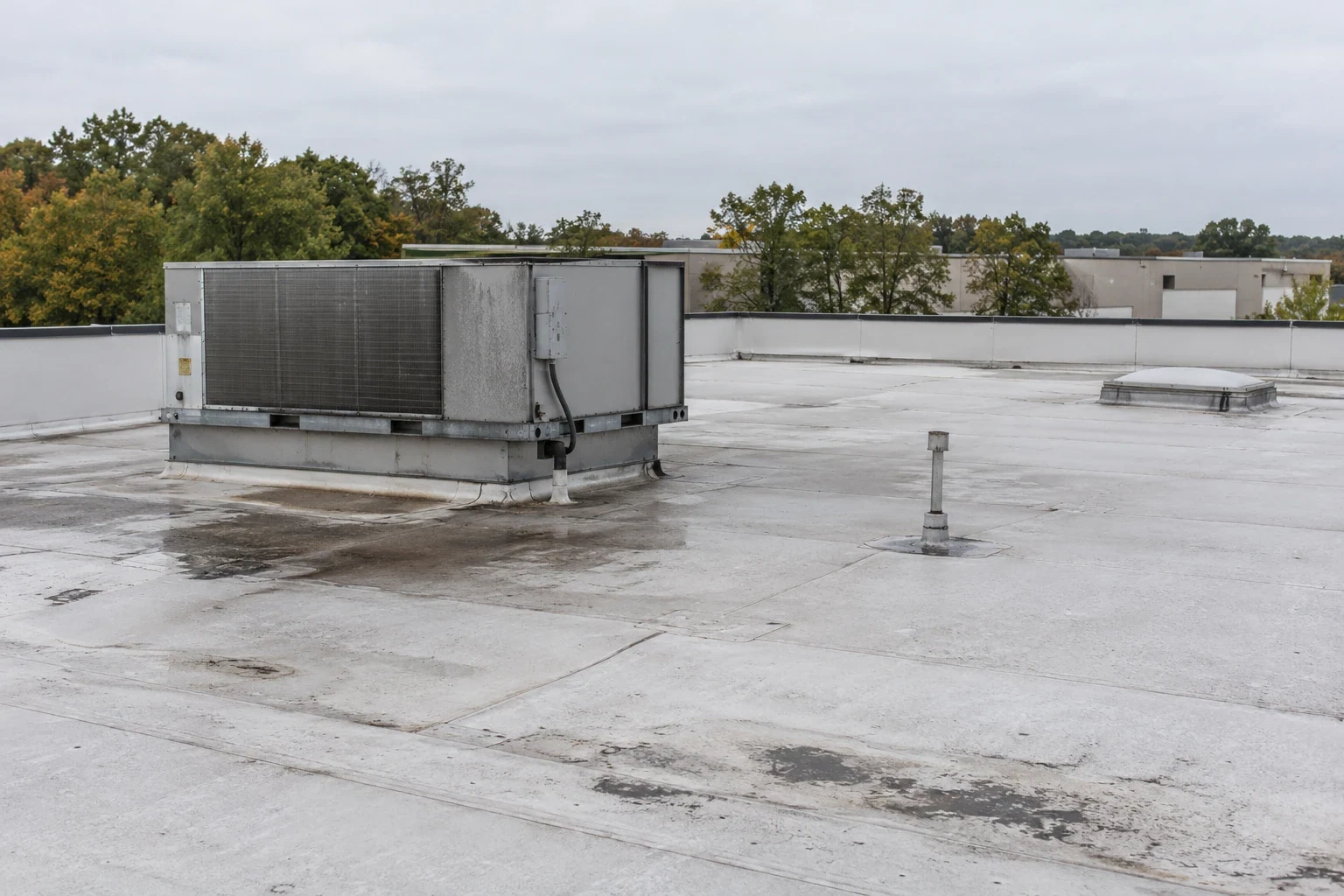
Downtown Kenosha and the HarborPark district sit on land that once held the AMC lakefront plant, demolished in 1990. In 2023 a $450 million downtown development across a nine-block radius won approval, and the Kenosha Innovation Neighborhood is slated for a 107-acre former Chrysler factory site. Older and newer buildings share the same blocks.
Roofs there are often small, close to neighbors and reached through tenant spaces or by street staging. The record notes access, operating hours and tenant contacts beside the findings. Those notes make the next visit shorter and the next quote more accurate.
New construction around downtown Kenosha can bring more rooftop traffic. Construction crews, mechanical contractors and signage installers may all visit a roof in the same year. We recommend an access rule for each building: who may go up, what protection is required and who is notified. After the work, we inspect for punctures, dropped tools and damaged flashings, and log the result.
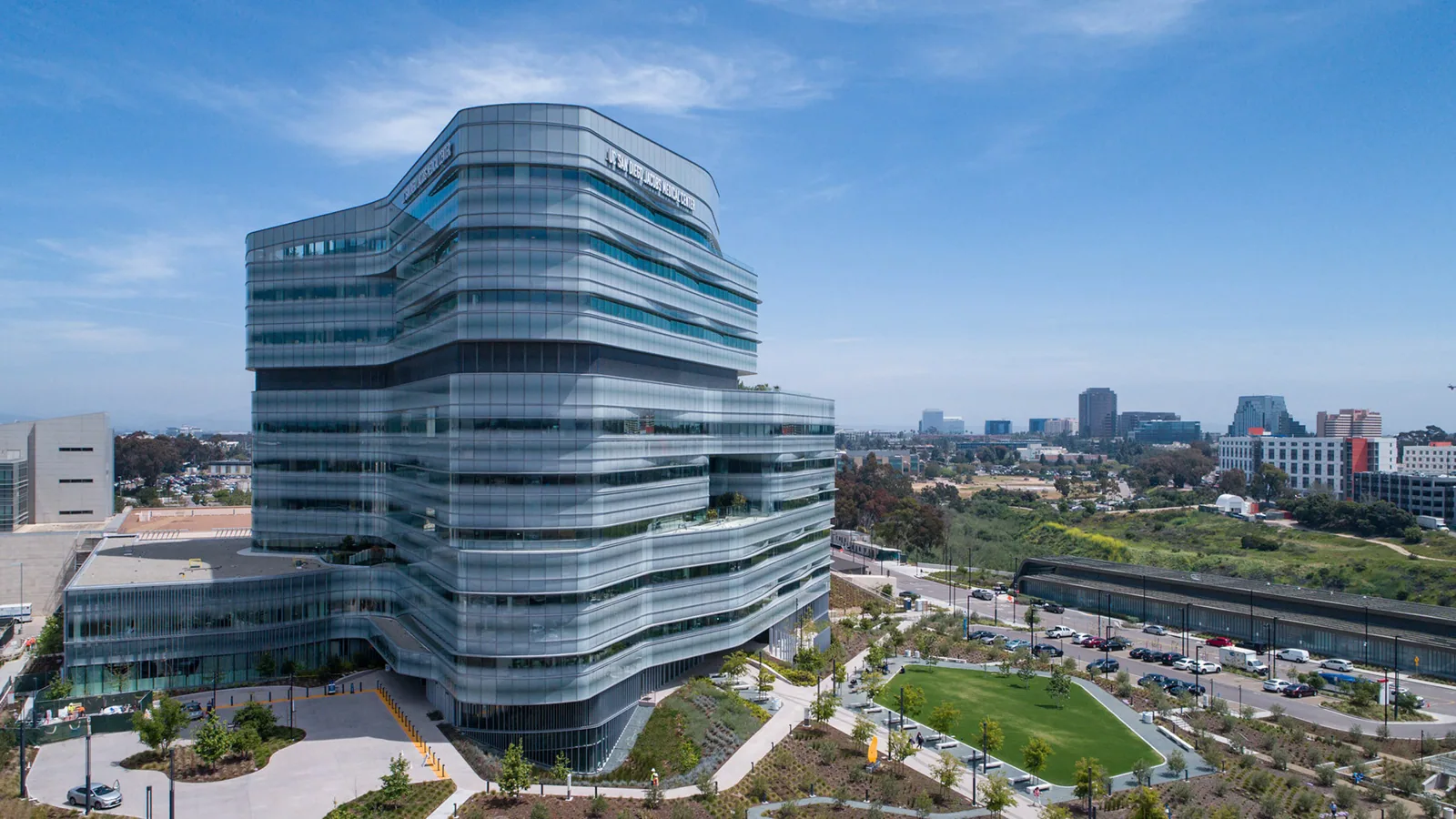
The decision follows cores and moisture data. Local damage over dry plies is a repair. Dry plies with a worn surface may allow restoration with a compatible coating. Wet plies across sections point to replacement planning. Our roof coating restoration work begins with tests to confirm the roof qualifies.
The report lists the quantities and conditions behind each path and notes what each leaves behind. The facility director weighs those items against the budget year, and the capital plan records the choice.
Coating restoration has limits on layered asphalt. The surface must be clean, the plies dry and the laps sound, and gravel or loose granules must be removed or bonded first. When those conditions fail, a coating hides a problem and delays the fix. We test before recommending it and state the conditions that would change the answer.
Timing matters in this climate. Spring is when permanent repairs begin, and fall is the last window for sealing details before snow. A section replaced in a warm-season window allows time to order materials and schedule shutdowns.
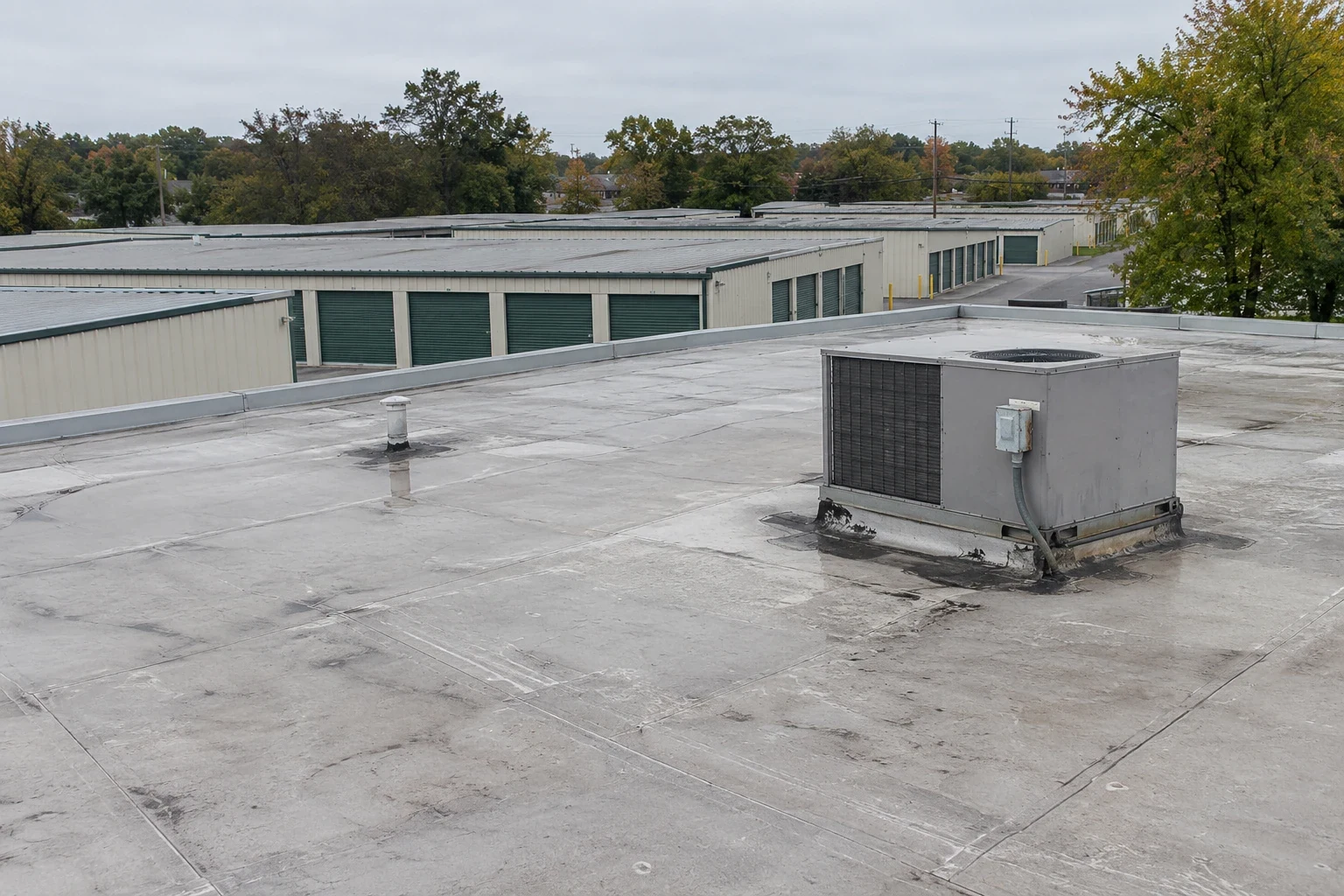
A roof with coverage gets a warranty file that holds the document, the installation records, and each inspection and repair. Bituminous and single-ply suppliers such as GAF and Johns Manville are logged in the same format.
The package that closes each visit holds photographs, ratings and work orders. The package can be attached to a capital request or handed to a lender, and it travels with the building.
Keep Reading
Modified bitumen roof inspection, lap repair and replacement in Kenosha, WI, with dated photo sets, split and blister ratings and capital-ready reports.
Skylight, curb and penetration flashing repair in Kenosha, WI: pipe boots, pitch pans and curb details inspected, rated and logged for facility directors.
Commercial roof inspection, repair and replacement in downtown Kenosha, WI and the HarborPark district, with lakefront wind and freeze-thaw findings logged.
Roof coating restoration in Kenosha, WI: core cuts, adhesion tests and moisture surveys decide whether a sound roof can be coated to extend its service life.
Roof capital planning for Kenosha, WI owners: condition ratings, core cut results and replacement timing arranged into a budget request a committee can review.
Roof warranty management for Kenosha, WI owners: warranty files, maintenance records, repair documentation and notice dates that keep coverage in force.
We inspect, repair and maintain the bituminous, liquid-applied and single-ply system types Soprema supplies, and the owner's documents set the products and warranty terms.
Yes, with the same resin family on a clean, primed surface. Cold or damp conditions can prevent a cure, so permanent repairs wait for suitable weather.
No. Cold-applied and self-adhered methods exist and are often used on occupied buildings.
Cores, labels and installation records identify them. We map each material by section.
The finding is closed in the log with a photograph, and the section is rechecked at the next visit.