
What sets a plant roof inspection apart?
The equipment. Stacks, vents and exhaust fans each get their own score for the membrane around them, and added sections are checked at the joint where old meets new.
Commercial roofing in Racine, WI for manufacturing plants, retail centers and lakefront buildings, with dated findings, moisture surveys and condition ratings.
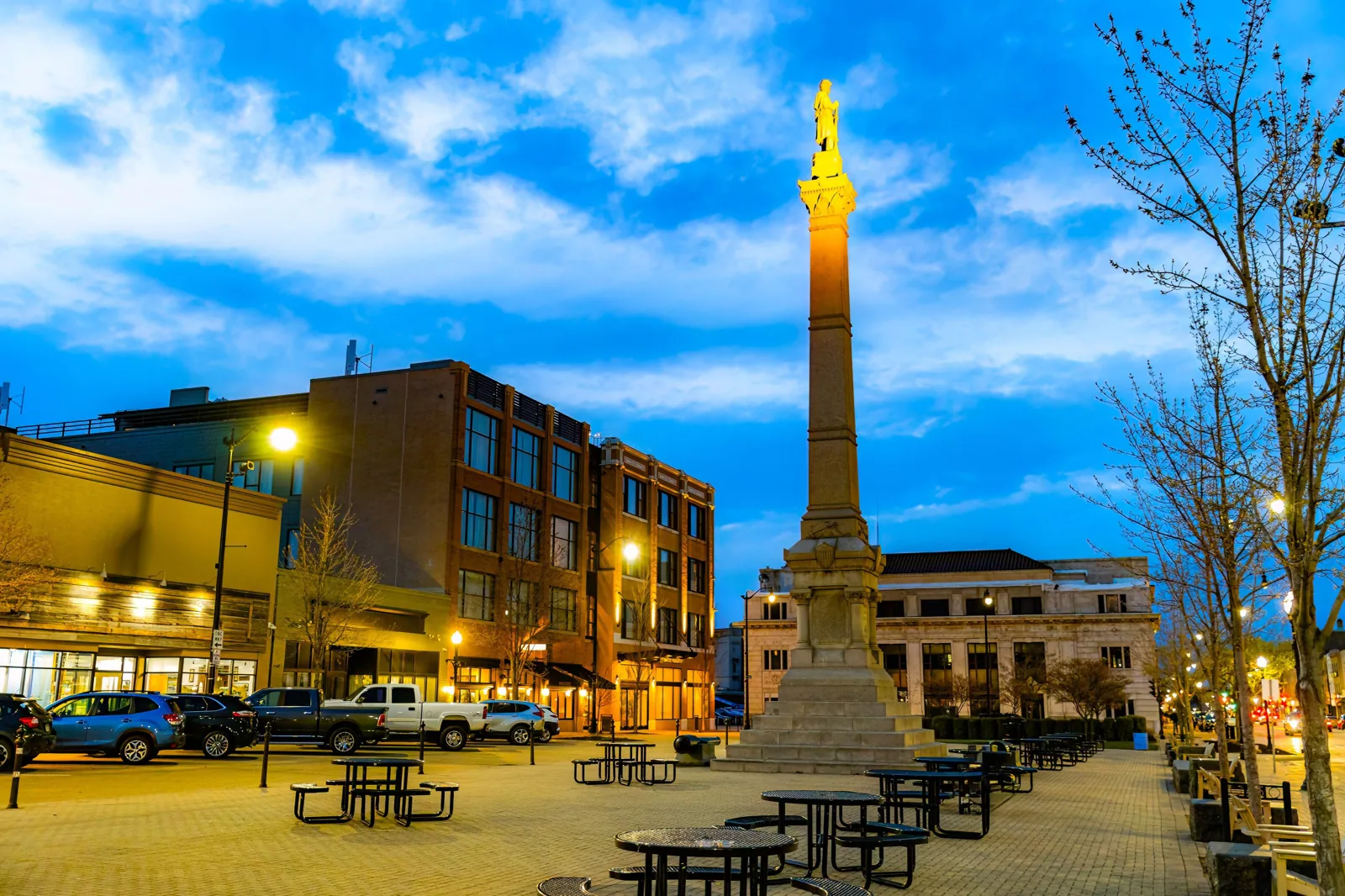
A drain that sits above the water pooling around it is a clear photograph for the file, and on a Racine, WI plant it is a problem that comes back. The photograph, the plan location and the depth of the standing water become a ponding record, and that record shows whether the problem is a clogged outlet, a sagging deck or a membrane that has stretched toward the low spot.
Modine Manufacturing, Dremel, Case IH, Reliance Controls, InSinkErator and the S. C. Johnson headquarters are all based in Racine, and a Case New Holland plant there builds tractors. The city sits at the mouth of the Root River on Lake Michigan. Manufacturing buildings and commercial centers need roofs documented well enough to survive a change of tenant, a change of owner or a change of budget.
We work from the drains outward and from the file backward, so each inspection adds to a record the next person can read.
Over several visits the log shows trends, and trends are what make a budget defensible.
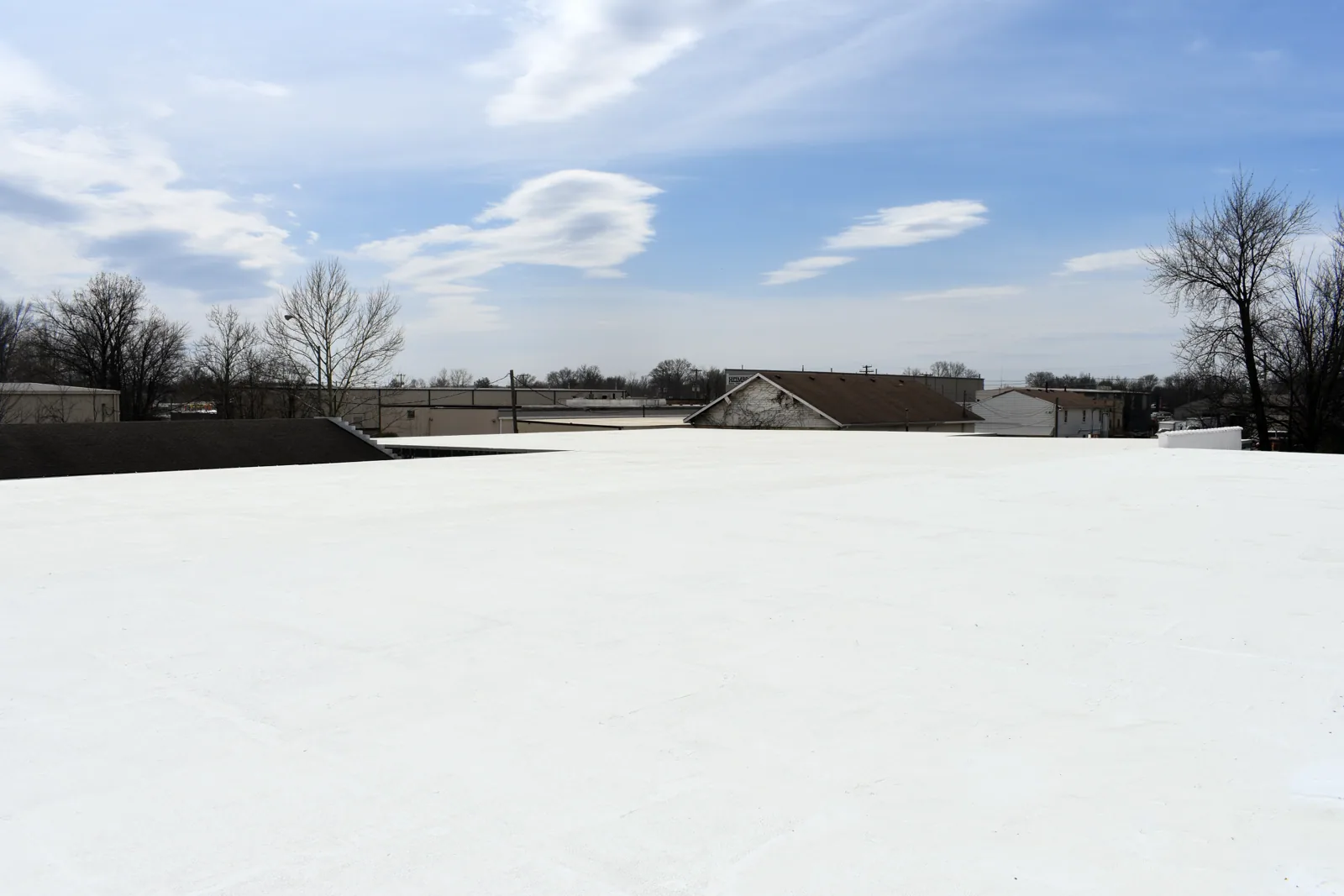
A manufacturing plant roof carries exhaust, heat and process equipment that an office roof does not. Exhaust stacks and vents concentrate chemical and thermal exposure on the membrane around them, so we rate the surface near each one separately. Cracked sealant, blistered membrane and corroded fasteners get dated photographs and a note on how they have changed since the prior walk.
Additions are the other pattern. Plants grow in phases, and a roof often has a newer section joined to an older one. The joint between sections is a likely leak path, so it is probed, photographed and rated. If the two sections are different systems, the record notes the transition detail and what material the repair has to bond to.
A moisture survey adds the layer that the surface hides. Infrared scanning marks wet insulation, a core cut confirms it, and the outline goes on the plan with a date. A facility director can then ask for repair of a small wet area or plan the replacement of a large one, with the evidence attached.
Rooftop equipment on a plant roof is rarely static. Fans are replaced, ducts are rerouted and curbs are added, and each change is checked against the last plan. If a curb was set without a proper base flashing, the finding is rated and the repair is priced before the next winter.
Lakefront buildings in Racine take wind and freeze-thaw off Lake Michigan, much as buildings do along Kenosha County’s roughly 8 miles of shoreline to the south. A Racine roof near the water gets read the same way, with wind loading the edges, coping and flashing and trapped water freezing in joints.
On a lakefront roof, the edge and the parapet are the first things we log. Coping joints, fasteners and sealant are examined run by run, with a ruler held beside any gap in the photo. A lifted run of coping becomes an edge metal and coping repair with a price and a date, and the before photo stays on file.
Wind-driven rain adds another check. Vertical surfaces and wall flashings are looked at from the roof side, because water pushed sideways finds gaps that gravity-fed rain never reaches. Counterflashing, termination bars and sealant joints at walls get a probe and a photograph, and any gap is rated.
Racine averages 41.0 inches of snowfall a year, with 36.98 inches of precipitation and a January mean daily high of 29.6 degrees. Snow adds real weight through the winter, and it collects in the worst places: low spots, pockets along parapets and the downwind side of rooftop units.
Each spring we look for the marks winter leaves. Sealant that cracked, laps that lifted, drains that iced and flashings that pulled away all go in the log with a date. Set beside last spring’s photos, the new ones show what has changed, and the repair list follows from the difference. A snow and ice damage repair can then be scoped to the conditions that changed.
Drain performance is the other spring measure. Melt exposes a failing drain within the first warm week, so each one is flushed, timed and listed if it runs slow. A slow drain is a work order, not a note.
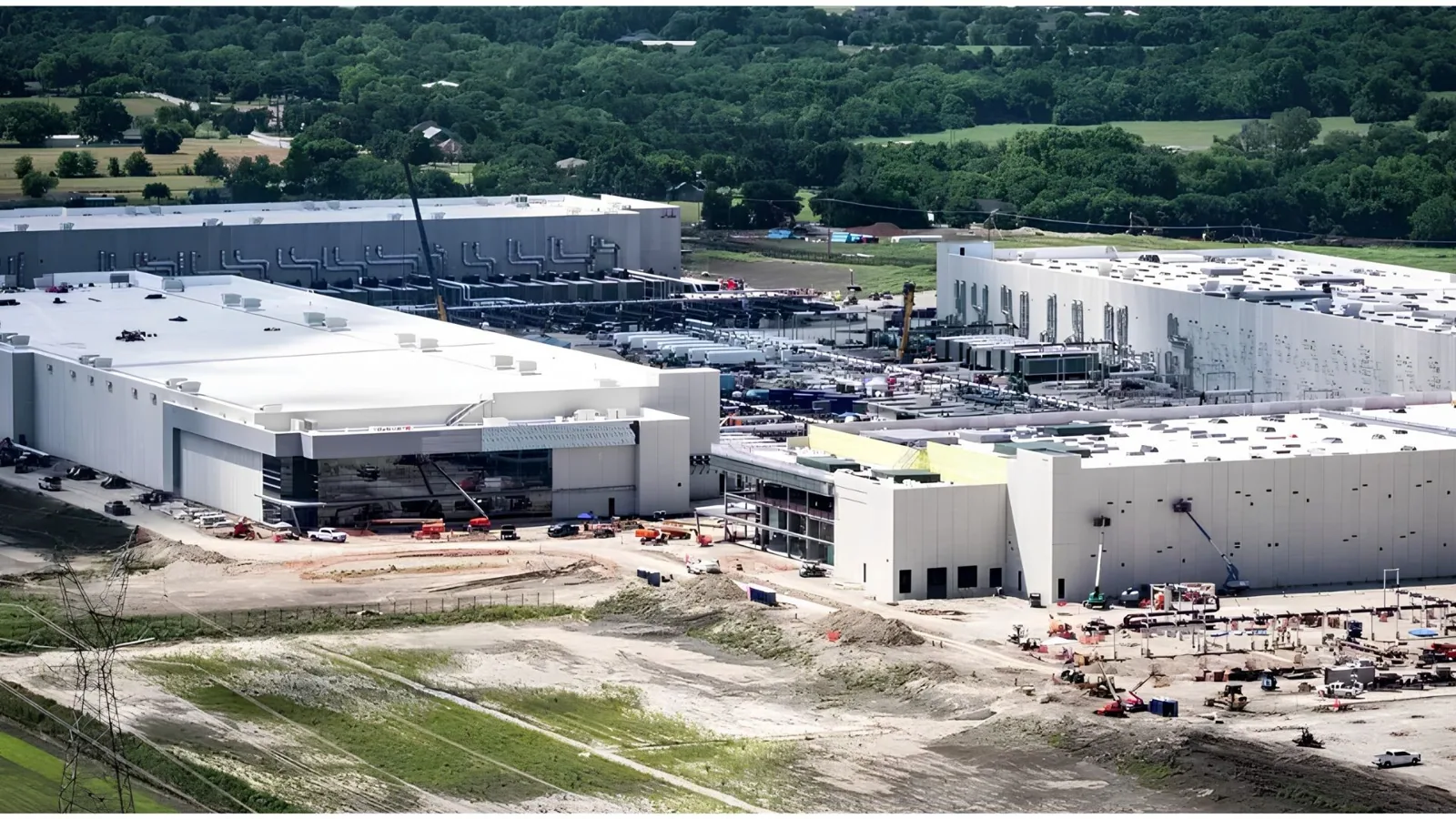
Racine’s commercial buildings include Regency Mall and the S. C. Johnson campus with its 1936 Frank Lloyd Wright headquarters. A mall roof or a large commercial center is a shared membrane over many tenants, and leaks are traced by plan, not by stain. We mark every penetration on the plan and rate each one, so a leak report from a tenant can be matched to a known detail.
Historic buildings call for a different kind of care. A building’s age says little about its roof, so a core cut reads the actual assembly before anything is recommended. Where an existing roof must be preserved, the record documents its condition so the owner can decide on repair, recover or replacement from facts.
Roof access matters on large commercial properties. Hatches, ladders and fall protection are checked and logged, because a roof that is hard to reach does not get inspected, and an uninspected roof produces the surprise repair that a budget did not plan for.
Where a tenant holds the lease on the space but not the roof, the report names the landlord’s contact next to each finding, so a repair request reaches the person who can approve it.
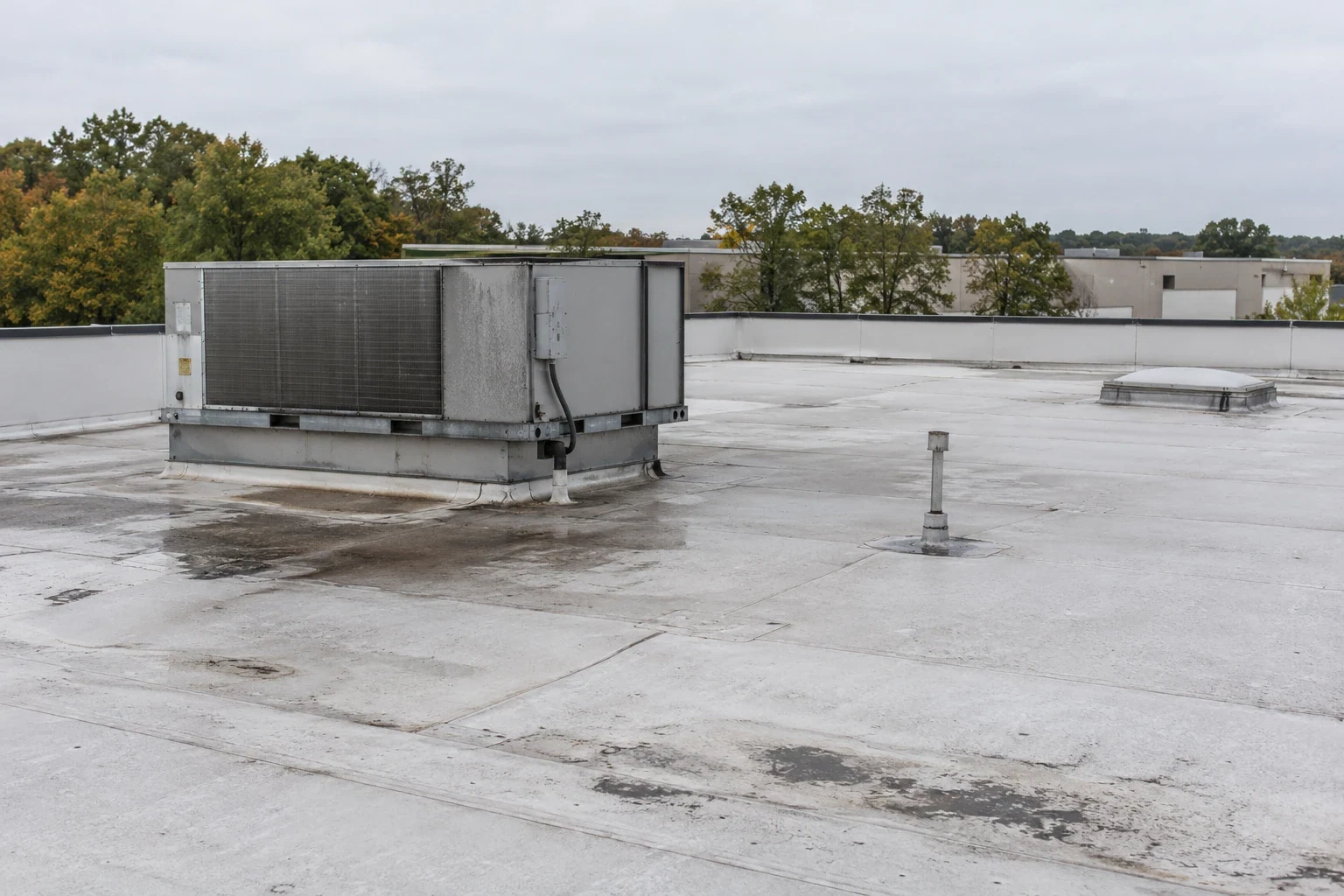
Each finding in the report carries a condition rating and a recommendation: monitor, repair this season, or plan for replacement. The rated list is what a facility director takes to a capital request. A commercial roof inspection that ends in that list makes budgeting a matter of reading the file.
Roofs in nearby Mount Pleasant and Caledonia are reported on the same pattern, so Racine can be compared with the rest of a portfolio. Warranty notes go in the same file, so repairs follow the approved method.
The final folder names open items, the date of the next walk and any warranty notes.
Racine’s plants and commercial centers also differ in how much risk a leak carries. Water over finished goods or electrical gear outranks water over a storage bay, so the ranking weighs consequence next to condition.
Keep Reading
Manufacturing plant roof inspection, exhaust-zone mapping, repair and replacement in Kenosha, WI, with equipment lists, moisture surveys and condition ratings.
Edge metal, coping, gutter and downspout repair in Kenosha, WI: perimeter findings logged and rated, with wind-edge details checked after the 2008 tornadoes.
Snow load and ice dam roof damage repair in Kenosha, WI: drifts, frozen drains and ice damage logged with dated photos, plan marks and ratings for each roof.
Hands-on commercial roof inspections in Kenosha, WI with dated photos, a marked roof plan and a written condition rating you can attach to a capital request.
Commercial roofing in Mount Pleasant, WI for large industrial and technology buildings, with baseline surveys, warranty files and dated condition ratings.
Commercial roofing in Caledonia, WI for WIS 32 corridor buildings and lakeside communities, with dated photo sets, moisture surveys and rated condition reports.
The equipment. Stacks, vents and exhaust fans each get their own score for the membrane around them, and added sections are checked at the joint where old meets new.
Usually. Shift schedules, deliveries and process needs set the work hours, and only the equipment the plant approves gets shut down.
The outline is marked on the membrane, photographed, copied onto the drawing with a date and then checked by a core cut.
It gets a core cut first, since age says little about the roof assembly. Repair, recover or replacement is decided only after the layers are known.
Any drawing of the roof, the system age, the dates of additions and a list of past leaks. We can start with less and fill gaps on the roof.