
Does harbor dust matter to a roof?
It can. Fine material settles in drains and behind parapets and slows drainage, so we clear each drain and record what came out of it.
Commercial roofing in Waukegan, IL for industrial, harbor-district and healthcare buildings, with dated photo sets, core cuts and rated findings.
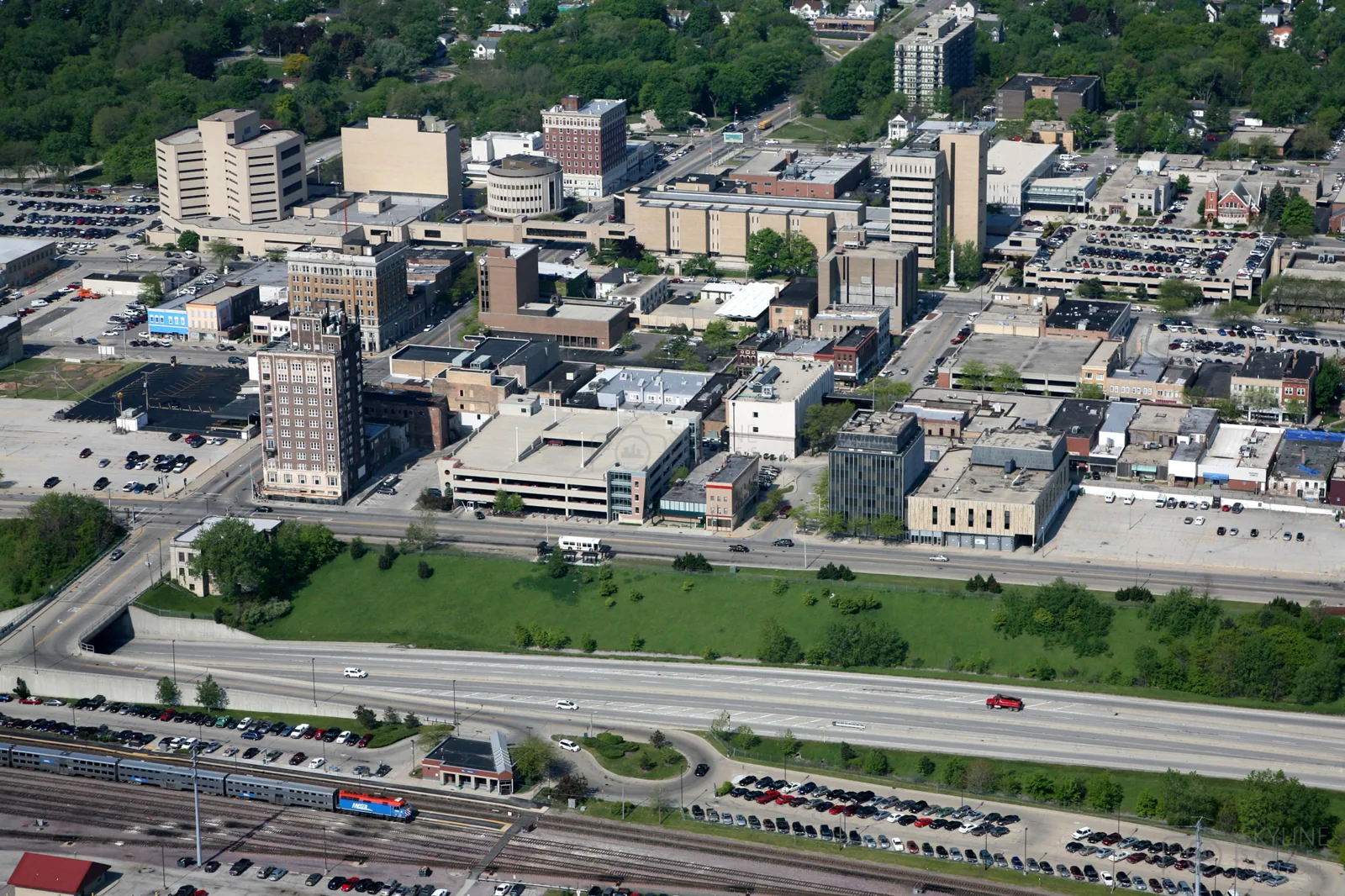
A cap sheet that has chalked and split along a dust-streaked parapet is the kind of finding a facility director can photograph, date and file, and in Waukegan, IL a working harbor and freight lines make dust a fair question. The photograph, the plan location and a note on what is settling on the membrane create a record that shows whether a roof is wearing normally or being worked on by something it was not designed for.
Waukegan’s largest employers include Lake County (2,400), Southwire (1,500), Vista Medical Center East (840), Medline Industries (650) and Jewel-Osco (515). The city harbor and Waukegan National Airport are run by the Waukegan Port District, and cargo facilities include gypsum storage for Gold Bond Building Products and cement silos for LaFarge and St Mary’s Cement. The city is served by I-94, US 41 and several Illinois routes, along with Union Pacific, Canadian National and CPKC freight lines.
That mix of industrial, civic, retail and healthcare buildings means roof needs vary widely, and the same inspection discipline applies to each: look at the drains, probe the seams, rate every finding and write it down so another person can read it a year later.
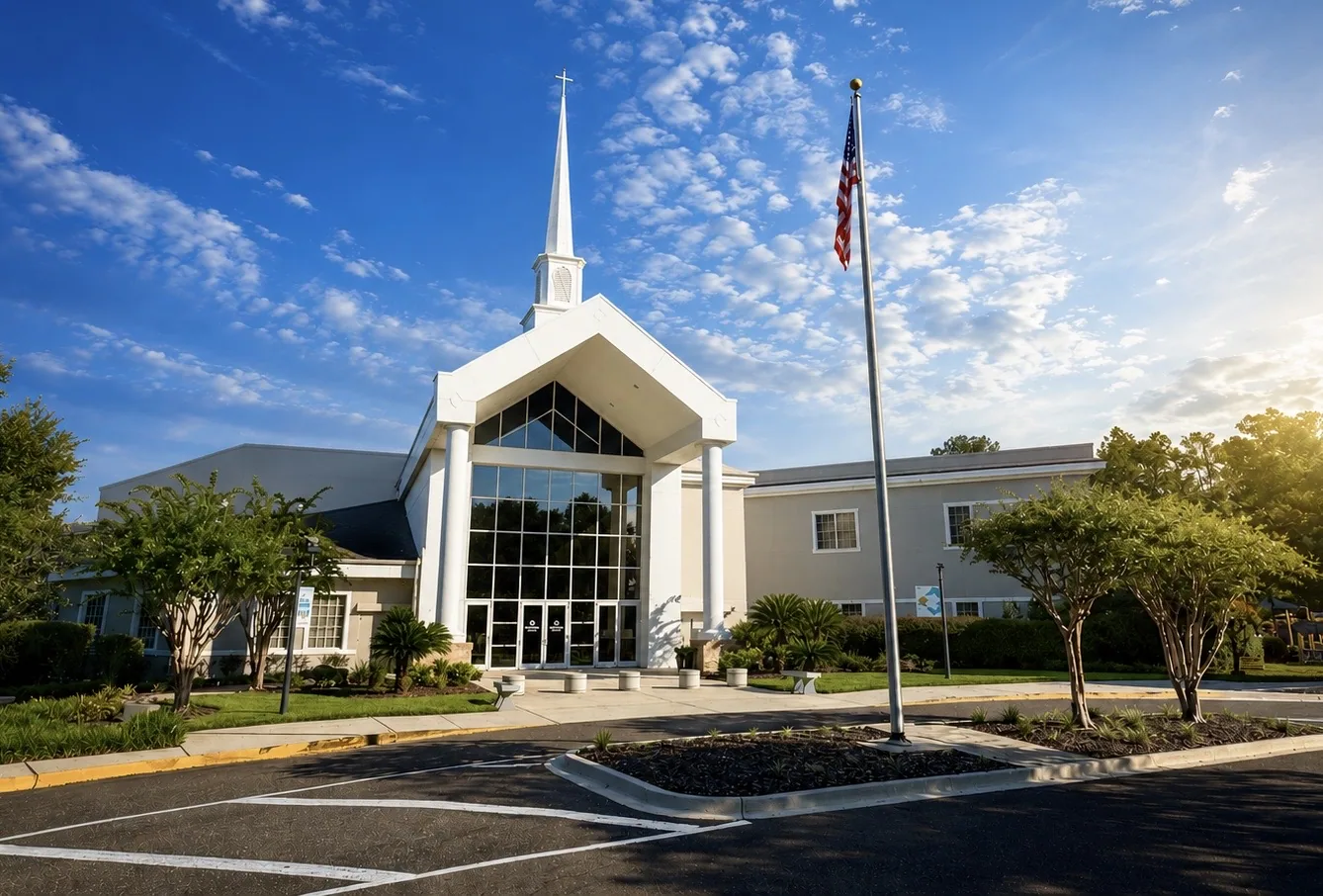
The harbor handles cargo such as gypsum and cement, and freight rail runs through the city, so nearby buildings can collect dust, soot and wind-blown debris in drains, behind parapets and around curbs. We clear each drain, record what came out of it and photograph the surface around equipment, because buildup slows drainage and wears the surface.
On an industrial roof, vents and stacks add chemical and thermal exposure. The membrane near each one is rated separately, and any blistering, discoloration or softened sealant is logged with a date. If the surface is being attacked by something specific, the record helps identify it and choose a membrane that can take it.
Cargo and storage structures use roofs in ways that offices do not. Heavy equipment may be set on the roof for a repair, ladders and hoists land on it and material is staged. We note where traffic has crushed insulation or cut the surface, and we recommend walk pads where the damage repeats.
Every system is confirmed with a core cut before repair, recover or replacement is recommended.
When a building changes hands, the file tells the buyer what the roof has been through. That is the document due diligence needs, and our due diligence roof survey builds it from cores, moisture readings and rated findings.
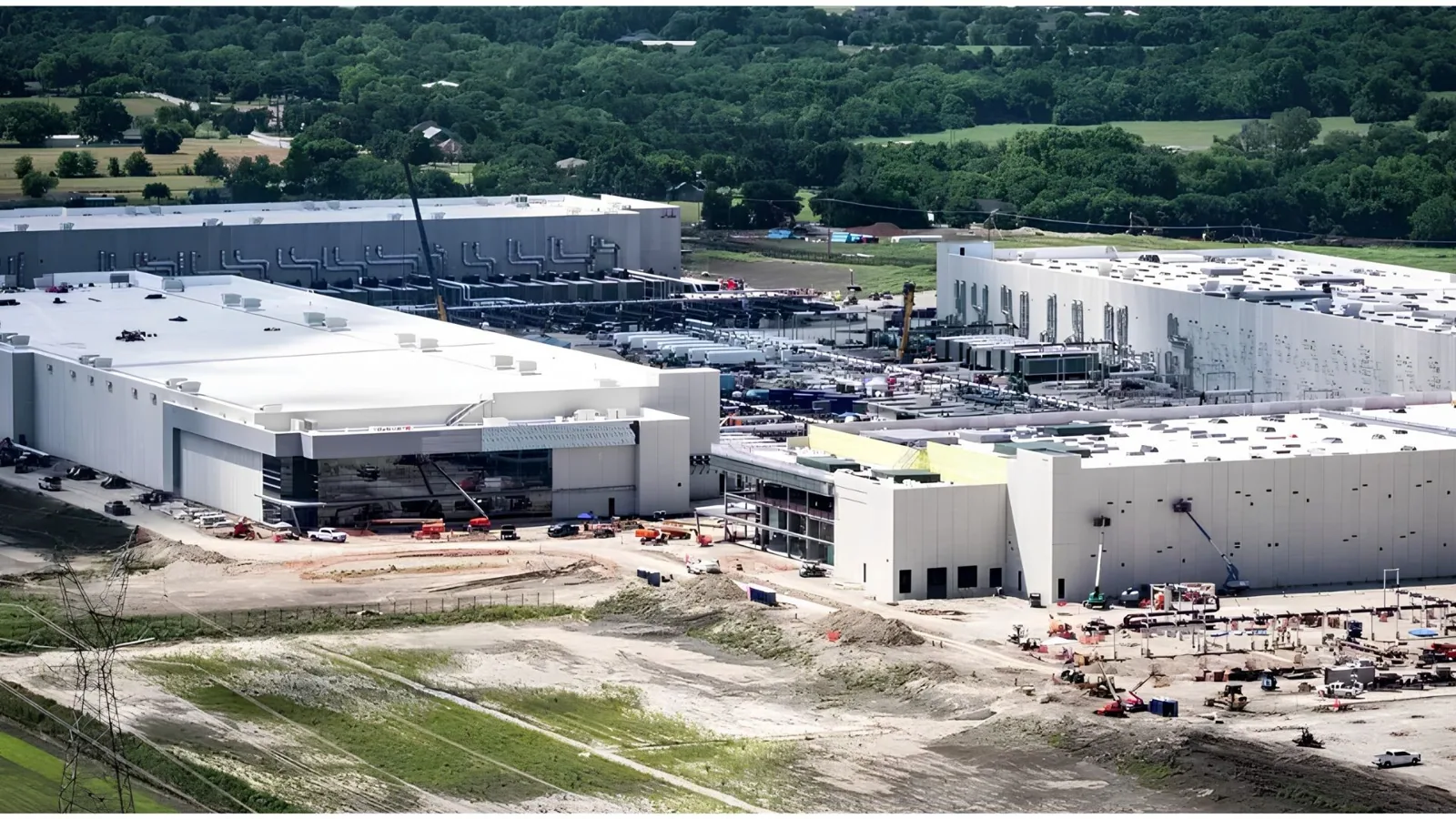
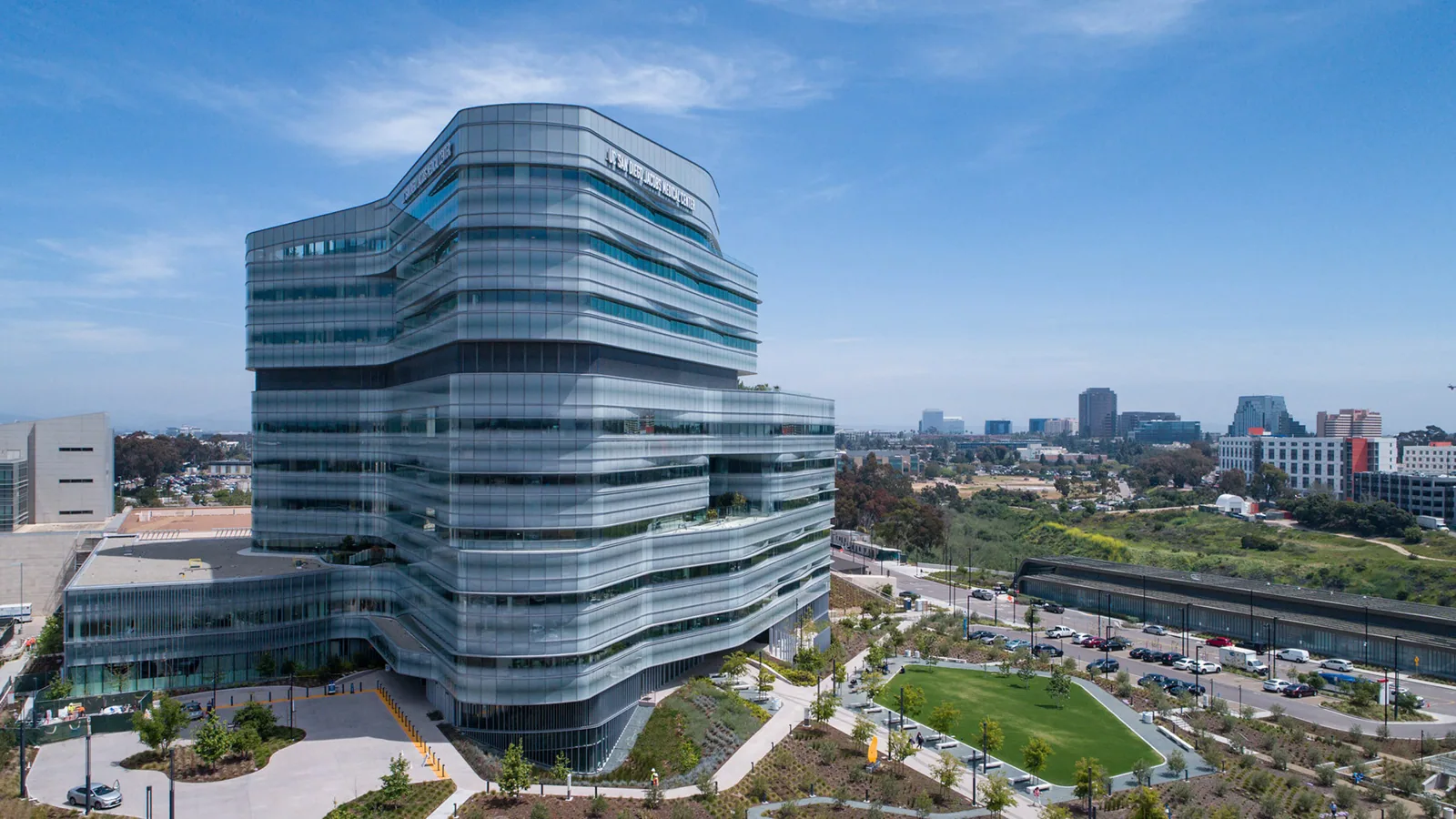
Vista Medical Center East and Lake County’s offices are among the city’s largest employers, and buildings of this type need roofs that stay dry without interrupting operations. A medical office roof or a government building roof carries air handlers, exhaust and access hatches, all of which become leak paths if flashing fails.
The access plan comes first: which hatch, which route, which hours, which intakes to shut down. It is drafted before the crew arrives and clipped to the work order. Where noise or dust matters, the plan places those steps in agreed windows and names the facility contact who can stop work.
Findings are rated the same way as on any roof. A small flashing failure near an air intake is rated for consequence as well as condition, because water at that location can do more damage than the same failure over a storage room.
Records matter more where several departments share one building. A dated photo set and a rated list let a facilities lead explain a roof decision to a board or an administrator without having to defend it from memory.
Staging is planned off main entrances, and materials move at hours the facility team chooses.
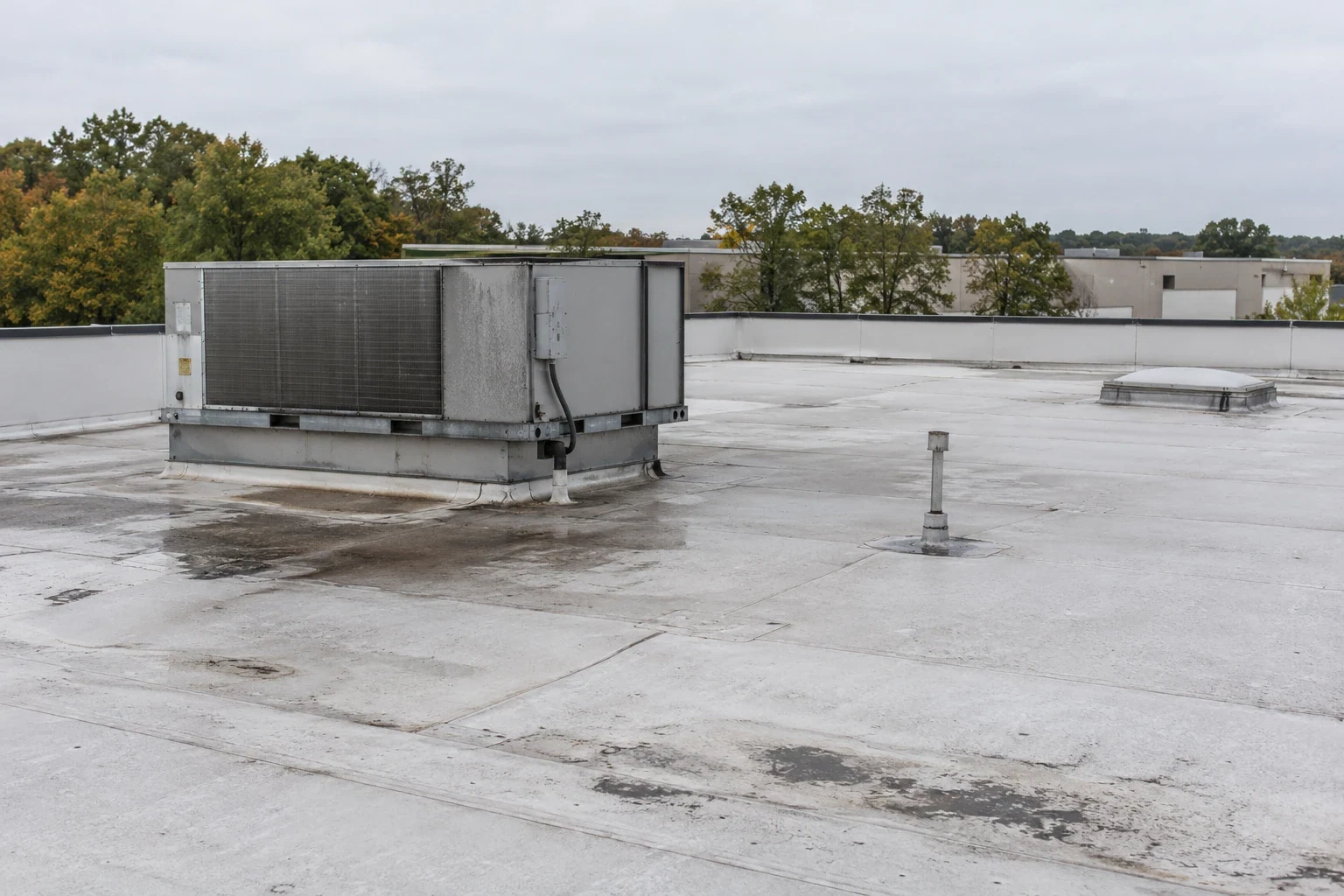
Jewel-Osco is among the city’s largest employers, and retail and grocery buildings bring their own pattern of roof wear. Refrigeration condensers, exhaust and rooftop units concentrate foot traffic and heat on a few areas of the membrane. We rate the surface around each unit, check the curb flashing and note where walk paths have worn through the surface.
A grocery store roof cannot be closed for repairs, so the work is sequenced around deliveries and store hours. Materials are staged away from entrances, and the roof is dried in each day so that no area stays open overnight.
Water at the wrong place can be costly in a store with perishable stock. The ranking therefore weighs consequence next to condition, and a small finding over refrigerated space can rank above a larger one over a sealed storage bay.
Where a store sits inside a larger center, the lease may split roof responsibility, so the report names the roof area each party maintains.
An average Waukegan year brings 32.31 inches of precipitation and 36.4 inches of snow, and Kenosha to the north has read extremes of minus 31 and 105 degrees. A swing like that keeps membranes and flashings moving, so one visit follows the thaw, looking at laps, sealant and ice damage, and another comes in autumn for drains and edge metal.
A deck that dips after a heavy winter may be sitting on wet insulation. A moisture survey and a core cut confirm it, and the wet outline goes on the plan with a date. The decision between repair and replacement then rests on the extent of the wet area and the age of the system.
Wind events are logged the same way. We check perimeter metal, coping joints and cap sheet terminations at the corners, because uplift is highest there, and we photograph any lifted detail before the crew leaves the roof.
Drains get their own pass. Drains show their faults in the first warm week of melt, so ours are flushed, timed and noted when they run slow.
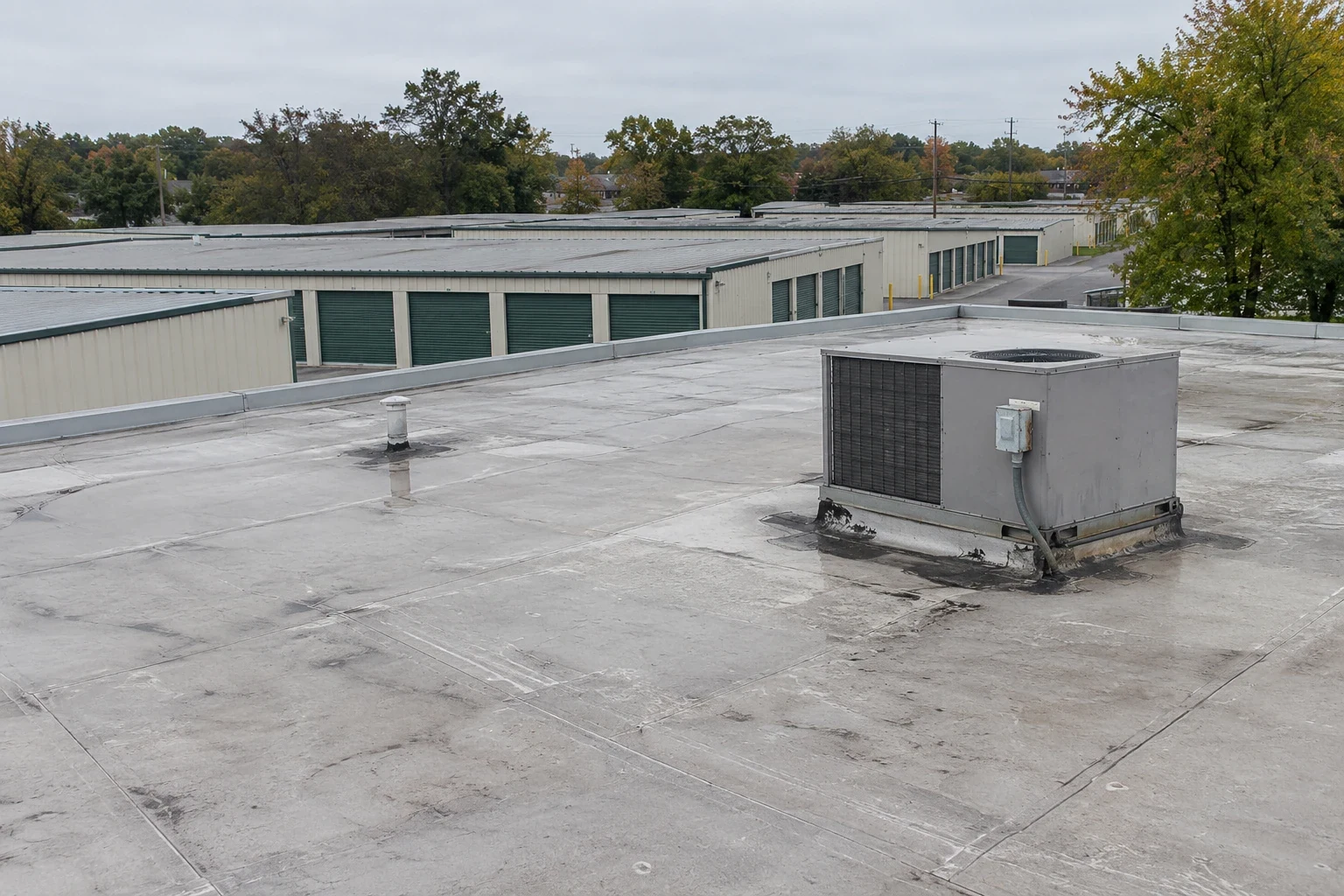
Our report ends with a scored list, a marked drawing and dated photos. A facility director can attach it to a funding request, and a commercial roof inspection done again each year shows what is steady and what is shifting. Owners with buildings in Gurnee or North Chicago get the same format, so portfolios can be compared.
Warranty notes go in the same file, and open findings and the next inspection date are listed at the end.
Dated photographs, plan references and ratings make up the closing set, and a facility director can attach it to a request without rewriting it.
Keep Reading
Manufacturing plant roof inspection, exhaust-zone mapping, repair and replacement in Kenosha, WI, with equipment lists, moisture surveys and condition ratings.
Roof surveys for acquisitions and refinancing in Kenosha, WI: core cuts, moisture data and condition ratings sorted into immediate repairs and reserve items.
Medical office and clinic roof inspection, leak tracing, repair and replacement in Kenosha, WI, with infection-control planning and dated condition ratings.
Grocery store roofing in Kenosha, WI: condenser curb findings, moisture records, snow-load logs and repair scheduling that protects food and refrigeration.
Infrared scans and core-cut verification for Kenosha, WI commercial roofs, producing a numbered moisture map that separates wet insulation from dry.
Hands-on commercial roof inspections in Kenosha, WI with dated photos, a marked roof plan and a written condition rating you can attach to a capital request.
It can. Fine material settles in drains and behind parapets and slows drainage, so we clear each drain and record what came out of it.
A store keeps trading, so repairs follow store hours and deliveries, and a section is closed in before the crew goes home.
Air intakes, quiet hours and dust control go into a written access plan, and a small flashing failure over a clinical space is scored above a larger one over storage.
Yes, at any hour and on holidays. A temporary seal comes first and the lasting repair is booked once the roof is dry.
A roof drawing, the system age and the dates of leaks, plus the name of whoever controls roof access.