
How many layers can my roof carry?
That is set by the building code and local amendments, and we check both against your roof's existing layers. A roof at the limit gets a tear-off, and we write the layer count into the findings.
Recover systems for Kenosha, WI commercial roofs, approved only after core cuts, moisture mapping and a layer-and-load review are on file.
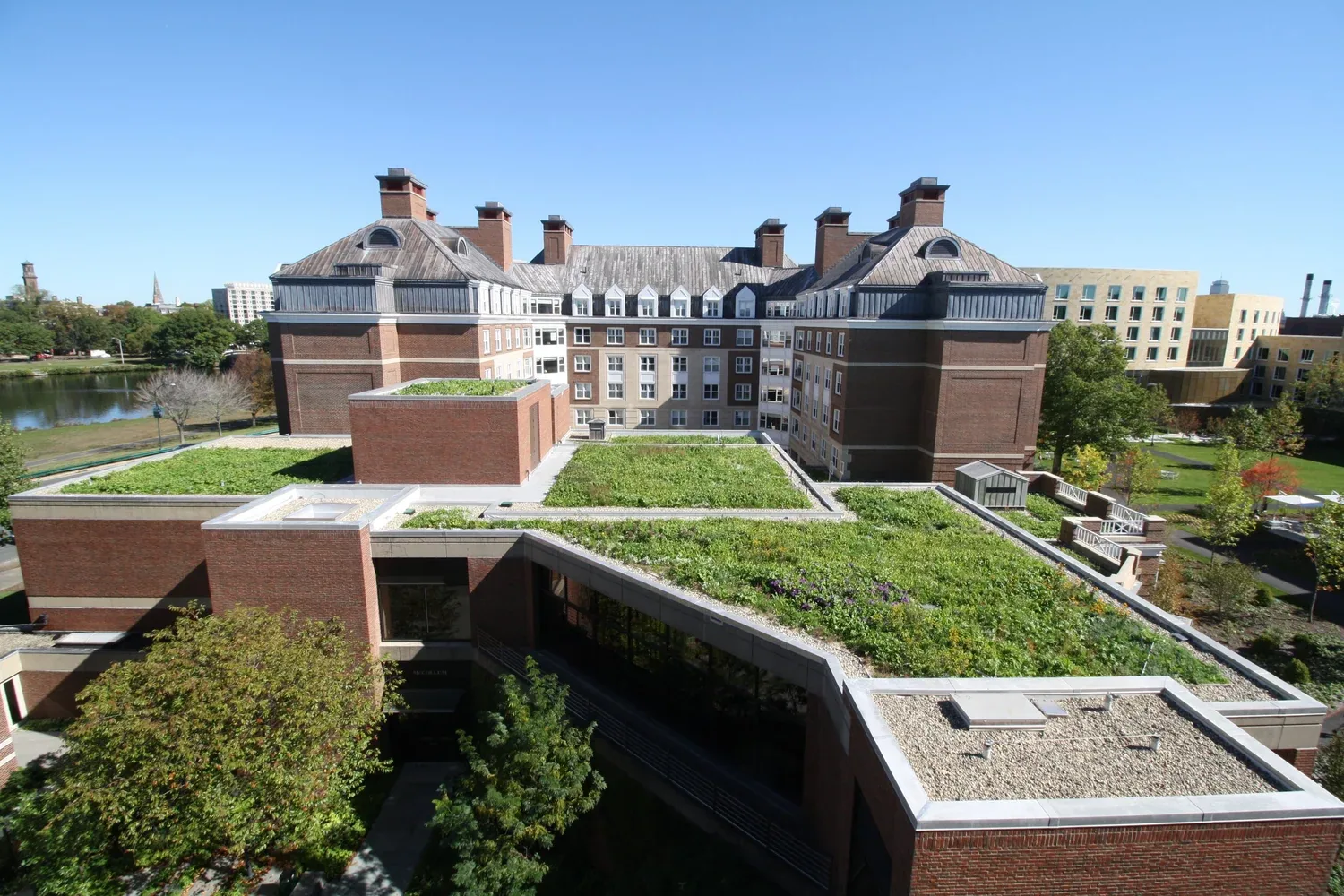
Recovering a roof is a bet that what lies underneath is dry, flat and strong enough to carry another layer. We do not place that bet on appearance. Every recover proposal begins with core cuts, a moisture map and a count of existing layers, and every one of those items goes into a file with dated photographs. If the file supports a recover, the owner saves the cost and disruption of a tear-off. If it does not, the file explains why a full replacement is the safer expenditure.
For facility directors in Kenosha, WI, the record matters as much as the roof. A recover that fails early takes the budget with it, and a documented decision protects the person who made it.
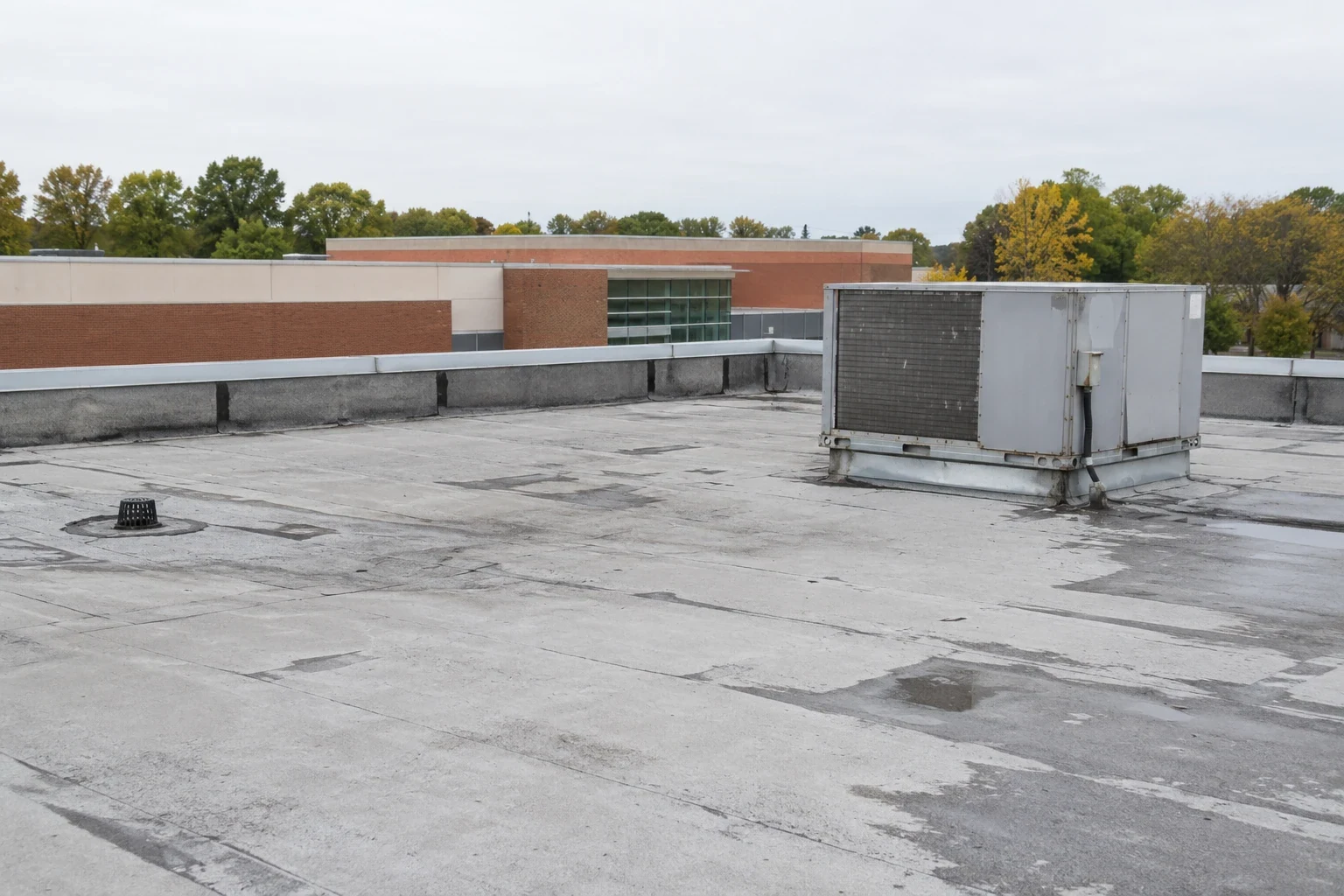
Four findings decide eligibility. The existing insulation must test dry across nearly all of the roof, with isolated wet spots small enough to cut out and replace. The deck must be sound, with no corrosion or softness that would grip new fasteners poorly. The roof must have no more layers than the code allows. And the structure must carry the added weight, including snow, with margin to spare.
We verify each condition in the field. Core cuts are taken at a grid of locations and at every suspicious area the survey flags, and each cut is resealed and logged by number on the roof plan. The infrared moisture survey guides where the cores go, which keeps the sampling honest instead of convenient.
Timing matters too. Cores are cut in dry weather and resealed the same day, because an open cut in a winter thaw can admit more water than the survey was meant to find. We schedule sampling in the shoulder seasons whenever the roof allows, and we log the outdoor conditions beside each core so the readings can be compared fairly with later surveys.
A roof that fails any one of these tests is not a recover candidate. We say so in the written findings, with the failing test attached, so the decision can be defended later.
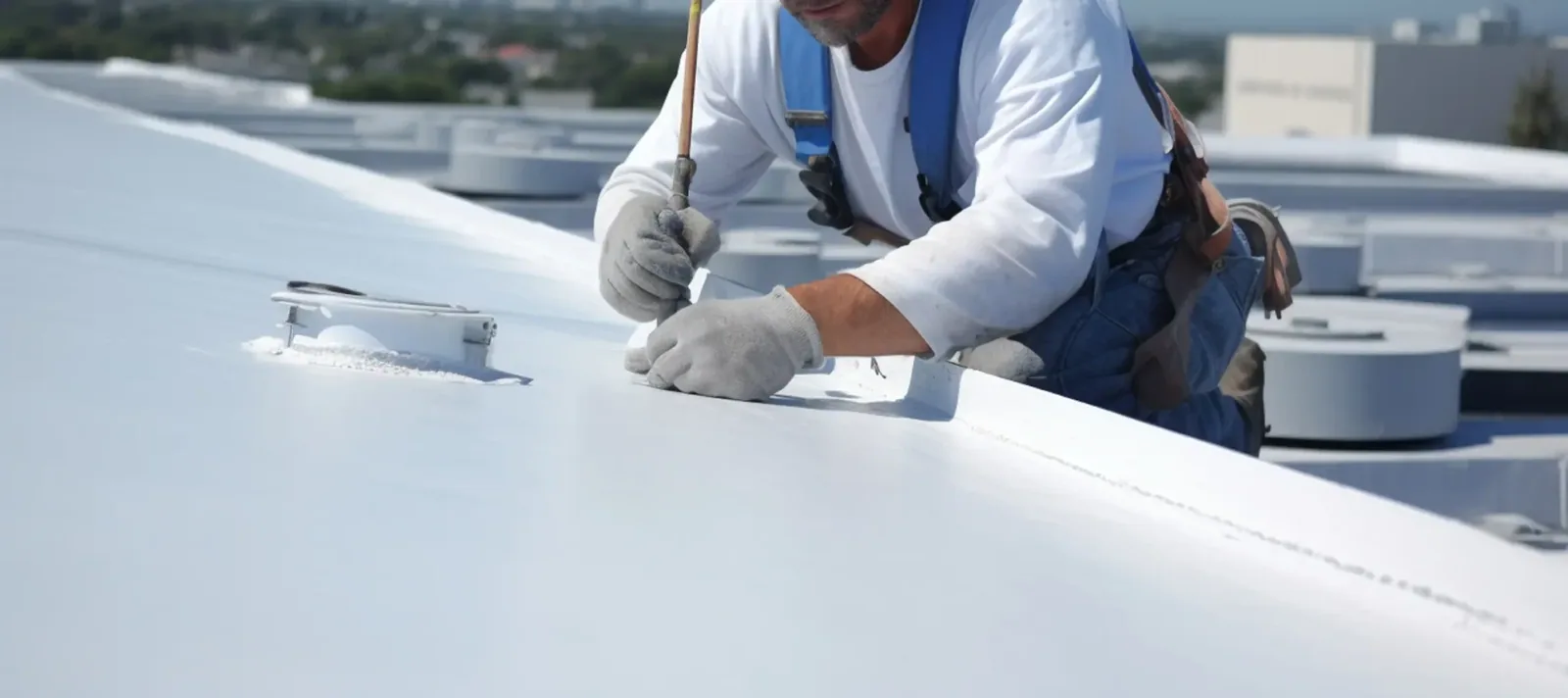
Building codes commonly limit how many roof layers a structure may carry, and local amendments can tighten that limit. The 2021 International Building Code is the base for Wisconsin's commercial rules, and the layer count is checked against it and against the local building department before a price is set. Where a second recover would put the roof over the limit, the answer is tear-off, and the file records the layer count that forced it.
Weight is a separate question. Snowfall in Kenosha runs near 36 inches in a normal year, and the January 1979 blizzard dropped about 19 inches while the 2011 Groundhog Day blizzard dropped about 23. A recover adds dead load to a roof that must also carry drifted snow against parapets and rooftop units. We flag any building where the owner or engineer should confirm capacity before work begins, and we do not assume that older framing has margin.
A recover is only as good as its separation layer. Over a smooth built-up or modified bitumen surface, a rigid cover board gives the new membrane a flat, compatible base and spreads load over uneven areas. Cover board and insulation choices are recorded by product and thickness so the assembly can be repeated or repaired later.
Membrane choice follows the building. Single-ply systems such as PVC and TPO are common recovers over aging low-slope roofs because they weld at seams and add little weight. Where the existing surface has gravel, we remove it or isolate it with board. Fastening or adhesive patterns are set by the wind requirements for the building, and the layout plan is part of the submittal package.
Details are rebuilt, not covered. Base flashings, curbs and edge metal are replaced or raised to the new height. A recover that leaves old flashings buried under new membrane trades a short-term saving for a leak that nobody can trace.
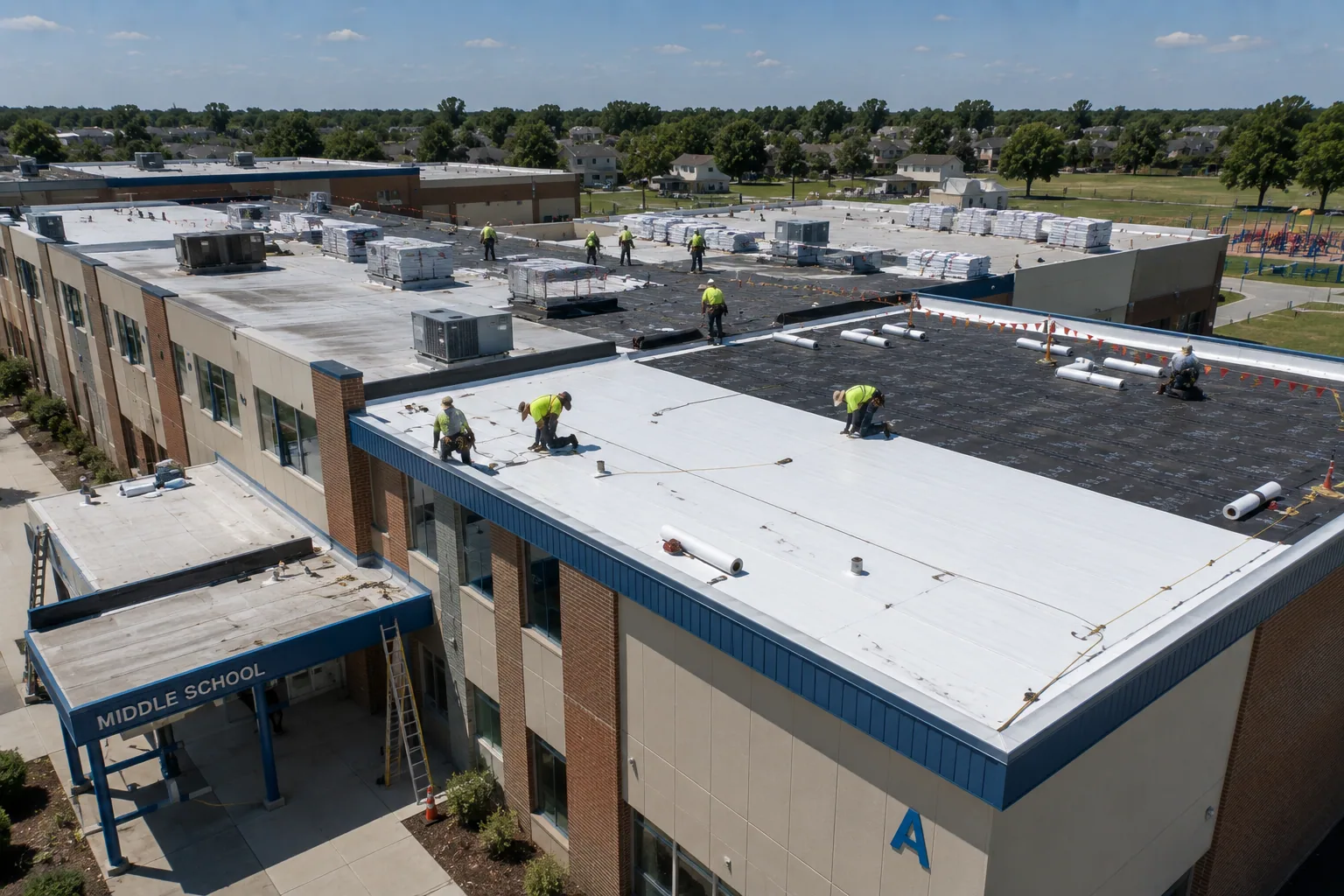
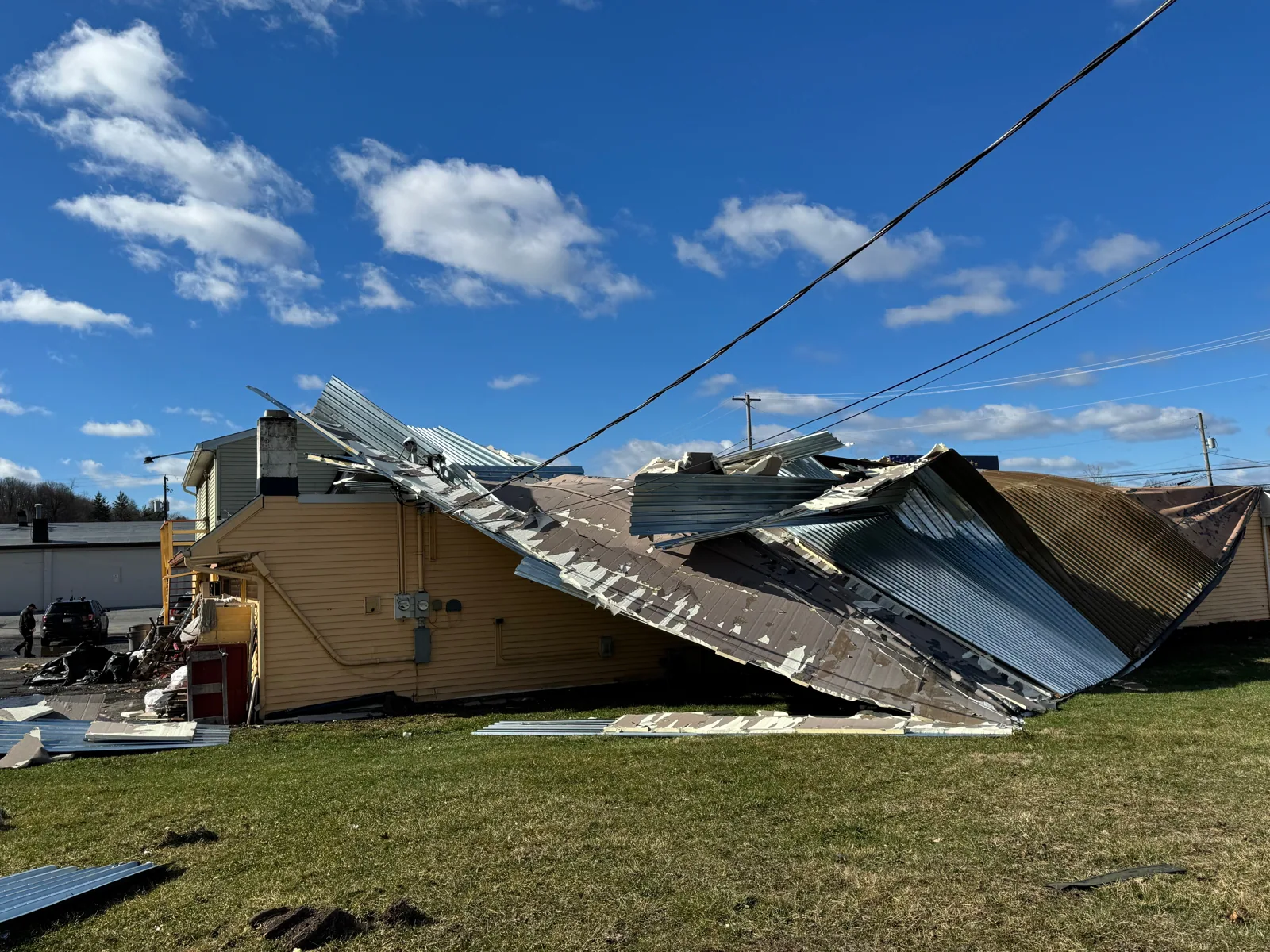
Two tornadoes crossed Kenosha County on January 7, 2008. One hit Somers and the city's north side, the other passed through Wheatland and Brighton, and 105 county homes were damaged. Commercial roofs are not immune to the same winds, and the perimeter is where uplift concentrates. We inspect the edge metal, coping and perimeter attachment of every candidate recover, because a new membrane fastened to a loose perimeter inherits the weakness.
Where the edge is marginal, the scope adds new perimeter metal and stronger attachment within the first few feet of the roof edge. That is documented with pull-test results where they apply, so the building has a record of what was verified rather than assumed. Lakefront buildings, which take wind from Lake Michigan, deserve particular scrutiny.
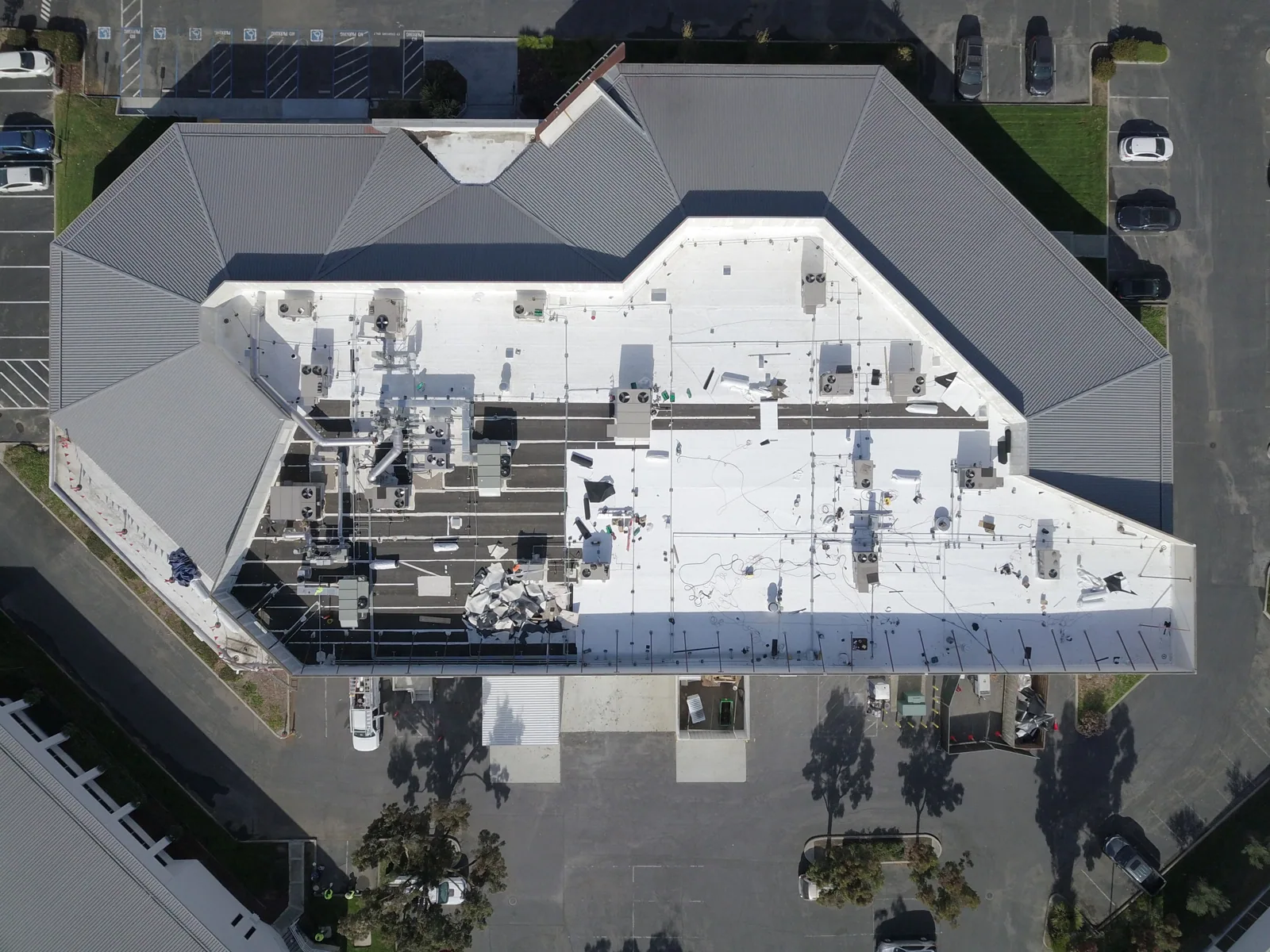
Recovers suit warehouses and light industrial buildings where the roof is dry, the deck is steel and the schedule matters. A warehouse roof in Sturtevant or Pleasant Prairie can often be recovered in sections without interrupting dock operations, since there is no tear-off debris and little exposure to weather.
They suit poorly where moisture is widespread, where the deck has corroded, or where the roof has already been recovered once. Hospitals and schools sometimes prefer recovers to limit noise, and we accept that preference only when the moisture and structure tests clear. A recover that skips the tests is a deferral, and the file will show the cost of that deferral when the next owner pulls it. We would rather hand you a replacement finding today than a failed recover in three winters.
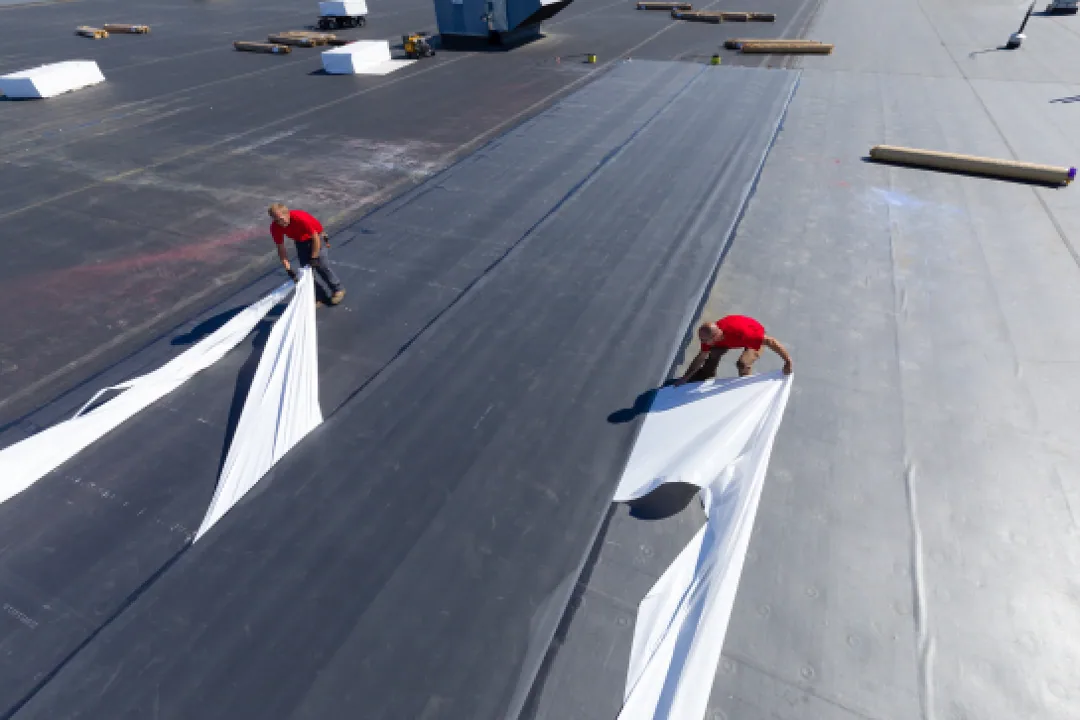
At completion, the owner receives core locations, moisture survey results, layer counts, material submittals and the warranty paperwork, all keyed to a marked roof plan. That roof condition report becomes the baseline for the next inspection and the starting point for capital planning. We also record the recover itself as an event in the roof's history, so a future designer knows how many layers exist before anyone cuts into the roof.
If you manage buildings in Racine or elsewhere along the lakeshore, send the roof plan and the address, and we will schedule a baseline inspection.
Keep Reading
Full tear-off and replacement for Kenosha, WI commercial roofs, run from a documented core survey, written condition ratings and a close-out package.
Infrared scans and core-cut verification for Kenosha, WI commercial roofs, producing a numbered moisture map that separates wet insulation from dry.
Roof insulation, tapered systems and cover board in Kenosha, WI: core cuts, moisture readings and code checks that set the right assembly for your roof.
PVC roof inspection, weld repair and replacement in Kenosha, WI, with grease-exposure mapping, moisture surveys and dated condition ratings.
Commercial roofing in Somers, WI for institutional, retail and highway-side buildings, with wind-edge checks, moisture surveys and dated condition ratings.
Warehouse roof inspection, drain checks, repair and replacement in Kenosha, WI, with ponding records, seam probes and condition ratings for capital requests.
That is set by the building code and local amendments, and we check both against your roof's existing layers. A roof at the limit gets a tear-off, and we write the layer count into the findings.
A recover is warrantable when the manufacturer's conditions are met, including dry insulation and an approved substrate. We submit the test results with the warranty request and keep the response in the warranty file.
We cut out and replace the wet sections, then re-test the surrounding area. If the repairs remain small, the recover can proceed. If new cores keep finding moisture, the scope shifts to replacement.
It can be on older framing. Kenosha snow adds load on top of the new layer, so we flag buildings where a structural check is worthwhile before any material is ordered.
Usually, because there is no demolition debris and the building stays drier during the work. The time saved should never come from skipping the moisture tests.