TPO Roofing in Kenosha, WI

TPO roof inspection, seam repair and replacement in Kenosha, WI, with probed weld records, dated photo sets and condition ratings for capital requests.

TPO Roofing in Kenosha, WI

TPO Roofing

A TPO seam that lifts under the tip of a probe is a finding a facility director can photograph, number and file. Thermoplastic sheet gets a hard test in Kenosha, WI, where the thermometer has read minus 31 in January 1985 and 105 in July 2012. The sheet has to stretch and relax across that whole band, year after year. We record how each weld, flashing and fastener row is holding, and we keep the record dated so the next inspector can see what changed.

That record is what turns a TPO roof from a surface into an asset with a history. It shows which details repeat, which repairs held, and when the cost of keeping the roof in service starts to exceed the cost of renewing it.

TPO Roofing

What a Hot-Air Weld Shows Under a Probe

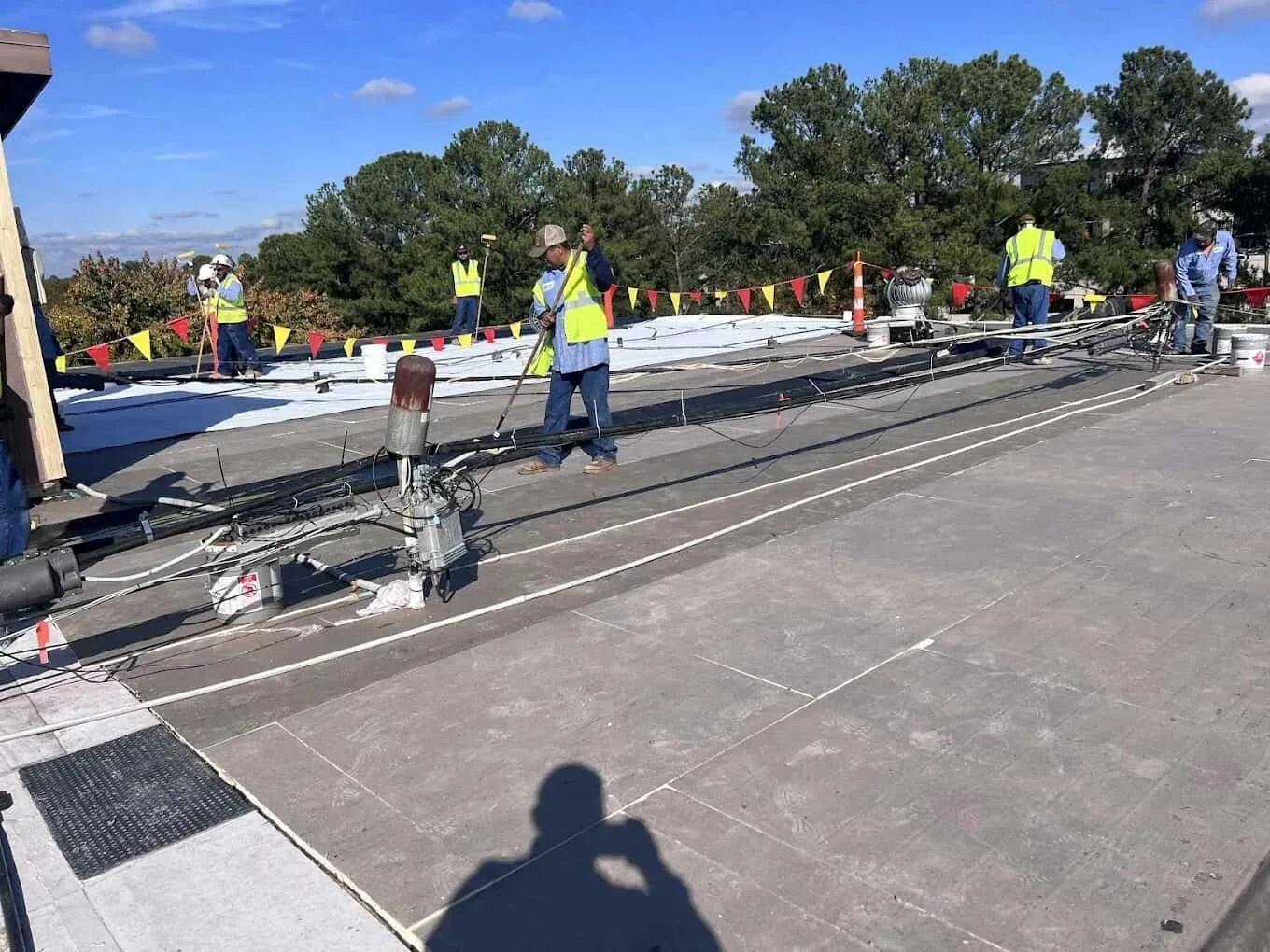
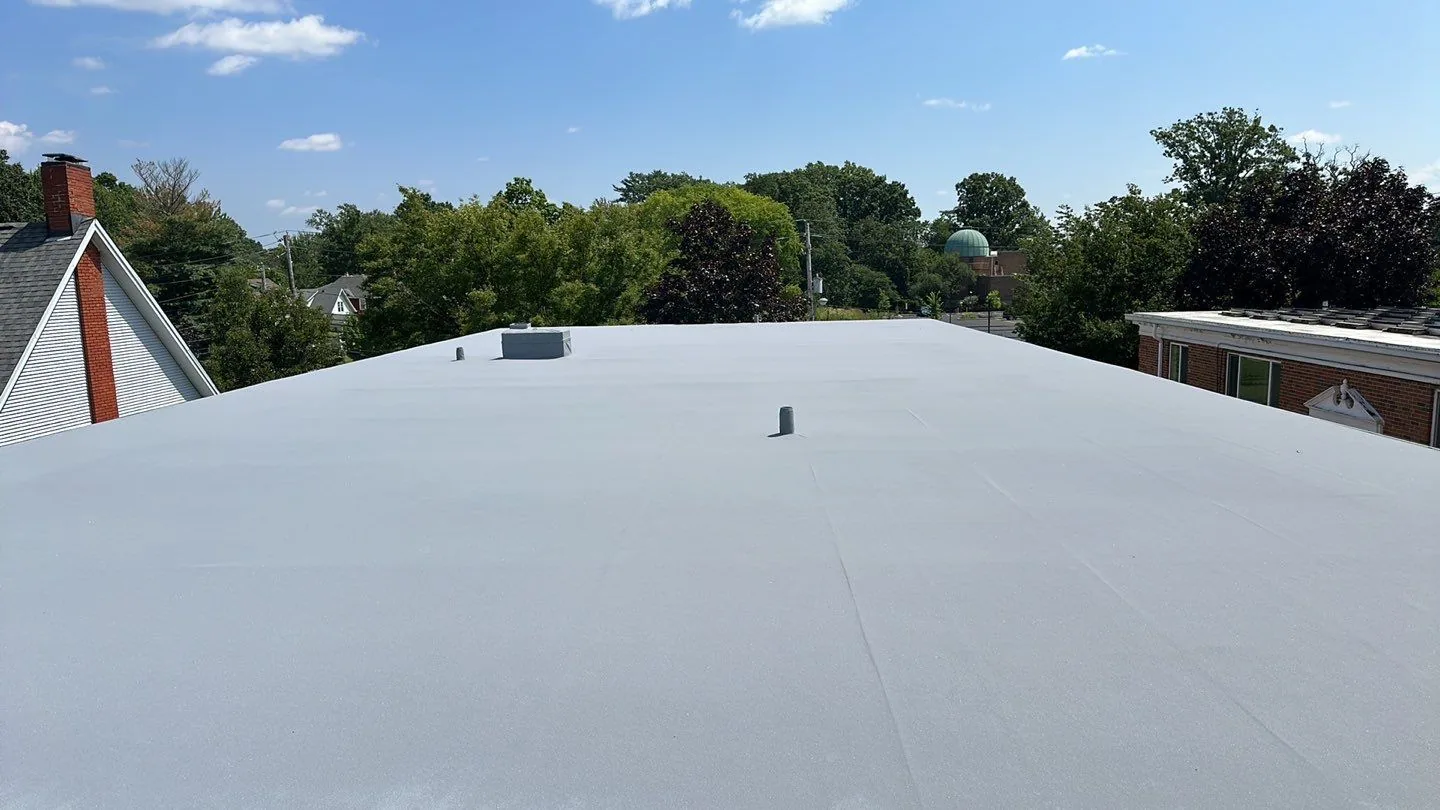
TPO sheets are joined by a hot-air weld that fuses two overlapping edges into one piece. A sound weld shows a continuous bead and resists a probe run along its edge. A weak one shows a gap, a lifted corner or a bright, unfused strip where the sheet never reached welding temperature.

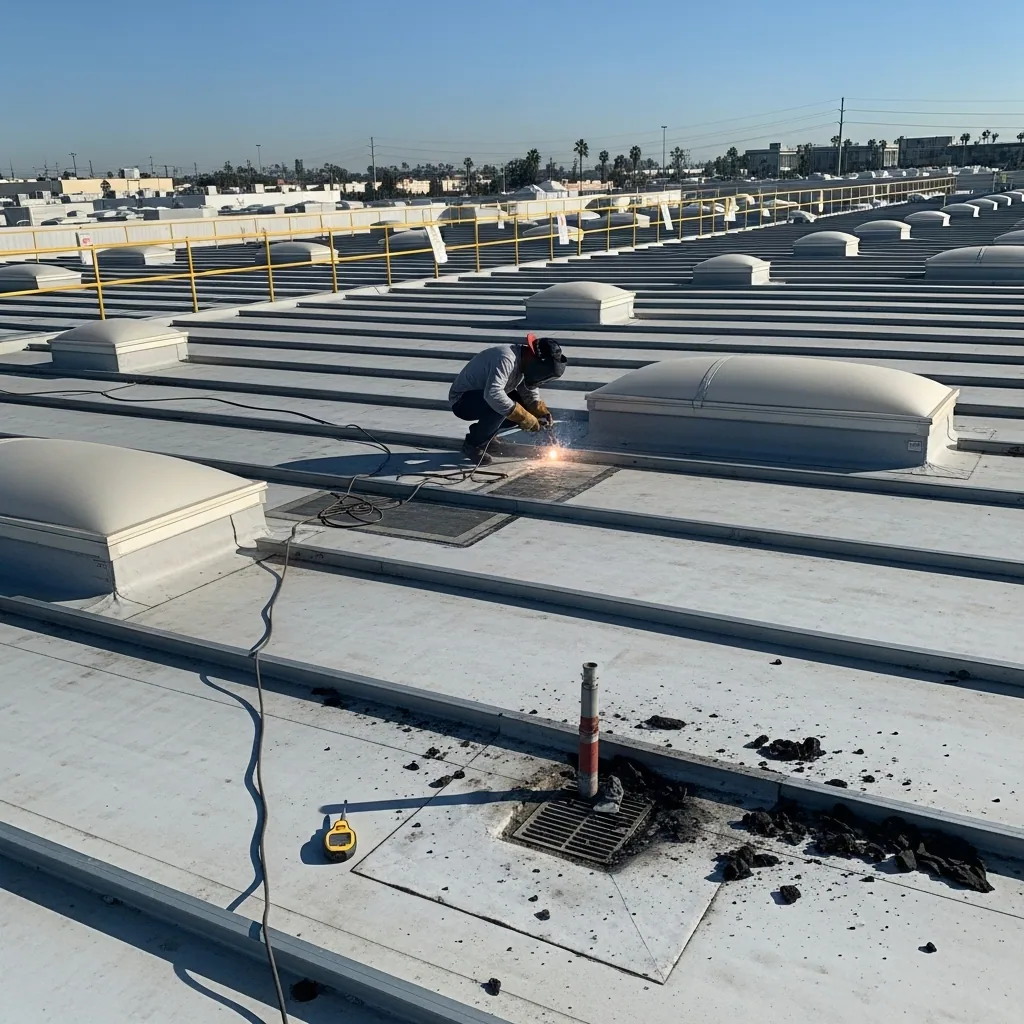
We probe a measured sample of seam on every visit and mark each open length on the roof plan. Dirt, moisture and cold at the time of installation are the usual causes, and a hard-set fastener row beneath the lap can pinch a seam open later. The mark, the photograph and the length go into the inspection log, which tells the owner whether the defects are isolated or repeat across the roof.

TPO Roofing

How Cold and Heat Load the Sheet

A white thermoplastic sheet shrinks a little in deep cold and relaxes in summer heat. About 36.2 inches of snow falls in an average year, and Kenosha County's roughly 8 miles of Lake Michigan shoreline add wind and freeze-thaw exposure for lakefront buildings. Each cycle pulls on corners, wall bases and curb flashings, where the sheet is held in place and cannot move freely.

After the spring thaw we look first at those restraint points. A flashing that has pulled away from a wall by even a small gap becomes a leak path. A dated photo set from each spring shows whether the gap is growing or stable. Racine, the next city north, averages about 41 inches of snowfall a year, so the same spring comparison applies to roofs there. The spring photo set is what supports the repair or renewal decision.

TPO Roofing

Mechanically Attached, Adhered and Ballasted Roofs

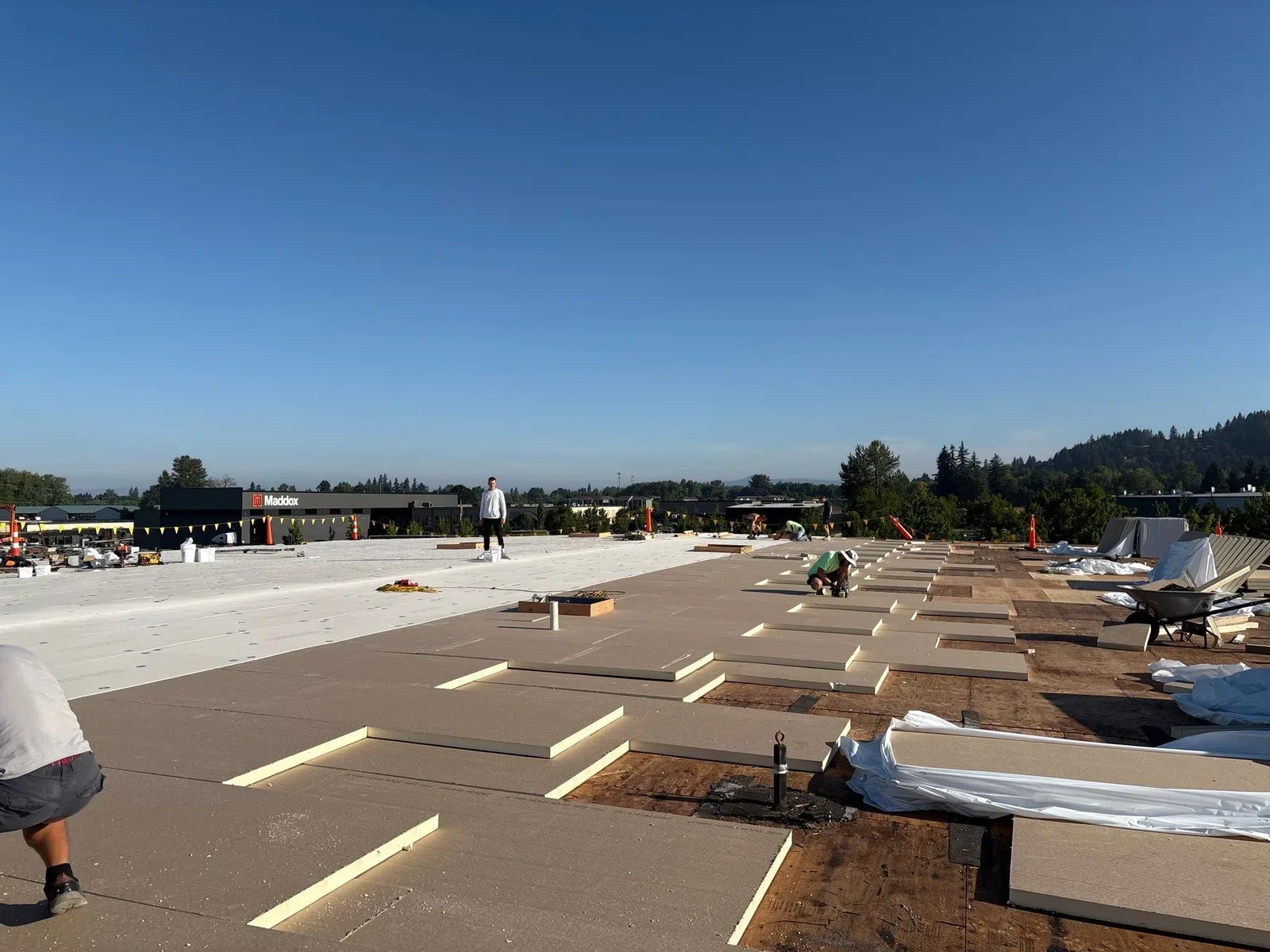
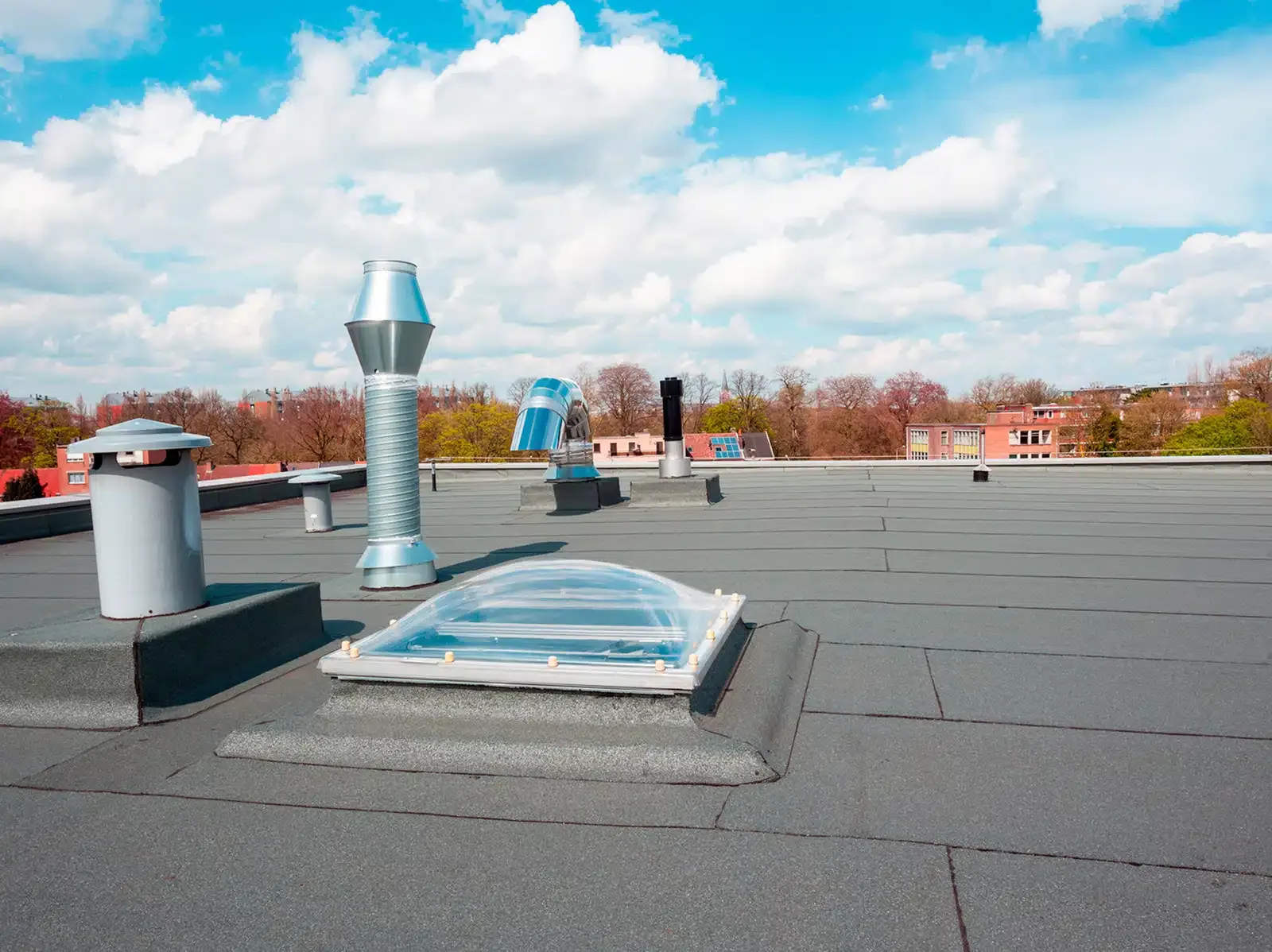
The way a TPO sheet is held to the building decides how it fails. A mechanically attached roof uses plates and screws in rows under the seam overlap, and loose or backed-out fasteners show as ridges or flutter. A fully adhered roof depends on a clean bond to the substrate and shows loss of adhesion as soft, hollow-sounding areas. A ballasted roof relies on stone weight and shows movement of ballast toward drains.

We identify the method on the first visit and write it into the baseline report. Each method has its own inspection checklist, and the findings are rated against it. The record also tells a bidder what the replacement must match, such as insulation and cover board beneath the sheet.

TPO Roofing

Single-Ply on Large Low-Slope Buildings

LakeView Corporate Park in Pleasant Prairie, which the village calls the largest industrial park in Wisconsin, holds more than 80 companies and over 10 million square feet of development on about 2,000 acres. Where a building there carries TPO, the long runs of seam are the main inspection task.

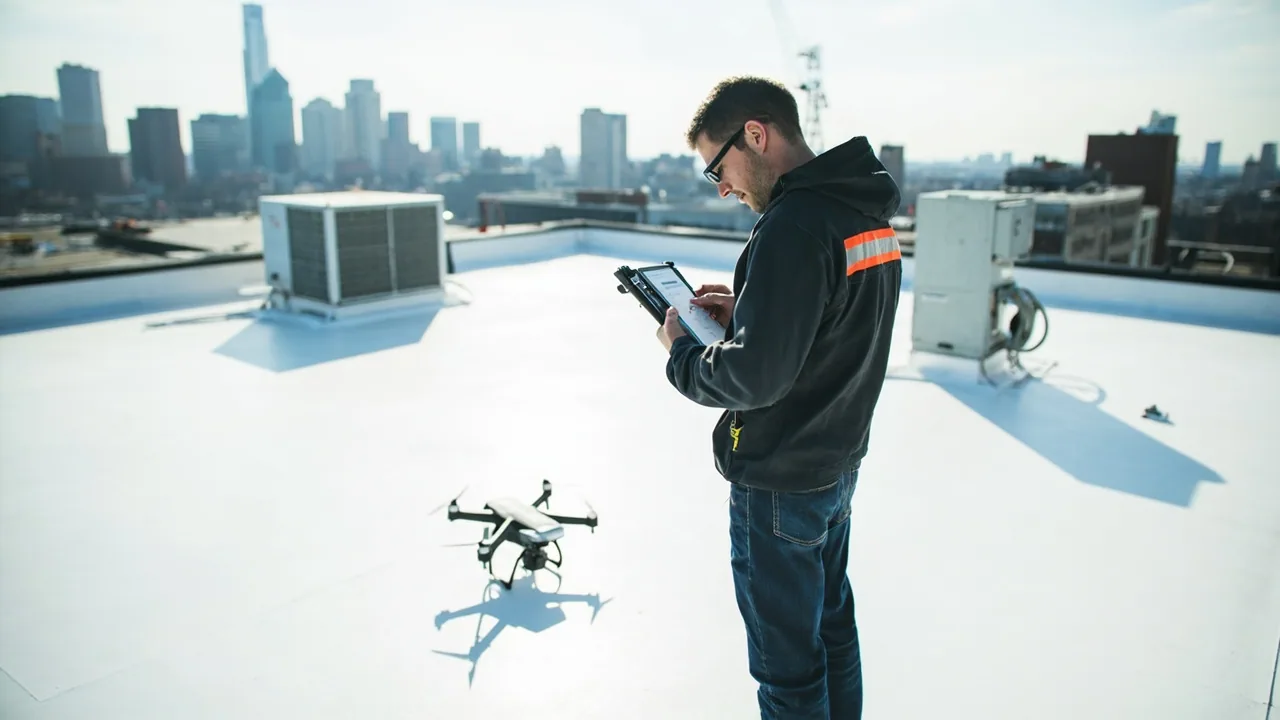
The first visit confirms the roof type before any plan is written. On a wide roof, a drain check matters as much as the weld probe, because slow drains leave standing water against the seams. We log each drain, its condition and any ponding, and we tie that record to the condition rating. The same method applies to a distribution center roof in Pleasant Prairie or a plant roof in Racine County.

TPO Roofing

Drains, Ponding and Seasonal Checks

Water that stays on a TPO sheet for more than a day or two after rain loads the seams and collects dirt. Winter makes it worse, because meltwater refreezes in low areas and ice works against edge details. We check every drain, scupper and overflow on each visit, photograph any ponding with a scale reference and write the depth into the ponding record.

A spring drain check follows the thaw, and a second check before the first hard freeze clears leaves and debris from the bowls. Repeat ponding in the same place is a finding in its own right. It may call for a drain added or lowered, tapered insulation or a new slope at the next replacement.

TPO Roofing

Findings That Move a Roof Toward Replacement

A few findings carry more weight than others. Wet insulation found by a moisture survey and confirmed with a core cut means the assembly below the sheet has failed. Seams that reopen in the same zone after repair point to a bond problem. A sheet that has turned brittle at laps will not accept a patch.

When the findings are scattered and the insulation is dry, repair on an inspection interval is usually the better use of money. When they cluster, we price a recover or a replacement against the same scope so the capital request compares like with like. A PVC or EPDM alternate can be priced the same way when the owner wants to compare membranes.

TPO Roofing

Paperwork That Travels With the Roof

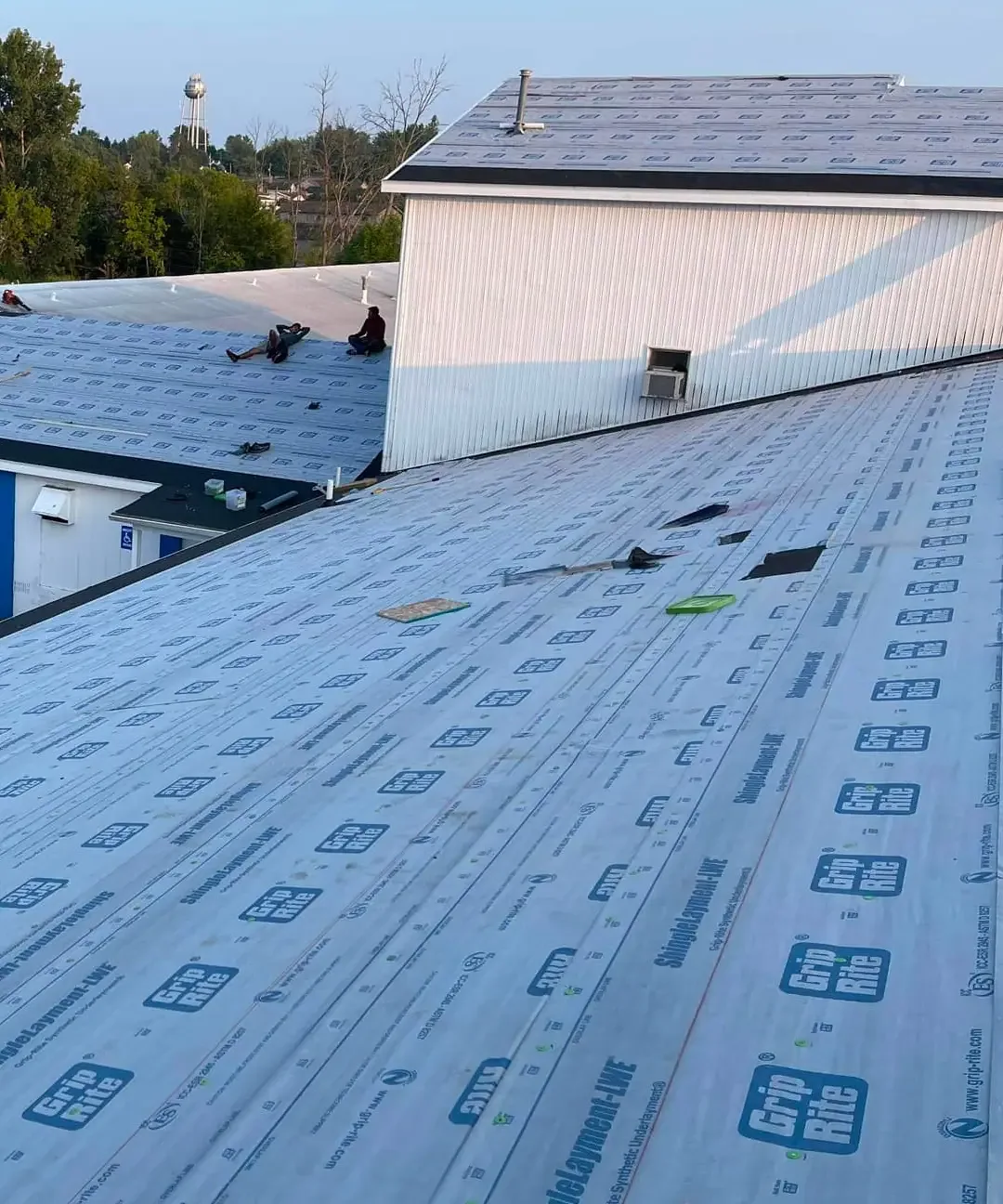
A TPO roof carries paper as well as membrane: the warranty file, the installer's close-out package, material data and any repair invoices. We ask for the file at the first visit and match it to the roof. Gaps are common, and they cost time when a claim or a sale comes up.

Once work is finished, a close-out package goes to the owner with photographs, a material list, repair locations and the date of the next inspection. The warranty management record then stays current, and the facility director has one place to look. When a building changes hands or a lender asks for roof documentation, that package answers the question in one sitting and saves a fresh survey.

Start with a dated baseline

Questions About TPO Roofing

How often should TPO seams be probed?

Once a year at minimum, with a second visit after the spring thaw on roofs that have shown open seams. Probing a sample line each visit shows whether defects are isolated. We log the length probed and the length found open.

Can a TPO roof be coated instead of replaced?

Sometimes. A sound, dry sheet with intact seams may accept a compatible coating. Wet insulation, open seams or brittle laps rule it out. We test adhesion and run a moisture survey before recommending it.

What causes TPO seams to open?

Contamination or cold at installation, a hard-set fastener row under the seam, and repeated thermal movement at restrained points. The cause shapes the repair, so we record where each opening sits and what surrounds it.

Does snow load damage a TPO sheet?

The sheet itself tolerates snow, but drifts can overload drains and flashings and leave ponding after melt. A winter of about 36.2 inches of snow is why drains and low areas get a check every spring.

What should a TPO baseline report include?

The attachment method, a dated photo set, a seam probe record, drain condition, flashing findings, a moisture reading where taken, and a condition rating. It should be usable as an attachment to a capital request.

ServicesRoof SystemsIndustriesProperty TypesService AreasDamage RepairCapabilitiesManufacturersContactAboutRequest a Roof Assessment555-555-5555
Call555-555-5555