
How long does an inspection take?
A small roof takes a few hours. A large distribution roof can take a full day, longer when moisture mapping is added. The report follows with photographs and ratings.
Hands-on commercial roof inspections in Kenosha, WI with dated photos, a marked roof plan and a written condition rating you can attach to a capital request.
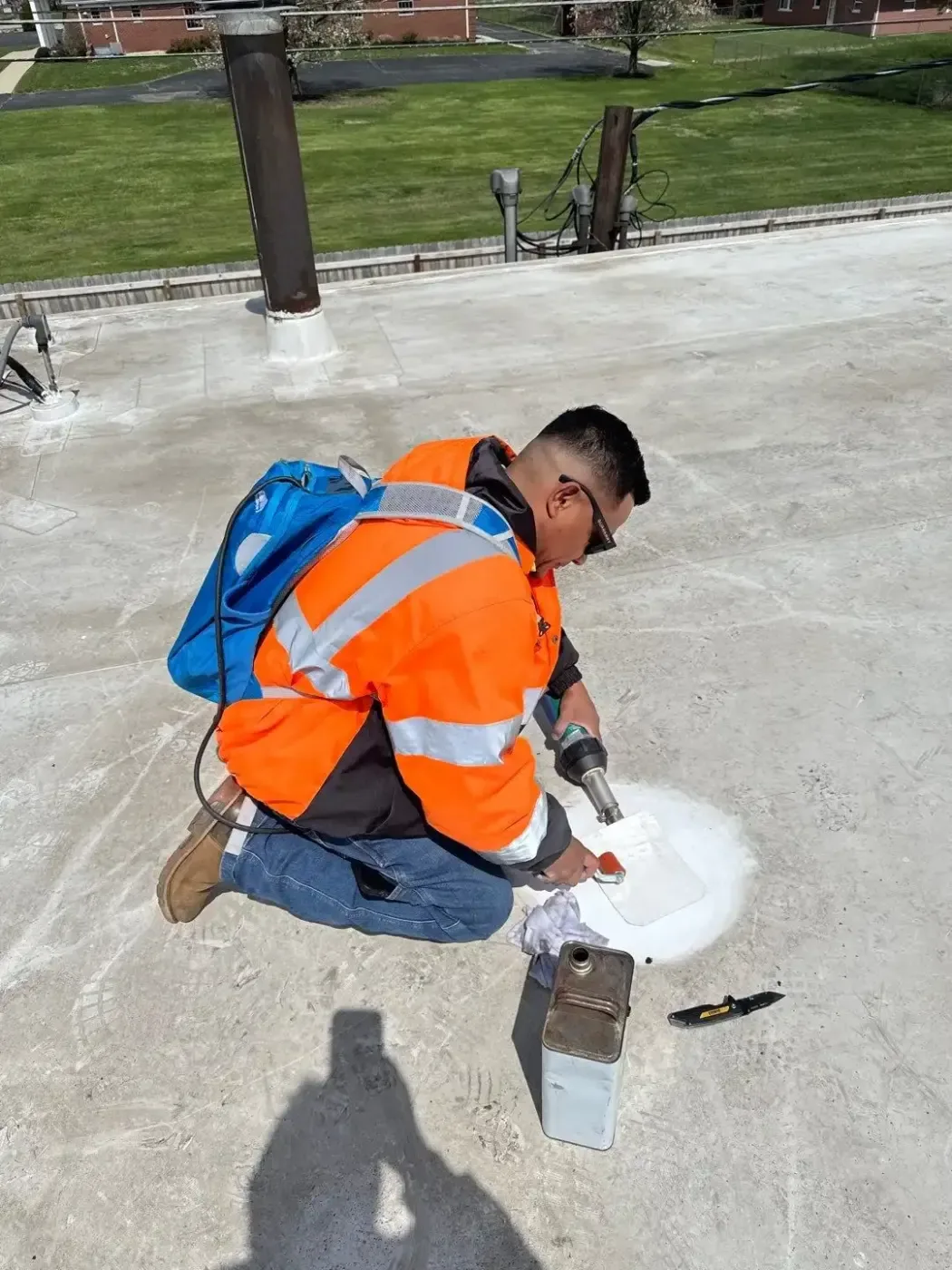
Our inspection file begins with a roof plan and ends with a condition rating. In between sit the dated photographs, the numbered findings and the measurements that connect the two. A facility director in Kenosha, WI can open that file a year later, walk to finding fourteen, and see whether it has changed. That is the standard we hold the work to: a record another person can verify without calling us.
The inspection is hands-on. We walk the full surface, probe suspicious areas, test seams and terminations, and check drainage and penetrations. Aerial imaging and moisture mapping support the walk when the roof is large or the history points to trapped water, but they do not replace it.
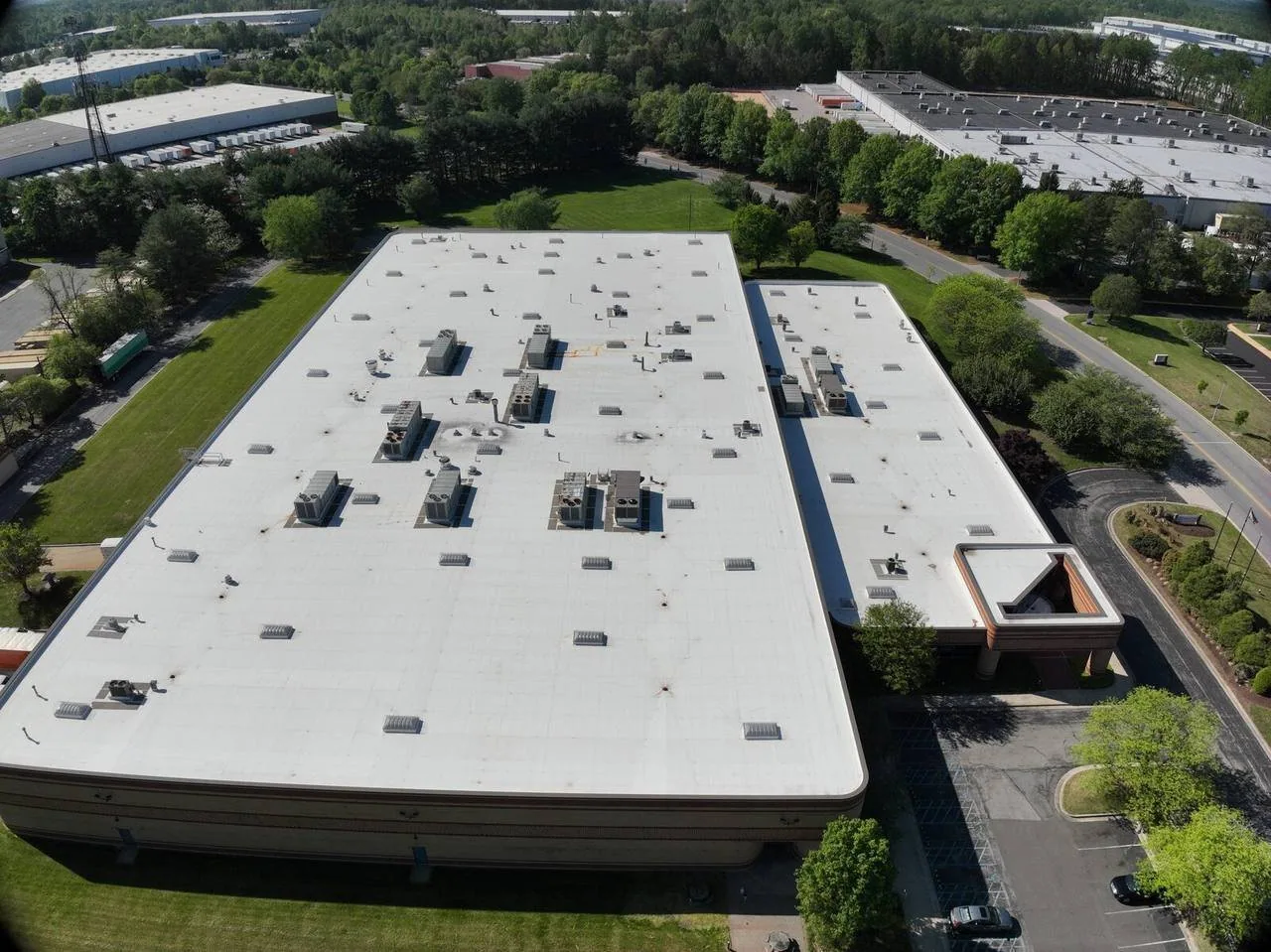
Every inspection follows a fixed order so nothing is skipped and the results are comparable between visits. We start at the roof access and the perimeter, then work through the field in lanes. At each defect we take a wide photograph for location, a close photograph for detail, and a measurement where size matters. The finding gets a number and a place on the plan.
The categories are consistent. Membrane condition covers cracking, blistering, shrinkage, punctures and surface wear. Seams and laps cover open edges and failed welds. Flashings and terminations cover walls, curbs, pipes and parapets. Drainage covers drains, scuppers, gutters and any ponding that stands more than a day after rain. Rooftop equipment covers curbs, supports and the condition of sealants around them. Edge metal and coping complete the list.
We also record what is normal. A photograph of a sound weld or a clean drain is useful, because it gives the next inspector a reference for what good looked like on this roof.
Access and safety are part of the file as well. We note the roof hatch or ladder used, the fall protection arrangement, and any areas we did not walk because of weak decking, ice or restricted equipment zones. A skipped area is listed with the reason, so the report shows the reader exactly what was examined and what was not. If a section needs a second visit under better conditions, the finding says which one and why, and the follow-up appears on the calendar of open items.
The rating is how the file speaks to a budget committee. We grade each roof section on a simple scale from sound to failed, with a short description of what each grade means for this roof. A section rated fair with isolated seam issues leads to a different decision than a section rated poor with widespread cracking.
Remaining service life is stated as a range with the reasoning behind it, not as a promise. We base it on the membrane type, the observed condition, the moisture evidence and the exposure. Where the survey shows wet insulation, we say that a recover is unlikely and a section replacement may be more economical than continued repair. The rating, the range and the cost ranges for repair or replacement are the content of a roof condition report, and the same format feeds capital planning across a portfolio.
A rating is only useful if it is used consistently. We apply the same scale to every building we inspect for the same owner, which lets a facility director rank the roofs and spend where the evidence points.
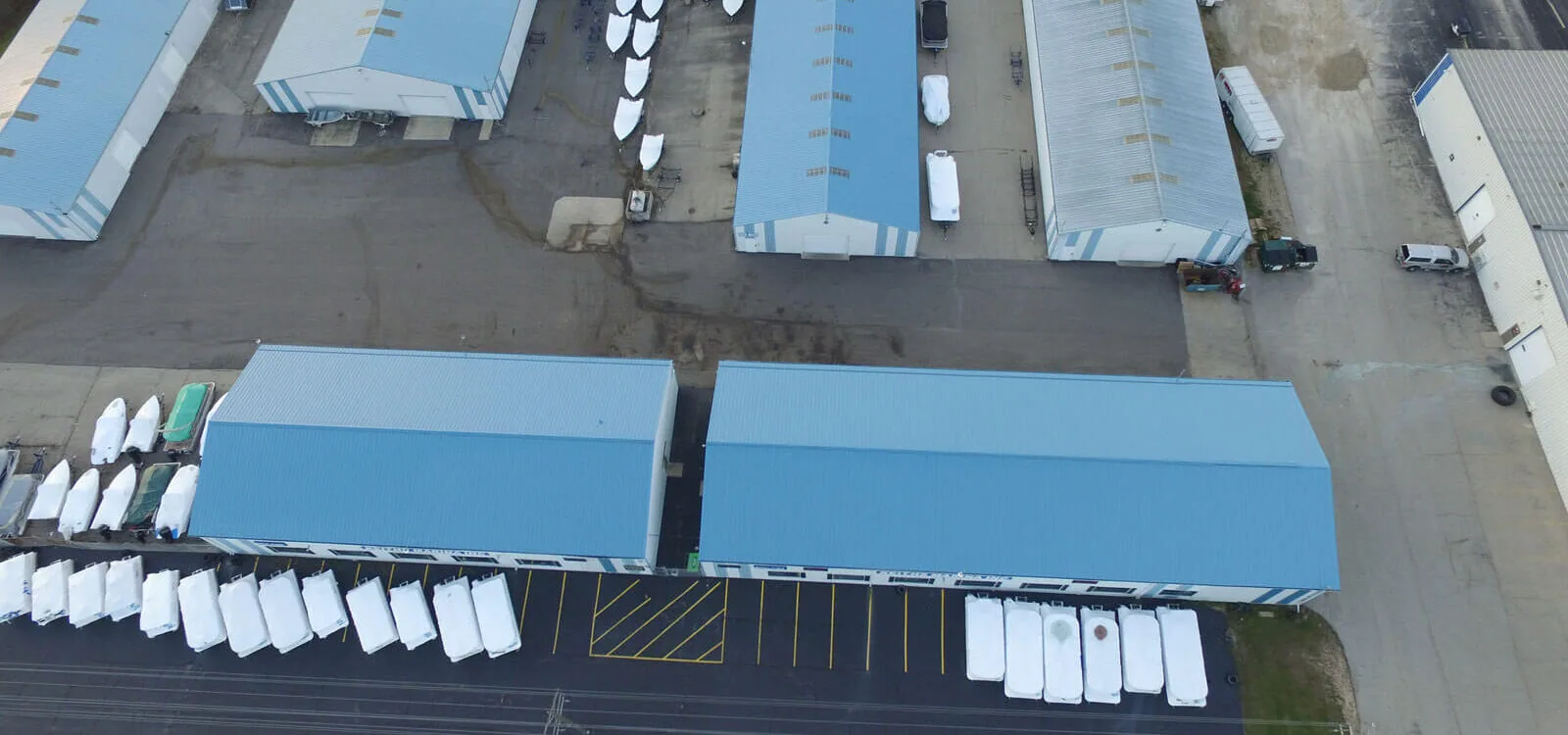
In Kenosha, the winter is the test and the spring is the exam. The city averages about 36 inches of snow a year and has recorded a low of minus 31 degrees, so a spring walk shows what the cycle did to every seam and flashing. We schedule the primary inspection in late spring, when the roof is dry and the damage is fresh, and a second walk in early fall so open items can be closed before the first hard freeze.
Special events trigger additional visits. After a heavy storm or an ice event, a shorter walk documents conditions while the evidence is clear. After the January 7, 2008 tornadoes in Somers and on Kenosha's north side, a dated record of roof condition from before the storm is what lets an owner show what changed. A baseline inspection on file makes that comparison possible.
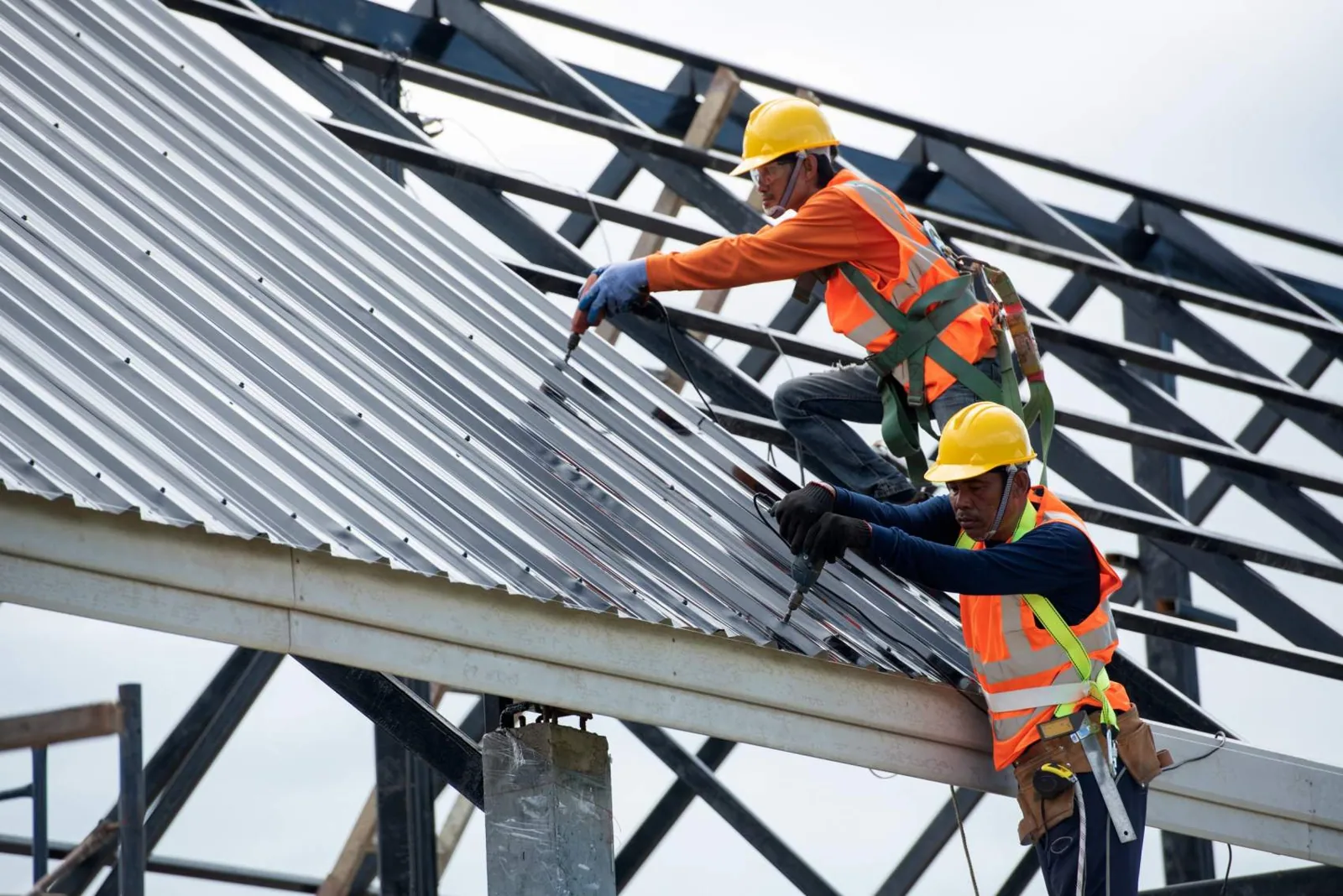
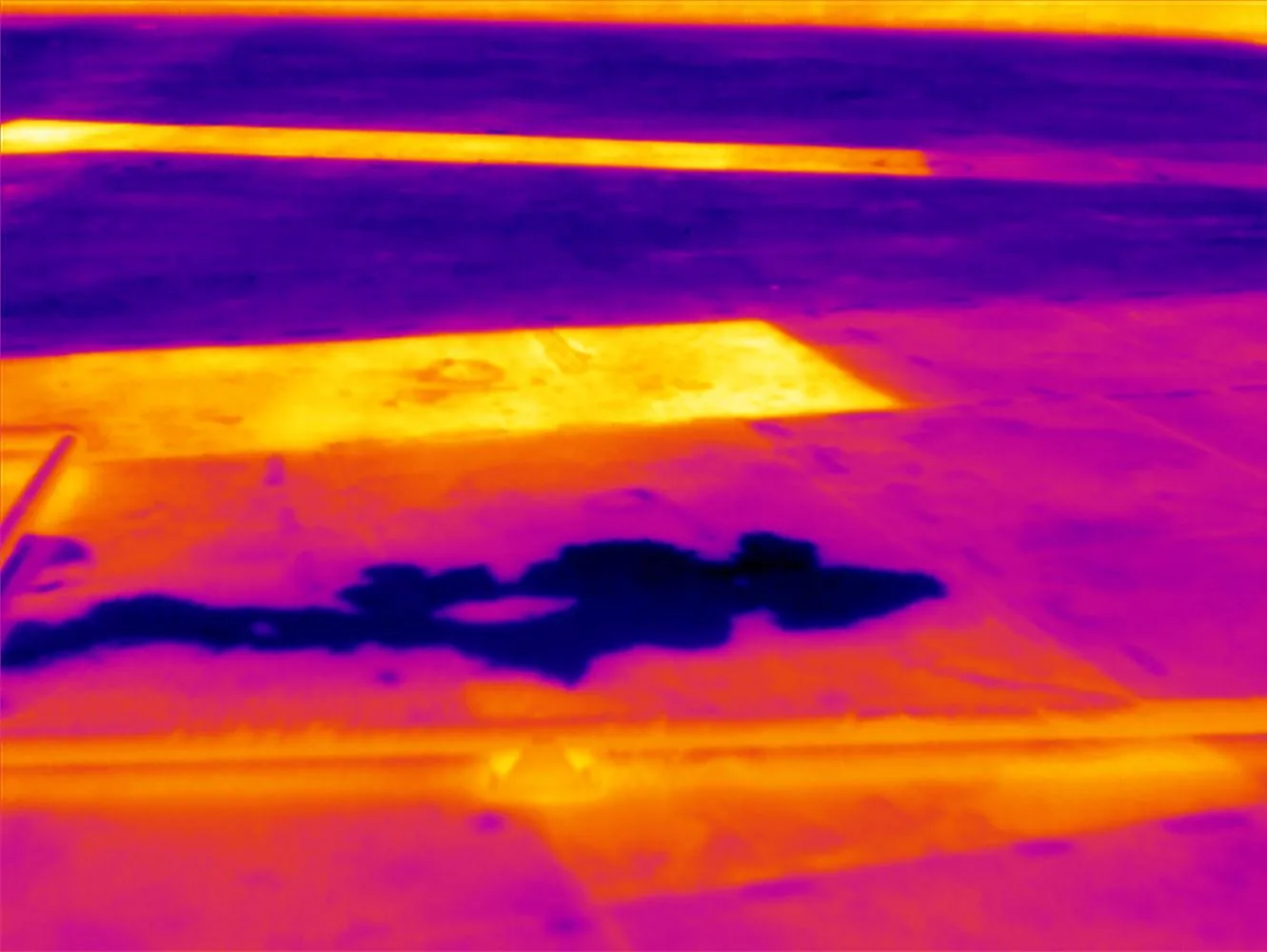
Some questions need more than a walk. A drone inspection covers large roofs quickly and records areas that are unsafe to walk, and the images can be compared year to year. An infrared and core-cut survey finds wet insulation that has no surface signs. We recommend these tools when the building size, the leak history or the age of the roof makes them worth the cost, and we say when they are not.
The findings from each method are merged into the same plan, so the owner receives one document, not three.
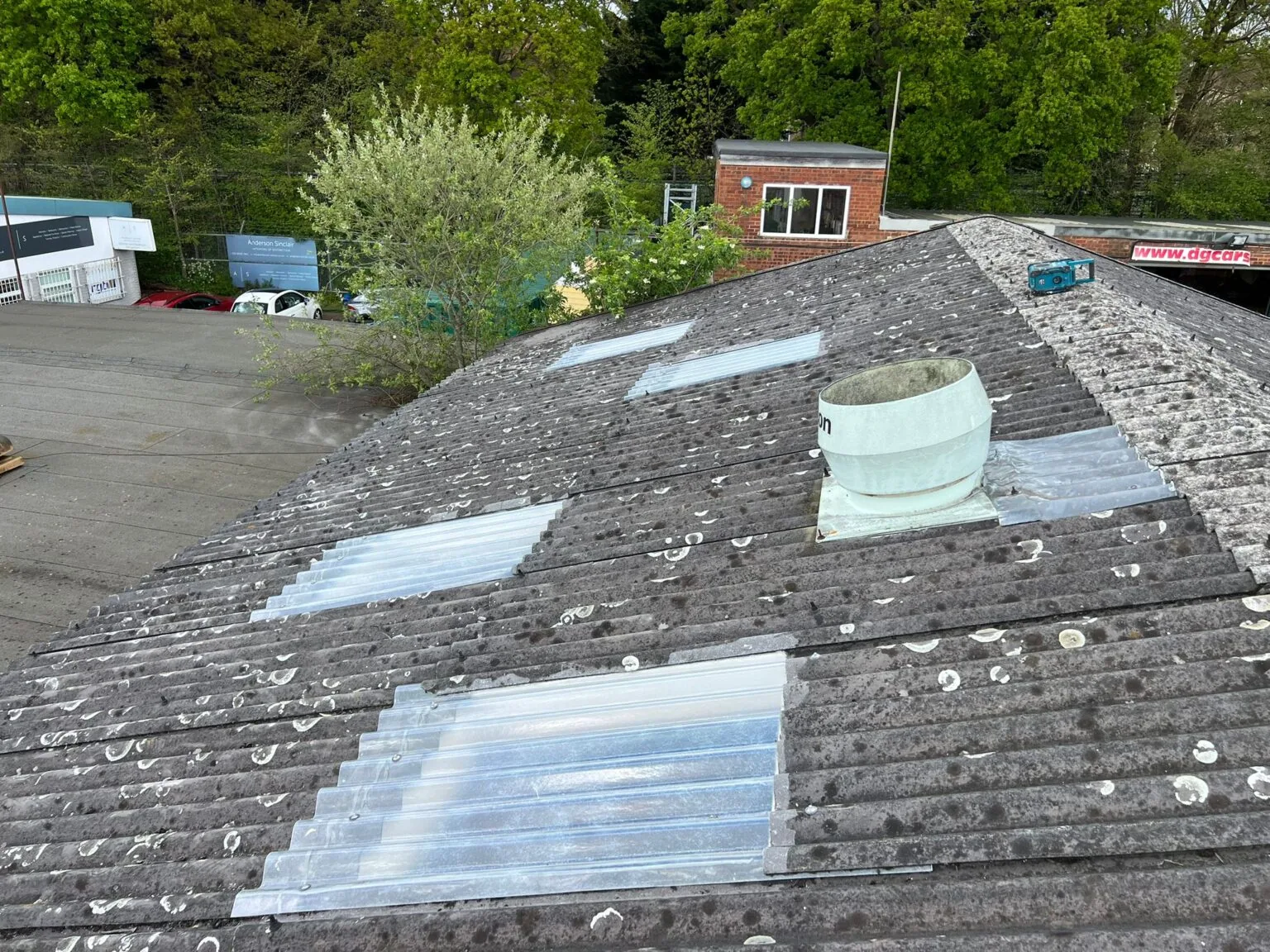
A distribution building in Pleasant Prairie's LakeView Corporate Park has a wide field, few penetrations and many dock-side details. A hospital roof has a dense population of rooftop equipment and strict access requirements. A manufacturing plant in Racine or Sturtevant may have exhaust that deposits residue on the membrane, and the inspection looks specifically for chemical effects.
New large campuses raise their own questions. Mount Pleasant has seen announcements of Foxconn's campus on about 1,000 acres and a Microsoft AI data center, and a baseline record of the buildings around that growth is worth having before the neighborhood changes. We tailor the checklist to the use, so that each report discusses the exposures that matter for that building.
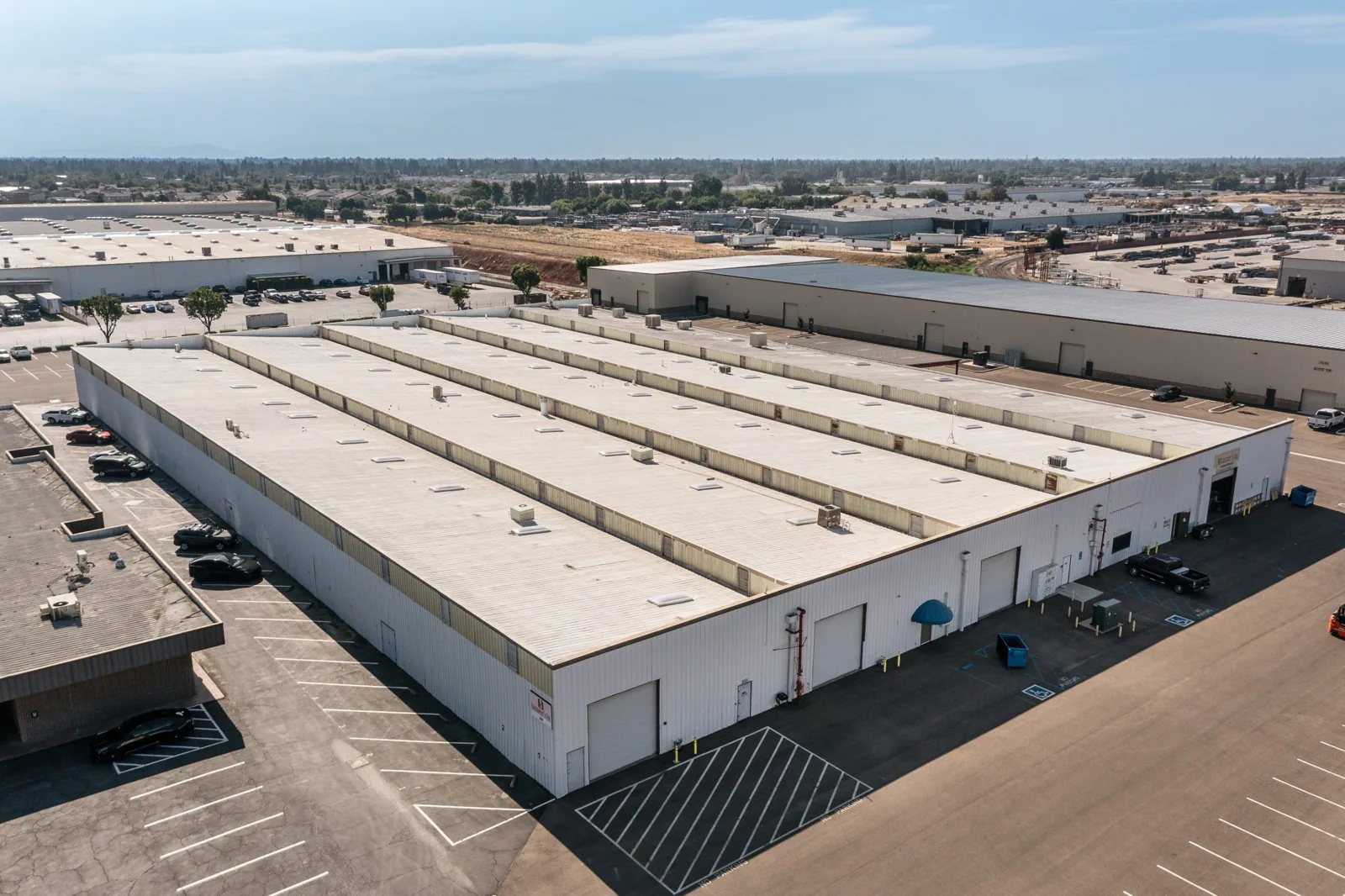
The deliverable is a bound set: the marked roof plan, the numbered photographs, the condition ratings, the prioritized findings, and cost ranges for the recommended work. The priorities are sorted into stop-water items, deterioration items and cosmetic items, so the owner can assign them to the right budget. We also provide the file in electronic form so it can be attached to a work order, an insurance renewal or a lender's request.
If the findings call for action, we present options with their costs, including the option of doing nothing and watching, with a date to re-inspect. That choice is recorded as a decision, not an omission. A building with multiple roofs can move into preventive maintenance, which turns the findings into a scheduled program.
Owners acquiring property can request the same file as part of due diligence, and owners near Mount Pleasant can schedule baseline walks alongside their other properties.
Keep Reading
Written roof condition reports with dated photos for Kenosha, WI buildings: numbered findings, moisture data, condition ratings and a repair-first list.
Roof capital planning for Kenosha, WI owners: condition ratings, core cut results and replacement timing arranged into a budget request a committee can review.
Drone roof imaging for large Kenosha, WI commercial roofs: geo-tagged photo sets, year-to-year comparison and findings tied to a marked roof plan.
Infrared scans and core-cut verification for Kenosha, WI commercial roofs, producing a numbered moisture map that separates wet insulation from dry.
Manufacturing plant roof inspection, exhaust-zone mapping, repair and replacement in Kenosha, WI, with equipment lists, moisture surveys and condition ratings.
Scheduled preventive roof maintenance in Kenosha, WI: drain checks, seam and flashing logs, dated photo sets and work orders for facility directors.
A small roof takes a few hours. A large distribution roof can take a full day, longer when moisture mapping is added. The report follows with photographs and ratings.
Access, any existing roof plan, the leak history and the warranty file if there is one. Partial records are enough to start.
The dated photographs and findings document condition and apparent cause. We provide them to the owner, who decides how to use them.
For large roofs it covers area efficiently, but touch tests of seams and flashings still happen on the roof. We combine them when the building calls for both.
No. Many findings lead to repair or monitoring. The rating and the cost ranges show which path is supported.
Age is a date. The rating is what the membrane, seams and flashings show today. A younger roof with open seams can rate worse than an older roof that was kept up, and the rating is what drives the budget.