Preventive Roof Maintenance in Kenosha, WI

Scheduled preventive roof maintenance in Kenosha, WI: drain checks, seam and flashing logs, dated photo sets and work orders for facility directors.

Preventive Roof Maintenance in Kenosha, WI

Preventive Roof Maintenance

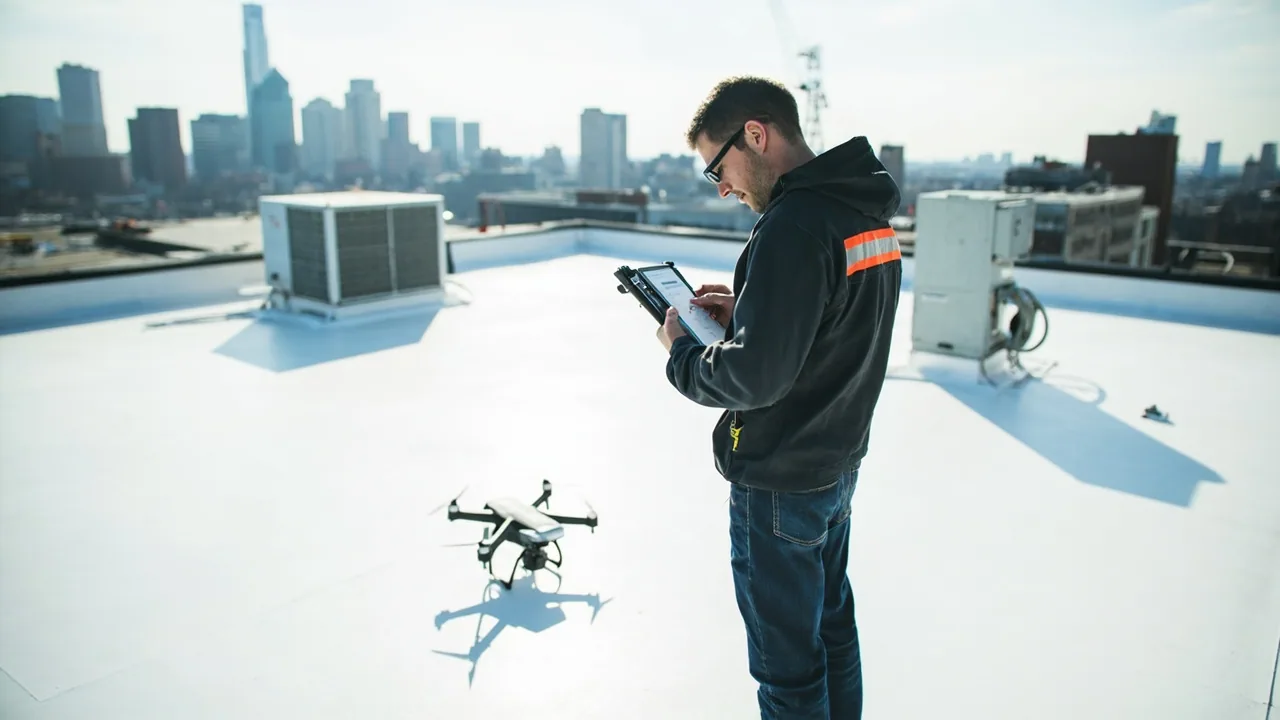
A drain bowl half full of leaf litter, with a skin of ice across the sump, is a finding a facility director can photograph and file. The photograph proves the date, the location and the condition, and the log entry tells the next visitor where to look first. Preventive maintenance in Kenosha, WI is built from entries like that one. Each scheduled visit adds a dated photo set, a drain check, a list of small repairs made on the spot and a list of larger items that become work orders. After a few seasons, the file shows which roofs hold steady and which ones need money.

Preventive Roof Maintenance

What a Scheduled Visit Covers

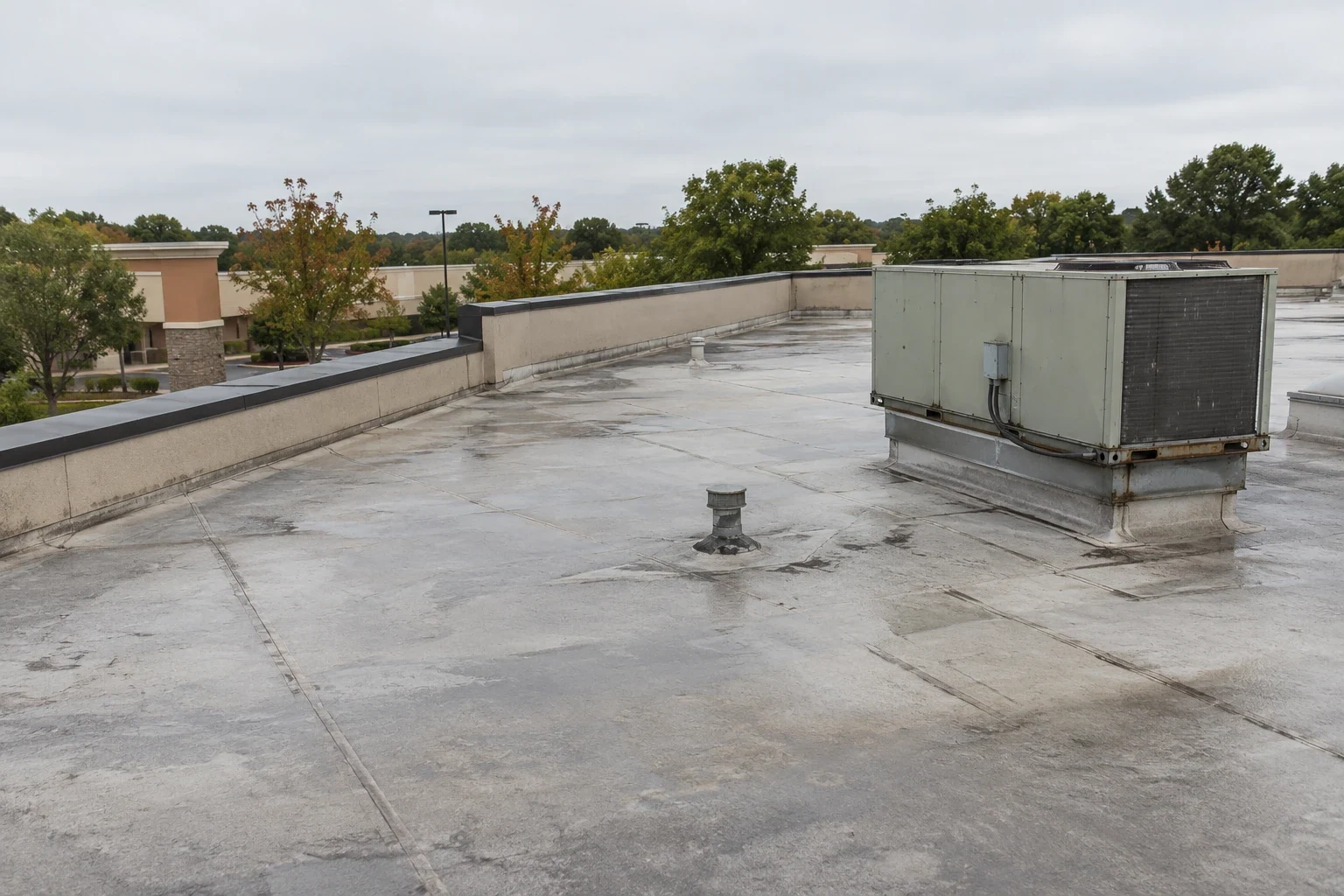
Each visit follows the same sequence so entries compare from one season to the next. We clear drains, scuppers and gutters, then check the sumps for slow drainage. We walk the field and look at seams, laps, patches and surface wear. We check every flashing, curb, pipe boot and termination, and we look at coping and edge metal for loose fasteners.

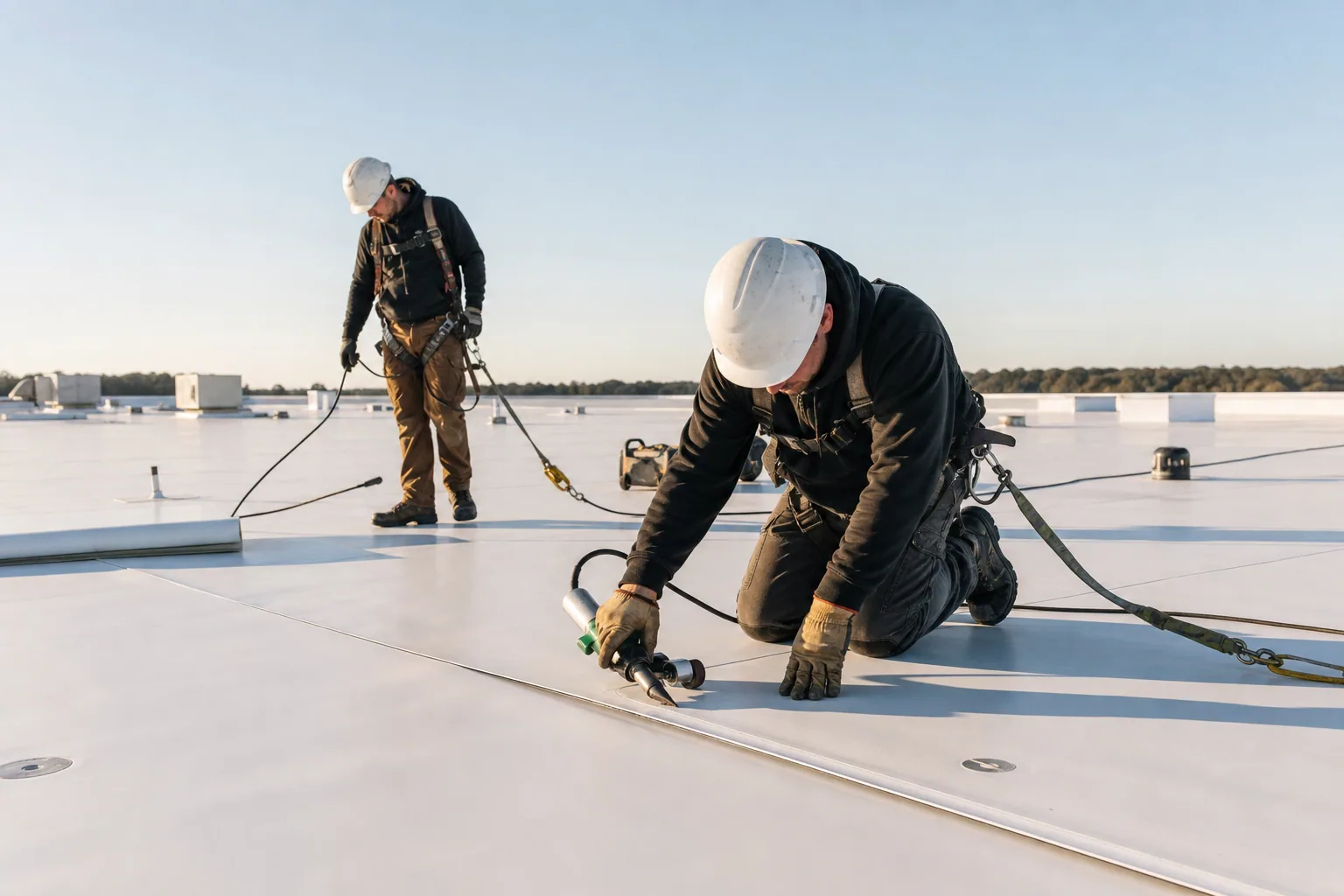
Small defects are repaired during the visit: resealing a pitch pan, re-fastening a lifted termination bar, patching a scuff. Anything larger gets a numbered finding, a photograph and a price range. The facility director receives the log, not a verbal summary.

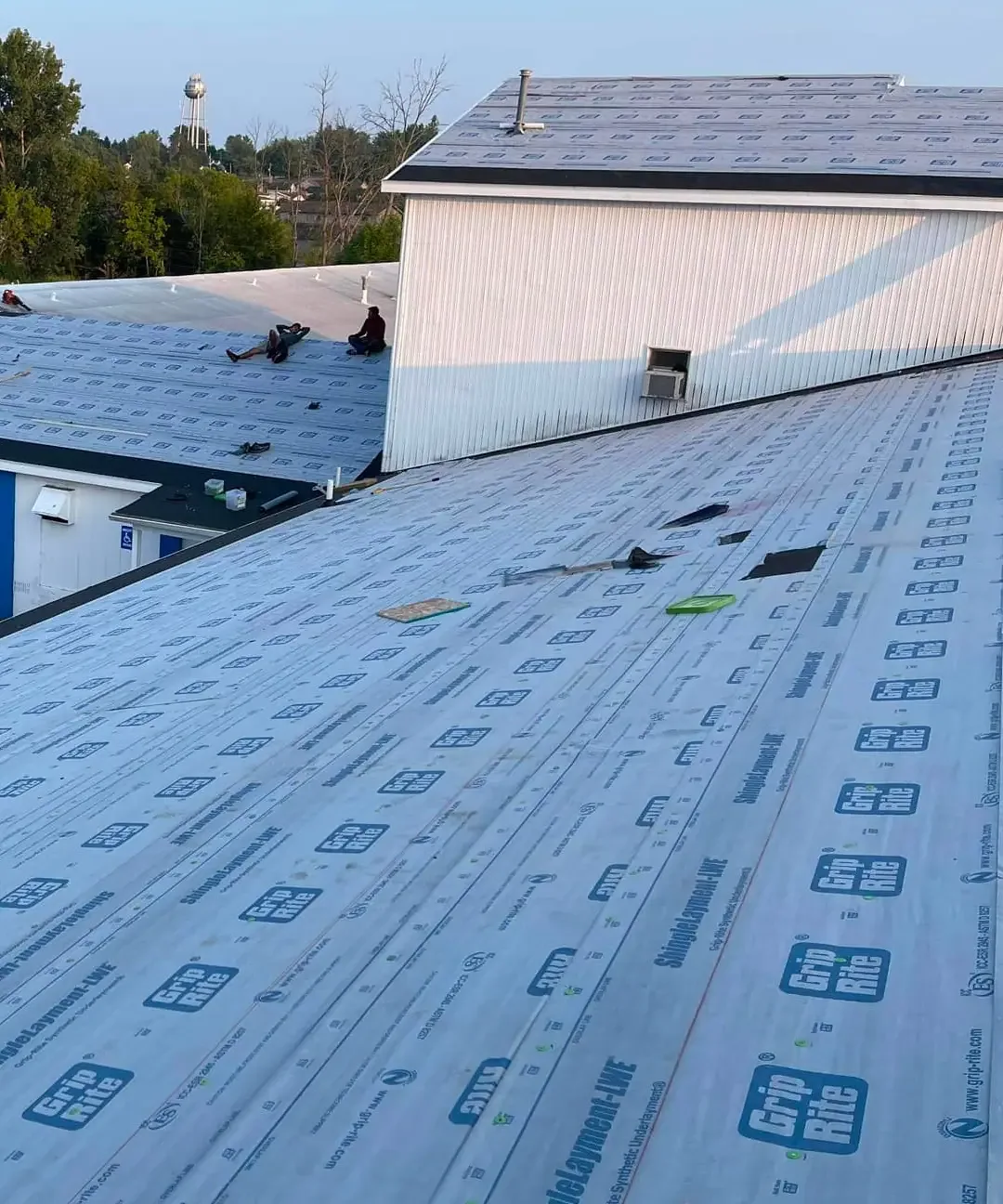
Equipment gets its own pass. We look at the sealant and flashing around each rooftop unit, check that condensate lines drain off the membrane and not onto it, and see whether service technicians have left walk paths worn through the surface. Wear along a route to a unit is logged as a finding with a photograph, because it records who is using the roof and where.

Preventive Roof Maintenance

Spring and Autumn Checks in a Snow Climate

January and February are the snowiest months in a city that sees about 36.2 inches a year. That load rests on seams and flashings for weeks, then melts, refreezes and shifts. The autumn visit prepares the roof: drains cleared, loose metal secured, sealants checked before the first hard freeze. The spring visit reads what winter did.

Spring entries are the more valuable ones. New cracks at terminations, lifted laps near parapets and ponding that appeared since autumn are all recorded against the autumn photographs. A change between the two sets is the finding. Between the minus 31 degrees recorded in January 1985 and the 105 recorded in July 2012, a membrane can be asked to move across a very wide range.

Mid-winter visits are limited to what is safe: drain checks, ice at sumps and a look from the access point. We do not walk a snow-covered membrane to inspect it. The record states what could not be seen, and the spring visit picks up from there.

Preventive Roof Maintenance

The Maintenance Log and Dated Photo Sets

The log lists each roof area, the date of the visit, the weather, what was cleared, what was repaired and what was found. Photographs are labeled by area and position and are taken from the same spots each visit. That repeatability lets a reader flip between two dates and see the change.

We keep drain-check entries separate from membrane findings because they answer different questions. A clogged drain is a maintenance item. A drain that clears and still ponds a day later is a slope or sump finding, and it goes into the ponding record. The distinction keeps routine upkeep from hiding a problem that needs a drainage correction.

Entries are numbered and never reused. A finding keeps its number from first sighting to repair, so a reader can follow one defect through the whole file. When a repair is made, the entry names the material and the method.

Preventive Roof Maintenance

Programs for Distribution, Plant and Hospital Roofs

Program frequency follows the building. A distribution building in LakeView Corporate Park in Pleasant Prairie gets visits focused on drains and equipment curbs wherever its roof carries many penetrations. A manufacturing plant in Racine County gets a closer look around any exhaust equipment, since residue and heat can wear the membrane there.

A hospital roof, such as those over Froedtert South Kenosha Medical Center Campus downtown or Aurora Medical Center at the western city limits, would call for visits timed with facilities staff and for access rules agreed in advance. A distribution center roof and a hospital roof get different programs because the risks and the access differ, not because one is more important.

Preventive Roof Maintenance

Access, Safety and Tenant Coordination

Maintenance visits touch occupied buildings, so access is arranged before the crew arrives. We confirm the roof hatch or ladder, who holds the key, which rooftop units must be left running and what hours the tenant allows. Fall protection is set up for the edge conditions on that roof, and any area with a weak or damaged deck is marked off.

Tenants hear about the visit in advance, along with the places where noise or foot traffic on the roof might be noticed. If a finding is urgent, such as an open seam above a stocked aisle or a drain overflowing onto a dock canopy, the facility contact is told that day, and the item is recorded as urgent with a photograph. The rest wait for the written report.

Preventive Roof Maintenance

What the Log Means for the Budget

The log is a budget tool as much as a roof tool. Repair costs by roof area, year over year, show where spending is rising. A roof that needs the same detail repaired every spring is signaling something. A roof with a clean log for five years can be moved later in the capital schedule with some confidence.

When the findings point toward a larger project, the log supports the request. The facility director can attach the dated photo sets, the repair history and a condition report to a capital request. Where coatings or recovers might extend life, the same file feeds the evaluation for roof coating restoration.

Preventive Roof Maintenance

Warranty Files and Close-Out Paperwork

Many manufacturer warranties expect maintenance and expect it to be documented. We keep the visit records in a form that can be produced for a manufacturer: dates, areas, work performed and materials used. Repairs follow the system's requirements, and we flag any item where the warranty terms should be checked first.

At the end of each year we deliver a short close-out package. It lists the visits, the repairs, the open work orders and the condition ratings. A property manager with buildings in Pleasant Prairie and Racine receives one format for every site, so a property management team can compare roofs without translating between reports.

Schedule a Baseline and Set the Visit Calendar

Questions About Preventive Roof Maintenance

How many visits a year should a maintenance program include?

Two is the usual minimum in Kenosha, one in autumn and one in spring. Older roofs or roofs with ponding history may add a mid-winter drain check. We set the number after the baseline inspection.

What repairs are done during a maintenance visit?

Small ones: resealing penetrations, re-fastening terminations, patching scuffs and clearing debris. Anything that needs a crew, scaffolding or a shutdown becomes a work order with a price.

Do we need a baseline inspection first?

Yes. The baseline gives each roof area a condition rating and a starting photo set. Without it, later entries have nothing to compare against.

Can the program include roofs we do not own but manage?

It can include any roof you manage, with your access contact on file. Each building gets its own log. The portfolio summary shows all of them side by side.

What does a program cost compared with repairs alone?

The larger saving is in planning: logged findings let you schedule work before a leak forces it, and the visit cost is a known line in the operating budget.

ServicesRoof SystemsIndustriesProperty TypesService AreasDamage RepairCapabilitiesManufacturersContactAboutRequest a Roof Assessment555-555-5555
Call555-555-5555