
What is a blister on a built-up roof?
A pocket of trapped air or water between plies. An intact one can be watched. A split one lets water in and is repaired promptly.
Built-up roof inspection, blister and flashing repair and replacement in Kenosha, WI, with dated photo sets, core cut records and condition ratings.
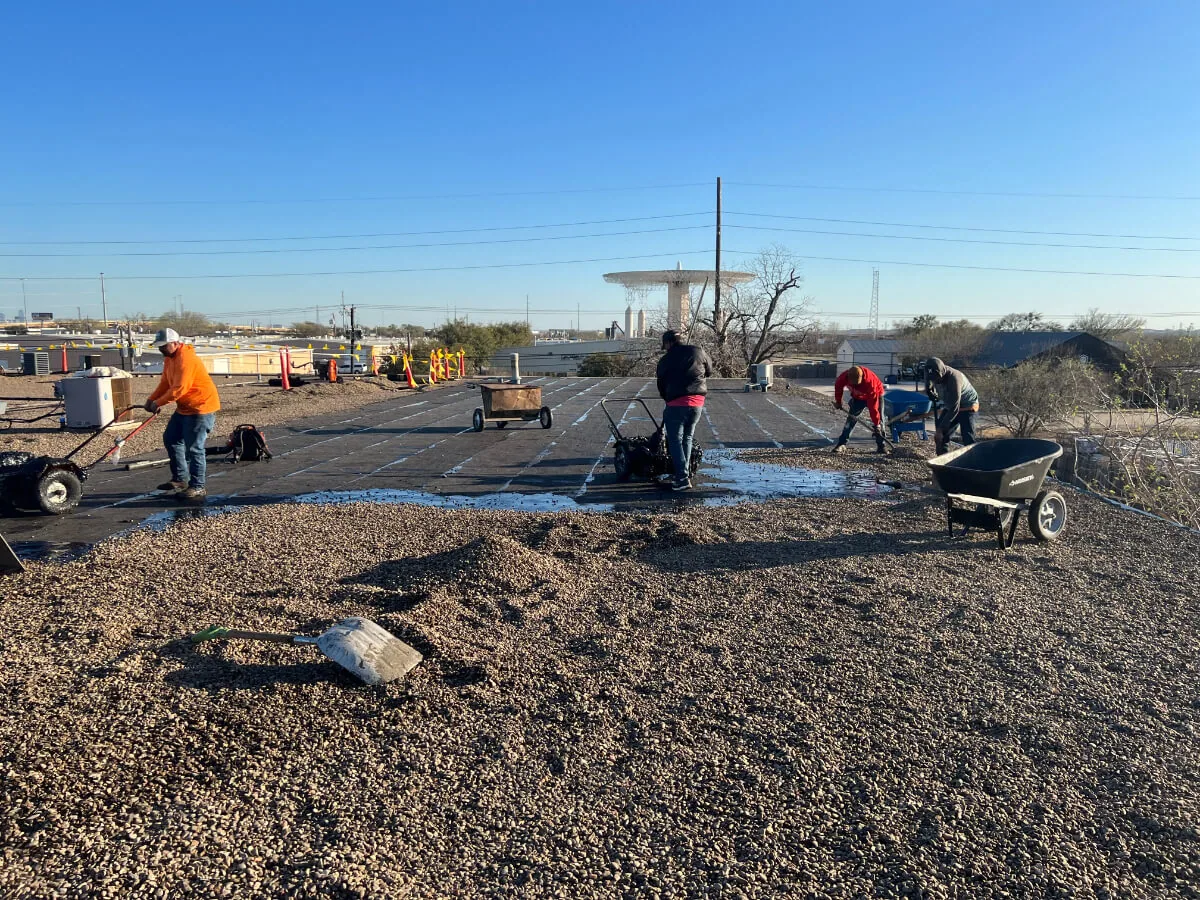
A blister the size of a dinner plate on a gravel-surfaced built-up roof, with a split along its crown, is a finding we photograph from above and from the side and mark on the roof plan. It records trapped moisture or air between plies and a breach that has already opened. Built-up roofing is an old, proven system, and Kenosha's climate keeps testing it: a minus 31 degree low in January 1985, a 105 degree high in July 2012 and about 36.2 inches of snowfall a year.
Every blister, ridge, bare spot and flashing defect goes into the log with a date, so a facility director can see which defects are new and which are growing.
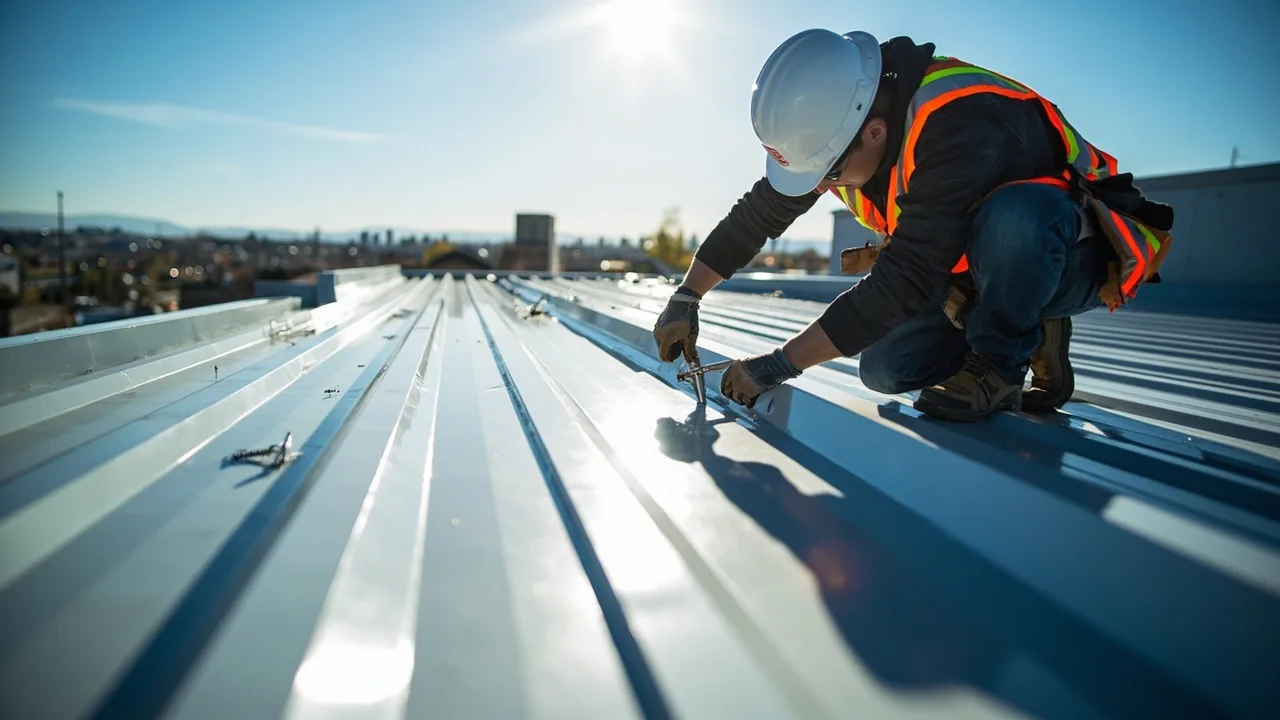
A built-up roof is made of alternating layers of felt or fabric and hot or cold-applied bitumen, finished with gravel, a cap sheet or a coating. The redundancy of plies is its strength, because a single defect rarely admits water straight through. Its weakness is weight, and its flashings, which are made from the same layers and tend to be the first failure.
We identify the number of plies, the bitumen type and the surfacing during the first visit, using a core cut where needed. That information goes into the baseline report and tells a bidder what the roof is made of and what its removal will involve.
Weight deserves its own line in the report. A gravel-surfaced built-up roof can weigh far more than a single-ply system, and snow adds to it in winter. Two blizzards in the Kenosha record, about 19 inches in January 1979 and about 23.2 inches in the 2011 Groundhog Day storm, remind owners that the structure carries both the roof and the snow on it, and the log should show any deflection or ponding that follows.
Blisters are pockets of trapped air or water. Ridges rise along insulation board edges or deck joints and tend to crack in winter. Splits open when the roof is stressed by contraction in a deep freeze. Each defect has a different cause and a different urgency.
An intact blister can be monitored. A broken one is repaired promptly with compatible felts and bitumen. A ridge that cracks repeatedly points to movement in the deck, and we note it for the structural review. The photo set from each visit makes the trend visible, so a defect that has doubled in size is not mistaken for a stable one.
Repair material has to match. Felts, bitumen and adhesives from different systems do not always bond, and a patch that sits on top of the problem without tying into sound plies will peel. We clean and dry the area, cut back to sound material and build the repair in plies that mirror the roof, then photograph it before the surfacing goes on.
Gravel protects the bitumen from sun and hail, and it moves. Wind and drainage push stone toward edges and drains, leaving bare patches that age faster and clogging scuppers. We check for bare areas, stone in drain bowls and edges where gravel stops have failed.
The January 7, 2008 tornadoes in Kenosha County, one through Wheatland and Brighton and another in Somers and on the north side of the city, put wind-edge condition on the record for owners in the area. After any significant wind we check metal edging, gravel stops and perimeter plies for lift, and we log each finding with its location.
Drain bowls on a built-up roof are tied into the plies with flashing rings, and the joint is a frequent leak point. We lift the strainer, look at the ring and the bitumen around it and check that the drain sits at the low point. A drain set high leaves a ring of standing water that ages the surrounding plies, and the ponding record shows it.
Water gets into a built-up roof through flashing failures, splits and open laps, then moves along the plies. The felts hold moisture, so a leak can persist long after the opening is sealed. A moisture survey maps the wet areas, and a core cut shows how many plies are wet.
We record the survey, the cores and the readings, then rate each area. If moisture is limited, the wet section can be cut out and replaced. If it is widespread, the record supports a larger scope, and the owner has the evidence for the capital request.
Timing the survey helps. We schedule infrared work for a clear evening after a warm day, when wet plies hold heat longer than dry ones, and we record the weather on the day so the next survey can be compared fairly. A survey done in poor conditions can miss wet areas or exaggerate them, and an unreliable survey is worse than none, because it sends money to the wrong square footage.
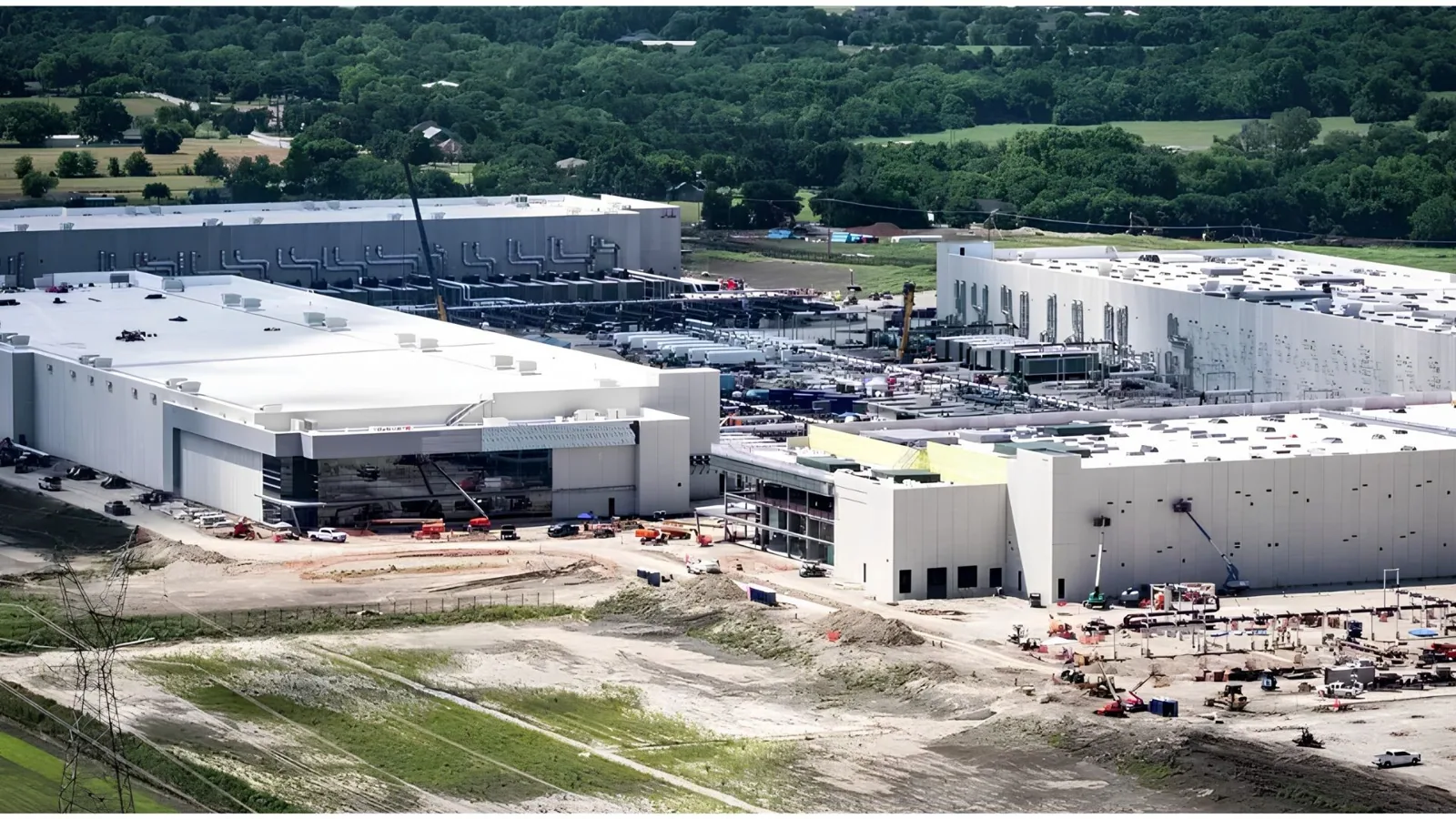
Racine County's largest manufacturers include Case IH, Dremel, InSinkErator, Modine, Reliance Controls and S. C. Johnson, and Kenosha's business parks hold distribution buildings run by Amazon, Rust-Oleum, Uline and Associated Wholesale Grocers. A plant or warehouse that has been added to over time can carry roofing of different ages, so the first visit confirms the roof type on each section.
Where a built-up roof is found on a plant or warehouse, we check the weight of the system against any proposed recover, because a heavy roof may have little capacity for another layer. That check belongs in the scope before a recover is priced.
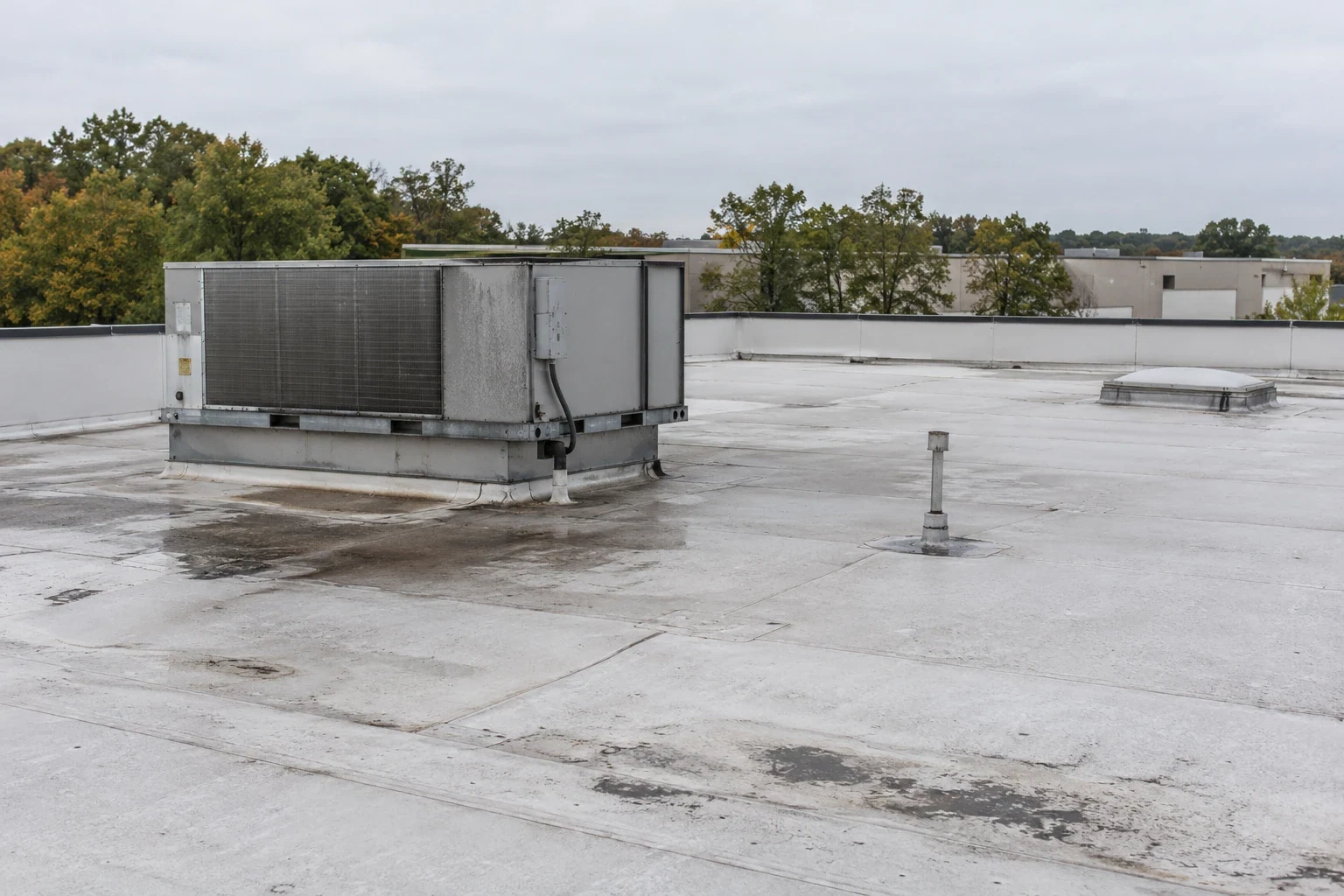
A built-up roof with dry plies and scattered defects is a good candidate for repair on an inspection interval. A roof with wet plies, widespread blisters or repeated flashing failure belongs in a replacement discussion. We price repair, recover and tear-off against one scope.
Owners weighing a change of system can compare modified bitumen or EPDM against a new built-up roof. The findings, not preference, decide which options are priced.

Each job ends with a close-out package: photographs, material list, repair locations, core cut results and the next inspection date. The package serves the capital request, and a Kenosha owner with buildings in Racine can keep them in one register.
Keep Reading
Infrared scans and core-cut verification for Kenosha, WI commercial roofs, producing a numbered moisture map that separates wet insulation from dry.
Recover systems for Kenosha, WI commercial roofs, approved only after core cuts, moisture mapping and a layer-and-load review are on file.
Planned membrane, flashing and seam repair for Kenosha, WI commercial roofs, with dated photos, a marked roof plan and a written repair log for every visit.
Modified bitumen roof inspection, lap repair and replacement in Kenosha, WI, with dated photo sets, split and blister ratings and capital-ready reports.
EPDM roof inspection, splice repair and replacement in Kenosha, WI, with dated detail ratings, ponding records and capital-ready condition reports.
Roof capital planning for Kenosha, WI owners: condition ratings, core cut results and replacement timing arranged into a budget request a committee can review.
A pocket of trapped air or water between plies. An intact one can be watched. A split one lets water in and is repaired promptly.
They are made from the same layers but bend at corners and are held by walls, so they take the most stress. We inspect every wall base and curb, photograph each corner and rate the sealant above the counterflashing.
Not usually. Removal and disposal of gravel adds cost and must be in the scope. The core cut and plan tell us how much stone is on the roof.
It can, depending on the system and care. Condition matters more than type, which is why we rate each roof from its own record.
A moisture survey maps the area and core cuts confirm it. If the wet area is small, targeted removal may be enough, and the survey map becomes the boundary of the work order.