Cold Storage Roofing in Kenosha, WI

Cold storage and freezer building roof surveys, repair and replacement in Kenosha, WI, with moisture maps, core cuts and dated condition ratings.

Cold Storage Roofing in Kenosha, WI

Cold Storage Roofing

A band of frost on the underside of the roof deck, running along one insulation joint inside a freezer, is something a facility director can photograph from below and file with a date. It records a path for warm, humid air to reach a cold surface, and it says the roof assembly above is not doing its job as a barrier. A cold storage building turns the roof into a thermal boundary as well as a weatherproof one, and in Kenosha, WI that boundary has to hold across an extreme range of temperatures, with minus 31 degrees in January 1985 at one end and 105 in July 2012 at the other.

The dated record of where frost, ice and moisture appear is the core of a cold storage roof file.

Cold Storage Roofing

Why a Freezer Roof Behaves Differently

In a freezer or cooler, the inside is colder than the outside for most of the year. Water vapor moves toward the cold, so humid air that leaks through the roof assembly condenses or freezes within it. Over time, the insulation fills with ice, loses value and can lift the deck or membrane.

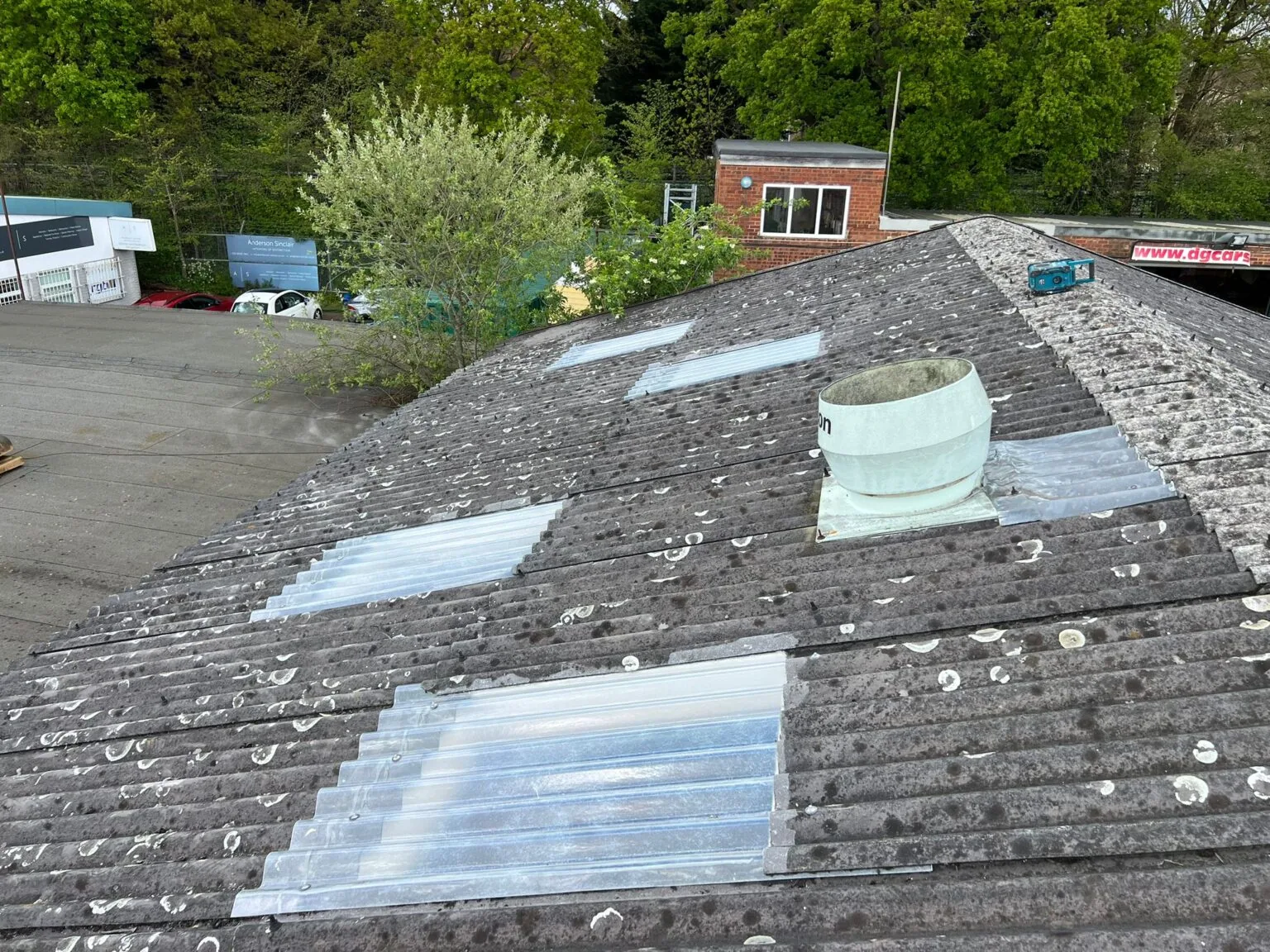
That is why vapor control, air sealing at penetrations and insulation continuity matter so much. A small gap at a pipe or a joint admits a steady stream of moist air. We inspect every penetration and every termination for the signs: frost, staining, bulging and wet insulation, and we record them with photographs on both sides of the roof when interior access allows.

Interior access matters. A walk inside the freezer, with a safety plan and the refrigeration team's approval, lets us see frost, ice and sagging insulation from below and match them to the roof plan. When access is not possible, we ask the facility team to photograph the ceiling on a regular schedule and send the images, and those go into the same log.

Cold Storage Roofing

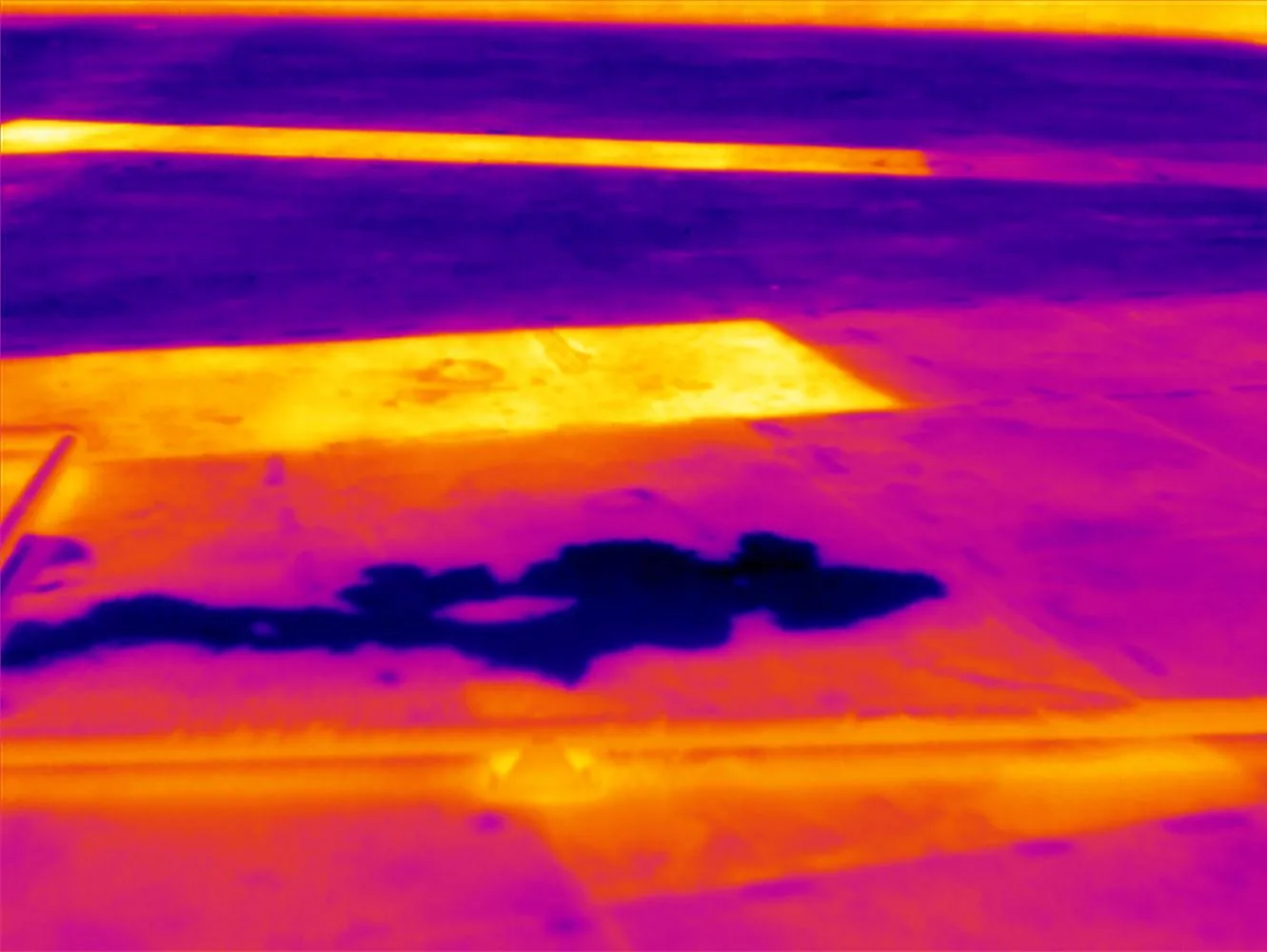
Thermal Imaging, Core Cuts and Moisture Mapping

A visual walk cannot show what is inside the assembly. An infrared moisture survey maps cold and wet patterns, and core cuts show the layers, the vapor retarder and the moisture content. On a cold storage roof, the cuts also tell us how much ice the insulation holds.

The survey map and the core records go into the baseline report. They set the boundary between sound and failed areas, so a repair can be sized correctly. Each core is patched the same day and photographed, so the roof stays tight while the evidence is gathered. The core locations are chosen to test the survey, which adds a few words to the report but strengthens it: some in suspect areas, some in areas that appear dry, because a survey that is only checked where it predicts trouble can mislead.

Cold Storage Roofing

Condensers, Penetrations and Refrigeration Lines

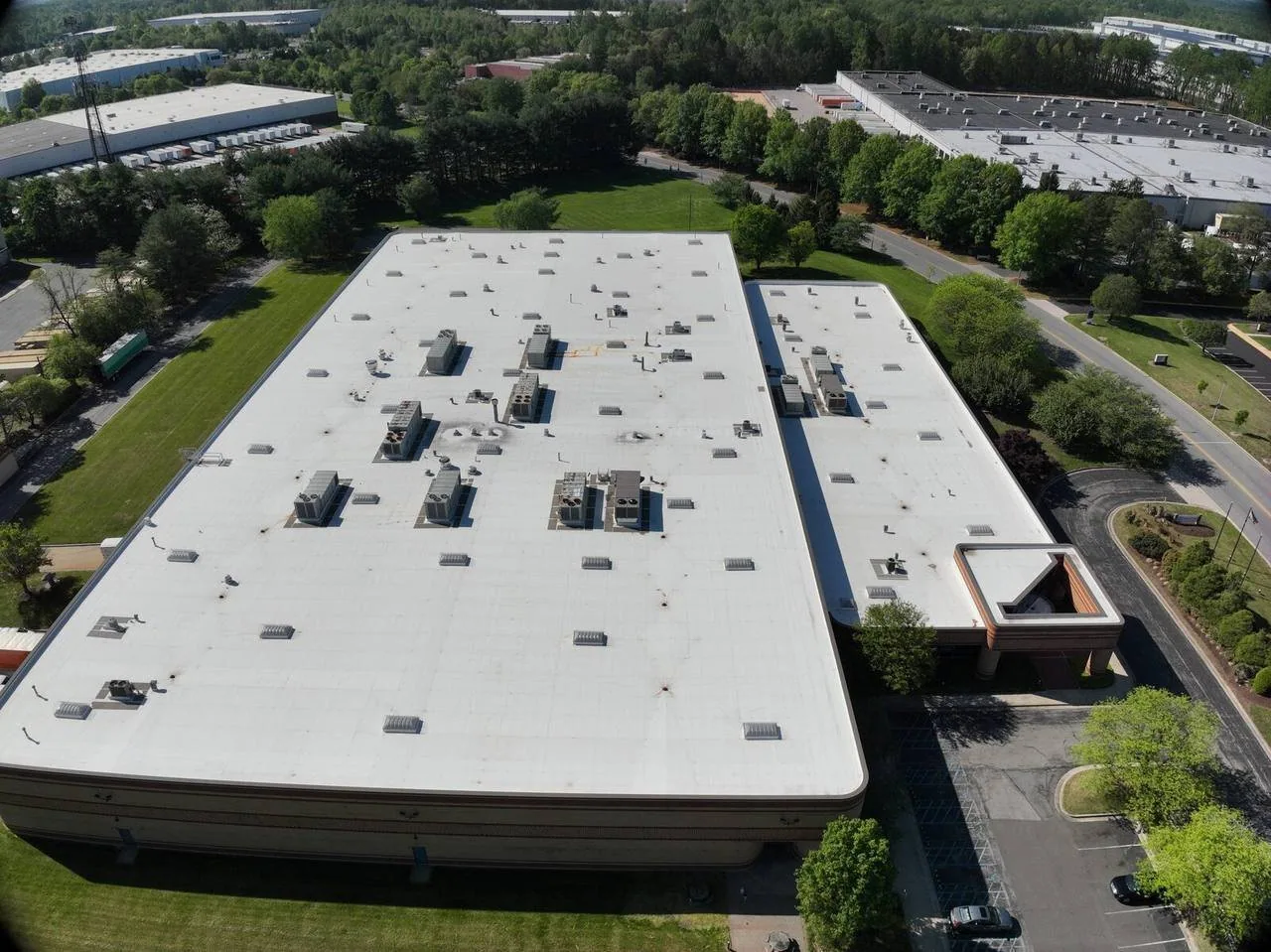
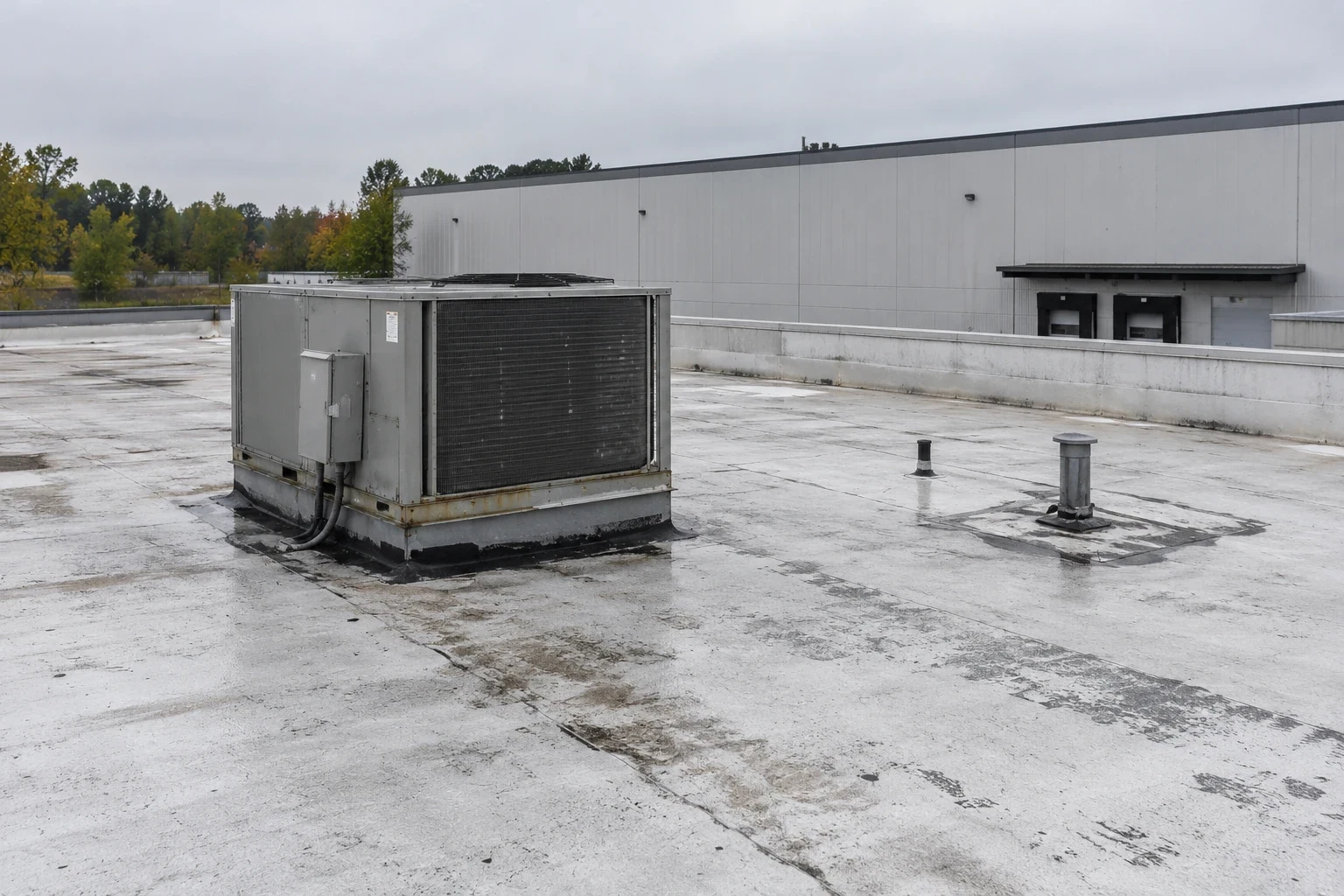
Refrigeration equipment puts condensers, piping and electrical on the roof, and each is a penetration through an assembly that must stay sealed. Line sets that pass through the roof can conduct cold into the structure, and a poorly sealed boot allows warm air in. We check every boot, curb and pipe support and rate the seal.

Vibration from condensers loosens flashing over time. Condensate lines can drip onto the membrane and freeze. We map these items on the roof plan and record their condition, so repairs are tied to the right unit and so the maintenance team sees where problems repeat. The cooling equipment's maintenance contractor and the roofing contractor work on the same surface, so the roof plan is shared and each visit is logged, which prevents damage from one trade being blamed on the other.

Cold Storage Roofing

Snow, Ice and Drains in Winter

A typical Kenosha winter brings about 36.2 inches of snow, and the blizzards of January 1979 and Groundhog Day 2011 left about 19 and 23.2 inches. A well-insulated freezer roof gives off little heat to melt that snow, so drifts persist and drains can freeze shut. Ice at a blocked drain can force water under the membrane.

After major storms we recommend a drain check and a look at the perimeter. In spring we inspect the whole surface for freeze damage. Findings are dated and located, and the log shows whether the roof is holding or deteriorating.

Cold Storage Roofing

The Region's Storage and Food Buildings

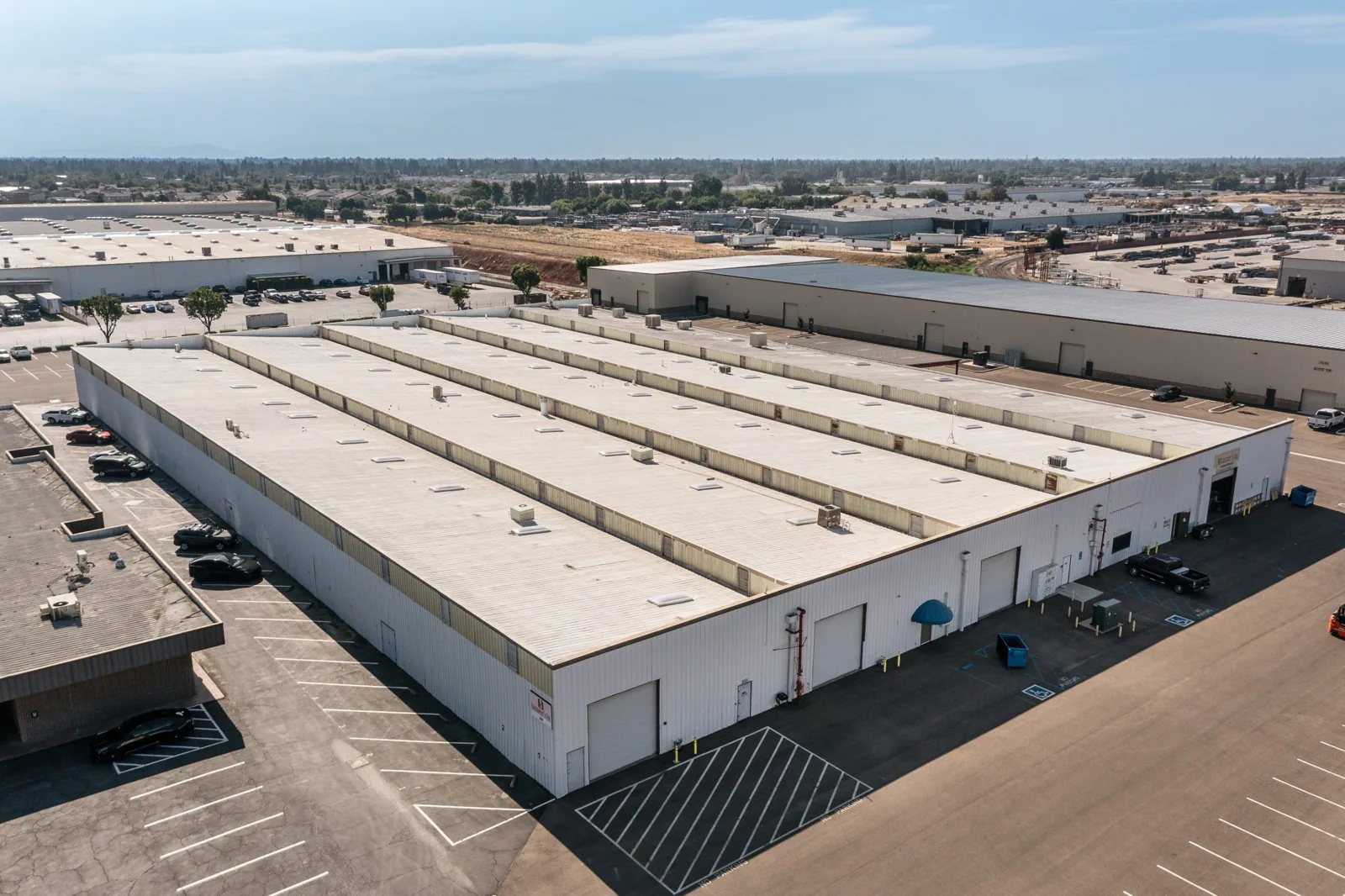
Associated Wholesale Grocers has warehouse and distribution space in Kenosha, and Square Roots opened an indoor hydroponic facility there in 2022. Buildings that hold temperature or humidity put their own load on a roof, and the first visit confirms what each one carries and how it is holding.

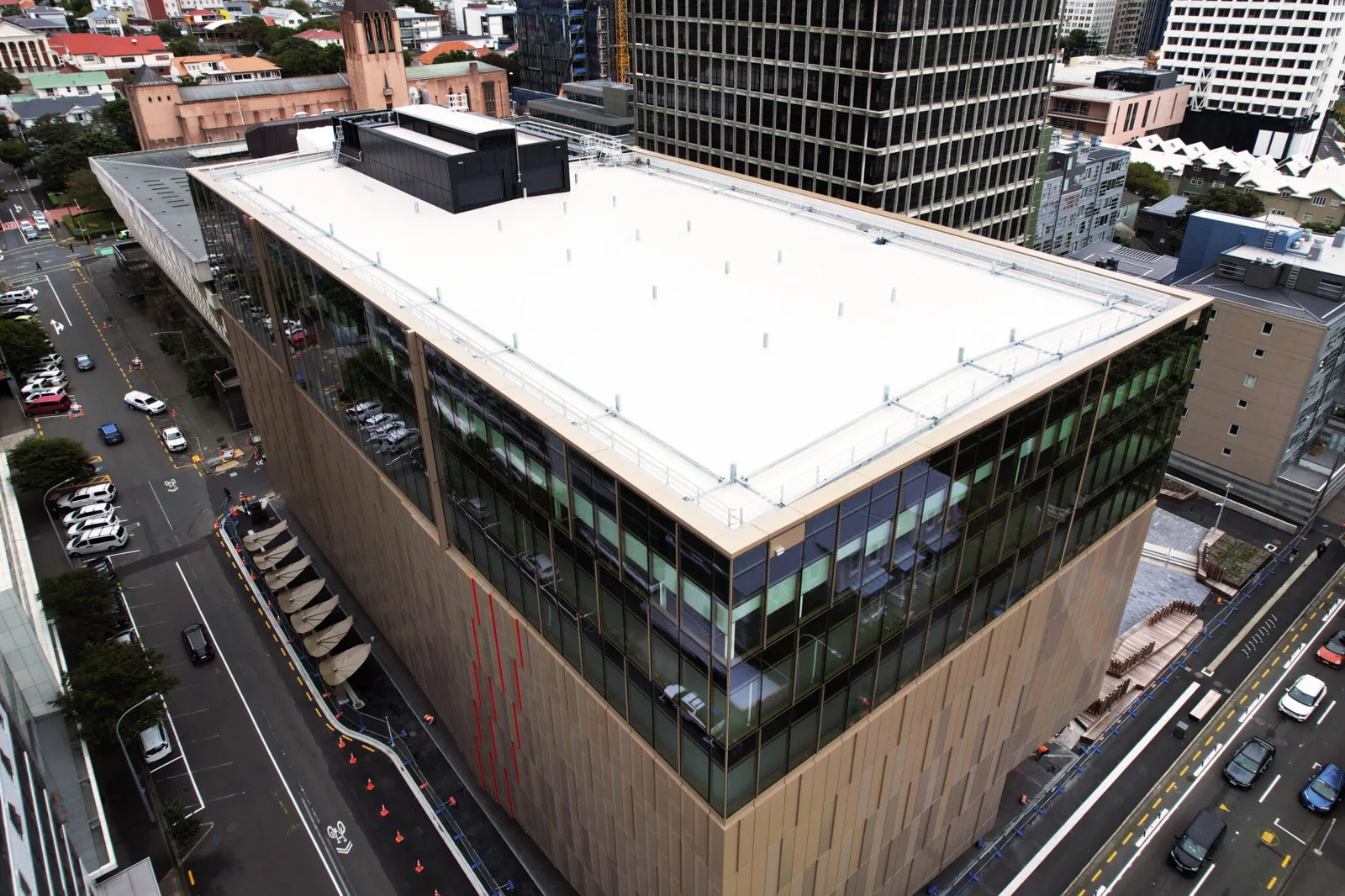
For a food or storage owner, the roof file doubles as a food-safety record. A leak over product is a loss and a compliance issue, so the log documents each repair and each inspection. The same format works for a warehouse roof beside the cold side of a building, or for a distribution center with a chilled dock. In a park as large as Pleasant Prairie's LakeView Corporate Park, about 2,000 acres off I-94 with more than 80 companies, each building's roof is judged from its own record.

Cold Storage Roofing

Repair, Recover or Replace

A dry assembly with small defects at penetrations can be repaired. A roof with wet, iced insulation usually cannot be recovered, because the moisture will continue to move. In that case a replacement with a new vapor retarder and insulation is the lasting answer.

We price repair and replacement against the same scope. Work above a freezer also needs coordination with the refrigeration team, since a roof opening above a cold room can admit warm air and strain the system. The plan covers sequencing, temporary closures and the temperature log, and the log is handed over at close-out so the refrigeration team can confirm nothing drifted during the work.

Cold Storage Roofing

Close-Out Records

The finished file holds the roof plan, moisture maps, core results, penetration ratings, dated photographs and a condition rating, written for a capital request. A Kenosha owner with other buildings in Pleasant Prairie can keep them in one register.

Each entry names the stretch of roof above the cold room it covers, so a refrigeration contractor can match frost patterns inside to the roof detail outside.

Request a moisture survey and baseline

Questions About Cold Storage Roofing

Why does frost on the underside of a freezer deck matter?

It marks a path for warm, humid air to reach a cold surface. The moisture condenses and freezes within the assembly, fills the insulation and can lift the deck. We photograph the frost, trace the path and rate the detail above it.

Can a wet cold storage roof be recovered?

Rarely. Moisture in insulation will keep moving toward the cold, and a recover traps it. Core cuts and a survey show the extent. If saturation is widespread, replacement with a new vapor retarder and insulation is the lasting fix.

How do refrigeration lines affect the roof?

They pass through the assembly and conduct cold. A poorly sealed boot admits warm air and frost builds around it. We check each one, rate the seal and log condensate drips that freeze on the membrane.

Does the roof work affect the cold room below?

Yes. An open roof above a cold room can admit warm air and strain the system. We coordinate sequencing with the refrigeration team, close openings the same day and keep a temperature log during the work.

What belongs in a cold storage roof file?

The roof plan, moisture maps, core results, penetration ratings, dated photographs, repair history and a condition rating. It also supports compliance records, since a leak over stored product is both a loss and a documentation matter.

ServicesRoof SystemsIndustriesProperty TypesService AreasDamage RepairCapabilitiesManufacturersContactAboutRequest a Roof Assessment555-555-5555
Call555-555-5555