Roof Design for Low Leak Tolerance
Owners of such buildings often choose higher-performance assemblies: tougher membranes, redundant layers, tapered insulation that sheds water fast and few penetrations. They also add leak detection beneath the membrane, which senses moisture before it reaches the ceiling. We inspect any detection system we find and record its status.
The first visit identifies the system, the drainage and the detection, if any. The baseline report records them, and a bidder pricing a replacement has the same information to work from. For detection, the record lists the sensor zones and the date each was last tested, so a quiet system is not mistaken for a working one.
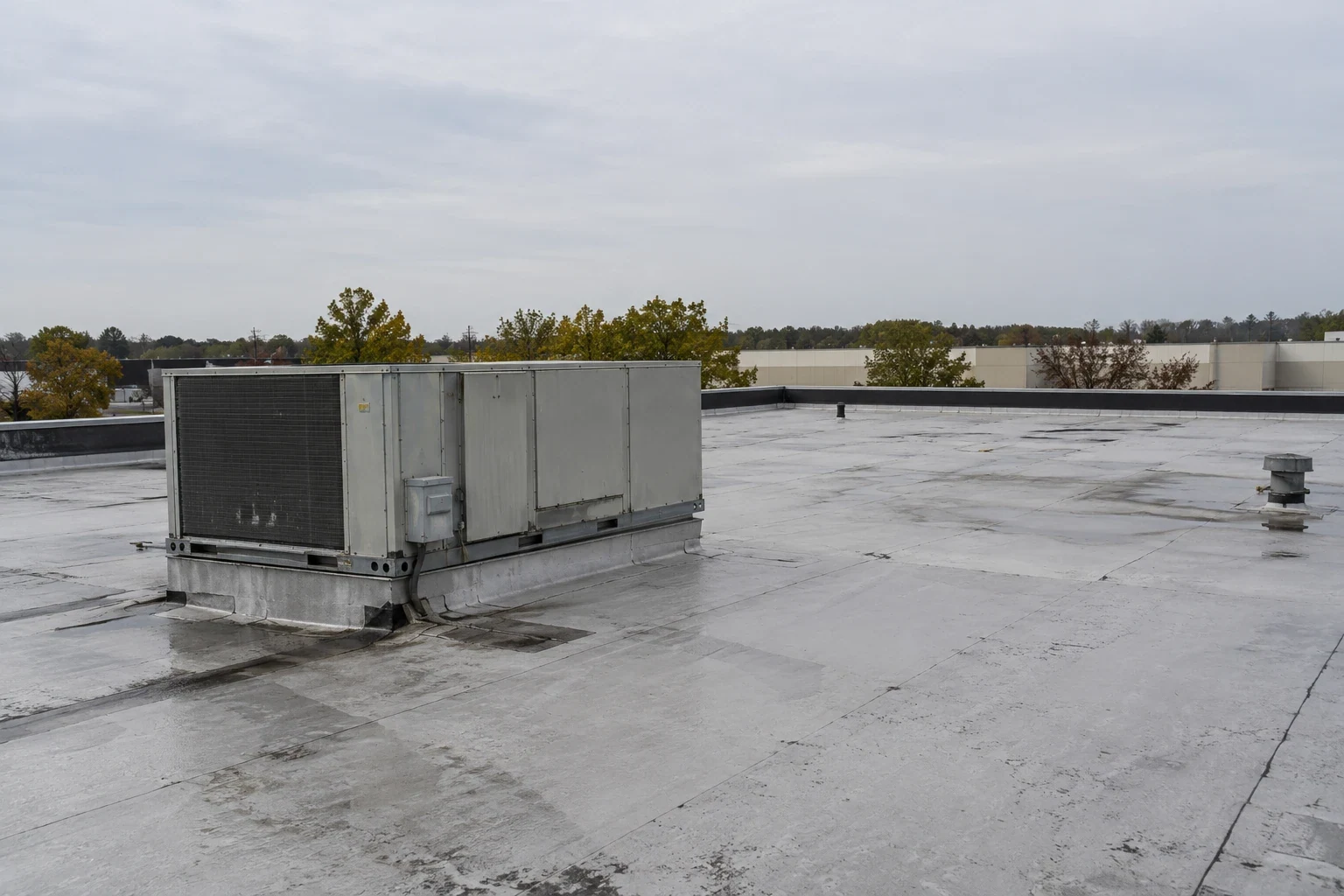
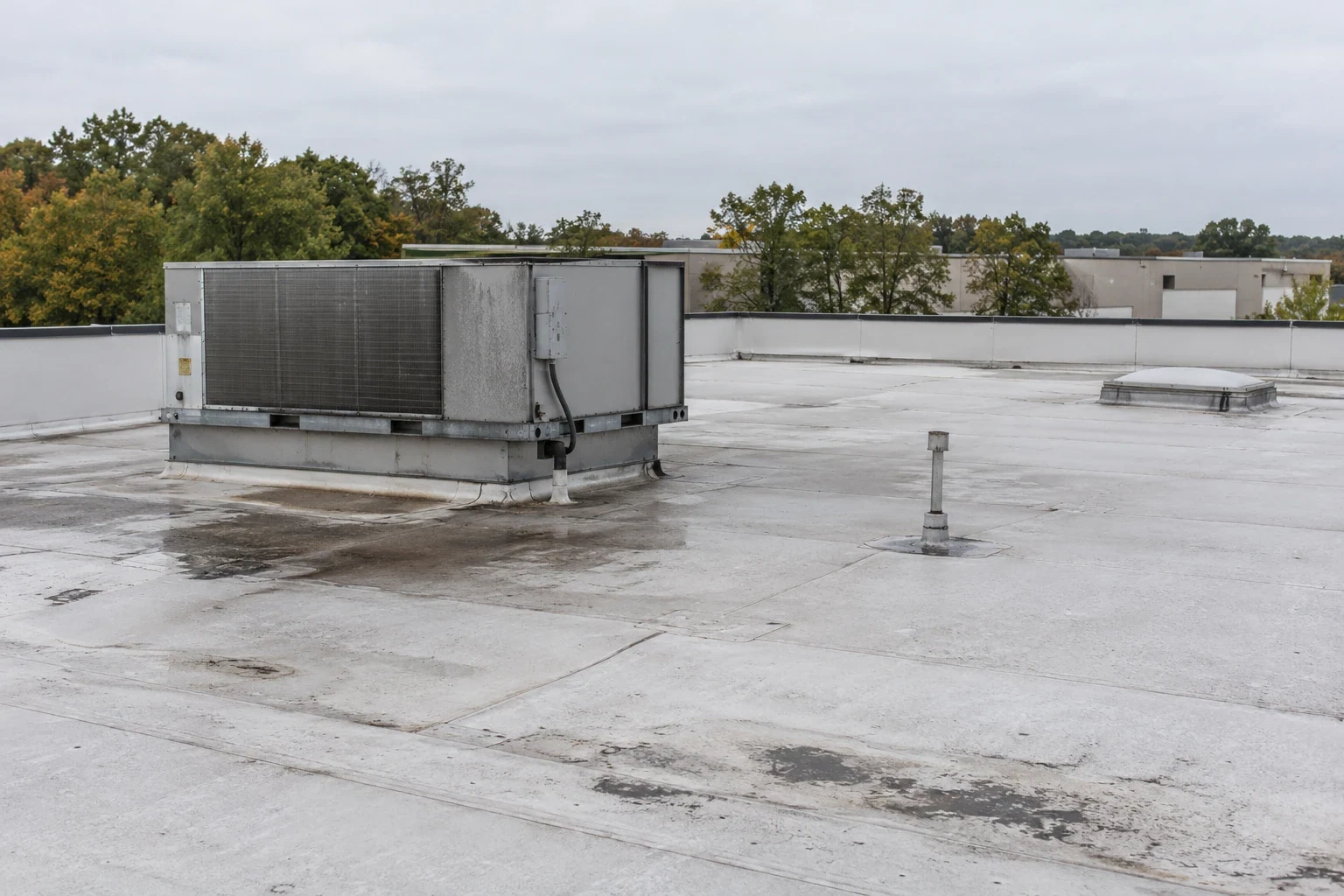
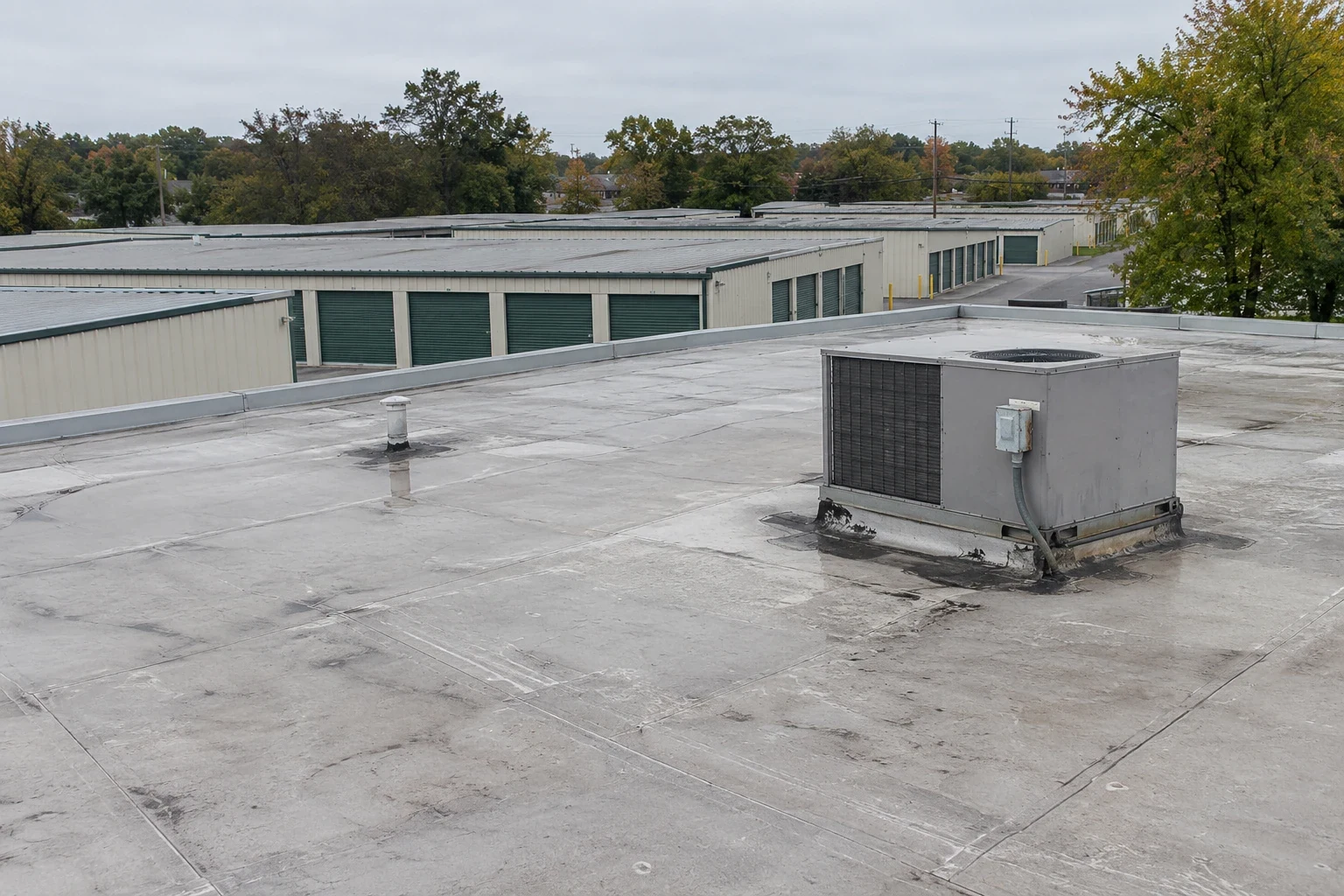
Drainage design is part of the same record. Tapered insulation, crickets behind curbs and drains set at the low points keep water moving, and any place where it stands is a finding. We measure ponding after rain and compare it with the design intent, which tells the owner whether the roof is performing as built or has settled since.