
When is the best time for a baseline survey of a new roof?
At handover or soon after, while installer records are on hand and the warranty is young.
Commercial roofing in Mount Pleasant, WI for large industrial and technology buildings, with baseline surveys, warranty files and dated condition ratings.
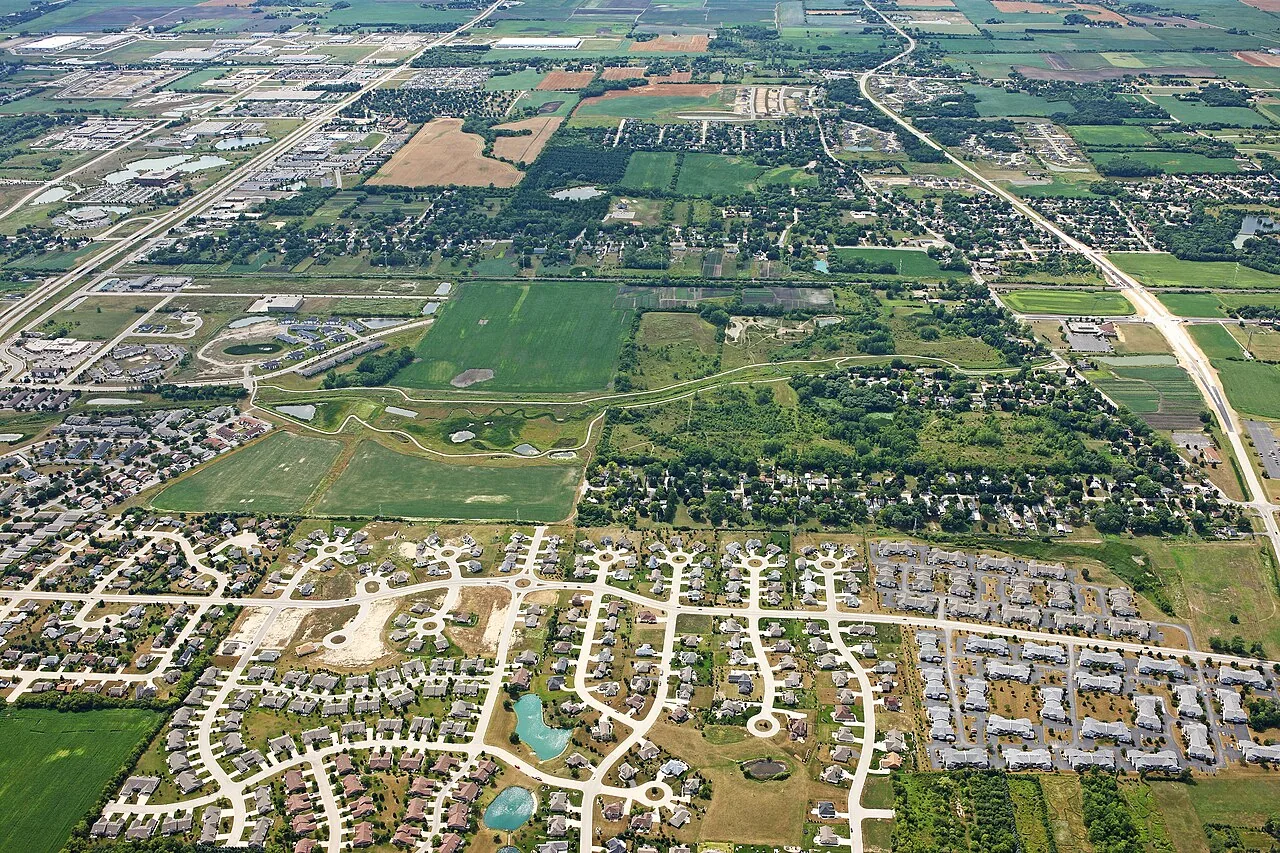
A new-construction roof with no baseline on file is a finding in itself, and in Mount Pleasant, WI it is one a facility director can fix with a single dated walk. The photograph of each curb, the core at each low spot and the moisture map of the field become the first pages of a record that the building will need for as long as it stands. Without that starting point, every later leak is an argument about what was there before.
Mount Pleasant drew an October 2017 announcement of a roughly 1,000 acre Foxconn flat-panel campus, followed in September 2025 by word that Microsoft will build a large AI data center. Buildings of that kind put heavy equipment on the roof, and the record for each should start the day the roof is finished.
We approach that work the way we approach any large roof: from the drains outward, from the file backward, and with every finding dated, photographed and rated.
A single visit is enough to start the file, and later visits add to it.

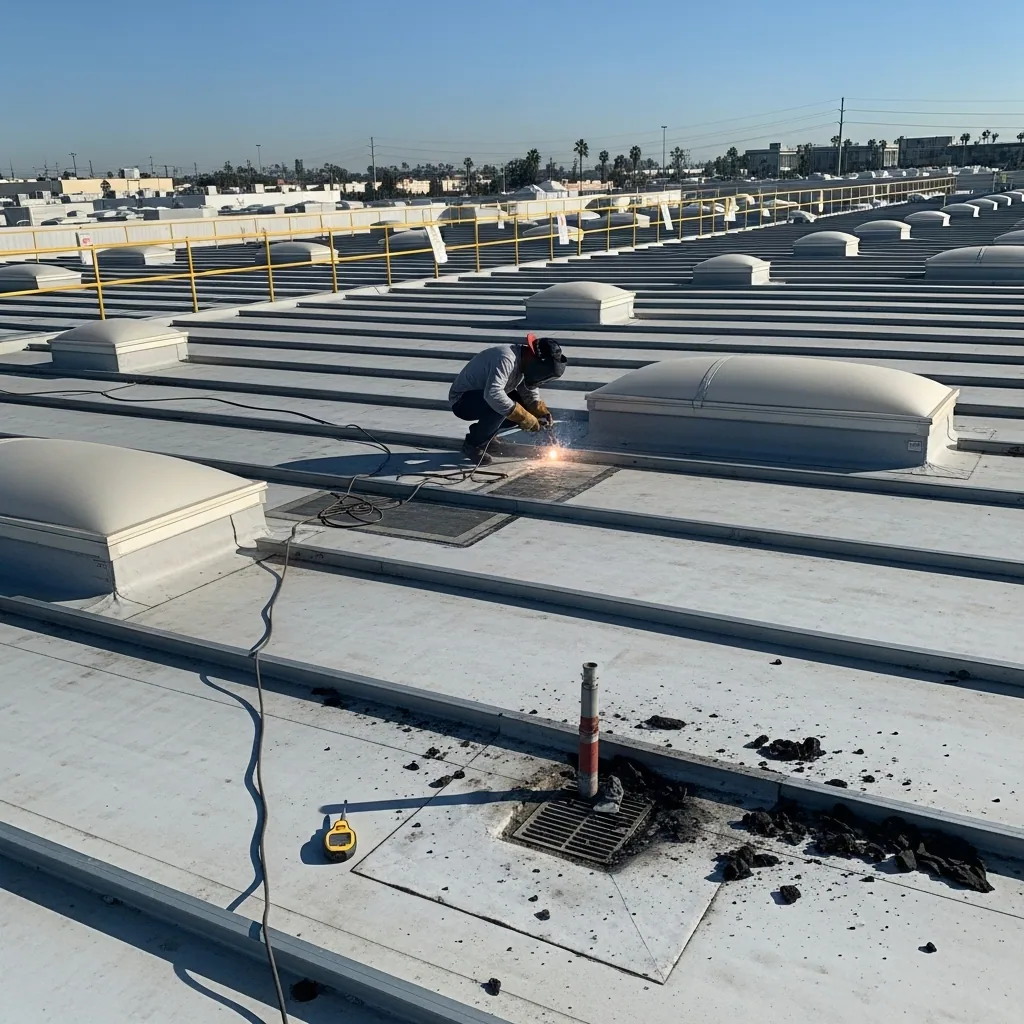
A baseline survey records the roof at the start of its life or at the start of our involvement. We walk the full roof, photograph every penetration and drain, probe the seams and log the condition of edge metal, flashings and sealants. We take cores at representative points and moisture readings across the field, so the insulation is documented as dry or wet on a known date.
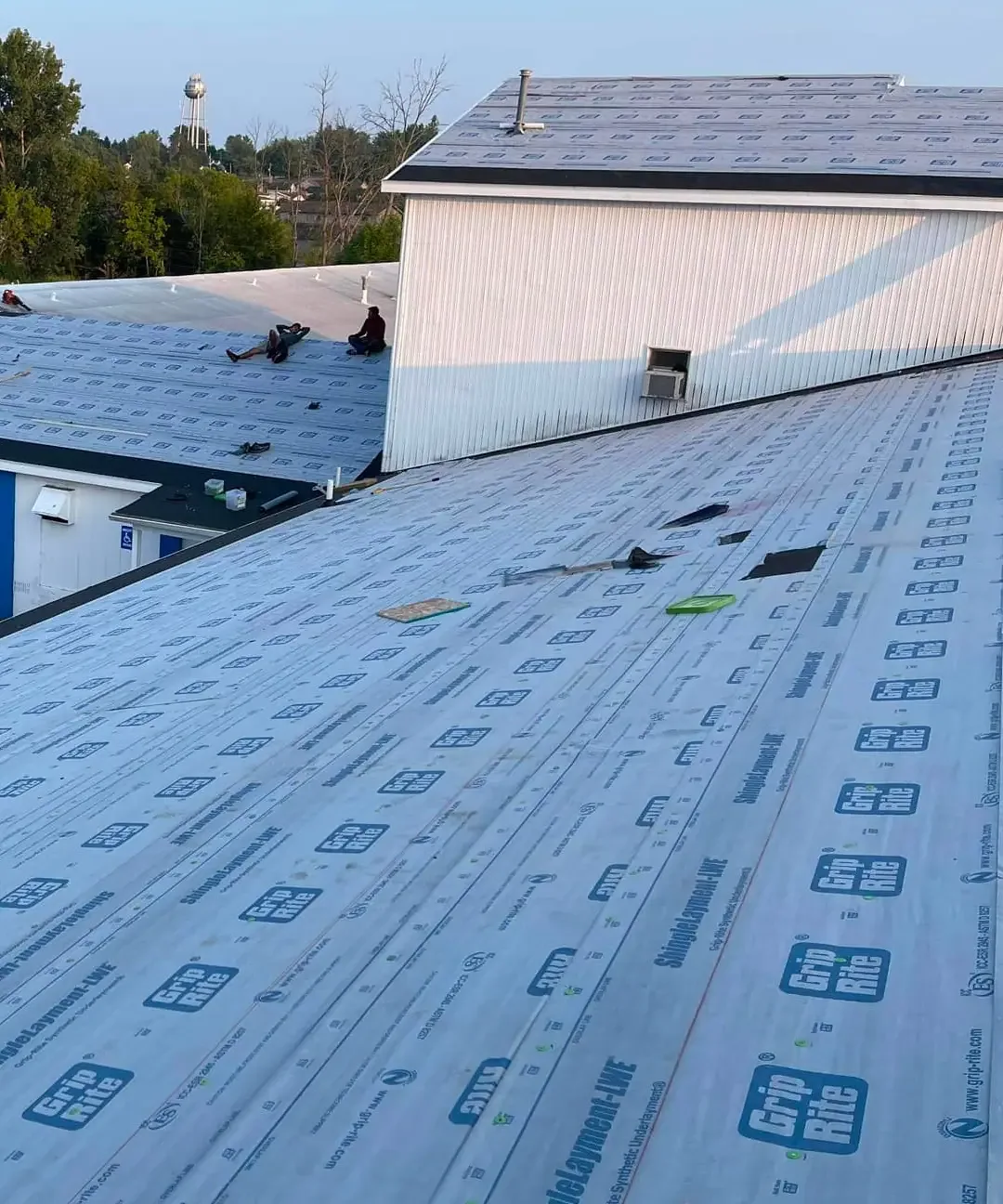
The baseline matters most at handover. Contractors leave punch-list items, and some of them are roof details that no one sees until a storm. A dated survey catches open sealant, missing termination bars and unsealed fasteners while the original installer is still reachable and the warranty clock is early.
Where the owner has plans, we compare the as-built roof with them. A drain moved on site, a curb added late or a deck penetration that was never flashed shows up as a difference between the plan and the roof, and each difference is rated.
The written report is short enough to read and complete enough to file. It is the document that a later inspector opens first.
Photographs are taken from fixed positions where possible, so the next survey can repeat the same views and show change without guessing. Each image carries a date and a plan reference, and the set is stored with the report.
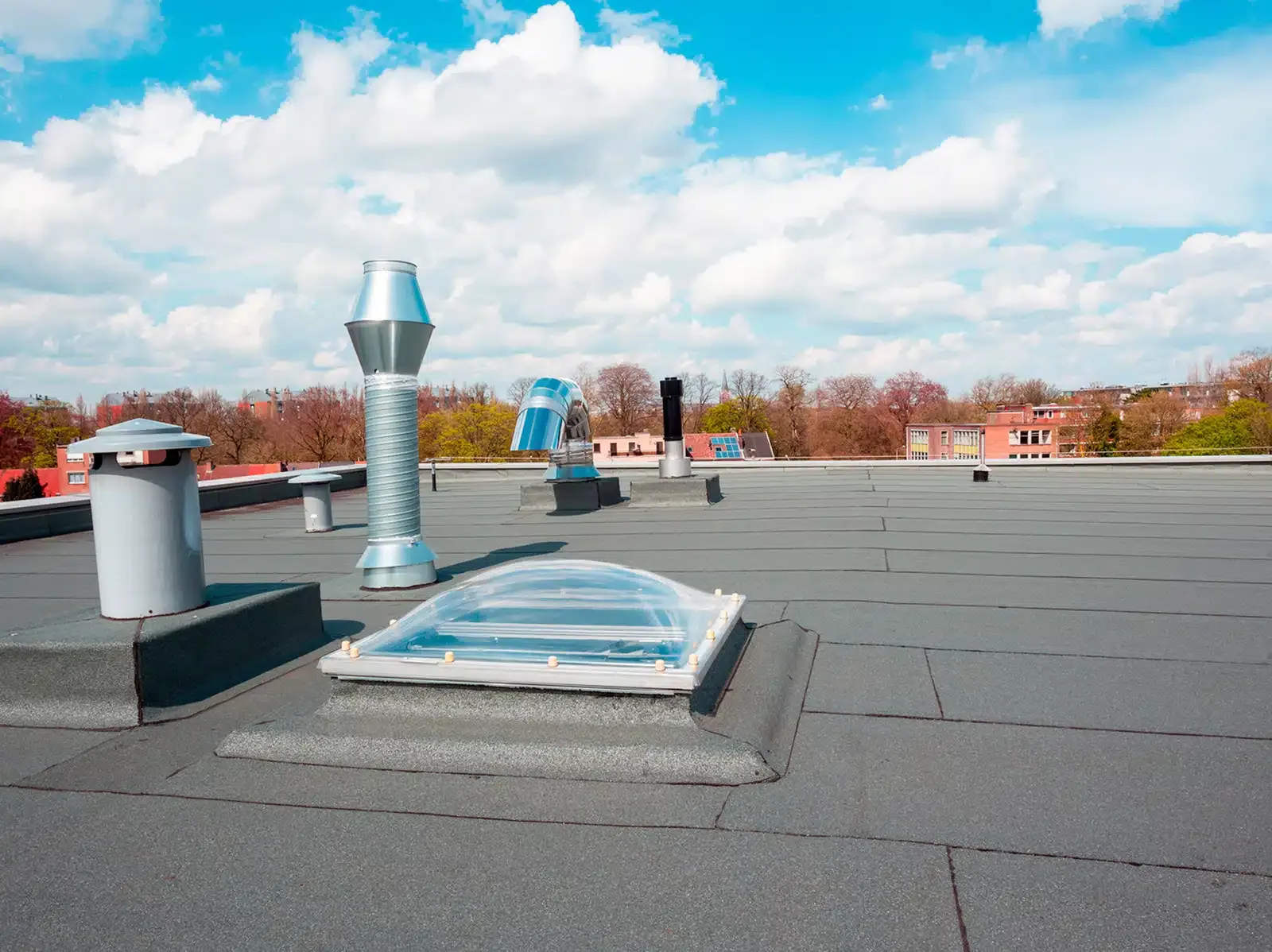
Industrial and technology buildings put a lot of mechanical equipment on the roof. Each unit has a curb, a flashing and a set of pipe and conduit penetrations, and each of those is a possible leak path. A data center roof raises the stakes, because water over electronics is expensive and slow to recover from.
We log every curb by plan location and rate its flashing, sealant and fasteners. Service routes are marked, since foot traffic wears the membrane around equipment. Walk pads are recommended where traffic is constant, and the log notes where wear is already visible.
For a manufacturing plant roof, exhaust and process vents add chemical and thermal exposure, and the membrane near each one is rated on its own line.
Drain layout is the final piece. Large roofs depend on enough drains and overflow paths, and we check that each one is open, correctly set and not buried under debris or insulation.
When equipment is replaced, the curb gets a short check before the new unit is set. A curb with failing flashing is much easier to repair before the unit is on it than after, and the record shows the condition at that moment.
New roofs often come with a manufacturer warranty, and the terms matter. The notice period, the approved repair methods and the inspection duties of the owner all affect whether a claim holds up. We read the warranty letter early and build the inspection calendar around it, so required checks are done and recorded.
Our roof warranty management approach keeps the warranty file with the inspection record. A repair made by someone who never saw the letter can void coverage, so every repair is logged with the method used, the materials and the photographs.
If an issue appears inside the warranty period, the file shows what was installed, what was inspected and what changed, and the claim starts with evidence rather than recollection.
Owners who buy or lease buildings in the village can ask the seller for this file. Where it does not exist, a due diligence survey rebuilds the picture from the roof itself, with cores, moisture mapping and a rated findings list.
Required checks, such as annual drain clearing, are put on the calendar so they are never missed.
To the south, Kenosha receives about 37.6 inches of precipitation a year plus 36.2 inches of snowfall, and has read everything from minus 31 to 105 degrees. A Mount Pleasant roof works through the same regional cycle, and it acts on seams, sealants and metal edges every year.
Tornadoes touched down in Kenosha County in January 2008, one in the Somers area, a reminder to keep wind-edge condition on the record for large roofs: perimeter fasteners, coping joints and cap sheet terminations. We check those after any major wind event and log the result.
Snow loading and drift pockets are checked too. Following a hard winter we sight the deck for sag, check drains for ice and inspect corners where snow banks against parapets.
Drains and overflow paths are the other seasonal check. A large roof needs every drain open before the spring melt and again before fall rain, and the log records when each was cleared and how quickly it ran.
Owners with buildings in several municipalities benefit from one report format. A roof in Mount Pleasant can then be compared with one in Racine or Kenosha, and the capital plan can rank them by condition and by consequence. A due diligence roof survey gives a buyer or lender the same view before a purchase.
The closing folder names unfinished items, the next inspection date and warranty notes, so it stays useful once the crew is gone. Neighboring Caledonia and Sturtevant owners use the same format.
For owners who want the numbers behind a capital year, the rated list is the starting point. It separates items for repair now from items for planned replacement, with photographs behind each.
Keep Reading
Data center roof inspection, penetration ratings, drain tests and replacement planning in Kenosha, WI, with consequence-ranked repairs and condition reports.
Manufacturing plant roof inspection, exhaust-zone mapping, repair and replacement in Kenosha, WI, with equipment lists, moisture surveys and condition ratings.
Roof warranty management for Kenosha, WI owners: warranty files, maintenance records, repair documentation and notice dates that keep coverage in force.
Commercial roofing in Racine, WI for manufacturing plants, retail centers and lakefront buildings, with dated findings, moisture surveys and condition ratings.
Commercial roof inspection, repair and replacement in Kenosha, WI for distribution buildings, hospitals and downtown properties, with a dated condition record.
Roof surveys for acquisitions and refinancing in Kenosha, WI: core cuts, moisture data and condition ratings sorted into immediate repairs and reserve items.
At handover or soon after, while installer records are on hand and the warranty is young.
Water above electronics costs more, so findings are scored by consequence as well as condition, and access, shutdowns and escorts are planned with the facility team.
Where insulation is holding water, drawn as an outline on the roof drawing with a date so the next survey can compare.
They can: open sealant, loose fasteners and unflashed openings turn up on young roofs. A short walk before move-in costs far less than a leak investigation later.
The roof drawings, the warranty letter and the names of the contractors who set the rooftop equipment.