
What is the difference between SBS and APP modified bitumen?
SBS is rubber-modified and flexible. APP is plastic-modified and torch-applied, and it resists sun. We identify which one a roof carries before choosing a repair method.
Modified bitumen roof inspection, lap repair and replacement in Kenosha, WI, with dated photo sets, split and blister ratings and capital-ready reports.
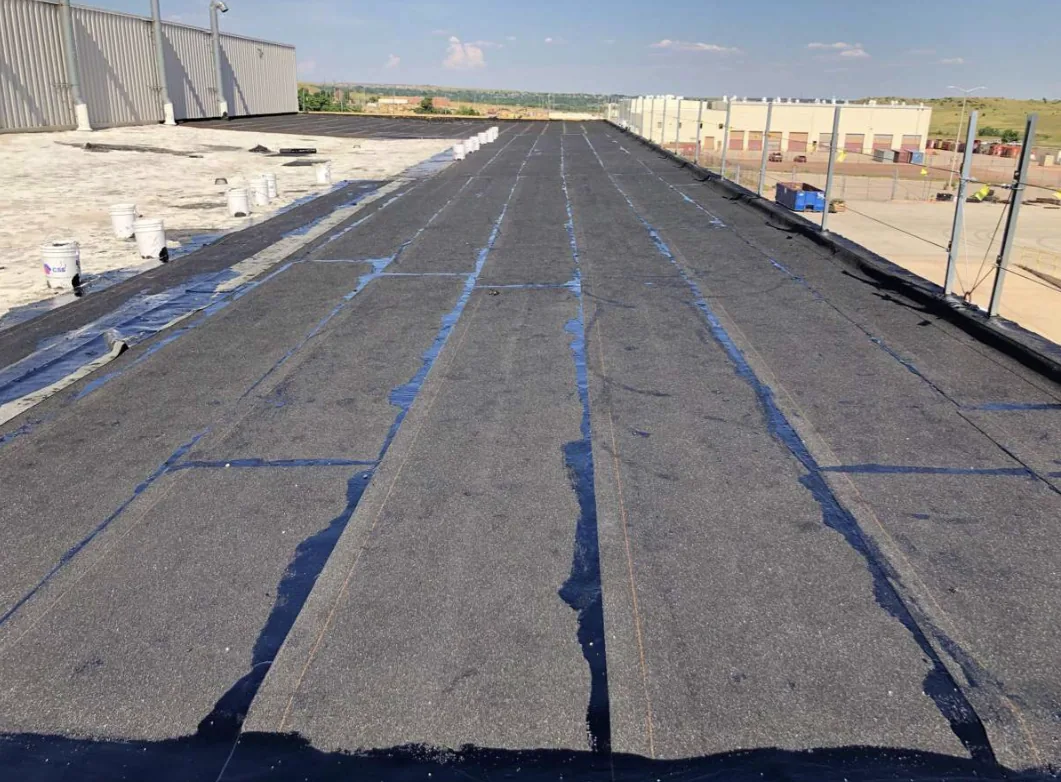
A hairline split that runs in a straight line across a modified bitumen cap sheet, directly over a deck joint, is a finding we photograph with a scale and mark on the roof plan. It records movement in the structure below, not only wear in the sheet. Kenosha, WI supplies the movement: a January 1985 low of minus 31 degrees, a July 2012 high of 105 degrees and about 36.2 inches of snowfall in an average year. Reinforced asphalt expands and contracts with that range, and the weak lines show where the roof has been asked to move more than it can.
Each split, blister and open lap goes into the inspection log with a location, a photograph and a rating, so a facility director can watch the trend from year to year.
That log also protects the owner. When a leak call comes in, the first question is whether the spot was already on the record, and a dated photograph answers it in minutes. A roof with no log forces a fresh survey before anyone can say whether the defect is new, old or the result of a recent repair.
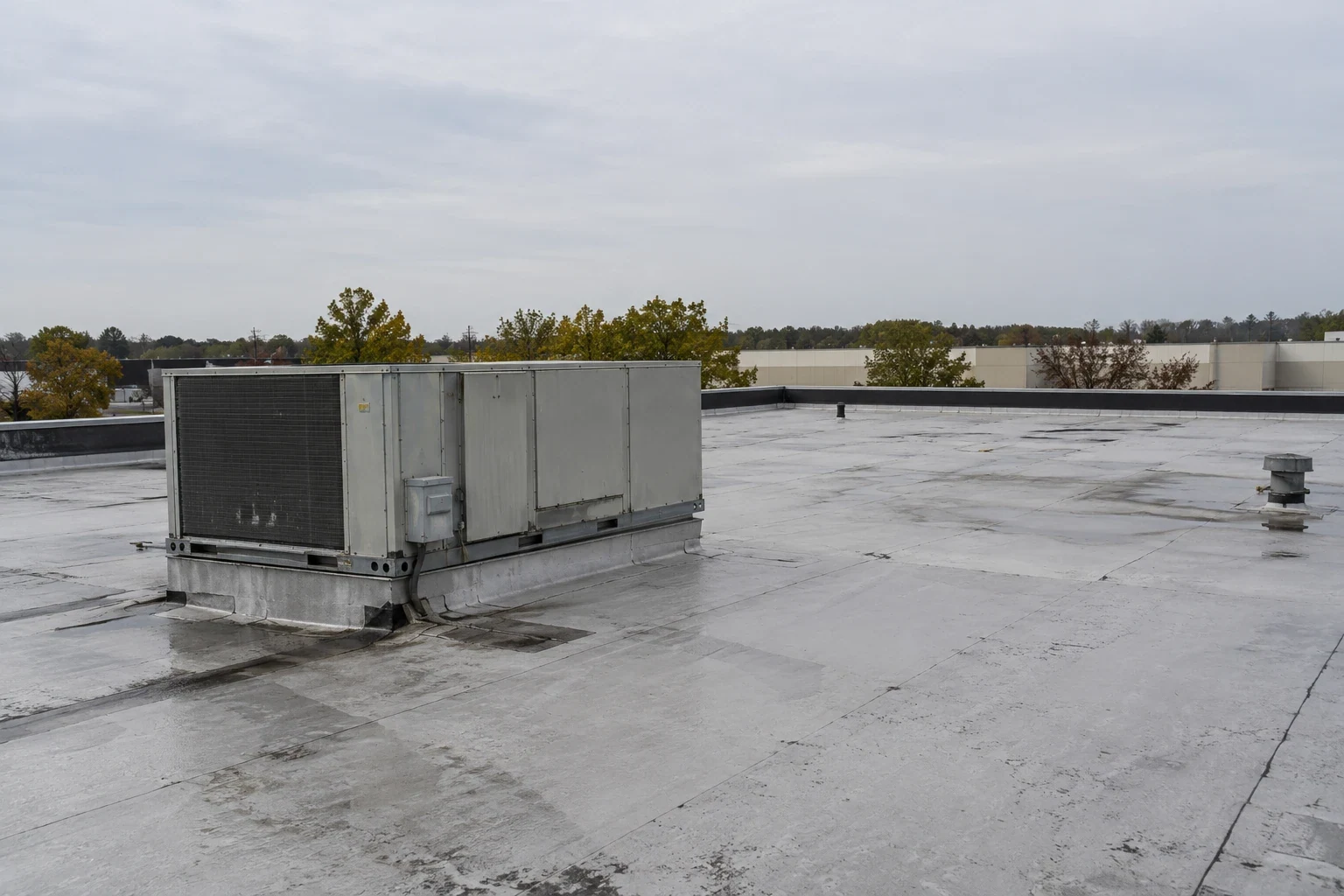
Modified bitumen comes in two main types. SBS-modified sheet is rubber-like and flexible, and it is often applied with cold adhesive, hot asphalt or a torch. APP-modified sheet is plastic-like, is usually torch-applied and tends to hold up to sun. Both are laid in two plies, a base sheet and a granule-surfaced cap.
We identify the type and the application method on the first visit, because laps are repaired differently on each. The type and method go into the baseline report. A bidder pricing a replacement needs the same information, and a roof plan without it invites assumptions that turn into change orders.
Surfacing matters too. A smooth, a granulated or a coated finish changes how the sheet reflects heat and sheds water, and a reflective coating over the cap is a common way to extend its life. We record which finish is present and whether an earlier coating has begun to peel, since a failed coating must be removed or tested before anything else is applied.
The cap sheet carries the weather. Granules shield the asphalt from ultraviolet light, and where they wear off, at drains, foot paths and laps, the asphalt below ages faster and cracks. We look for bare patches, alligator cracking on the surface, exposed reinforcing mat and edges that have curled.
Each condition gets a photograph and a rating. A few bare spots at a drain are a maintenance item. Bare asphalt across a large area signals that the cap is near the end of its protection. The trend, set against earlier photographs, is more useful than any single visit.
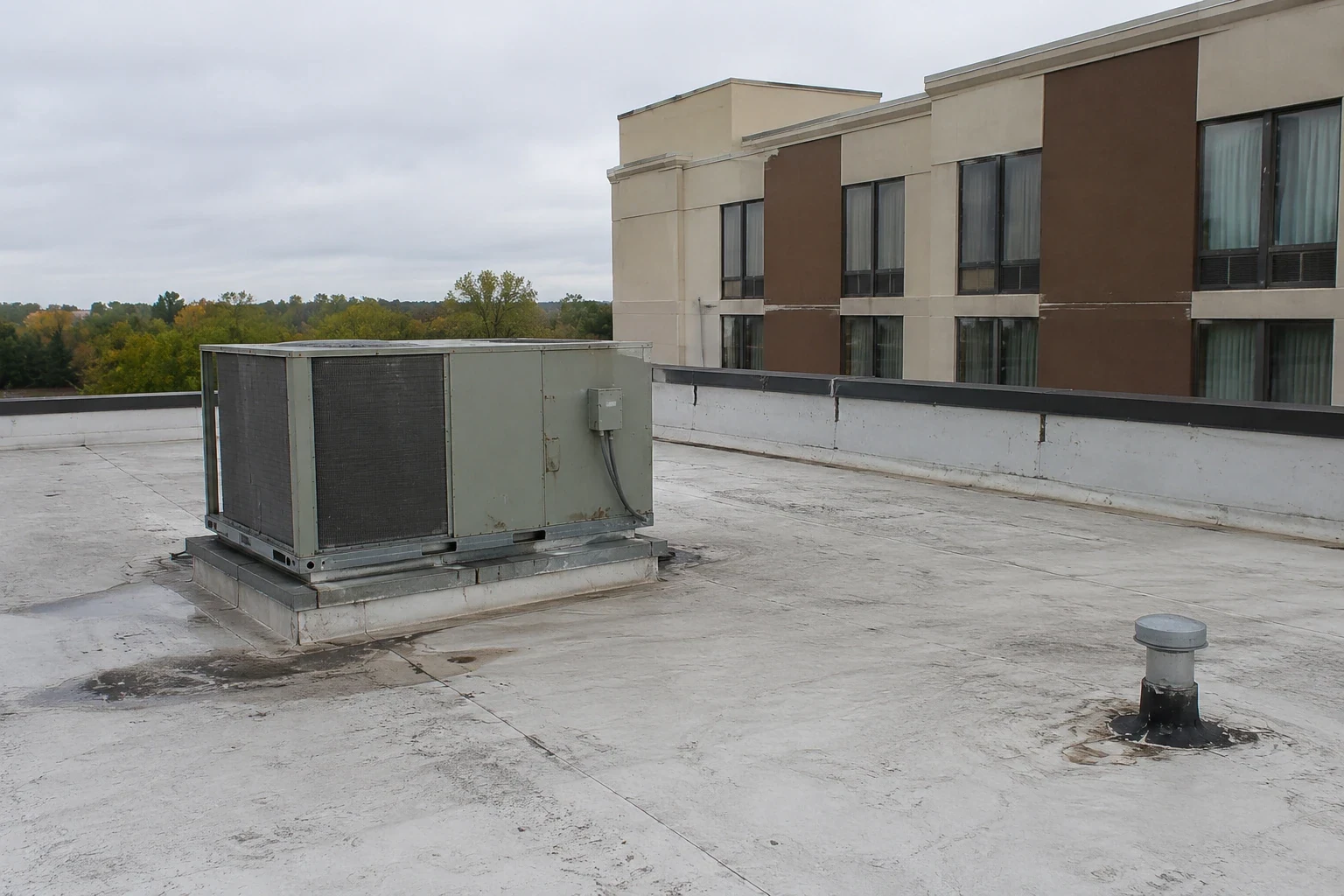
Blisters form when air or moisture is trapped between plies. A small intact blister can be watched, while one that has split lets water reach the felts and insulation. Ridges often follow a deck joint or insulation board edge, and they crack under freeze cycles.
Laps open when adhesive or heat-fusion was marginal or when movement pulls on them. We probe laps along a sample line and mark any lifting. Open laps near drains or walls are repaired first, since water meets them most often. The log gives each repair a work order number so its performance can be checked next season.
Flashings on a bitumen roof are often built from the same sheet, turned up a wall and finished with a metal counterflashing. Where the counterflashing has pulled away or the sealant above it has failed, water runs behind the turn-up. We check that junction along every wall, because it is a more common leak path than the field of the roof, and we photograph each corner.
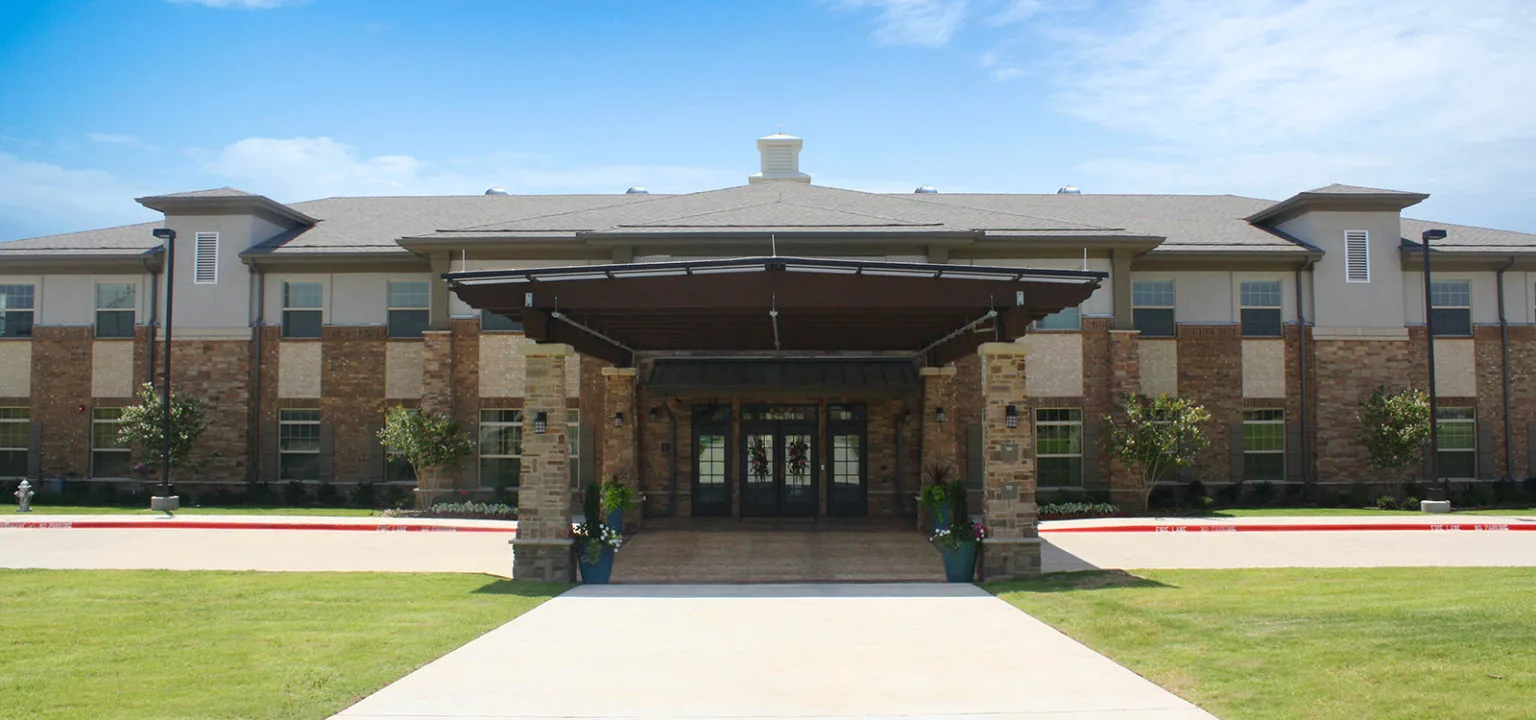
Torch-applied modified bitumen uses open flame, which changes the safety plan. Hospitals make the point: Froedtert South Kenosha Medical Center Campus sits downtown, Aurora Medical Center at the western city limits and St. Catherine's Medical Center in neighboring Pleasant Prairie. Sensitive occupants often rule out flame work on the roof and call for cold-applied or self-adhered sheet.
We write the application method, fire watch and hot-work rules into the scope before work begins, and we log them at close-out. The owner's insurer, fire marshal and facilities office can all read the same record.
A fire watch after torch work is not optional. We keep an observer on the roof and below it for a set period after the last flame is out, and we record the time, the observer and the temperature checks. If an owner prefers to avoid heat work altogether, the scope names the cold-applied alternative and its cost, so the choice is made on paper.
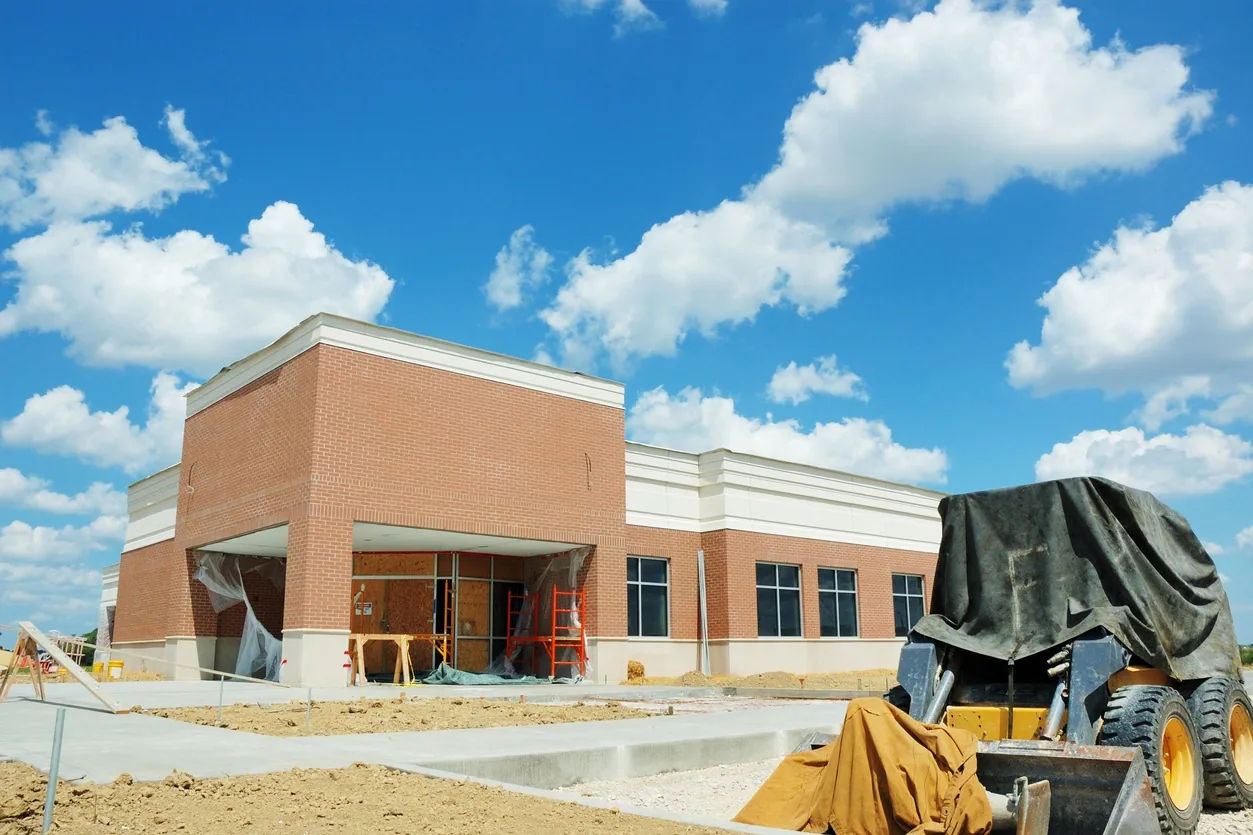
Kenosha took about 19 inches of snow in the January 1979 blizzard and about 23.2 inches in the 2011 Groundhog Day blizzard. Snow on that scale loads a roof and, when it melts, floods drains that are partly blocked. Bitumen that sits under standing water for days softens at the surface and sheds granules.
We check drains and scuppers each spring and record any ponding with its depth. Persistent ponding may call for a new drain or tapered insulation at the next replacement, and the log supplies the evidence. A ponding water repair without that evidence tends to treat the symptom.
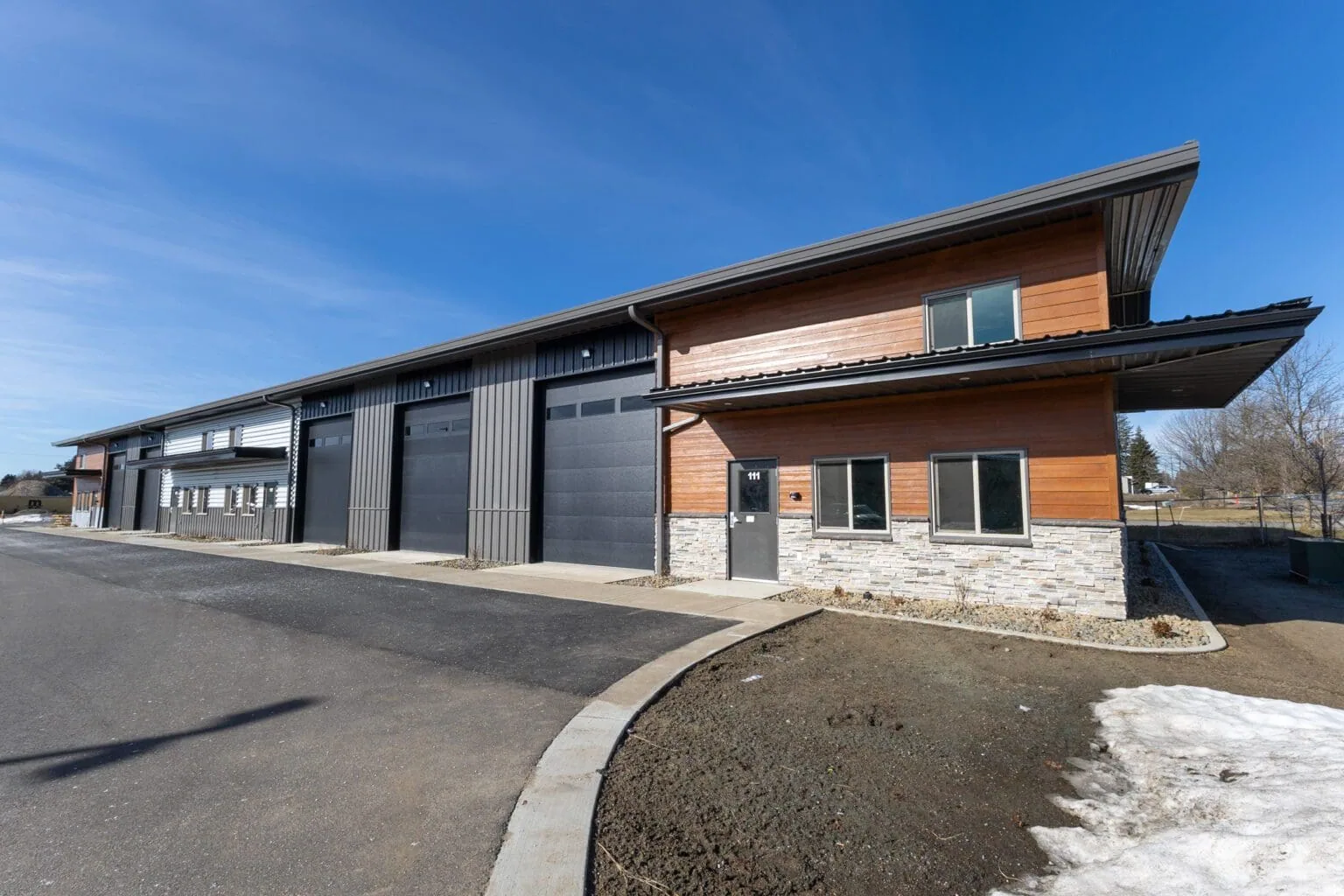
When a bitumen roof reaches the end of its interval, owners compare a new two-ply system with a single-ply alternative. A built-up roof offers more plies and a heavier surface, while TPO offers welded seams and lighter weight. We price each against the same insulation and drainage scope so the choice rests on performance and cost.
A moisture survey and a few core cuts show whether a recover is possible or whether tear-off is needed. Those results, with photographs, go into the capital request. The roof capital planning record then shows which roofs are in line for renewal and in what order.
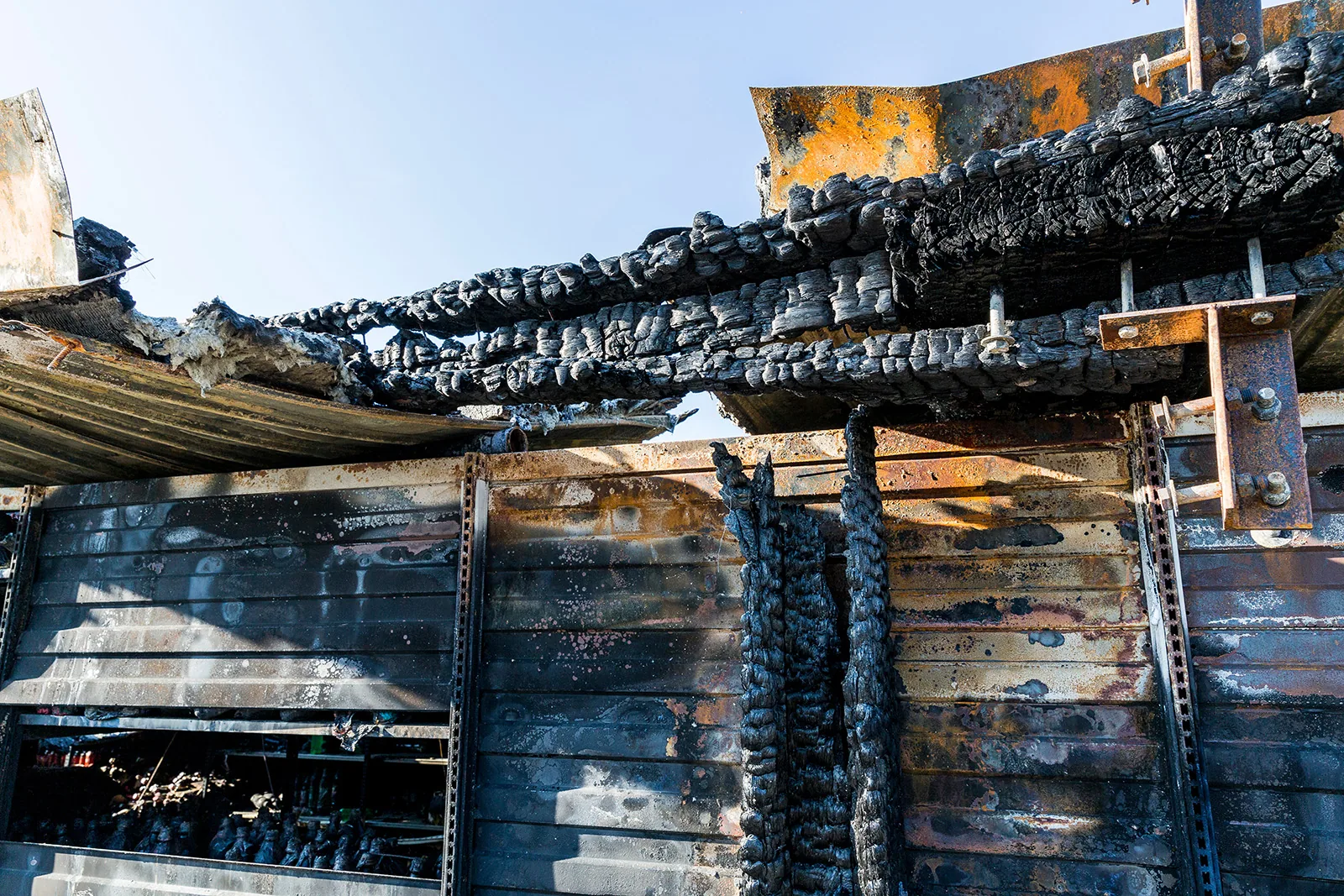
After any work we deliver a package with photographs, material list, application method, repair locations and the next inspection date. Owners in Kenosha, Racine and Pleasant Prairie can keep these packages in one register, which makes year-over-year comparison simple.
Keep Reading
Ponding water roof repair in Kenosha, WI: depth and duration logged after rain, drain checks, moisture survey and a repair scope tied to the cause.
Built-up roof inspection, blister and flashing repair and replacement in Kenosha, WI, with dated photo sets, core cut records and condition ratings.
TPO roof inspection, seam repair and replacement in Kenosha, WI, with probed weld records, dated photo sets and condition ratings for capital requests.
Recover systems for Kenosha, WI commercial roofs, approved only after core cuts, moisture mapping and a layer-and-load review are on file.
Roof capital planning for Kenosha, WI owners: condition ratings, core cut results and replacement timing arranged into a budget request a committee can review.
Commercial roof inspection, repair and replacement in Kenosha, WI for distribution buildings, hospitals and downtown properties, with a dated condition record.
SBS is rubber-modified and flexible. APP is plastic-modified and torch-applied, and it resists sun. We identify which one a roof carries before choosing a repair method.
The deck or insulation moves at the joint with temperature, and the sheet over it cracks. We mark such splits on the roof plan and watch whether they grow.
No. An intact blister may only hold air. A split blister lets water in. We rate each by size, location and condition and repair the ones that have broken open.
Yes. Cold adhesive and self-adhered sheets avoid open flame. Occupied or sensitive buildings often call for them, and the scope records the method.
Test cuts and moisture mapping. Dry insulation and a sound base allow it. Wet board, widespread blisters or too many layers rule it out.