
How long can water sit on a roof before it counts as ponding?
Water that remains more than a day or two after rain is worth logging. We record depth and time so the pattern is visible.
Ponding water roof repair in Kenosha, WI: depth and duration logged after rain, drain checks, moisture survey and a repair scope tied to the cause.
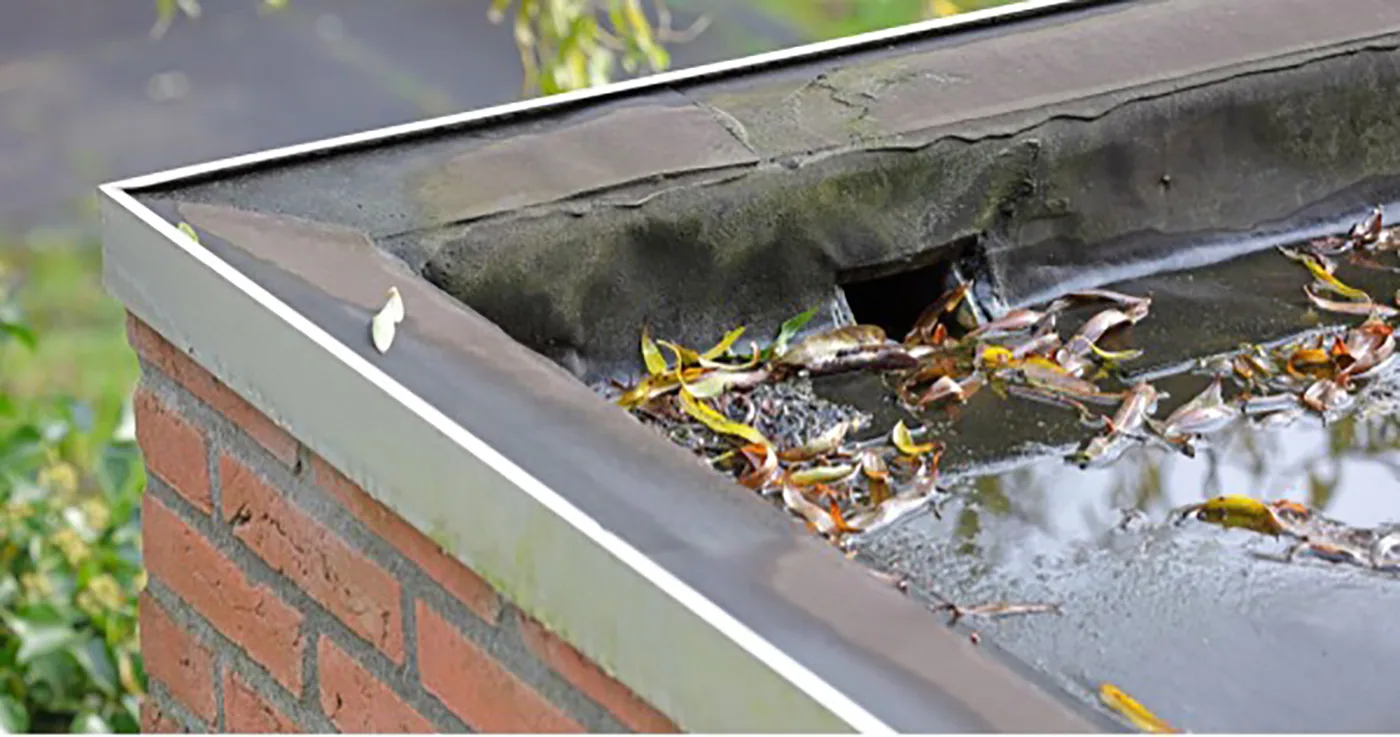
A pale ring left on the membrane after a pond has drained is a finding a facility director can photograph on any dry morning. The ring marks the high-water line. Its shape shows where the roof is low, and its position relative to the nearest drain shows whether the drain is the problem or the deck is.
We record ponding on commercial roofs in Kenosha, WI as a measured condition, not a general complaint. Each pond gets a photograph, a depth in inches, a time after rain and a plan location. Those four items make up the ponding record, and the record decides whether the answer is a drain repair, added slope or a section of new insulation.
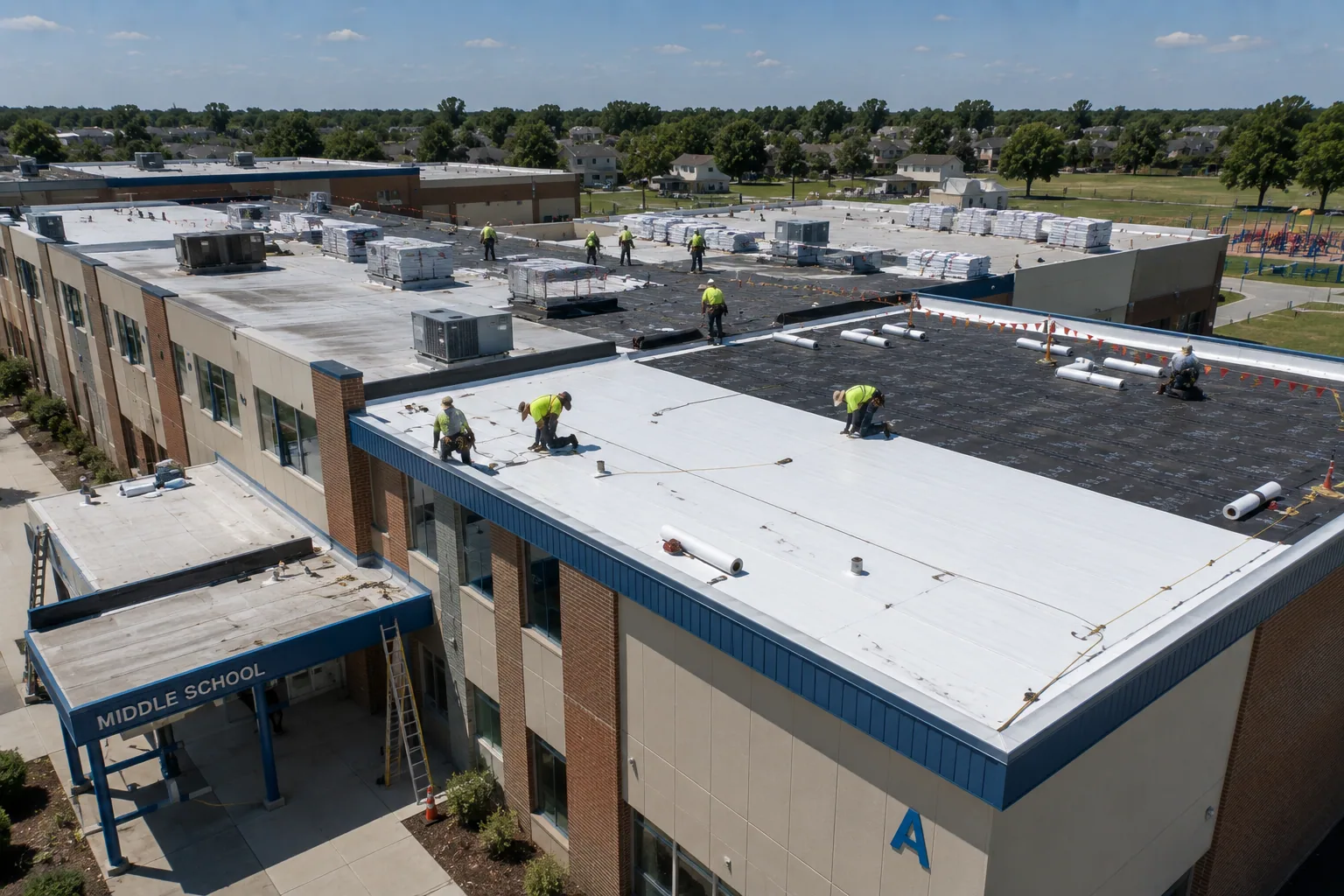
Water that stays on a roof more than a day or two after rain is worth logging. Short-lived puddles near drains are normal. A pond that lingers, sits in the same place after every storm or leaves a ring and a stain is a sign that the roof is not shedding water as designed.
The causes fall into a few groups. A drain set above the low point of the deck. A deck that has sagged between supports. Insulation that has compressed under a heavy unit. A clogged drain or scupper. Each cause produces a slightly different shape, and the shape is part of the record.
We probe the pond edges with a straightedge and a tape, photograph the water against a scale and mark the pond on the plan. A second visit after the next rain confirms whether it is the same pond.
Photographs are taken at low sun angle when possible. Low light raises the shadow of a ring, and the ring shows the pond's true outline better than a midday shot does.
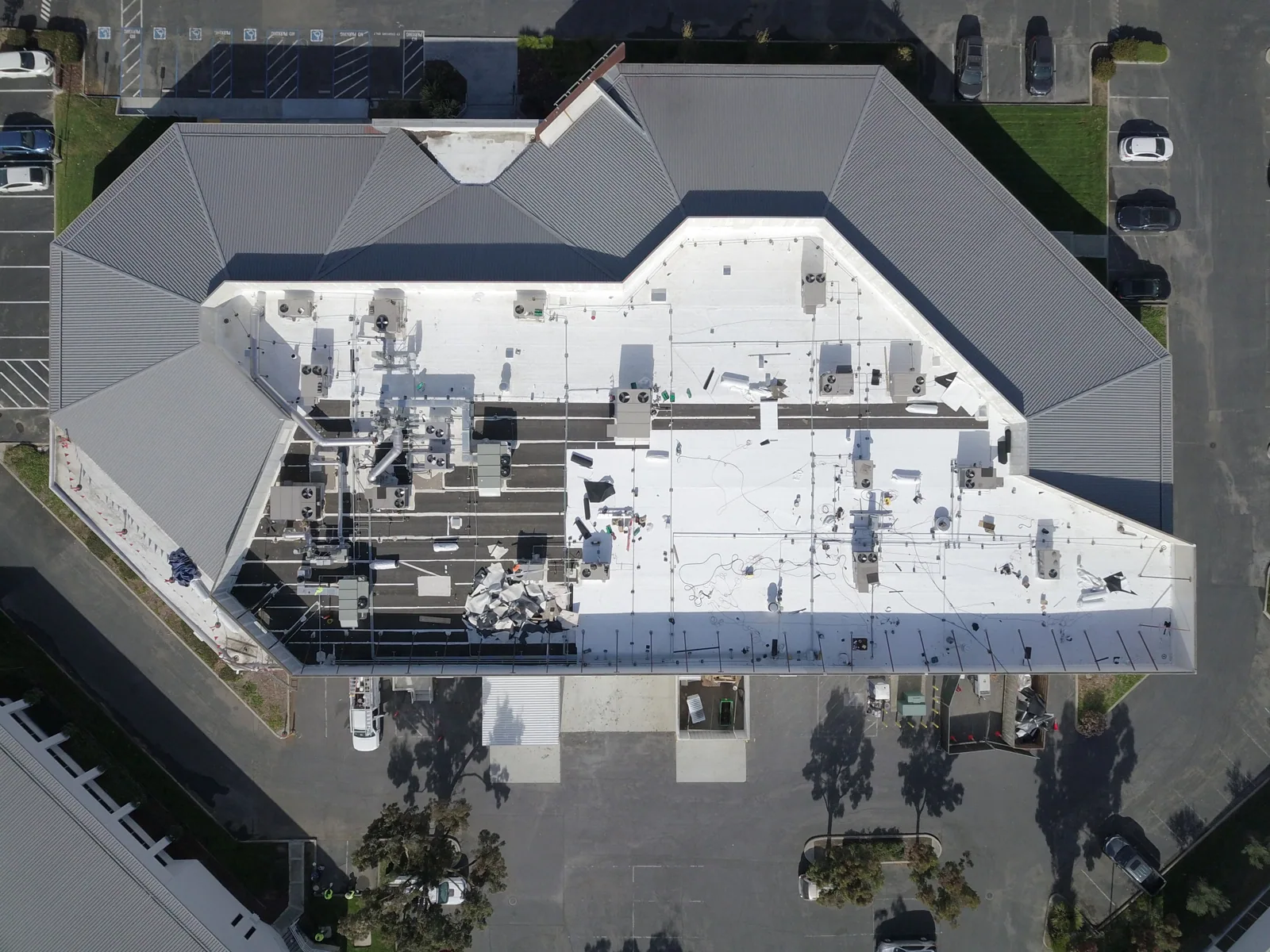
The ponding record is a table with one row per pond. Columns show location, depth, time after rain, nearest drain, drain condition and photograph number. Over a few visits, the table shows which ponds shrink, which stay and which grow.
Drains are flushed during the visit so the record shows whether water leaves. A drain and scupper check goes in the same table, with the flow observed and any debris removed.
When ponding sits over suspect insulation, a moisture survey and a core cut follow. Standing water can drive moisture through small membrane defects, and the survey shows whether it has.
Weather on the day goes in the table too, because a pond measured two hours after a storm means something different from one measured two days after.
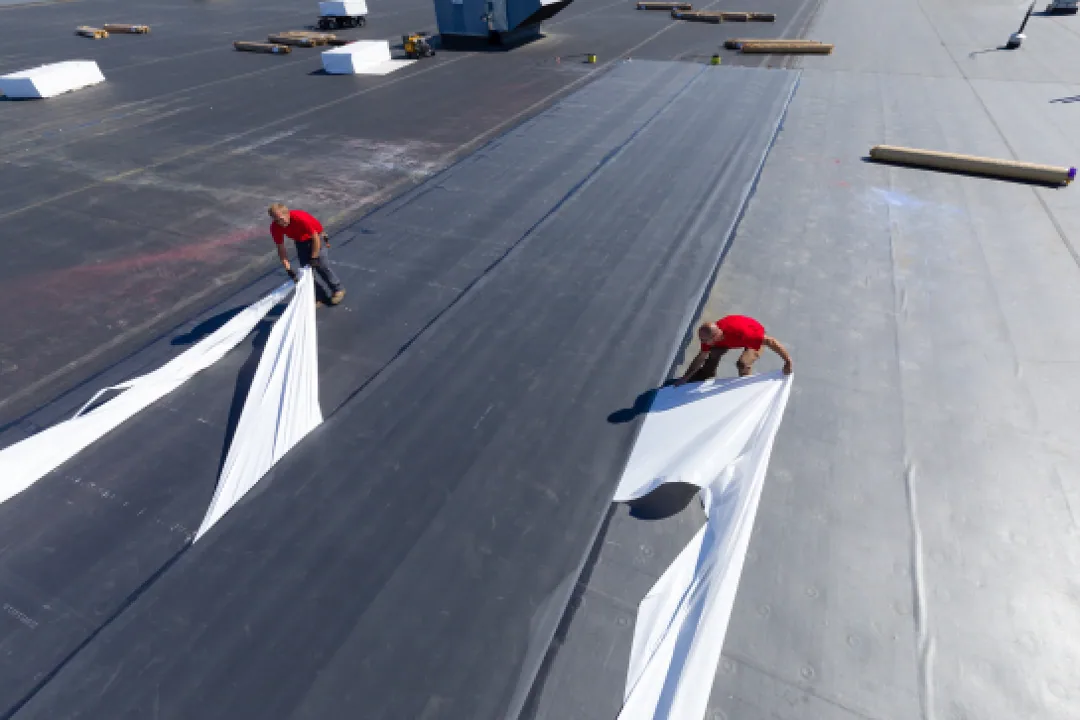
Precipitation in Kenosha runs about 37.6 inches a year, and an average February adds 9.8 inches of snow. Snow that melts on a warm afternoon and refreezes overnight leaves ice at drains and scuppers, and a blocked drain turns a thin film of meltwater into a pond.
Ice that forms in a low spot adds weight and presses on the membrane. In spring the thaw shows which ponds persist. We time a visit for that window, and a second for late fall, so the record covers both ends of the winter. Long runs of low-slope roof, the kind a distribution building in Pleasant Prairie might carry, let small slope errors add up to visible ponds.
Up the lake, Racine gets about 41 inches of snow in a typical year, a little more than Kenosha, so ponds that form after a thaw there tell a similar story. An owner with roofs in both cities can compare their tables line for line.
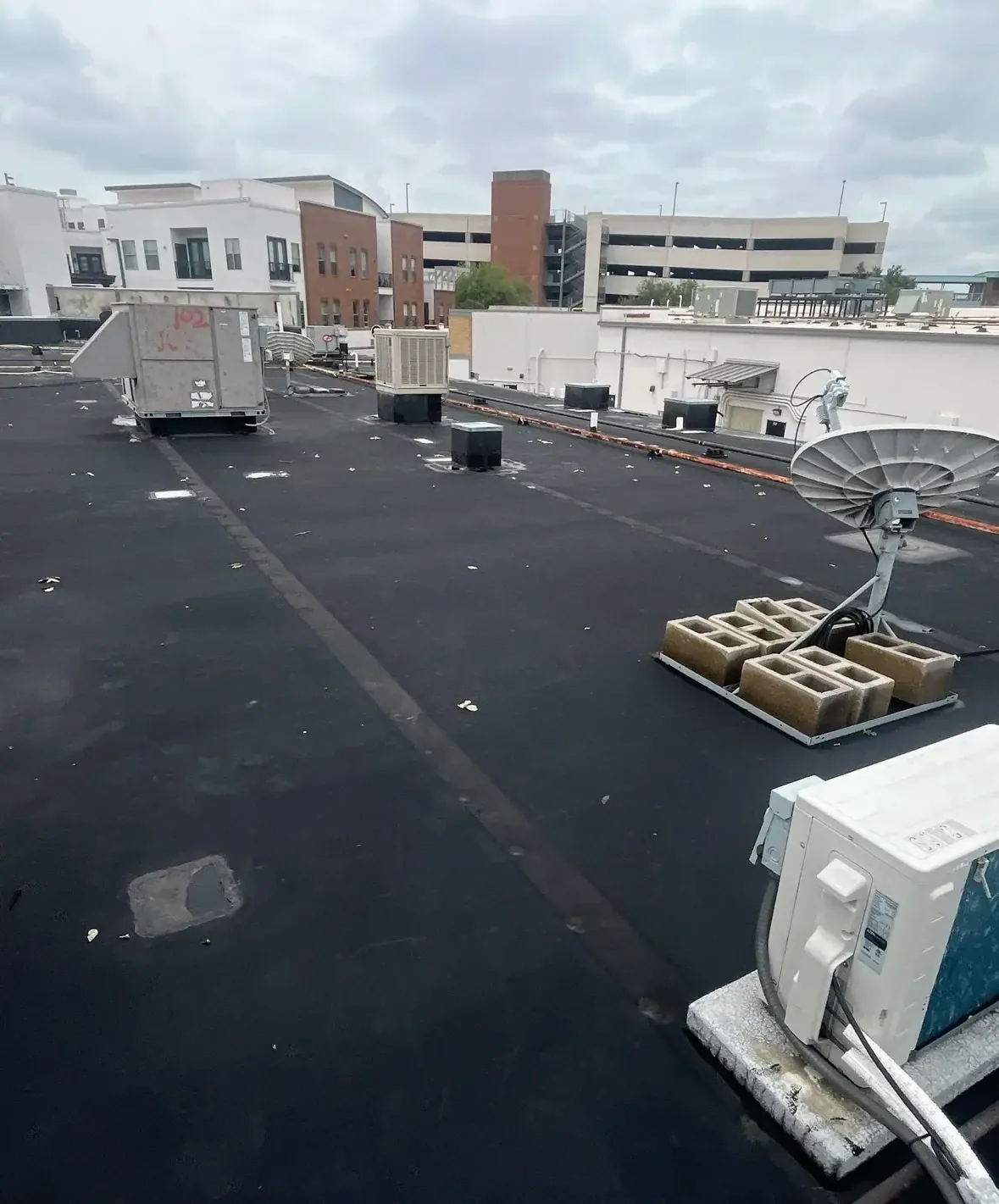
The repair follows the cause. If a drain is clogged or set high, the fix is drain work, and a new drain body or a sump may be needed. If the deck has sagged or the insulation has compressed, tapered insulation can add slope. If the pond is shallow and the membrane is sound, a monitoring plan may be all that is needed.
Tapered insulation is installed with a new membrane, and the scope for insulation and cover board shows thickness and slope at each drain. Where only a small area is low, a cricket or a local tapered build-up can redirect water without a full replacement.
A repair that ignores the cause tends to repeat. The log shows the previous patch beside the pond, which is often the quickest evidence that patching alone is not working.
Where the pond sits at a roof edge, the scope also checks the scupper and its overflow height. A scupper set too high turns an edge pond into a permanent one, and lowering it is often cheaper than any other fix.
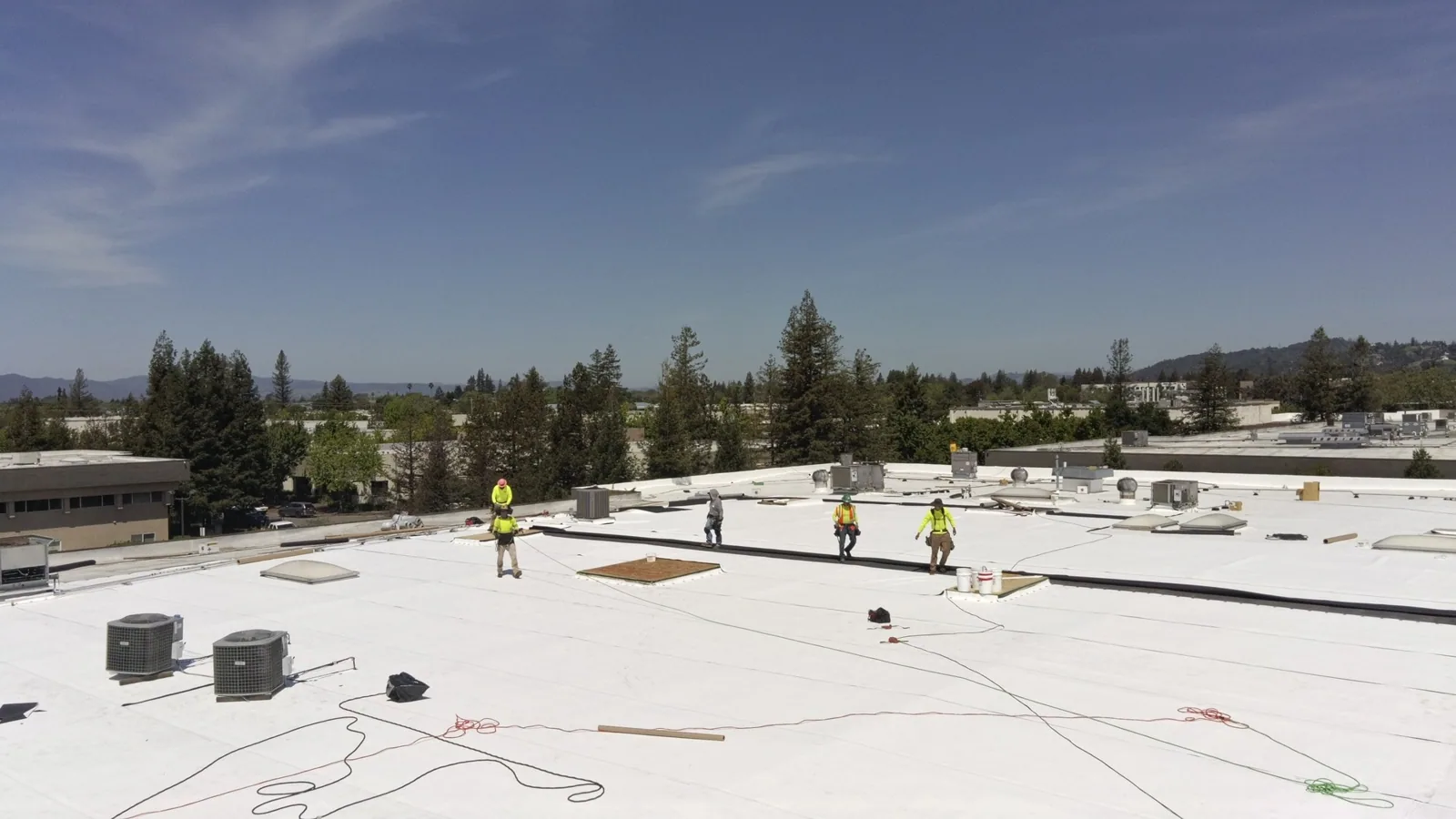
Ponding affects the budget in two ways. It shortens membrane life, and it signals a drainage deficiency that may affect other sections. The rating reflects both. A shallow pond on a sound roof stays on the maintenance calendar. A deep pond over wet insulation goes on the capital request.
Where a building has several roofs, the ponding tables line up in one view, and the worst section ranks first. A seam failure beside a pond gets flagged together with it.
A cost range for drainage work carries its assumptions in plain words: how many drains are added, how much tapered insulation goes in, and whether the membrane is replaced at the same time. If a core cut changes an assumption, the range is reissued and the earlier version is kept in the file.
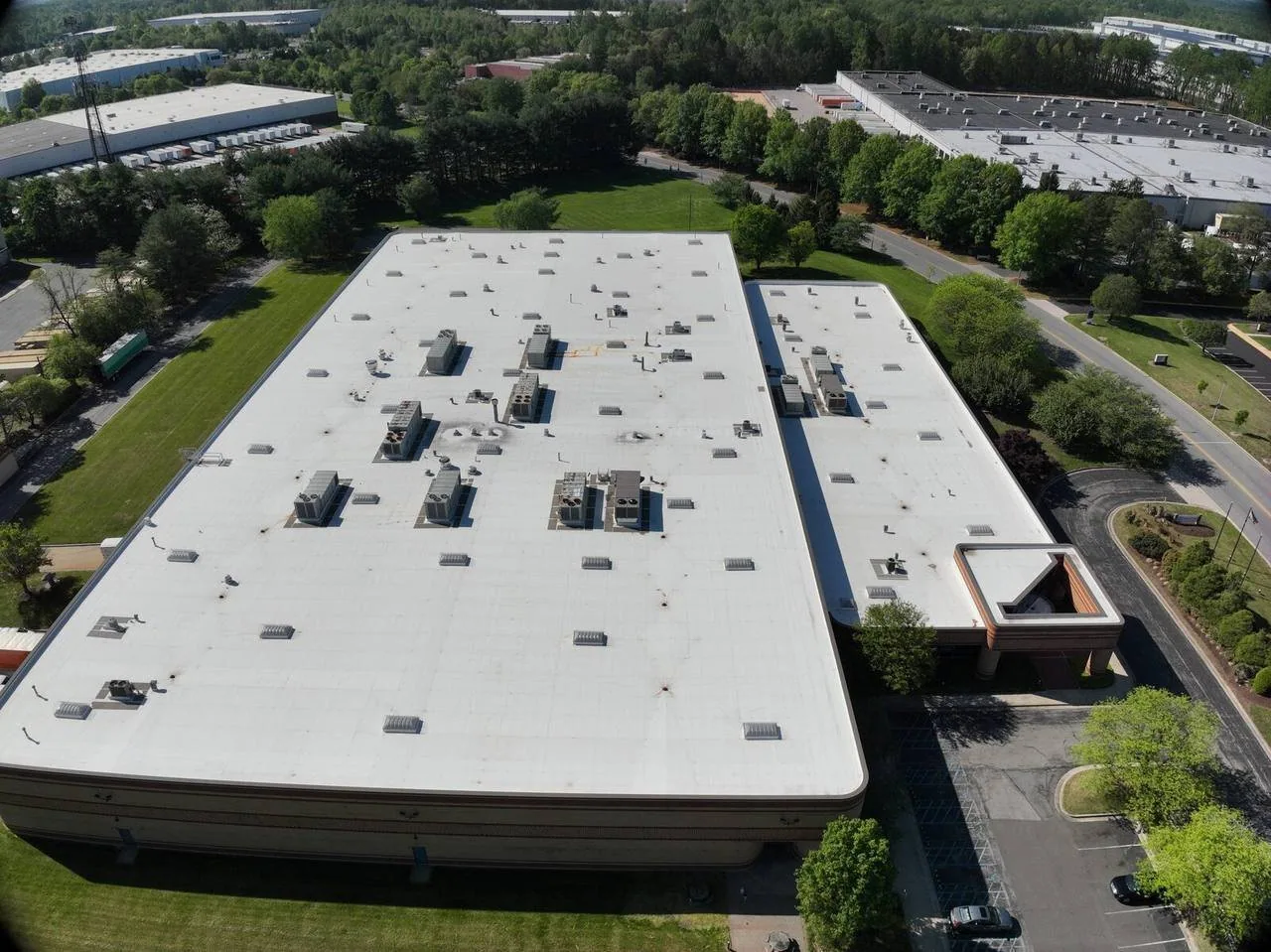
In fall, drains are cleared of leaves and debris ahead of the first freeze. Spring is when ponds that formed under snow and ice get recorded. After heavy rain, a short visit confirms the drains are running.
For roofs with snow-melt drains, the winter entry includes ice at the drain bowl. A snow and ice damage record shares the same table, so ponding and ice damage read together.
Summer entries matter as well. Heat softens some membranes, and a pond that sits on soft membrane leaves an impression the winter then deepens. A late-summer check records depth before the fall rains begin.
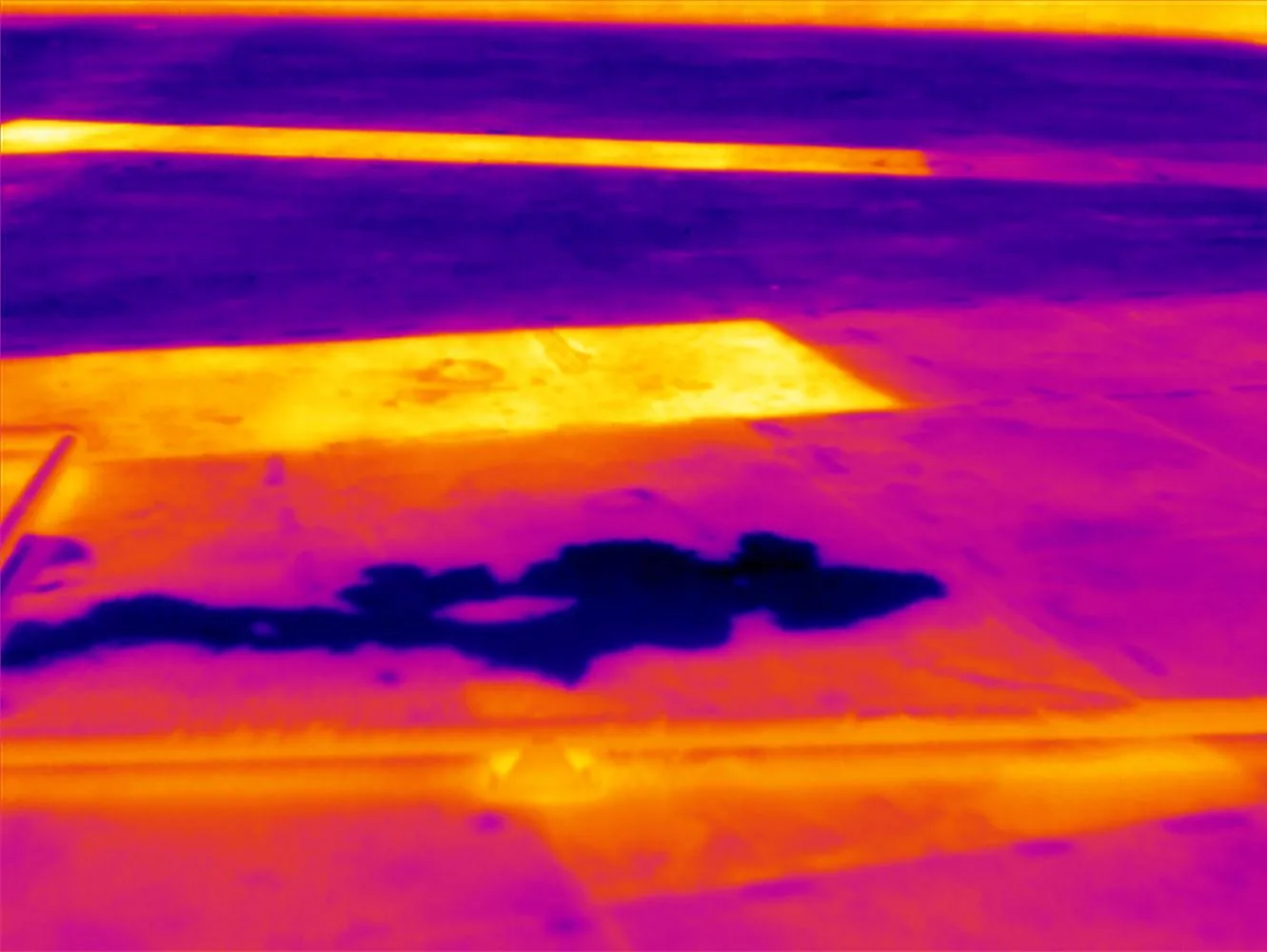
When drainage work finishes, the file closes with before and after photographs, the revised plan with new drain locations and slopes, and product sheets. A re-check after the next significant rain confirms that the pond is gone, and the result goes in the table.
The next inspection starts from the revised plan, with the new drain locations circled and the old ponds marked as resolved or watched.
Keep Reading
Roof drain, scupper, cricket and ponding correction in Kenosha, WI: drain checks, ponding records and slope fixes logged for facility directors.
Commercial roofing in Pleasant Prairie, WI for LakeView and Prairie Highlands industrial buildings, with seam, drain and curb findings recorded and dated.
Commercial roofing in Racine, WI for manufacturing plants, retail centers and lakefront buildings, with dated findings, moisture surveys and condition ratings.
Roof insulation, tapered systems and cover board in Kenosha, WI: core cuts, moisture readings and code checks that set the right assembly for your roof.
Seam failure repair in Kenosha, WI: open laps and split seams probed, photographed and rated, with repairs matched to the membrane type and a follow-up date.
Snow load and ice dam roof damage repair in Kenosha, WI: drifts, frozen drains and ice damage logged with dated photos, plan marks and ratings for each roof.
Water that remains more than a day or two after rain is worth logging. We record depth and time so the pattern is visible.
Some manufacturers limit coverage where water stands. The warranty file lists the terms, and the ponding record shows whether the roof meets them.
Yes. A blocked drain can hold several inches of water. We flush the drain and log what comes out.
When the deck or drain layout cannot move water to the drains, or when a new membrane is planned anyway. The scope shows slope at each drain.
They can. A shallow pond that leaves a ring after every rain is worth tracking, because it can deepen as the deck settles.
A moisture survey maps the area, and a core cut confirms it. The record shows moisture depth and extent.