
How soon can a planned repair be scheduled?
Planned repairs follow an inspection, and scheduling depends on weather, access and the size of the scope. Urgent items are separated from routine ones, so water-stopping work goes first.
Planned membrane, flashing and seam repair for Kenosha, WI commercial roofs, with dated photos, a marked roof plan and a written repair log for every visit.
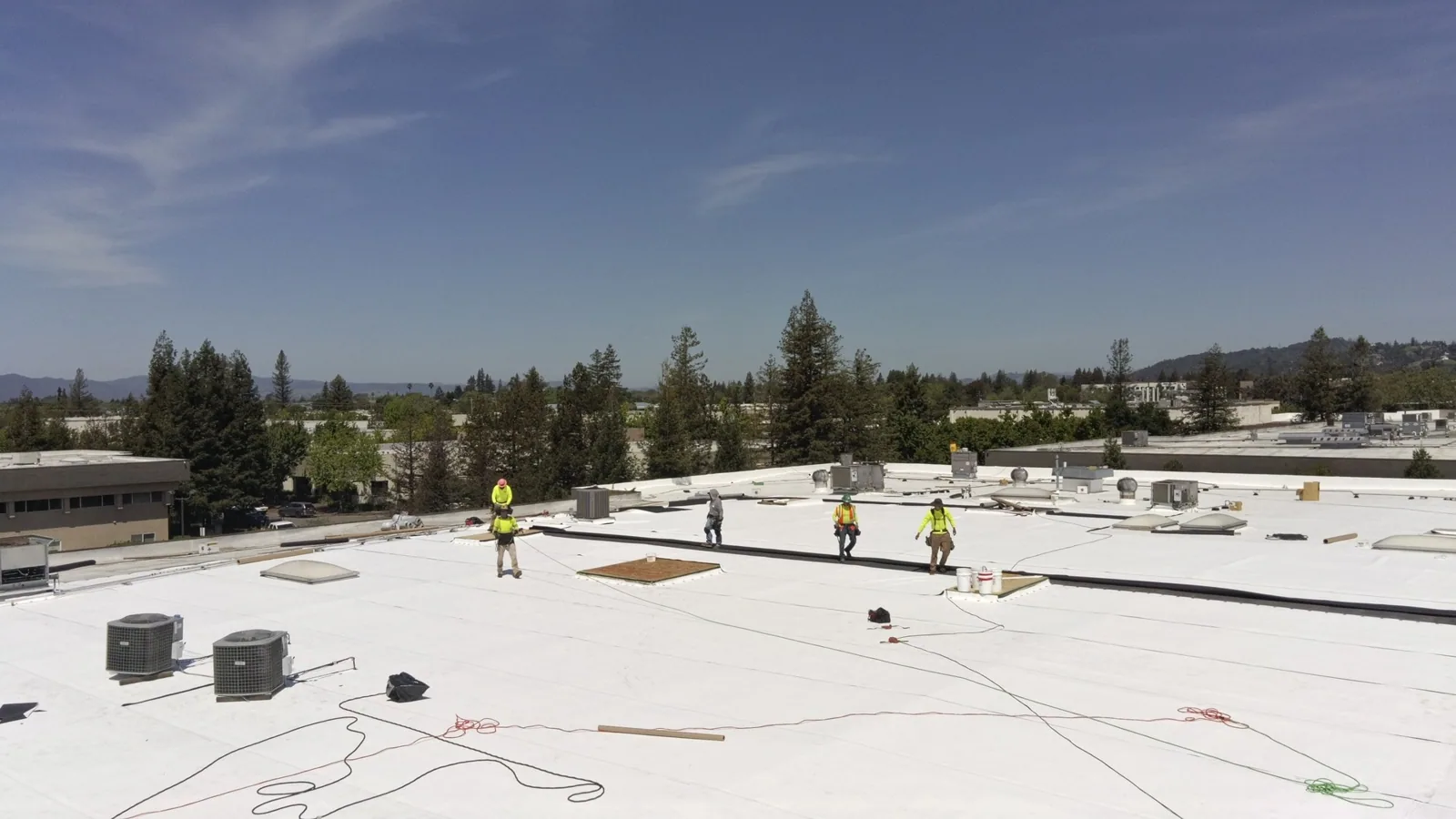
Every repair we make leaves two things behind: a fix on the roof and an entry in the log. The entry names the location, the cause we found, the materials used and a photograph taken before and after. In Kenosha, WI, where the winter cycle of freezing and thawing works at every seam and flashing, that history is what lets a facility director see whether the same detail keeps failing. A repair with no record is only a patch. A repair with a record is evidence for the next decision.
Planned repair is different from an emergency call. It is scheduled, scoped and priced from inspection findings, which means the work can be matched to the actual defects instead of the loudest symptom.
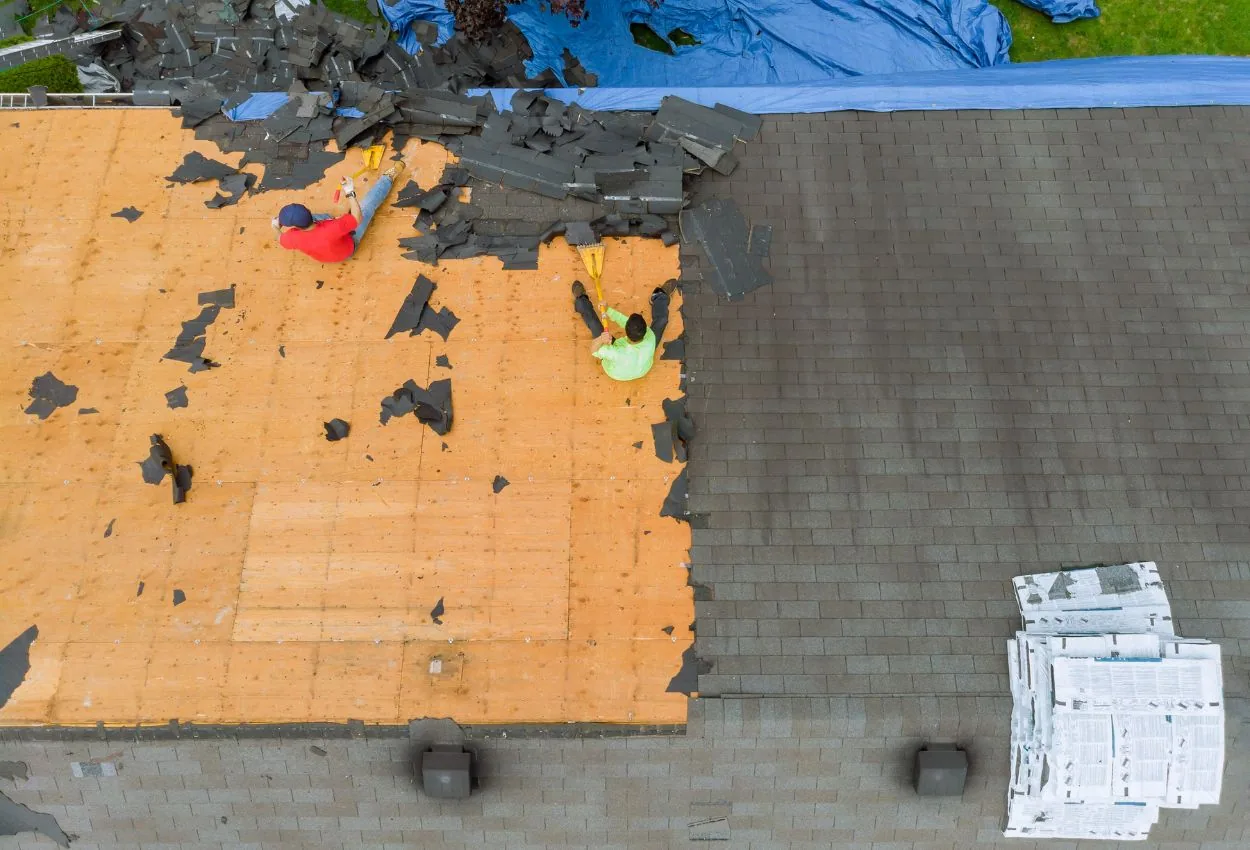
The repair scope is written from what the roof shows. We walk the full surface, photograph every defect with a number, and mark it on the roof plan. Typical findings include open laps, cracked sealant at terminations, split pitch pockets, fasteners backing out of the deck, and membrane worn through at traffic paths. Each gets a priority: stop-water items first, then deterioration that will become leaks, then cosmetic items that can wait for the next cycle.
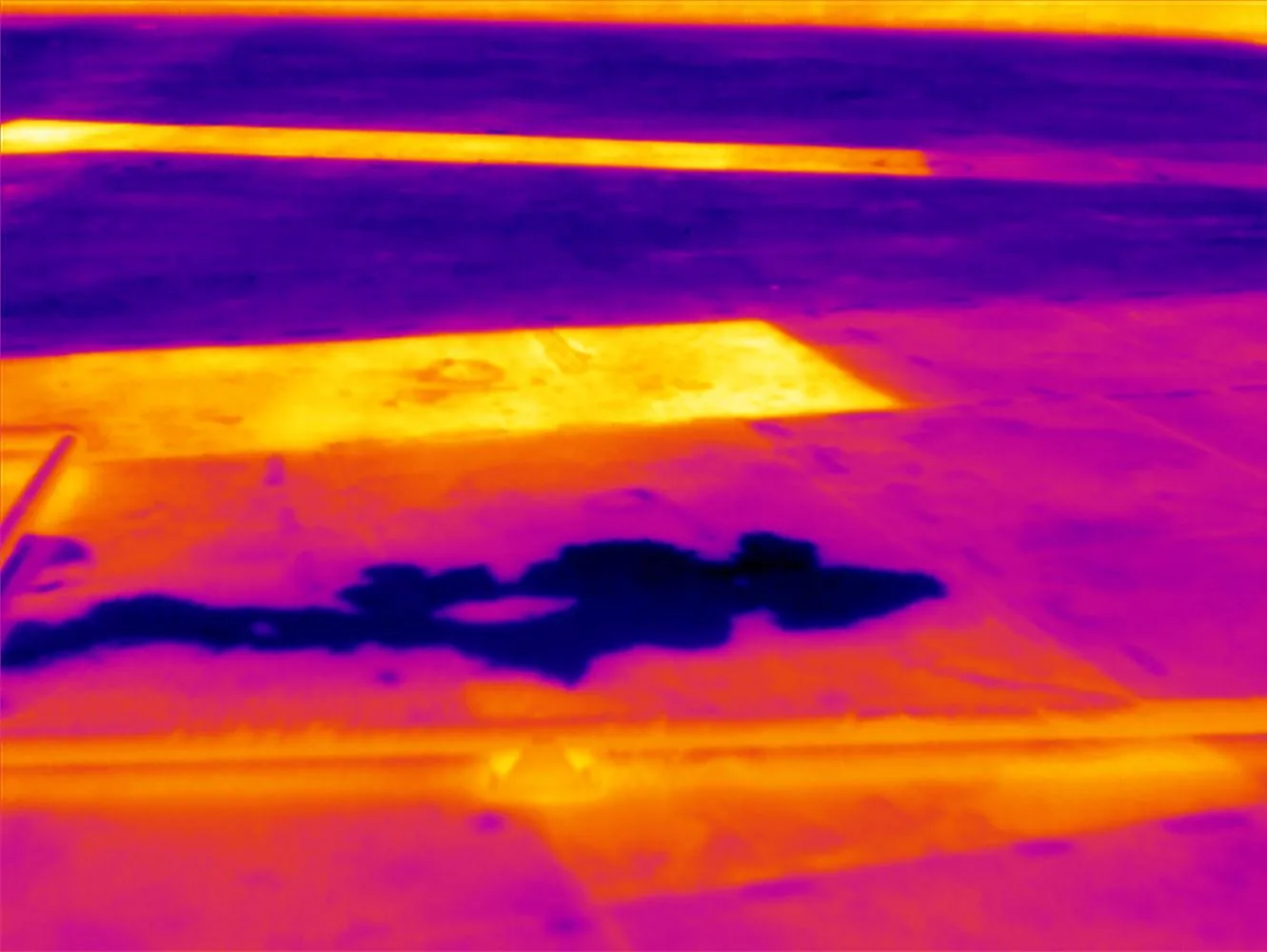
A stained ceiling tile tells us where water arrived, not where it entered, so we trace the path before cutting anything. When the entry point is unclear, the moisture survey narrows the search and tells us how far the wet insulation extends. Repairing the opening without drying the insulation beneath it leaves the roof holding water against the deck.
The result is a scope the owner can read line by line. If three items are urgent and five can wait, the written finding shows that split and the cost of each group.
Method follows material. Thermoplastic membranes such as TPO and PVC are repaired by hot-air welding a patch or reinforced flashing over a cleaned surface, so the repair becomes part of the sheet. EPDM relies on primer and cured splice tape or liquid-applied flashing, with surface preparation doing most of the work. Modified bitumen is torched or cold-applied, and built-up roofs are repaired with compatible felts and bitumen.
Compatibility is the quiet risk. An incompatible sealant over an old membrane can look sound for weeks and fail the first time the roof moves. We identify the membrane by sample or record before choosing the material, and we log the product used on the roof plan. Seam work and flashing work are treated separately, because a failed seam and a failed flashing have different causes and different cures.
Kenosha averages about 36 inches of snow a year, with January and February the heaviest months, and a record low of minus 31 degrees in January 1985. A membrane that is flexible in August stiffens in a deep freeze, and every temperature swing opens the laps and terminations by a small amount. Ice builds at drains and along walls where meltwater refreezes, and trapped water forces its way under flashings.
We schedule repairs with that cycle in mind. Spring is the season for a full walk, because the winter has just finished testing every detail. Fall repairs close the openings before the first hard freeze, and drain checks go on the log twice a year. For the cold-weather work that cannot wait, we use materials rated for low-temperature application and record the temperature on the log, since adhesion in the cold is a legitimate concern.
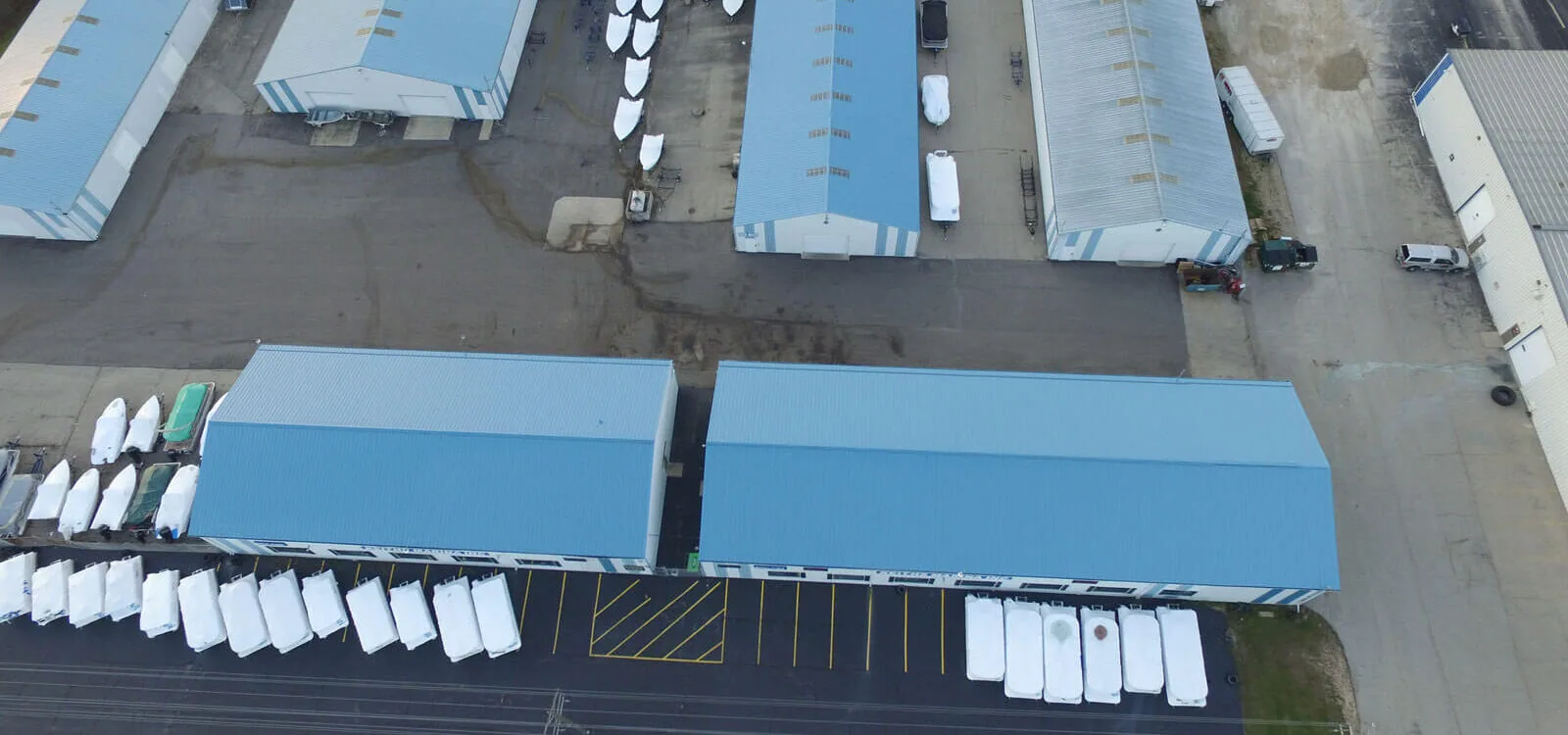
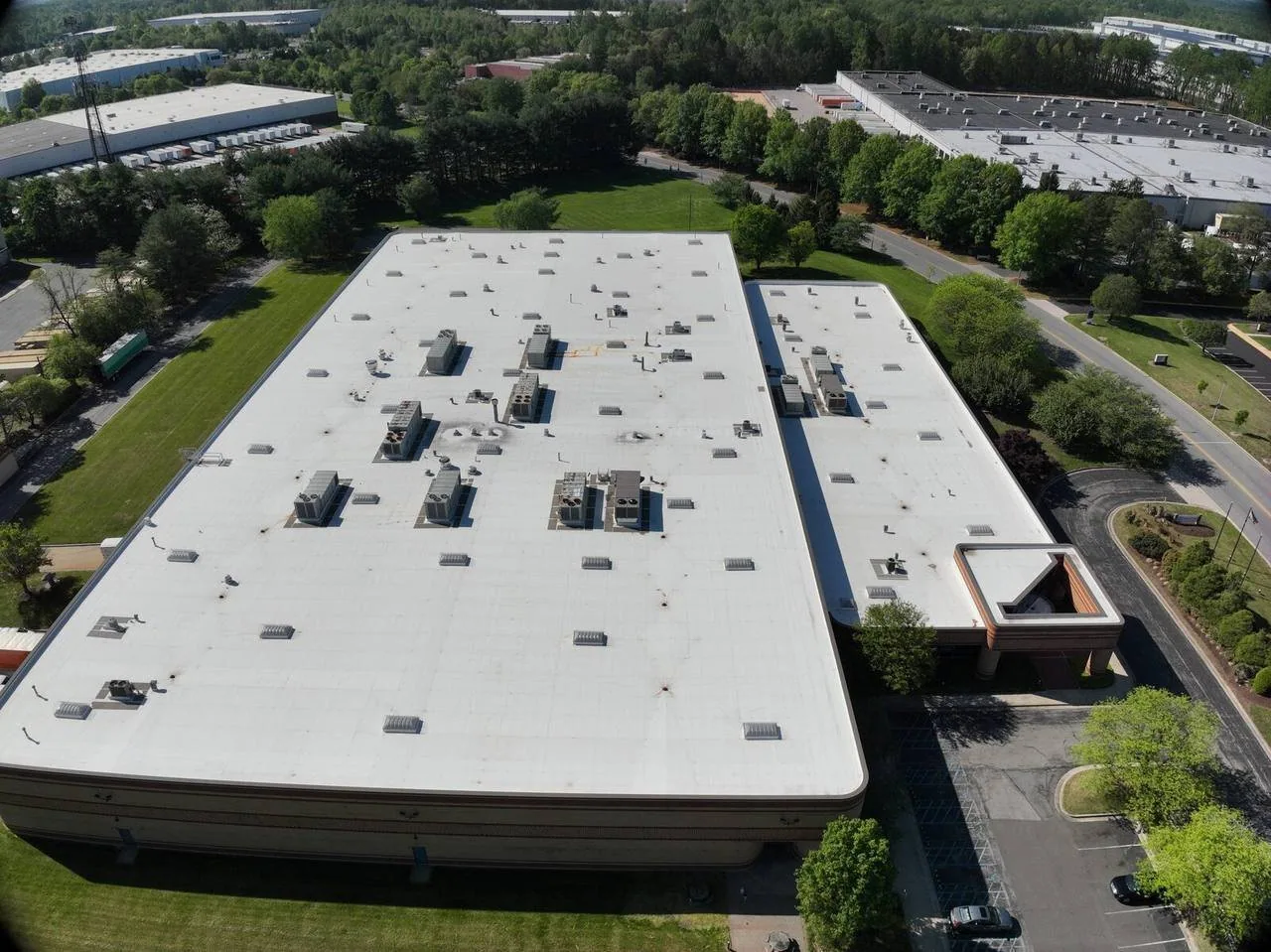
Different buildings need different repair habits. On a distribution warehouse in the LakeView Corporate Park in Pleasant Prairie, the pressing items are usually dock-side flashings, rooftop unit curbs and roof drains, because the field of the roof is broad and the penetrations are few. On a hospital or clinic, such as the two hospitals in Kenosha, access, noise and air handling dominate the plan, and the repair has to protect the interior without interruption.
For schools, retail centers and manufacturing plants, the roof often has a mix of ages and systems from earlier additions. We map the roof by section and rate each section separately, which lets the owner repair the good areas and budget replacement for the failing ones. A single rating for the whole building hides that mix, and it leads to uneven spending.
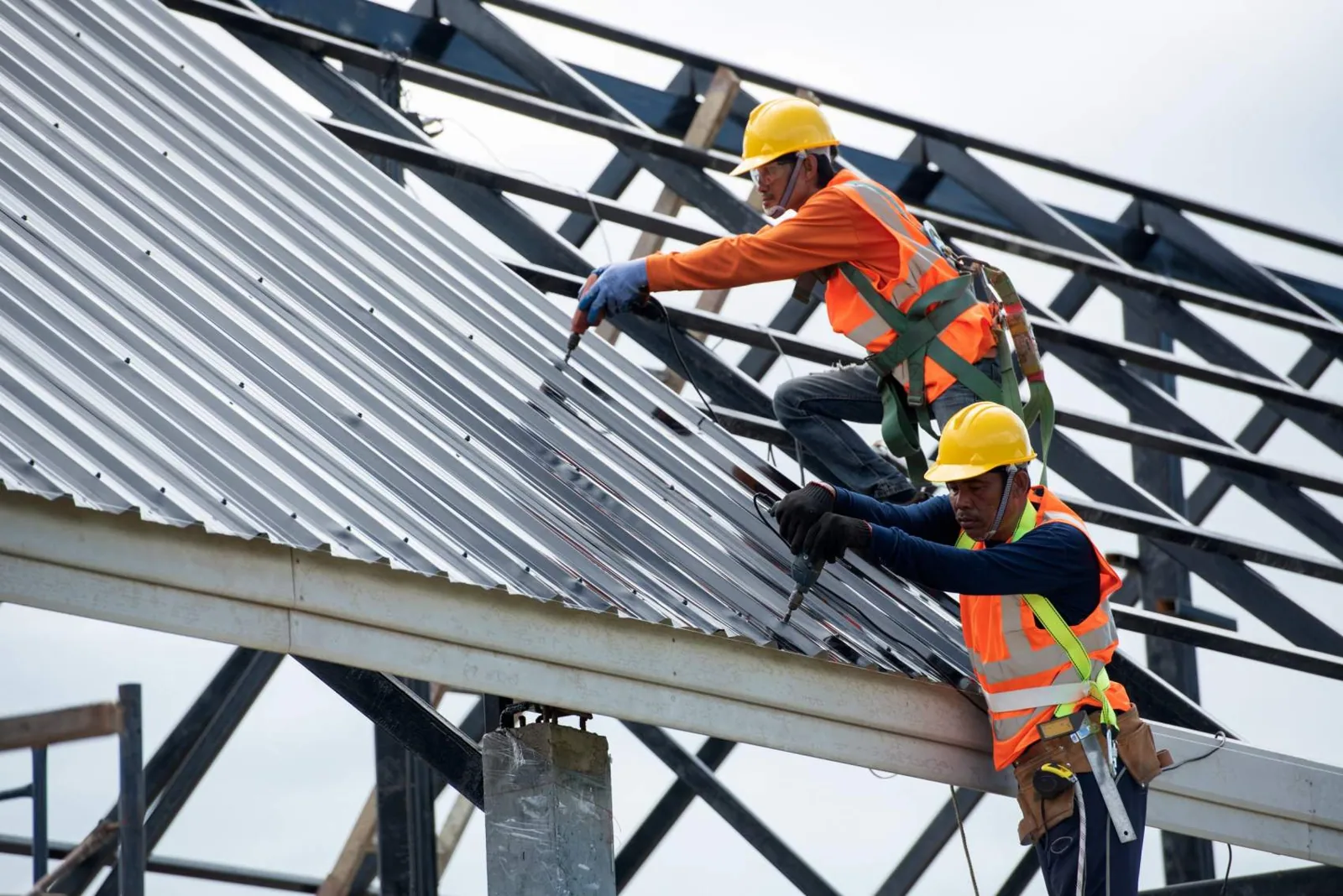
A repair visit still has to fit around the building. Sturtevant has distribution warehouses along its western side, and in Racine the manufacturers include Case IH, Dremel, Modine and InSinkErator. Plants and warehouses run on shifts and shipping windows, so we agree in advance on where crews park, which rooftop equipment may be shut down, and who signs off when the crew leaves the roof each afternoon. The sign-off sheet lists the areas touched, the areas left open, and the weather the crew expects overnight.
Access is documented the same way as the defects. The log records roof hatch or ladder locations, fall protection arrangements, and any restricted zones around exhaust or intake equipment. If a tenant controls the roof, we confirm who authorizes work and who receives the repair report, because a split lease can leave a roof without a clear owner of the problem.
Billing follows the scope. Each repair item carries its own line, so the facility director can approve the stop-water work immediately and hold the rest for a budget cycle. That structure also keeps the paperwork clean when the work is charged to a tenant, a landlord or an insurer, because each charge ties to a numbered finding and a photograph.
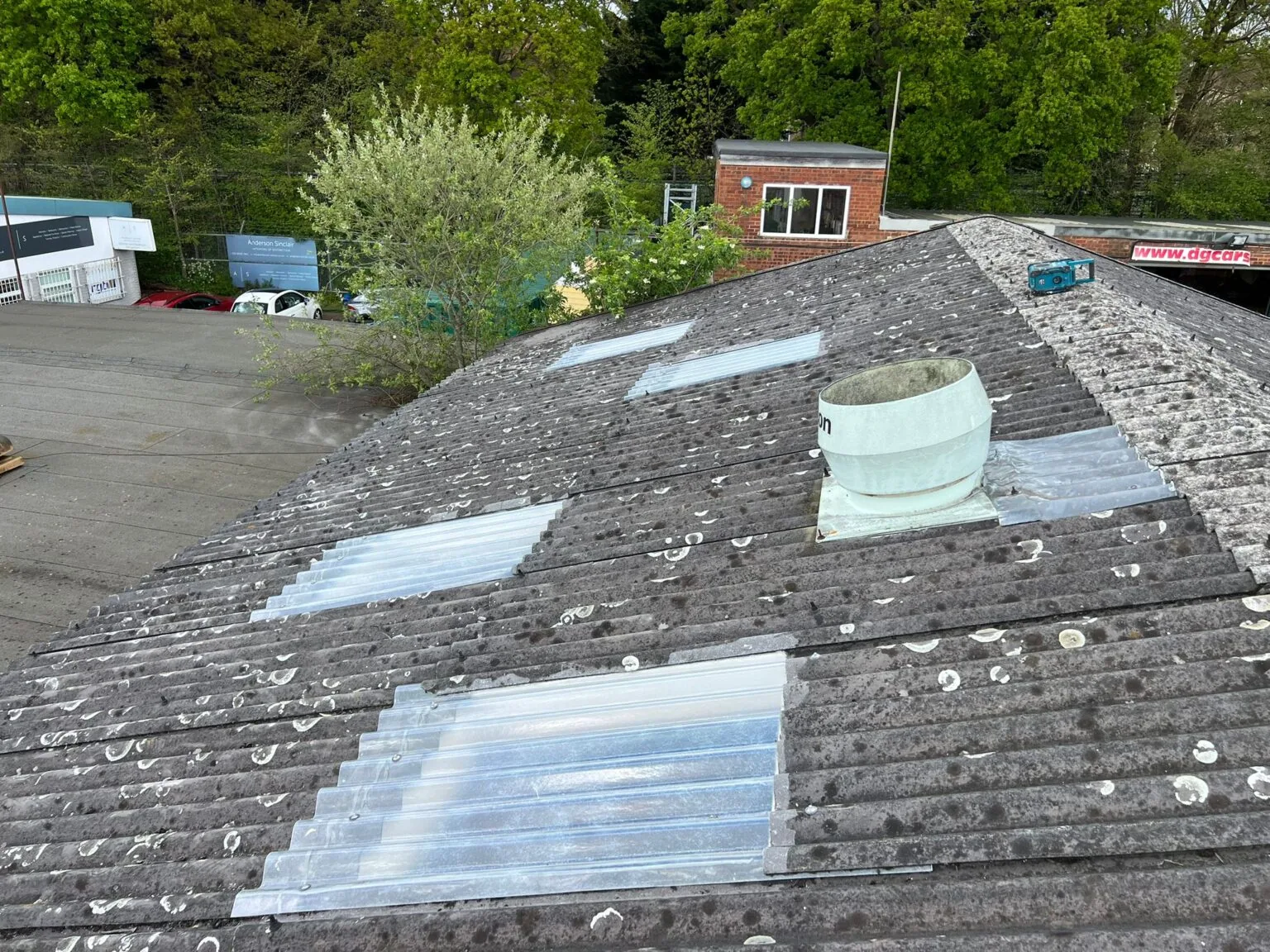
Repairs have a ceiling. If the log shows repeated work at the same locations, if moisture has spread through the insulation, or if the membrane is cracking across its field, additional repair spends money without extending life. We state that point plainly in the findings and provide the cost comparison against replacement, so the choice rests on numbers the owner can verify.
A well-kept repair log also supports preventive maintenance, which spaces small repairs through the year and keeps minor defects from becoming leaks. Over time, the log shows what the roof actually costs to keep dry, and that figure belongs in the capital plan.
Keep Reading
Infrared scans and core-cut verification for Kenosha, WI commercial roofs, producing a numbered moisture map that separates wet insulation from dry.
Seam failure repair in Kenosha, WI: open laps and split seams probed, photographed and rated, with repairs matched to the membrane type and a follow-up date.
Flashing failure repair in Kenosha, WI: wall, curb and penetration flashings inspected, photographed and rated, with repairs matched to the roof system.
Commercial roof inspection, repair and replacement in Kenosha, WI for distribution buildings, hospitals and downtown properties, with a dated condition record.
Commercial roofing in Racine, WI for manufacturing plants, retail centers and lakefront buildings, with dated findings, moisture surveys and condition ratings.
Full tear-off and replacement for Kenosha, WI commercial roofs, run from a documented core survey, written condition ratings and a close-out package.
Planned repairs follow an inspection, and scheduling depends on weather, access and the size of the scope. Urgent items are separated from routine ones, so water-stopping work goes first.
Usually the cause was never fixed: wet insulation was left in place, the wrong sealant was used, or the surface was not clean. We log the cause and the preparation steps so a failure can be traced.
It can if the repair uses non-approved materials or is made by an unauthorized party. We identify the membrane, use compatible products and keep the repair record with the warranty file.
Stop-water items cannot. Deterioration items can sometimes wait, but we put a date on each decision so deferral is a choice recorded in the file.
A written repair log with before and after photographs, the roof plan marked with each location, and the materials used. It is formatted so it can be attached to a work order or insurance file.