
What is the first sign an EPDM roof is aging?
Tension at corners and wall bases, where the sheet bridges instead of lying in the angle. Cracked rubber at bends and open edges follow. We photograph and rate each one.
EPDM roof inspection, splice repair and replacement in Kenosha, WI, with dated detail ratings, ponding records and capital-ready condition reports.
An EPDM sheet that has pulled tight across an inside corner, with a visible bridge where it should lie in the angle, is a finding that predicts a split. We photograph it, mark it on the roof plan and give the detail a condition rating. In Kenosha, WI the cause is easy to find in the climate record: a January 1985 low of minus 31 degrees and a July 2012 high of 105 degrees. Cured rubber shrinks slightly with age, and a wide temperature swing pulls on every place where the sheet is held fast.
The dated record of those details is what lets a facility director plan a repair before the split, not after the leak.
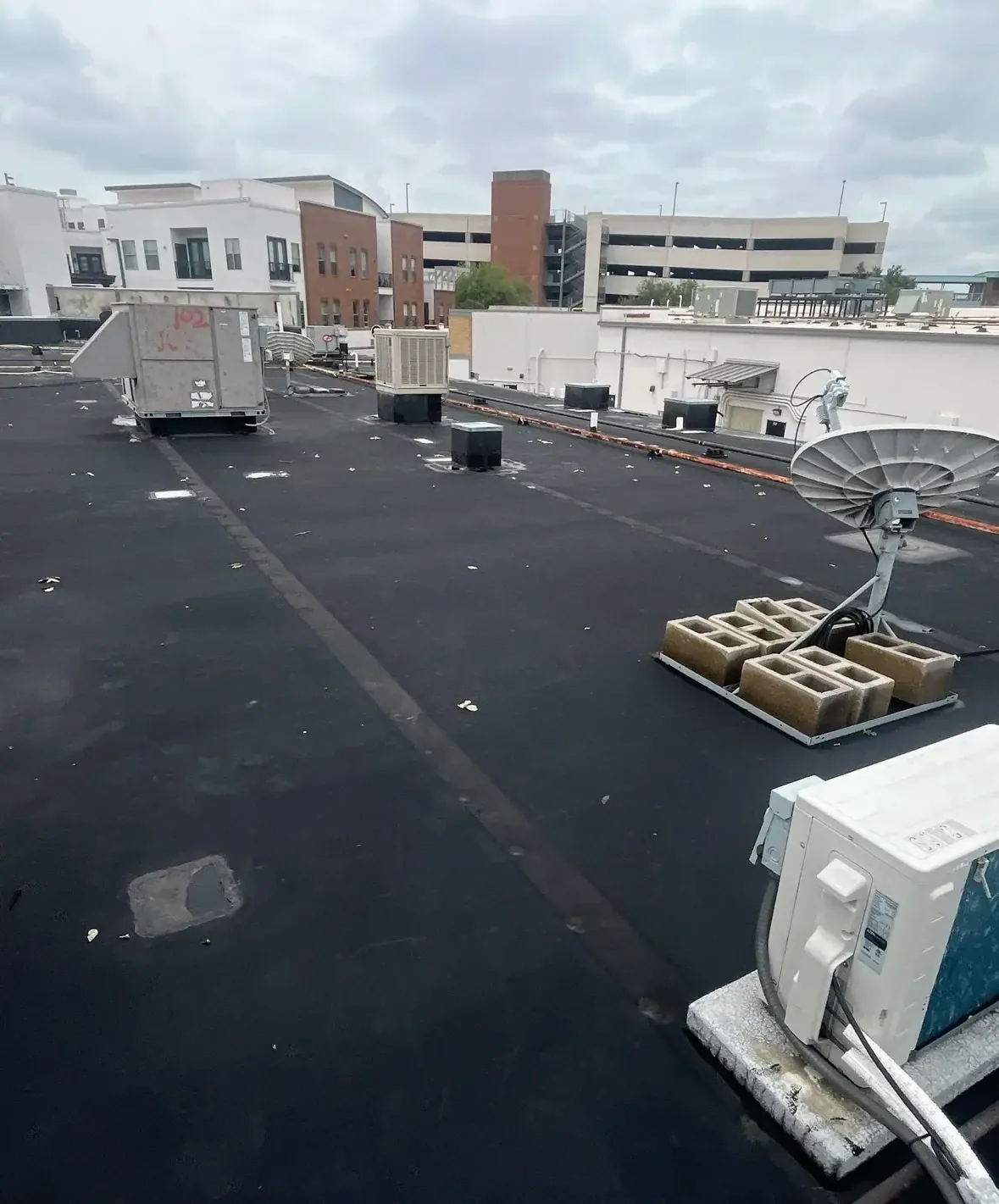
EPDM ages differently from a thermoplastic sheet. It does not weld, so it does not craze at the seam. It shrinks, hardens at the surface and loses elongation, and the first signs appear at flashings, corners and penetrations. We look for tension wrinkles, pulled-away terminations, cracked rubber at bends and cut edges that have lost their sealant.
The field of the roof may look uniform and dark while the details are failing. A walk that includes every wall base and curb catches the trend early, and the photo set from each year shows how fast the shrinkage is advancing. A slow trend supports a longer inspection interval, and a fast one moves the roof up the capital list.
Rubber sheet also scuffs and punctures under foot traffic. Service routes to rooftop units wear the surface, and a dropped tool can cut through. We mark traffic paths on the plan, check for walk pads and rate any cut or abrasion so the repair list is complete.
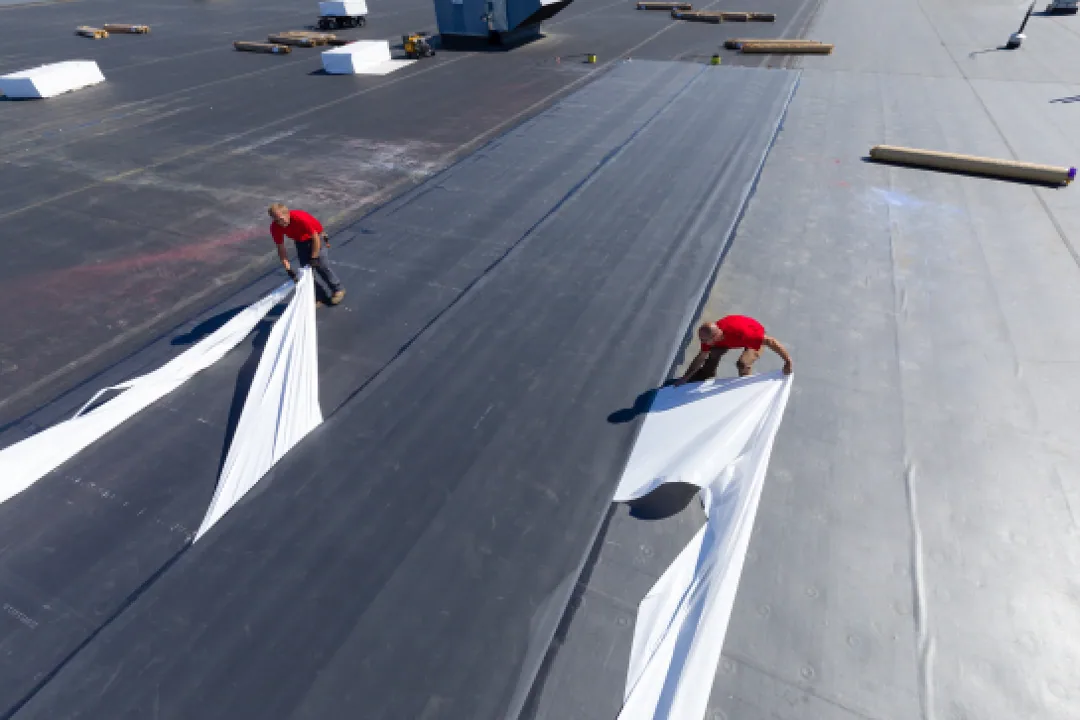
EPDM sheets are joined with primed, cured splice tape or with seam adhesive, so the quality of a joint depends on surface preparation. Dirt, moisture or an untreated edge leaves a bond that looks fine and peels in the first hard freeze. Repairs follow the same rules: clean, prime, apply and press, then probe the edge.
Where a flashing is too irregular for cut sheet, a liquid-applied flashing resin can encapsulate the detail. We record the product type, coverage and cure conditions for every such repair. That entry matters later, because the next patch has to be compatible with what is already there, and the log tells the next crew what that is.
Seam probing is the routine check. We press the edge of each splice with a blunt probe, mark any lift and measure its length. Open lengths are repaired the same day where weather allows, and the rest go on a work order with a priority, a location and a photograph.
January and February carry the heaviest of Kenosha's roughly 36.2 inches of yearly snowfall, and the roughly 8 miles of Lake Michigan shoreline in the county add wind and freeze-thaw to lakefront buildings. A dark rubber sheet warms in winter sun and sheds snow unevenly, so meltwater runs to drains and refreezes at the edge. Ice at a drain can back water up behind a curb.
We check drain bowls, scuppers and overflows after the thaw, and we photograph any low area where water stood. The ponding record tracks depth and duration, and it tells the owner whether a drain, a taper or a new slope belongs in the next replacement scope.
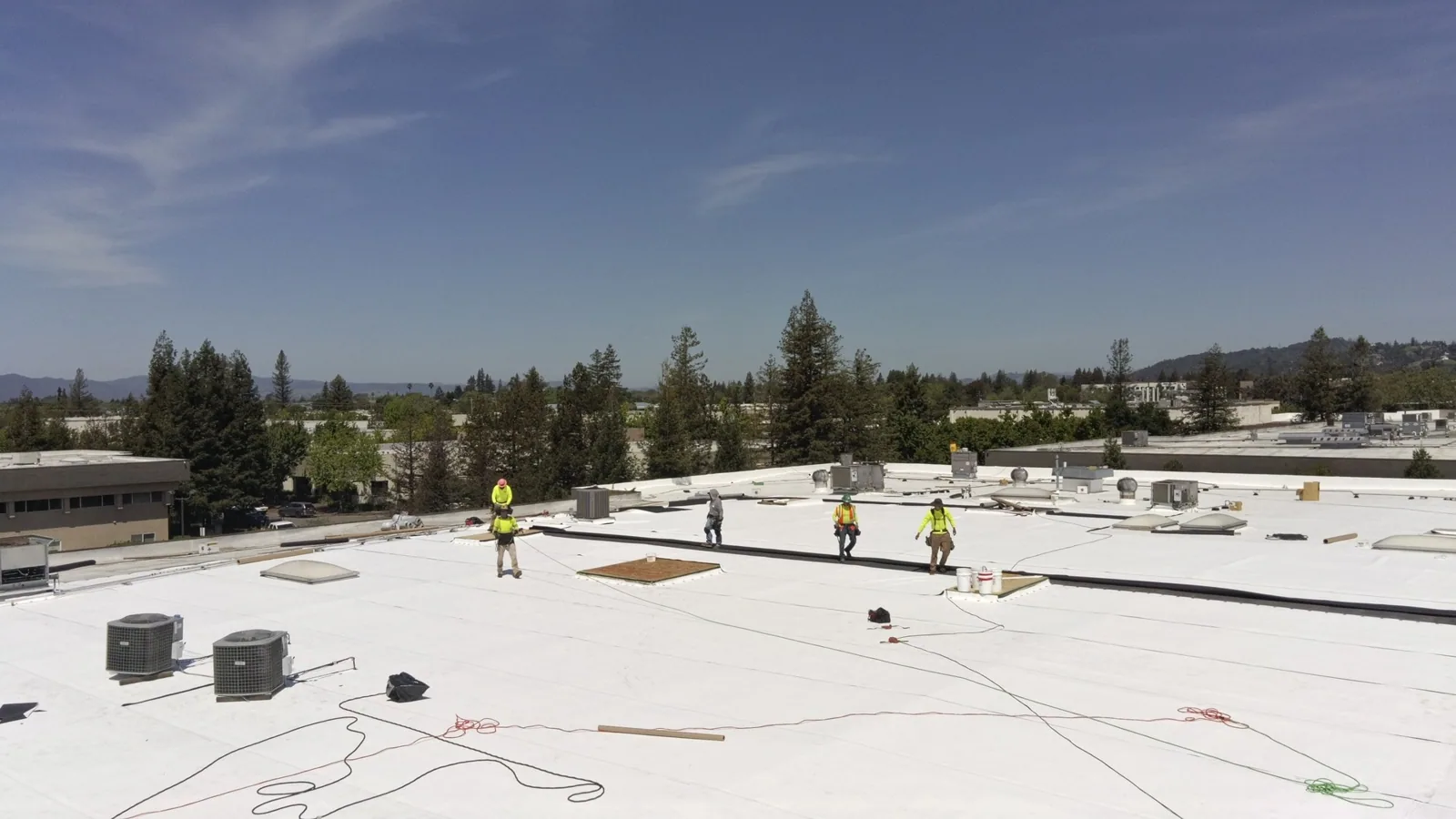
EPDM is installed three ways, and each leaves different evidence. Ballasted roofs hold the sheet with stone or pavers, so we look for ballast drifting to drains or edges and for bare spots that expose the sheet to sun. Fully adhered roofs show lost bond as soft, hollow areas, and mechanically attached roofs show fastener ridges and loose plates.
The first visit identifies the method and writes it into the baseline report. The method also decides what removal and disposal will involve at replacement, and a ballasted roof, for instance, needs a plan for the stone before any membrane work begins. That level of detail keeps a capital request honest. Without it, a bid can omit the cost of lifting and replacing stone, and the change order arrives once the roof is open.
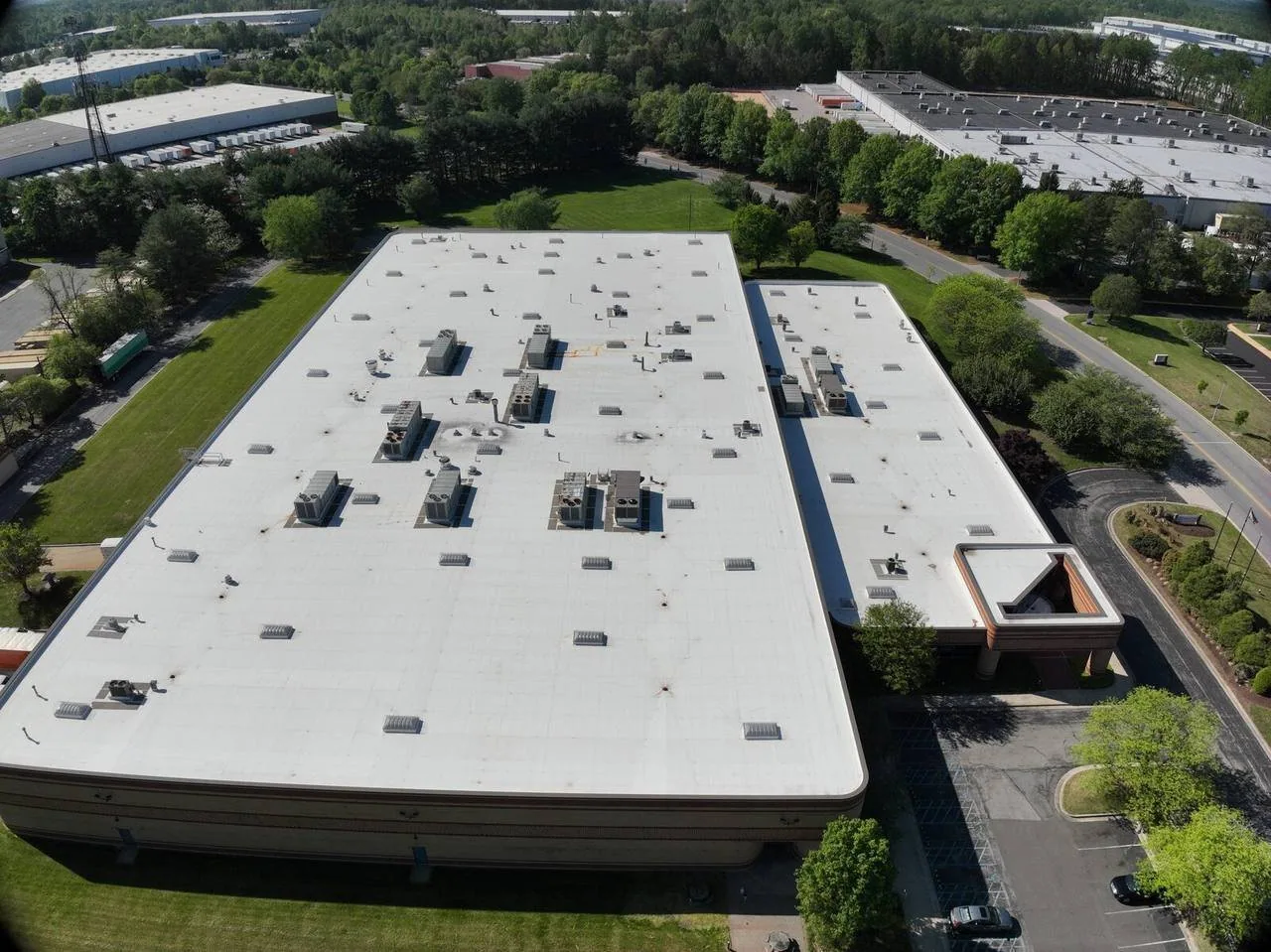
Kenosha built automobiles from 1902 to 1988, from Jeffery and Rambler through Nash, Hudson and AMC, and the AMC lakefront plant site became the HarborPark district once it was demolished in 1990. Redevelopment is still under way: the Kenosha Innovation Neighborhood is planned on a 107-acre former Chrysler factory site, and a $450 million downtown development covering a nine-block radius was approved in 2023. New construction beside existing buildings is the moment to put a dated baseline on the roofs that stay, and where one carries EPDM, the condition of the details matters more than the age on paper.
The same approach works on a hospital roof or a school, where leak tolerance is low and records are reviewed. A dated log and a condition rating show a board or a facilities committee why a repair or replacement is on the capital list.
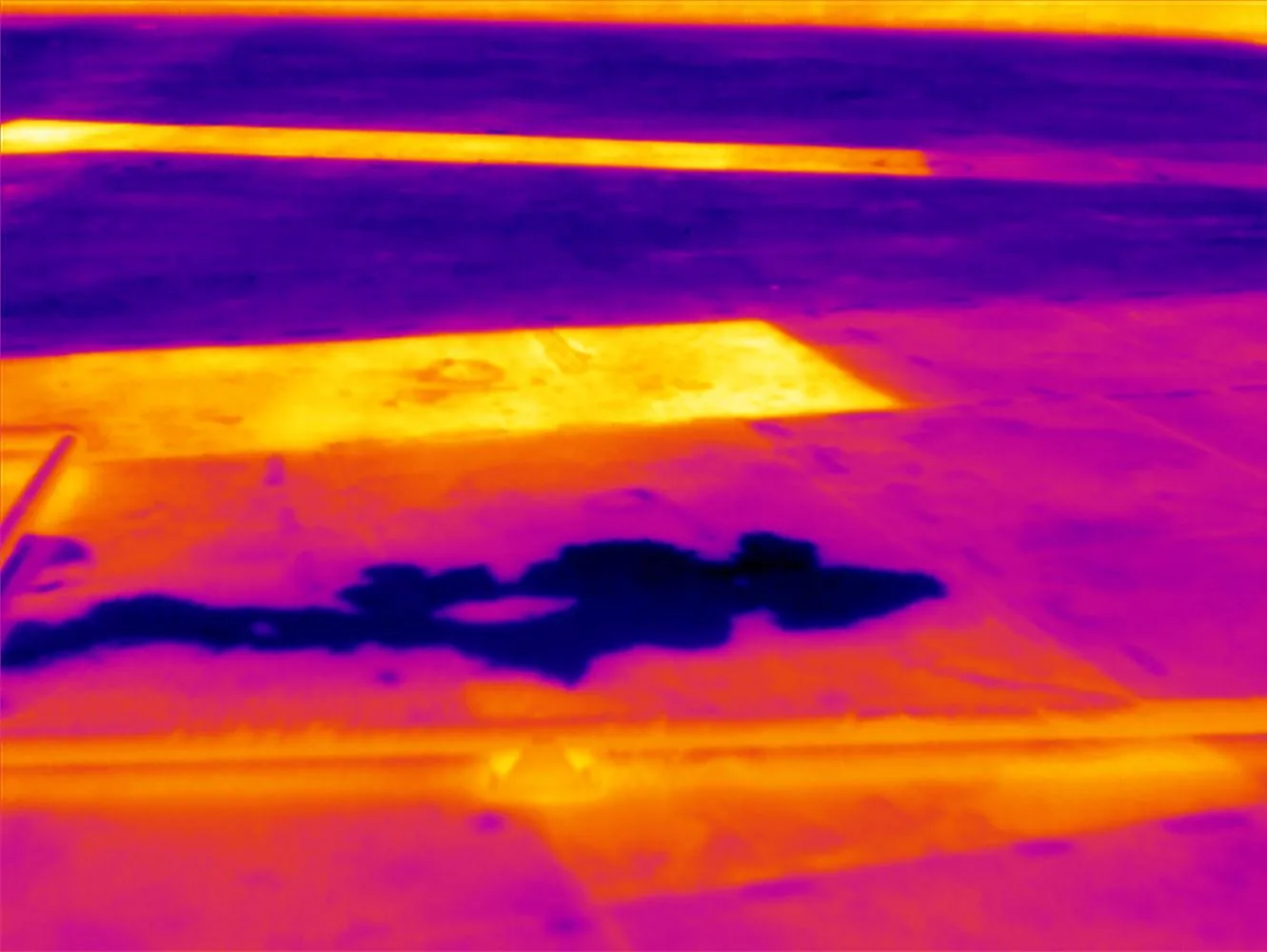
A rubber roof with dry insulation and scattered detail failures is usually a candidate for repair on an inspection interval. A roof with wet insulation, widespread shrinkage or repeated splice failure belongs in a replacement discussion, and a recover may fit if the existing board is sound. We price each option against one scope so the numbers compare.
A TPO or silicone coating alternative can be priced beside the EPDM option when the owner wants to weigh materials. The dated findings decide which options are worth pricing, and the close-out package records what was chosen and why. When the choice is to wait, the log records that too, with the conditions that would change the answer, such as a new leak line or a moisture reading above the earlier survey.
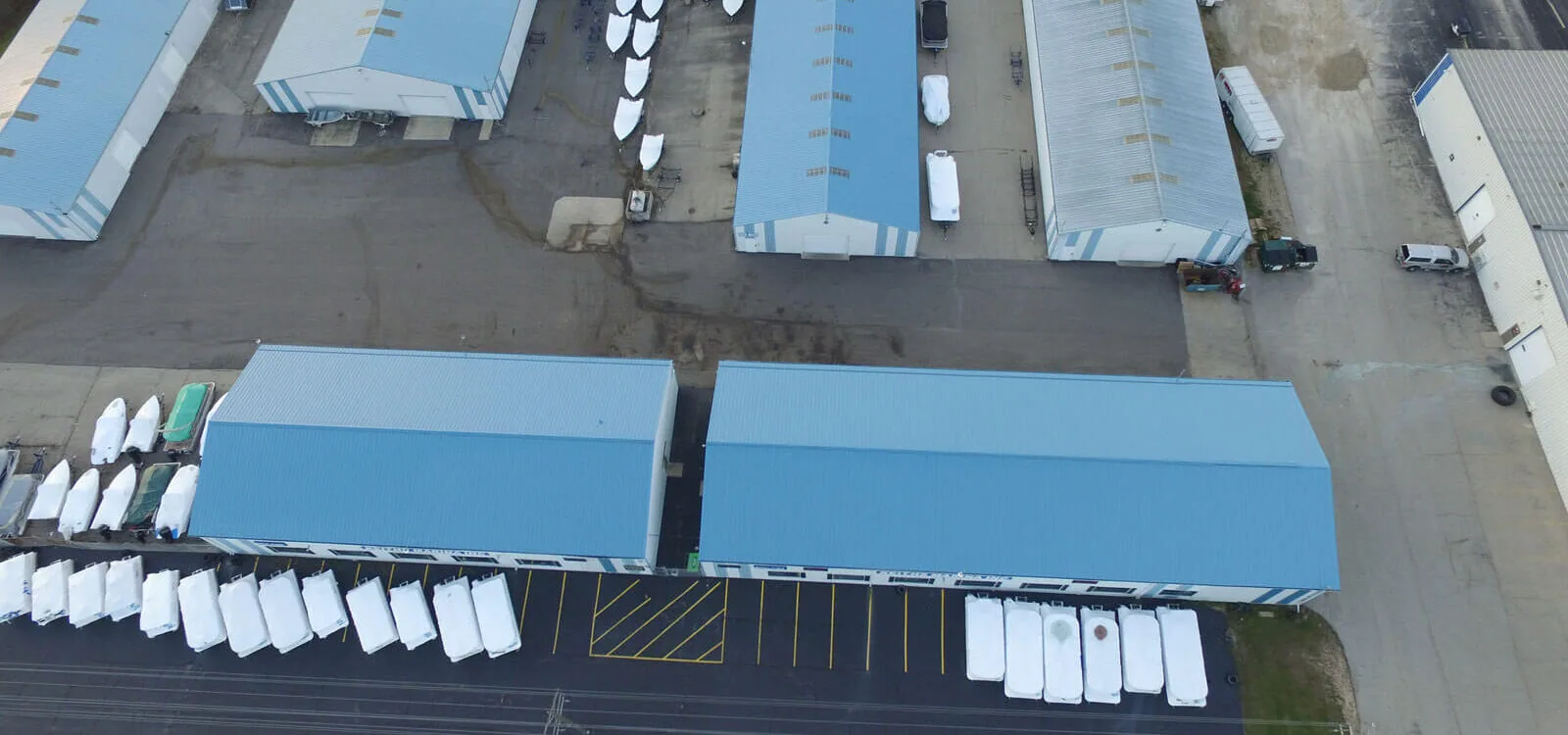
When the work ends, the owner receives photographs, a material list, repair locations, core cut results and a date for the next inspection. If the roof is under warranty, the warranty file is updated to match. For owners with several buildings, Kenosha roofs can share one register with those in Racine and Pleasant Prairie.
Keep Reading
Hospital roof inspection, risk ranking, infection-control planning, repair and replacement in Kenosha, WI, with dated condition reports for capital planning.
Planned membrane, flashing and seam repair for Kenosha, WI commercial roofs, with dated photos, a marked roof plan and a written repair log for every visit.
Recover systems for Kenosha, WI commercial roofs, approved only after core cuts, moisture mapping and a layer-and-load review are on file.
TPO roof inspection, seam repair and replacement in Kenosha, WI, with probed weld records, dated photo sets and condition ratings for capital requests.
Silicone roof coating inspection, adhesion testing and application in Kenosha, WI, with moisture surveys, ponding records and dated condition reports.
Roof warranty management for Kenosha, WI owners: warranty files, maintenance records, repair documentation and notice dates that keep coverage in force.
Tension at corners and wall bases, where the sheet bridges instead of lying in the angle. Cracked rubber at bends and open edges follow. We photograph and rate each one.
Only in limited ways. Primer and tape need workable temperatures and dry surfaces. In winter we usually stabilize and record the temporary measure, then complete the lasting repair once the weather allows.
Poor surface preparation, contamination and movement at restrained points. A splice that looks sound can peel after one freeze. Probing the edge reveals the condition before water enters.
Ballast hides the sheet, so we check for drift, bare spots and debris in drains rather than seam detail across the field. At replacement, the stone adds removal cost that belongs in the scope.
When the sheet is dry, the seams hold and the surface accepts the coating. Shrinkage at details and wet insulation rule it out. We test adhesion before recommending it.