Silicone Roof Coatings in Kenosha, WI

Silicone roof coating inspection, adhesion testing and application in Kenosha, WI, with moisture surveys, ponding records and dated condition reports.

Silicone Roof Coatings in Kenosha, WI

Silicone Roof Coatings

A coated roof where water stood for two days after rain, leaving a dirt ring around the pond, is a finding we photograph with a depth measurement and record in the ponding log. It matters for a silicone system because silicone is chosen for exactly that exposure, and the pond tells us whether the coating is doing its job. Water is plentiful in Kenosha, WI, where precipitation runs about 37.6 inches and snowfall about 36.2 inches a year, and meltwater sits on low-slope roofs through every thaw.

The dated record of where water stands, and how the coating has held beneath it, is what supports a recoat decision, and it lets the facility director show a board or a lender why the work is being scheduled when it is.

Silicone Roof Coatings

What a Silicone Coating Does and Does Not Do

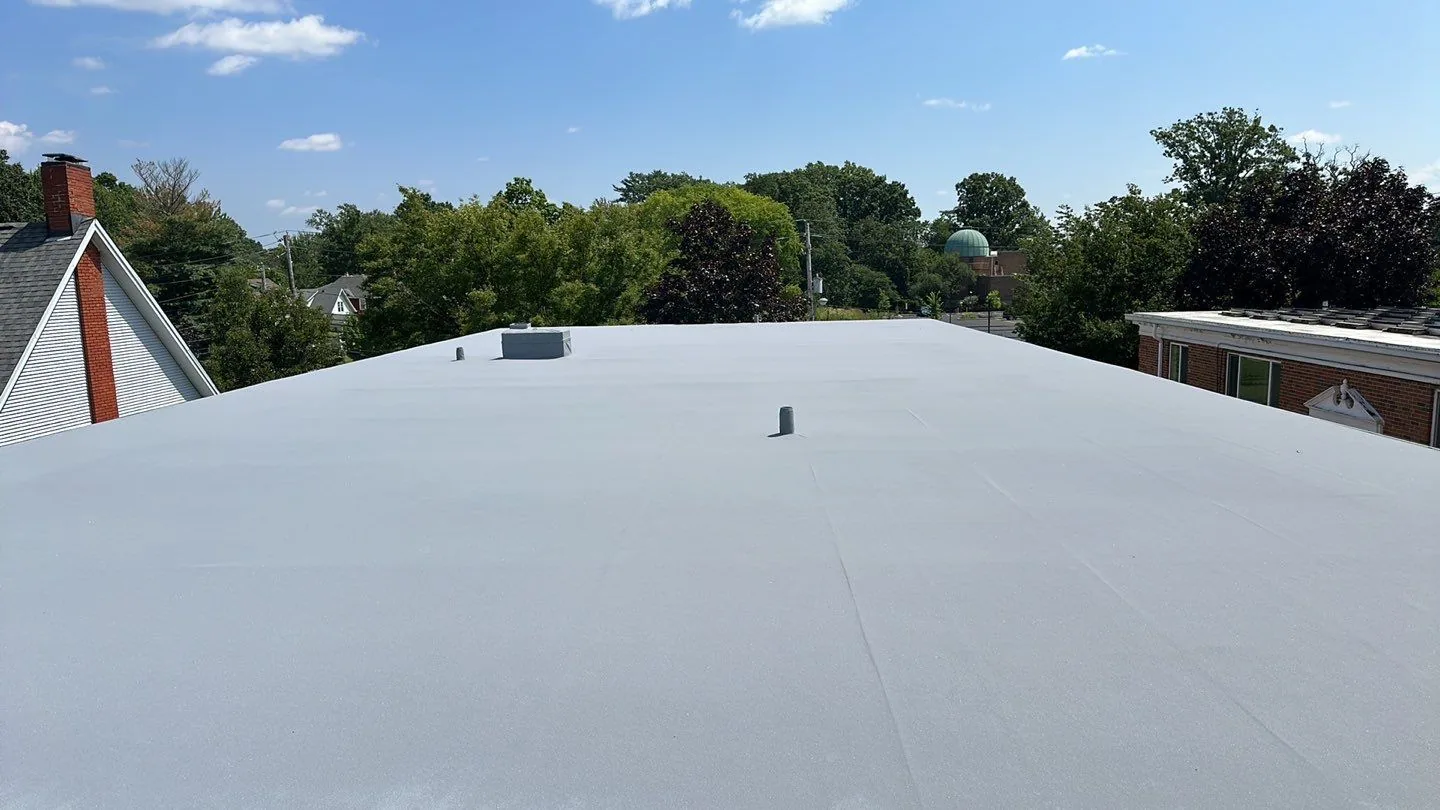
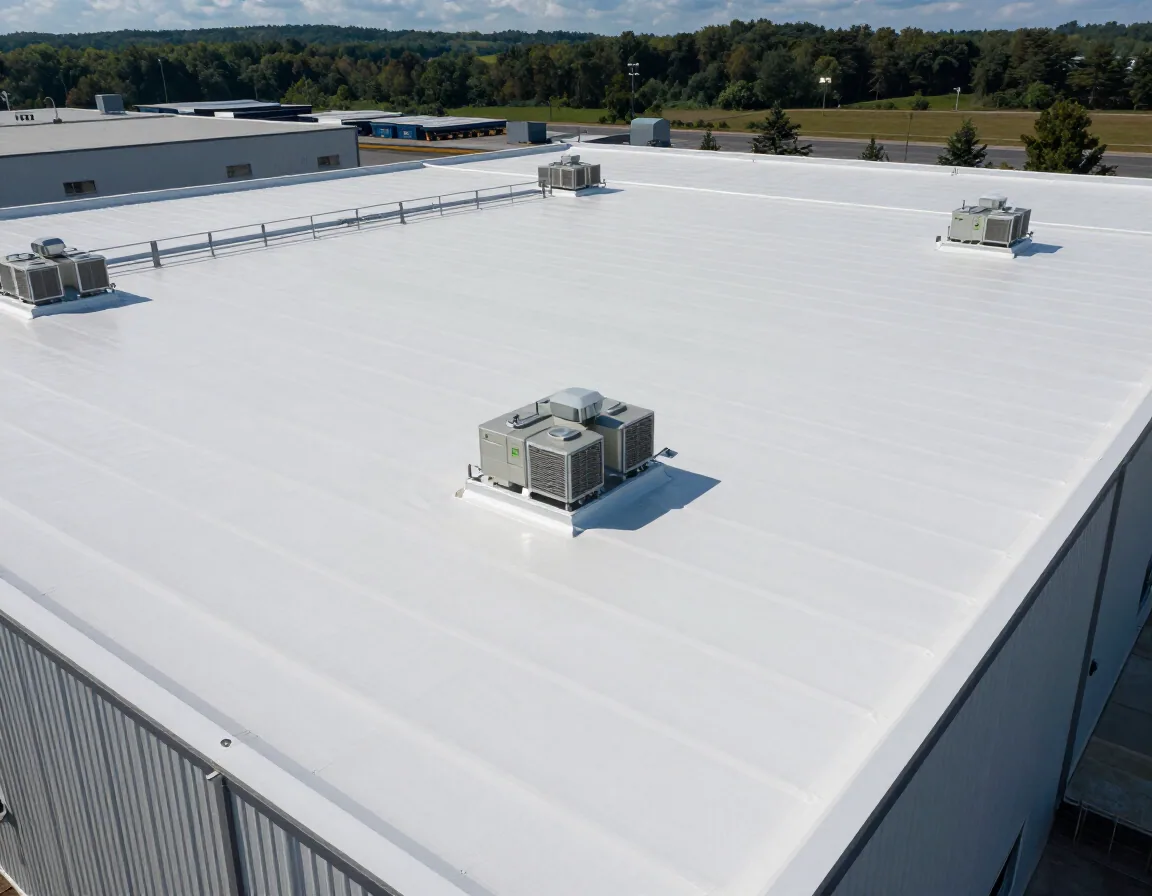
A silicone coating is a liquid-applied layer that cures into a flexible, waterproof, reflective surface. It resists ponding water and ultraviolet exposure well, and it bonds to a range of existing roofs after cleaning and priming. It does not fix wet insulation, open seams or a failed deck.

We treat it as a restoration option, not a cure. The inspection decides whether the roof beneath is sound enough to coat. Findings that rule it out include saturated insulation, brittle membrane and widespread open laps. The baseline report lists each test and what it showed.

Compared with replacement, coating keeps the existing roof in service, avoids tear-off and disposal and leaves tenants undisturbed. It also adds a reflective surface that lowers roof temperature in summer. The trade is that the owner takes on the existing roof's age and history, so the record of what lies beneath matters more than the coating itself.

Silicone Roof Coatings

Preparation Decides the Result

Silicone adheres only to a clean, dry, sound surface. Dirt, mildew, oxidized membrane and residue from earlier coatings keep it from bonding, so cleaning and priming are most of the work. Some existing coatings and sealants are incompatible and must be removed or isolated.

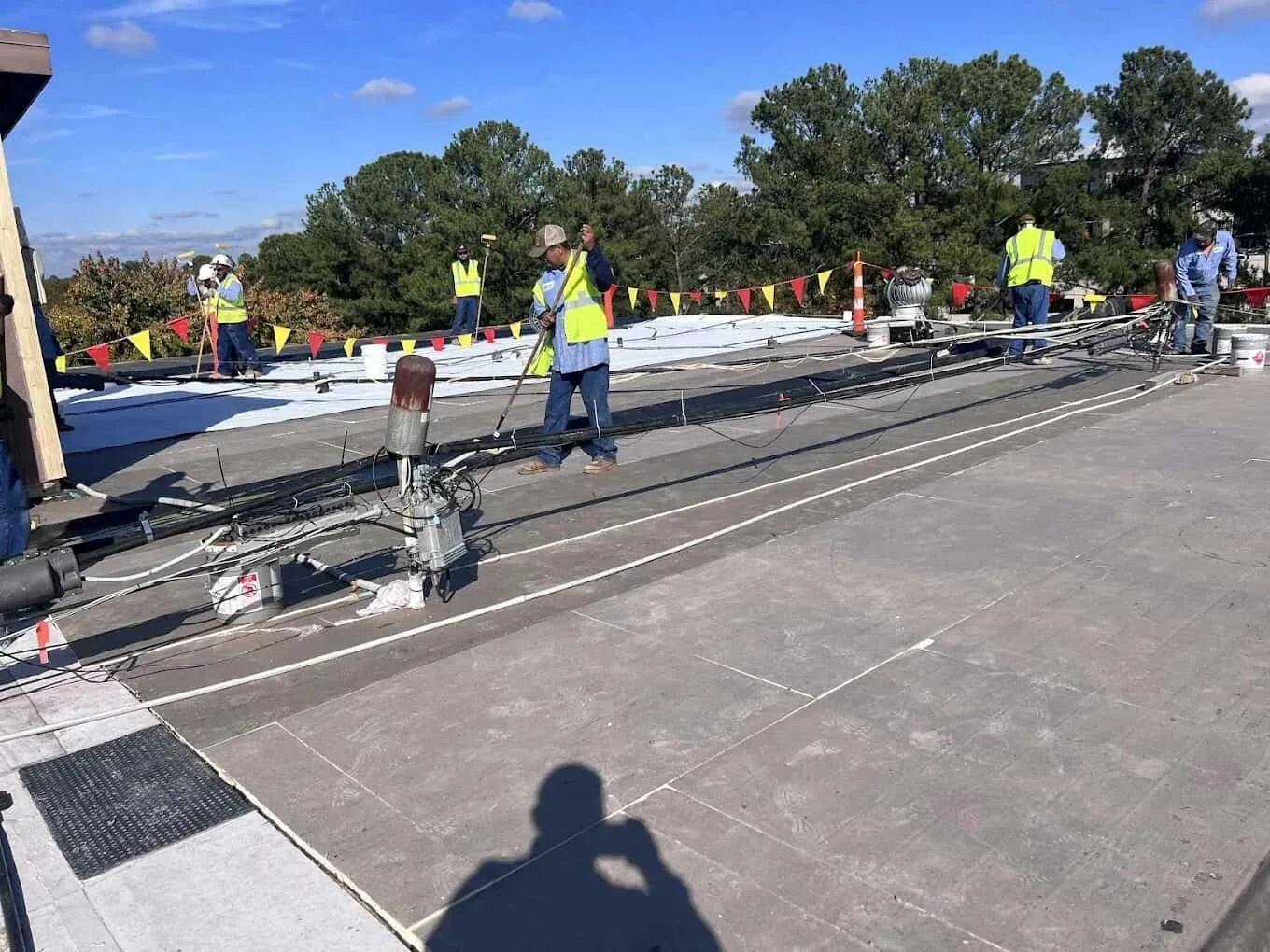
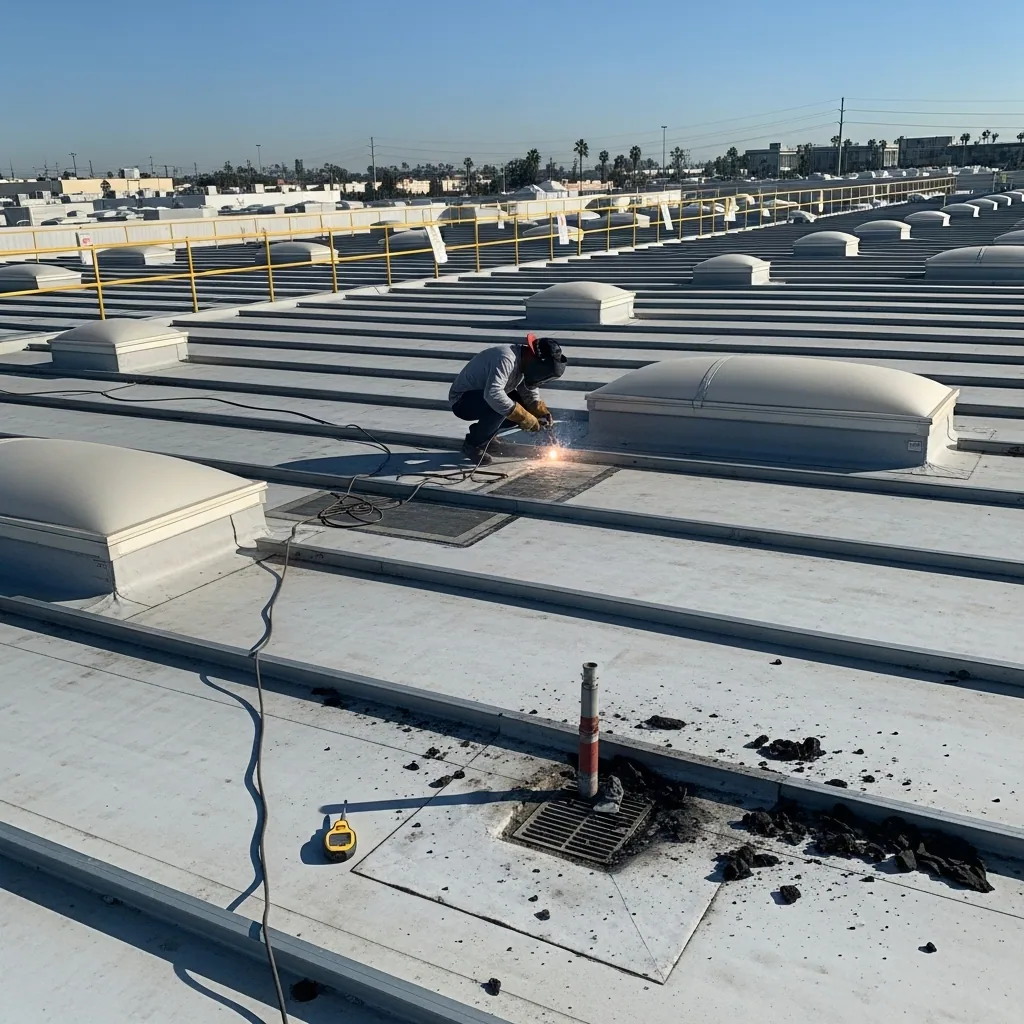
Before recommending silicone, we pull a small adhesion test patch and record the result. We also check for moisture with an infrared survey and a few core cuts. If the roof passes, the scope is written with preparation steps, coverage rate and cure time, and the log carries the test results.

The log also notes air and surface temperature, dew point, wind and the twelve-hour forecast on the application day. Silicone that gets rained on before it cures can wash out or blister, so the crew starts only when the window is real and stops when it closes. The recorded conditions let the owner and the manufacturer see that the work was done within limits.

Silicone Roof Coatings

Seams, Flashings and Fabric Reinforcement

Coating over a roof does not seal a failing seam on its own. Seams, laps and flashings are reinforced with fabric and extra coating before the field coat goes on. We probe each seam type and rate its condition, and we repair open lengths before coating.

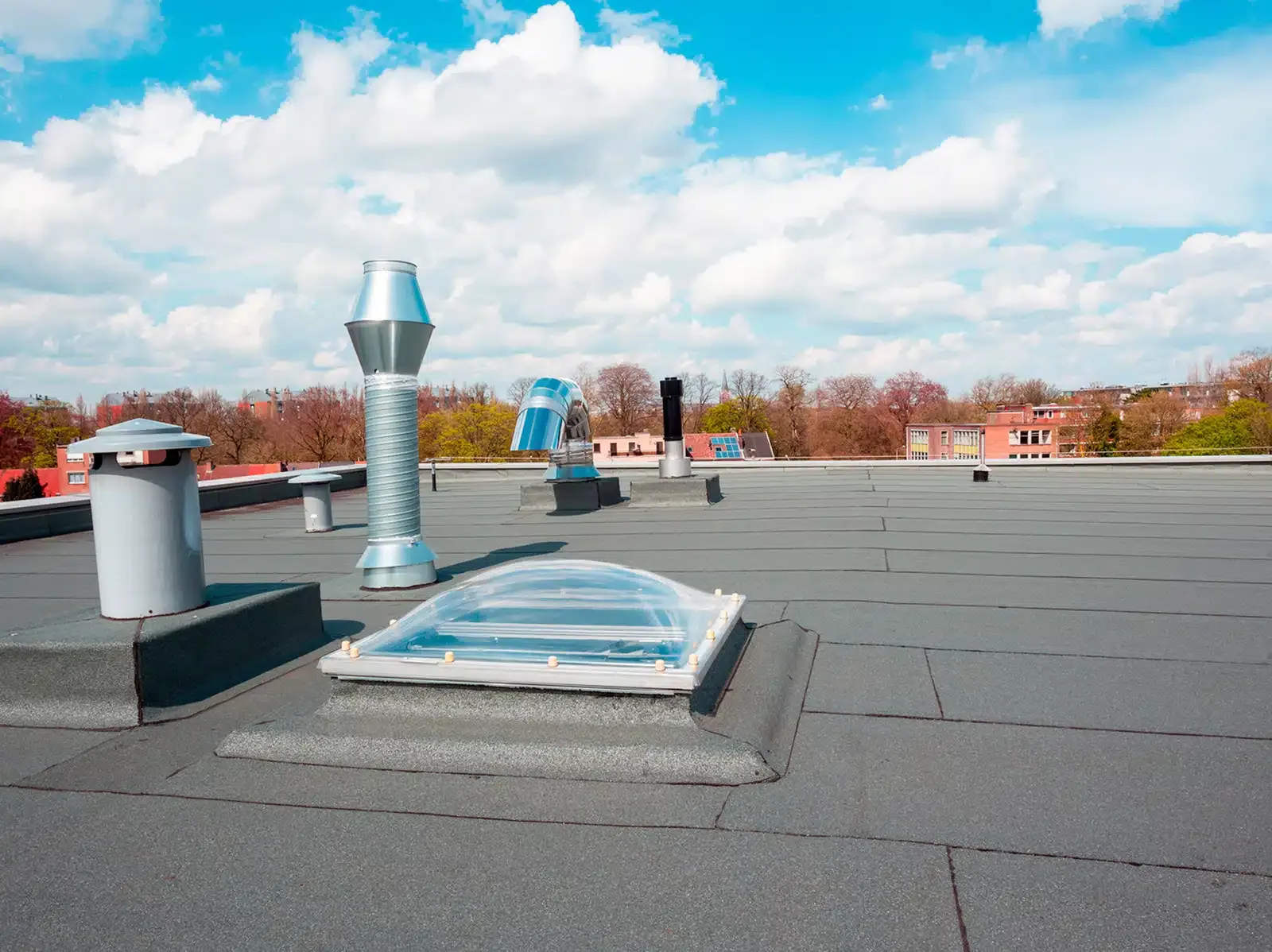
Penetrations, curbs and drains need the same attention. A coated roof with unreinforced details leaks at them first, and the dated photo set from before and after shows what was reinforced. That record guides the next inspection, which concentrates on the details. Around drains, we build up the coating thickness and photograph the result, since water gathers there first and the finish is under the most stress.

Silicone Roof Coatings

Thickness, Coverage and Warranty Papers

Silicone performance depends on applied thickness. A thin coat wears early, and a thick one lasts longer. The scope states the coverage rate, and we check mil thickness on a sample of areas at close-out. The result goes in the file with photographs of the work in progress.

Warranty conditions often specify the product, thickness and preparation. We match the warranty file to the roof and list any maintenance the manufacturer requires, such as periodic cleaning. A coating with no maintenance record can lose coverage, so the log protects the owner. Where an acrylic coating or a new TPO sheet is the alternative, the same file lets the owner compare lifetime cost on facts.

Silicone Roof Coatings

Large Low-Slope Roofs in the Corridor

LakeView Corporate Park in Pleasant Prairie spreads over about 2,000 acres off I-94, and the village calls it the largest industrial park in Wisconsin. On any low-slope building there, a coating can extend the life of a sound roof without tear-off, and the first visit confirms what the roof is.

For an owner weighing options on a warehouse roof, a coating avoids disruption to operations below. The inspection record shows whether the roof qualifies, and the capital request compares coating, recover and replacement. A plant roof in Racine County, where Case IH, Dremel and Modine are among the manufacturers, may carry rooftop process equipment, and that adds curbs and penetrations to the coating scope. Each curb is a detail that needs reinforcement.

Silicone Roof Coatings

Winter Application Limits

Silicone needs dry surfaces and temperatures above a workable minimum. A Kenosha winter, with its January 1985 record of minus 31 degrees, closes the application window for months. Work is scheduled for the warmer, drier season, and winter is used for inspection and planning. Heavy snow years, such as the January 1979 blizzard at about 19 inches and the 2011 Groundhog Day blizzard at about 23.2 inches, remind owners that spring is when the damage shows, so the inspection that follows the thaw sets the coating schedule for the year.

A roof in poor condition may need stabilization through winter, and the scope separates the temporary dry-in from the lasting coating. The log records which items were temporary and which were completed in the coating season.

Silicone Roof Coatings

Close-Out and Next Inspection

After coating we deliver photographs, product data, thickness readings, test results and the next inspection date. The record serves a Kenosha or Racine owner who wants one file per building, and the first re-inspection checks the details and low areas, where wear shows first.

Request a coating-readiness inspection

Questions About Silicone Roof Coatings

Can silicone be applied over wet insulation?

No. Coating over wet insulation traps the moisture, and the roof fails early with a blistered surface. A moisture survey and core cuts come first, and any wet area is cut out and replaced before the coating goes on. The survey map becomes part of the scope.

Why is silicone chosen for ponding areas?

It tolerates standing water better than several other coatings, which makes it a common choice for flat roofs with low spots. That does not remove the need to fix drainage, and the ponding log shows whether a drain or slope change is still worth doing.

How thick should the coating be?

The scope sets a coverage rate based on the product and the condition of the roof. We check thickness on samples at close-out and record the readings, so the file shows what was applied. A thin area is recoated before the crew leaves.

Does silicone need maintenance?

Yes. Dirt reduces reflectivity and can hold moisture against the surface. Periodic cleaning and a yearly inspection of details keep the coating in good condition and the warranty file in order, and each visit adds a dated photograph to the record.

When is silicone the wrong choice?

When the insulation is wet, the membrane is brittle, seams are open beyond what reinforcement can carry or an existing coating is incompatible. The adhesion test and the moisture survey tell us, and the report states plainly which condition ruled the option out.

ServicesRoof SystemsIndustriesProperty TypesService AreasDamage RepairCapabilitiesManufacturersContactAboutRequest a Roof Assessment555-555-5555
Call555-555-5555