Acrylic Roof Coatings in Kenosha, WI

Acrylic roof coating inspection, adhesion testing and recoat planning in Kenosha, WI, with ponding records, moisture surveys and dated condition reports.

Acrylic Roof Coatings in Kenosha, WI

Acrylic Roof Coatings

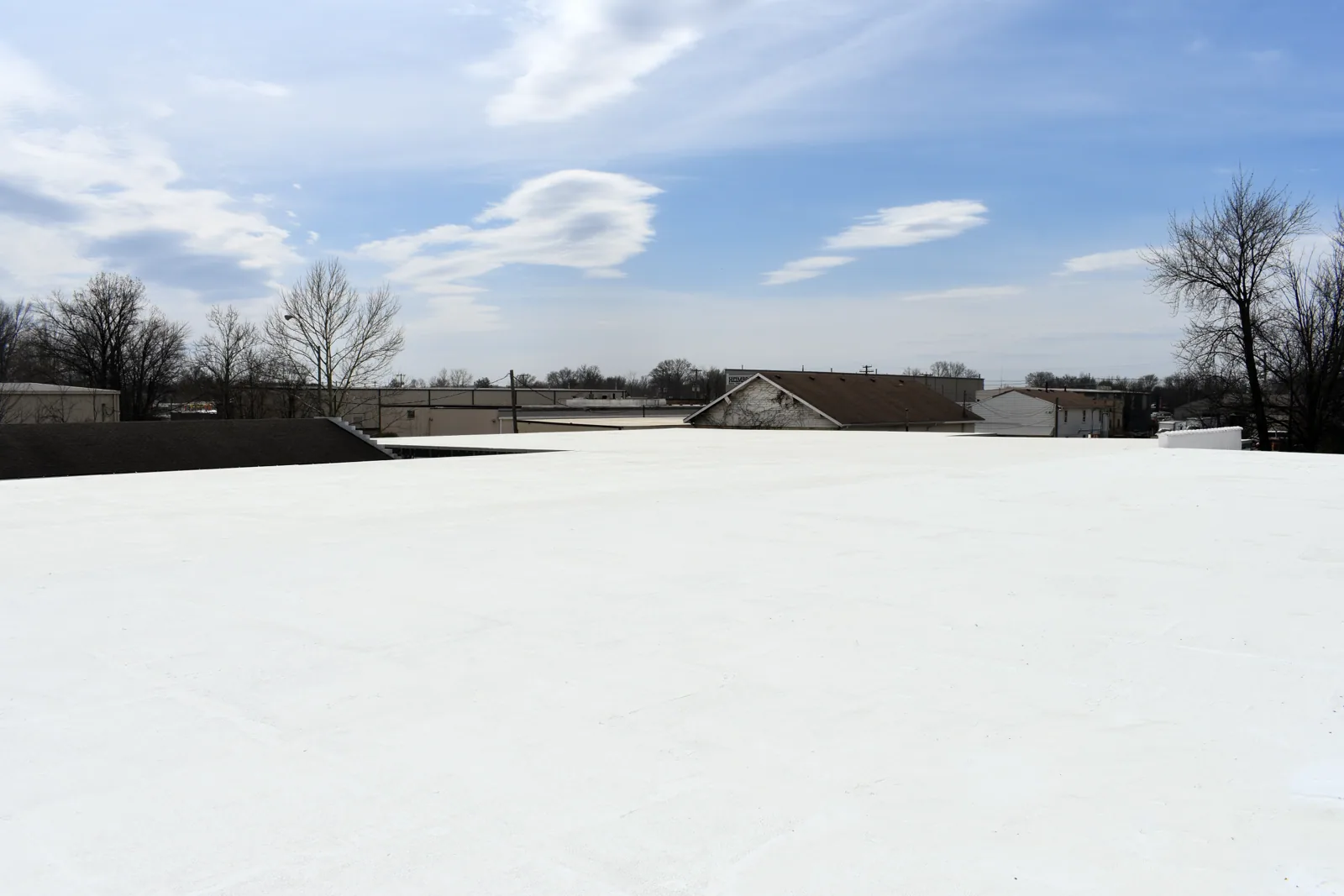
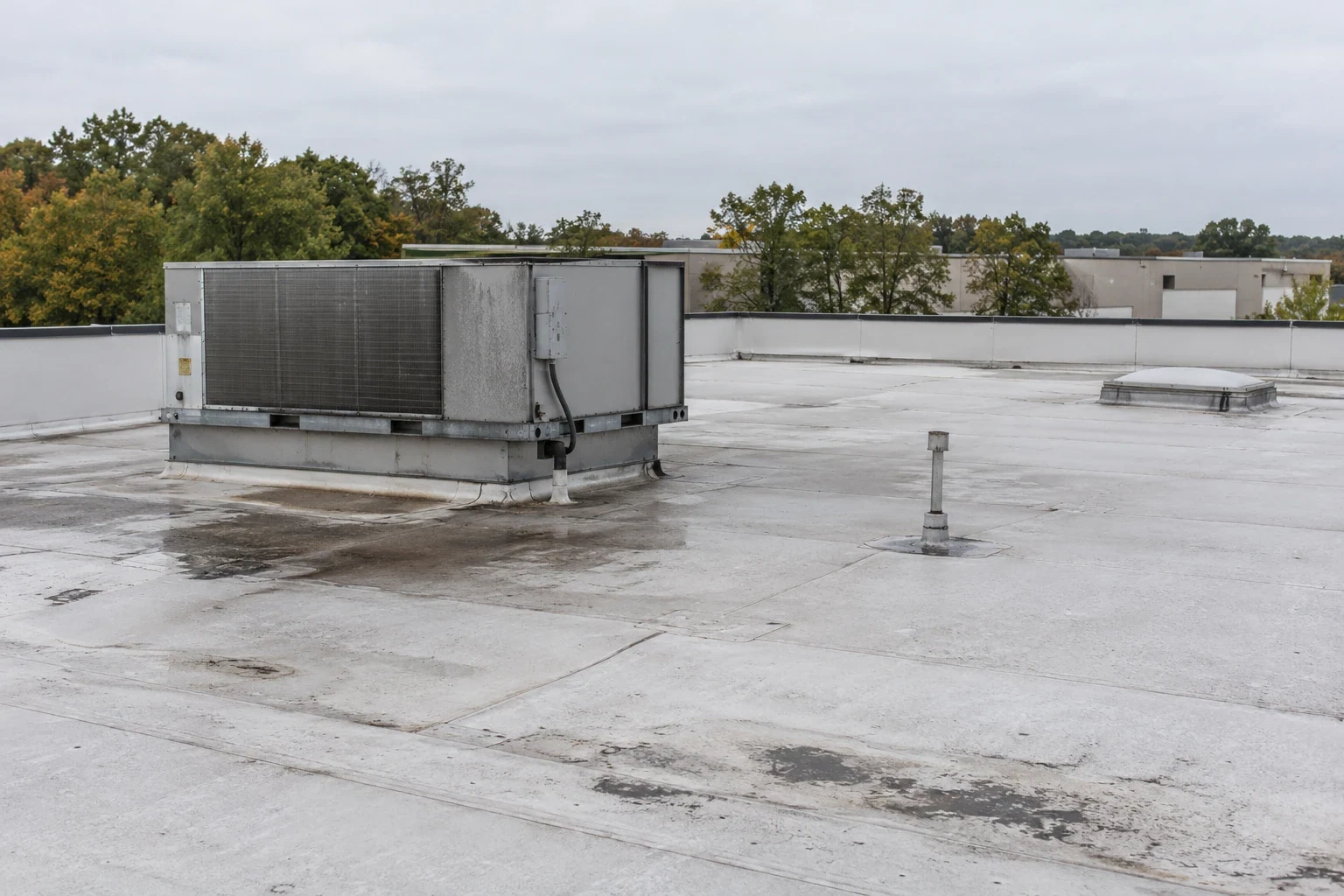
A white acrylic coating that has turned gray and chalky at the surface, with a faint bare stripe along the seam lines, is a finding we photograph and rate before anything else. It tells a facility director how much protective film is left and where it has worn first. Coatings in Kenosha, WI are worn from both ends of the thermometer, by minus 31 degrees in January 1985, 105 in July 2012 and about 36.2 inches of snow in a typical year.

The dated photo set shows how fast the film is thinning, and that rate decides when the next coat is due.

Acrylic Roof Coatings

Where Acrylic Fits Among Coatings

Acrylic roof coatings are water-based, reflective and cost less to apply than several alternatives. They suit roofs that drain well, since standing water softens many acrylic films. They bond to a range of existing surfaces after cleaning, they are easy to recoat, and they can be applied by roller, brush or spray depending on the detail.

The limits matter. Acrylic does not tolerate ponding as well as silicone, it needs dry weather and warm temperatures to cure, and it does not repair a failed substrate. The inspection decides whether the roof is a candidate, and the report lists each test and its result.

Reflectivity is part of the appeal. A white coating lowers roof surface temperature in summer, which reduces thermal stress on the membrane beneath and can ease cooling load in the building below. The benefit shrinks as dirt accumulates, so cleaning is part of the maintenance cycle and part of the log.

Acrylic Roof Coatings

Adhesion, Moisture and Surface Preparation

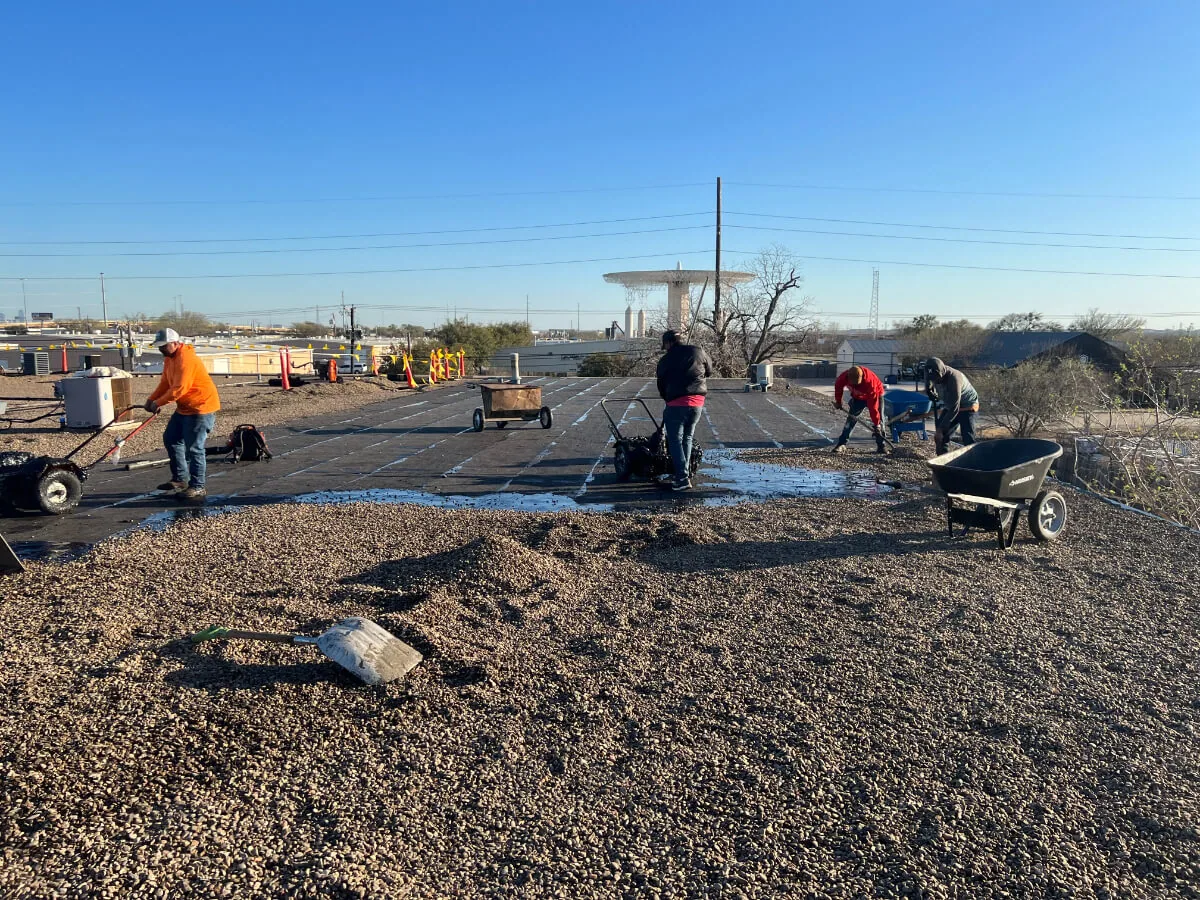
Every coating job starts with a clean surface. We wash off dirt and mildew, remove loose material and test adhesion on a small patch. A moisture survey and core cuts check the insulation. If the roof beneath is wet or the surface will not accept the coating, we say so in the report.

Preparation decides how long the coating lasts. Skipped cleaning shows up as peeling within a season or two, and the dated photographs from before and after show what was done. That record protects the owner if a manufacturer later questions the application. Weather on the day goes in as well: air and surface temperature, dew point, wind and the forecast. Acrylic that is rained on before it cures can wash out, and the recorded conditions show the work was done inside the limits.

Acrylic Roof Coatings

Seams, Flashings and Reinforcement

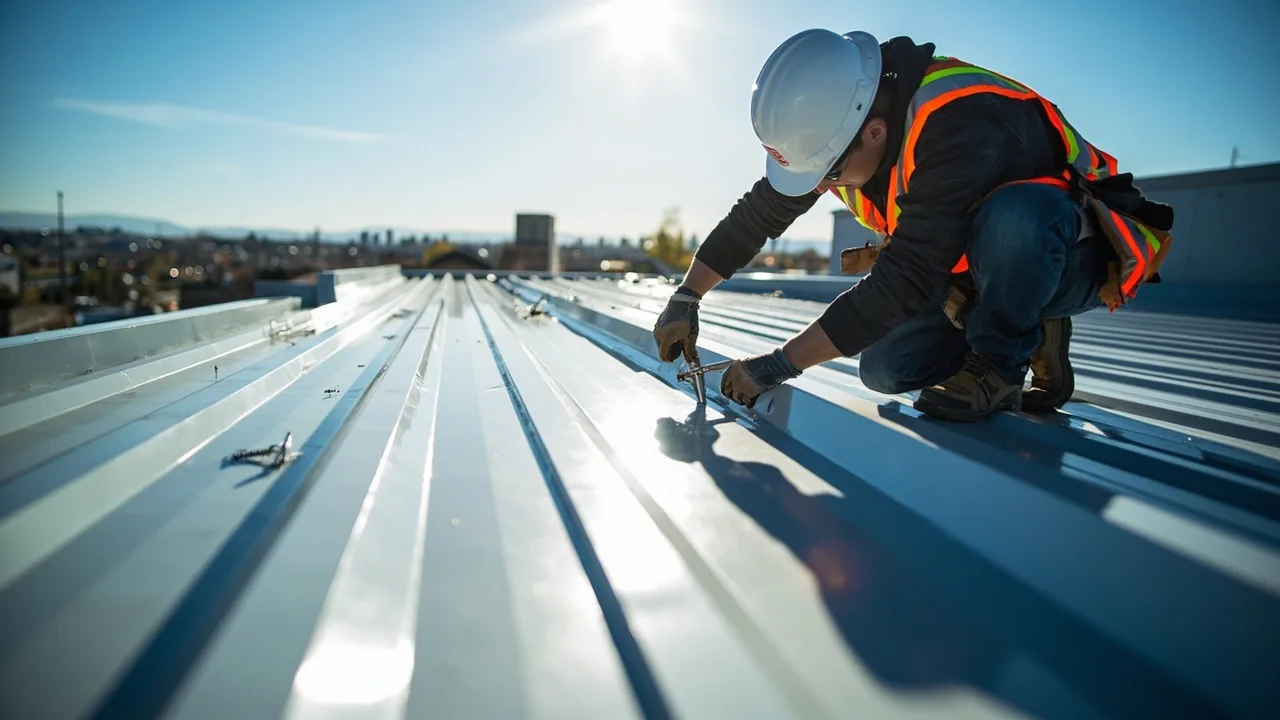
Acrylic films are thin at edges and corners, so details are reinforced with fabric and extra coating. We probe seams, repair open lengths and rate flashings before the field coat. Cracks in a coating over a flashing are a common failure, and a reinforced detail lasts longer than a bare one.

Each reinforced detail is photographed and located on the plan. At the next inspection we compare against those photographs, which makes it easy to see whether a detail has held. Details are where acrylic roofs show age first. Walls, curbs, pipe penetrations and drain bowls move differently from the field, and a rigid, thick film cracks where flexible fabric would hold, so we choose reinforcement for the movement expected at each one.

Acrylic Roof Coatings

Ponding Water and Drainage

With precipitation near 37.6 inches a year, low-slope roofs here collect meltwater every spring. Water that stays on acrylic for days can soften or whiten the film. We measure ponding depth and duration after rain and record where it occurs.

Where ponding is persistent, the owner has choices: add a drain, build up the low area, or choose a coating better suited to standing water, such as silicone. The ponding record turns that into a decision based on measured depth and repeat location, not a guess. Water that still stands a day or two after rain earns a closer look, and we record it at each visit.

Acrylic Roof Coatings

Coating Schedules and Reserve Planning

A coating is a maintenance cycle, not a one-time purchase. Acrylic is typically recoated on a schedule that depends on thickness and exposure, and the yearly photographs show whether the interval should be shorter or longer. The recoat belongs in the reserve plan as a recurring item.

For an owner with several buildings, a multi-site roof program lines up coating years across properties, so crews and budgets are used efficiently. Buildings in Kenosha and Pleasant Prairie can follow one calendar. The calendar lists each roof, its coating, its last photograph set and the month its recoat is due, which turns a scattered list of roofs into a schedule a facilities office can budget against.

Acrylic Roof Coatings

Retail and Mixed-Use Roofs

Downtown Kenosha has government buildings, museums, restaurants and shops, with over 50 restaurants, bars, breweries and shops, and HarborPark is a mixed residential and commercial district on the former AMC lakefront plant site. Roofs on buildings of that kind vary widely, and we confirm each one on the first visit.

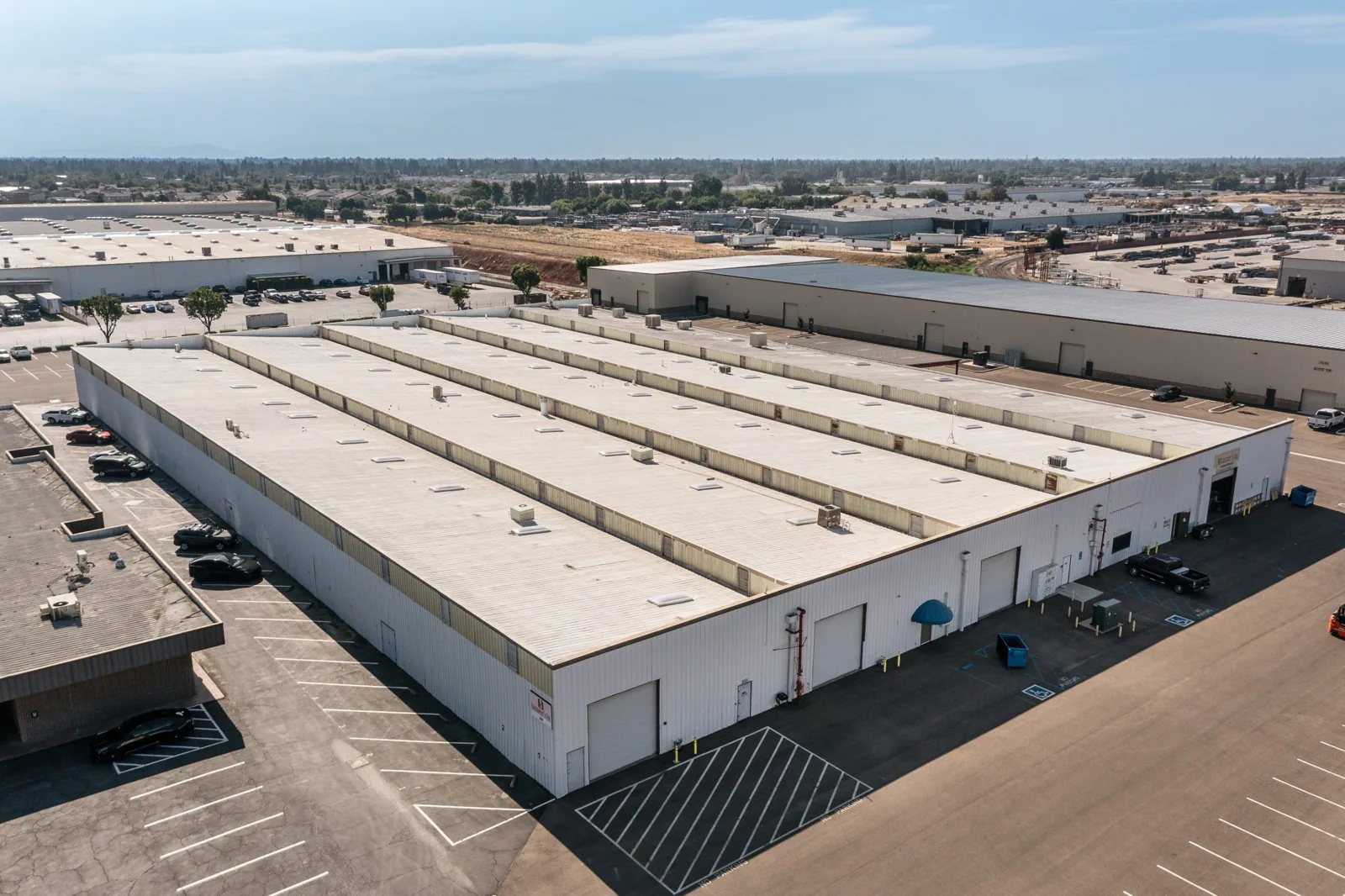
Where a roof qualifies, a coating can improve reflectivity and extend life without tear-off, which suits an office building or a retail block that cannot tolerate major disruption. The report states whether the roof qualifies and what it would cost to restore compared with the alternatives.

Acrylic Roof Coatings

Close-Out and Warranty Records

At close-out we deliver photographs, product data, coverage records, test results and the next inspection date. If the coating carries a warranty, the file is matched to the roof and any maintenance requirements are listed. The condition report then supports the capital request for the next cycle. Where a coating is not the right answer, the same file supports a switch to spray foam or a new membrane, and it shows the owner what the coating bought: how many seasons, at what cost, with what maintenance. That history is the best guide to the next decision, and it stays with the building even when the facility team changes.

Schedule a coating-readiness inspection

Questions About Acrylic Roof Coatings

How is acrylic different from silicone?

Acrylic is water-based, usually costs less and recoats easily, but it tolerates standing water less well than silicone does. Silicone handles ponding better and costs more. The ponding record and the adhesion test decide which one suits a given roof, and we show both in the report.

Can acrylic go over an old built-up or modified bitumen roof?

Often, once the surface is clean and sound. Bleed-through of asphalt can stain a white coating, so a primer or a test patch is used first. We record the test result and the primer chosen before recommending the coating, and we photograph the patch after it cures.

When can acrylic be applied?

In dry weather with temperatures above the product minimum and no rain forecast until the film cures. In Kenosha that usually means late spring through early fall, so winter is used for inspection, testing and planning, and the schedule is set from the spring photographs.

How do we know when to recoat?

From the yearly photographs. Chalking, thinning at seams and exposed substrate show when the film is near the end of its life. We schedule the recoat before the substrate is exposed, because recoating a sound film costs far less than repairing the surface beneath.

Does acrylic fix leaks?

Only if the leak is a surface defect that the coating can bridge. Open seams, failed flashings and wet insulation need repair first. The inspection separates those causes from coating wear, and the report lists each leak location with the cause we found.

ServicesRoof SystemsIndustriesProperty TypesService AreasDamage RepairCapabilitiesManufacturersContactAboutRequest a Roof Assessment555-555-5555
Call555-555-5555