
What is the maintenance item on a foam roof?
The protective coating. It erodes in sun and weather, and bare foam degrades quickly. We rate coating condition by area each year, photograph it and recommend a recoat before the foam is exposed.
Spray polyurethane foam roof inspection, recoat and repair in Kenosha, WI, with coating ratings, ponding records and dated condition reports.
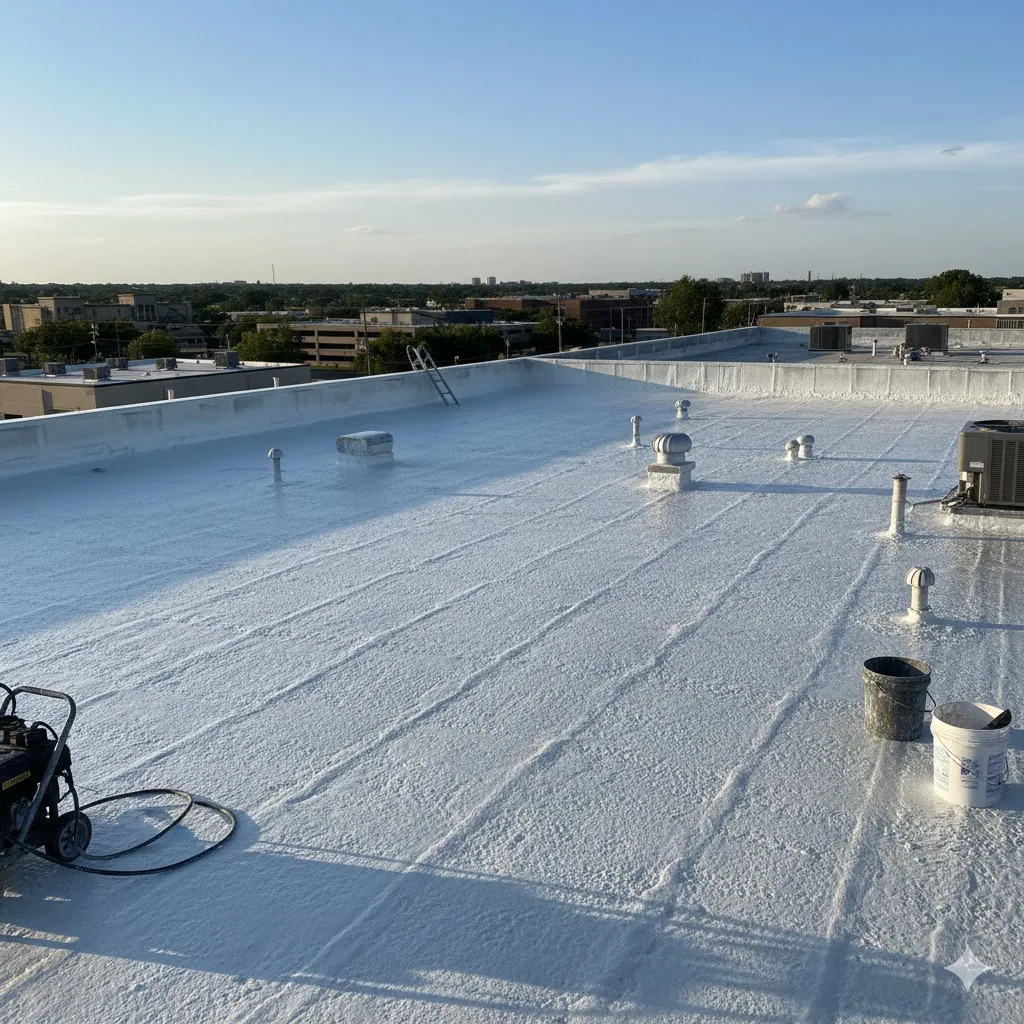
A spray foam roof with a coating that has worn through to bare foam, showing a chalky yellow-tan surface at a low spot, is a finding we photograph and mark on the plan before anything else. Foam is a closed-cell insulation and waterproofing layer in one, but the protective coating over it is what stands between the foam and sun. In Kenosha, WI the coating faces sun and ice alike: 105 degrees on record from July 2012, minus 31 from January 1985 and snowfall near 36.2 inches a year.
The coating wears first, and the dated record of where it wears is what lets a facility director schedule recoating before the foam is damaged, with a photograph beside each worn patch so that nobody has to rely on memory.
Spray polyurethane foam is applied as a liquid that expands and cures into a continuous, adhered layer, then protected by an elastomeric coating with granules or a thicker top layer. Because it is adhered across the whole deck, it has no seams to open, and it adds insulation value. It also follows the deck contour closely, which can leave small low spots.
Installation conditions matter for the record. Foam needs a dry deck, moderate temperatures and low wind to cure correctly, and a poorly timed application leaves soft spots, voids or a rough surface that holds dirt. When we inspect an older foam roof, we press the surface with a probe and note any area that feels soft or crumbles, because those areas often mark the day-of-install problem.
We identify the foam thickness, coating type and number of coats on the first visit, using a small test cut where needed. These facts go into the baseline report. They tell a bidder what a recoat will involve and whether the foam is thick enough to take a repair.
The coating is the maintenance item. Ultraviolet light and weather erode it, and hail, foot traffic and standing water speed the process. We rate coating condition by area: sound, thin, worn through or blistered. A thin coating can usually be recoated. Bare foam must be addressed quickly, because sun degrades it.
Each year's photographs show how fast the coating is thinning. That rate lets an owner set the recoat before foam is exposed, which is far cheaper than repairing foam. The timing request goes into the capital planning record with the photographs attached.
Walk routes get special attention. Rooftop units that need regular service create foot paths, and unprotected foam wears quickly under boots. Walk pads laid along those routes cost little against a recoat, and we mark where they belong. A route that has already worn through is rated and repaired first, since it is the area most likely to leak.
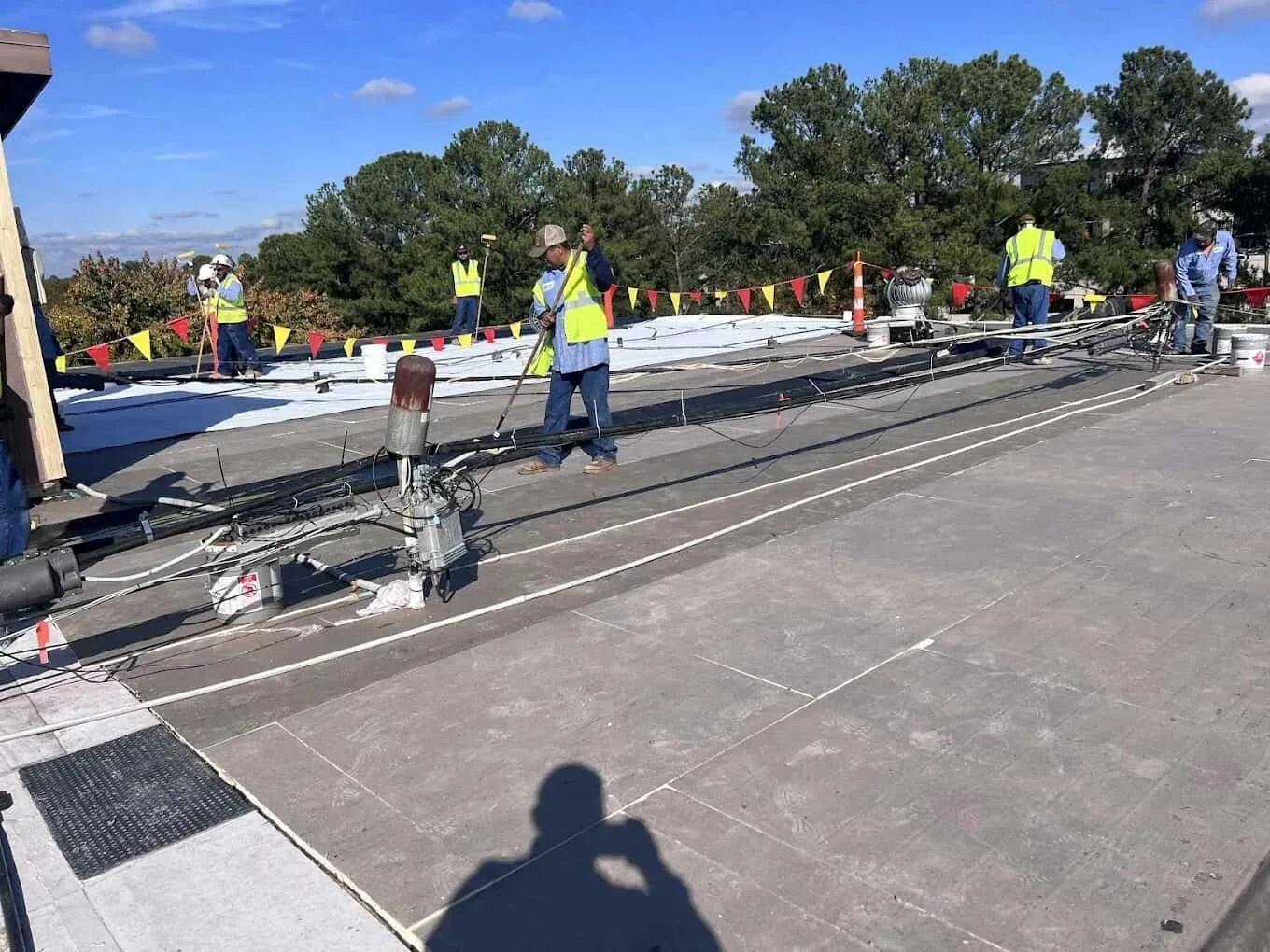
Because foam follows the deck, small depressions hold water. Standing water is hard on any roof coating, and ponding records show where it lingers and for how long. We measure depth after rain, photograph it and rate the area. Persistent ponding may call for added foam to build up the low spot or a new drain.
Punctures and bird pecks break the coating and let water into the foam. We repair them with compatible foam, patch and coating, then photograph each repair. Foam repair is quick, but the surface must be dry, and wet foam must be cut out. A moisture survey tells us how far water has spread.

The January 7, 2008 tornadoes in Kenosha County, the first through the Wheatland and Brighton areas and the second in Somers and on the city's north side, are a reason to look at storm exposure. Foam is adhered to the deck, which makes it resistant to uplift, but edge metal and flashings still need checking. Hail can bruise foam and break the coating, so a hail event calls for a close look.
After any severe storm we check for impact marks, torn coating and displaced edge metal. Findings are dated and located. The record is useful for an insurance review, since it ties each damaged area to the storm that caused it. Foam damage is easy to overstate or understate, and a located, measured, dated record keeps the discussion on the roof.
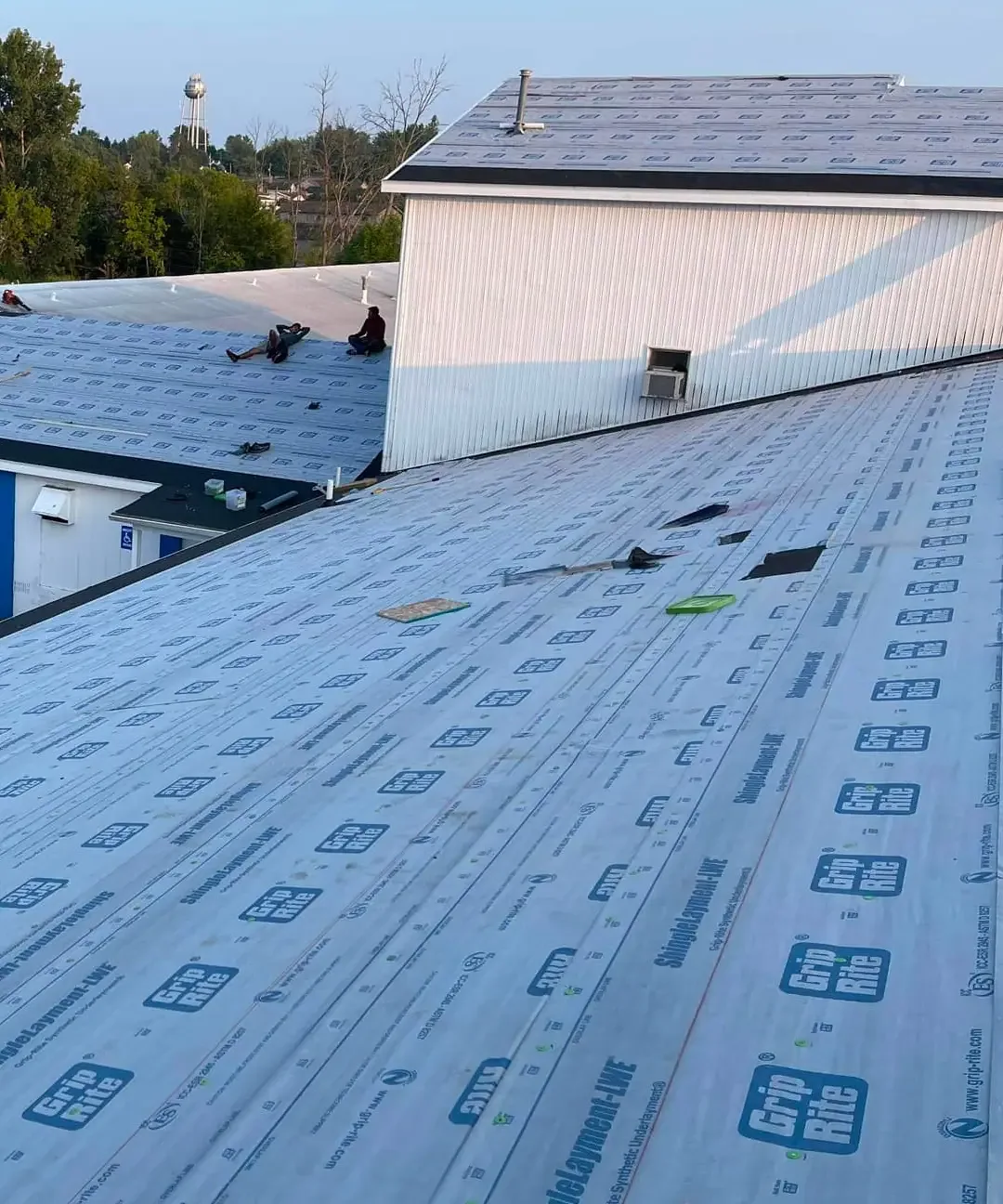
The insulating value of foam makes it a candidate for buildings that hold temperature, such as cold storage or food processing. Kenosha has distribution warehouses for Amazon, Rust-Oleum, Uline and Associated Wholesale Grocers, and a hydroponic facility, Square Roots, opened in 2022. Roof type on each building is confirmed during the first visit.
Where a conditioned building carries foam, we check for interior condensation, wet foam and edge details. The cold storage roof record has particular fields for vapor control, and the log supports decisions about keeping the building dry. Interior humidity and the temperature difference across the roof assembly decide whether moisture will condense inside the foam or at the deck, and that is a design question worth settling before a recoat or replacement, not after.
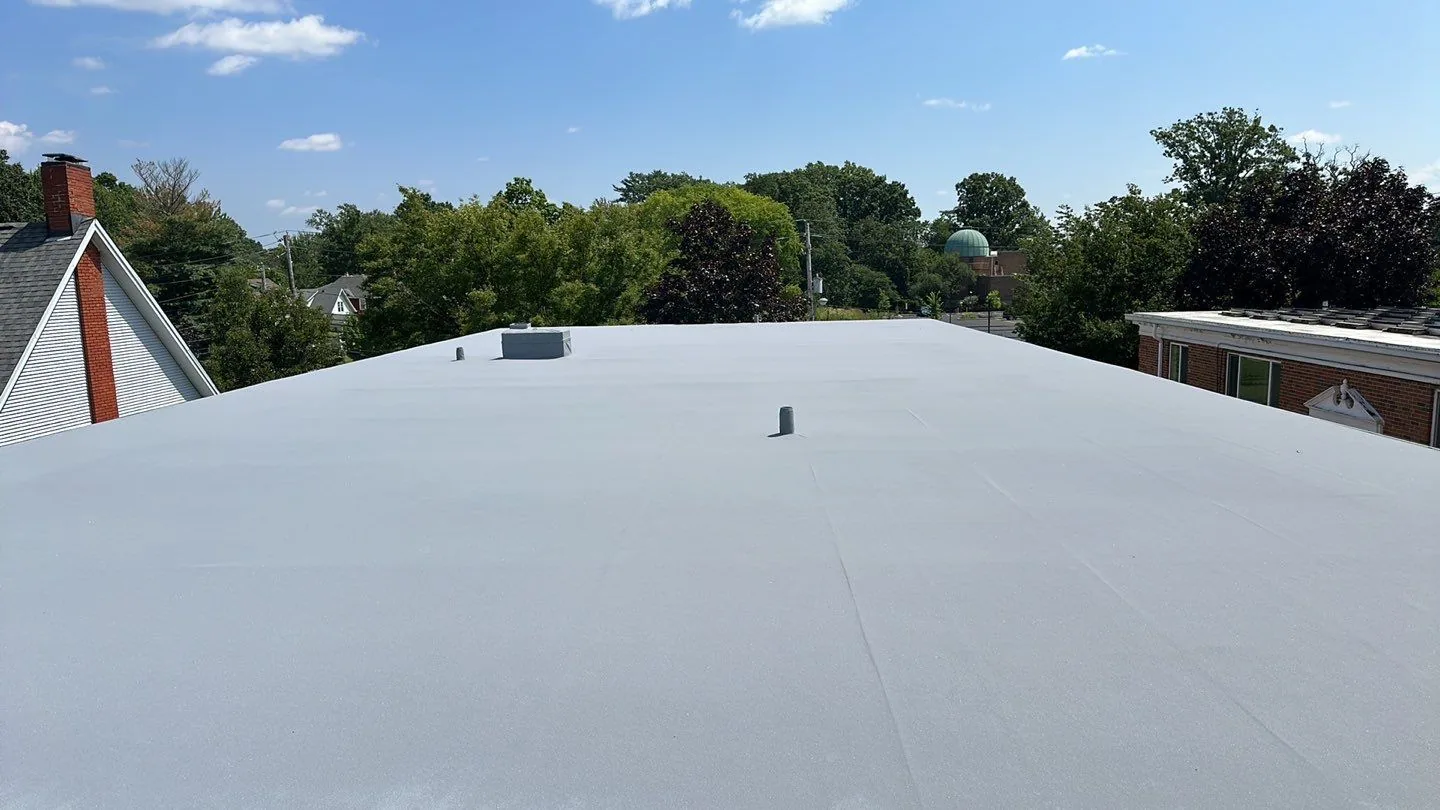
A foam roof with sound foam and a worn coating is a recoat candidate. A roof with wet foam must have that area removed. Large areas of wet or degraded foam call for replacement. We price the options against one scope so the choice rests on condition.
The alternative systems, such as silicone coatings, are often used as the protective layer over foam. The inspection decides what is compatible and what is not. An acrylic coating over foam, for example, is common where ponding is rare and cost matters, while silicone suits roofs that hold water. A coating that is wrong for the exposure fails early, and the log shows why.
Keep Reading
Roof capital planning for Kenosha, WI owners: condition ratings, core cut results and replacement timing arranged into a budget request a committee can review.
Cold storage and freezer building roof surveys, repair and replacement in Kenosha, WI, with moisture maps, core cuts and dated condition ratings.
Full tear-off and replacement for Kenosha, WI commercial roofs, run from a documented core survey, written condition ratings and a close-out package.
Silicone roof coating inspection, adhesion testing and application in Kenosha, WI, with moisture surveys, ponding records and dated condition reports.
Acrylic roof coating inspection, adhesion testing and recoat planning in Kenosha, WI, with ponding records, moisture surveys and dated condition reports.
Commercial roof inspection, repair and replacement in Kenosha, WI for distribution buildings, hospitals and downtown properties, with a dated condition record.
The protective coating. It erodes in sun and weather, and bare foam degrades quickly. We rate coating condition by area each year, photograph it and recommend a recoat before the foam is exposed.
Yes. Water can enter through a small pecked or cut spot and spread within the foam. A moisture survey and a core cut show how far, and the survey map sets the boundary of the repair. Wet foam is cut out and replaced with fresh foam and coating.
It is adhered to the deck and has no seams, which helps. Freeze-thaw can still crack the coating at stress points such as parapet bases, curbs and drains. We inspect those points after each thaw and log findings with photographs.
The interval depends on the coating and the exposure. The yearly photo record shows the thinning rate, and the recoat is scheduled from that rate instead of from a fixed age, so a sheltered roof is not recoated early and a worn one is not left too long.
Sometimes, if the existing roof is dry and sound enough to bond to. A moisture survey and core cuts decide, and the surface must be clean. Wet insulation under the old roof must be removed first, since foam sealed over water traps it.