Warehouse Roofing in Kenosha, WI

Warehouse roof inspection, drain checks, repair and replacement in Kenosha, WI, with ponding records, seam probes and condition ratings for capital requests.

Warehouse Roofing in Kenosha, WI

Warehouse Roofing

A drain bowl packed with gravel, leaves and a mat of winter debris, with a stain of old ponding fanned out around it, is the finding that opens most warehouse roof inspections. We photograph it, measure the water line and write it into the ponding record. A warehouse roof is a long, low-slope surface with few interruptions, so its drains do the work of the whole roof, and in Kenosha, WI that work includes a year's 37.6 inches of precipitation along with 36.2 inches of snowfall.

The record of how those drains perform, season after season, is the backbone of a warehouse roof file, and it lets a facility director show a board exactly which drains were cleared and when.

Warehouse Roofing

Drains, Scuppers and Ponding Records

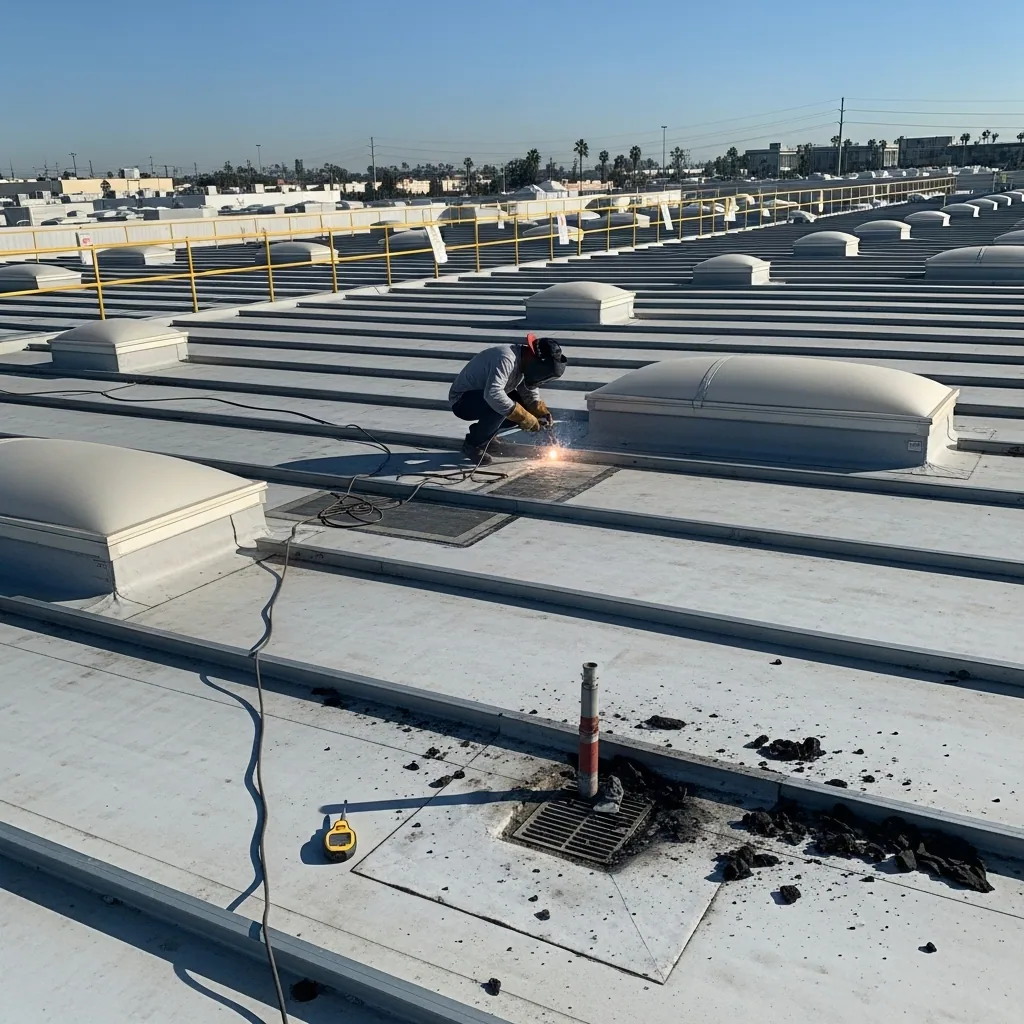
On a large flat roof, one slow drain can hold water against the membrane across a wide area. Water that stays more than a day or two after rain loads seams and ages the surface, and in winter it refreezes and works against edge details. We clear each drain, check its strainer and body, measure ponding depth after rain and mark low areas on the plan.

The measurements tell the owner whether the problem is a blocked drain, a settled deck or a design flaw, and they let a repeat pond be compared with the same spot in earlier years. A blocked drain is a maintenance item that a crew can clear in minutes. When a pond keeps coming back to the same spot, a new drain or tapered insulation may belong in the next replacement, and the ponding record backs the capital request. The owner can then compare the cost of a drain addition against the recurring cost of repairs in the same area, and the comparison rests on measured depths.

Warehouse Roofing

Long Seams and Field Membrane Condition

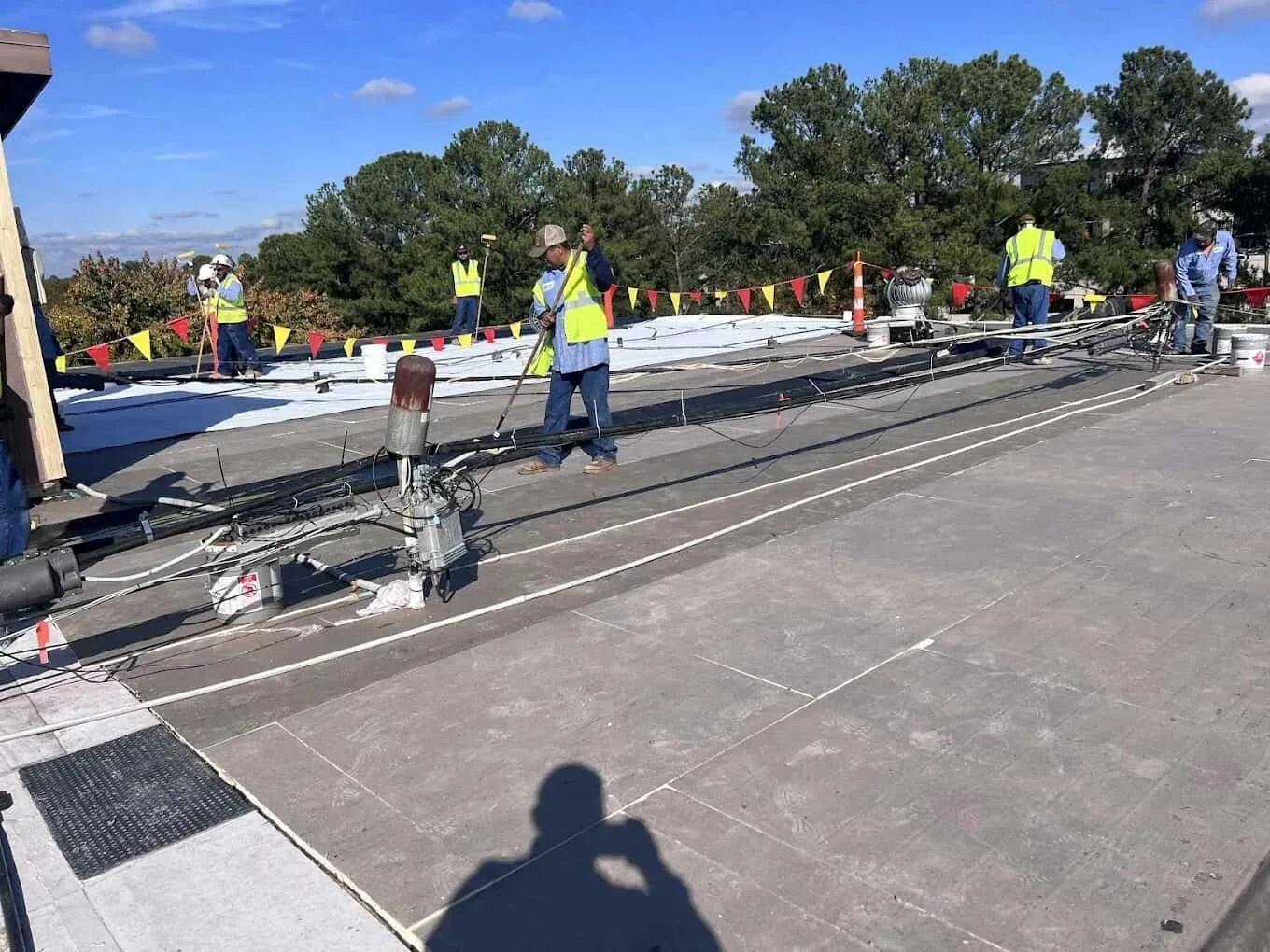
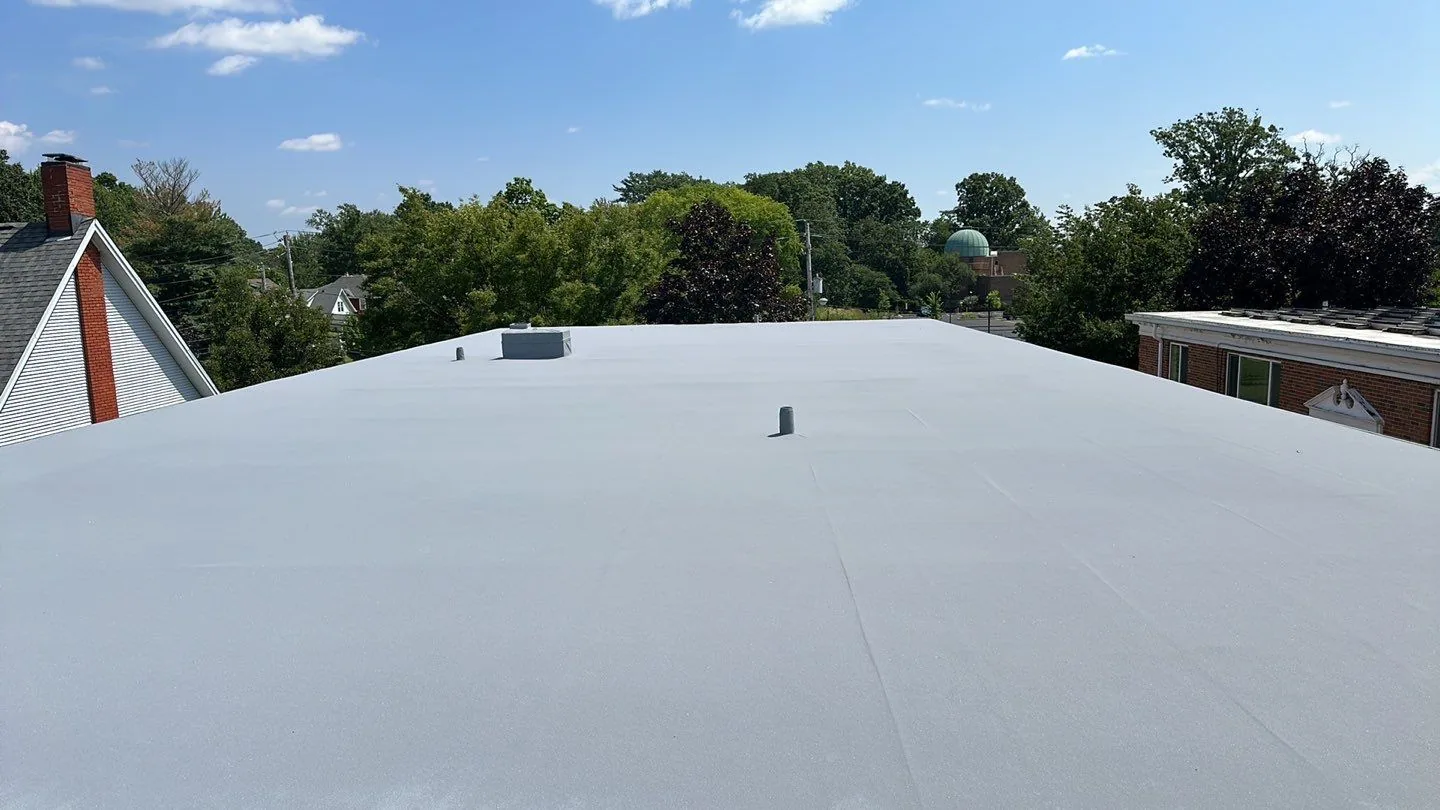
A warehouse roof can run a long way without a penetration, so seams carry much of the story. Each visit includes a probe along a measured sample of seam, a mark on any open length and a surface rating that covers wear, punctures and ponding scars. Long runs of seam also show thermal movement clearly, because the sheet shrinks and grows over a greater distance.

The January 1985 record low of minus 31 degrees and the July 2012 record high of 105 degrees show the range the sheet must take. Findings from each visit go into the log, and the trend across visits shows whether a defect is isolated or spreading. A defect that doubles between spring visits is a different decision from one that has not moved in three years.

Warehouse Roofing

Dock Canopies, Loading Areas and Penetrations

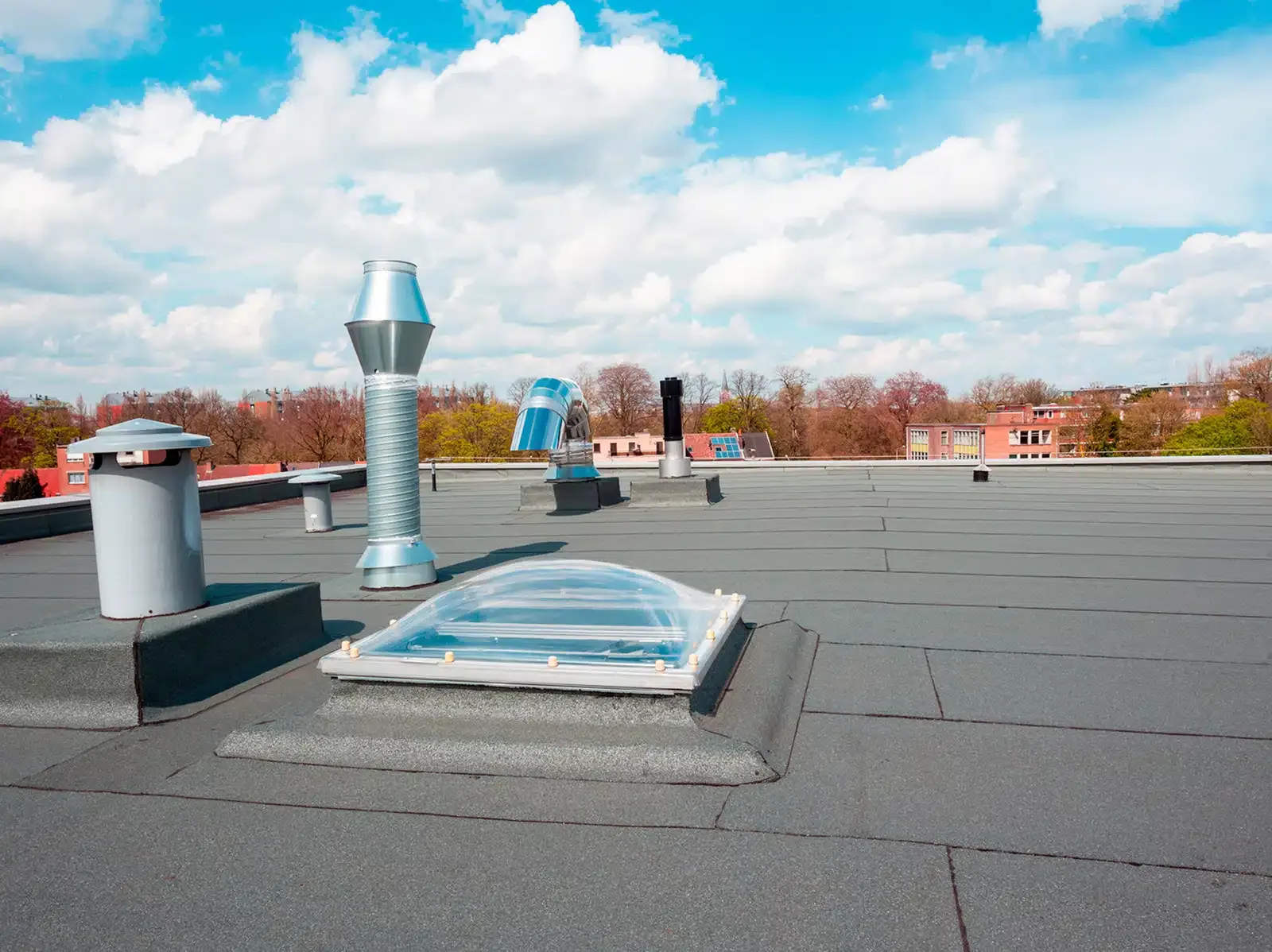
Dock canopies, smoke hatches, skylights, rooftop units and conduit runs are the places where a warehouse roof is cut and re-flashed. Each one gets a line in the register with its condition. Dock areas see forklift vibration, cold air from open doors and drifting snow, all of which stress the roof edge near them.

We check the flashing at each canopy, the curb at each hatch and the sealant at each boot. A short table of details by type and condition shows the owner how many are due for work, and the photographs show what the work should look like when it is done.

The same walk covers a distribution center where sorting space sits under the roof, and a plant where process heat or exhaust adds its own load. A warehouse that holds only stock tolerates a short leak better than one that holds equipment, but a wet pallet is still a loss, and the log helps place each building on the right interval.

Warehouse Roofing

Large Distribution Buildings in the Corridor

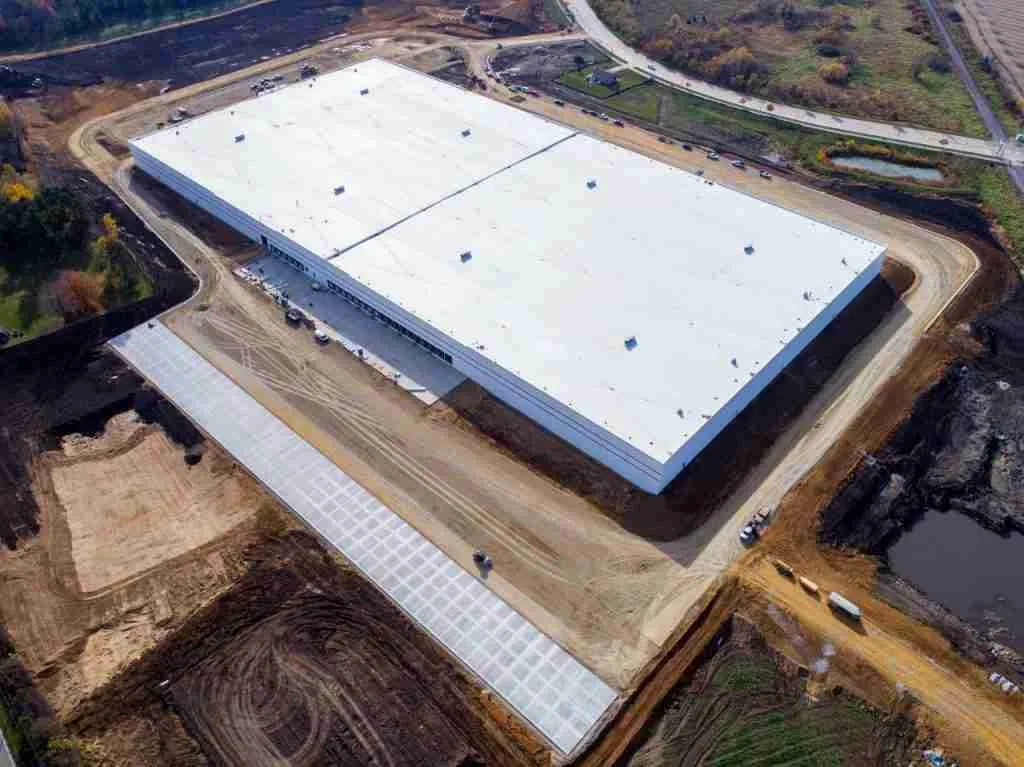
Kenosha is home to warehouses and distribution centers operated by Amazon, Rust-Oleum, Uline and Associated Wholesale Grocers, while Pleasant Prairie's LakeView Corporate Park, off I-94 at Route 165, covers some 2,000 acres and more than 80 companies. Uline has distribution buildings there, among them one of 502,000 square feet and one of 417,384. Building size marks the scale of a facility, and the first visit then confirms what each roof carries, so an owner with several buildings along I-94 gets one reporting format for all of them.

For owners with several such buildings, a multi-site roof program puts the inspections on one calendar. Sturtevant has distribution warehouses along its western side as well, and the same register can include them.

Warehouse Roofing

Snow Load, Drifting and Winter Checks

Two storms stand out: January 1979 with roughly 19 inches of snow and Groundhog Day 2011 with roughly 23.2. Snow drifts against parapets, rooftop units and higher roof sections, adding load and blocking drains. A major storm calls for a drain check and a perimeter look, and the photographs go into the log.

A spring walk after the thaw finds freeze damage while it is still small: lifted terminations, cracked sealant, opened laps. The two checks, one after the storm and one after the thaw, give the facility director a record of how the roof handled the winter.

Warehouse Roofing

Repair, Recover or Replace on a Warehouse Roof

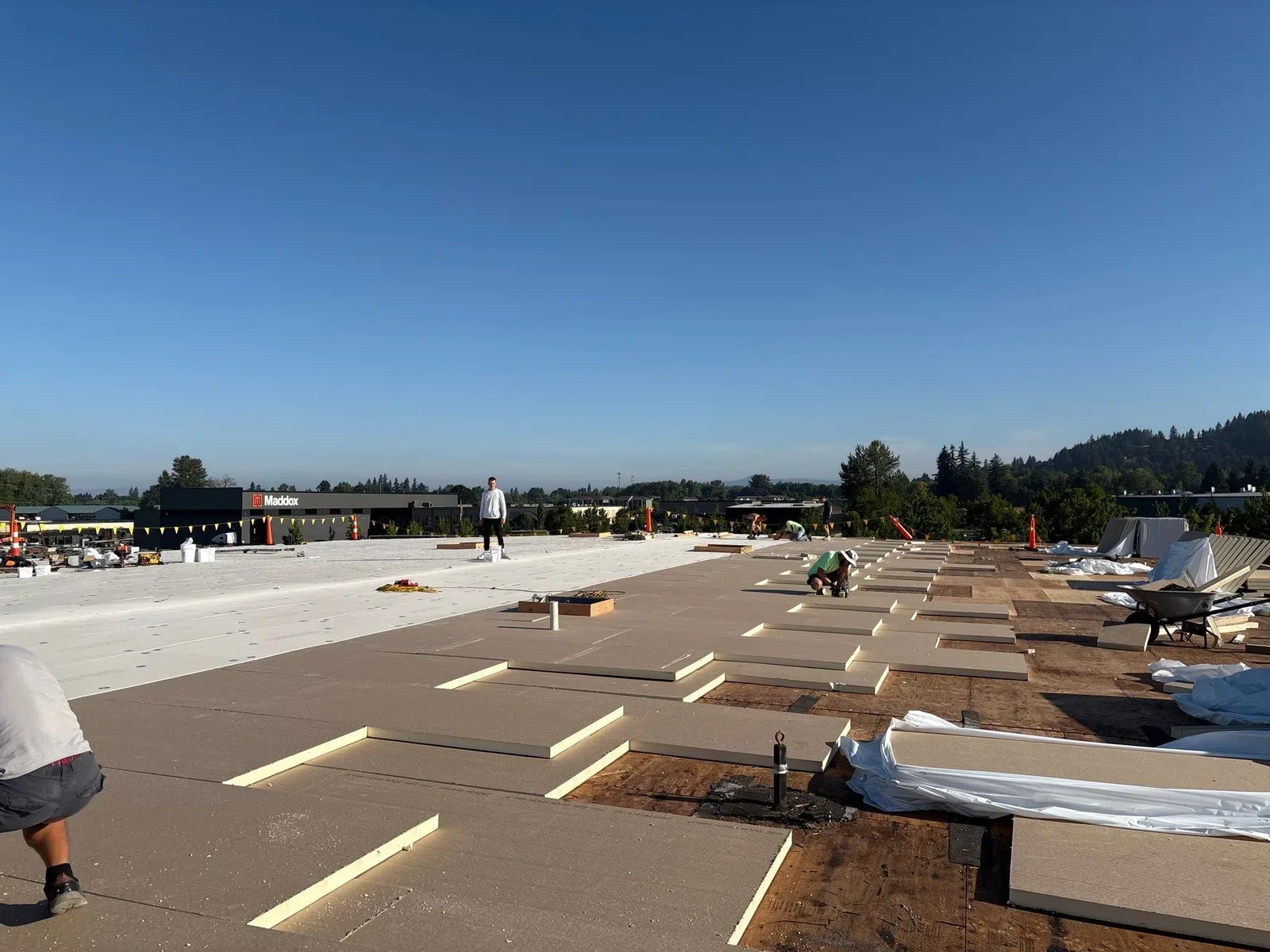
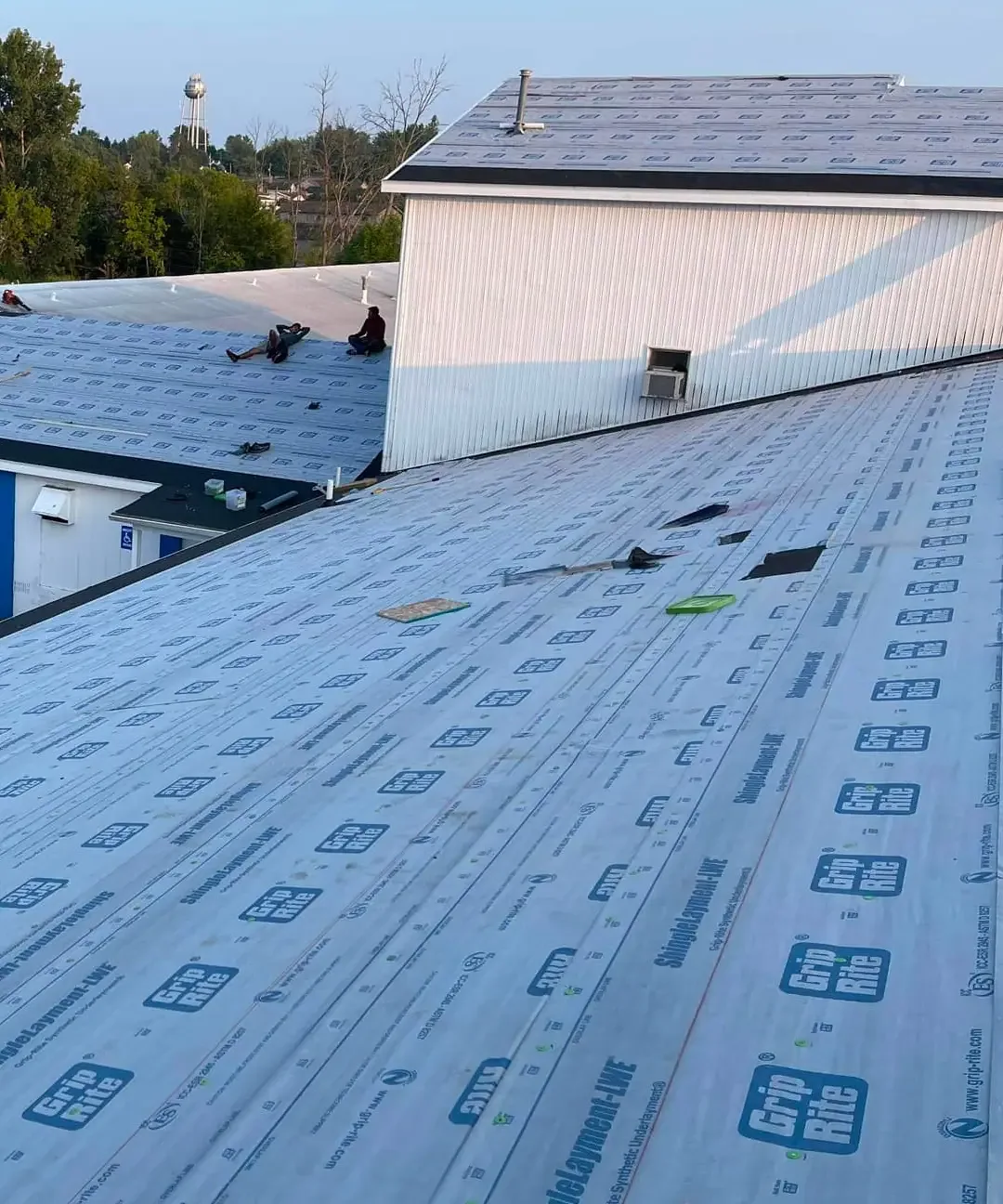
A warehouse roof that is dry under scattered defects can stay in service on an inspection interval. One with wet insulation, repeated seam failure or widespread ponding belongs in a replacement discussion. A moisture survey outlines the wet areas, and core cuts show what the layers hold.

We price repair, recover and replacement against the same scope. On a building that cannot stop operating, the plan also covers staging, dock access and protection of stock below, and those items are written into the scope before the first day.

Warehouse Roofing

Records for the Capital Request

The finished file holds the roof plan, dated photo sets, seam probe records, drain checks, moisture maps and a condition rating. It supports a request to a board or a lender, and it travels with the building if it is sold. A warehouse in Pleasant Prairie or Kenosha can follow the same format.

Start with a dated baseline

Questions About Warehouse Roofing

How often should warehouse drains be checked?

At least twice a year, after the spring thaw and before the first hard freeze, and after any major storm. A packed drain on a large roof can hold water over a wide area, so the check is brief but important and goes in the log with a photograph.

What shortens the life of a warehouse membrane?

Standing water, thermal movement at seams, foot traffic to rooftop units and damage at dock canopies and penetrations. We map each cause by area so the owner sees which ones are active, and we repair the ones that can be stopped cheaply.

Can a warehouse roof be repaired while operations continue?

Yes, with a plan. Repairs are staged away from active dock doors, openings are closed the same day and interior protection is placed where needed. The schedule is agreed with the facility team before work starts and logged at close-out.

Is building size a guide to roof condition?

No. A large building has more roof to inspect, but its condition depends on the system, drainage and age of the membrane. We confirm the roof system on the first visit and rate each area from its own record.

What does a warehouse baseline report include?

The roof plan, attachment method, dated photographs, a seam probe record, a drain and ponding record, a penetration table and a condition rating. It is written so a facility director can attach it to a capital request whether or not work follows.

ServicesRoof SystemsIndustriesProperty TypesService AreasDamage RepairCapabilitiesManufacturersContactAboutRequest a Roof Assessment555-555-5555
Call555-555-5555