Commercial Roof Replacement in Kenosha, WI

Full tear-off and replacement for Kenosha, WI commercial roofs, run from a documented core survey, written condition ratings and a close-out package.

Commercial Roof Replacement in Kenosha, WI

Commercial Roof Replacement

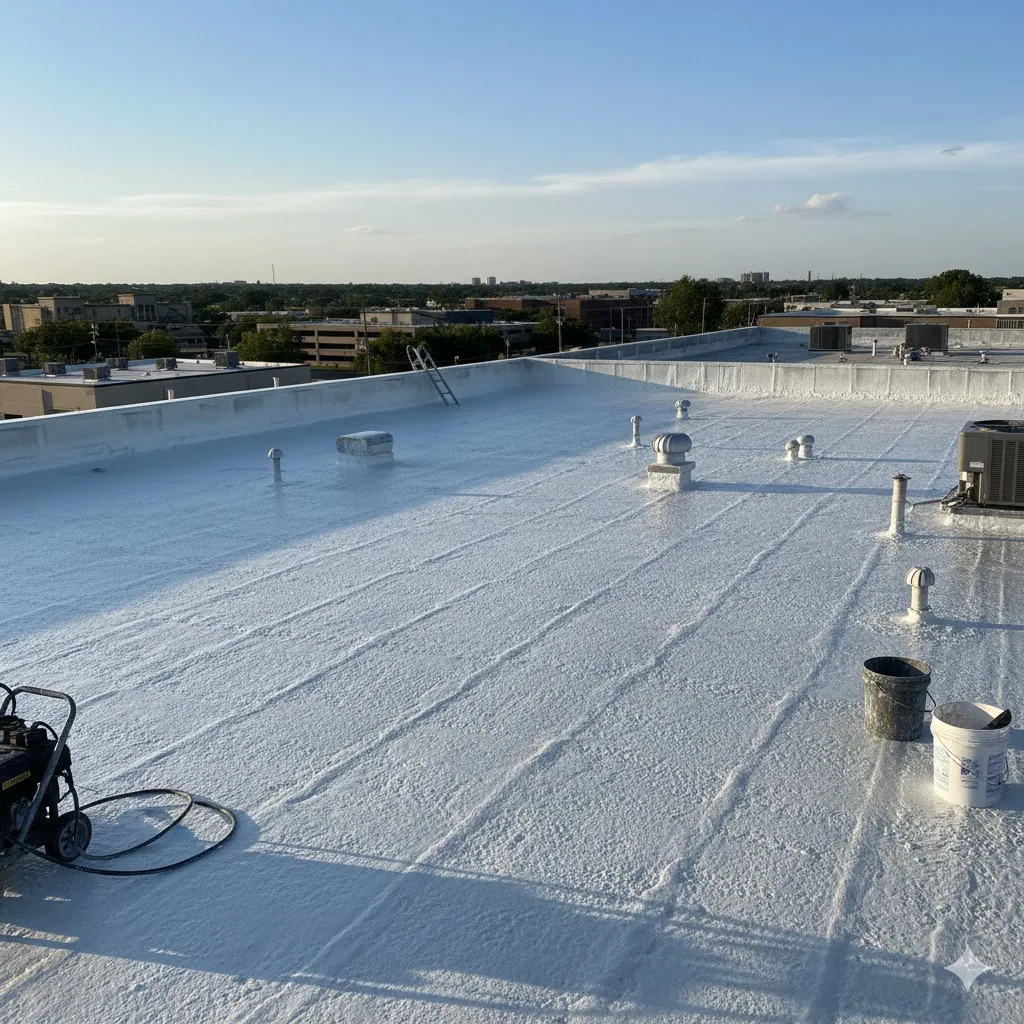
A replacement decision should rest on a file, not a feeling. Before any tear-off is priced, we log each seam, flashing and drain on a roof plan, photograph the findings with dates, and cut cores to see what the insulation is holding. In Kenosha, WI, that file has to account for winters with about 36 inches of snow and a January low on record of minus 31 degrees. Those swings work on membranes every winter, and the record shows whether the damage is local or systemic.

The point of the record is to separate roofs that need a planned repair from roofs that have used up their service life. If you are carrying a capital request, the same documents support it. If the findings say repair, we will say so and price the repair.

Commercial Roof Replacement

Findings That Point to Replacement

A single leak rarely justifies a new roof. A pattern does. We look for membrane that has lost its flexibility and cracks when pressed at a seam, laps that have opened along entire runs, flashings that have pulled away from walls and curbs, and ponding that leaves a ring of residue days after rain. Each item gets a condition rating on the roof plan so the density of problems is visible at a glance.

Moisture is the deciding variable. A membrane that looks tired can sit over dry insulation, and a clean-looking one can sit over saturated board. Our infrared and core-cut moisture survey maps wet areas before the scope is written, so the replacement area is drawn from evidence. Where wet insulation covers a large share of the deck, a recover is off the table and full tear-off is the sound path.

Winter leaves its own findings. After a hard freeze-thaw season, lifted seams and shifted edge metal are the findings to look for, and we log them separately from age-related wear. That distinction matters to a facility director, because storm and freeze damage may belong in a different budget line than end-of-life replacement.

Commercial Roof Replacement

Tear-Off Scope and Deck Condition

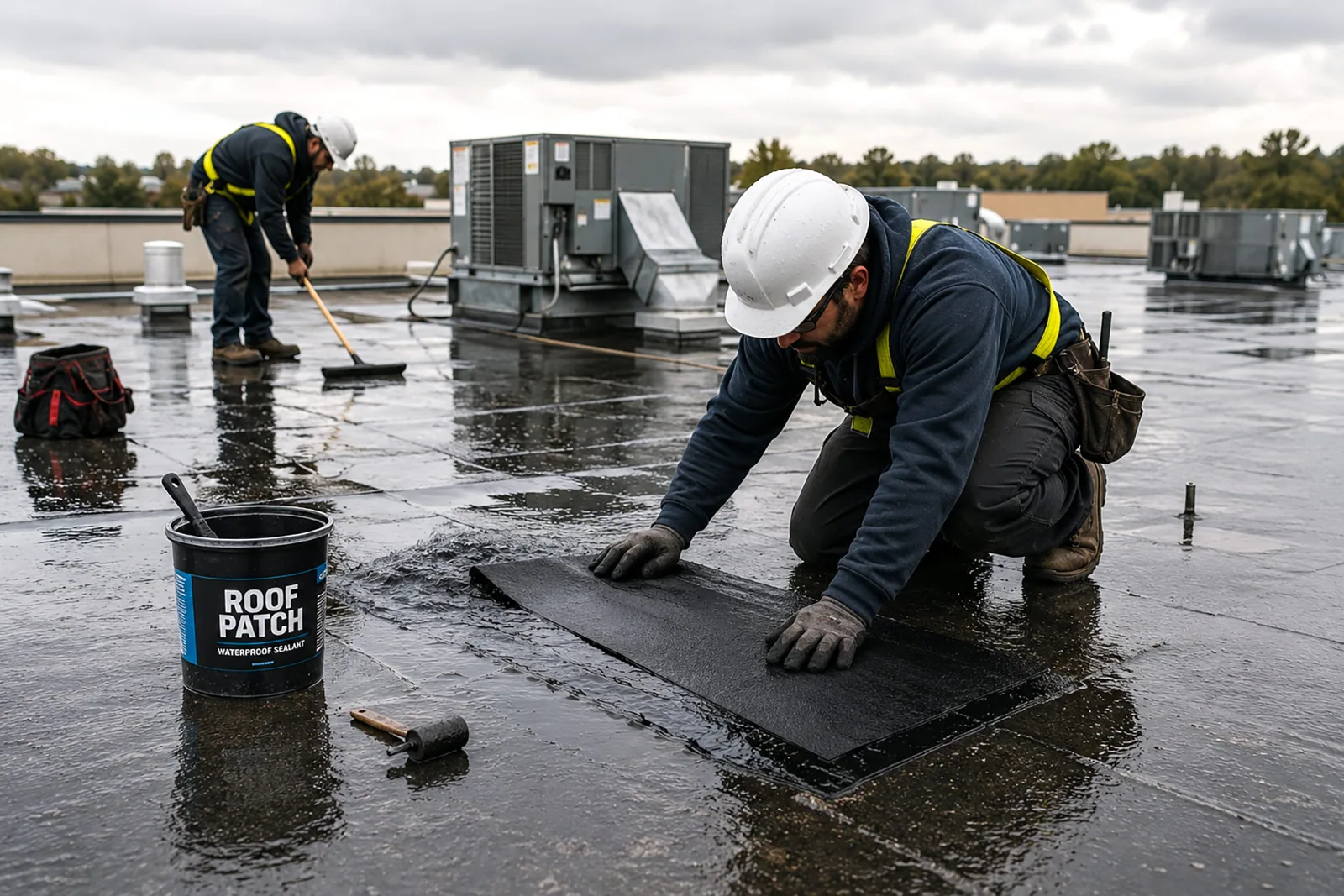
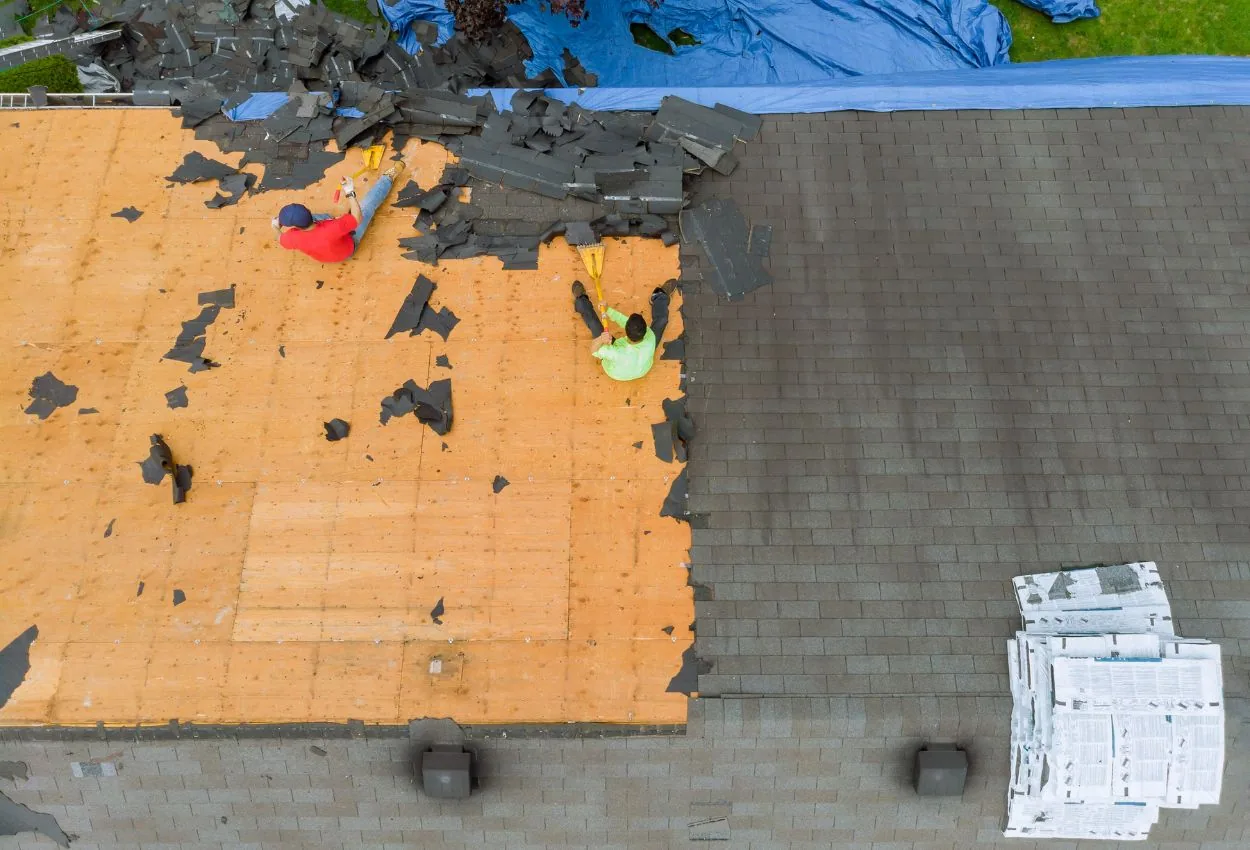
The tear-off is where the survey gets tested. As the old membrane and insulation come off, we inspect the deck section by section and record what we find: rusted steel flutes, softened wood, delaminated plywood, loose fasteners. Decks that fail inspection are repaired or replaced before new insulation goes down, and each repair is photographed with its location marked on the plan.

We price deck work as a unit allowance with a stated trigger, so you know in advance what a discovery costs. That keeps the contract honest in both directions: you pay for the deck we actually replace, and nothing is added without a dated photo and a measurement. Drains, scuppers and curb frames are checked at the same time, since replacing a membrane around a failed drain bowl only relocates the leak.

On large distribution buildings, such as the Uline facilities in Pleasant Prairie's LakeView Corporate Park, the practical question is how much roof can be torn off and dried in during one working day. We stage the work in sections sized to the weather window and the crew, and each section is dried in before the crew leaves.

Commercial Roof Replacement

Insulation, Code Review and Cover Board

A replacement is the moment to reset the roof's thermal performance. Wisconsin's commercial building code work now draws on the 2021 International Building Code and the 2021 IECC, so the insulation thickness and attachment on a new roof are reviewed against that framework before submittal. We confirm the requirements for your jurisdiction with the building department rather than assuming them.

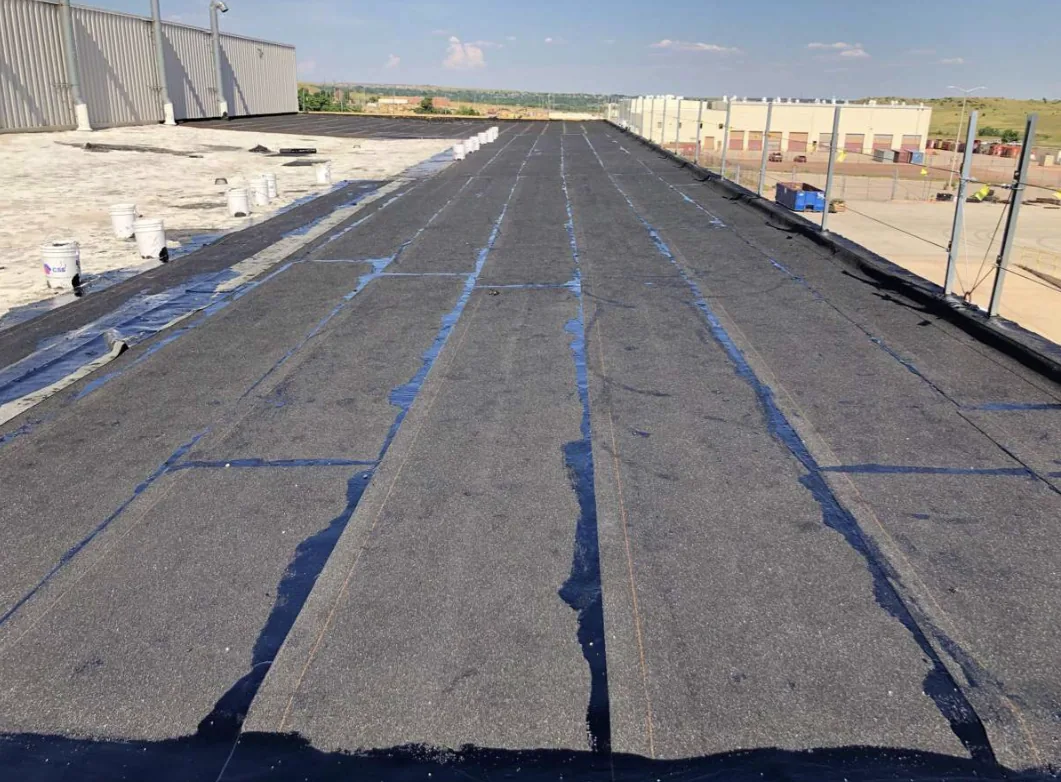
Tapered insulation is where replacements earn back their cost. Where the survey showed ponding, we design slope into the new insulation so water travels to drains instead of sitting on the surface. A cover board goes over the insulation where foot traffic, hail or fastener pull-through is a concern. Each layer is recorded in the close-out package with product, thickness and fastening pattern, which gives the next inspector something to verify against.

Commercial Roof Replacement

System Selection for Lakeshore Winters

The membrane should be chosen against the findings, not the catalog. Mechanically attached and fully adhered TPO suits the wide fields of warehouses and plants because it welds at seams and covers large areas quickly. Where grease, chemicals or rooftop exhaust are present, PVC resists them better. Modified bitumen and built-up systems remain sound options where the building has heavy foot traffic or many penetrations.

Snow changes the detailing. Parapet flashings need to be tall enough to stay above drifted snow, and drains need heat-trace or insulation where freezing is a concern. Racine, just up the lakeshore, averages about 41 inches of snowfall a year, and the same tall parapet and heated drain details apply there. Much snow and ice damage traces back to a detail that was skipped at installation.

Commercial Roof Replacement

Sequencing Over Occupied Space

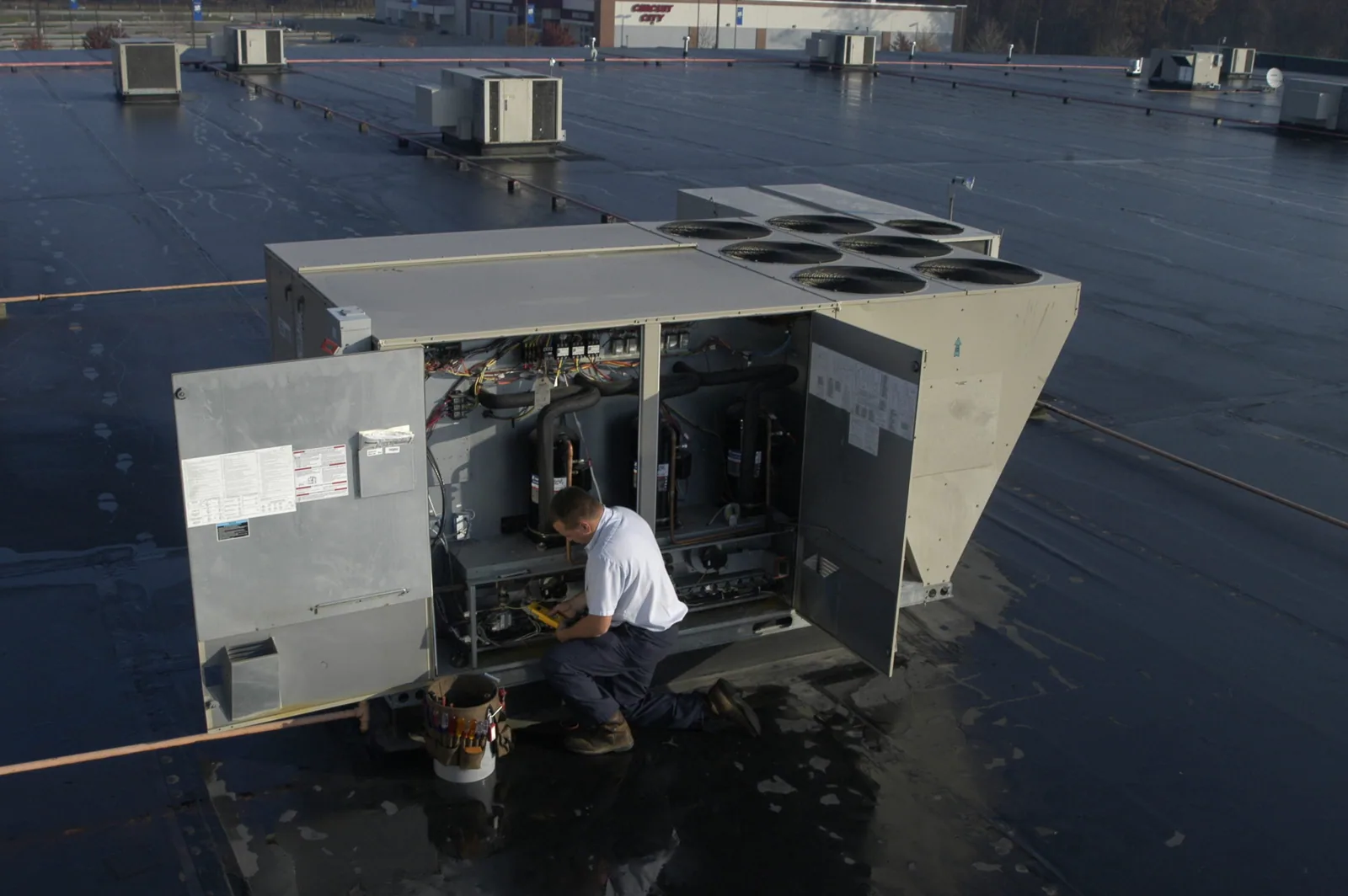
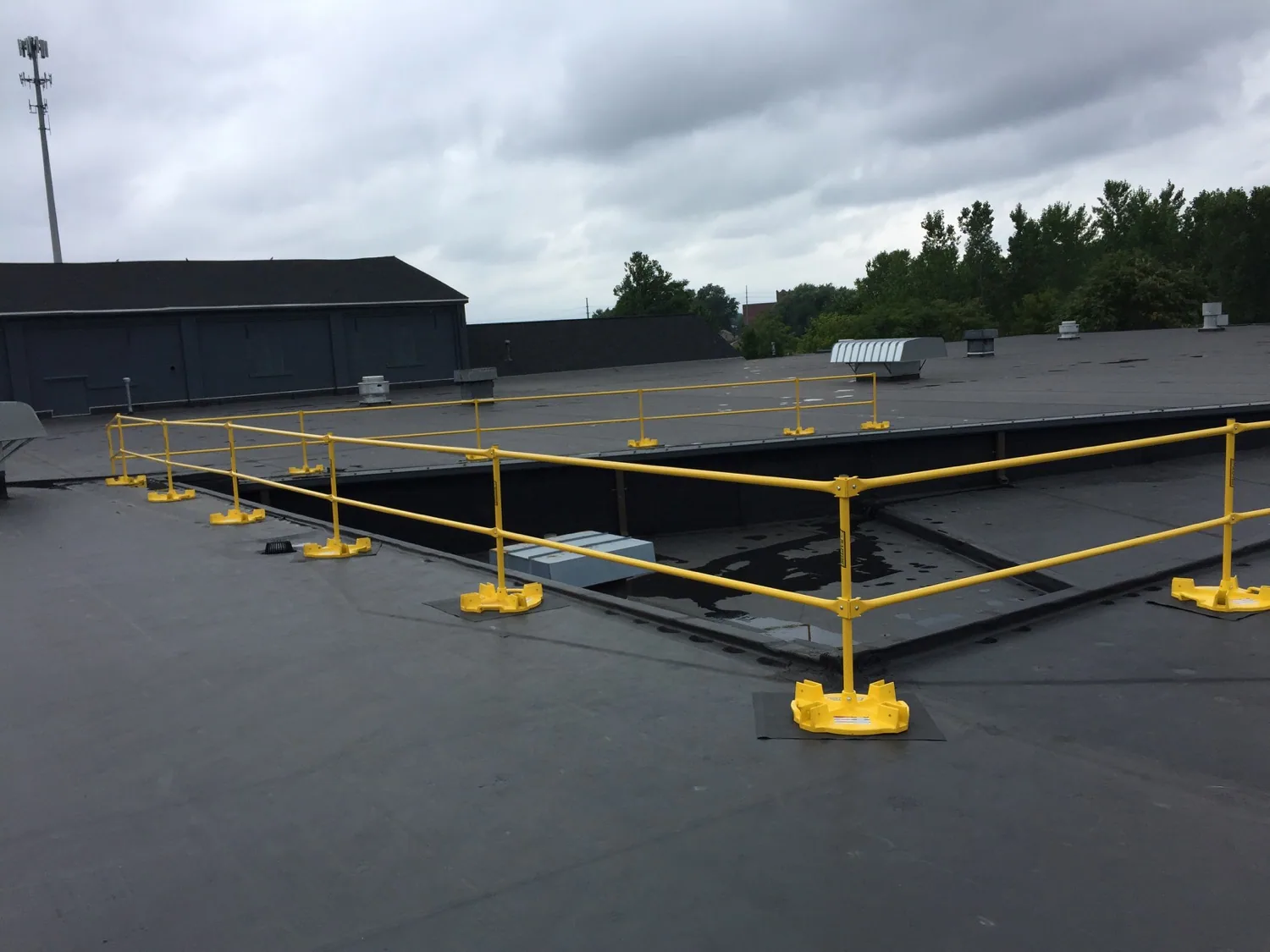
Many Kenosha-area roofs cover buildings that cannot stop. Hospitals, schools and manufacturing plants run on fixed schedules, and a replacement has to fit inside them. We plan the work with the facility director: crane or hoist locations, material staging, noise limits, and the days when rooftop equipment cannot be shut down.

For hospital and clinic work, we coordinate with infection control requirements, protect air intakes during tear-off, and schedule the loudest operations away from patient areas. The same planning applies to occupied building reroofing generally, whether the tenant is a school, a plant or a retail center. Daily logs record what was torn off, what was dried in, and what weather was forecast, so any day's work can be reconstructed.

Commercial Roof Replacement

Close-Out Package and Warranty File

The last deliverable is the one that gets used years later. The close-out package holds the pre-work survey, daily photo logs, deck repair records, material submittals, and the manufacturer warranty documentation, organized so a new facility manager can find any of it. We include a roof plan marked with penetrations, drains and the locations of any buried repairs.

That file supports roof capital planning across a portfolio. It sets a baseline condition rating that future inspections compare against, and it shows an insurer or lender exactly what was installed. If you manage buildings in Pleasant Prairie or elsewhere in Kenosha County, the same format carries across properties.

For a replacement estimate, send the roof plan or an address, and we will schedule a baseline inspection. The service area includes Pleasant Prairie and the rest of the county.

Schedule a Baseline Roof Inspection

Questions About Commercial Roof Replacement

How do I know whether my roof needs replacement or a repair?

The moisture survey decides. If saturated insulation covers a large share of the roof, or the membrane has lost flexibility across entire runs, replacement is the sound path. If wet areas are isolated and the membrane is serviceable, a repair extends life at far lower cost, and we will document why.

Will the survey cost me anything if I end up repairing instead?

A baseline inspection produces a written condition rating you can use for a capital request whether or not work follows. Send the roof plan and we will explain what the inspection covers before it is scheduled.

What does a tear-off do to the building's operations?

Noise, dust and rooftop access change for a few days to a few weeks, depending on size. We sequence the work in sections, protect intakes, and set the loudest operations around your schedule. Daily logs show exactly what was open.

Which membrane lasts longest in Kenosha winters?

Survival depends more on detailing than brand. Welded seams, tall parapet flashings, and drains that stay clear in freezing weather outperform a premium membrane installed over poor details. We match the system to the findings and the building use.

Can new insulation fix ponding that the old roof had?

Yes. Tapered insulation built into the new roof directs water to drains. We survey the slope before design, so the ponding record shapes the insulation plan instead of being repeated.

ServicesRoof SystemsIndustriesProperty TypesService AreasDamage RepairCapabilitiesManufacturersContactAboutRequest a Roof Assessment555-555-5555
Call555-555-5555