
How far ahead should a roof plan look?
Five years is common, with the first two years in detail. The later years are revised as each winter adds findings.
Roof capital planning for Kenosha, WI owners: condition ratings, core cut results and replacement timing arranged into a budget request a committee can review.
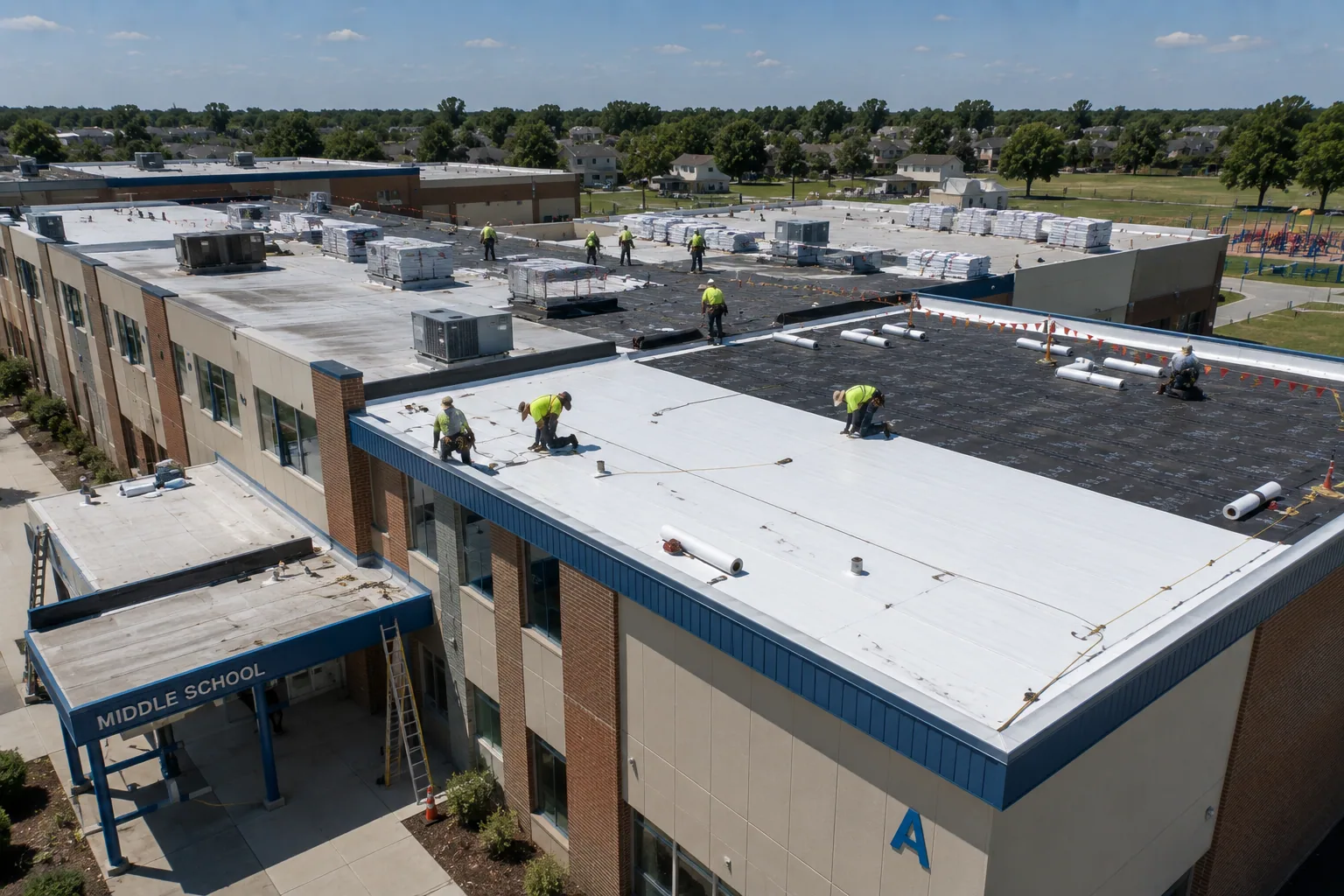
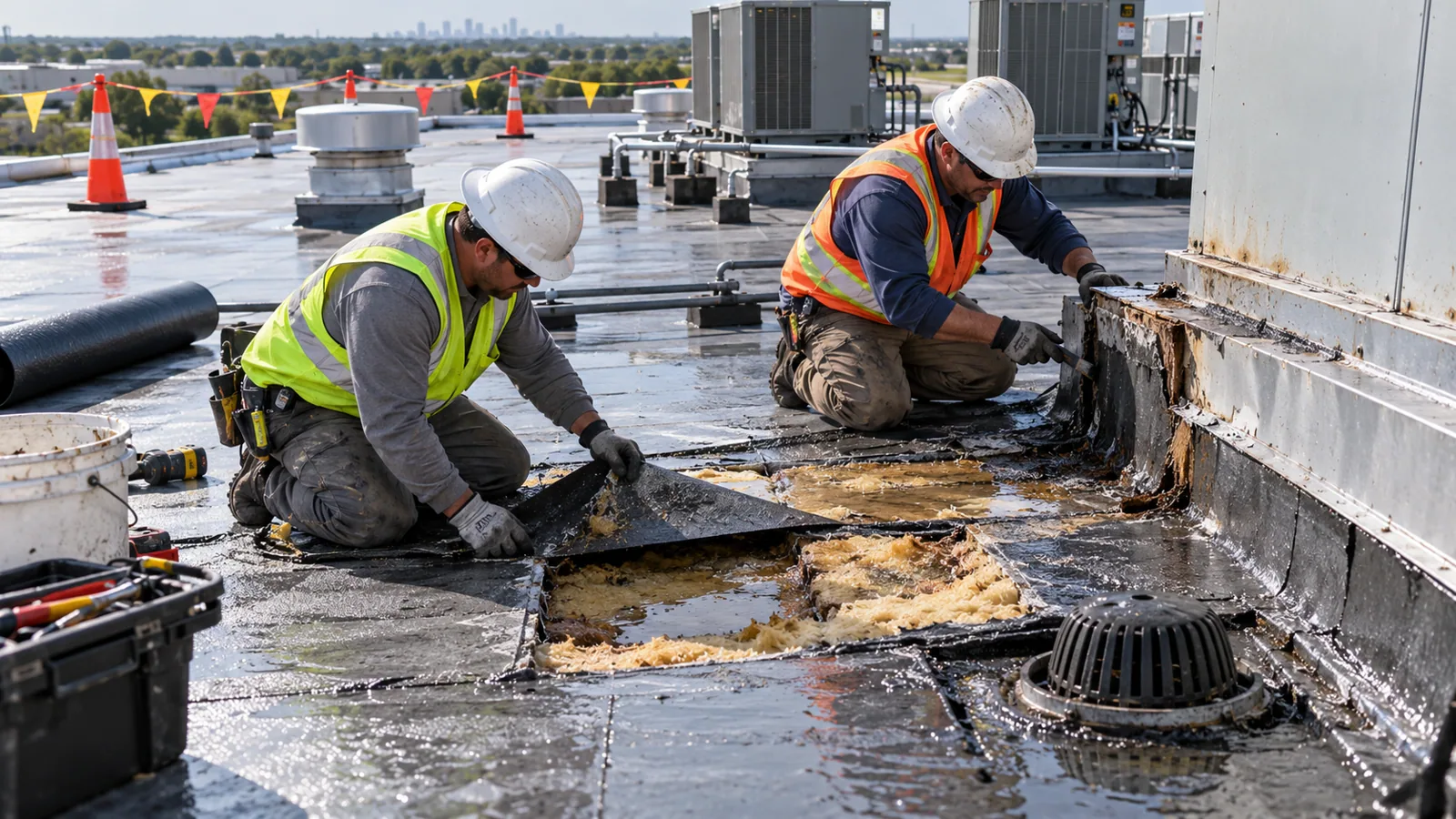
A wet core cut from the middle of a roof section does more for a budget request than any amount of age data. It shows saturated insulation, it carries a date and a location, and it can be photographed and attached to the file. Capital planning for roofs in Kenosha, WI starts from findings like that one.
Each finding becomes a line in a plan that ranks sections by condition and consequence. The facility director then takes the ranked list to a finance committee, and the committee sees the evidence along with the number.
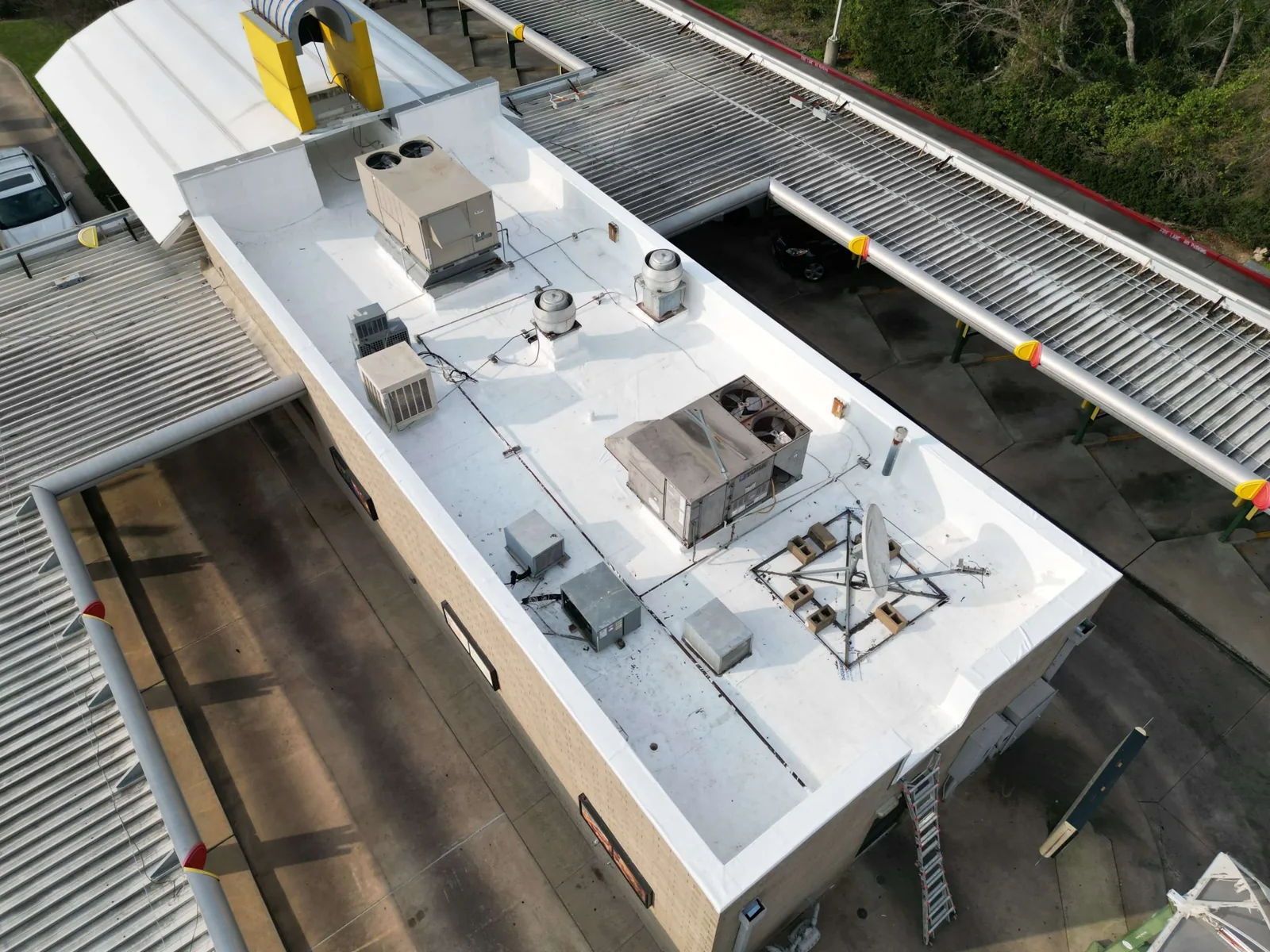
The plan converts condition ratings into years. A section rated for monitoring stays in the maintenance budget. A section rated for repair gets a small line in the coming year. A section rated near end of reliable service gets a replacement line, placed in the year where the evidence says it belongs.
We do not set replacement years from age alone. Insulation moisture, seam condition, the ponding record and the repair count all feed the timing. Two roofs installed in the same year can end up in different budget years because one has dry insulation and the other does not. A baseline from a written condition report supplies those facts.
Consequence enters the ranking next to condition. A section over a records room or a production line outranks a section of equal condition over an empty storage bay. The plan records that reasoning in a short note beside each line, so a finance reader who was not on the roof still understands the order.
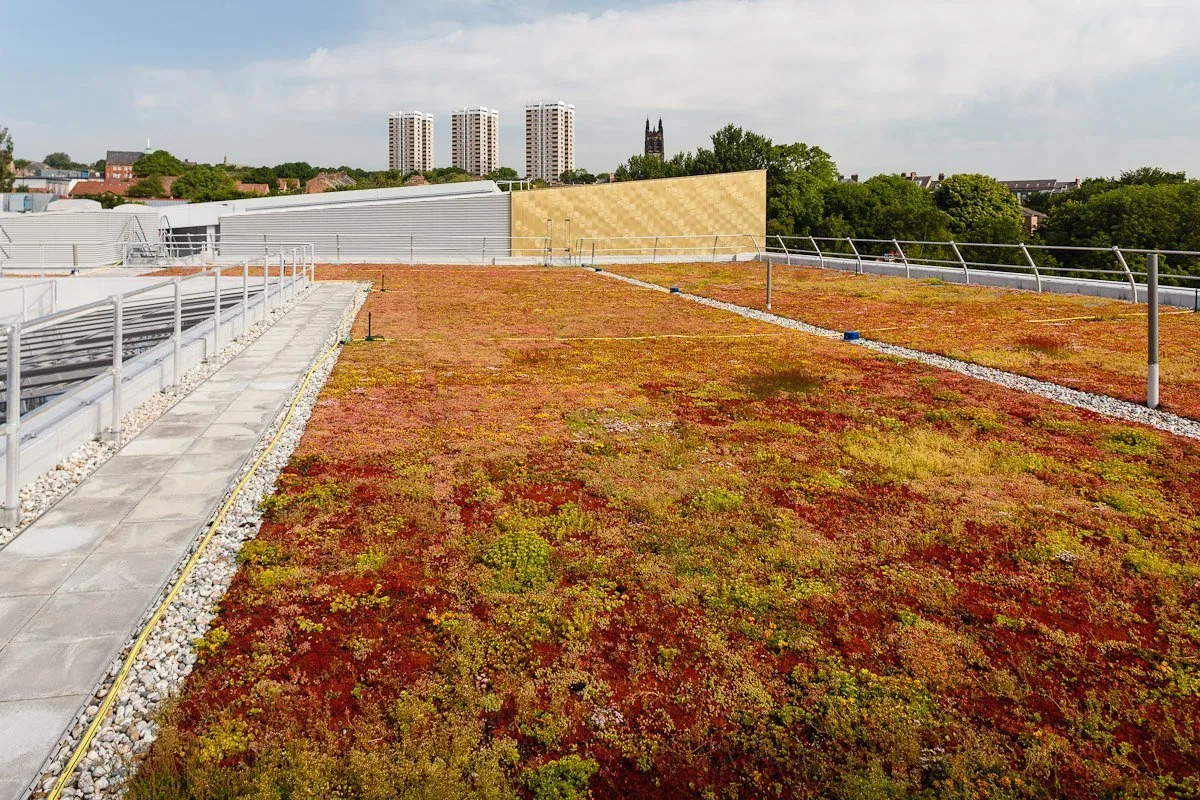
Every flagged section carries three options where they are viable: repair and monitor, recover over the existing roof, or replace. Each option has a scope description, a list of assumptions and a note on what would change the recommendation. The plan gives quantities and conditions, and the owner pairs them with current bids.
A roof recover is possible only when the insulation is dry and the deck can carry another layer. A replacement is the route when moisture has spread or when earlier layers already sit on the deck. Putting both beside a repair option lets the committee choose with the tradeoffs visible.
Each option also lists the work it leaves behind. A recover leaves the old layers in place, so the next replacement carries a larger tear-off. A repair leaves aging membrane that will need attention again. The plan states those carry-forward items so the committee does not read a low first number as a final answer.

Kenosha receives about 37.6 inches of precipitation in a year, alongside 36.2 inches of snowfall that peaks in January and February. The 2011 Groundhog Day storm alone brought about 23.2 inches. Roofs carry real snow loading through the winter, and a drain that clogs in November can hold water on the field until March.
The plan therefore asks a seasonal question about every section: will it get through the next winter in its current condition? If the answer is uncertain, the repair moves forward and the replacement waits for a documented spring survey. If the answer is no, the replacement moves into the next budget year and an interim repair keeps the building dry in between.
Wind-edge condition belongs in the same review. Tornadoes on January 7, 2008 hit Somers and the north side of Kenosha and damaged 105 homes across the county; the Wheatland storm that day was the first confirmed there since 2001. Those events keep perimeter metal, coping and edge laps on the inspection list, and any edge finding that lifts a section's rating gets a line in the near-term budget.
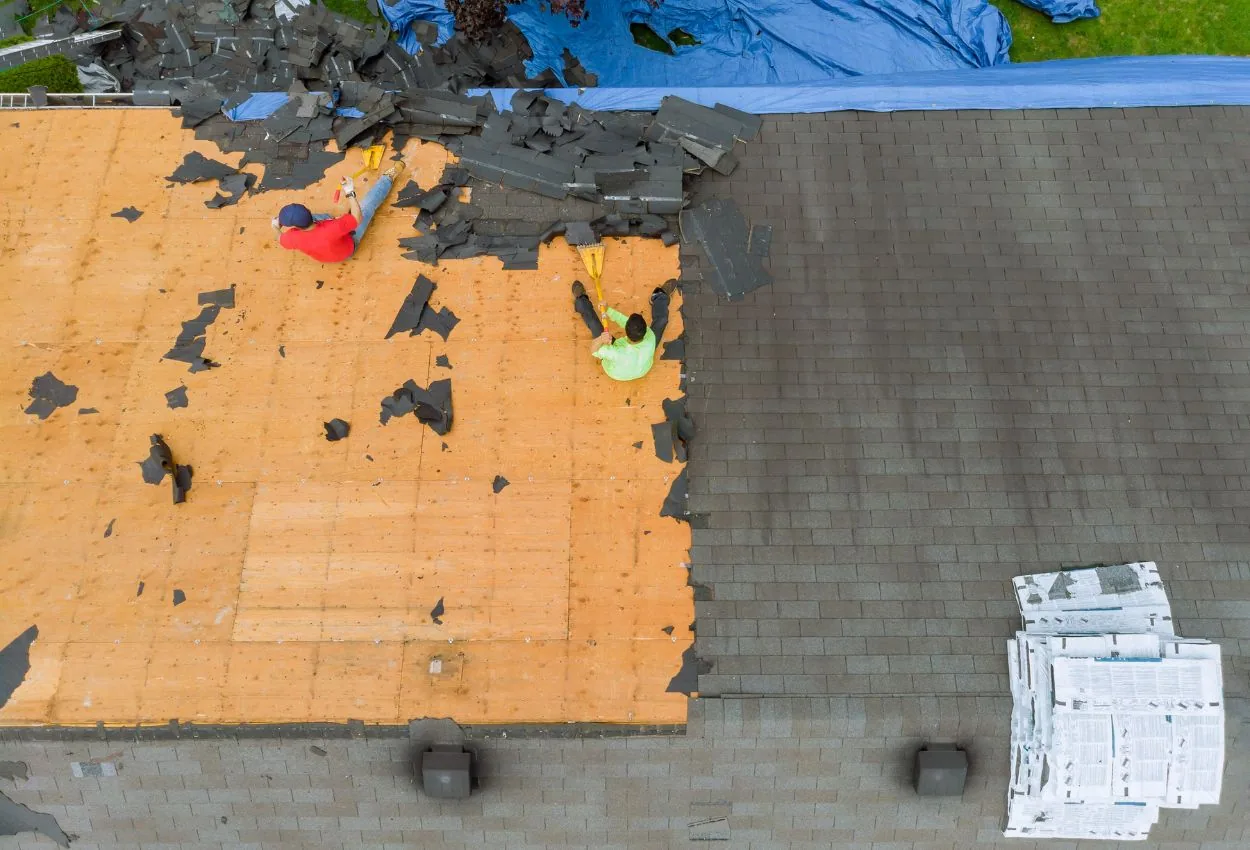
A replacement can trigger energy code requirements that a repair does not. Chapters SPS 361 through 366 of Wisconsin's administrative code hold the commercial building rules, and the Department of Safety and Professional Services has written 2021 inserts for the International Building Code and the International Energy Conservation Code, with the 2021 IECC option required in COMcheck.
For the capital plan, that means insulation thickness and attachment details belong in the scope before the number is drawn. We note them in the plan so the committee does not approve a figure that excludes required insulation. The local building department confirms the applicable edition for each project, and we record the answer in the file.
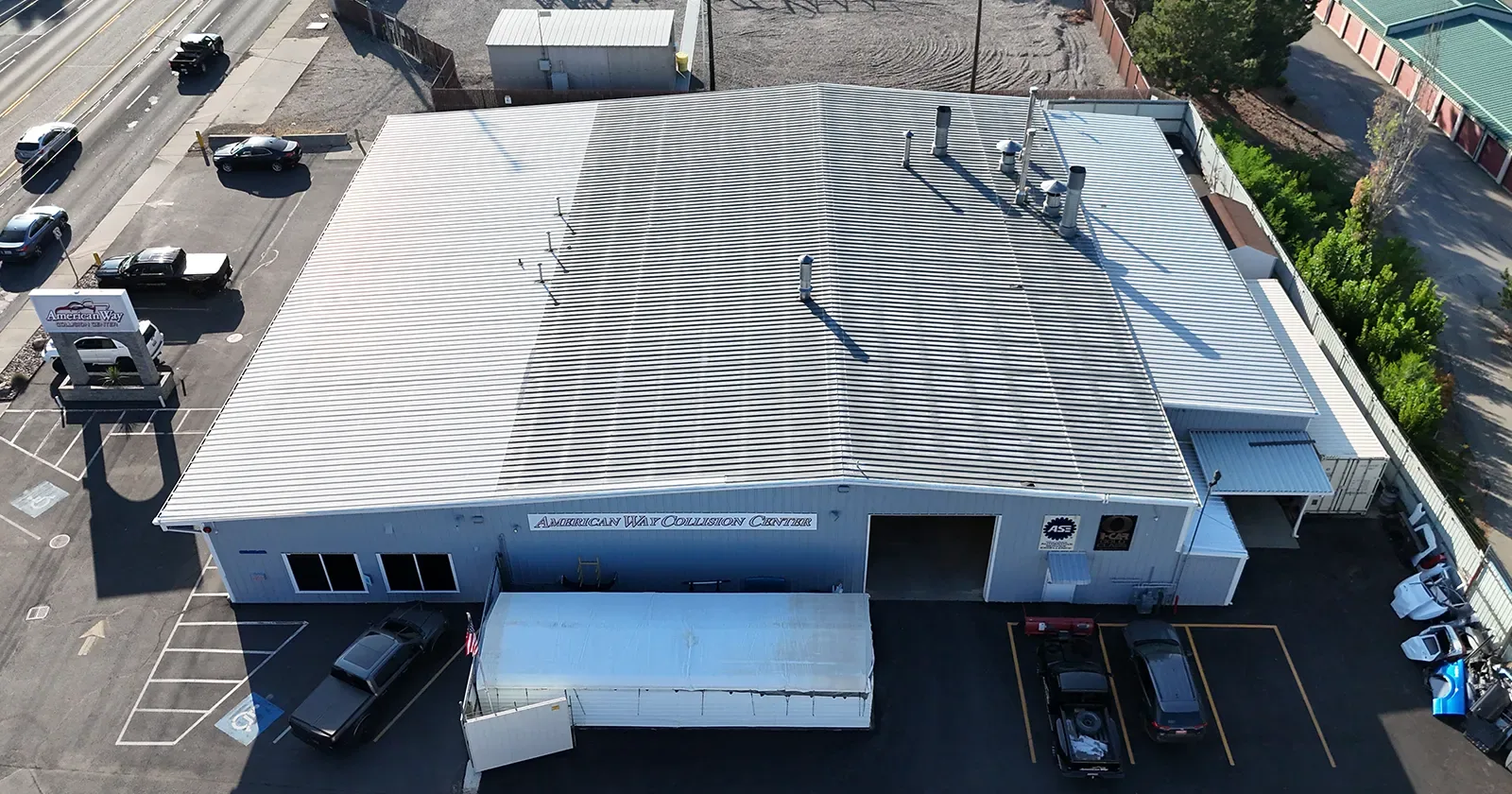
The same plan format covers different roofs. A distribution building in Pleasant Prairie may have a large low-slope field and few penetrations, while a hospital campus has rooftop equipment, strict infection-control rules and limited shutdown windows. A plant in Racine County may have process exhaust that changes membrane choice, and a downtown building may have a small roof but difficult street access.
Each building gets its own constraints line in the plan: access, operations, shutdowns and tenant hours. Those constraints change the cost of the same square footage, and the committee sees why one building costs more to roof than another. Owners with many sites can combine plans in a multi-site program that sequences replacements across years.
A capital plan is a living document. After each winter, the inspection log shows which sections changed, and the plan updates to match. A section that held up moves later. A section that developed a new split or a wet core moves earlier.
The annual review also compares the plan against what was spent on repairs. If one building absorbs a growing share of the repair budget, the plan flags it for a replacement conversation. The roof register supplies the repair history, and the plan carries the decisions forward in a form the finance office can follow from one year to the next.
The plan is delivered as a packet. It opens with a one-page summary of sections by rating and budget year, followed by section sheets with photographs, core cut results and the reasoning behind each rating. A reader can stop at the summary or go deeper into any line.
The packet includes a short list of what was not found. Sections with dry cores and tight seams are listed with their dates, so the committee sees that the plan is selective. Listing the sound roofs is what makes the failing ones credible, and it lets the owner answer a question about why a particular building is absent from the request.
A copy of the packet goes into the warranty file for each roof that still carries coverage. If a manufacturer later asks for maintenance history, the capital plan and the inspection log answer the question together. The facility director keeps one set of records for budget, warranty and lender review instead of three.
Keep Reading
Written roof condition reports with dated photos for Kenosha, WI buildings: numbered findings, moisture data, condition ratings and a repair-first list.
Recover systems for Kenosha, WI commercial roofs, approved only after core cuts, moisture mapping and a layer-and-load review are on file.
Full tear-off and replacement for Kenosha, WI commercial roofs, run from a documented core survey, written condition ratings and a close-out package.
Commercial roofing in Pleasant Prairie, WI for LakeView and Prairie Highlands industrial buildings, with seam, drain and curb findings recorded and dated.
Commercial roofing in Racine, WI for manufacturing plants, retail centers and lakefront buildings, with dated findings, moisture surveys and condition ratings.
One roof program across many buildings from Kenosha, WI: shared inspection format, seasonal scheduling along I-94 and one reporting file for facility teams.
Five years is common, with the first two years in detail. The later years are revised as each winter adds findings.
Yes. It holds ratings, photographs and core data that show the basis of each reserve line. A third party can verify them against the roof.
We rank the sections by consequence of failure: sensitive contents, tenant operations, safety and repair count. The plan then shows what is deferred and what interim repair keeps it dry.
It includes quantities, scope and assumptions. Pricing comes from current bids so the numbers match the market on the day of approval.
We do, after a post-event inspection. The update adds new findings, changes ratings where needed and shows the effect on budget years.