
What does an owner need to provide to start a register?
Roof plans if they exist, any prior reports, warranty documents and repair history. If none exist, we create the plan during the first walk and build the history from what we find.
Roof asset management for Kenosha, WI portfolios: numbered roof sections, dated photo sets, condition ratings and an inspection log for capital decisions.

Section 4C on a distribution building has a lifted lap at the north drain, and last spring's photograph shows the same lap closed. That pair of photographs is the smallest unit of roof asset management. It records a change, a date and a location, and it lets a facility director in Kenosha, WI see that one detail is moving before it becomes a work order.
Asset management extends that habit across every roof a portfolio owns. Each roof is divided into numbered sections, each section carries a condition rating, and each visit adds to a log that the owner can search by building, by section or by finding.
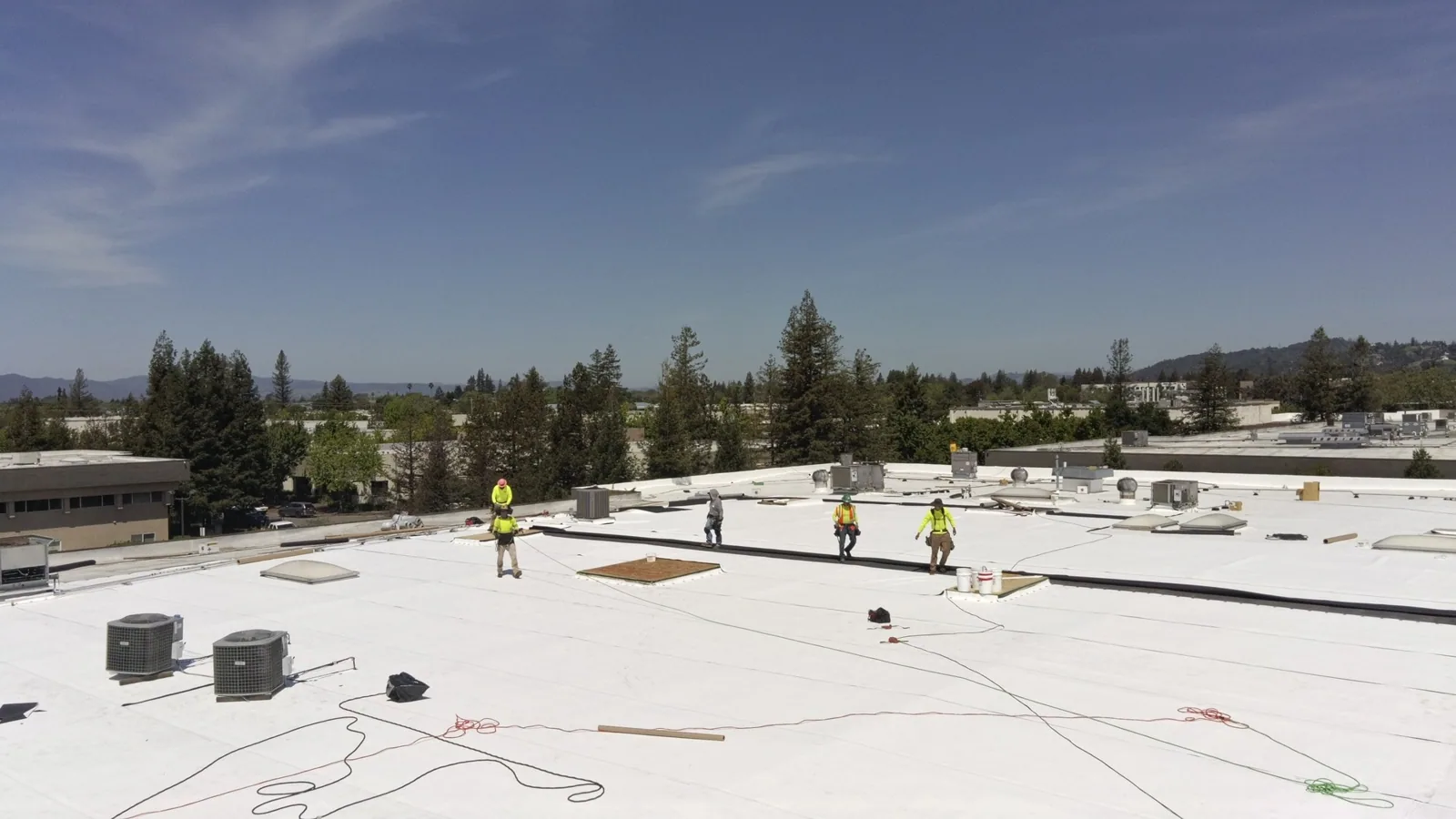
The register begins with a roof plan for each building. We divide the plan into sections by membrane type, age and drainage area, and give each section a number that does not change. Section numbers appear on every photograph, every core cut record and every work order.
Each entry in the register holds the membrane type, the insulation type where a core has been cut, the approximate installation date if known, the warranty status and the last rating. A portfolio that includes a plant in Racine County, a warehouse in Pleasant Prairie and an office downtown ends up with one format for all three, so a comparison between buildings is possible without translating between reports.
Penetrations and equipment get their own lines. Every rooftop unit, vent, drain and skylight is entered with its section number, its flashing type and its last inspection date. When a trade crew later adds a unit, the register shows exactly where the new curb sits and which flashing it touched. That entry is the evidence the owner needs if a leak follows the work, and it keeps the warranty file accurate.
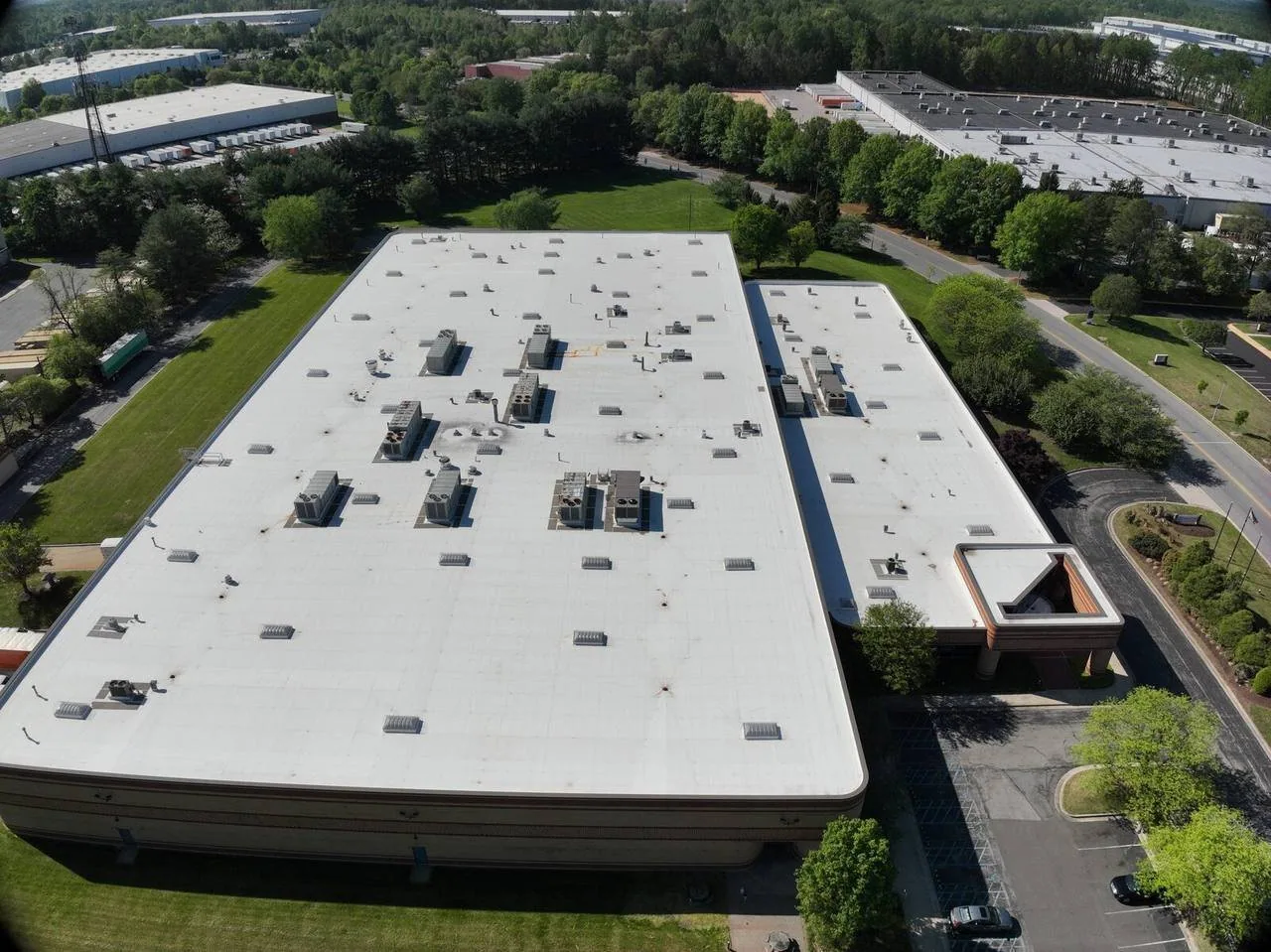
A rating is useful only if the scale stays fixed. Our scale runs from sections with no findings through sections that need monitoring, sections that need repair within the budget year and sections that have reached the end of reliable service. The definitions are written into the register, and each rating is tied to the findings that support it.
Ratings are not age estimates. A twelve-year-old section with dry insulation and tight seams can rate better than an eight-year-old section with a ponding record and three repaired laps. The facility director sees the evidence behind each number, and the capital request that follows rests on findings rather than on a calendar. The same logic runs through our written condition reports.
Rating changes are logged with a reason. If a section moves from monitor to repair, the entry names the finding that caused it: a new split, a wet core, a ponding record that now lasts more than two days after rain. A reviewer reading the file a year later can follow the decision without asking anyone what was meant.
Kenosha roofs go through about 36 inches of snowfall in a typical year, and the record runs from minus 31 degrees in January 1985 to 105 degrees in July 2012. Seams and flashings cycle across that range every year, so the log reserves two scheduled visits: one after the thaw and one before the first freeze.
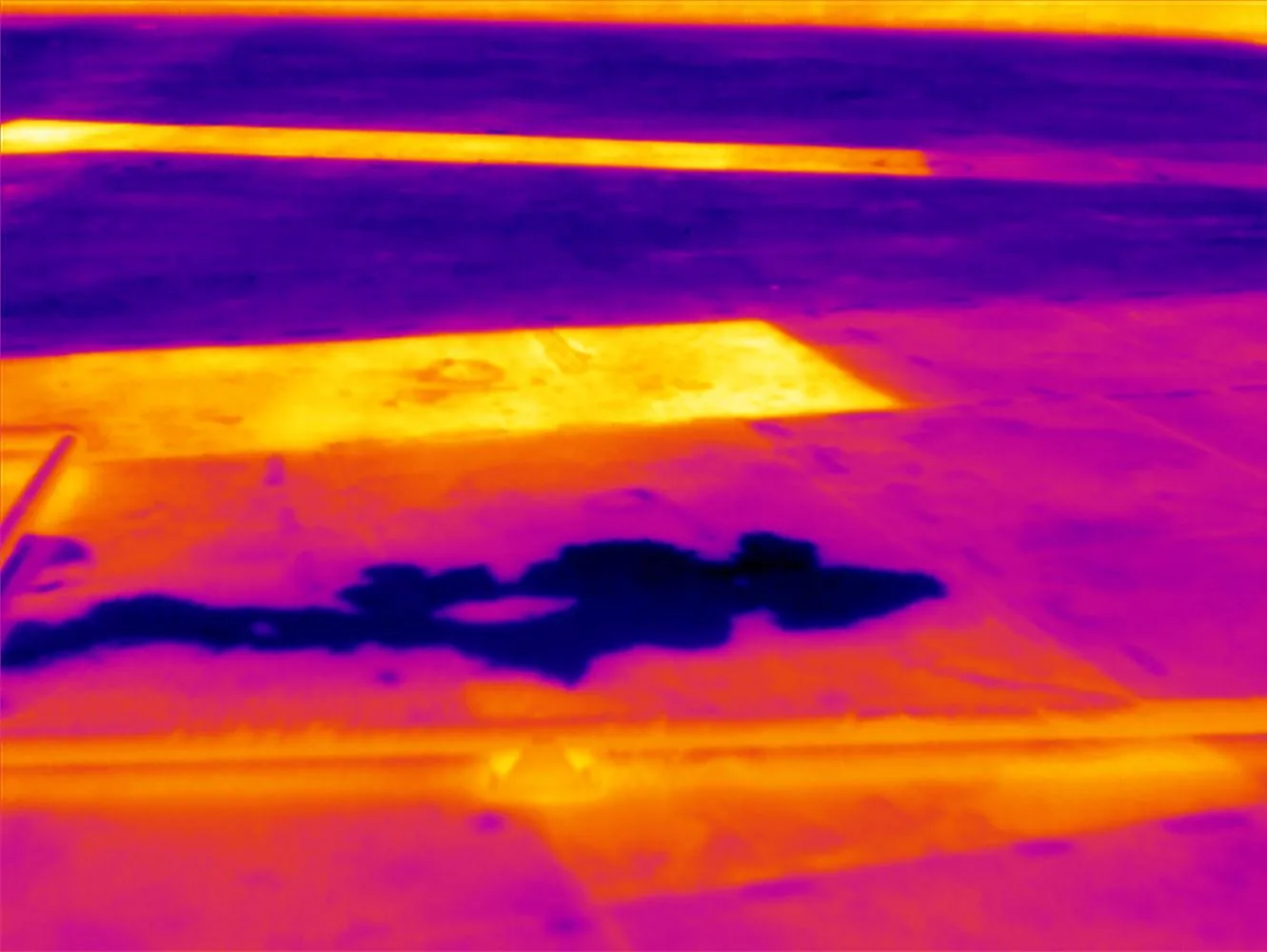
Each visit adds a dated photo set, a drain check and a list of changes since the previous visit. A commercial roof inspection supplies the baseline, and preventive roof maintenance supplies the small repairs that keep the findings from growing. Where a leak is suspected, a moisture survey adds a map to the log that shows which insulation is wet and which is dry.
Freeze-thaw cycling and lake exposure leave different findings. Kenosha County has about eight miles of Lake Michigan shoreline, so buildings near the lake face wind and freeze-thaw exposure from the water, and the log marks those sections for a closer look after each winter. Tornadoes that touched down in Somers and on Kenosha's north side in January 2008 are the reason edge metal, coping and perimeter laps are checked first and written into the record.
The register also records what each section has cost to keep dry. Every repair carries a date, a description, the materials used and a before and after photograph. Over several years, the repair count per section becomes the clearest argument for or against replacement.
A section that needs one repair in three years sits in a different category from a section that needs three repairs in one winter. The facility director can place those sections side by side, see the pattern and decide with documented evidence. This is the same record that supports a capital plan and that an insurer or lender may ask to see after a loss or before a refinancing.
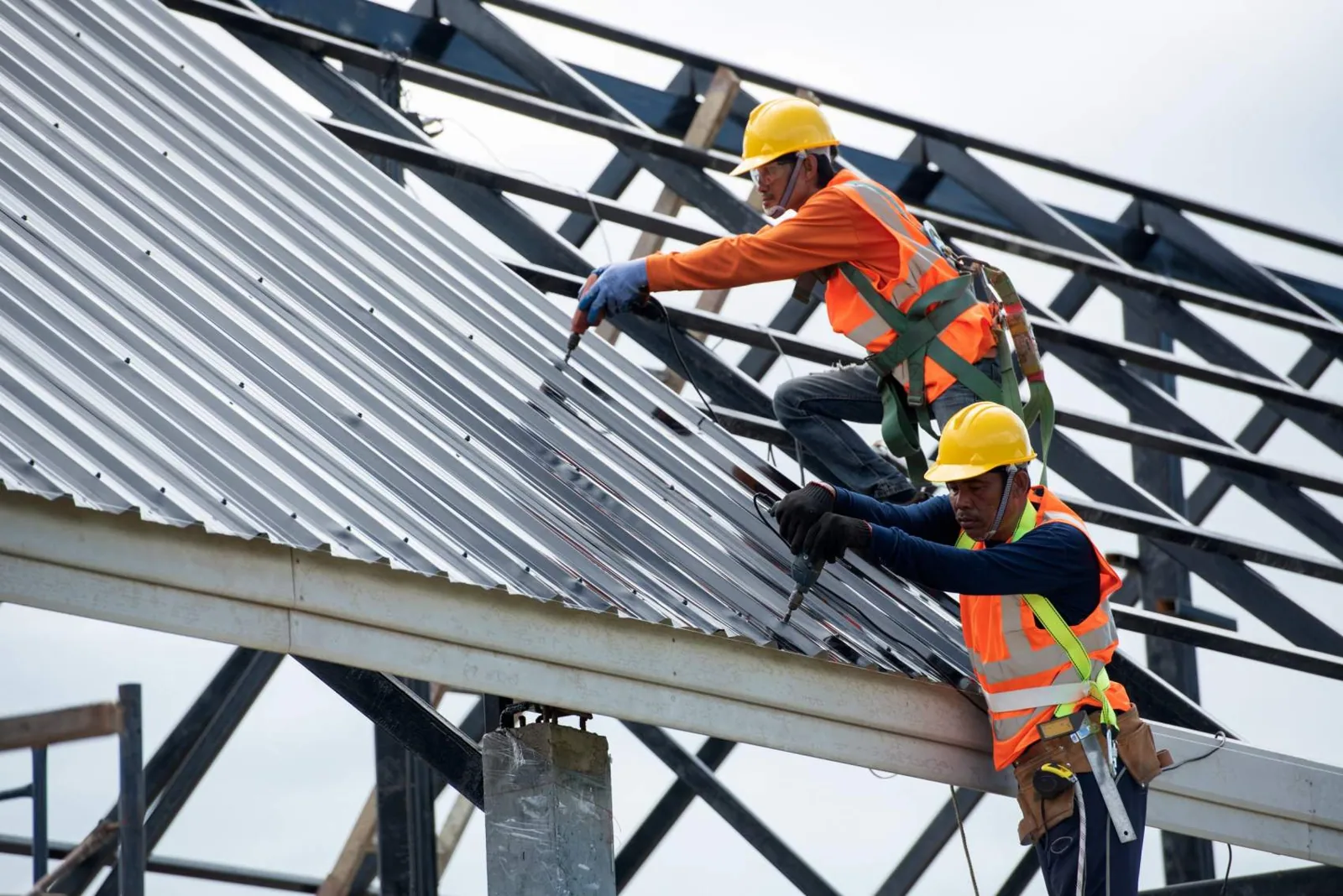
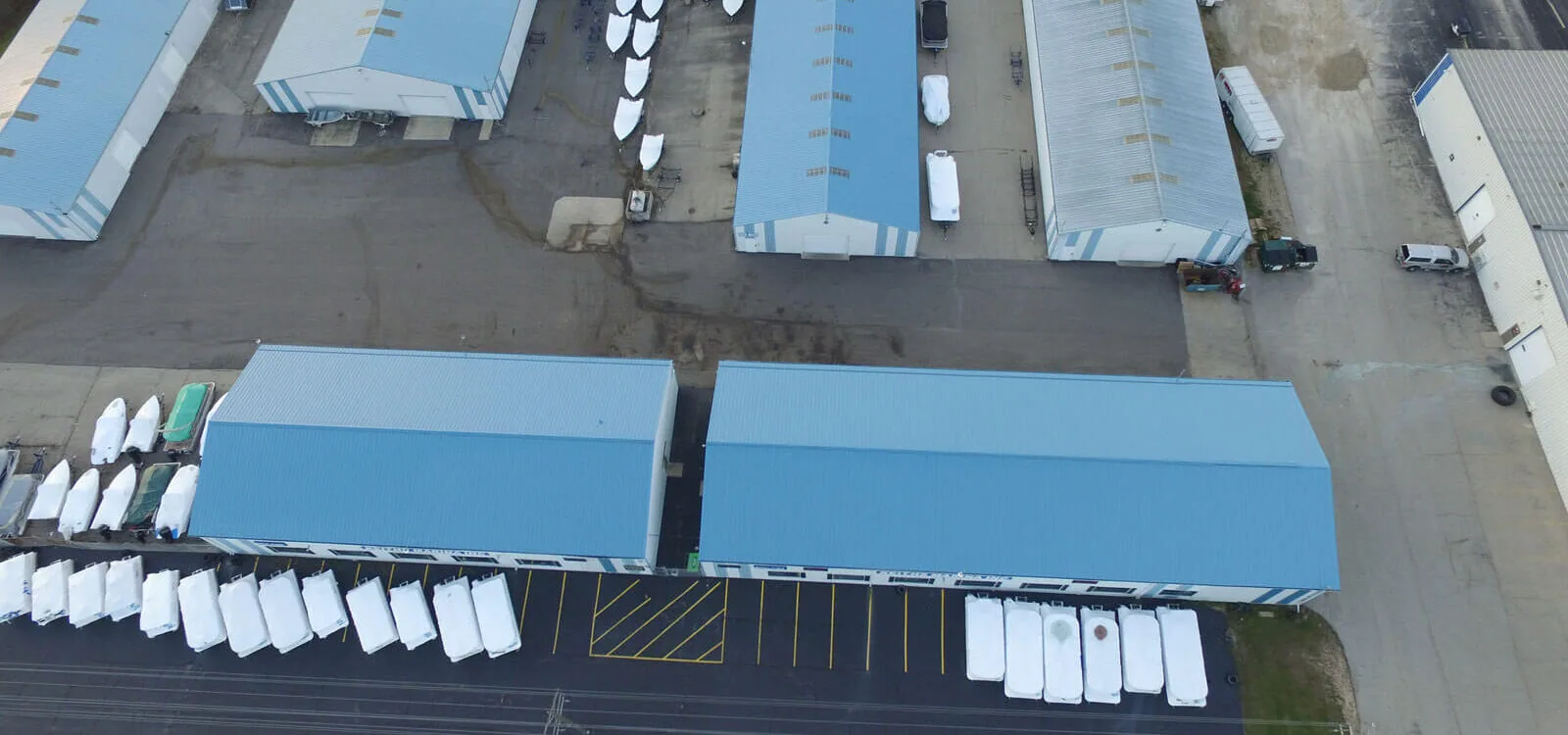
A Kenosha portfolio rarely holds one type of building. A portfolio here can span Pleasant Prairie's LakeView Corporate Park, with its more than 80 companies, Racine County's manufacturing plants, the city's two hospitals and the HarborPark district, and each of those brings different tenants and constraints. The register handles them in one structure, with notes on access, operations and tenant hours for each building.
For a facility team, that structure reduces the number of questions a new manager has to ask. The register shows what is on each roof, who last inspected it, what was found and what was left alone. Owners with sites in several states can move to a multi-site roof program, which applies the same register to every location.
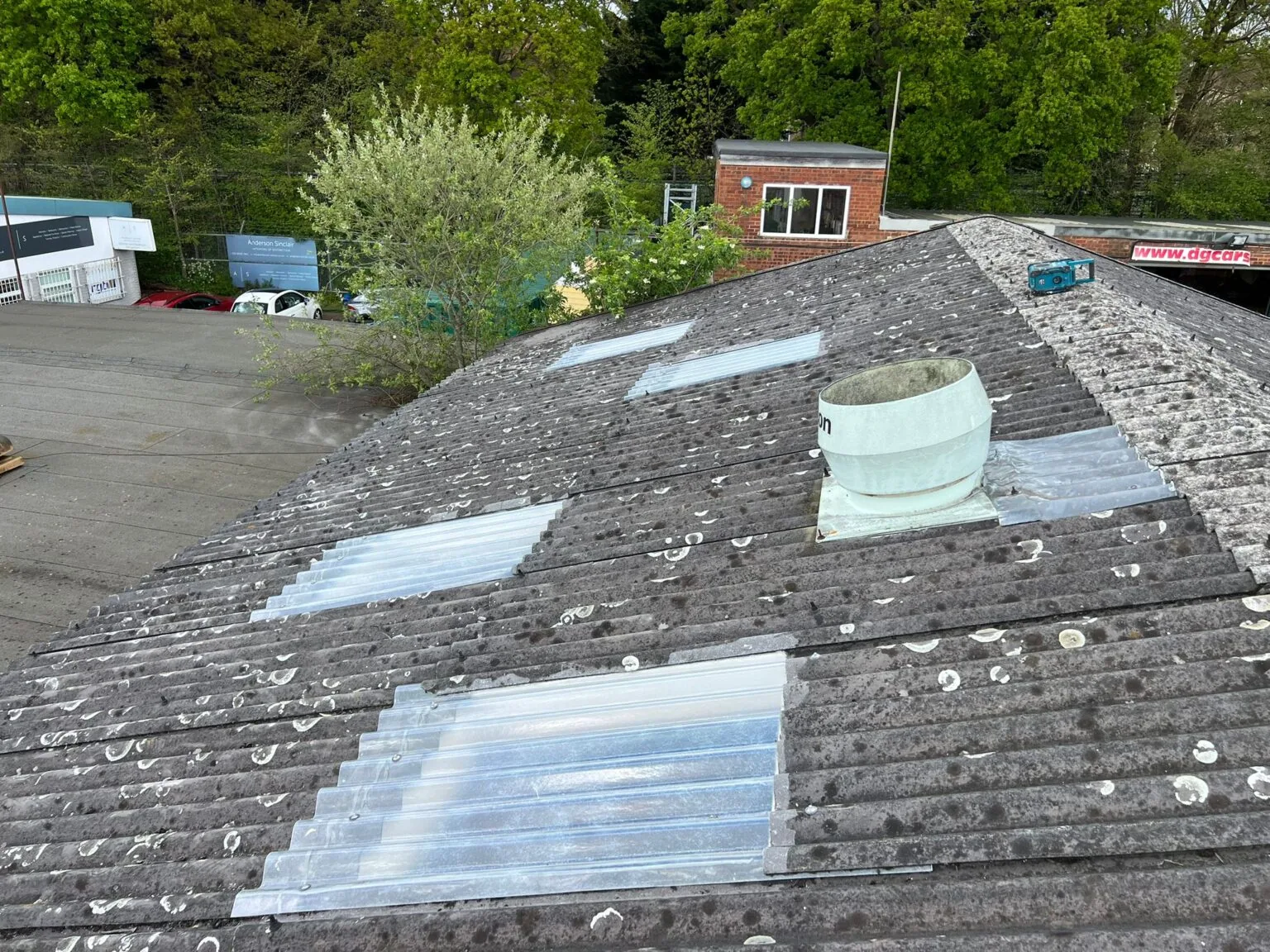
Every visit ends with a close-out package. It holds the dated photo set, the updated roof plan, the list of changed ratings and the work orders recommended. The facility director receives it as a file that can be forwarded to a finance committee or a property manager without further explanation.
When the owner changes contractors or staff, the package makes the handoff short. The next inspector opens the register, reads the findings and starts from the last photograph rather than from zero. That continuity is the main reason owners keep the register current even in years when no work is scheduled.
For a facility team that carries several buildings in one budget, the packages also show where attention is going. A building with three consecutive visits and no new findings can move to a lighter schedule, while a building with a rising finding count moves up the list for a baseline survey and a repair estimate.
Keep Reading
Commercial roofing in Racine, WI for manufacturing plants, retail centers and lakefront buildings, with dated findings, moisture surveys and condition ratings.
Written roof condition reports with dated photos for Kenosha, WI buildings: numbered findings, moisture data, condition ratings and a repair-first list.
Hands-on commercial roof inspections in Kenosha, WI with dated photos, a marked roof plan and a written condition rating you can attach to a capital request.
Scheduled preventive roof maintenance in Kenosha, WI: drain checks, seam and flashing logs, dated photo sets and work orders for facility directors.
Roof capital planning for Kenosha, WI owners: condition ratings, core cut results and replacement timing arranged into a budget request a committee can review.
Commercial roofing in Pleasant Prairie, WI for LakeView and Prairie Highlands industrial buildings, with seam, drain and curb findings recorded and dated.
Roof plans if they exist, any prior reports, warranty documents and repair history. If none exist, we create the plan during the first walk and build the history from what we find.
After every visit, and after any repair or storm event. The two seasonal inspections are the minimum, and a post-storm check is added when the owner reports damage.
It supplies dated photographs and prior condition ratings, which show the roof before the loss. Coverage decisions remain with the carrier.
The owner. The register, the photographs and the reports are delivered as files the facility team can keep, share with a lender or hand to the next contractor.
Yes. It holds the warranty file with inspection dates, repair records and contractor sign-off notes, so the owner can show that the maintenance terms were met.