
Why does my leak appear far from where the roof is damaged?
Water follows decking, ducts and insulation before it drips. The interior stain marks the exit, so the trace works backward from it along the likely flow lines.
Leak tracing and repair for Kenosha, WI commercial roofs, built on interior photos, a leak history log, moisture mapping and a written cause finding.
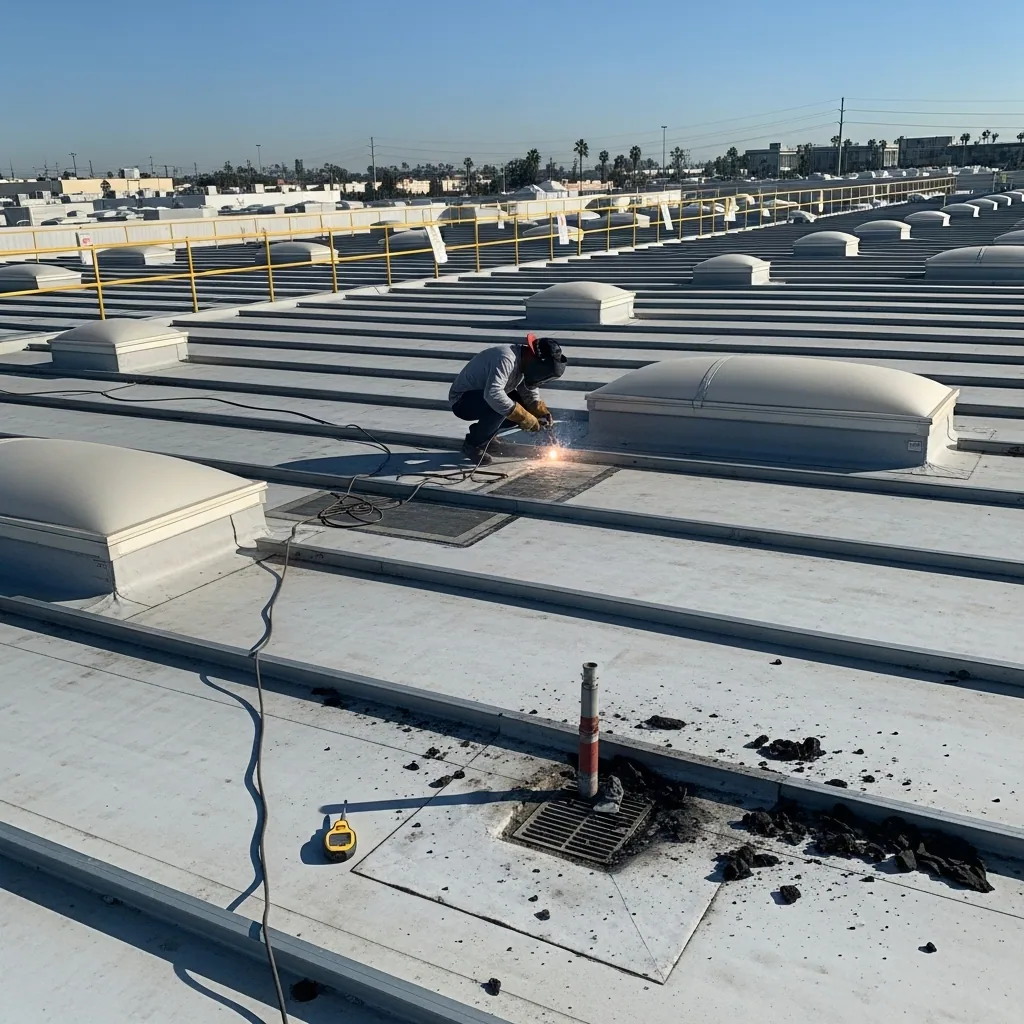
Leak tracing begins with paperwork. Before a crew steps onto the roof, we ask for the dates of each reported leak, photographs of the interior damage, the weather on those days, and the maintenance history. A leak that appears only in a northeast wind points to a different detail than one that appears after a thaw, and a leak that appears only on Mondays after a weekend freeze points somewhere else again. In Kenosha, WI, where freezing and thawing repeat for months, that pattern is often the fastest route to the entry point.
The roof visit then tests the pattern against what we can see. Our aim is a written cause finding, not a bucket of sealant on the nearest crack.
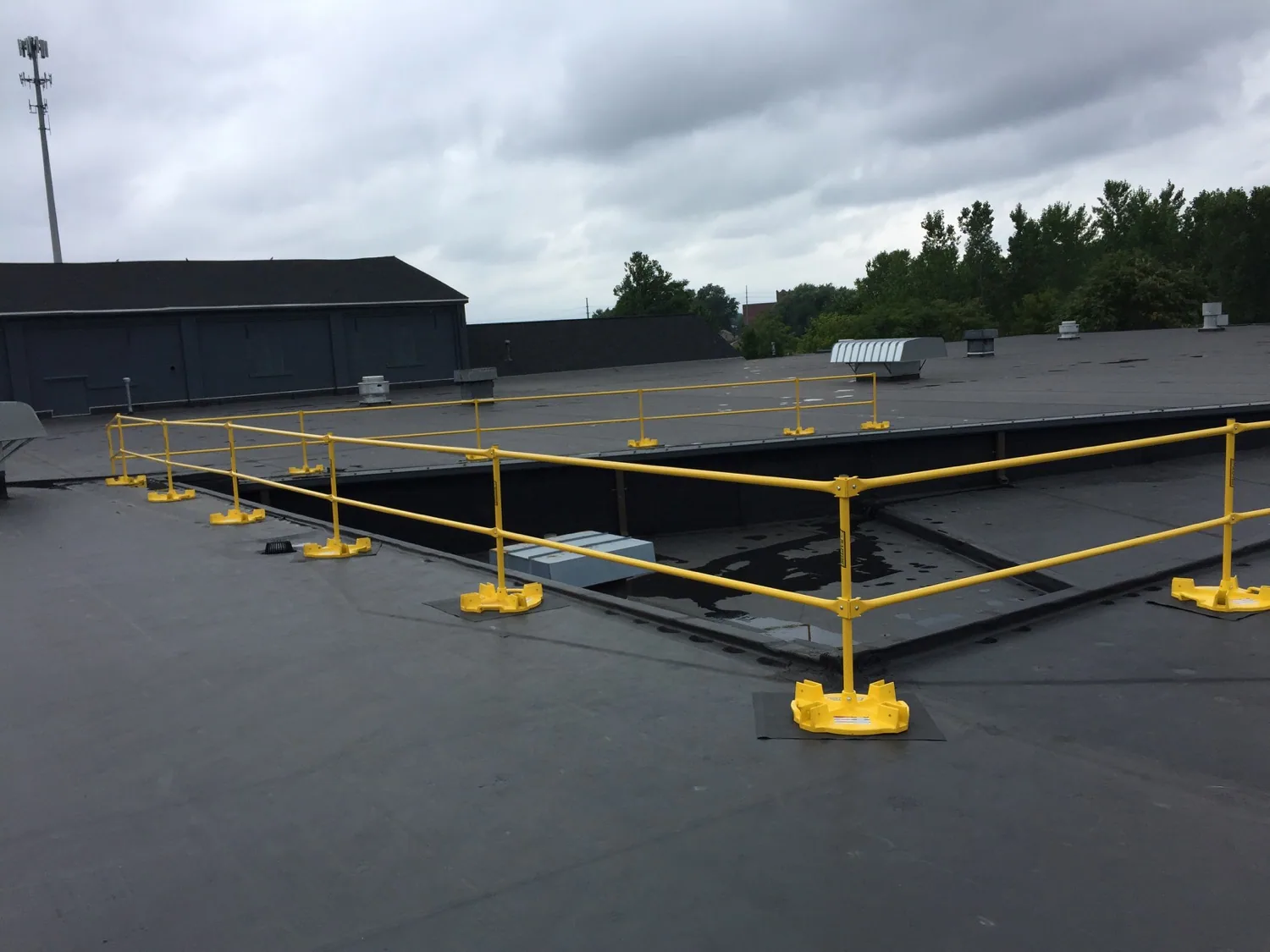
The history log is a simple table: date, location inside the building, weather, and what was done. Facility teams usually have the pieces scattered across email, work orders and memory. We assemble them and photograph the interior marks so the stains can be compared with the roof plan. Water travels along decking, ducts and conduit before it drips, so the interior location is a starting point, never the answer.
Where several leaks share a line on the plan, we suspect a seam, a drain run or a roof-to-wall junction. Where they scatter, we suspect saturated insulation moving water sideways under the membrane. That distinction drives the next step, because a seam can be repaired in place while a saturated area needs the infrared and core-cut survey to define its edges.
The log is kept after the repair. If the same interior location leaks again, the file shows the earlier cause and the earlier fix, which narrows the search sharply.
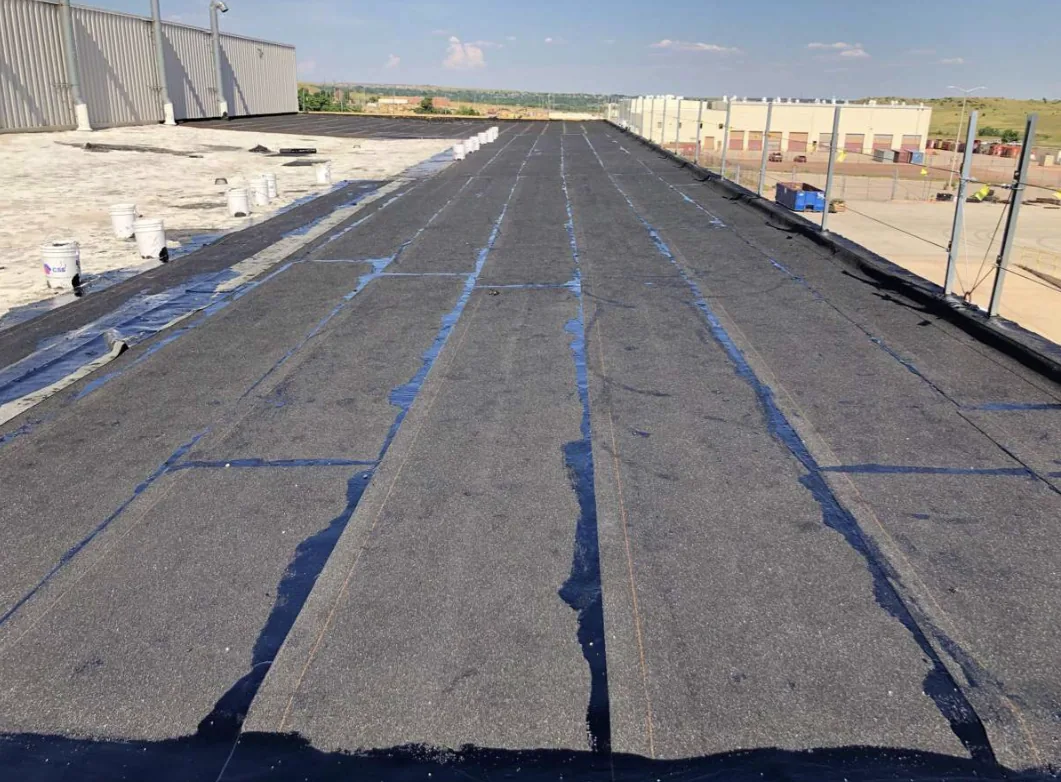
On the roof, we work from the highest suspect point downhill. First comes a visual walk with the plan in hand, photographing defects at every penetration, drain, curb, wall junction and seam run. Then we test: isolated water tests on a single detail at a time, starting with the highest and working down, with an observer inside the building confirming when water appears. One detail at a time is the discipline that makes the result trustworthy.
Electronic leak detection can pinpoint membrane breaches on some roof types, and infrared imaging reveals wet insulation after sundown when the roof releases stored heat unevenly. Neither replaces the walk. We use each tool when the roof type and the history justify it and record what it found, including negative results, since a clean test eliminates a suspect and saves time on the next visit.
Common entry points are consistent across buildings: pipe boots with cracked collars, flashing that has pulled away from parapets, open laps, clogged drains that hold water above the membrane, and punctures from foot traffic or fallen debris.
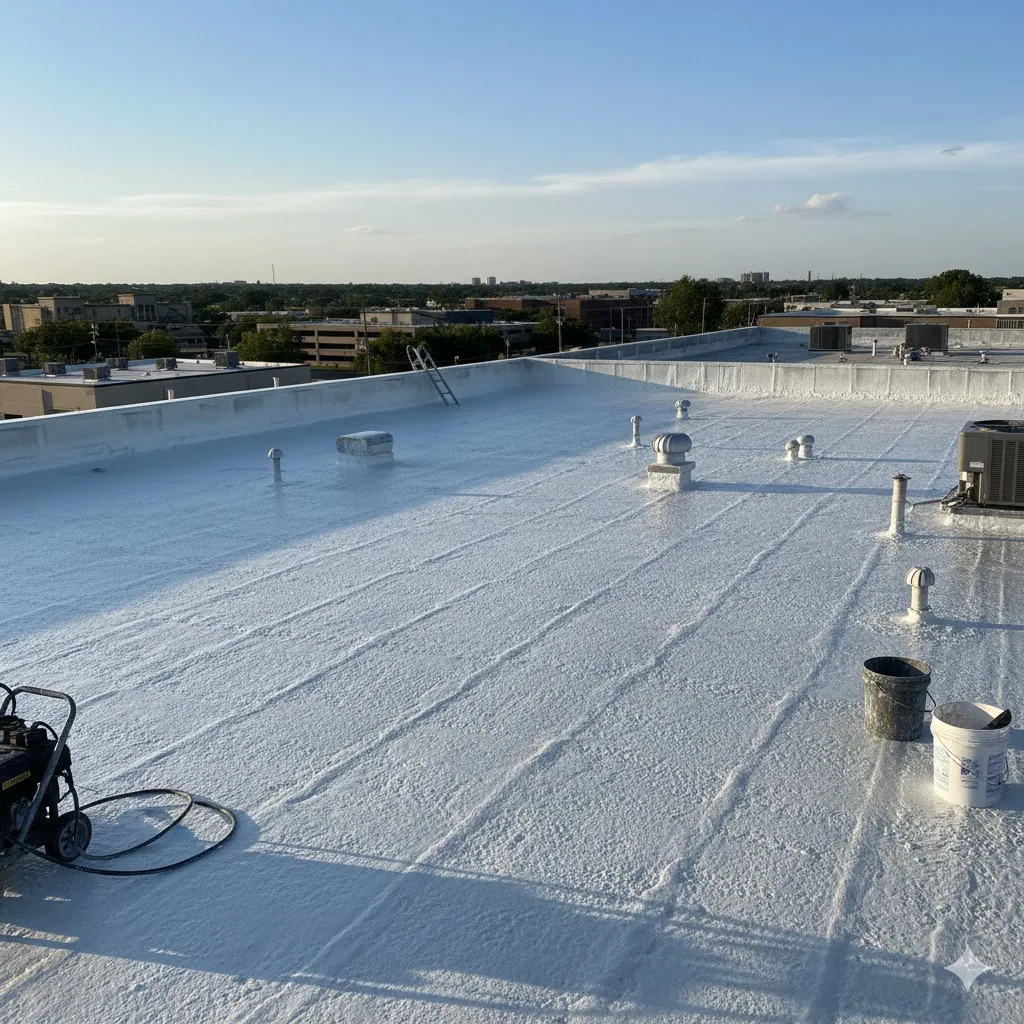
Kenosha leaks have a seasonal signature. Snowfall averages about 36 inches a year, with January and February the snowiest months, so the roof spends much of the winter under a blanket that melts unevenly. Meltwater runs to drains and walls, refreezes, and backs up under flashings that were tight in summer. The leak appears days later, inside, while the roof is dry and the weather has turned.
We look for ice at drains and scuppers first when a leak follows a thaw. Drain bowls, clamping rings and sump pans all matter, and a ring of residue or debris around a drain tells us how long it has held water. Where the roof has persistent ponding, the leak may be a symptom of slope, and the repair needs to address drainage or the leak will return.
Winter repairs are temporary when the temperature prevents proper adhesion. We say so in the finding, install a durable stop-gap, and schedule the permanent repair for a suitable day, with the date recorded.
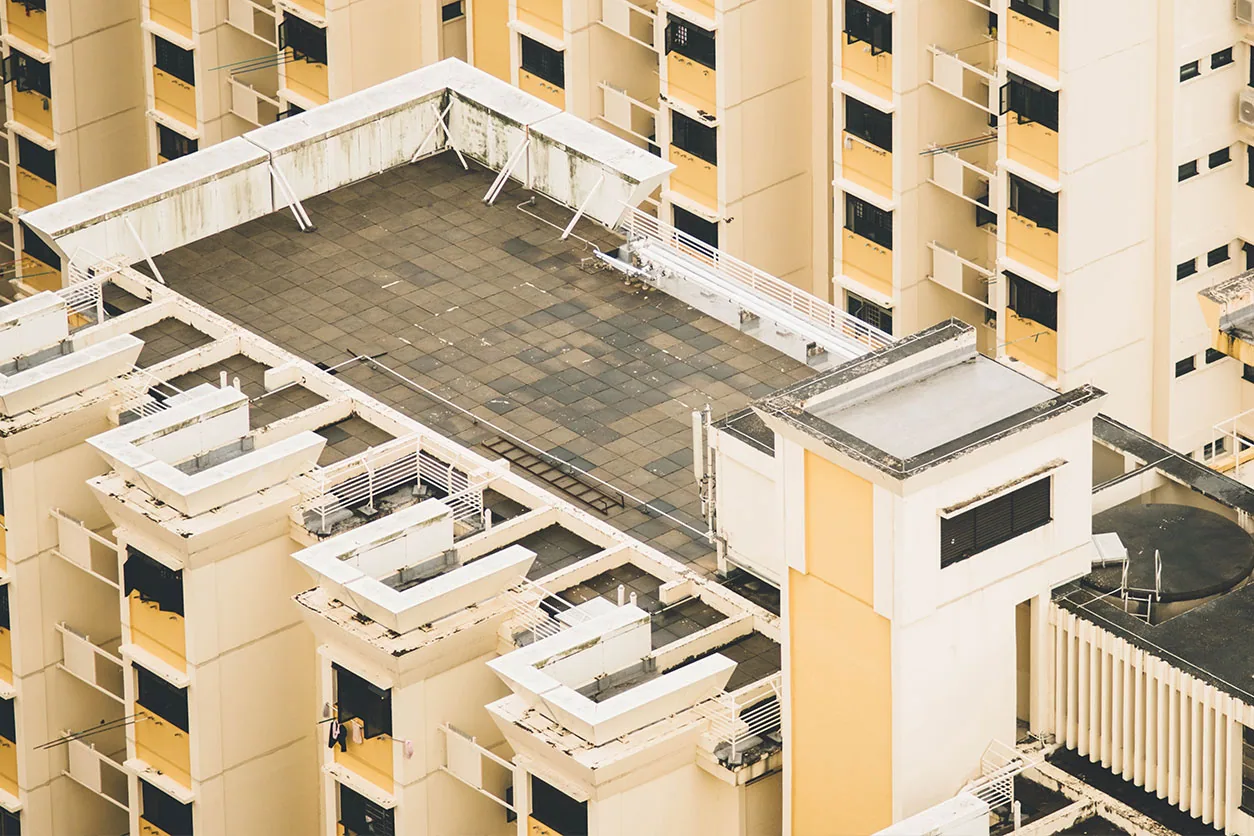
The consequence of a leak depends on what is beneath it. Over a distribution warehouse in Pleasant Prairie's LakeView Corporate Park, water threatens stored goods and racking. Over a school, a clinic or an office, it threatens ceilings, electrical equipment and occupants. Over a plant, such as those in Racine, it can reach production equipment and floors that people walk on.
We therefore rank leaks by consequence as well as flow. A slow drip over an electrical room can outrank a larger leak over an empty bay. On school roofs and on campus buildings, with the University of Wisconsin-Parkside in Somers as the nearby example, facility staff are brought in so interior protection goes in before the repair starts.
Until the entry point is repaired, the interior needs protection. We recommend moving stock and equipment out of the drip zone, placing catch basins with a dated reading of how much water collects, and covering electrical gear. Those readings are useful: a basin that fills after every rain points to a roof-level opening, while one that fills only after a thaw points to meltwater and drainage.
We also photograph ceiling tiles and wall cavities before anything is removed. Wet drywall and insulation may need to come out to stop mold, and the photographs show the extent of the loss for the owner, the tenant or the carrier. Our crews note the humidity and temperature in the affected space when they can, since persistent dampness after the roof is sealed usually means moisture is still trapped in the assembly.
After the repair, we ask for a follow-up report after the next significant rain or thaw. A leak is not closed until it has been tested by weather, and the report is added to the log with the date and the conditions.
Every leak repair ends with a written cause finding: what entered, where, why, and what was done. It includes dated photographs of the entry point, before and after, and the leak history updated through the visit. If the leak resulted from storm damage, the finding gives the insurer what an adjuster needs: location, apparent cause, and observed condition. If it came from age or neglect, the finding says that too, so the owner can plan accordingly.
A leak that is traced and recorded also feeds the larger plan. Repeated leaks in the same roof section suggest a planned repair or a section replacement, and the log makes that case without argument. If a leak is active now, emergency response can tarp or dry in the area while the full trace is scheduled.
Owners in Waukegan and elsewhere on the Illinois lakeshore receive the same trace-and-record service as owners in Kenosha.
Keep Reading
Infrared scans and core-cut verification for Kenosha, WI commercial roofs, producing a numbered moisture map that separates wet insulation from dry.
Flashing failure repair in Kenosha, WI: wall, curb and penetration flashings inspected, photographed and rated, with repairs matched to the roof system.
Membrane puncture and foot-traffic damage repair in Kenosha, WI: walk-route wear mapped, punctures photographed and sealed, with walk pads and a follow-up date.
Ponding water roof repair in Kenosha, WI: depth and duration logged after rain, drain checks, moisture survey and a repair scope tied to the cause.
School roofing in Kenosha, WI: dated inspection files, snow and freeze-thaw findings, and summer reroof plans a district can attach to a capital request.
Planned membrane, flashing and seam repair for Kenosha, WI commercial roofs, with dated photos, a marked roof plan and a written repair log for every visit.
Water follows decking, ducts and insulation before it drips. The interior stain marks the exit, so the trace works backward from it along the likely flow lines.
Water can be stopped in winter, but adhesion in the cold is limited. We install a durable temporary repair, note it in the log, and schedule the permanent repair for a day when materials can bond.
A single-detail leak may take hours. A scattered pattern in a large roof can take days, because each suspect detail is tested separately and the results recorded.
Yes. If the log and the survey show wet insulation or repeated failures across the roof, the finding recommends a section or full replacement and shows the evidence.
Any leak dates, interior photographs, past repair invoices and the roof plan if one exists. Even partial records shorten the trace.