
How does exhaust discharge affect a plant roof?
It can soften or stain the membrane near the fan and shorten the life of nearby seams. We record the extent, test the surface and recommend a protective pad or a more resistant membrane where needed.
Roof inspection logs, moisture surveys and shutdown-window plans for manufacturing plants in Kenosha, WI and Racine County, with a dated condition rating.
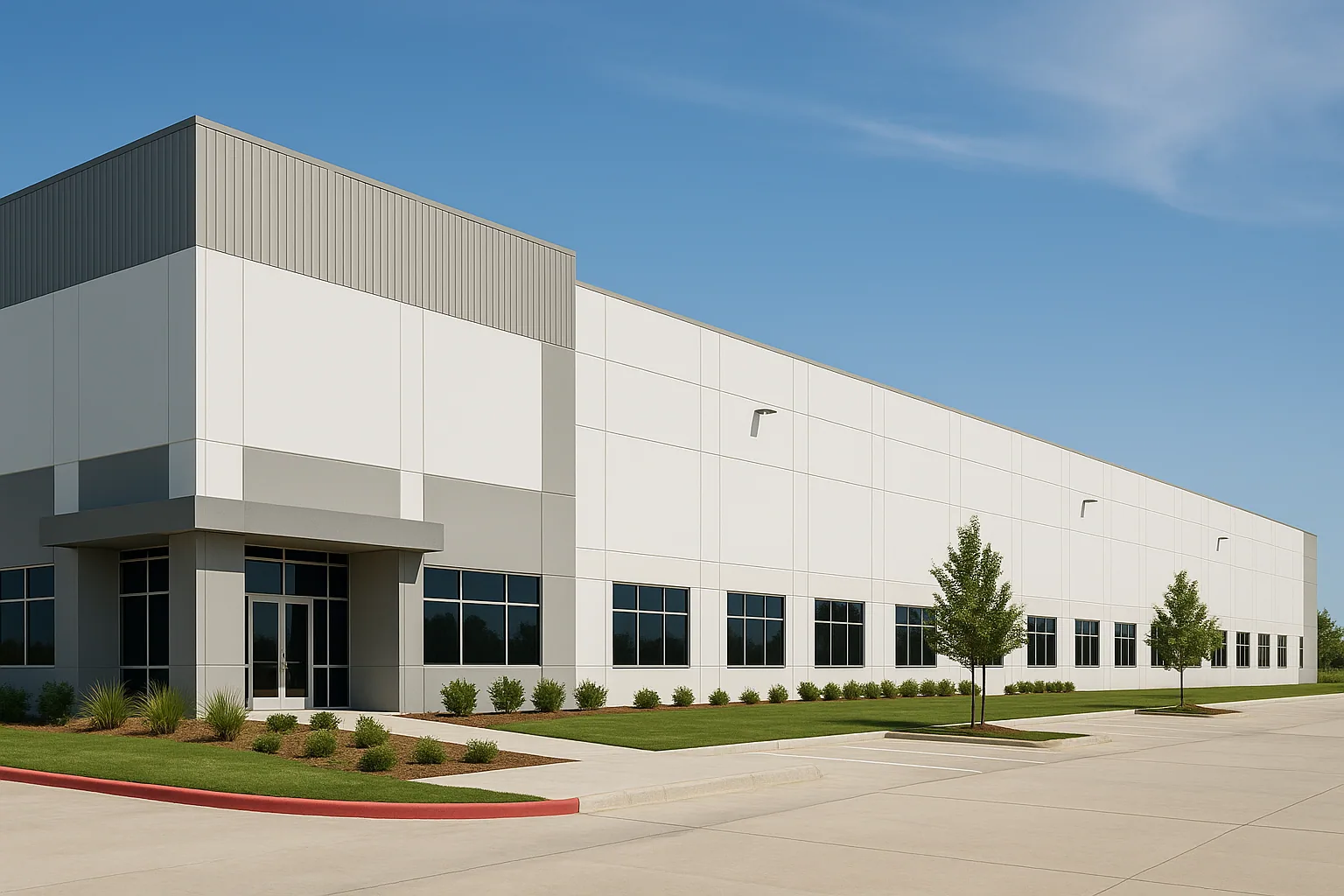
A dark, tacky ring of membrane around an exhaust fan is a finding a plant engineer can photograph from the ladder. It tells you the discharge is reaching the roof, that the surface has changed, and that the seams nearest the fan are the ones to test first. It also tells you what to write in the inspection log before anyone argues about it.
Plants collect rooftop equipment, process exhaust and interior humidity that general commercial buildings do not. We inspect with that in mind, and each finding is logged with dated photographs, a spot on the plan and a rating. The file is built for a plant engineer, a maintenance planner and a corporate capital committee to read in the same format.
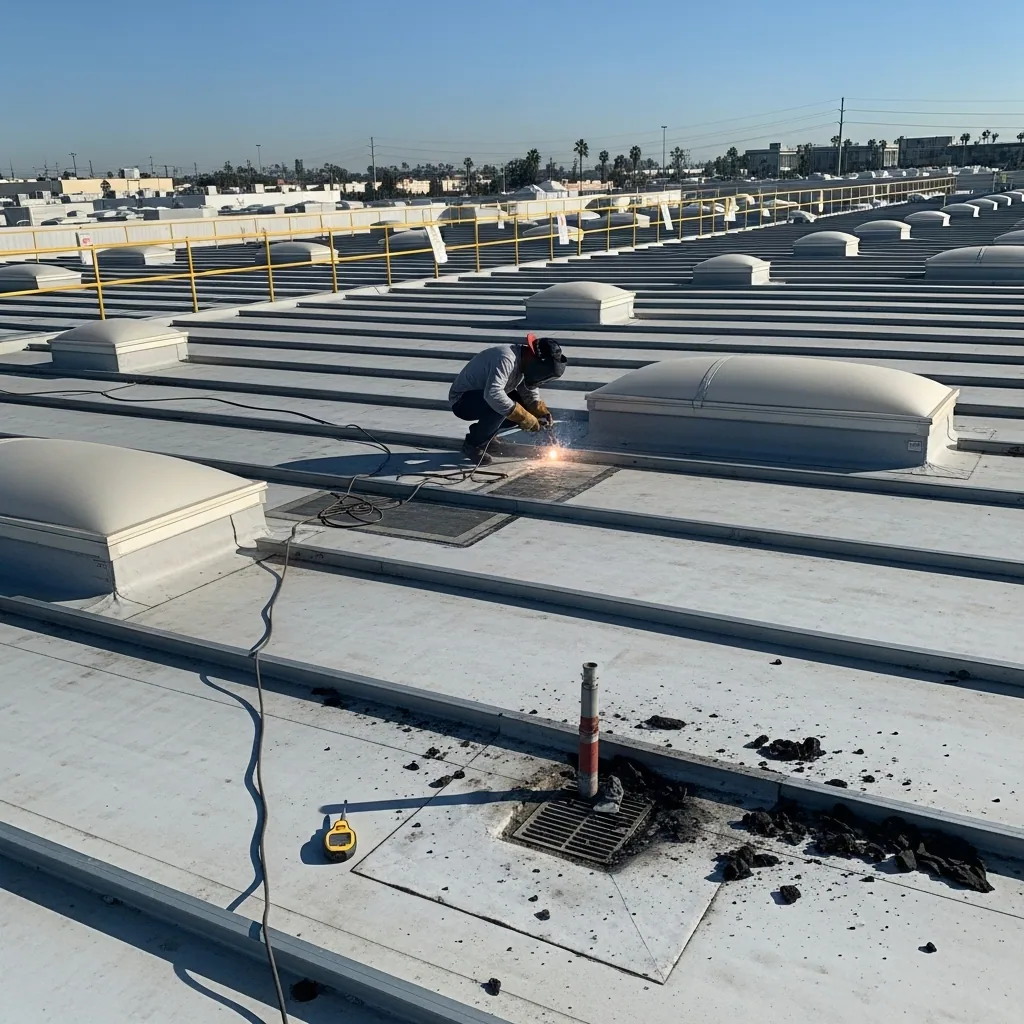
Four findings are typical of plant roofs. Exhaust discharge softens or stains the membrane near fans. Abandoned penetrations from retired equipment were capped in a hurry and now leak. Roof traffic from maintenance staff wears the surface along walking routes. Interior humidity condenses on the underside of the deck in winter and wets the insulation from below.
Each one is recorded separately, because each one calls for a different repair. A stained membrane may need a protective pad. An abandoned curb needs a proper flashing or removal, and active equipment curbs need their sealant checked. Wet insulation needs a core cut to confirm the extent, and a moisture survey to map it.
Ponding near process equipment gets a measurement, not a description. We record the depth in inches, the time after rain, and the drain nearest the pond. A pond that persists beside a heavy unit points to deck deflection, and that finding goes to the plant's structural engineer with the photographs.
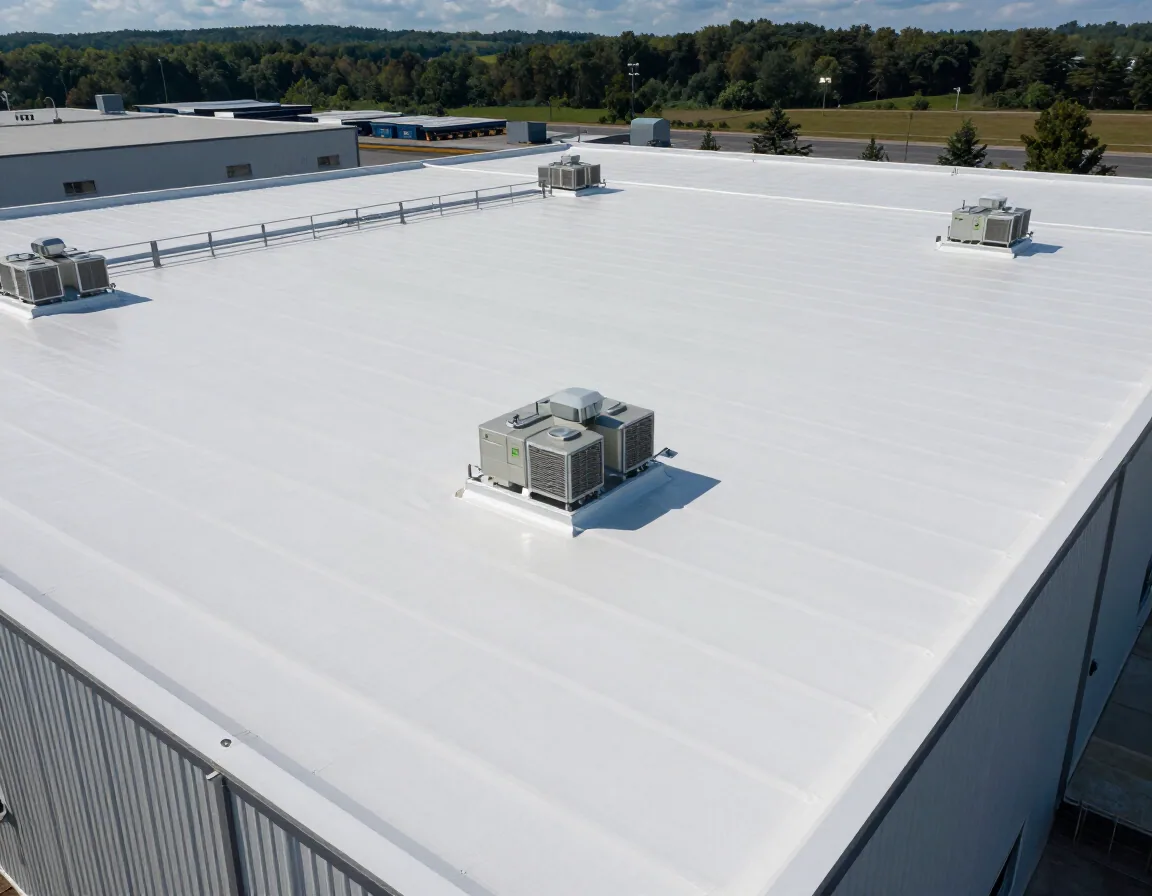
Every roof section gets a log line with the equipment it carries, its penetrations, its drains and its condition rating. The log is tied to the plant's own equipment schedule, so a retired unit and its curb show up as an action item, not as a mystery in the corner of a roof.
Photographs are numbered and dated, and the plan marks each shot. When a maintenance supervisor asks what changed since last spring, the answer is two pages open side by side. That comparison is the most useful thing a roof file can offer a plant.
The log also keeps a short list of questions for the plant: which units run around the clock, which exhausts carry process vapor, and which rooms below are sensitive to leaks. Those answers shape the ratings. A defect over a clean room or an electrical room moves up the list no matter how small it looks from the deck.
Racine is home to the S. C. Johnson headquarters, and the county's largest manufacturers also include Modine, Dremel, Reliance Controls, InSinkErator and Case IH, whose Case New Holland plant builds tractors in Racine. In Kenosha, Snap-on has its world headquarters, and manufacturing made up 11.7 percent of the city's workforce in 2010. Sturtevant lists Ruud Lighting, BRP US and Andis Company among its largest employers.
What these plants share is a need for a plant-roof file that fits a production calendar. Corporate owners and logistics operators that share campuses with production use the same table. Owners of manufacturing plant roofs in Racine and Kenosha use the same table, and so do owners of flex industrial buildings nearby.
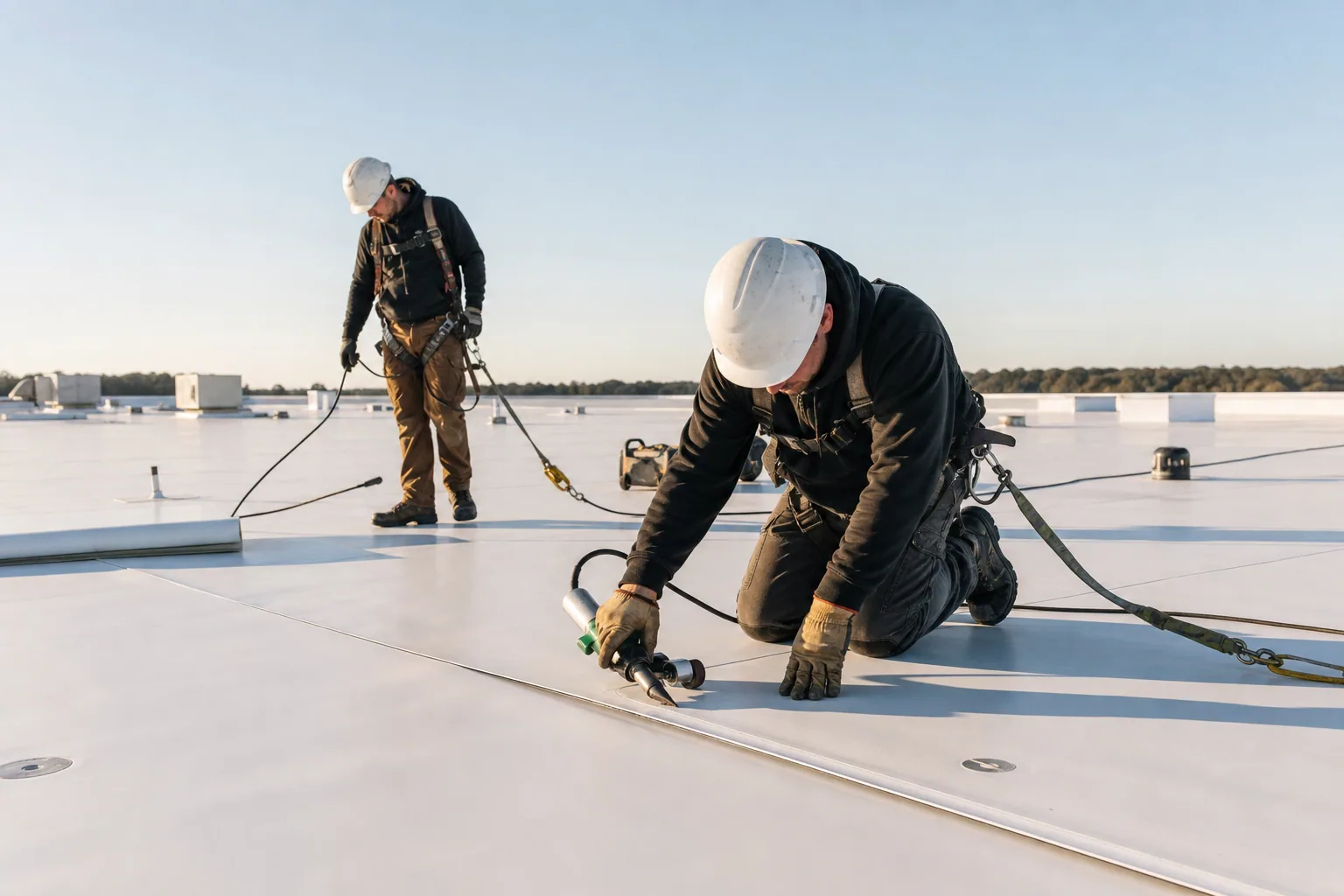
A plant rarely stops for a roof. The scope lists each section with a work window, a protection plan for the production floor below, and a stand-down rule for days when the line cannot tolerate noise. A general contractor running a plant expansion gets the same window sheet, so the roof tie-in lands in the right week. Where a plant has a planned annual shutdown, we place the largest section in it and show what finishes inside the window and what continues afterward.
Rooftop equipment stays running whenever safety allows. We coordinate with the maintenance team on shutdowns, mark exclusion zones around active exhaust, and photograph the protection before work starts each day. The photographs go into the log with the date.
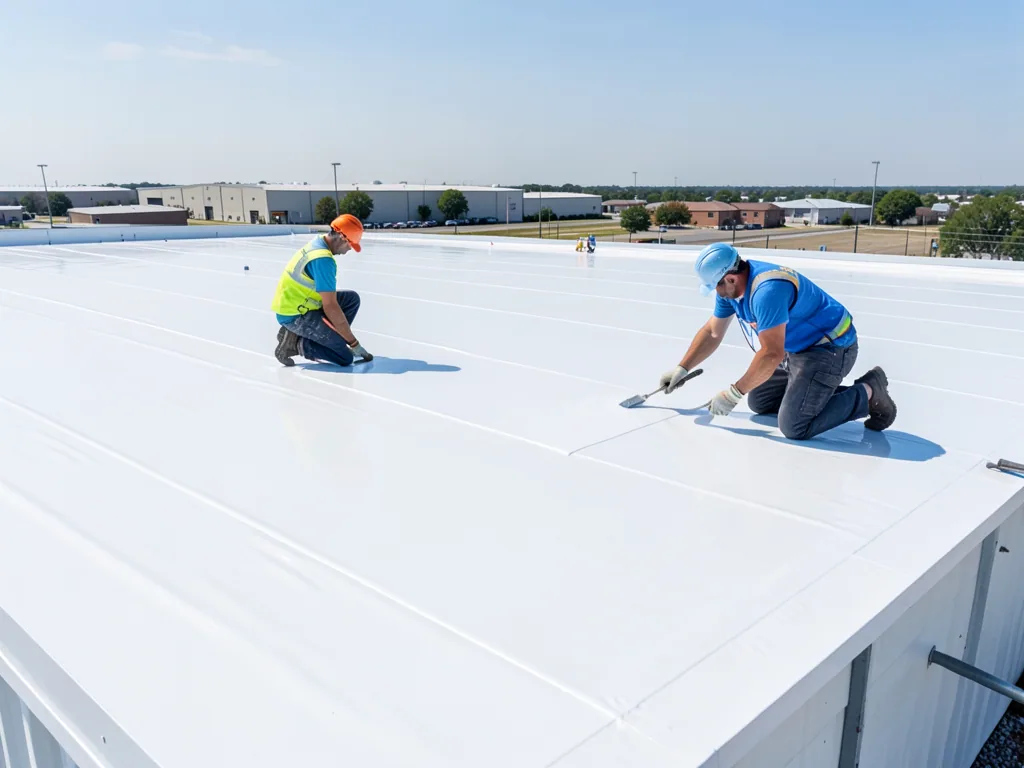
A plant's roof competes with equipment, tooling and building upgrades for the same capital. A rating table lets the plant engineer rank sections and defend the order. A sound section waits on the inspection calendar. A poor one goes on the request, with a cost range and the photographs behind it.
Where a recover is possible, a core cut proves it. Where wet insulation is found, the core record shows why tear-off is the sound choice. The capital committee sees the evidence, not a recommendation alone.
Corporate owners with several plants can stack the tables. One page shows every plant's worst section, its rating and its cost range. The committee funds the worst sections first and defers sound ones, and the log shows why.
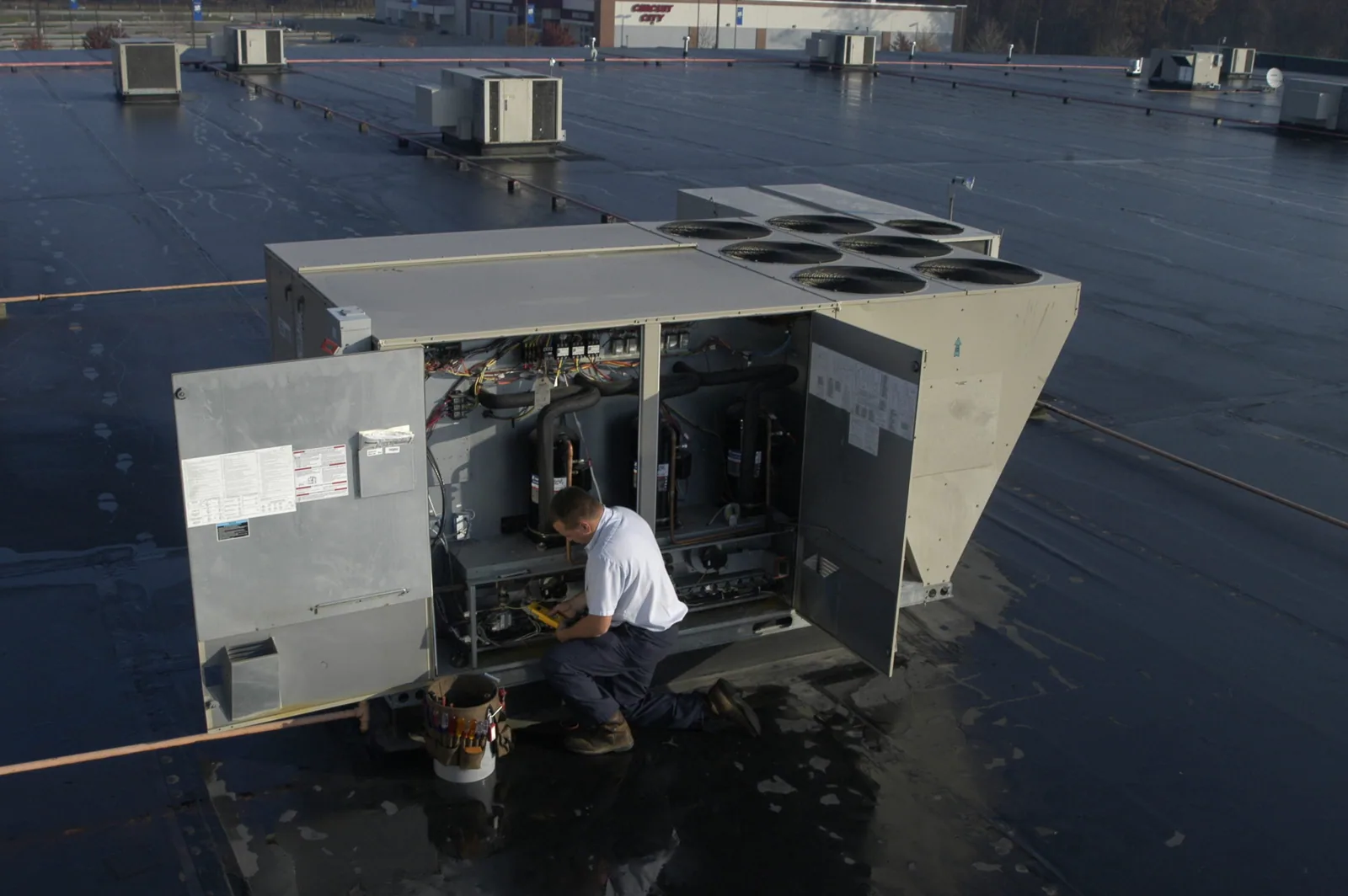
A plant roof here cycles hard: roughly 36 inches of snow in a normal year, and a record low of minus 31 degrees Fahrenheit set in January 1985. Heated interiors push warm, humid air toward the deck while the outside surface freezes. A fall drain check and a spring condensation check, both logged, catch most winter problems early.
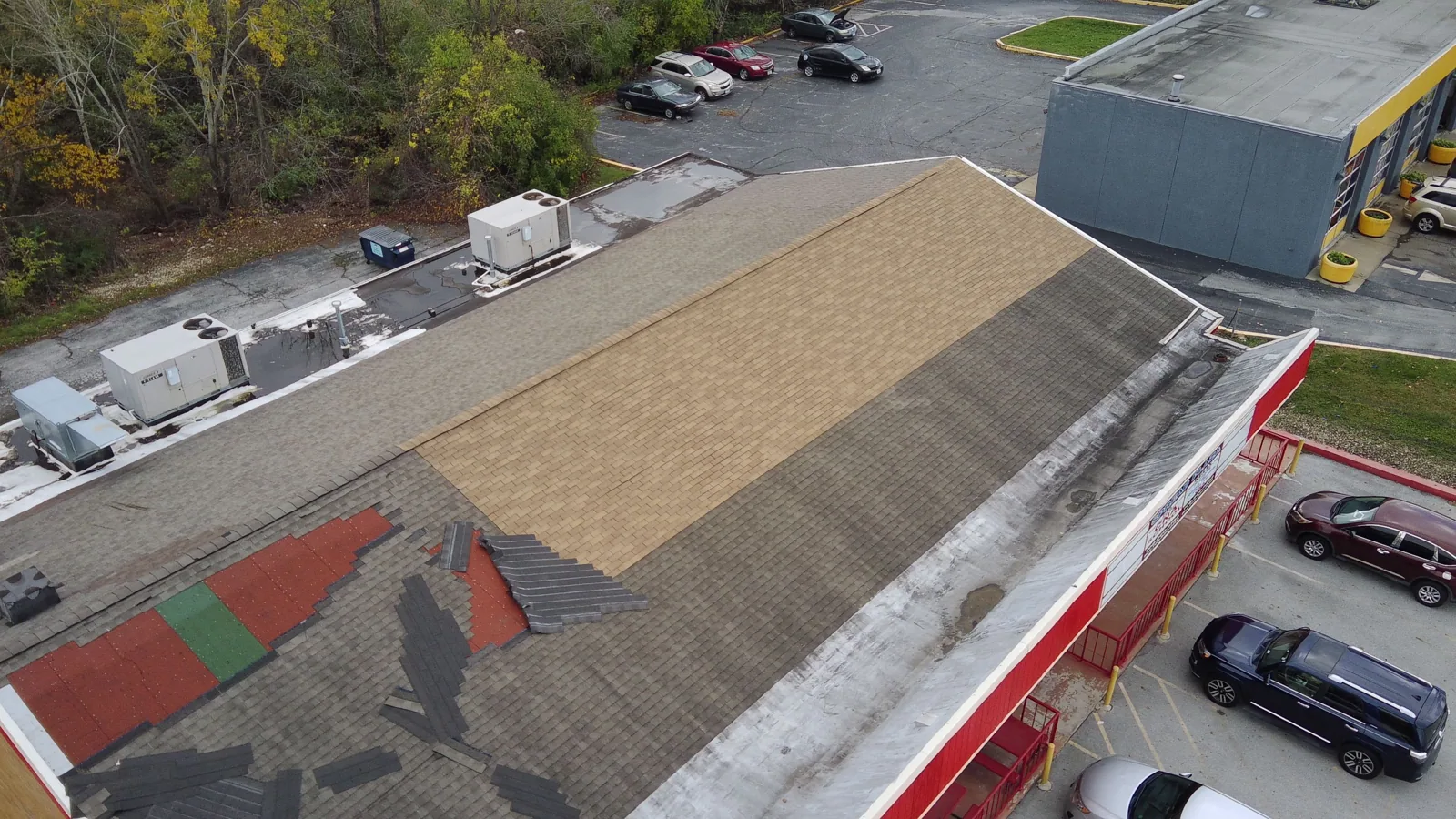
After a heavy snow, we also record drift locations beside rooftop equipment. Drifts hold meltwater against curbs, and the log shows which curbs see it every year.
The spring entry also notes which exhaust discharge points iced over and which stayed clear, since melt patterns show where heat leaves the building.
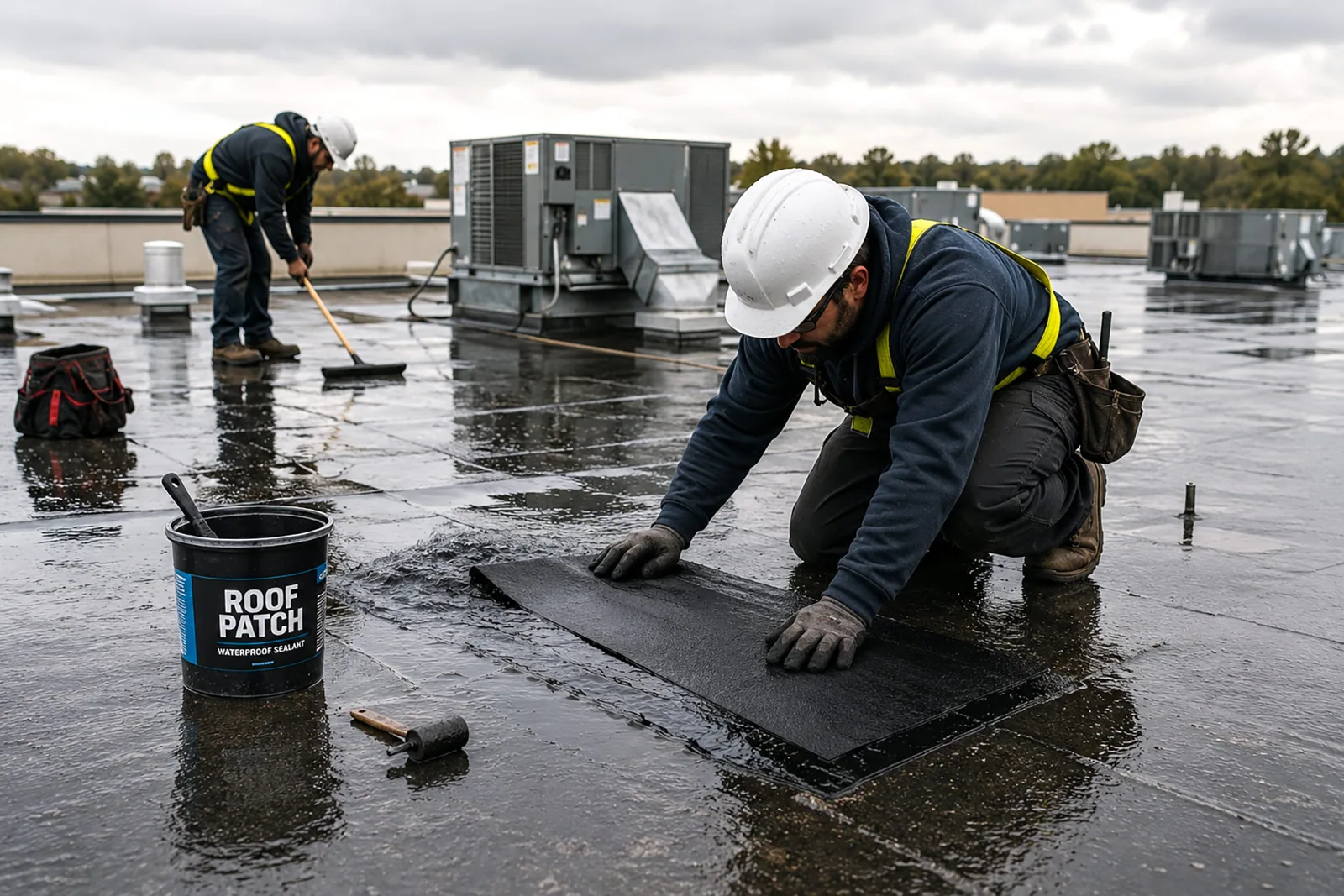
The plant's closing folder holds the last photo set, the as-built roof drawing, product sheets and the warranty file with its maintenance terms. The package notes which equipment penetrations were flashed or removed. The next engineer who adds a unit to the roof can see how the surrounding membrane was built.
Warranty files get a plain summary: who holds the warranty, what it covers, which maintenance it expects, and when the next inspection falls due. A missed required inspection can weaken a warranty, so the date goes on the plant calendar.
Keep Reading
Rooftop unit curbs, equipment supports and pipe supports in Kenosha, WI: height, flashing and load paths checked and logged to protect the membrane.
Infrared scans and core-cut verification for Kenosha, WI commercial roofs, producing a numbered moisture map that separates wet insulation from dry.
Commercial roofing in Sturtevant, WI for distribution warehouses, manufacturing and public buildings, with dated findings, core cuts and rated reports.
Dock-aware roof inspections, ponding records and phased replacement plans for logistics and 3PL operators in Kenosha, WI and Pleasant Prairie.
Manufacturing plant roof inspection, exhaust-zone mapping, repair and replacement in Kenosha, WI, with equipment lists, moisture surveys and condition ratings.
Commercial roofing in Racine, WI for manufacturing plants, retail centers and lakefront buildings, with dated findings, moisture surveys and condition ratings.
It can soften or stain the membrane near the fan and shorten the life of nearby seams. We record the extent, test the surface and recommend a protective pad or a more resistant membrane where needed.
Often, yes. Work moves section by section, with protection below and a stand-down rule for sensitive production hours. A written schedule goes to the plant engineer before the first day.
Each unit's location, curb, service dates and any retired status. We tie that to the roof plan so unused curbs show up as items to fix.
A moisture survey maps the suspect areas, and core cuts confirm them. The map and the core record go into the file.
Yes. One log format covers every plant, so a corporate engineer can compare ratings across sites and set the order of work.
A dated entry with photographs of drifts, damage and drain condition, and a note of any follow-up. The entry supports an insurance claim if damage is present.