Roofing for Property Management Companies in Kenosha, WI

Roof inspection logs, condition ratings and work-order records for property managers running several buildings in Kenosha, WI, built for budget season.

Roofing for Property Management Companies in Kenosha, WI

Property Management Companies

A work order that reads only "ceiling stain, suite 4" is the thinnest record in a property manager's file. It says where the water landed. It does not say where the water came in, whether it came in before, or what the last repair was. A useful roof entry holds three things: dated photographs, a spot on the roof plan and a rating.

We build those entries for managers who answer to owners, lenders and tenants at once. They need the same format across every building they run, and they need it to survive turnover in the property office. In Kenosha, WI, the file also has to hold up through a winter that leaves new findings every spring.

Property Management Companies

The Finding Behind the Tenant Call

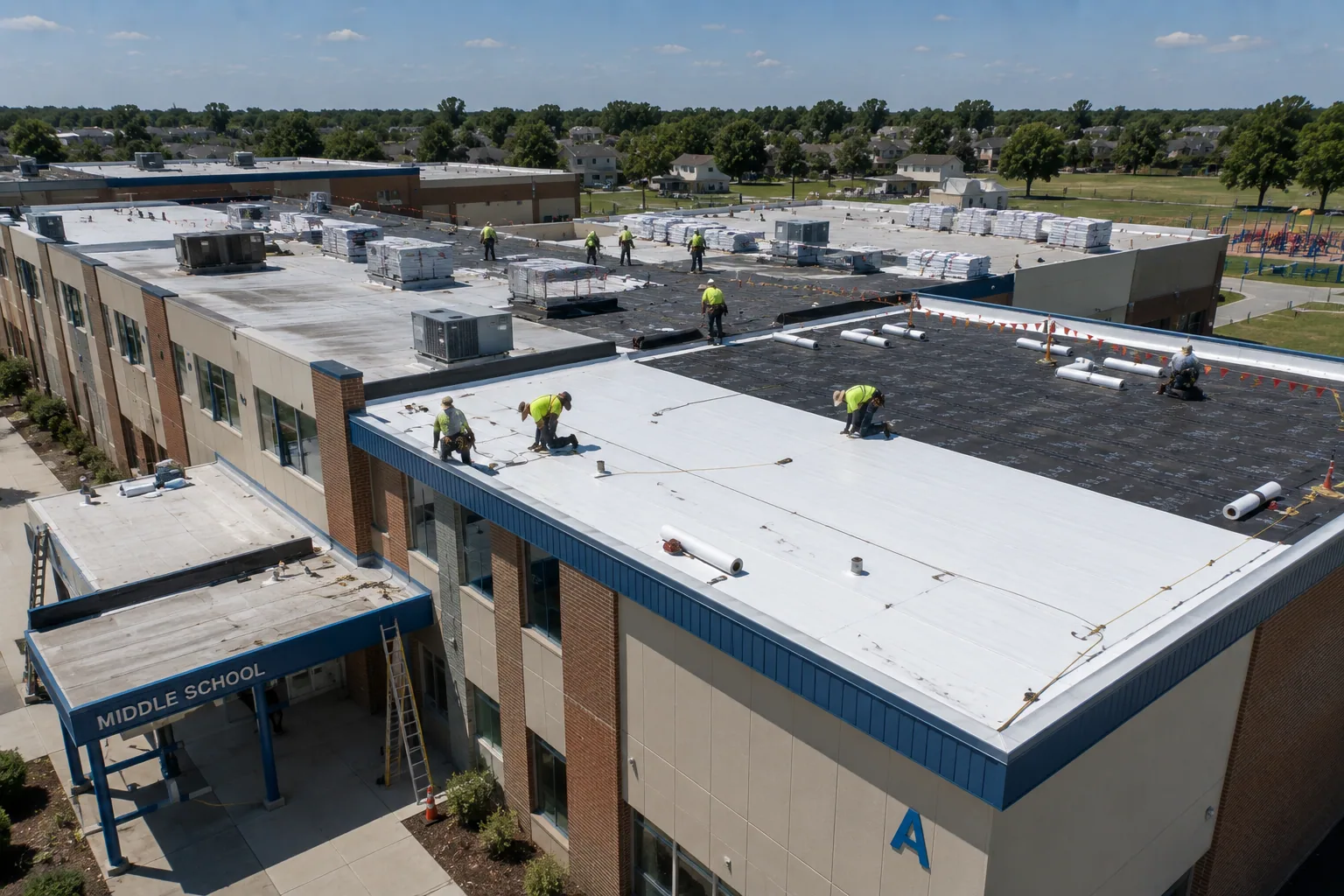
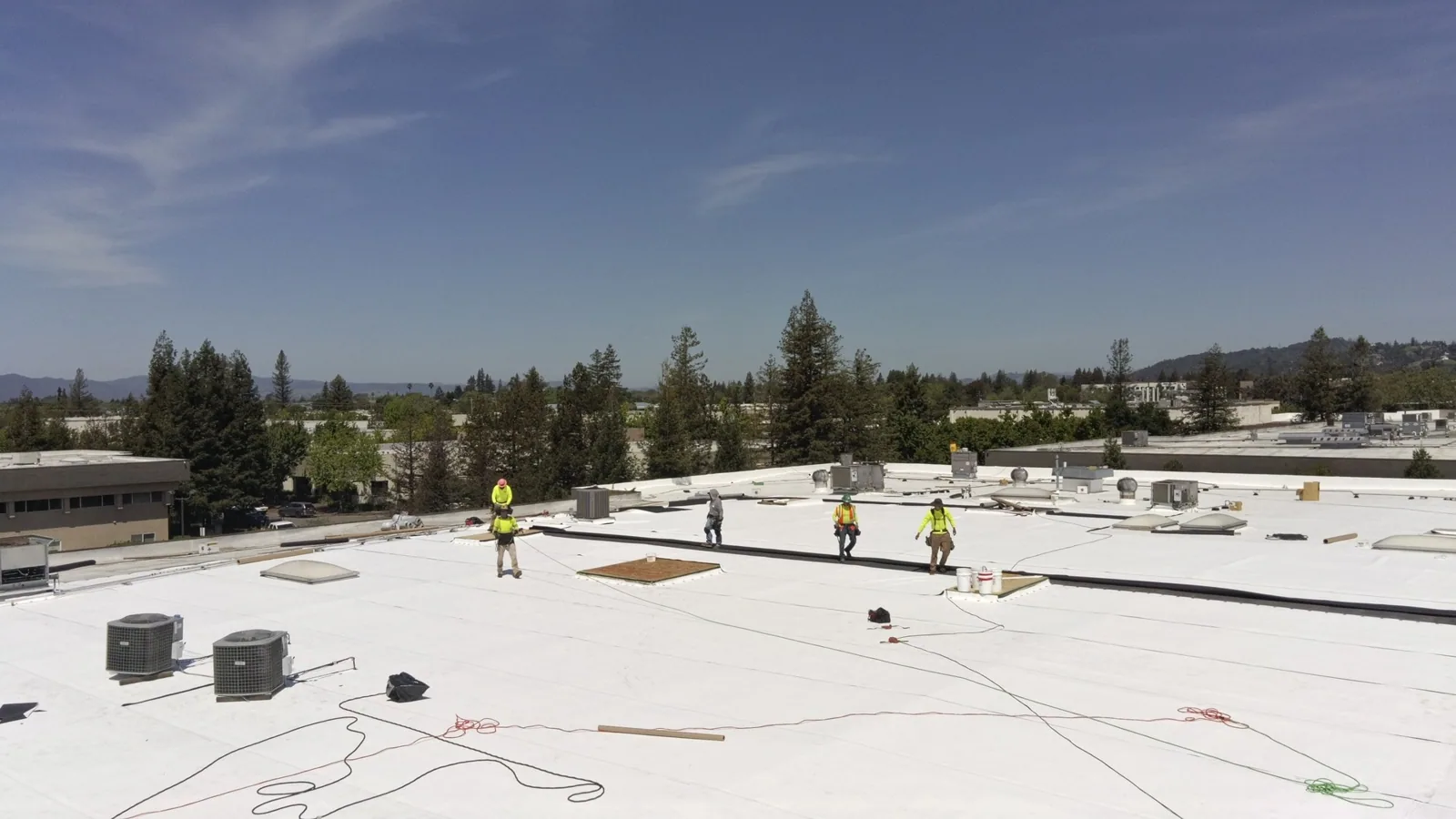
A suite that stays dry through October can go damp after the first thaw, and the call comes in on a Monday. The cause is usually an open lap, a split flashing at a rooftop unit, or a drain that froze solid and then backed up. Each of those leaves something a technician can photograph from the deck.

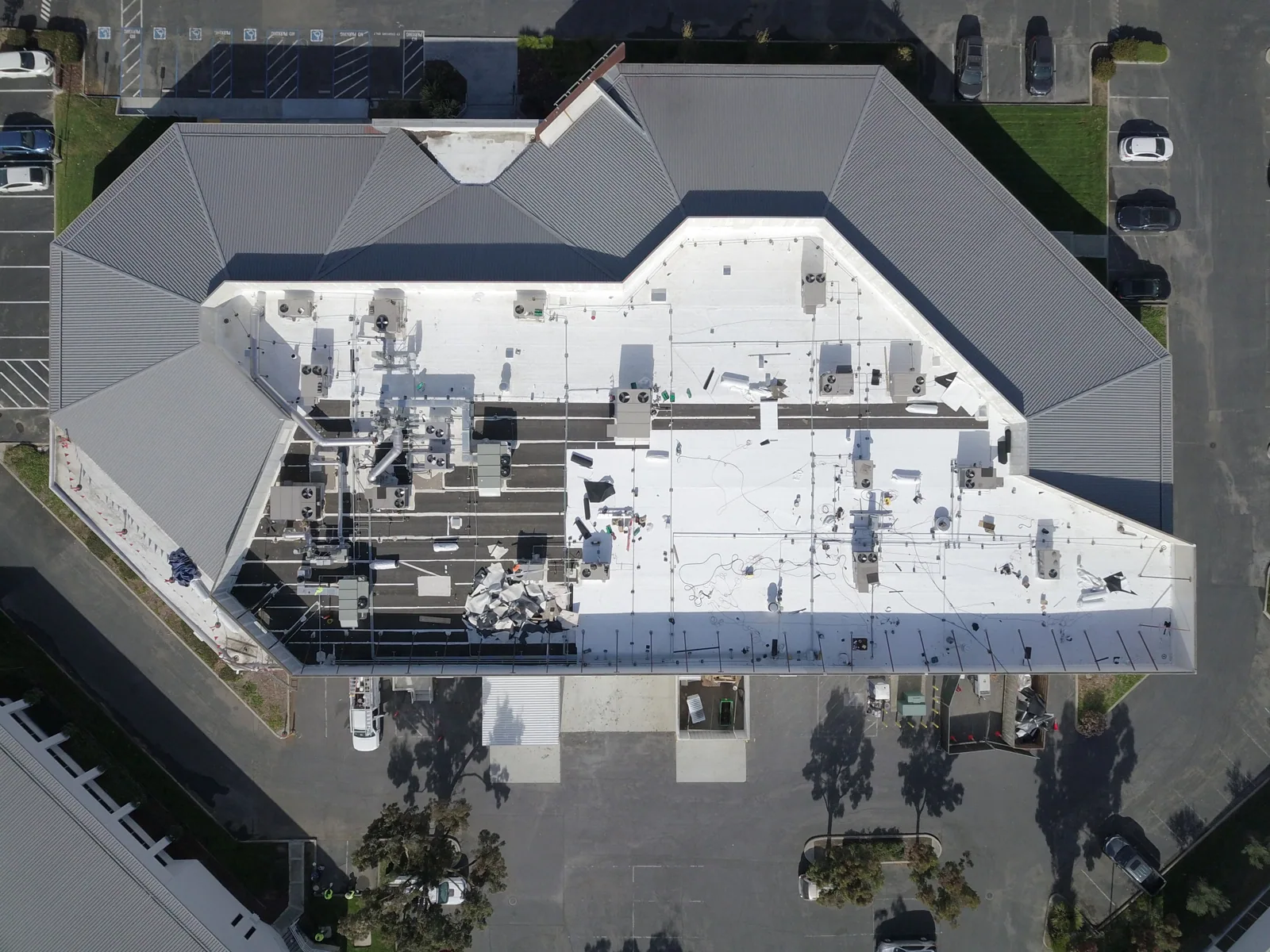
We walk the roof, mark each finding on a plan and tie it to the suite below. The manager gets a numbered list, not a story. Over a few seasons the list shows which buildings generate repeat calls and which ones simply had a bad week. That difference decides whether a building gets a patch or a line in the capital request.

One more habit helps. The tenant's own description goes into the log word for word, with the date and the unit number. A phrase such as "drip only when the wind is from the lake" is a clue to a wall flashing or a coping joint, and it costs nothing to keep.
Property Management Companies

How Each Building Gets Recorded

Every building receives the same inspection log. It lists the roof sections, the membrane type where it is known, the drains and the penetrations. Each line carries a condition rating and a date. When a repair is made, the work order is attached to the section it touched, so the history stays with the roof and not with whoever managed the account that year.

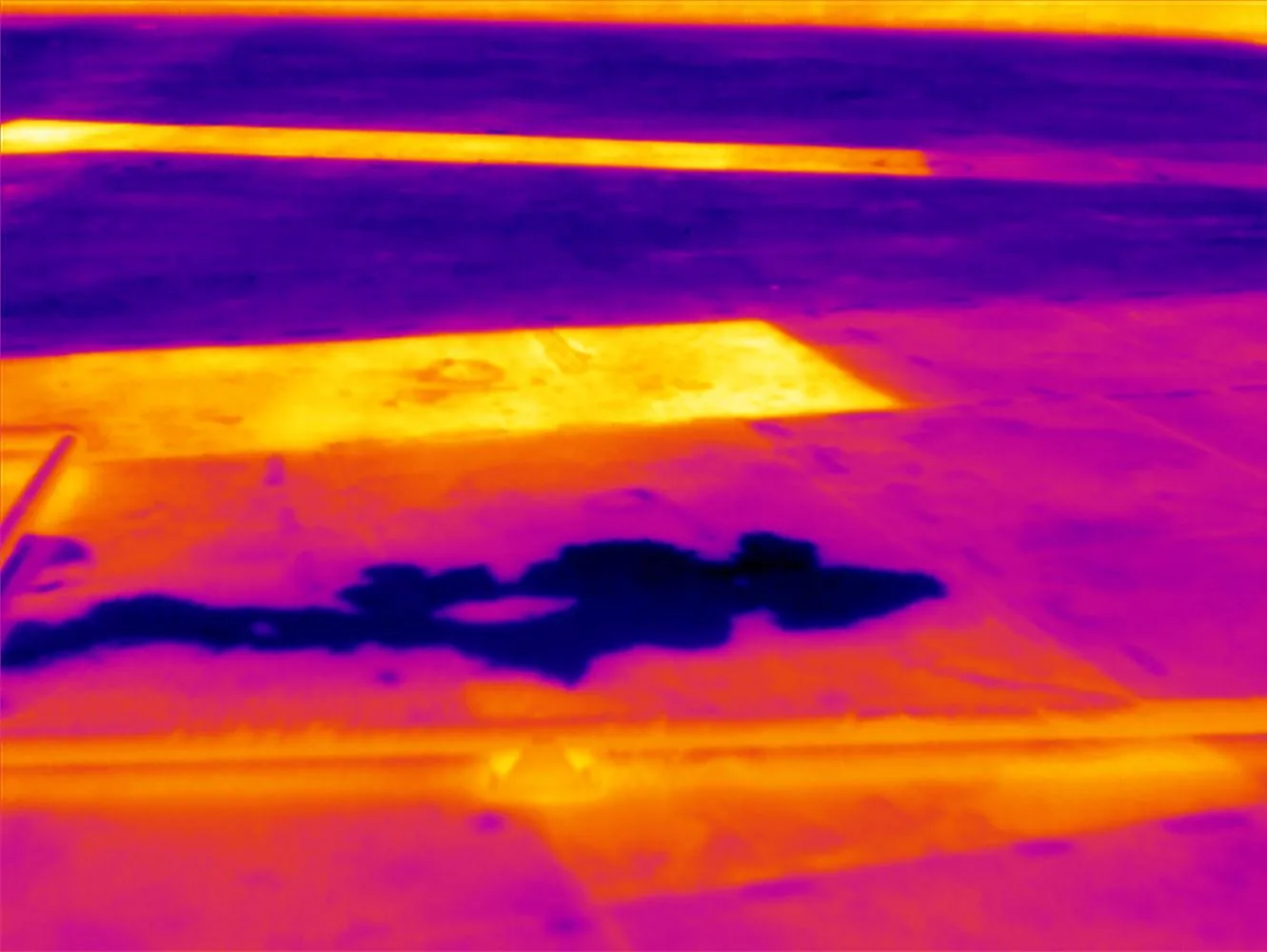
Where a leak path is unclear, a moisture survey maps wet insulation, and a core cut confirms what the survey suggests. Those two records settle most arguments about whether a section needs a patch or a replacement. They also give the owner something concrete to approve.

Property Management Companies

Inspection Scope Across Mixed Buildings

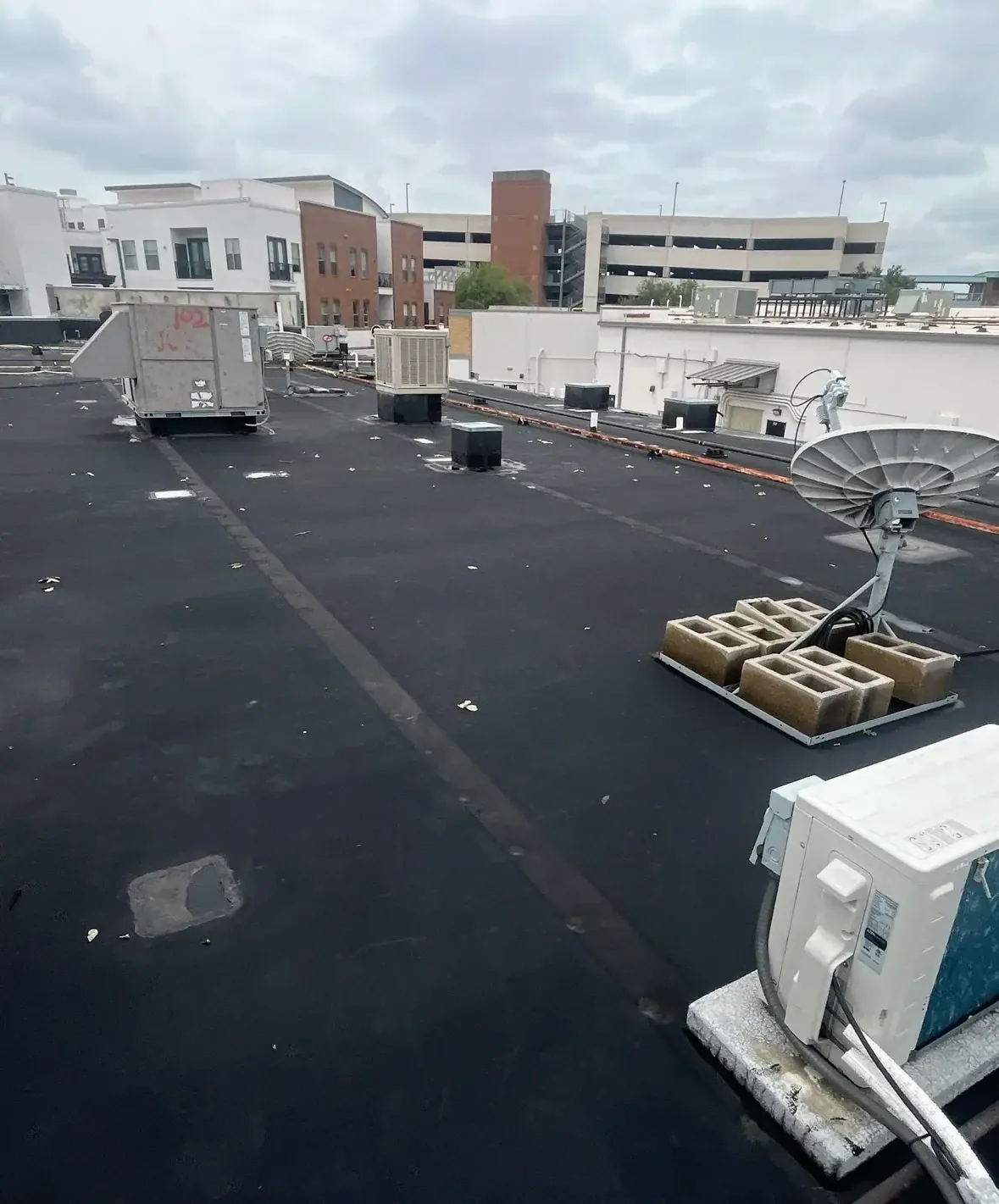
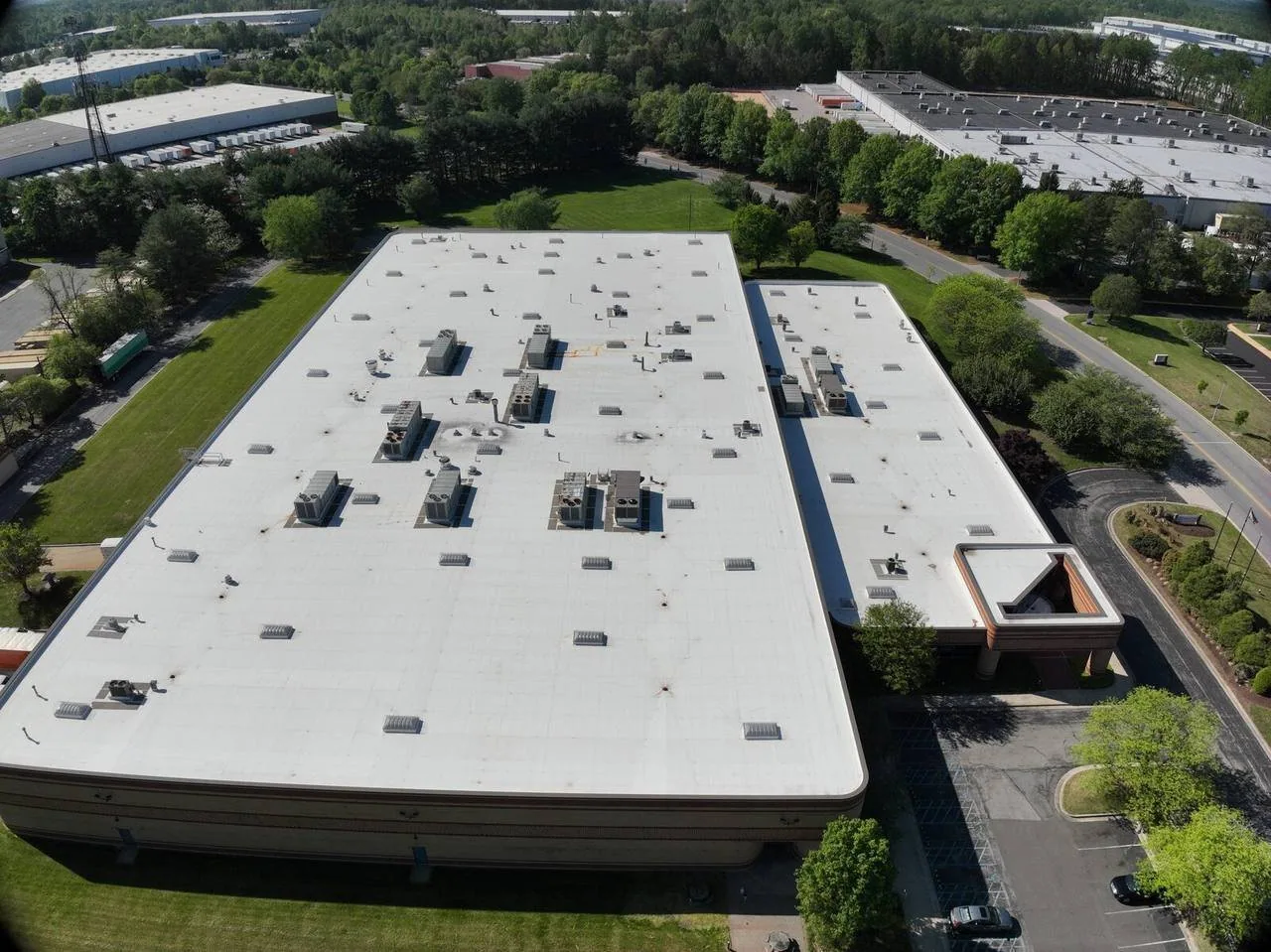
A management portfolio rarely holds one building type. A retail strip, a small office building and an apartment community each fail in different places, and the inspection scope follows the building. Strip centers get a drain check along the storefront edge. Apartment roofs get a close look at vent stacks and the roof-to-wall flashing. Office roofs get attention at the rooftop units that serve tenants.

The scope sheet lists what we will check on each roof before we go up. It is short, and it is the same sheet the manager attaches to the file afterward. Items we could not reach, such as a locked hatch, appear as open entries with the reason.

Property Management Companies

What the Ratings Mean for the Capital Request

The question at budget time is which roofs will be paid for next year. A rating table answers it. Sections rated sound go on an inspection calendar. Sections rated poor go on the capital request with a cost range and the evidence behind it. Sections in between stay on the repair budget, with a stated limit on how much more patching makes sense.

A roof capital plan built from those ratings holds up in an owner meeting, because every number points to a photograph. It also gives a lender or a buyer a clean file when a building changes hands.

Managers who also run work for a general contractor on tenant build-outs can hand the same ratings to the site superintendent, so a rooftop unit addition does not land on a section already rated poor.

Property Management Companies

Seasonal Checks for Snow and Lake Wind

Snow in Kenosha adds up to around 36 inches in a typical year, and buildings along the county's 8 miles of Lake Michigan shoreline take wind and freeze-thaw cycling on top of it. A fall drain check keeps meltwater moving. A spring walk catches what winter opened. Between them, a manager can schedule preventive maintenance for the weeks when crews and tenants are least affected.

Downtown and HarborPark buildings add smaller roof features such as parapets and mechanical screens. We log those as separate lines so they do not disappear into the main roof area.

Property Management Companies

Portfolios That Cross the State Line

A manager with buildings on both sides of the state line, along the I-94 corridor into Lake County, Illinois, ends up with paperwork scattered across codes and contractors. We keep one inspection format for all of them, so a retail strip in Kenosha and a medical office in Gurnee read the same way on the page.

The same format supports a multi-site roof program, with one calendar, one rating scale and one close-out package per building. Managers of apartment communities and office buildings use it side by side. Owners who hold through a management company read the same file, and real estate investors can pull the ratings straight into a hold-or-sell review.

Property Management Companies

Close-Out Package and Warranty File

At the end of a project the manager receives a single folder: closing photographs, the as-built drawing, product sheets and the warranty file with its maintenance terms. We note which inspections the warranty expects and when they fall due.

That package goes in the building binder and the digital folder. The next property manager, the next owner and the next inspector all start from the same page, and nobody has to reconstruct what was done from invoices.

Where a roof is under a manufacturer warranty, the file also lists the contact for claims and the maintenance records the warranty holder will ask for. Having both in one folder saves days when a claim is real.

Schedule a Dated Baseline Inspection

Questions About Property Management Companies

Can one inspection format cover buildings of different ages?

Yes. The log records the roof type and age of each section where known, then rates condition on the same scale. Old and new roofs sit in one table, so the manager can compare them and rank the budget.

What do you send after a tenant leak call?

Dated photographs, a mark on the plan where the water entered, a rating and a note on what was repaired. The manager can forward it to the tenant and the owner without rewriting anything.

How do you handle roofs with no records?

We start the file. The first visit produces photographs, a marked plan and ratings. Core cuts fill in the build-up where drawings and invoices are missing, and the file grows from there.

When should repairs stop and replacement begin?

When the patch history shows repeat repairs in the same sections and moisture survey results confirm wet insulation. The file shows that point in numbers, which is what an owner needs to approve the capital line.

Do you coordinate with tenants during roof work?

We give the manager a written schedule with noisy phases, access needs and staging areas. The manager distributes it through the usual tenant notice, and we follow the same document on site.

How often should a managed building be walked?

Twice a year suits most low-slope roofs: once in fall before the first freeze and once in spring after the thaw. Every walk lands in the same log, which turns repeat visits into a trend.

ServicesRoof SystemsIndustriesProperty TypesService AreasDamage RepairCapabilitiesManufacturersContactAboutRequest a Roof Assessment555-555-5555
Call555-555-5555