
How do work orders help a roof decision?
Work orders show repeat leaks by building and unit. We tie each order to a roof area and a photograph, which turns scattered complaints into evidence.
Apartment roofing in Kenosha, WI: building-by-building ratings, work-order records, winter damage logs and phased plans for occupied communities.
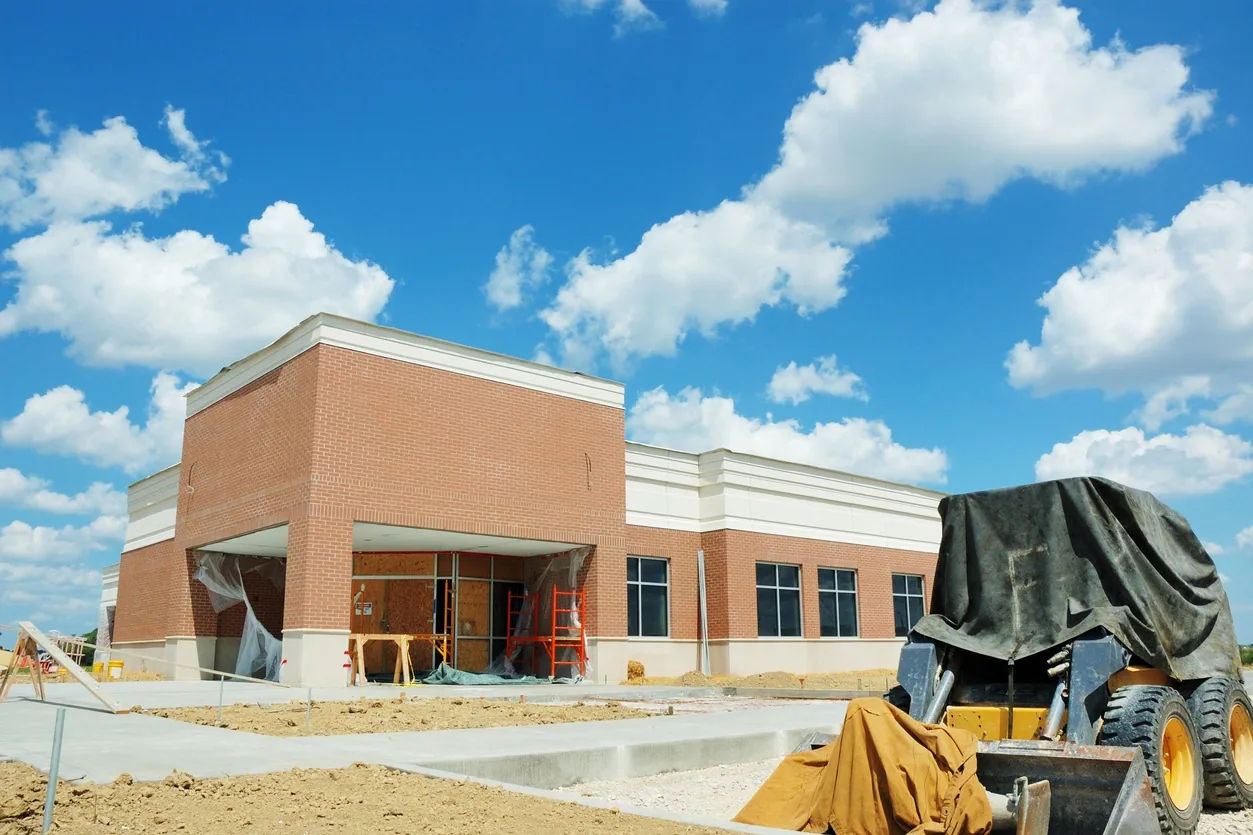
Work order 2231 reads: ceiling stain, unit 3B, building 4, second report this winter. Work order 1987 reads: ceiling stain, unit 3A, building 4, first report. Taken together, the two orders point to one roof area over building 4, and a property manager in Kenosha, WI, can now justify a roof inspection instead of another interior patch. We build the roof record from entries like these and tie each one to a photograph taken on the roof.
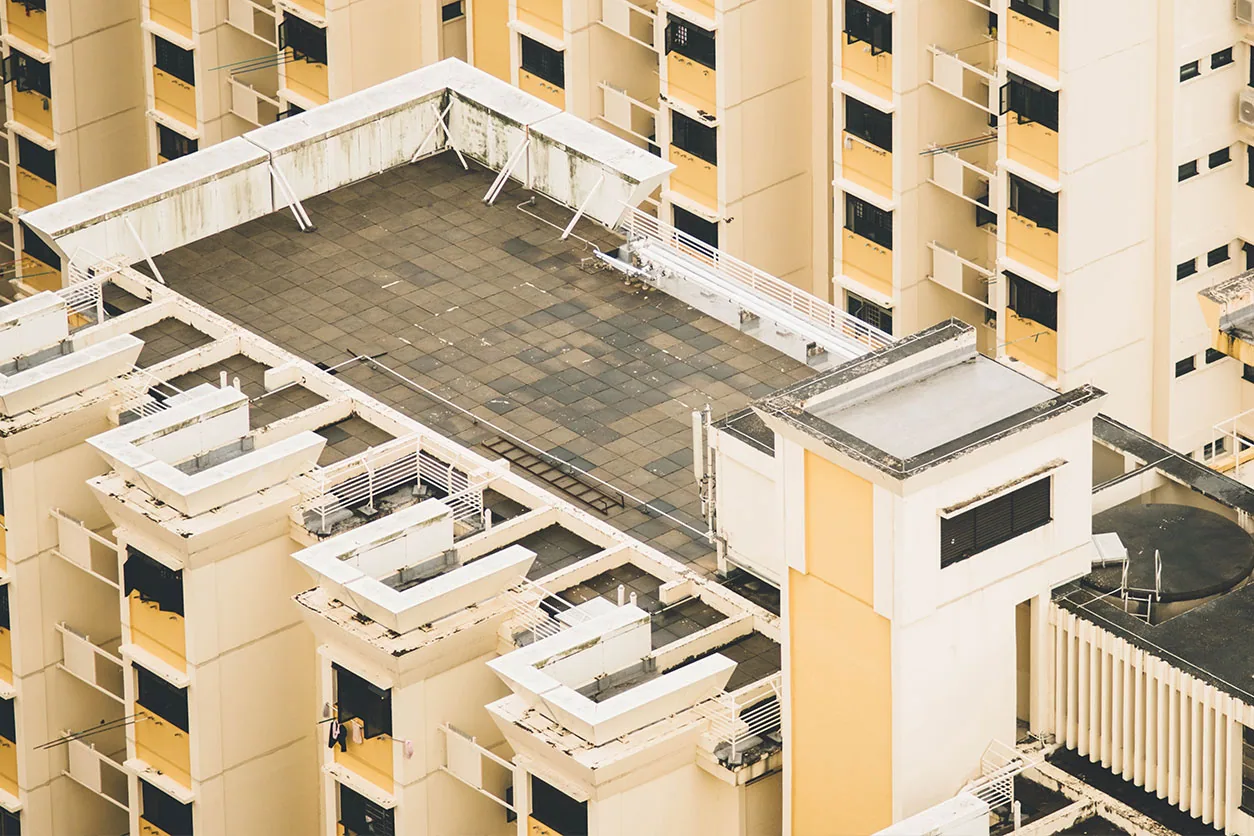
An apartment community is a set of buildings, and each has its own roof, age and history. The inventory gives each building a number, a drawing and a roof type: pitched shingle, standing seam, low-slope membrane or a mix. We note the age if known, the last repair and the number of leak calls logged against the building.
The inventory shows which buildings generate repeated work orders and which have been quiet. It also reveals mixed ages inside one community. A garden-style site that grew in phases may carry roofs that are twenty years apart, and a single average hides the oldest building. Separate ratings let the owner spend where the evidence points.
We ask for the maintenance log before the first walk. Leak calls by unit, dates of past repairs and invoices for patching are the raw material. Cross-checking them against the roof shows patterns the log alone cannot: three calls in one stair tower trace to one failed flashing, not three separate leaks. Where the log is thin, the first inspection becomes the baseline and every later one is measured against it.
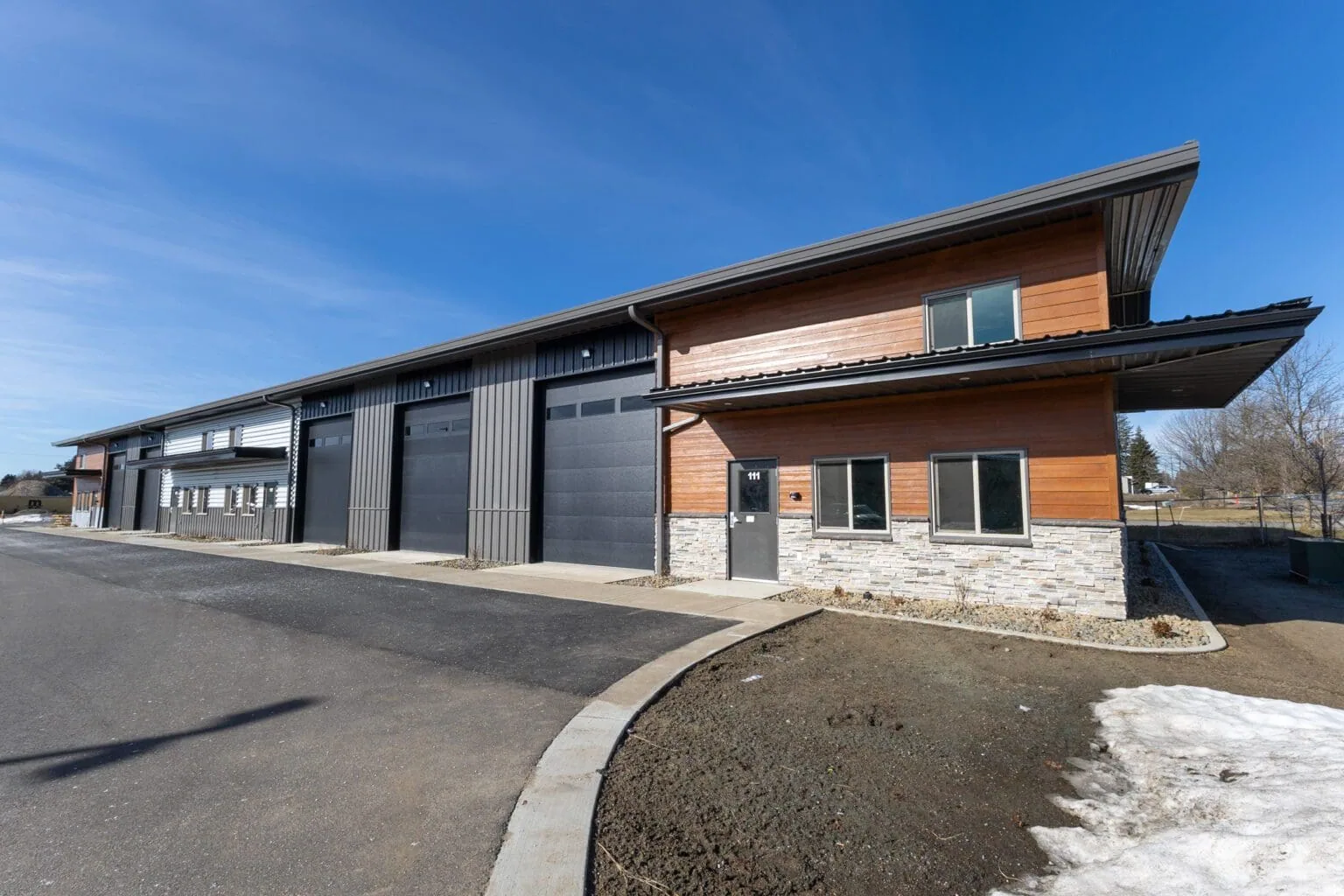
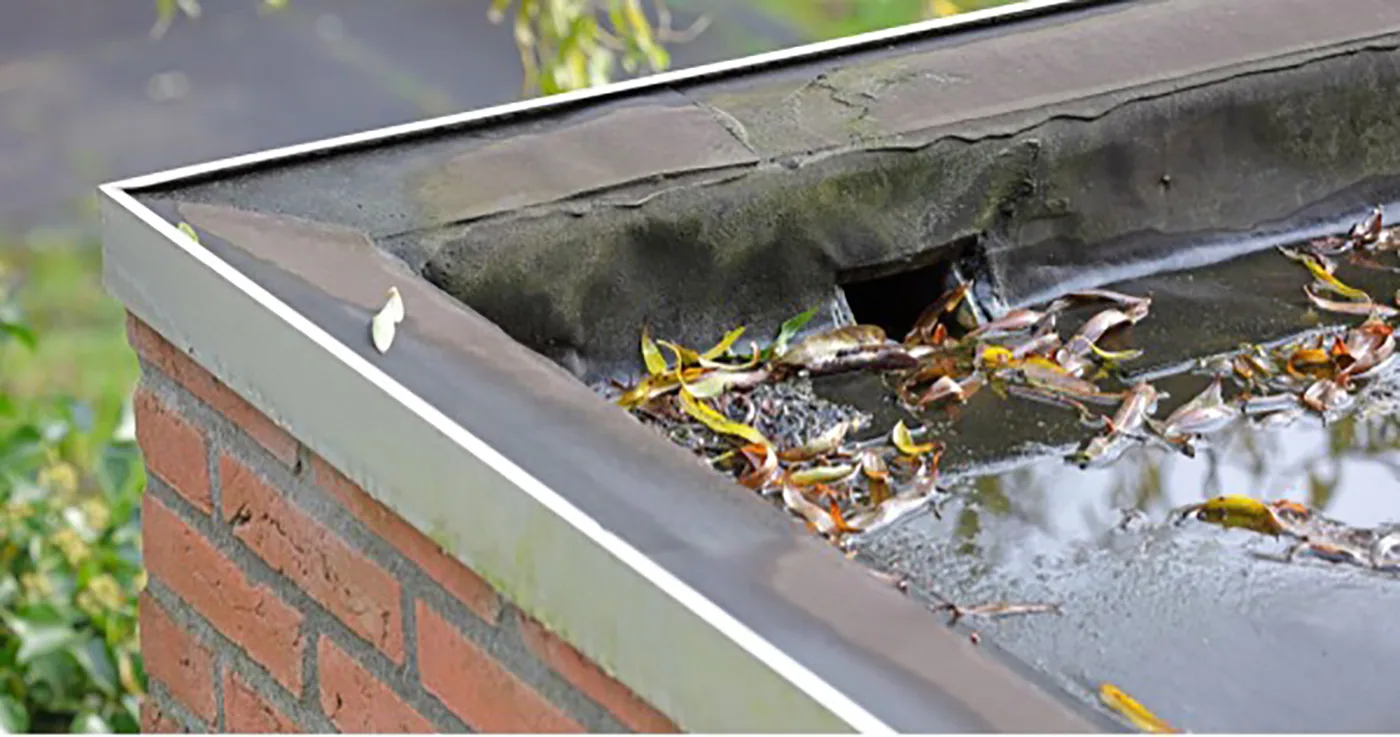
Pitched roofs show their wear at ridges, valleys, eaves and penetrations. Lifted shingles, exposed nails, cracked boots and gaps at chimney flashing are the entries we log most. Flat sections over breezeways, stairwells and entries show seam gaps, clogged drains and worn flashing at walls.
Each finding gets a number, a date and two photographs. Plumbing stacks, dryer vents and bathroom exhausts multiply with the unit count, so a building with twenty units can have forty or more penetrations. Penetration flashing is therefore one of the most repeated categories, and a count by building shows which roofs need a boot replacement program.
Gutters and downspouts on pitched buildings get their own rating. Ice at the eave in January shows where heat escapes from the attic or where a gutter has sagged, and the photographs from a thaw show the wear. Drains on flat sections are flushed and recorded as clear or blocked, with the debris noted. Those two checks, done each autumn, remove two common causes of winter leaks before they reach a unit.
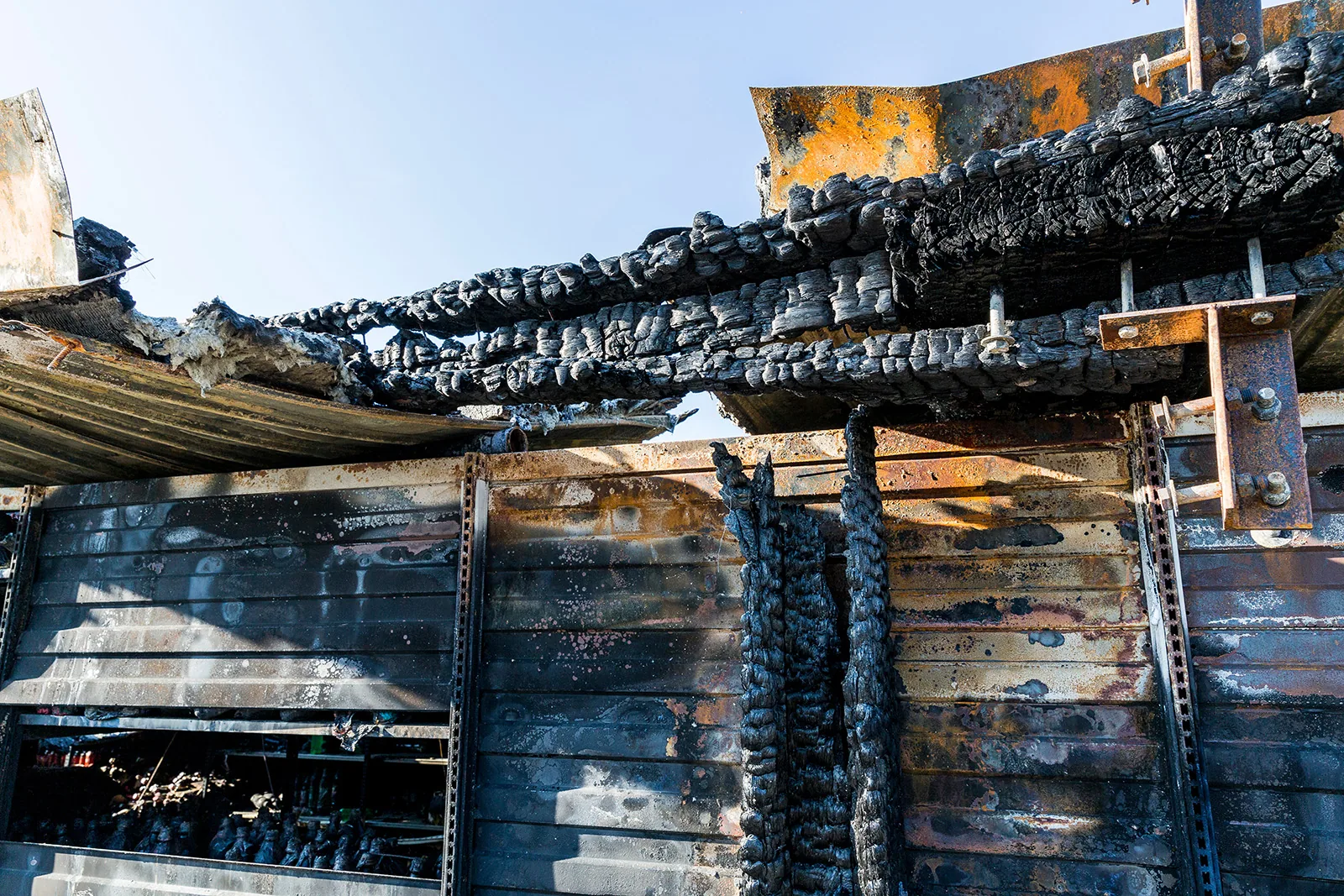
A typical year brings about 36.2 inches of snow to Kenosha, and the 2011 Groundhog Day blizzard left about 23.2 inches on its own. The county's tornadoes of January 7, 2008 followed two paths, one through Wheatland and Brighton and one through Somers and the north side of the city, and together they damaged about 105 homes and destroyed 27. In Wheatland an EF3 tornado damaged about 100 houses and demolished 25.
Those events are why a wind-edge record matters. A dated set of photographs of ridges, eaves and shingle condition, taken before a storm, lets an adjuster separate new damage from old wear. After snow and ice, a short walk logs snow and ice damage at gutters, valleys and flat sections. Both records support claims and capital requests. The record is most useful when it is routine: one walk each spring, one each autumn and one after any storm that brings hail, high wind or heavy ice. Each walk adds a dated photo set to the same file, and the manager can open any year and compare it with the next.
Multifamily owners in the area rarely hold buildings of one age. A community in Pleasant Prairie, another in Racine and a third across the state line in Waukegan or Gurnee may share an owner and share almost nothing else about their roofs. Pitched shingle sections, flat breezeway roofs and stair-tower flashings turn up in all of them, and the walk covers each in the same order.
The inventory table has one row per building, with age if known, roof type, last repair, leak calls logged and a condition rating. An owner can sort it by rating to see the weakest roofs across the whole portfolio, or by state to compare Wisconsin and Lake County, Illinois, buildings on one scale. Interstate 94 and the Tri-State Tollway tie the corridor together, and the rating scale ties it together as well, so a manager who moves between sites reads the same table at each.
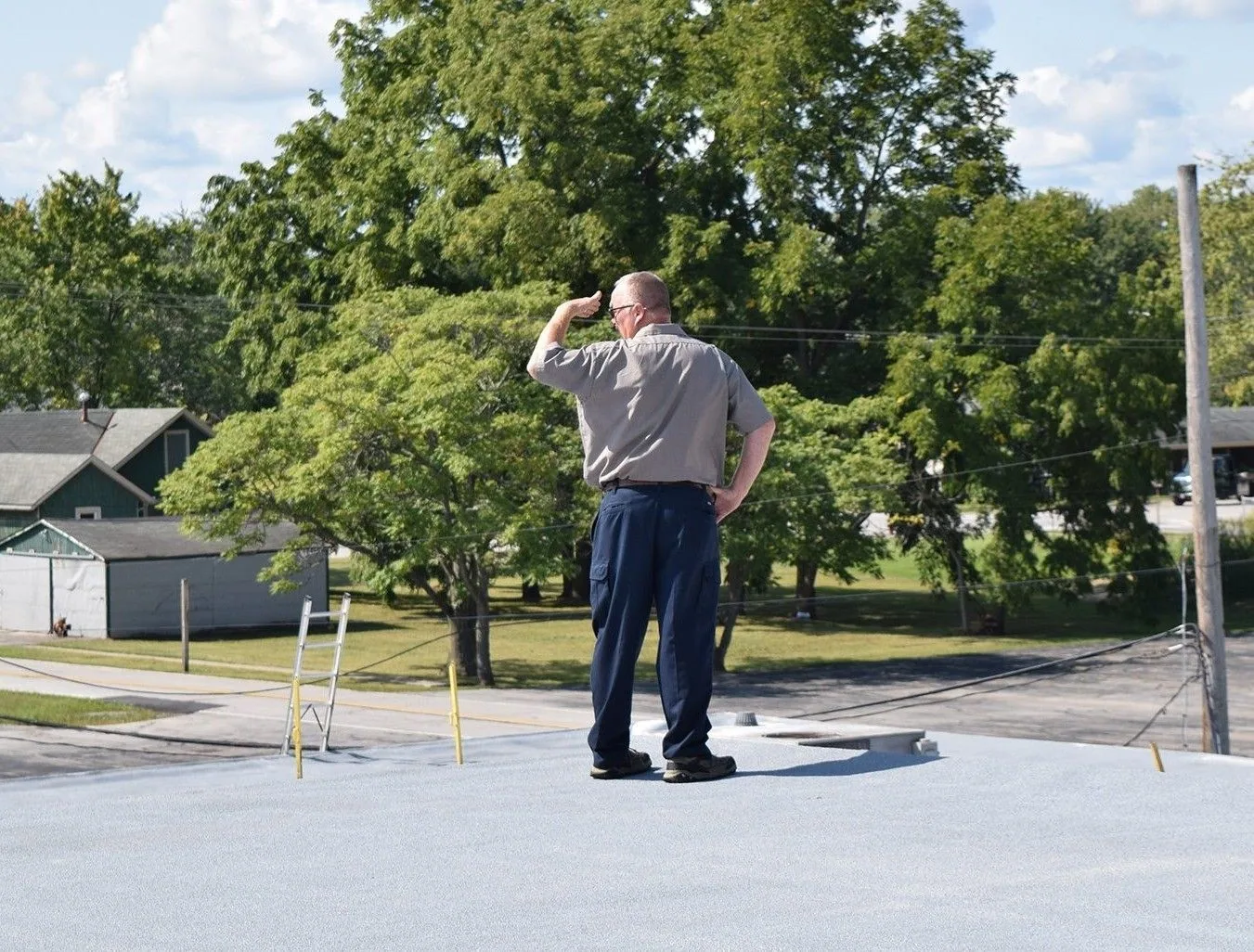
Every building is scored for condition, given a service-life range and priced for repair and for replacement. A roof capital plan orders the work by risk to the units below and by the cost of delay. A roof with three leak orders in one winter moves ahead of a quiet one. The plan states what each phase buys: for example, that building 4 is dry for the next service-life range, and building 9 has a known open item and a recheck date.
Cost drivers are roof area, pitch, the number of penetrations, tear-off layers, access around parked cars and landscaping, and the number of units a crew can work above at once. A property management company can use the same table across its whole portfolio.

Residents live under the work. Notices go out with dates, hours and the nature of the noise. Parking near staging is marked. The crew starts after most residents leave and closes each building before dark. The schedule records these steps, and a log notes any resident complaint and how it was handled. Balcony and walkway access are planned ahead so no one is locked out of a unit or a stair.
When the work ends, the owner is handed the photographs from before and after, the as-built plan, product data, warranty papers and a list of open items. A senior living community follows the same package with stricter noise limits, and a hotel adds room revenue records. The package lets a new manager see what was done and when, and it lists the next inspection date so the cycle continues without a prompt from us.
Keep Reading
Skylight, curb and penetration flashing repair in Kenosha, WI: pipe boots, pitch pans and curb details inspected, rated and logged for facility directors.
Snow load and ice dam roof damage repair in Kenosha, WI: drifts, frozen drains and ice damage logged with dated photos, plan marks and ratings for each roof.
Commercial roofing in Pleasant Prairie, WI for LakeView and Prairie Highlands industrial buildings, with seam, drain and curb findings recorded and dated.
Roof capital planning for Kenosha, WI owners: condition ratings, core cut results and replacement timing arranged into a budget request a committee can review.
Roof inspection logs, condition ratings and work-order records for property managers running several buildings in Kenosha, WI, built for budget season.
Senior living roofing in Kenosha, WI: wing-by-wing condition records, leak logs over resident rooms, winter damage findings and quiet, phased work plans.
Work orders show repeat leaks by building and unit. We tie each order to a roof area and a photograph, which turns scattered complaints into evidence.
Yes. We rank the buildings by condition and cost of delay, then phase the work so each building is closed in before the crew moves on.
Pitched roofs are checked at ridges, valleys and eaves for lifted shingles and nails. Flat sections are checked for seams, drains and flashing. Each type has its own ratings.
Dated photographs of the roof before the event, plus a post-storm walk. Together they show what changed.
Yes. A written notice goes out with dates, hours and parking changes, and a contact person is named.
A site plan with building numbers, the roof ages you know, work orders by building and any storm dates. Partial records are enough.