
How often do pipe boots need replacing?
Material and exposure set the pace. Rubber boots crack as the rubber ages and loses flexibility. The inventory rates each one at every visit, and we replace those rated poor.
Skylight, curb and penetration flashing repair in Kenosha, WI: pipe boots, pitch pans and curb details inspected, rated and logged for facility directors.
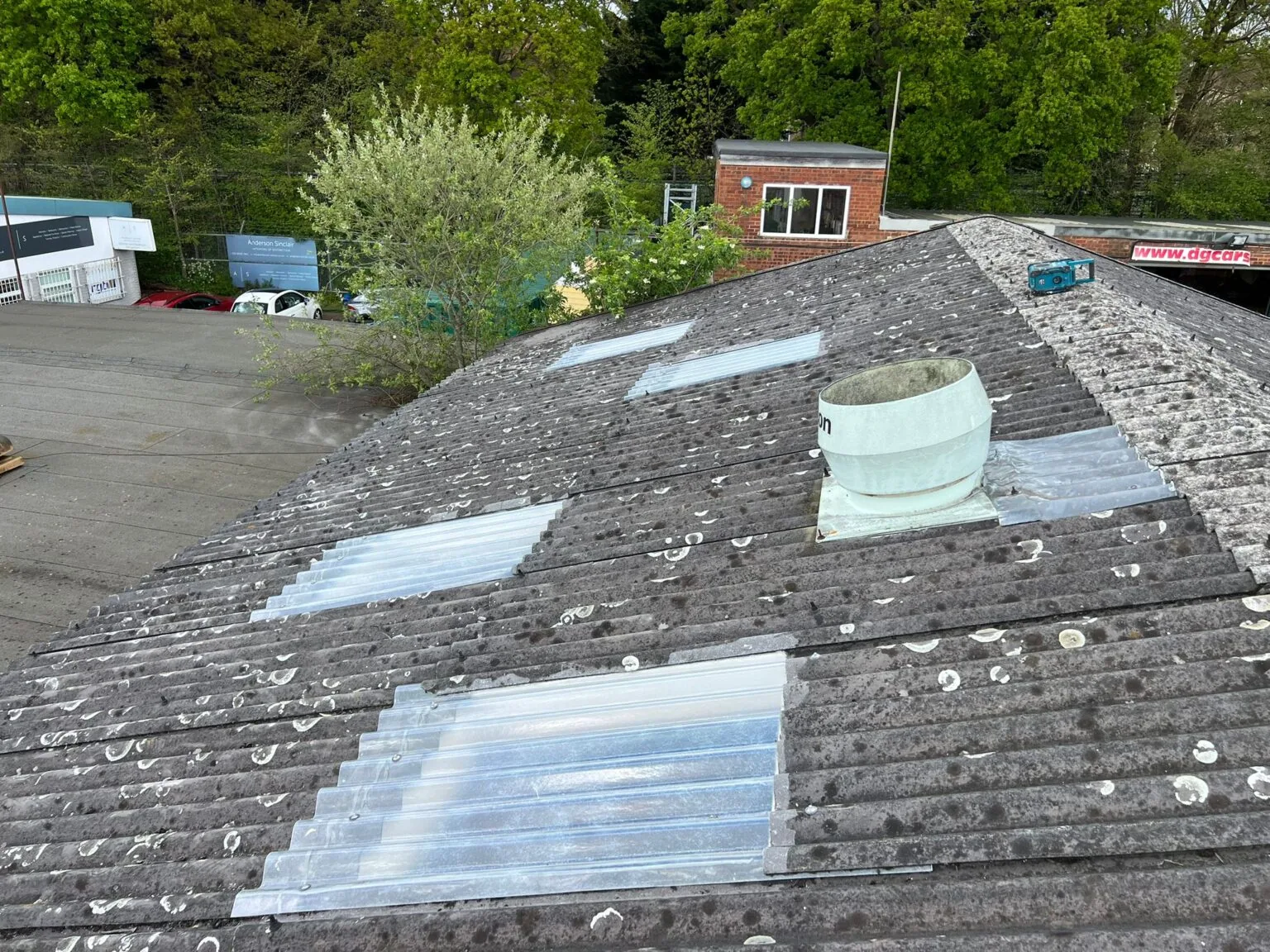
A cracked rubber boot around a vent pipe, with a dark ring of water staining on the deck below, is a finding that fits on one photograph. It names the penetration, shows the failure and points to the leak. In Kenosha, WI, penetrations are inventoried on every roof we inspect, because each pipe, skylight, curb and conduit is a hole cut in the membrane and sealed by hand. We list them on the roof plan, rate each flashing, and repair the ones that are failing. The inventory tells the owner how many openings the roof has and which of them are likely to leak next.
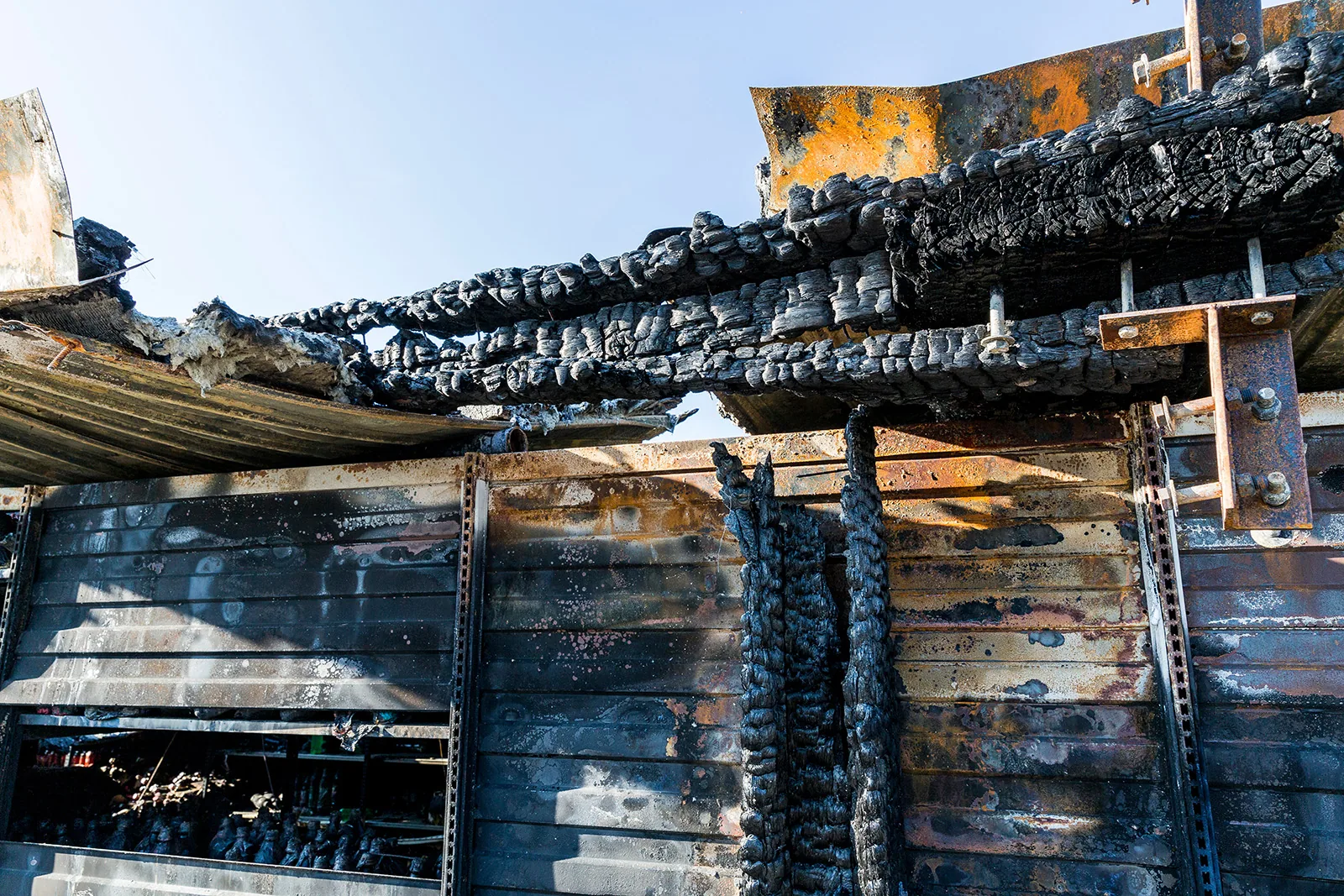
The inventory starts with a count and a map. Every vent, drain stack, conduit, gas line, antenna mount, skylight and curb gets a number on the roof plan. For each, we record the type, the flashing method, the condition and a photograph. The set is the baseline for later visits.
Condition ratings are simple. Sound means the flashing is tight, the sealant is flexible and the membrane is bonded to it. Fair means early cracking, minor movement or aged sealant. Poor means open seams, missing sealant, exposed fasteners or a membrane that has pulled away. The ratings drive the repair order, and the count of poor items tells the owner how much of the roof's leak risk sits at these details.
Compatibility matters in the repair. Silicone sealants do not bond to some roofing surfaces, asphalt-based mastics attack some single-ply membranes, and rubber boots need the right pipe size to grip. We identify the membrane before choosing a material, and the work order lists the product type used. Mixing incompatible materials is a common reason a repair fails within a season.
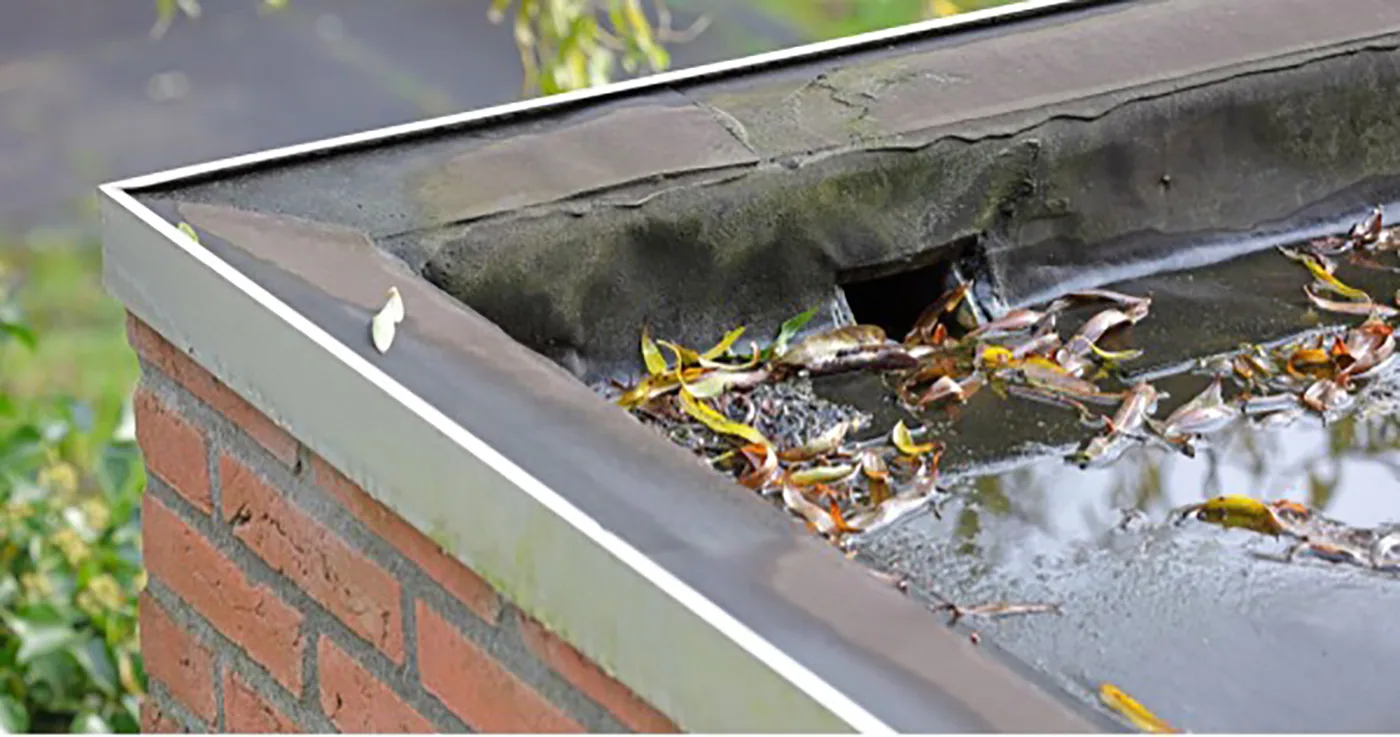
Small penetrations fail in familiar ways. Rubber boots crack as they age and lose their grip on the pipe. Pitch pans dry out, shrink away from the pipe and let water into the pan. Conduit supports and cable penetrations are sealed with mastic that splits in the cold. Clamps loosen, and the pipe moves with temperature.
Repairs depend on the detail. We replace boots with a type suited to the pipe and the membrane, rebuild pitch pans with fresh filler and a sloped top, and convert failing pans to a prefabricated flashing where the system allows. Each repair gets a before photograph, an after photograph and a log line naming the material. Failures at these details can show up as a commercial roof leak repair call, and the inventory tells us where to look first.
Skylights add three leak paths: the curb flashing, the glazing seal and condensation inside the unit. Domes crack from impact and age. Roof hatches fail at their hinges and gaskets, and a hatch that does not seat lets water and air in around the frame.
We check the curb height, the flashing at each corner, the integrity of the glazing and the drainage of the unit. A curb that is too low allows water to run over the top when snow melts. Curb height is more than a detail in a city that sees about 36.2 inches of snow a year, because drifts form against curbs. Where a skylight has reached the end of its life, we recommend replacement with a unit matched to the curb, and we list the work as a separate work order.
Condensation inside a skylight is recorded separately from leaks. Moisture on the inside face of the glazing is a thermal problem, and water at the curb is a flashing problem. The photograph and the time of day help sort one from the other.
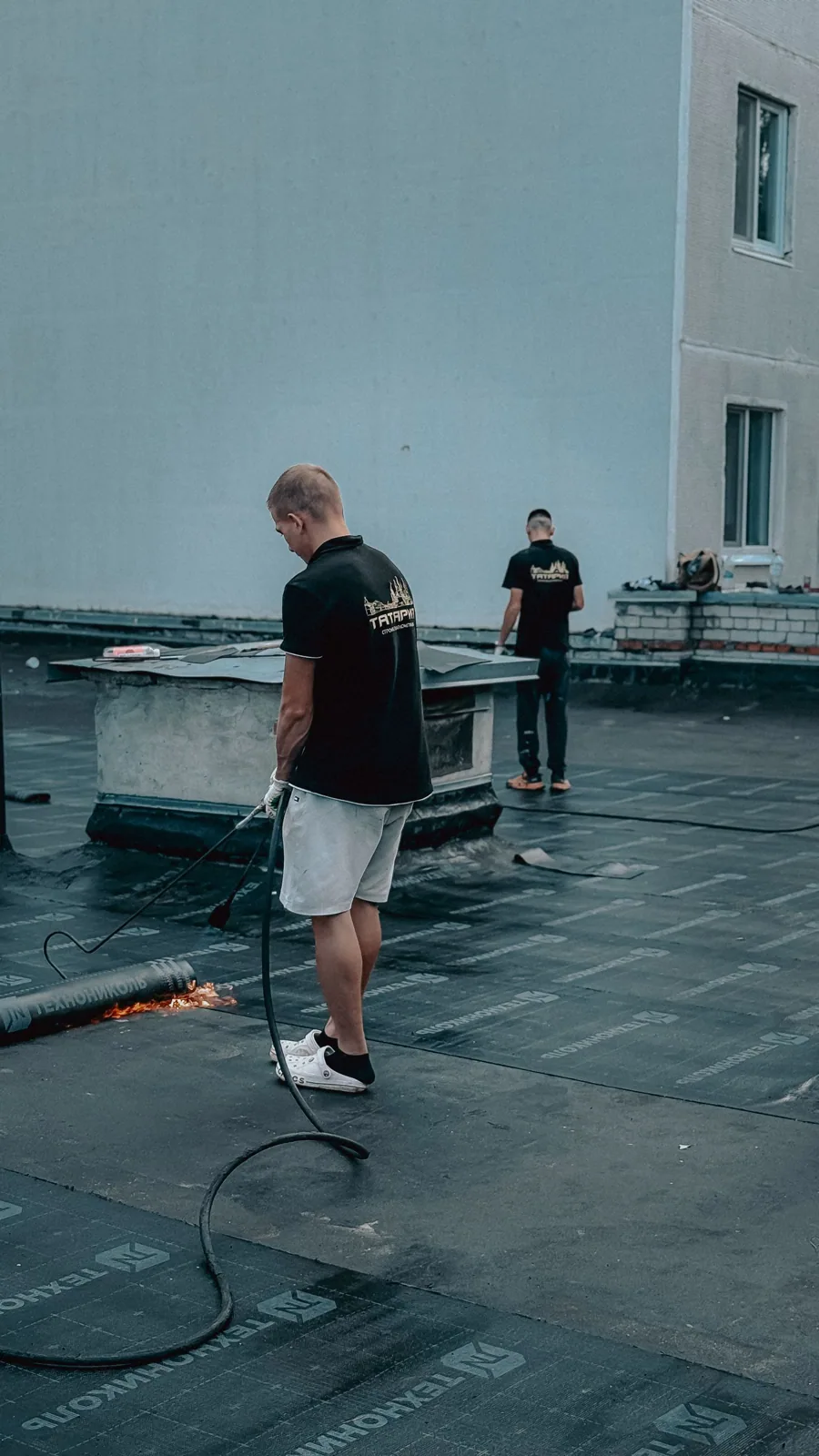
Rooftop units sit on curbs, and the membrane has to be flashed up each side and counterflashed at the top. Corners are the hard part, since the membrane has to fold around them. We check corner pieces, seams, counterflashing and the seal between the unit and the curb.
When equipment is replaced or moved, the flashing around it is inspected and usually renewed. A new unit set on an old curb with aged flashing puts the oldest material on the roof at its most exposed point. Curb height and support framing are a separate repair, rooftop equipment curbs and supports, and the flashing record travels with it.
Flashings are where the roof moves most relative to what it meets. Kenosha's record low of minus 31 degrees in January 1985 and record high of 105 in July 2012 show the range that sealants, rubber and metal are asked to take. A pipe and a membrane expand at different rates, and the joint between them takes the difference.
The freeze-thaw cycle adds to it. Water enters a hairline crack at midday, freezes at night and widens the crack. The spring inspection looks for the cracks winter made, and the log compares them with autumn photographs. A boot that was sound in October and cracked in April is a finding with a cause. A termination that has already opened follows the flashing failure repair method.
Penetration counts vary a great deal. A hospital roof tends to carry many vents, exhausts and equipment connections, and a leak at one can reach sensitive space below. We schedule detail work with facilities staff and protect interiors first.
Plant and warehouse roofs tend to carry fewer penetrations per square foot and longer runs of conduit and gas line, a pattern to expect in Pleasant Prairie and Racine County. The inventory shows the pattern for each roof, and the log makes it possible to compare buildings. Repairs are priced by detail, so the owner can see the cost of each opening.
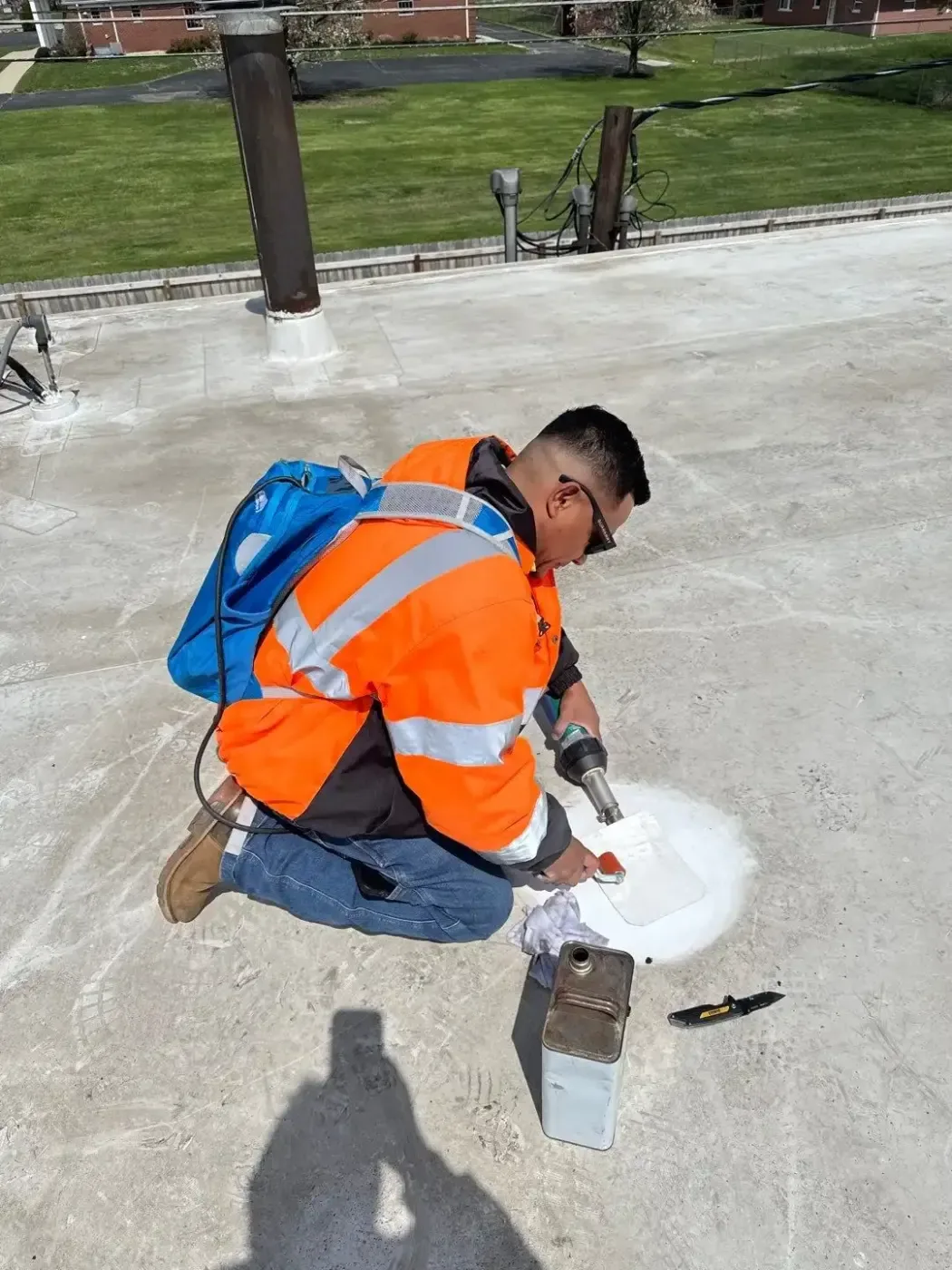
Each repair gets a work order that names the penetration number, the defect, the material and the method. The flashing log keeps the history: when the detail was installed or last rebuilt, what was done and how it has held. A detail that has been repaired twice in three years is flagged for a rebuild, not a third patch.
The log is part of the roof's inspection file, so a facility director can see penetration condition beside membrane condition. For hospital roofs and other sensitive buildings, the log is also the record of what was disturbed and when, which helps infection-control staff and facilities teams plan around the work.
Keep Reading
Leak tracing and repair for Kenosha, WI commercial roofs, built on interior photos, a leak history log, moisture mapping and a written cause finding.
Rooftop unit curbs, equipment supports and pipe supports in Kenosha, WI: height, flashing and load paths checked and logged to protect the membrane.
Flashing failure repair in Kenosha, WI: wall, curb and penetration flashings inspected, photographed and rated, with repairs matched to the roof system.
Commercial roofing in Pleasant Prairie, WI for LakeView and Prairie Highlands industrial buildings, with seam, drain and curb findings recorded and dated.
Hands-on commercial roof inspections in Kenosha, WI with dated photos, a marked roof plan and a written condition rating you can attach to a capital request.
Hospital roof inspection, risk ranking, infection-control planning, repair and replacement in Kenosha, WI, with dated condition reports for capital planning.
Material and exposure set the pace. Rubber boots crack as the rubber ages and loses flexibility. The inventory rates each one at every visit, and we replace those rated poor.
Often. Re-flashing the curb, resealing glazing and clearing weep paths fix many leaks. Cracked domes and failed frames call for replacement.
Usually because the detail design is weak, such as a low curb, a pitch pan that cannot shed water or mastic used where a boot is needed. We rebuild the detail instead of patching again.
They can if they are made without notice or flashed incorrectly. Notify the manufacturer where required, and have the flashing installed to their details.
Temporary seals can be, but most adhesives and sealants need minimum temperatures. Permanent work may wait for a warmer week, and the work order says so.