
How fast can a roof baseline be produced during due diligence?
Timing depends on building size and access. We agree the site visit and the delivery date against the diligence window, and the written report follows once the moisture map is checked.
Baseline roof reports, core cuts and condition ratings for investors, owners and REITs buying or holding commercial property in Kenosha, WI.
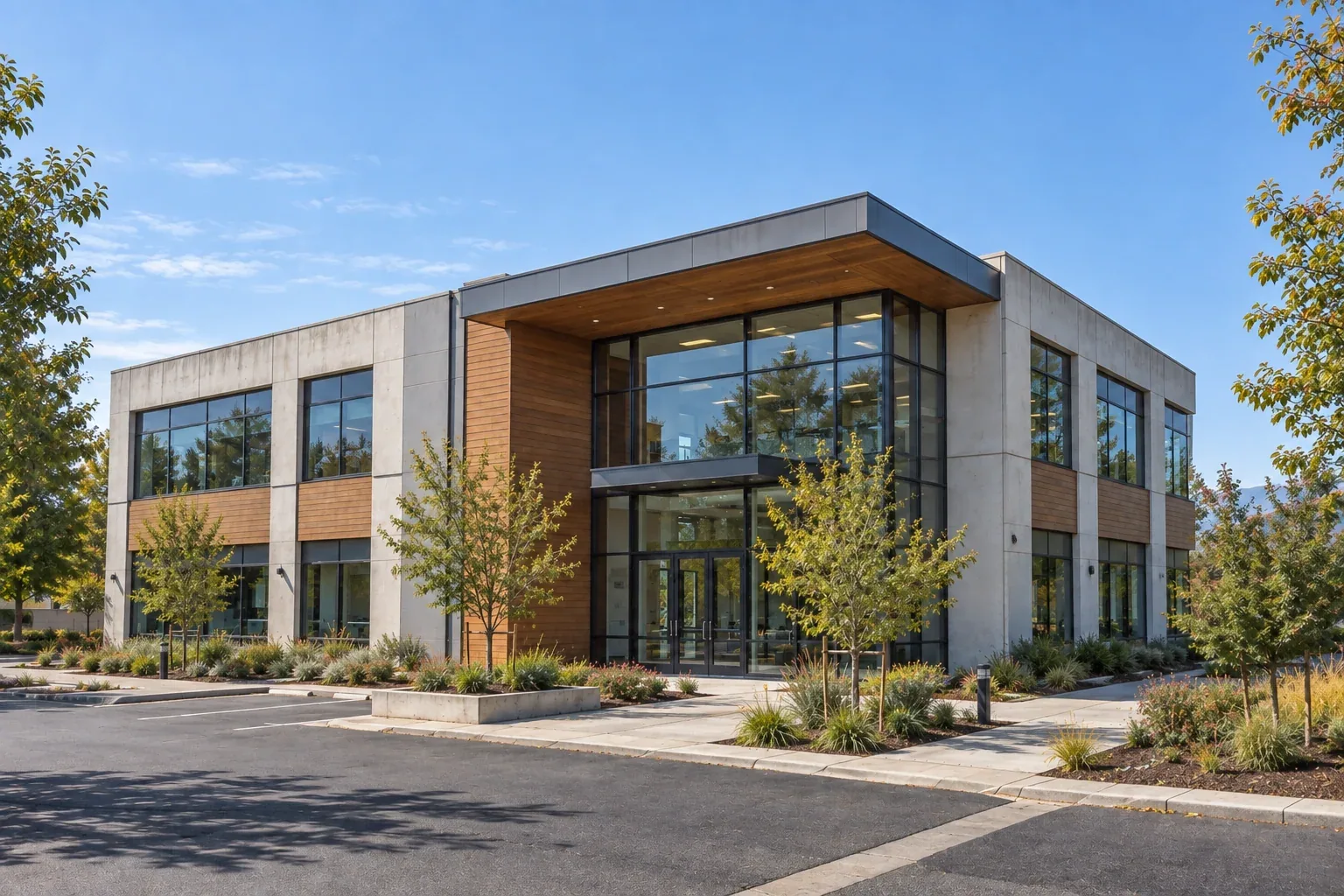
The costliest line in an acquisition file is "roof in good condition" with no photograph behind it. An investor cannot price that line, and a lender cannot test it. A baseline report replaces it with a dated photo set, a marked plan and a rating for each roof section. It also records what we could not see, so nobody assumes the unseen part is sound.
Owners and REITs holding commercial property in Kenosha, WI, and in the Racine and Lake County markets beside it, are the readers we write for. The report is built to sit beside the pro forma, not in a drawer.
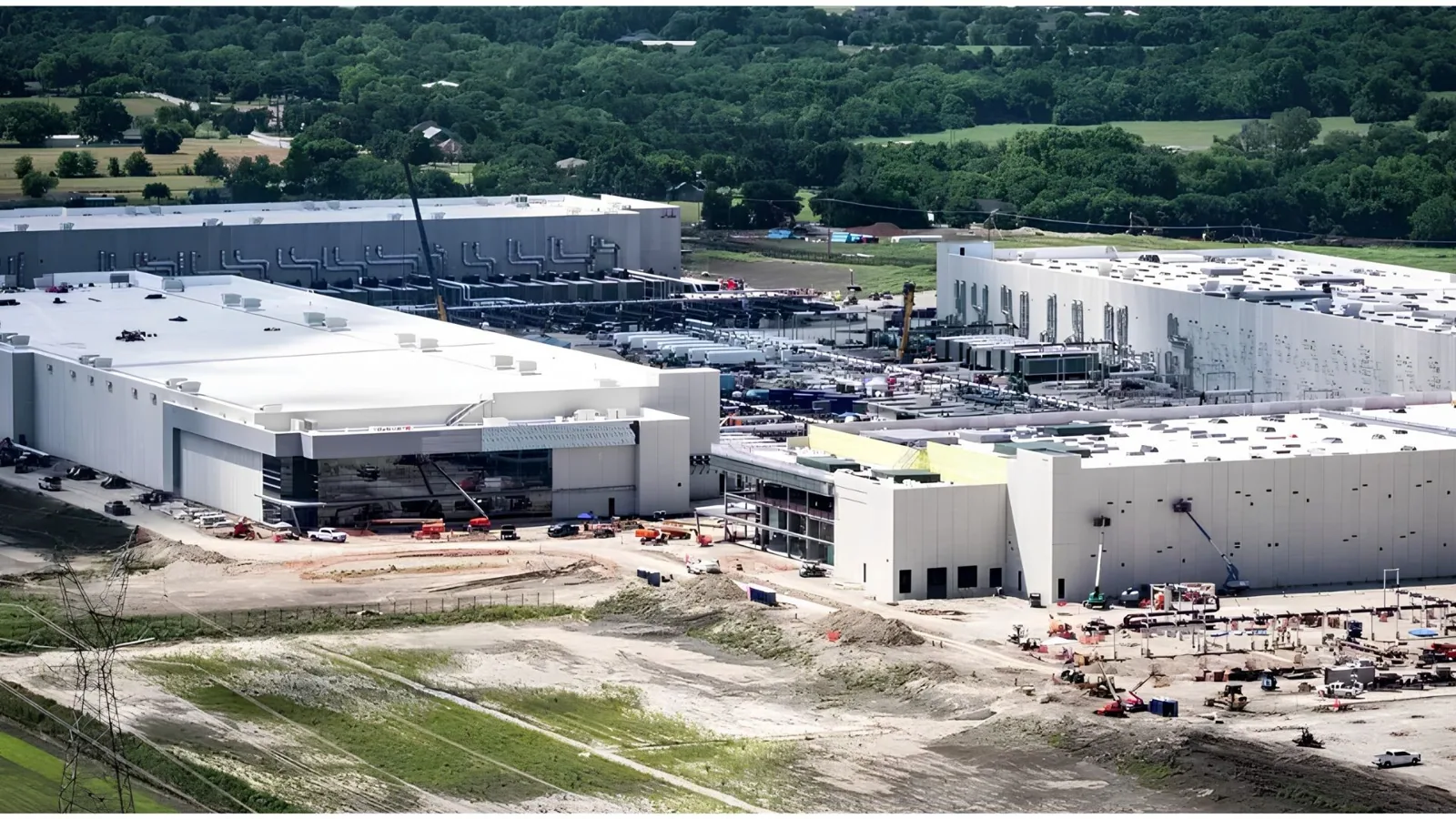
Most roof findings do not change a deal. A few do. Wet insulation under a large field of membrane is the usual one, because the cost of replacing it is a real number and it arrives soon. Others include a patch history that stacks repairs on one corner, a drain system that never emptied during our visit, or edge metal that has lifted along the lake side of a building.
We separate those findings from the routine ones and say which ones affect the hold period. A moisture survey and a handful of core cuts turn a suspicion into a measured area, and the buyer can negotiate from the measurement.
Findings also move a hold plan. A roof with a few years of service left changes how an owner structures a lease, because the next tenant improvement and the roof replacement may land in the same year. Putting both on one calendar avoids paying for access twice.
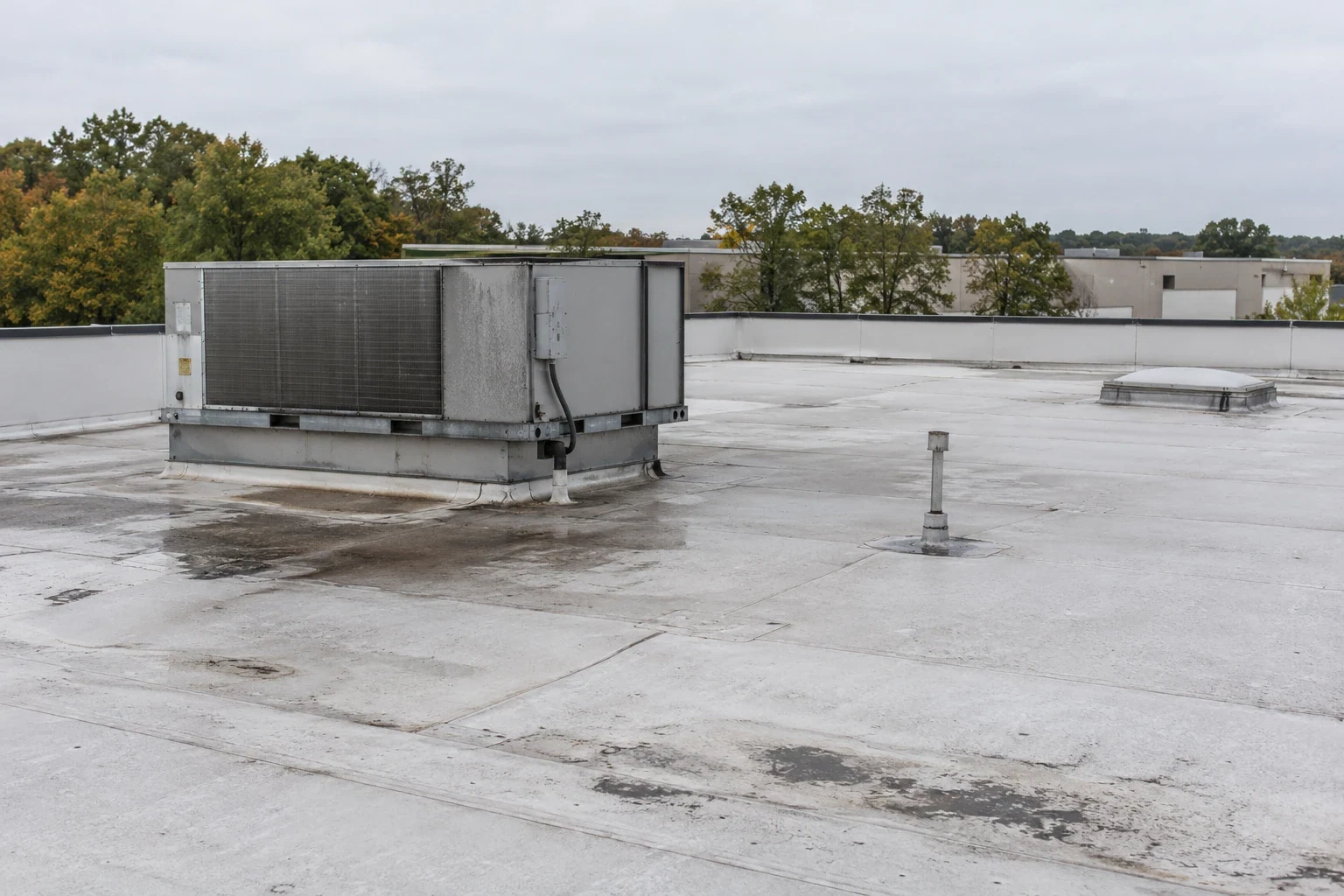
The report opens with a one-page summary and a rating for each roof section. Behind it sit the numbered photographs, the marked plan, the core cut records and the moisture map. Each photograph carries a date and a location. Each rating carries the reason for it.
A due diligence roof survey can be done inside a typical inspection window, and the findings are written so an investment committee can read them without a roofing background. If the committee wants a number, we give a cost range with the assumptions stated, not a single figure that hides them.
The scope for an acquisition visit is written before we go up. It lists every roof section, the drains we will flush, the penetrations we will photograph, and the places where we will cut cores. It also lists what we will not do, such as walking a section the seller has marked unsafe. That list becomes part of the report.
On a multi-building site, we sequence the visit so the largest roof fields and the oldest sections come first. If time runs short, the buyer has the highest-risk findings in hand and a clear note of what remains. A logistics tenant with dock operations below the roof gets a plan that keeps crews off the loading side during shifts.
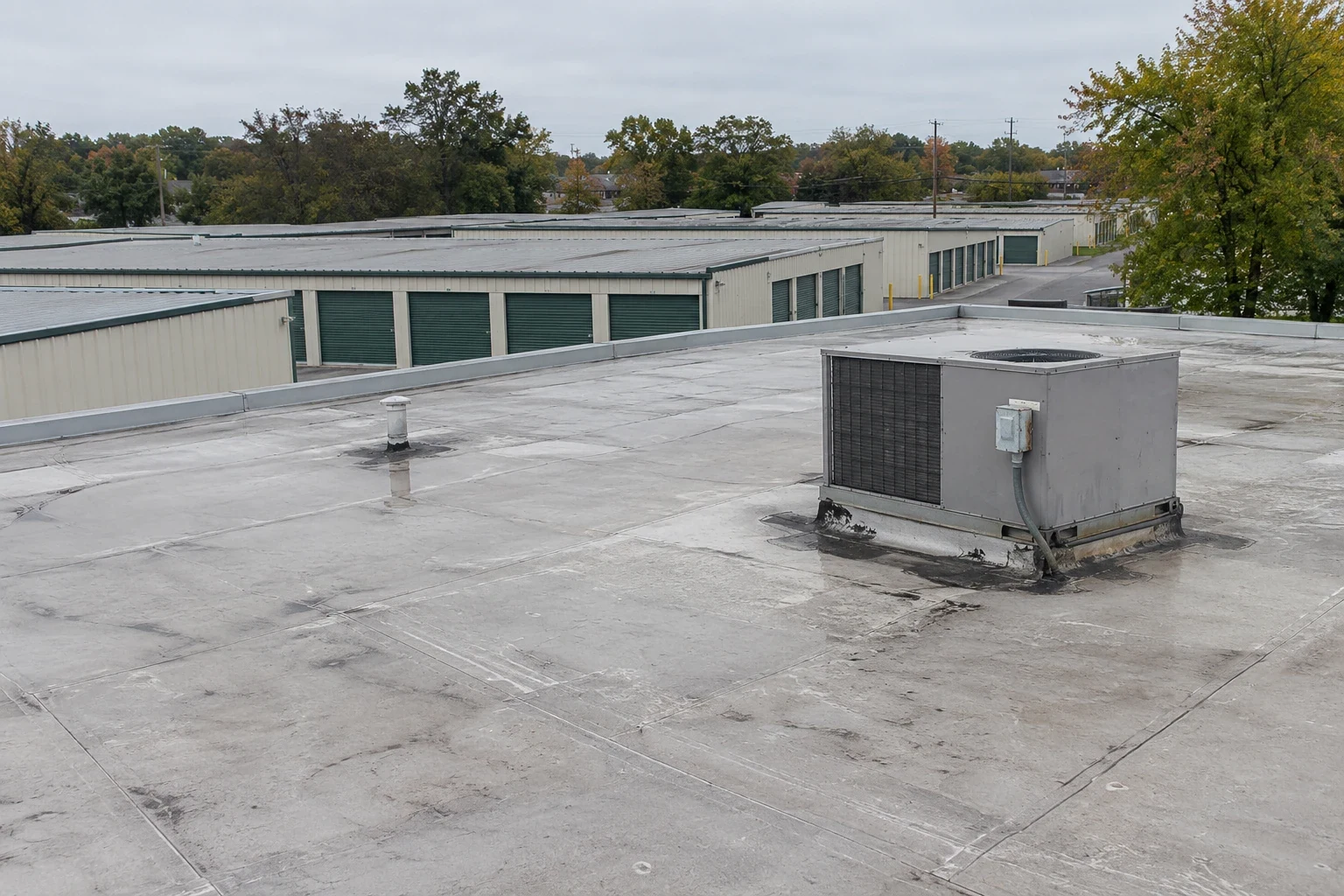
After closing, the same report becomes the starting point for the reserve schedule. Sections rated poor go into year-one capital. Sections rated fair go on a watch list with an inspection date. Sections rated good drop to a routine cycle. An owner who updates the ratings each year can show a lender or a buyer how the roofs were managed.
That discipline matters most on larger holdings, and the village describes LakeView Corporate Park in Pleasant Prairie as the largest industrial park in Wisconsin. One roof asset management file per building keeps each roof visible to the owner who holds several.
The reserve schedule should list its assumptions on the page. A cost range for a recover, a cost range for a tear-off, and the condition that decides between them give an asset manager enough to model both and pick the cheaper path when the evidence arrives.
A buyer who can see two years of ratings beside the repair invoices can tell a roof that was maintained from one that was only patched.
Kenosha's holdings range from downtown and lakefront property to industrial space off I-94. Downtown, a nine-block development valued at $450 million won approval in 2023, and a 107-acre former factory site is slated to become the Kenosha Innovation Neighborhood. An owner of property near either project benefits from a dated roof record made before construction traffic and new tenants arrive, because later damage can then be separated from older wear.
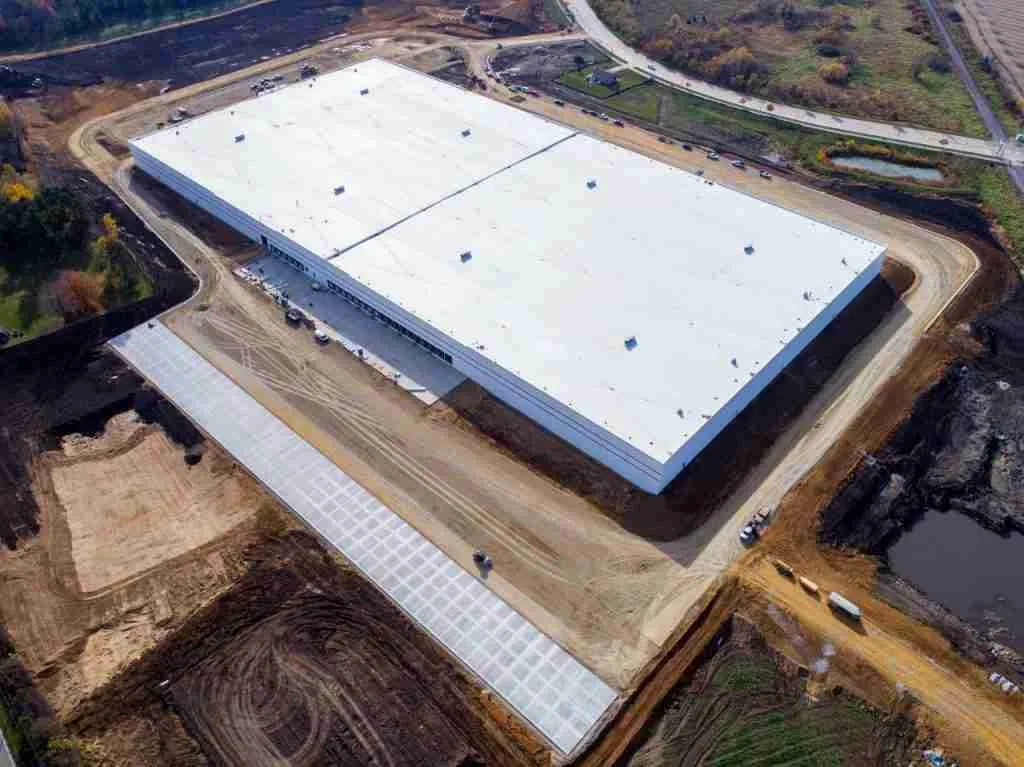
An industrial buyer weighing warehouse roofs or distribution center roofs in Pleasant Prairie, at the I-94 and Route 165 exit, receives the same report format as a downtown buyer.

Winter does the testing. An average Kenosha year brings 36.2 inches of snow and January 1985 reached minus 31, so roofs cycle through freeze and thaw every year. A spring walk after the thaw records what opened. A fall drain check records what will not drain.
For a hold period of several years, two annual entries per roof build a trend line. A trend line is worth more to a buyer than any single report, because it shows whether the owner was ahead of problems or behind them.
The lake adds a local wrinkle. Buildings close to the shoreline, which runs about 8 miles through Kenosha County, see wind and freeze-thaw exposure off Lake Michigan that inland buildings do not. We note distance from the lake on each entry, so a pattern of edge-metal findings on east-facing parapets shows up in the data.
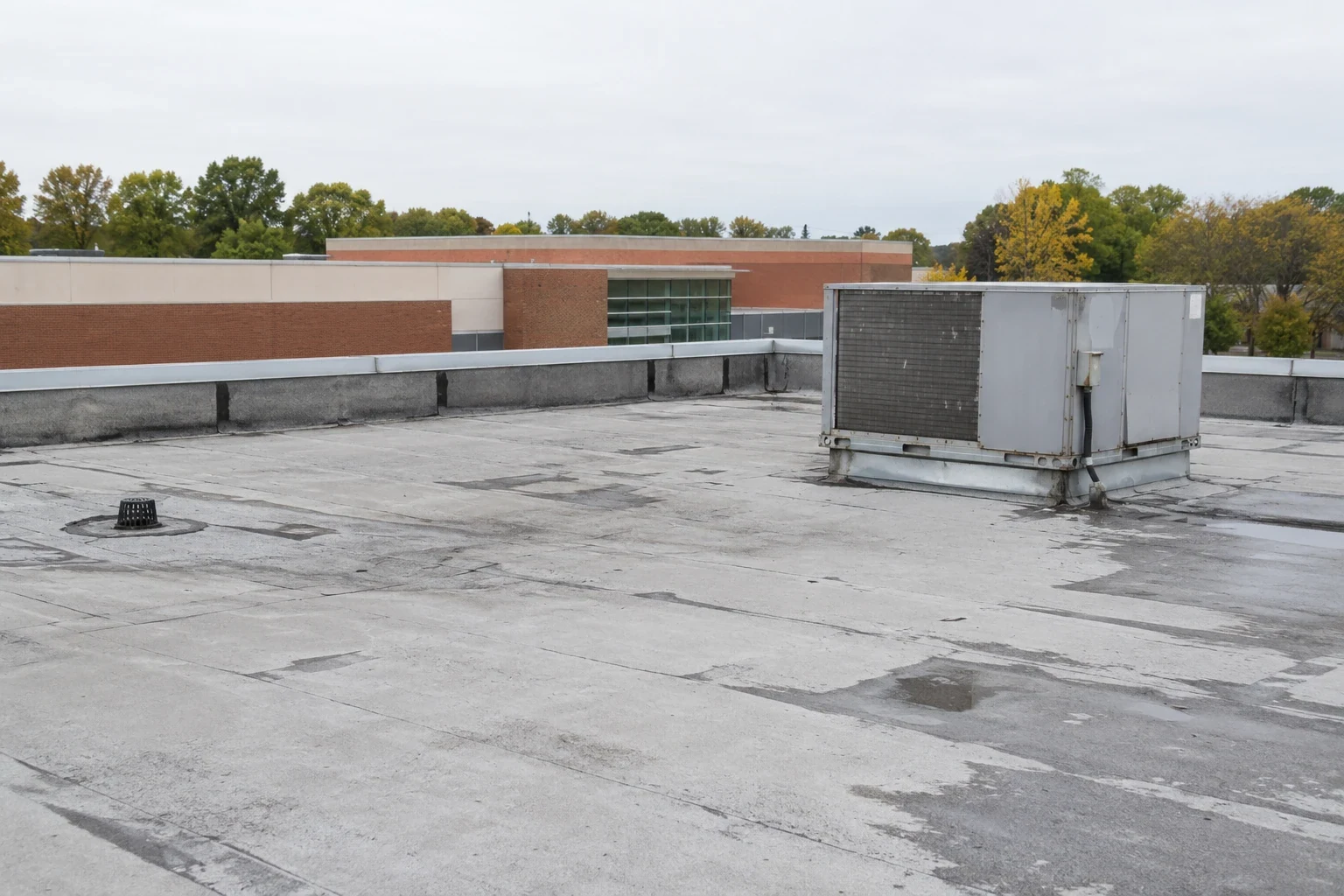
When an owner sells, the package that goes to the buyer includes the last baseline report, the yearly entries, repair work orders and the warranty file. Warranty files list the transfer conditions and any inspection the warranty expects. A buyer who finds those documents in order pays less for uncertainty.
Owners of managed portfolios can use the same close-out format for every building, so an exit across several properties moves faster.
A final item belongs in the package: the open findings list. Anything the seller promised to fix, and anything we saw but could not verify, stays on it with a date. Closing the list becomes a post-closing task with a named owner.
Keep Reading
Roof surveys for acquisitions and refinancing in Kenosha, WI: core cuts, moisture data and condition ratings sorted into immediate repairs and reserve items.
Dock-aware roof inspections, ponding records and phased replacement plans for logistics and 3PL operators in Kenosha, WI and Pleasant Prairie.
Roof asset management for Kenosha, WI portfolios: numbered roof sections, dated photo sets, condition ratings and an inspection log for capital decisions.
Warehouse roof inspection, drain checks, repair and replacement in Kenosha, WI, with ponding records, seam probes and condition ratings for capital requests.
Distribution center roof inspection, leak tracing, repair and replacement in Kenosha, WI, with drain records, moisture maps and condition ratings.
Commercial roofing in Pleasant Prairie, WI for LakeView and Prairie Highlands industrial buildings, with seam, drain and curb findings recorded and dated.
Timing depends on building size and access. We agree the site visit and the delivery date against the diligence window, and the written report follows once the moisture map is checked.
Yes, as a range with stated assumptions. The range covers scope options, such as recover versus tear-off, so the committee sees what drives the difference.
Yes. We rate every section on the same scale and record the same fields. Buildings in different markets then sit in one table.
We rely on the moisture survey and visual findings, and the report states which areas stayed unverified. The buyer can negotiate access or price the uncertainty.
The client does. They arrive as numbered files with the report, ready for the investment committee and the loan file.
The report records condition and cause, not liability. Owners and tenants then apply the lease to a factual record. A dated photo set and a marked plan keep the discussion on the roof.