
How long does a survey take?
The walk is usually a day or two depending on roof area. The written report follows within the schedule set at the start, and urgent findings are called in sooner.
Roof surveys for acquisitions and refinancing in Kenosha, WI: core cuts, moisture data and condition ratings sorted into immediate repairs and reserve items.
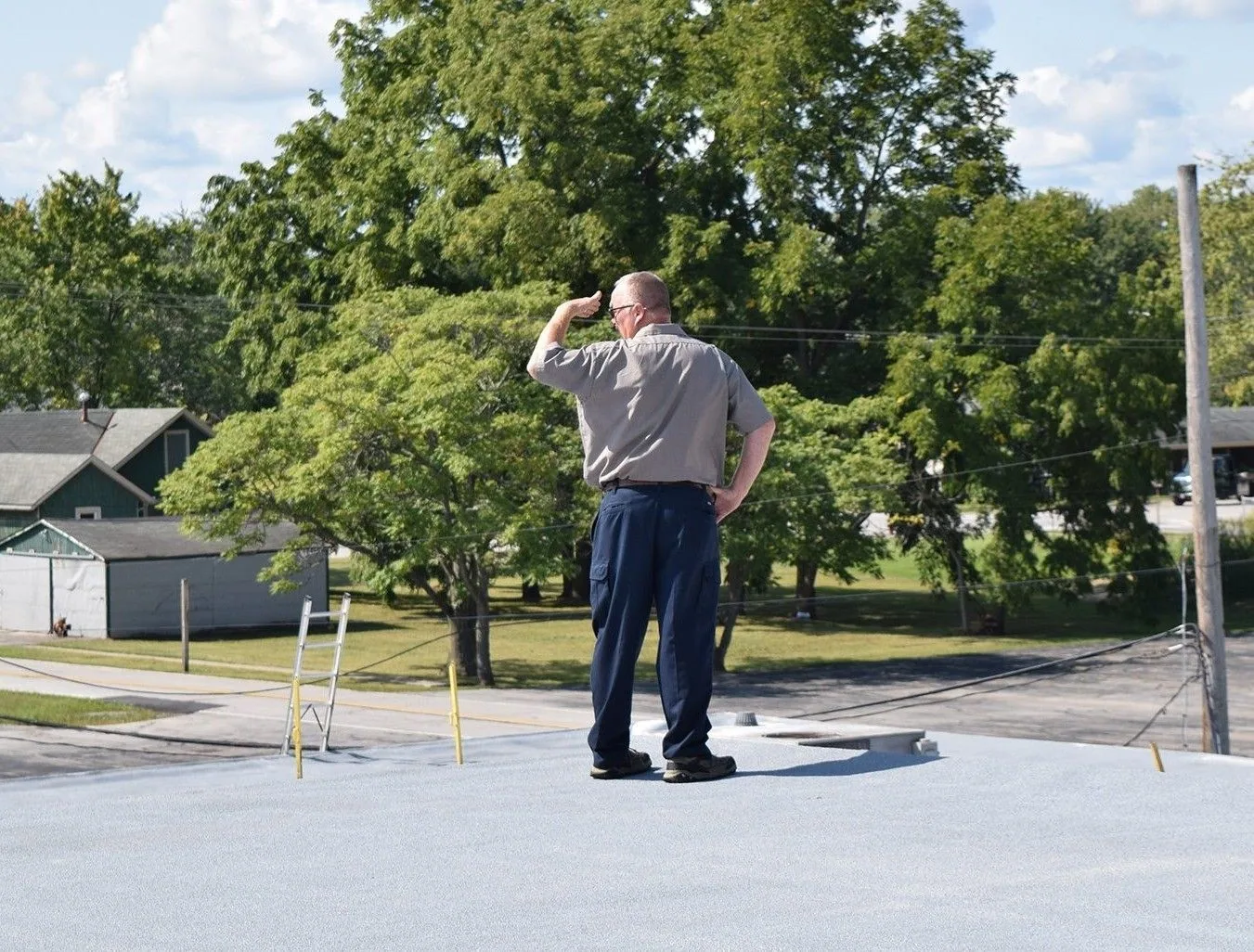
Seven days into a purchase contract, the buyer's lender asks one question about the roof: what does it need in the next three years? A survey answers it with core cuts, moisture data and a rating for each section. The answer arrives as a document the lender can read and the buyer can use in negotiation.
A due diligence survey in Kenosha, WI is shaped by the clock. Access is limited, the seller is watching, and the findings must be clear enough that someone who never stood on the roof can act on them.
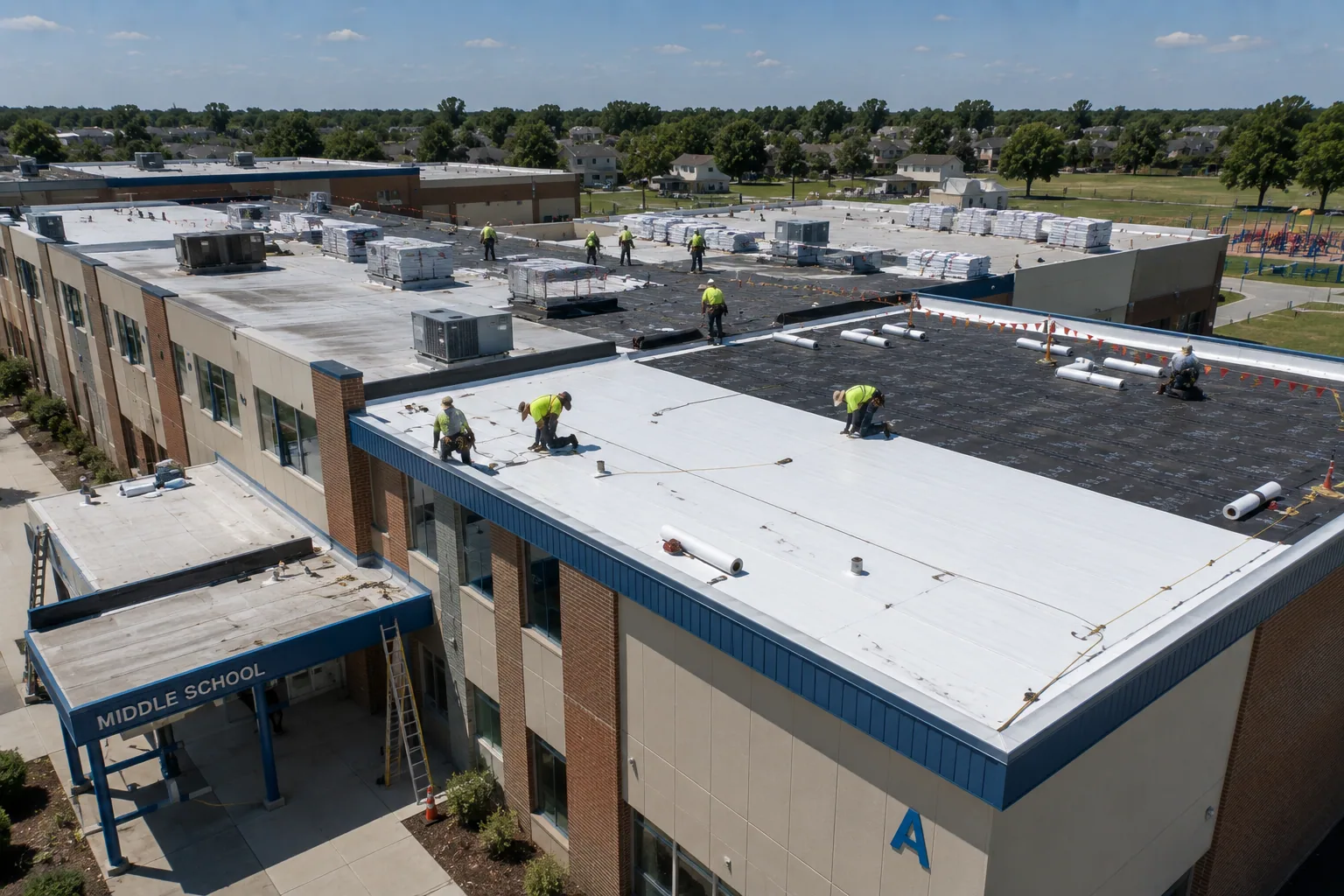
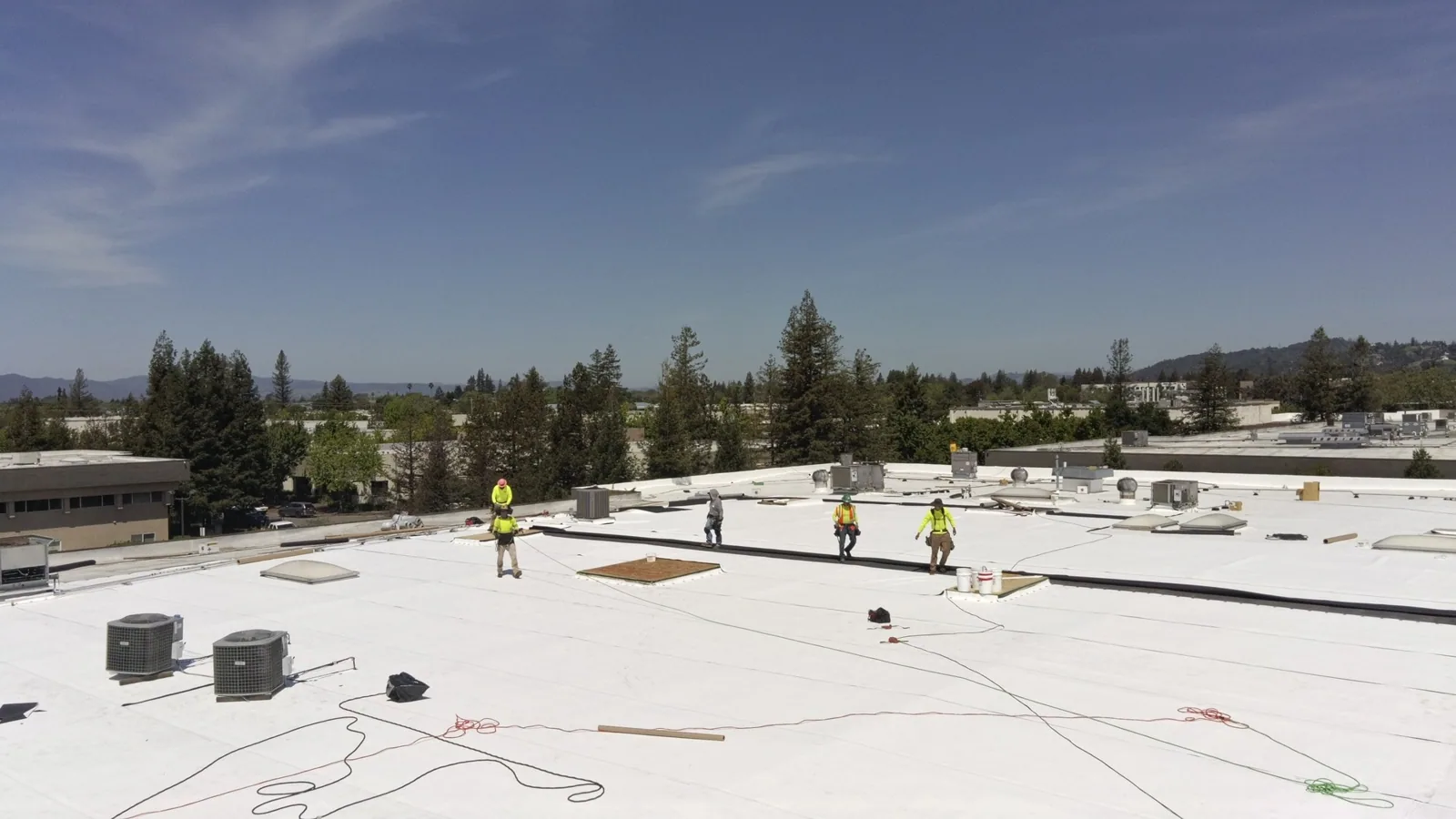
The survey covers every roof section on the property. We walk the field, edges, penetrations, drains and flashings, photograph findings with dates, and mark each on a roof plan. We cut cores where moisture is suspected and where the plan needs a record of the assembly: membrane, insulation, deck.
We also review what the seller can provide: warranties, prior reports, repair invoices and installation records. Where documents are missing, the report says so. The survey ends with a rating for each section and a sorted list of items: repair before closing, repair after closing and plan for the reserve.
Equipment and access come next. We note every rooftop unit, vent and skylight, the condition of its curb and flashing, and how the roof is reached: interior ladder, exterior ladder or roof hatch. A building that needs a lift to reach the roof carries a higher cost for every later inspection, and the buyer should know that before closing.
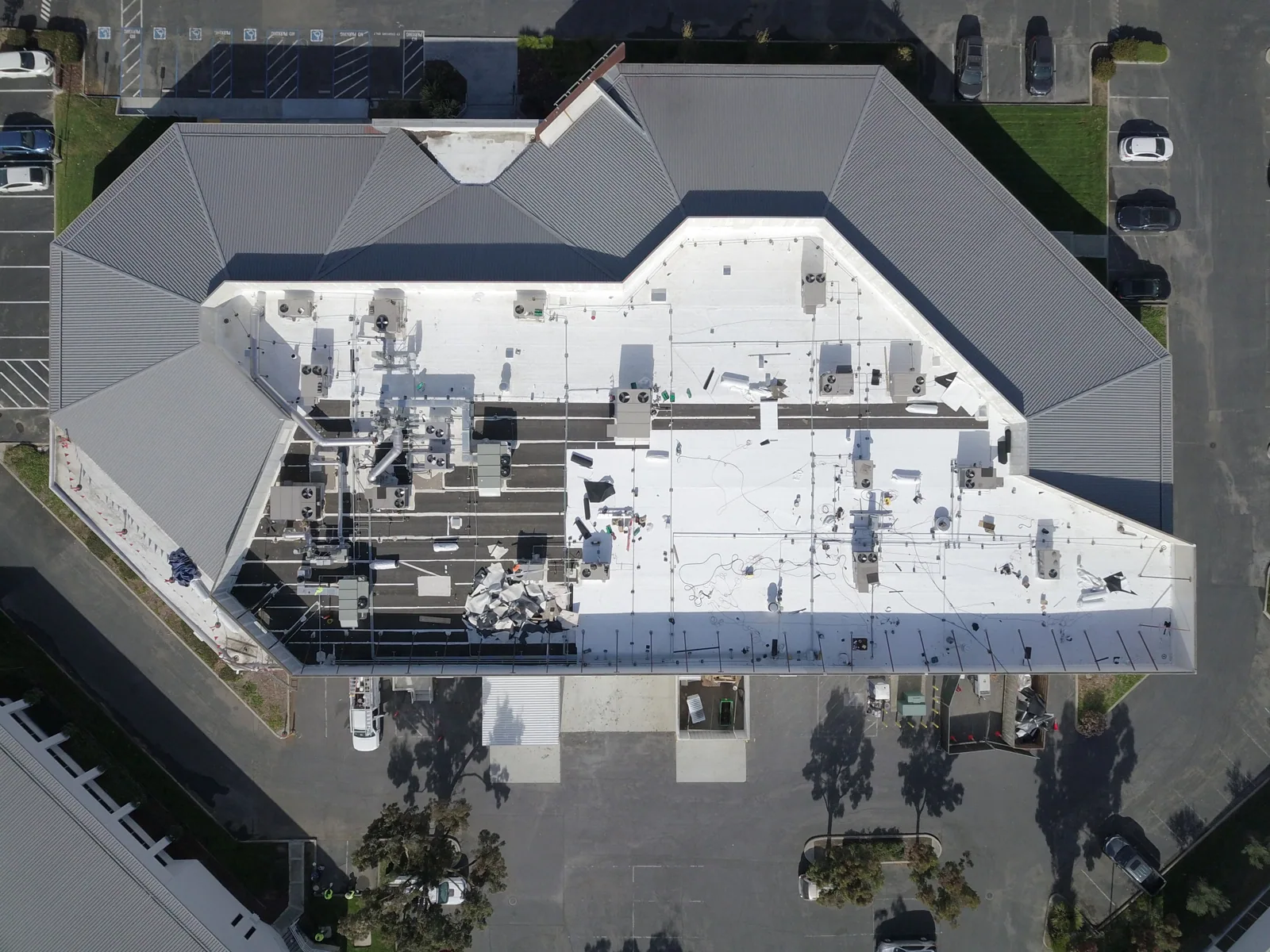
Buyers and lenders think in two lists. The first is immediate repairs: open seams, failed flashings, clogged drains and areas where water is entering now. The second is reserve items: sections nearing the end of reliable service, with a timing range the evidence supports.
We keep the lists separate, because they feed different decisions. The immediate list informs the purchase price or a repair credit. The reserve list informs the lender's reserve and the buyer's capital plan. The capital planning format can pick up the reserve items directly after closing.
Each immediate repair carries a location, a photograph and a proposed method. Each reserve item carries the evidence for its timing: wet core, repeated repairs, a ponding record or an open seam pattern. The buyer can then ask the seller for a credit on the first list and plan the second list into the hold period. The lender sees both lists and the basis for each.
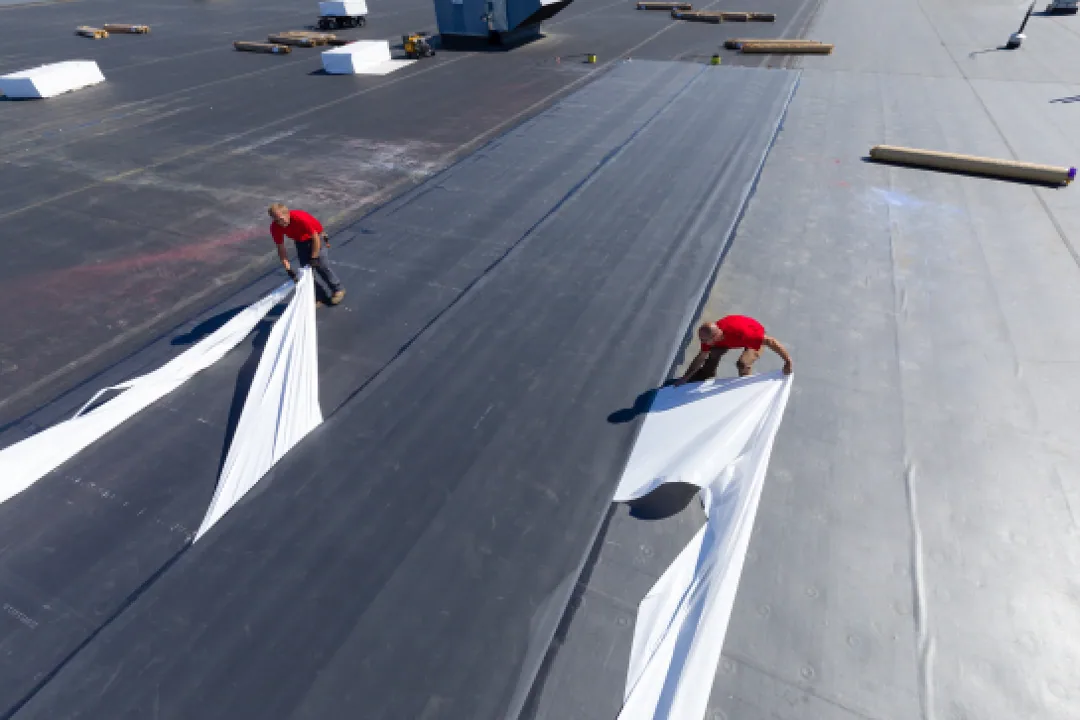
A lender wants to see how a conclusion was reached. The report ties every rating to photographs and measurements, and it lists the cores with their locations and results. A third-party reviewer can compare the report with the roof and find the same conditions.
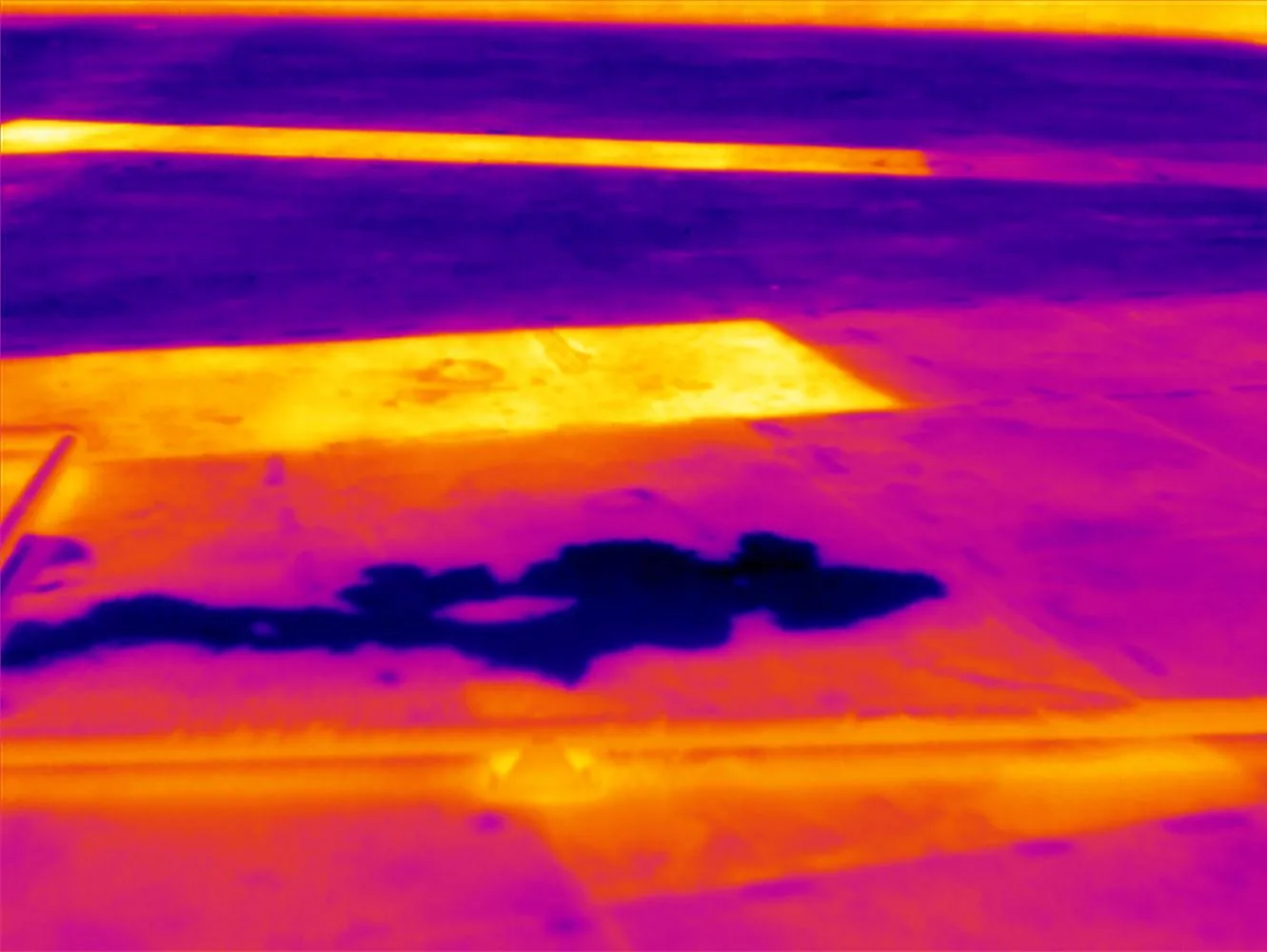
Where a moisture survey is warranted, we add a map. An infrared moisture survey narrows the cores to the places that matter and reduces the number of cuts on a roof the buyer does not yet own. Every core is patched the day it is cut, and the patch is photographed.
Warranty status is part of the evidence. If the roof carries a manufacturer's warranty, we read the conditions, check for transfer terms and note whether the roof's history matches them. A warranty that cannot be transferred or that has lapsed through missing maintenance changes the value of the roof, and the report states that plainly.
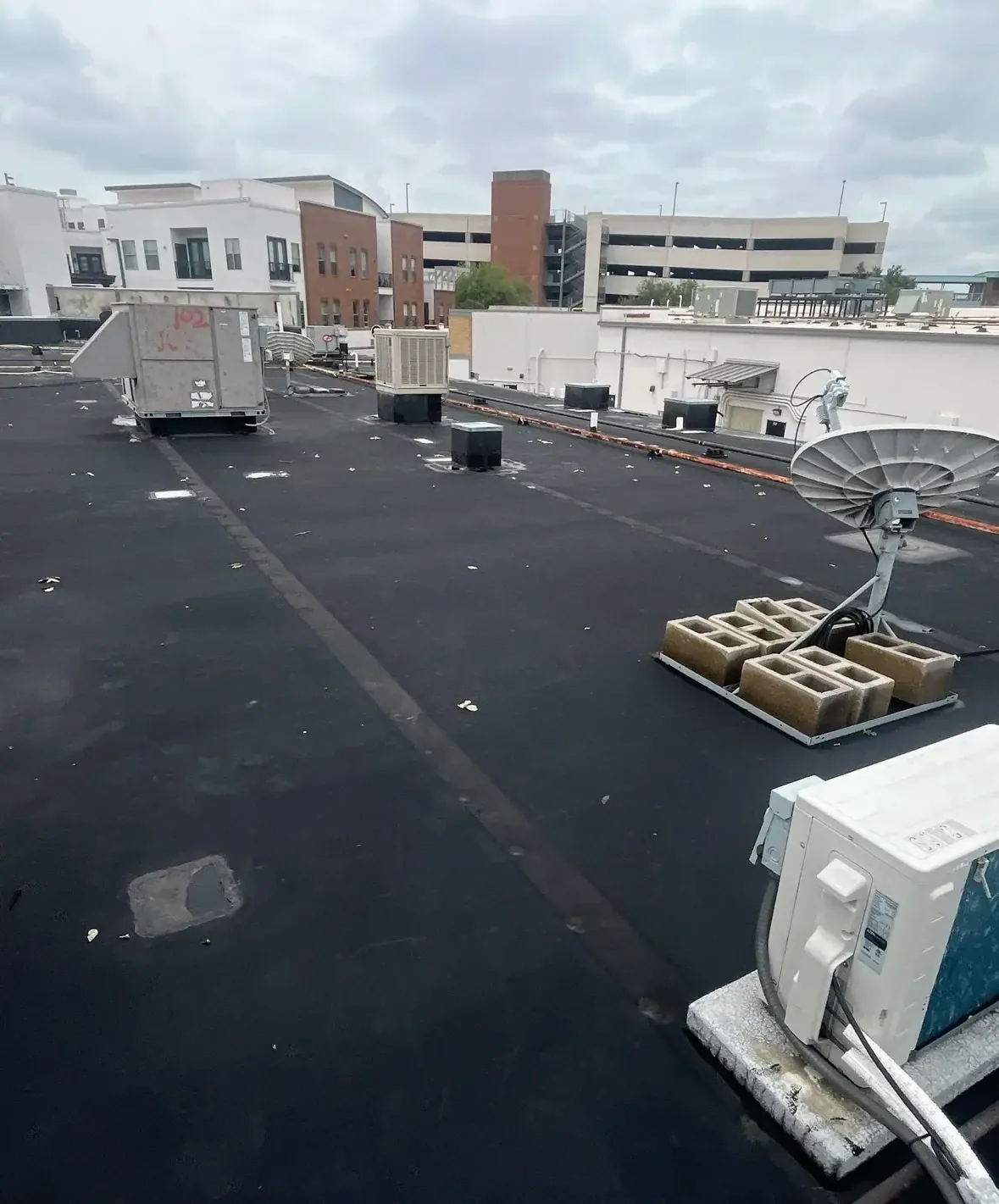
A survey runs through several parties. The seller grants access and supplies records, the broker schedules the visit and the lender sets the format of the report. We confirm the access plan in writing: dates, contacts, roof hatch locations, any tenant notice that applies and the safety requirements of the site.
If the building is occupied, we coordinate with the property manager and keep the work away from tenant operations. In a distribution building, that means staying clear of dock activity. In a medical building, it means avoiding areas where patient care is underway and following the facility's infection-control rules.
The report goes to the party who commissioned it, and we provide a short summary letter suitable for the lender. Findings that need immediate attention are called in the same day, so the buyer has time to decide before a contingency period ends. Where the lender asks for clarification, we answer from the file.
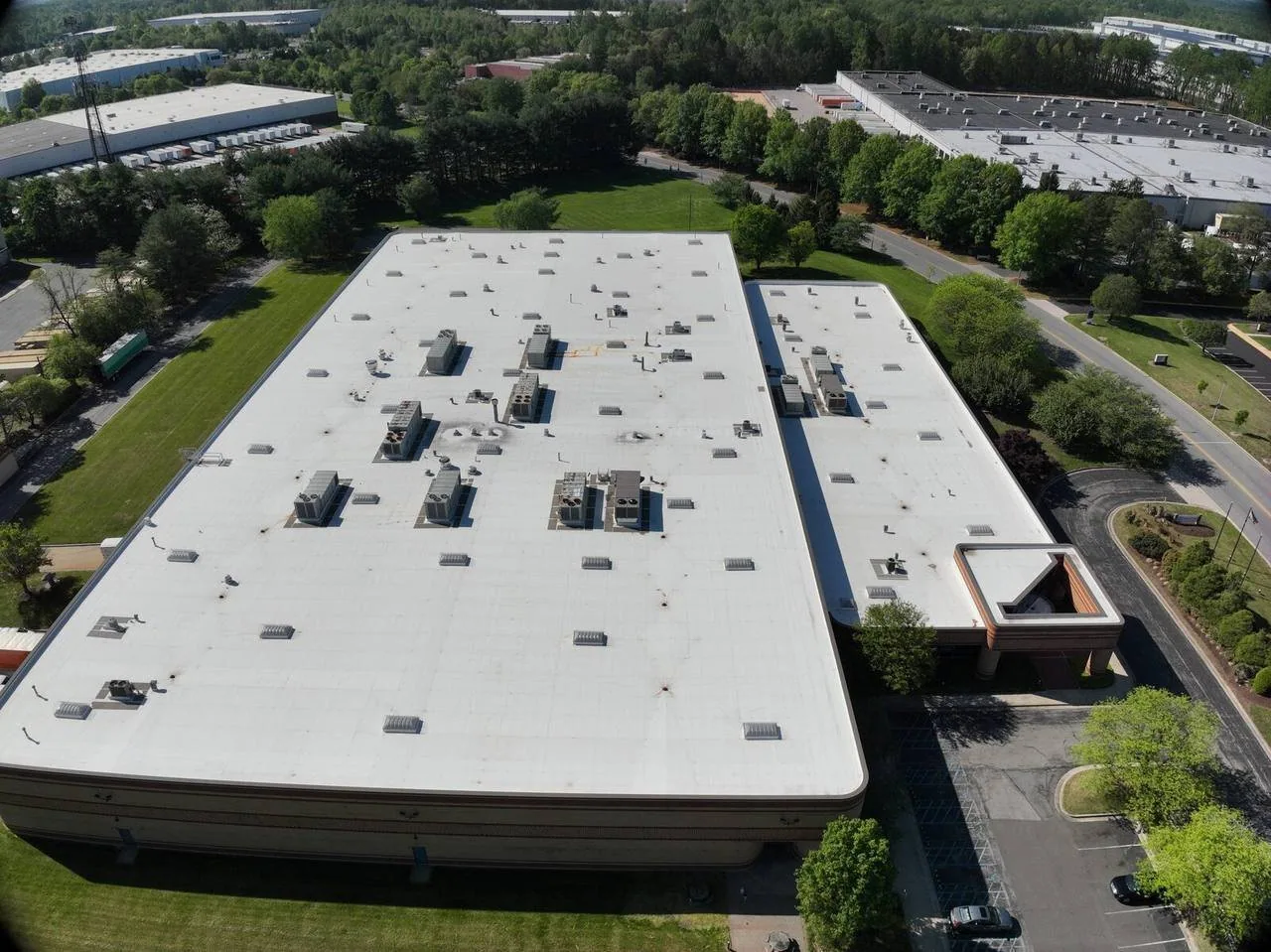
A survey here can land on several building types. Pleasant Prairie's LakeView Corporate Park spreads more than 80 companies across roughly 2,000 acres, and the village counts over 10 million square feet built there, all within Pleasant Prairie. Racine County has large manufacturing plants, and Kenosha itself holds warehouses and distribution centers tied to Amazon, Rust-Oleum, Uline and Associated Wholesale Grocers.
Medical buildings can be part of a purchase as well. Kenosha has two hospitals, and St. Catherine's Medical Center opened in Pleasant Prairie in 2002. Each building type brings its own survey issues: large fields and dock edges for distribution, process exhaust for plants, rooftop equipment and shutdown limits for medical space.
Contracts do not wait for spring. A Kenosha winter brings about 36.2 inches of snow, and the Groundhog Day storm of 2011 left roughly 23 inches by itself. A roof under snow cannot be fully walked, and cores through ice are difficult to read.
When the survey must happen in winter, we say so in the report. We clear test areas where possible, use thermal tools on cold, clear days, and list sections that could not be examined. The report can then recommend a follow-up walk after the thaw or a holdback tied to the unseen area. That clarity protects both buyer and lender from assuming the whole roof was seen.
Wind history also enters a survey. Tornadoes on January 7, 2008 touched down in Somers and on Kenosha's north side, and the Wheatland twister that day was the first confirmed in the county since 2001. For a building in the affected area, the survey looks closely at edge metal, coping and perimeter laps, and asks the seller whether any storm repairs were made and by whom. Repair records from that period belong in the file.
After closing, the survey becomes the baseline. Section numbers, photographs and ratings move into the roof register, and the first scheduled inspection compares the roof against the survey. Findings that were open at closing are tracked until they close.
For a buyer with other buildings in Lake County, Illinois or Racine County, the same survey format works across sites. That consistency helps when a portfolio grows by acquisition and the facility team needs a single way to compare roofs. The multi-site roof program builds on those surveys.
Keep Reading
Roof capital planning for Kenosha, WI owners: condition ratings, core cut results and replacement timing arranged into a budget request a committee can review.
Infrared scans and core-cut verification for Kenosha, WI commercial roofs, producing a numbered moisture map that separates wet insulation from dry.
Commercial roofing in Pleasant Prairie, WI for LakeView and Prairie Highlands industrial buildings, with seam, drain and curb findings recorded and dated.
Roof asset management for Kenosha, WI portfolios: numbered roof sections, dated photo sets, condition ratings and an inspection log for capital decisions.
Commercial roofing in Racine, WI for manufacturing plants, retail centers and lakefront buildings, with dated findings, moisture surveys and condition ratings.
One roof program across many buildings from Kenosha, WI: shared inspection format, seasonal scheduling along I-94 and one reporting file for facility teams.
The walk is usually a day or two depending on roof area. The written report follows within the schedule set at the start, and urgent findings are called in sooner.
Only with the seller's permission. Cores are limited, patched the same day and photographed. A moisture survey can reduce the number needed.
It gives a range supported by the evidence, such as moisture and seam condition. We label it as an estimate and list the findings behind it.
The report states that none were provided and relies on field evidence alone. That limits some conclusions, and the report names them.
It covers curbs, flashings and penetrations for the equipment. The mechanical condition of the units themselves is outside a roof survey.
Yes, when access is arranged early. We schedule the walk first, call in urgent findings the same day and deliver the written report on a date set at the start.