Senior Living Roofing in Kenosha, WI

Senior living roofing in Kenosha, WI: wing-by-wing condition records, leak logs over resident rooms, winter damage findings and quiet, phased work plans.

Senior Living Roofing in Kenosha, WI

Senior Living Roofing

A damp ceiling tile above a resident corridor is a finding that needs two records at once. One is the roof record: a photograph of the opening, the wing, the roof level and the date. The other is the care record: which rooms were affected and what the staff did. For a senior living community in Kenosha, WI, the administrator holds both, and a roofer who can match them to each other saves time on every call. We build the roof side so it fits the care side.

Senior Living Roofing

Wing-by-Wing Roof Record

A community is usually a set of connected wings: independent living, assisted living, memory care, a commons with dining and activity rooms, and sometimes a clinic. Each wing has its own roof, and the wings may have been built in different decades. A single rating for the whole property hides the wing that is failing.

We number each roof area and tie it to the wing name and the rooms underneath. The table lists membrane type, age if known, last repair, number of leak calls and a condition rating. An administrator can sort it by the wing where residents are most vulnerable, and the capital request follows from the table instead of from the loudest complaint.

The table carries non-roof facts as well: the date of the last reroof, whether a manufacturer warranty is open, which inspections it requires and who holds the paperwork. When staff or owners change, those facts are easy to lose. Where a fact is missing, we mark it as open on the table, so the administrator can look for it and the next inspector does not assume.

Each entry also notes the roof level and the access route, so a technician arriving for a leak call can go straight to the right hatch without disturbing a wing.

Senior Living Roofing

Findings Over Resident Spaces

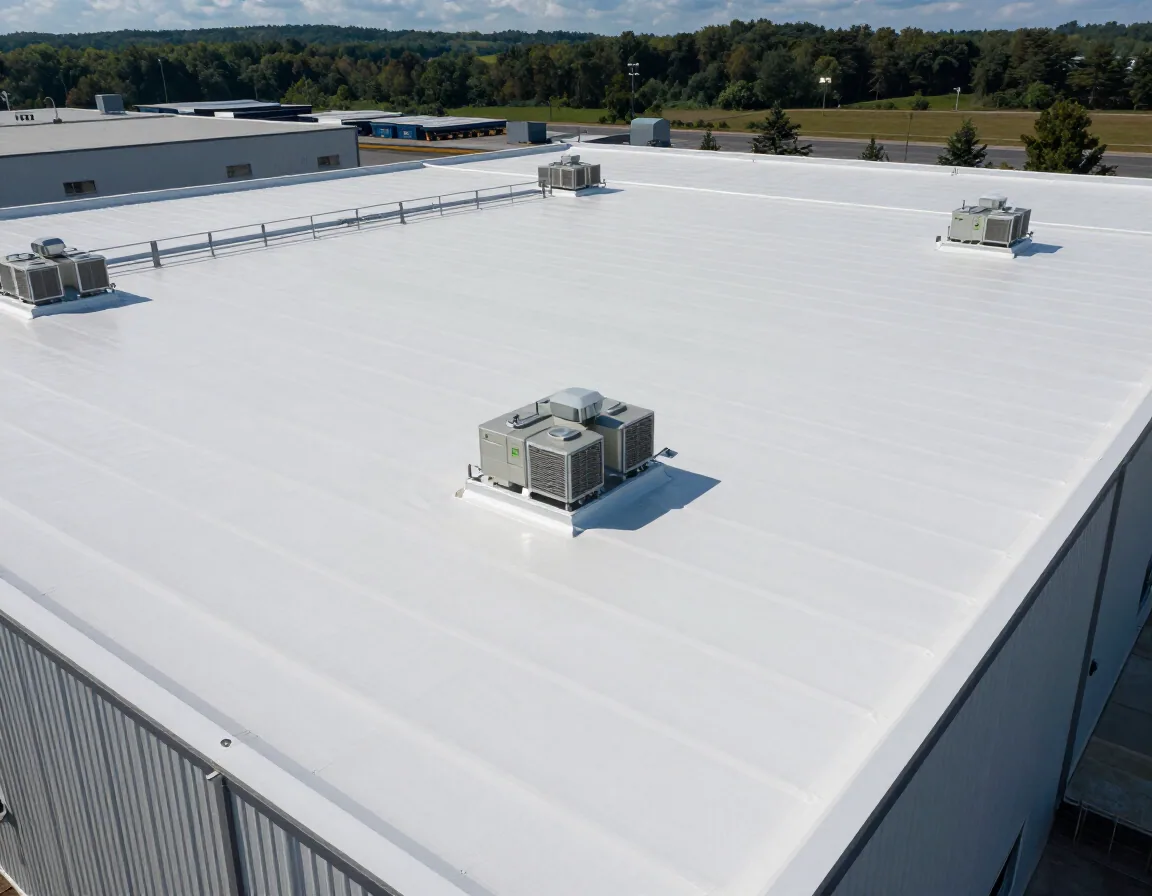
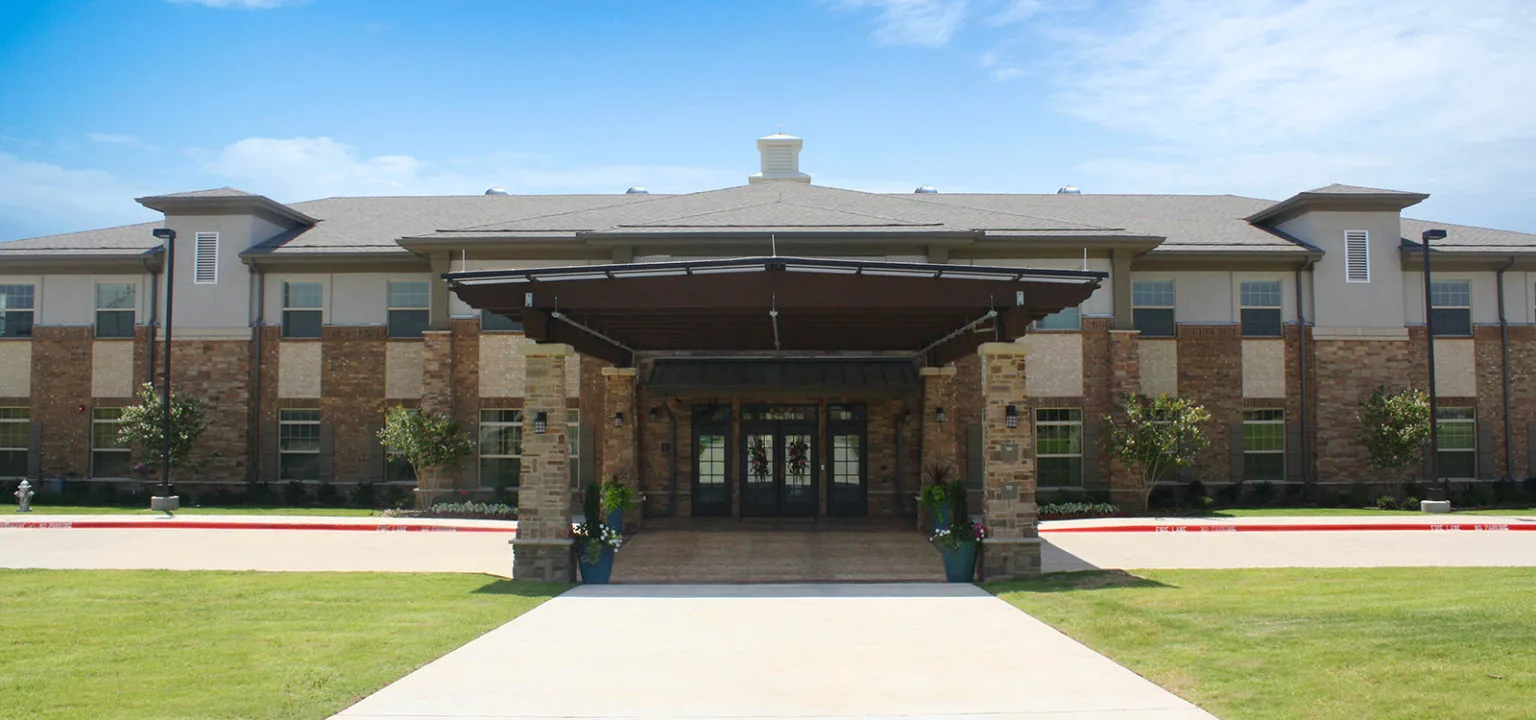
Entrance canopies, where residents are dropped off, are a frequent entry. They are exposed on several sides, and the joint to the main wall opens first. Commons roofs carry rooftop units for dining and activity rooms, and those units leave worn paths and cracked curb flashing. Kitchen exhaust adds grease near the membrane. Long corridor roofs have drains that clog and seams that open.

Two frames record each finding, a wide shot and a close one, each dated, numbered and pinned to the plan above the room it affects. Flashing failures at canopies and wing junctions are the entries that repeat. Moisture over a bed or a walking route is rated higher than the same finding over a storage room, because the consequence differs.

Penetrations get a count by wing. Bathroom exhausts, plumbing stacks, dryer vents and kitchen hoods all pass through the roof, and resident rooms add one or two per unit. A wing with sixty penetrations and sealant that has dried out carries sixty places where water can enter. The count tells the administrator whether the right answer is a series of small repairs this year or a planned reroof of the wing.

Senior Living Roofing

Winter Records and Safety

A Kenosha winter means about 36.2 inches of snow, a record low of minus 31 degrees and, in 2011, a Groundhog Day blizzard of about 23.2 inches. Snow and ice change the safety picture for a community. Ice at roof edges can fall near entrances. Meltwater can run through a failed seam into a ceiling above a resident corridor.

The spring walk logs the results, and a shorter walk after a heavy storm records conditions while the evidence is clear. A snow and ice damage record from past winters shows which canopies and corridors repeat. That record supports preparing those spots in autumn, such as clearing drains and checking edge metal, so residents are not exposed to the same hazard twice. Heat tracing on drains, snow guards above entrances and a drain check before the first freeze are the usual items the record supports, and each is listed with its cost range for the next budget cycle.

Senior Living Roofing

Moisture Survey and Core Cuts

Residents and staff should not be the first to find a roof problem. An infrared moisture survey maps wet insulation before it reaches a ceiling. A core at each wet reading and one at a dry reference spot gives the layers, their thickness and their moisture content. We photograph each core with a ruler.

The survey also separates condensation from leaks. Dry winter air, humid kitchens and shower rooms can produce drips that look like roof leaks, and the cores show the vapor layer. A repair aimed at the wrong cause fails twice, and the report prevents that. It states whether a patch, a recover or a replacement is supported, and the cores sit beside the recommendation. What the work costs turns on roof area, tear-off layers, insulation depth, access around drop-off lanes and how many rooftop units have to be shut down in sequence.

Senior Living Roofing

Care Settings Around the Market

Senior communities in this market sit within reach of several hospitals. Downtown Kenosha has Froedtert South Kenosha Medical Center Campus, the western city limits have Aurora Medical Center, neighboring Pleasant Prairie has St. Catherine's Medical Center, and in Illinois Advocate Condell Medical Center in Libertyville is among that village's largest employers, with 2,102 jobs.

A senior community in the same area shares the same weather. Each community is walked and rated on its own roofs. The Pleasant Prairie and Libertyville areas, for instance, are inspected under the same rating scale as Kenosha, so an operator with several communities can compare them. A hospital follows the same record, with stricter infection control.

Senior Living Roofing

Quiet Scheduling and the Close-Out File

Work is scheduled around meals, therapy, medication and rest. Noisy tear-off runs when most residents are out of their rooms. Memory care wings get special planning, with fewer people in corridors and a named contact for staff. Open cuts are covered at day's end, and interiors under the work are protected.

The administrator ends up with a file holding the as-built plan, photographs from both sides of the work, product data, warranty papers and open items. A multifamily property uses the same file with fewer care constraints. The file lets a new administrator see what happened and when, and it records which rooms were affected on which days so that families and staff can be answered with dates.

Request a Dated Baseline Inspection

Questions About Senior Living Roofing

How do you protect residents during roof work?

We schedule noisy work outside rest hours, keep staging away from entrances and walkways, and cover open cuts nightly. Staff receive the schedule in writing, along with a note on which corridors and entrances close each day and when they reopen.

What is the benefit of a wing-by-wing rating?

It shows which wing needs money first. A single property rating hides the failing section and delays the right decision.

How do you tell condensation from a leak?

Drips without rain, near ducts and exhausts, in cool weather, point to condensation. A moisture survey and cores separate it from a roof leak.

Does memory care need a different plan?

Yes. We limit unfamiliar movement near those wings, set quiet hours with the director, keep one named contact for staff and brief every crew member on routes before the first morning.

Can records support a state or insurance review?

The dated photographs and findings document condition. The administrator decides how to use them with the reviewer.

What should an administrator send first?

A floor plan with wing names, whatever roof ages you know, leaks listed by room and the hours that must stay quiet. Partial records are enough.

ServicesRoof SystemsIndustriesProperty TypesService AreasDamage RepairCapabilitiesManufacturersContactAboutRequest a Roof Assessment555-555-5555
Call555-555-5555