How do you protect air intakes during roof work?
We mark intakes on the plan, sequence tear-off and hot work away from them and cover or shut them down with facility staff when needed. Dust and odor control is part of the written scope.
Commercial roof inspection, repair and replacement in Libertyville, IL, for medical, office and industrial buildings, with moisture surveys and written ratings.
A ceiling stain over a clinical corridor is a different kind of finding than one over a storage room. The photo is the same, but the record it creates is not: it goes to the facility director, the infection-control lead and sometimes the insurer. For commercial and medical buildings in Libertyville, IL, we start every leak investigation by asking what sits under the stain, then rate the roof above it accordingly.
We take on inspection, repair and replacement of low-slope and metal commercial roofs in Libertyville. A walk produces dated photographs, a plan of the roof and a condition rating. After that the facility director has a written next step for a work order or a capital request. We take emergency calls day and night, holidays included.
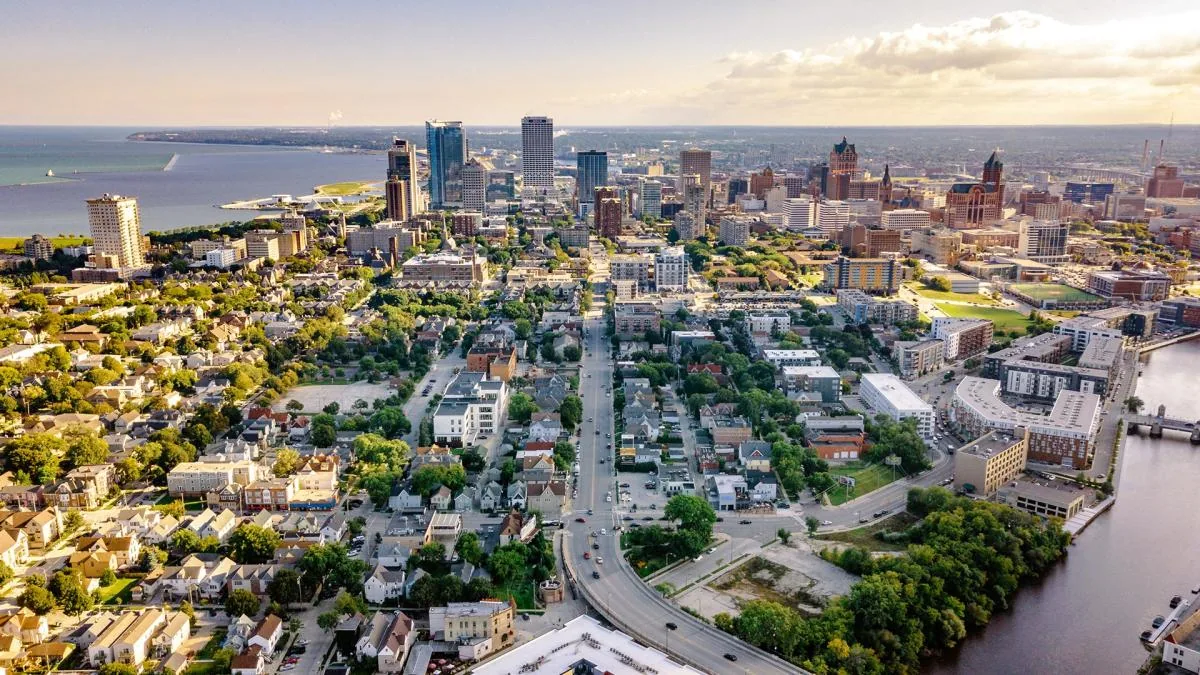
Libertyville's largest employers include Advocate Condell Medical Center (2,102), Hollister (527), Volkswagen Credit (446) and Medline Industries (343). The Tri-State Tollway (I-94), Milwaukee Avenue (Illinois 21) and Illinois 137 and 176 serve the village. Those names point to the kinds of buildings the village holds.
The roof itself is read on the first walk. Medical buildings have rooftop air handling, exhaust and sensitive spaces below. Office buildings have mechanical screens, flat roofs and many penetrations. Industrial and distribution buildings have long spans, dock canopies and process exhaust. The first walk identifies which of these applies, and the condition rating is written for that building type.
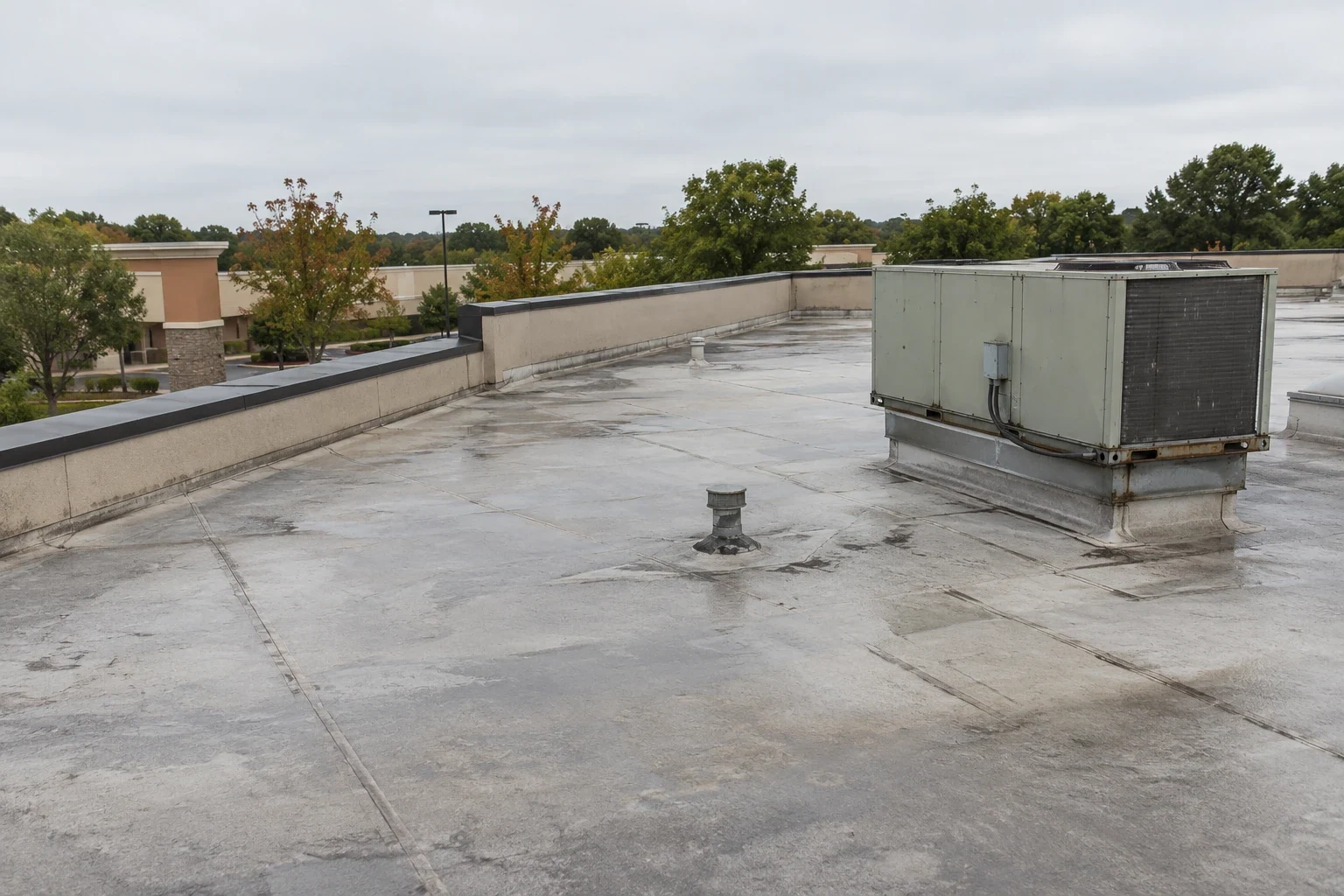
Rooftop equipment is the busiest part of most medical and office roofs. Air handlers, exhaust fans, chillers and condensers sit on curbs or rails, and each one has service traffic. We list the units, note curb and flashing condition and mark walk paths. Units added after the roof was installed are flagged, since late additions are often flashed in a hurry and leak first.
Water over a clinical space can trigger incident reports, closed rooms and set remediation steps. That raises the value of finding a leak before it reaches the ceiling. A moisture survey over a medical roof shows wet insulation that has not yet shown inside, and the repair can happen on a schedule instead of during an incident.
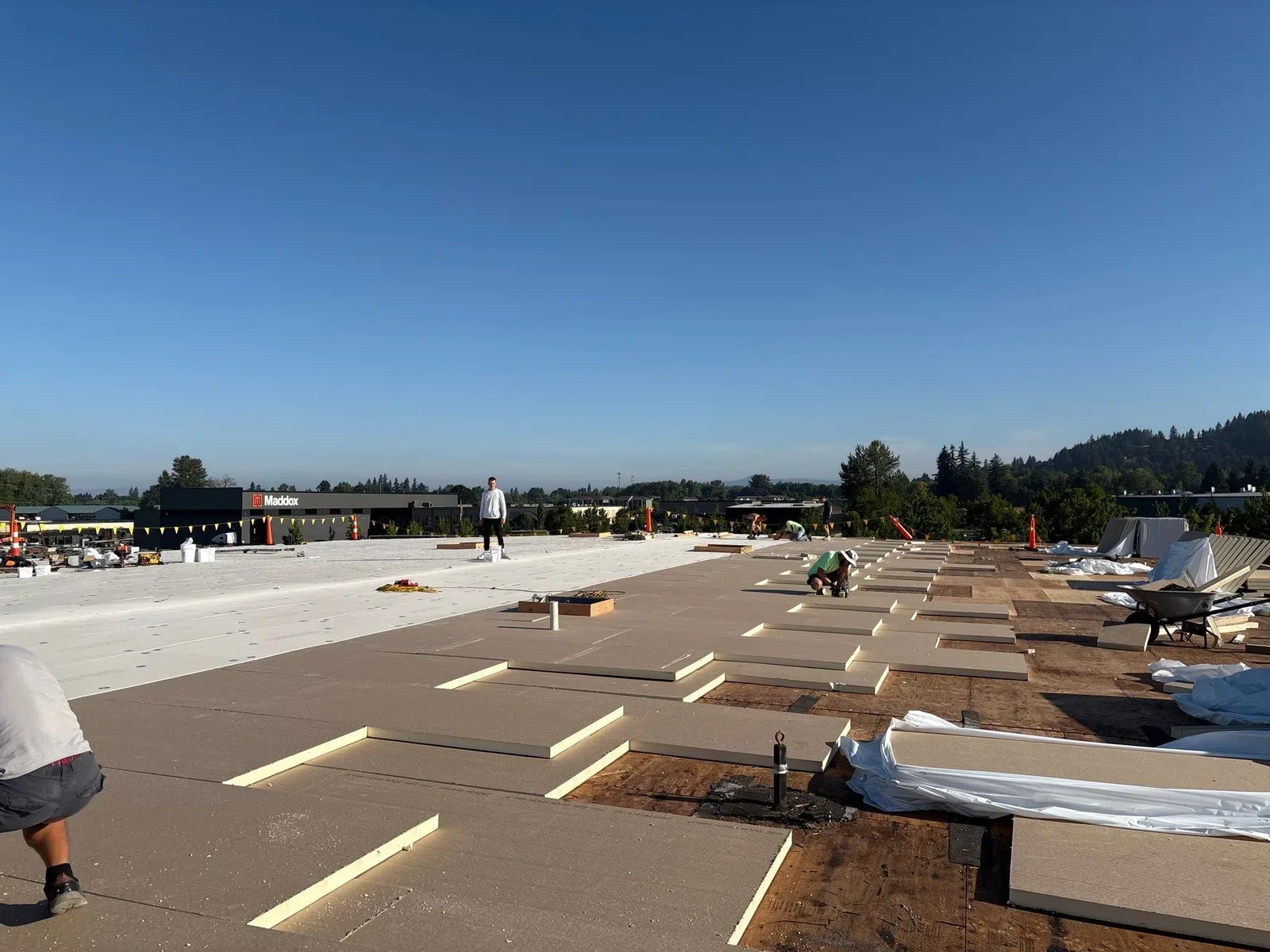
Access and air quality shape the work. Intakes near the work area are marked, and we plan the order of tear-off or repair to keep dust and odor away from them. We coordinate noise-heavy steps with clinical schedules. For an occupied building, occupied building reroofing means protected walkways, closed-in sections at the end of each day and clear notice to staff.
Infection-control rules affect the work. Where the hospital or clinic has a risk assessment for construction, we follow its steps: barriers, negative air where required, wet-cutting to reduce dust and cleaning at the end of each shift. We ask for the facility's rules at the first visit and write them into the work plan so crews do not learn them on the roof.
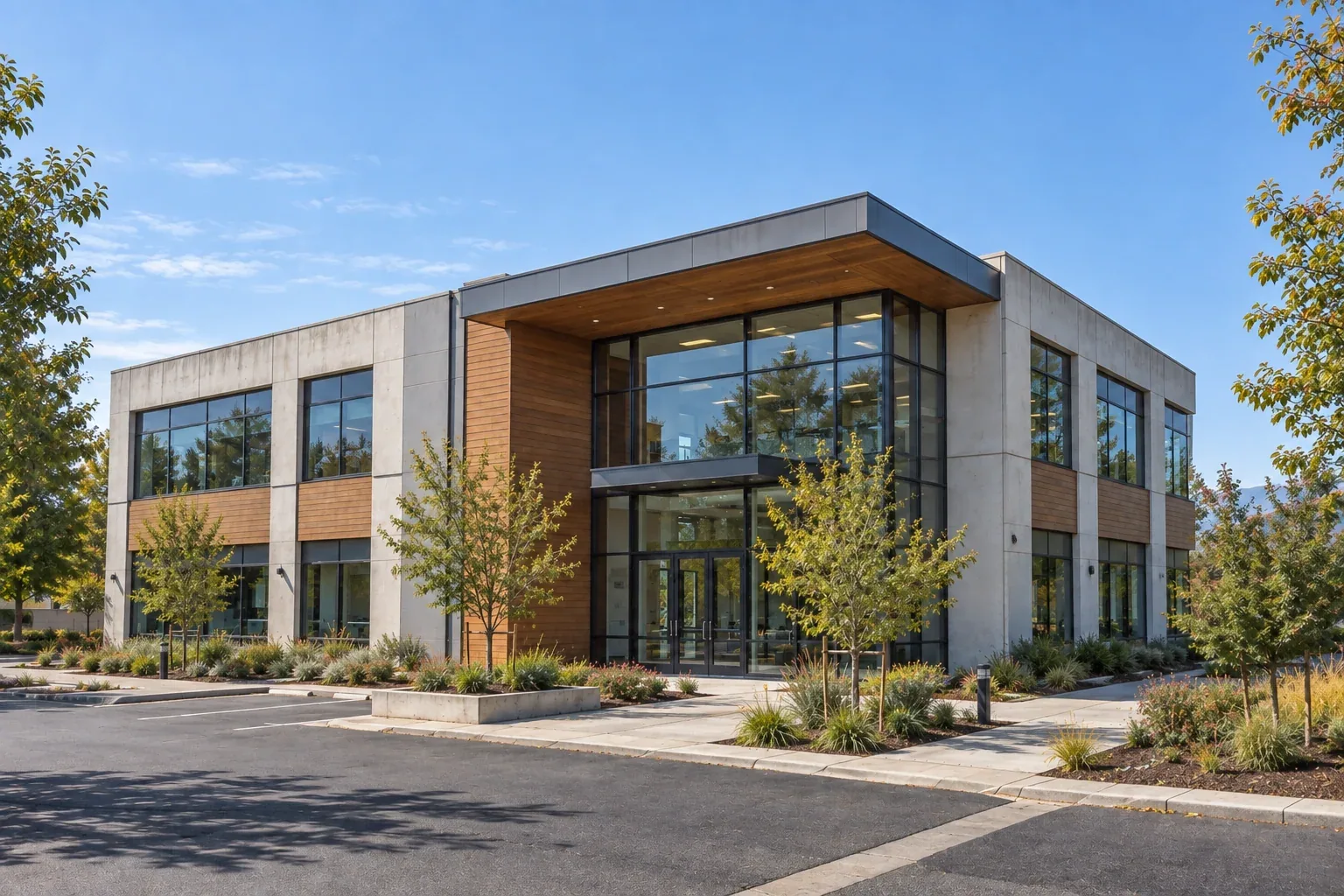
Each finding gets a photo, a location on the plan, a rating and a note. Core cuts record layers and moisture, and cut locations are patched the same day. Drain checks are logged with the date and the water line on the membrane after rain. These records go into a baseline report the facility team can open at any time.
The report supports three decisions. Isolated findings with dry insulation call for commercial roof repair. Surface wear on a sound, dry roof may allow a restoration. Widespread moisture points to replacement. An infrared moisture survey gives the map that makes the call defensible in a budget meeting.
Photographs carry a scale and a date. A coin, a tape or a marked rod in each frame lets the next reader judge size. Photos are named by location code from the roof plan, so a reader can pull every image of one curb or one drain across several years in seconds. That discipline is what makes the log useful when staff change.
Snowfall in Kenosha averages around 36.2 inches a year, and the record book lists minus 31 degrees (January 1985) and 105 degrees (July 2012). The swing drives thermal movement in membranes and flashings, and each spring leaves findings to log.
Wind belongs in the record too. Kenosha County was hit by tornadoes on January 7, 2008, in the Wheatland and Brighton areas and again in Somers and north Kenosha, and 105 homes were damaged. That history is why edge metal, coping and perimeter fasteners get checked each walk, with any movement photographed.
Snow and ice management is a roof matter as well. Heavy drifts form at parapets and rooftop units, and shoveling with metal tools cuts membranes. When snow must be cleared, we recommend plastic tools, a defined path and an inspection of the cleared area. Any cut found is logged and repaired before the thaw.
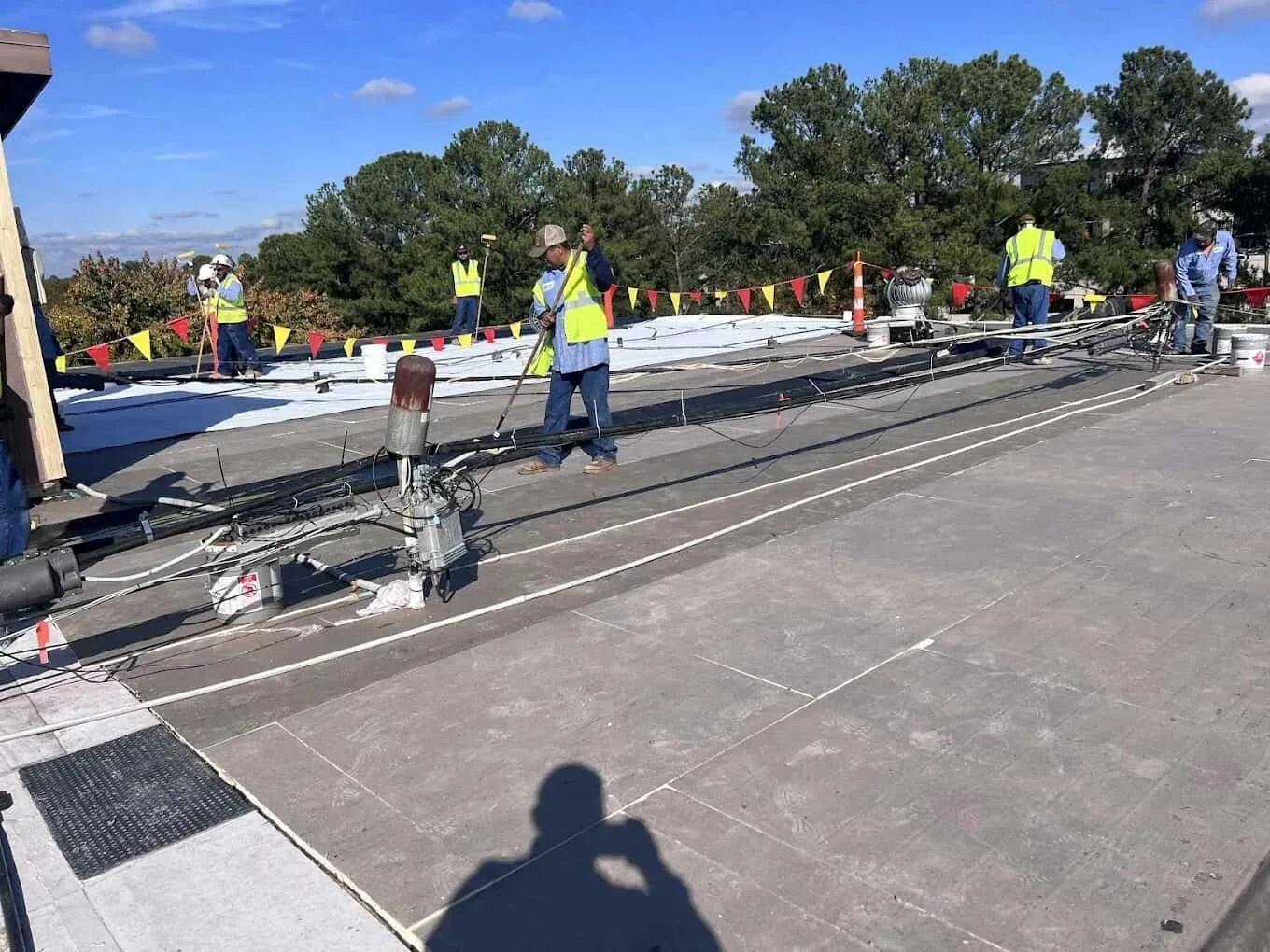
A scope names its cost drivers. Typical drivers are how much insulation is wet, whether a lift or crane is needed, how many penetrations and drains there are, deck repairs and the system chosen, such as TPO, PVC or modified bitumen. Occupied medical space adds phasing and protection. Cold months limit some adhesives and welds.
Owners with buildings in several villages can compare roofs on one scale. A group with sites in Libertyville, Mundelein and Lake Forest receives the same report format for each, which makes a multi-year plan simple to build. Close-out for each job lists final photos, where repairs were made, product data and warranty notes.
Budget requests need a clear line between urgent and planned work. We split the findings into three groups: items that stop active water, items that prevent the next leak and items that extend roof life. The first group is a work order. The second is a near-term request. The third belongs in the capital plan.
Keep Reading
Reroofing occupied buildings in Kenosha, WI: phased tear-off, interior protection and daily dry-in logs that keep tenants and operations running.
Planned membrane, flashing and seam repair for Kenosha, WI commercial roofs, with dated photos, a marked roof plan and a written repair log for every visit.
Infrared scans and core-cut verification for Kenosha, WI commercial roofs, producing a numbered moisture map that separates wet insulation from dry.
TPO roof inspection, seam repair and replacement in Kenosha, WI, with probed weld records, dated photo sets and condition ratings for capital requests.
Commercial roof inspection, repair and replacement in Mundelein, IL, for manufacturing, processing and distribution buildings, with core cuts and ratings.
Commercial roof inspection, repair and replacement in Lake Forest, IL, for corporate, office and medical buildings, with drone surveys and written ratings.
We mark intakes on the plan, sequence tear-off and hot work away from them and cover or shut them down with facility staff when needed. Dust and odor control is part of the written scope.
It shows wet insulation that has not yet leaked through the ceiling. Cores confirm the findings. Repair can then be scheduled around clinical needs instead of during a leak event.
It changes the checklist, since a clinic, an office and a plant each have different equipment and sensitive spaces. The walk and the core cuts, not the employer, supply the roof type, layers and condition.
We stop the water first, protect the space and notify facility staff. The repair is documented, and a moisture survey checks for hidden wet insulation before the final fix.
Pass along the building use, the roof age if it is known, leak reports and previous repair invoices. A roof plan helps. A written condition rating comes back that fits a work order.
Each finding carries a rating. Active water and open seams are urgent, near-term items prevent the next leak, and wear that shortens life goes into the capital plan with a target year.