
How do I find out what my warranty requires?
Send us the document. We read the conditions, list them in plain terms and build a calendar of inspections and notices from them.
Roof warranty management for Kenosha, WI owners: warranty files, maintenance records, repair documentation and notice dates that keep coverage in force.
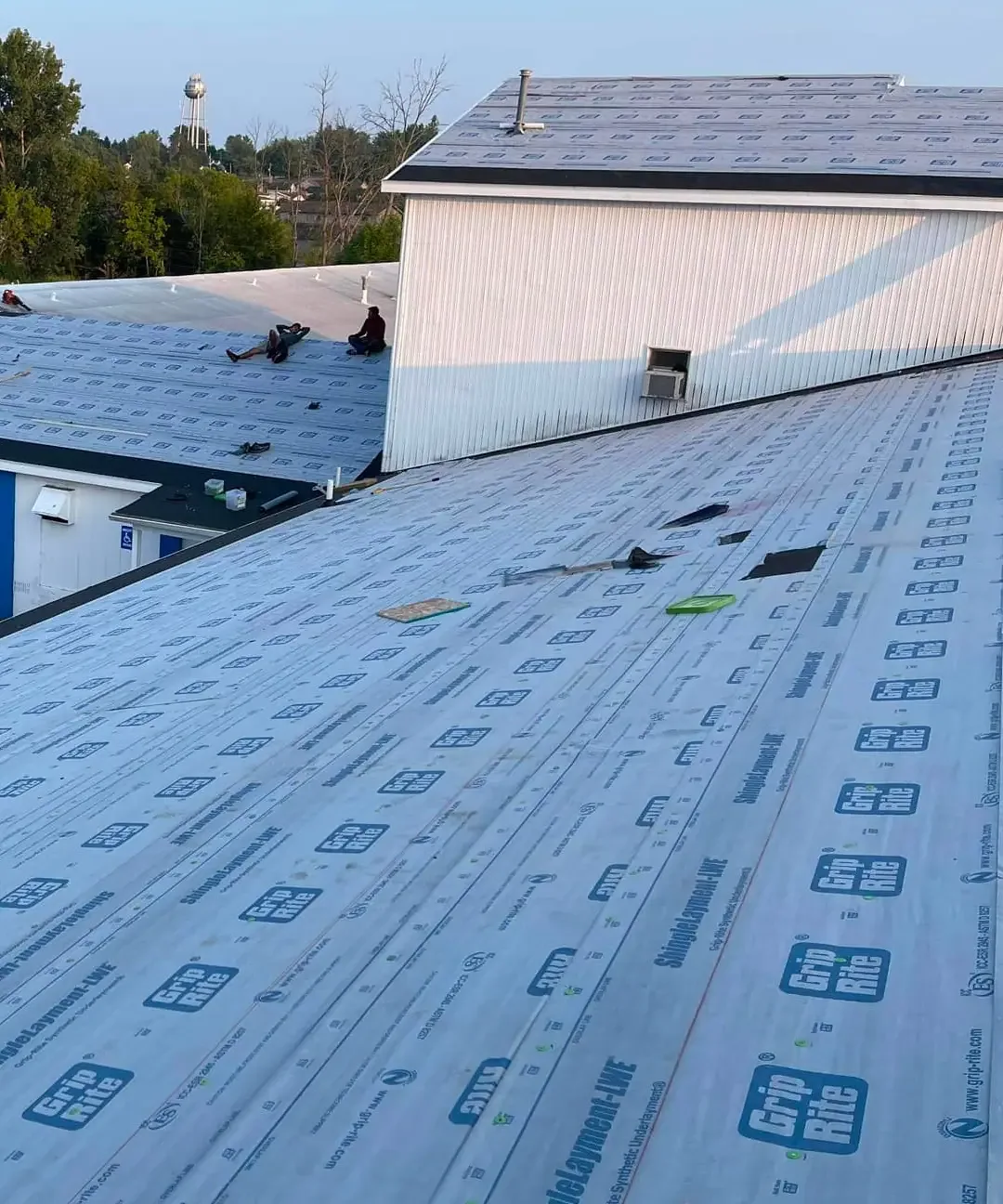
The warranty binder in a facility office often holds a certificate, a date and little else. The conditions that keep the warranty in force sit in the fine print: who may repair the roof, which records must exist and how fast a leak must be reported. When a claim arrives, the manufacturer asks for those records first.
Warranty management for a roof in Kenosha, WI means building the file the manufacturer will ask for before anyone asks. Each repair, inspection and change to the roof goes into it, with a date and a photograph.
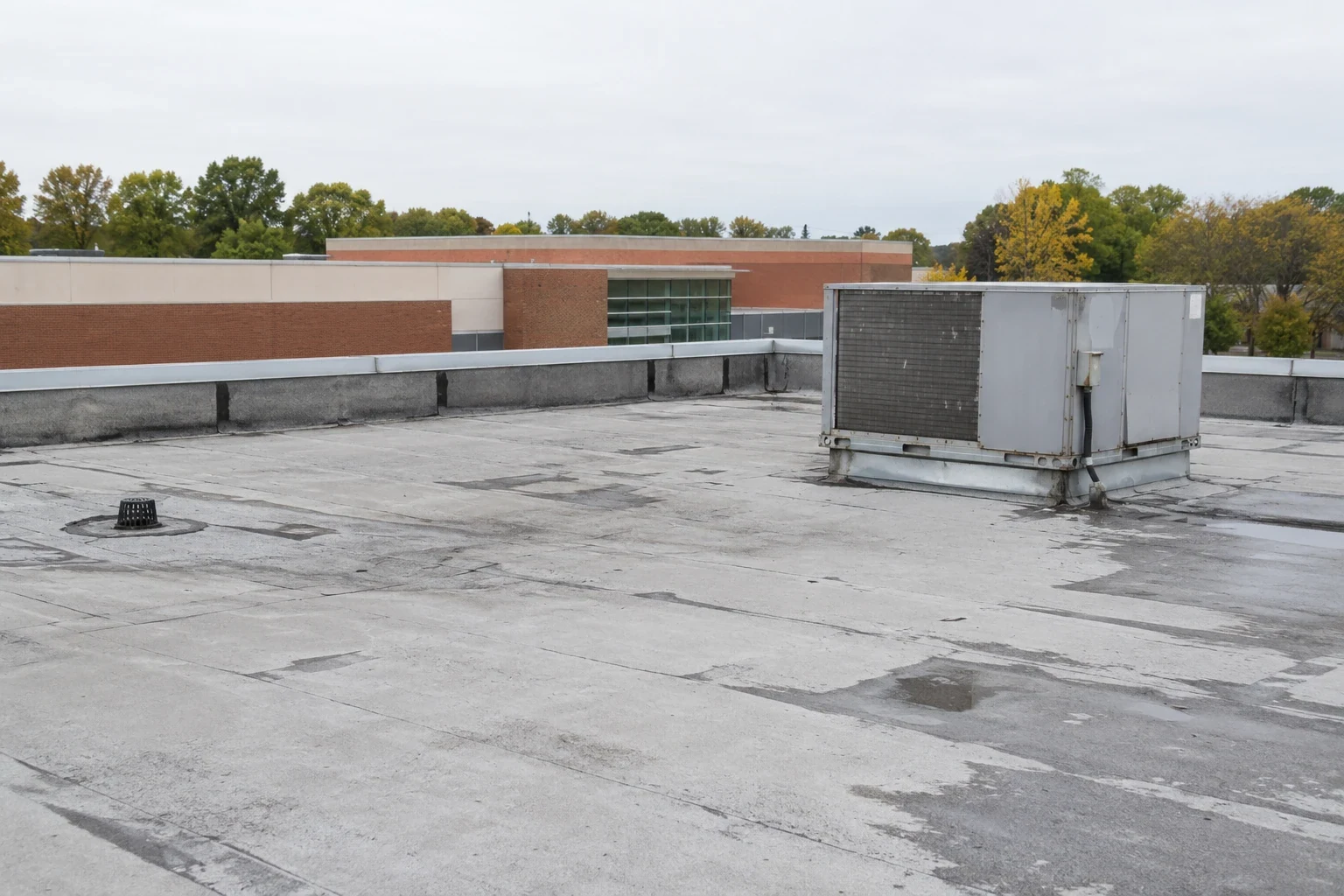
The file starts with the warranty document itself: the manufacturer, the membrane system, the covered area, the term and the stated conditions. Next come the installation records: the contractor, the completion date, the as-built roof plan and any inspection report from the manufacturer at closeout.
After that, the file grows. Every inspection adds a dated photo set and a findings list. A repair entry names the work and the materials and carries photographs from before and after. Every change to rooftop equipment adds the date, the trade involved and the flashing detail used. When the manufacturer asks what happened to the roof, the file answers in order.
We also add a plain-language summary at the front. It lists the covered area, the term, the maintenance duties, the notice period and the contact for claims, each in one line. A new facility manager can read the summary in two minutes and know what the document requires. The full warranty stays behind it for reference, with the clauses that matter marked.

Warranty terms differ, and the owner's document controls. Still, the same conditions appear often. Repairs or penetrations by a party the manufacturer does not accept can limit coverage. Failure to give notice within the stated period can limit it too. Missing maintenance, such as unchecked drains or ignored debris, may reduce or end coverage.
Many warranties also limit coverage for standing water or for damage from wind above a stated speed. That is why the condition report carries a ponding record and why storm damage is documented the day it is found. The report becomes the evidence that the roof was kept to the manufacturer's maintenance terms.
Drainage is the condition we watch most closely. A clogged drain or scupper lets water stand on the roof, and standing water can lead to coverage disputes. The drain check on every visit is recorded with a photograph of each outlet, so the file shows that outlets were clear on the date of the visit. If a drain is found blocked, the entry shows the date and the time it was cleared.
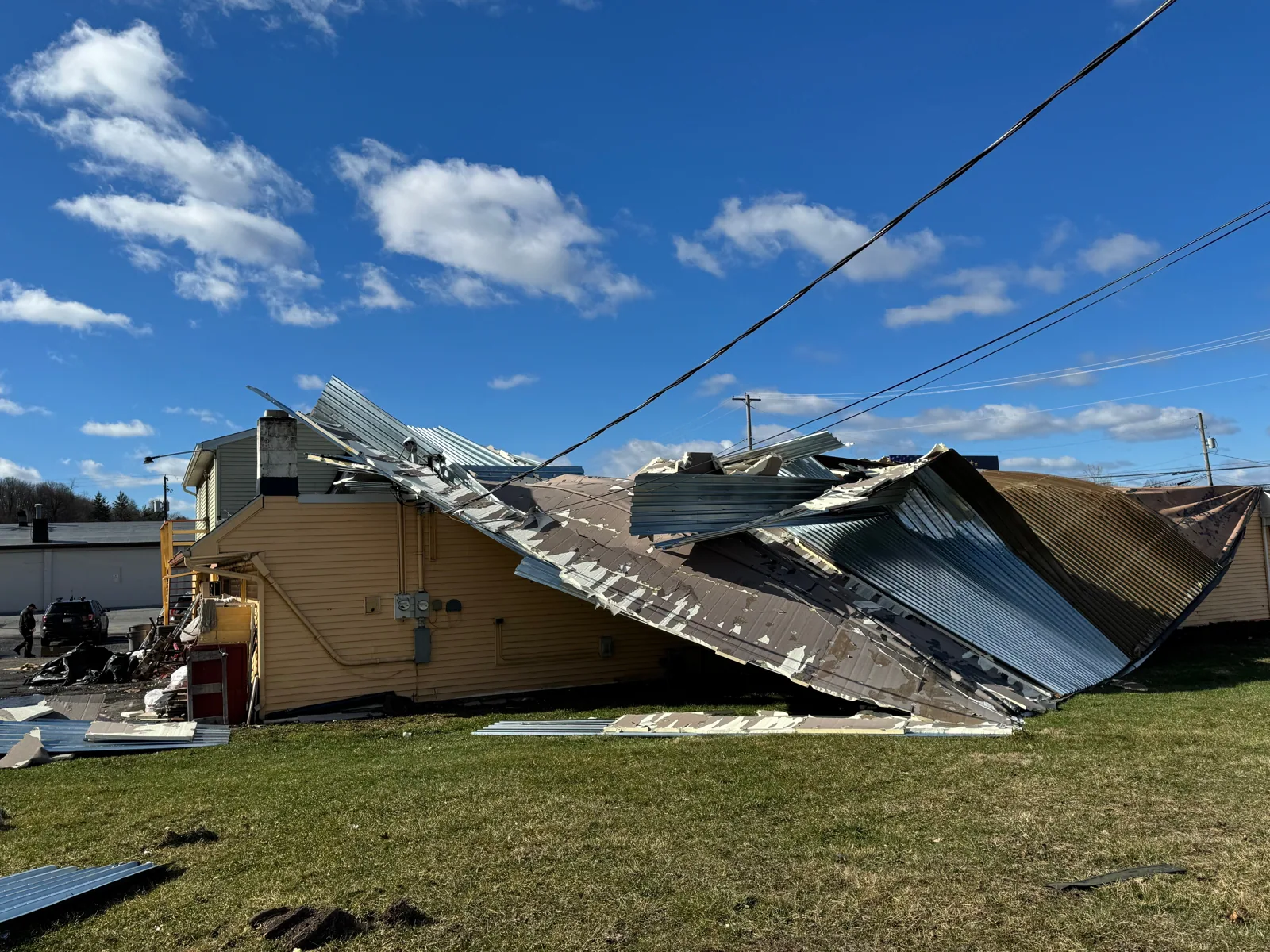
Every repair we write up names the membrane and the detail used, and follows the manufacturer's published repair details for that system. We record the product names, batch information where available and the weather during the work. The record shows that the repair matched the system, which matters if the manufacturer reviews it.
Where the warranty requires the manufacturer's approval for a repair, the owner is told before work starts, and the approval is placed in the file. We do not assume permission. A commercial roof repair that the owner makes in a hurry can create a coverage question that a one-day delay would have avoided.
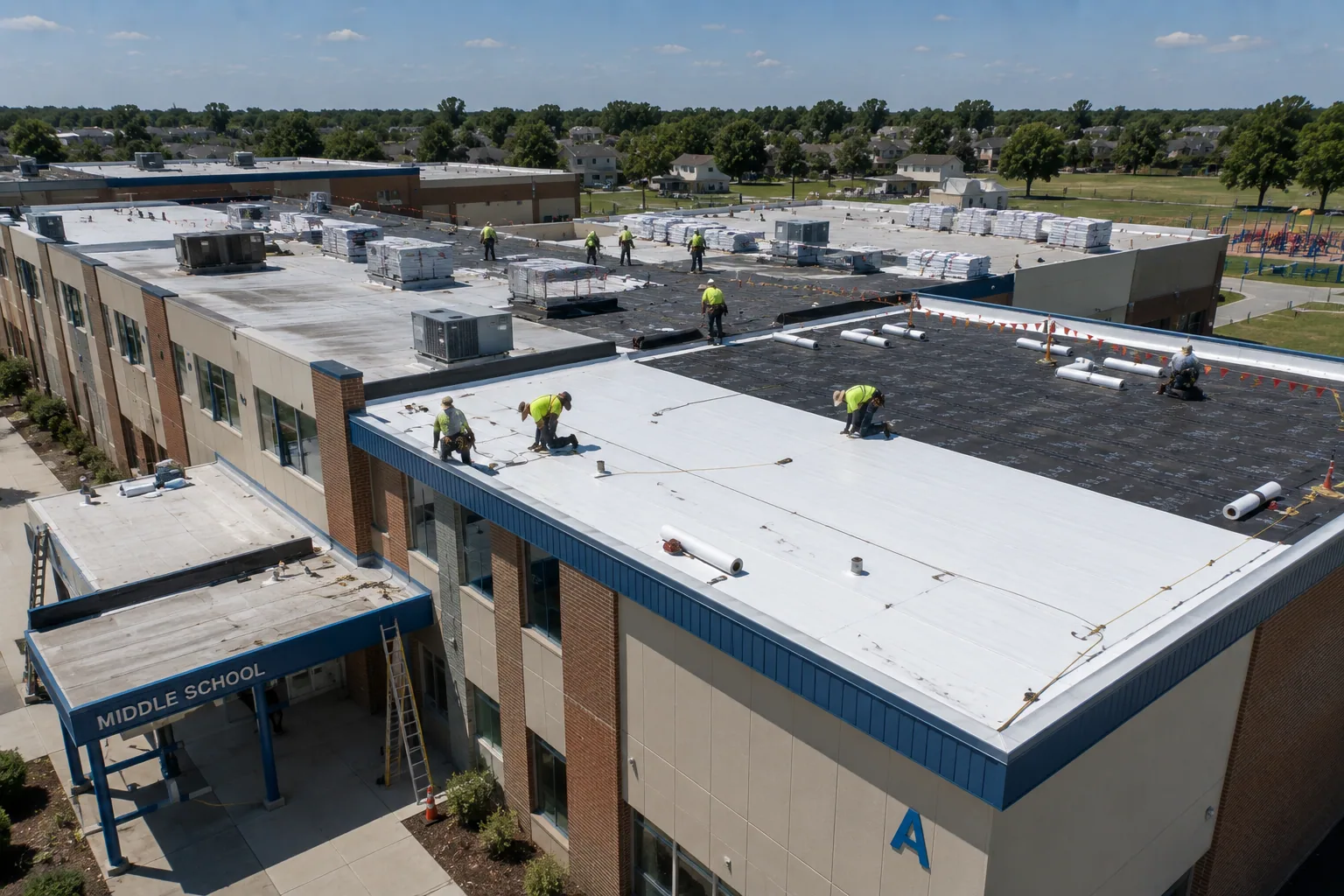
Maintenance records are the strongest evidence that an owner kept up the roof. Visiting twice a year, once as the thaw ends and once ahead of the first hard freeze, produces a consistent record. Each visit includes a drain check, debris removal, sealant review and a dated photo set.
In a market with about 36 inches of snow a year and a recorded low of minus 31 degrees, the post-winter visit often finds the issues that a warranty reviewer later asks about. Our preventive roof maintenance program is built to create that record, and the findings feed the roof register.
Records from owner staff count too. If the building engineer clears drains between visits, a short log with dates and initials adds to the file. We provide a simple form for that purpose, and we collect the completed forms at each visit. A reviewer reading the file then sees a continuous record in place of two visits per year with gaps in between.
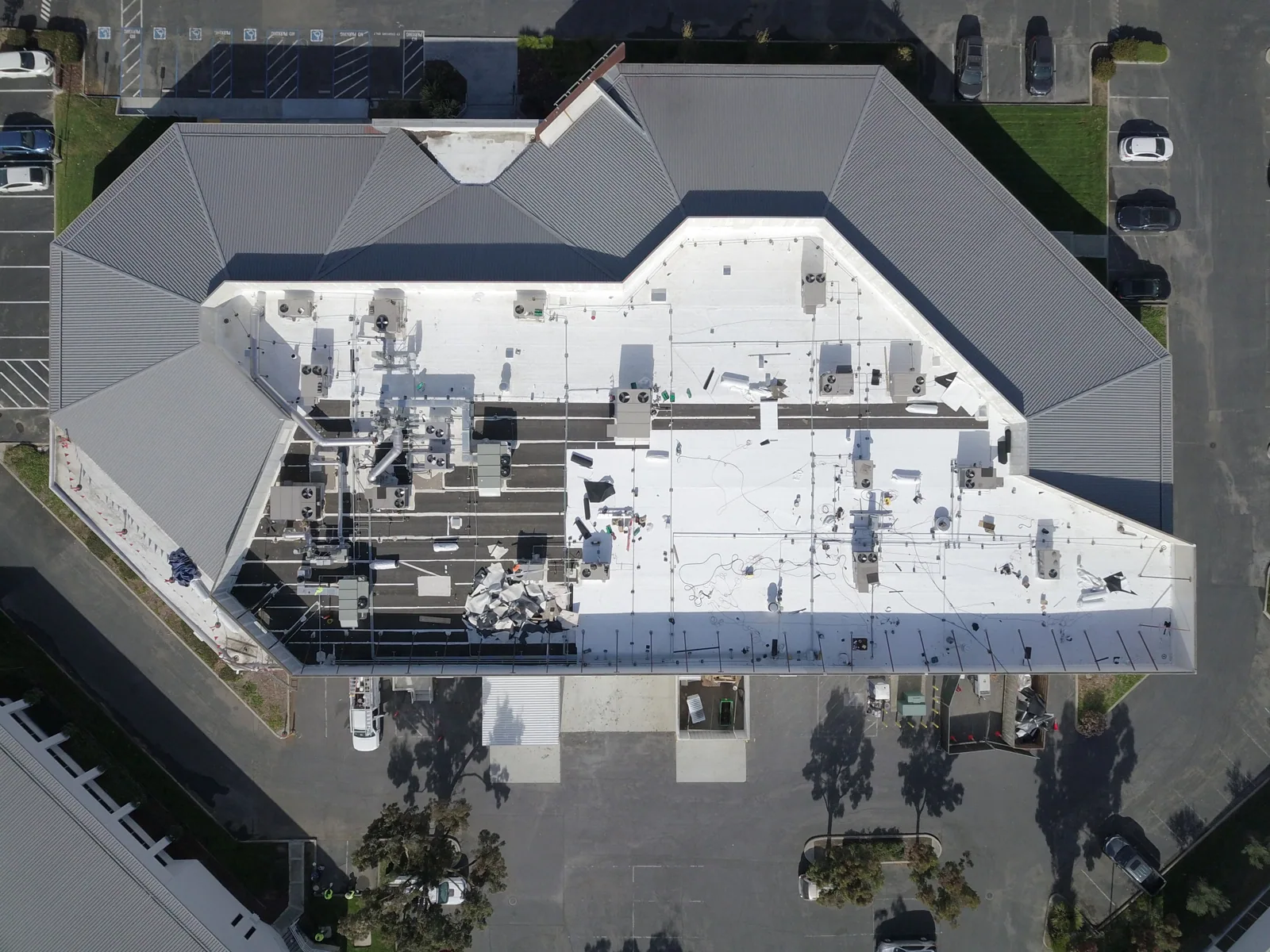
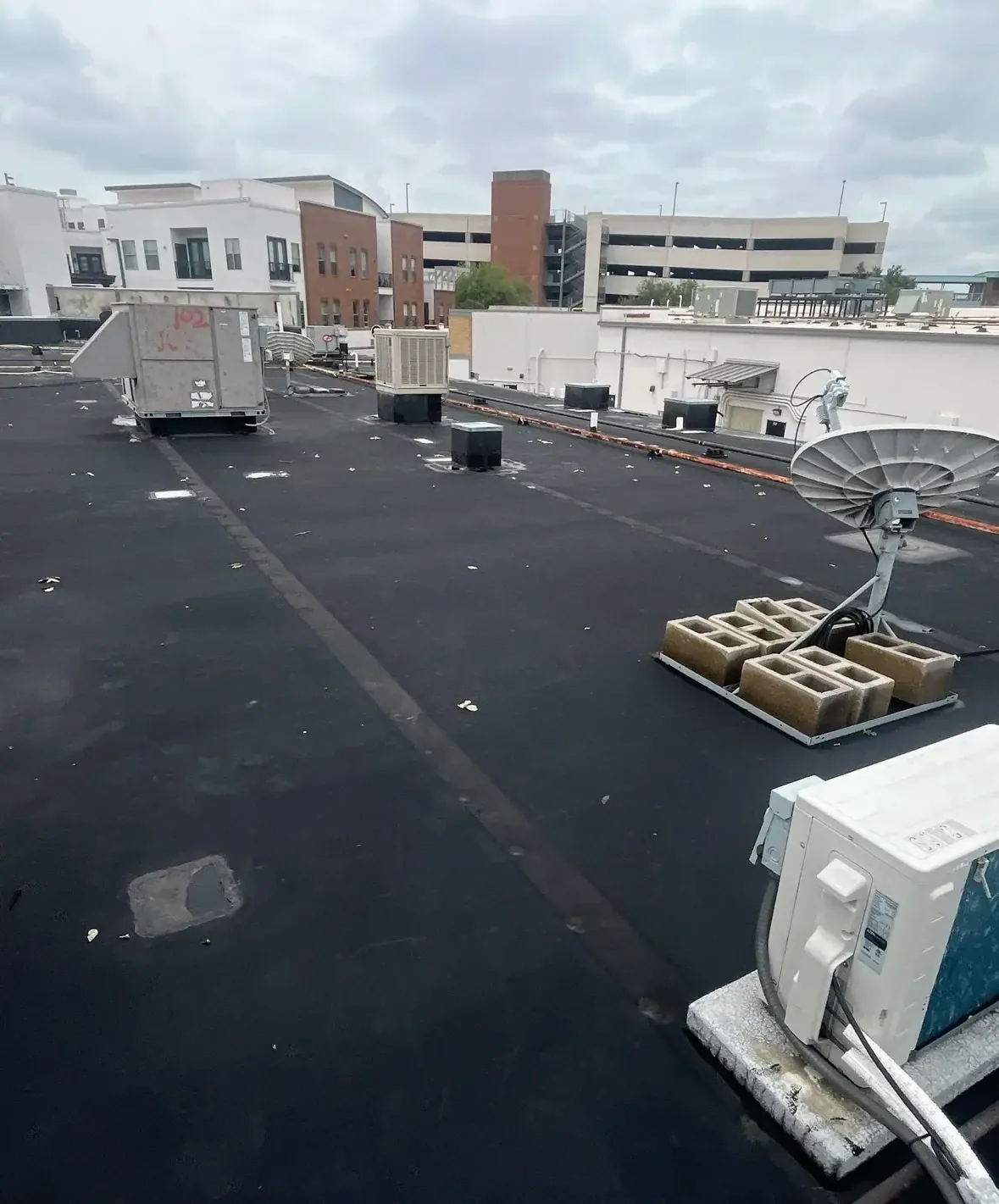
A common source of warranty problems is another trade working on the roof after installation. A mechanical contractor adds a unit, a telecom installer mounts an antenna, a solar crew fastens racks. Each of those can break the coverage if the roof is cut or loaded without the manufacturer's detail.
We give owners a one-page rule for rooftop access: who is allowed up, what protection is required and who must be notified before penetrations. We then inspect after the work and record the result. In a business park such as Pleasant Prairie's LakeView Corporate Park, or at a plant in Racine County, tenants and equipment change, and the rule keeps those changes inside the warranty terms.
When a building is sold or refinanced, the warranty may need to be transferred or confirmed. The transfer terms are in the document, and they often carry notice deadlines and fees. The file lets the new owner see what coverage remains, what conditions apply and what records exist.
We keep a calendar of dates for each roof: end of term, notice periods and inspection requirements. The calendar goes to the facility director with a reminder before each date. For a buyer or lender, a clean file is part of due diligence, and our roof surveys for acquisitions check the warranty file against what is on the roof.
A leak on a warranted roof starts a clock. The first steps are to protect the interior, photograph the damage and give notice as the warranty requires. We help with the first two the same day and prepare the notice package for the owner to send.
The package holds the warranty summary, the leak dates, interior photographs, roof photographs of the suspected location and the last inspection report. A temporary repair, if needed, is documented and limited to what keeps the building dry. Permanent work waits for the manufacturer's response when the warranty requires it.
Roofs here take freeze-thaw cycles, wind off the lake and, as on January 7, 2008, tornado winds that reached Somers and the north side of Kenosha. A leak that appears during a thaw may trace to a seam that opened under ice, and the file's earlier photographs show whether that seam was tight at the last visit. That comparison often shapes the manufacturer's answer, so we keep it organized and dated.
Keep Reading
Written roof condition reports with dated photos for Kenosha, WI buildings: numbered findings, moisture data, condition ratings and a repair-first list.
Planned membrane, flashing and seam repair for Kenosha, WI commercial roofs, with dated photos, a marked roof plan and a written repair log for every visit.
Scheduled preventive roof maintenance in Kenosha, WI: drain checks, seam and flashing logs, dated photo sets and work orders for facility directors.
Roof asset management for Kenosha, WI portfolios: numbered roof sections, dated photo sets, condition ratings and an inspection log for capital decisions.
Commercial roofing in Pleasant Prairie, WI for LakeView and Prairie Highlands industrial buildings, with seam, drain and curb findings recorded and dated.
Commercial roofing in Racine, WI for manufacturing plants, retail centers and lakefront buildings, with dated findings, moisture surveys and condition ratings.
Send us the document. We read the conditions, list them in plain terms and build a calendar of inspections and notices from them.
The warranty document decides. Some require a specific contractor or approval for repairs. We check before work starts and keep the answer in the file.
We document damage the day we find it, with photographs and measurements, so the owner can give timely notice. Coverage decisions belong to the manufacturer.
They can. Applying a coating without the manufacturer's approval may change coverage, so approval is sought first and kept in the file.
Yes. The same file structure and calendar work across a portfolio, and the facility director receives one reminder list for every building.