Roof Drains and Scuppers in Kenosha, WI

Roof drain, scupper, cricket and ponding correction in Kenosha, WI: drain checks, ponding records and slope fixes logged for facility directors.

Roof Drains and Scuppers in Kenosha, WI

Roof Drains and Scuppers

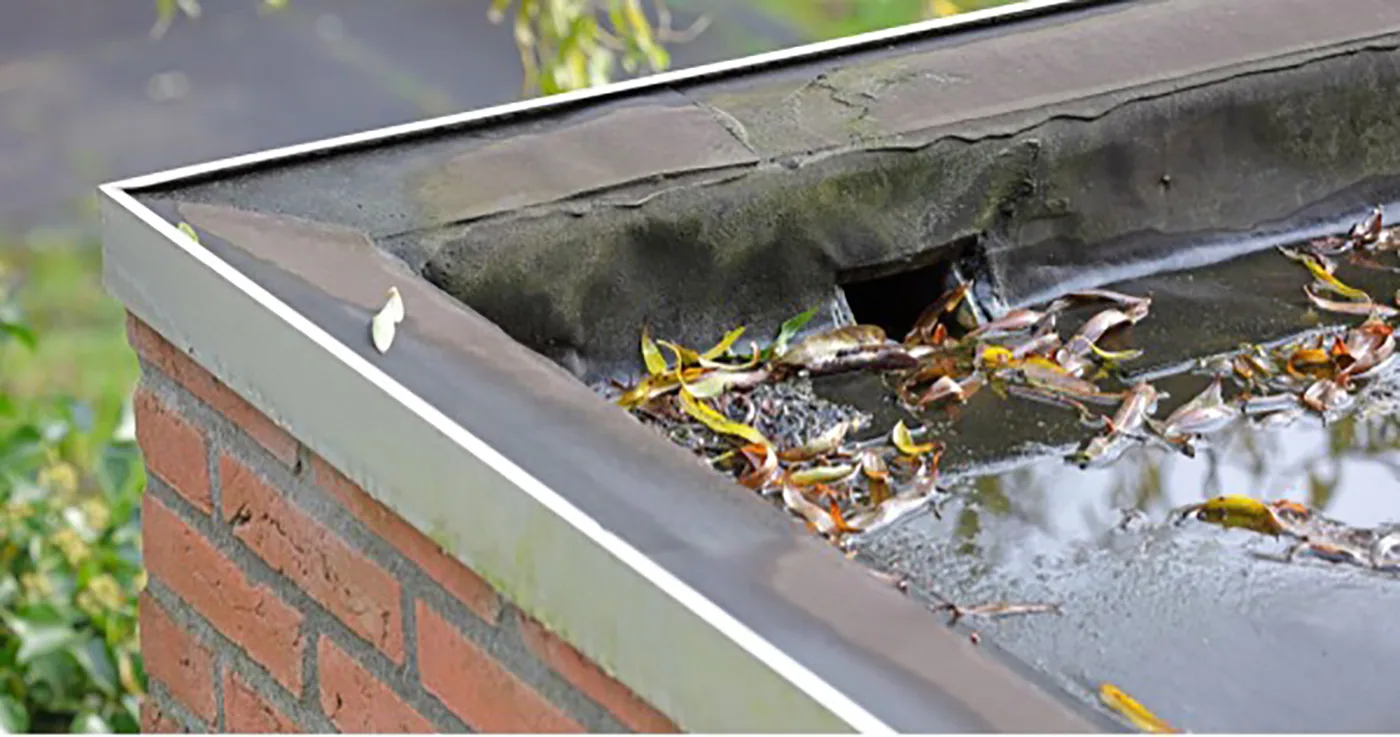
Water standing around a drain bowl forty-eight hours after the last rain is a finding that can be photographed, measured and filed. The photograph shows the pond, the tape measure shows its depth and the log records the date. In Kenosha, WI, that entry begins a ponding record, and the record tells the owner whether the cause is a clogged outlet, a sump set too high, a membrane that has pulled from the drain bowl or a deck that has sagged. We repair drains, scuppers, crickets and gutters, and we log the condition of each so the next inspector sees what changed between visits.

Roof Drains and Scuppers

Drain Checks and Sump Repairs

The drain check is the simplest and most useful item in the file. We lift each strainer, clear debris, flush the line where access allows, and watch how fast the water leaves. A slow drain is recorded even when it clears, because slow drainage often means a partial blockage downstream or a pipe that has narrowed.

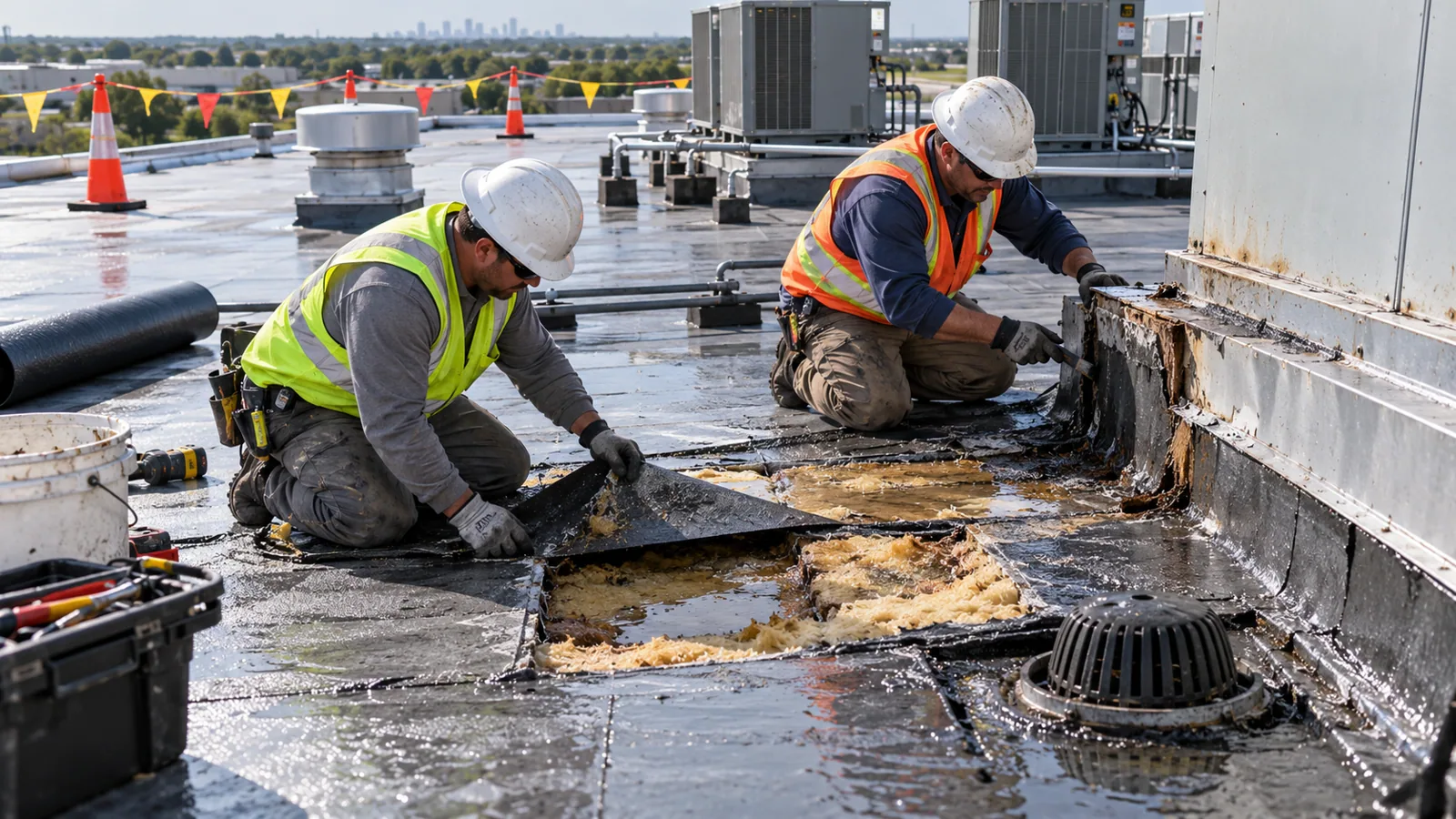
Sump problems are common on older roofs. The membrane around a drain can lose its bond, shrink away from the bowl or tear at the clamping ring. We repair the connection with materials matched to the system, replace damaged clamping rings and reset sumps that sit above the surrounding slope. Each repair is photographed before and after, and the log records the drain's position on the roof plan.

Interior evidence is part of the check. Stained ceiling tiles below a drain, damp insulation at a roof-drain pipe and condensation on the line itself all suggest a leak at the sump or a problem in the pipe. We ask facilities staff for any interior reports and mark the location on the plan. When an overflow event has already happened, the emergency response clears the blockage first and the repair follows.

Roof Drains and Scuppers

Scuppers, Gutters and Downspouts at the Edge

Scuppers carry water through a parapet or edge, and they fail in predictable ways. The opening may be set too high, so water ponds against the wall before it drains. The liner may be loose, allowing water behind the flashing. Debris collects in the throat, and in winter ice closes it. Gutters and downspouts add their own problems: pulled brackets, open joints and downspouts that discharge against a wall.

We reset or replace scupper liners, seal the throat to the membrane, and check that the opening sits at the roof surface. For gutters and downspouts we inspect fasteners, joints and slope. Edge-related work extends into edge metal, coping and gutters when the problem is not the opening but the metal that frames it.

Roof Drains and Scuppers

Crickets, Tapered Insulation and Ponding Correction

A cricket is a small sloped saddle that diverts water around a curb or toward a drain. Where a roof has a curb or a rooftop unit that blocks the flow, a missing or undersized cricket creates a pond on the uphill side. We build crickets from tapered insulation and cover them with membrane tied into the field.

Wider ponding calls for a different fix. If the deck has deflected between supports, tapered insulation under a new membrane can restore slope toward the drain. If the problem is a drain set too high or a roof with too few drains, the correction may involve plumbing and a design review. Persistent standing water becomes a ponding water repair, and the slope itself depends on the insulation and cover board assembly.

We also look at the ice that forms in the days after a thaw. A scupper that drains at noon and freezes by evening leaves a ridge of ice that can lift flashing over the following weeks. The photograph of the ridge, with a date, goes into the file, and the spring repair addresses the flashing before the next winter.

Roof Drains and Scuppers

Freeze-Thaw, Ice and Snowmelt at the Drain

The average January brings 11.3 inches of snow and the average February 9.8, out of 36.2 inches a year. All of that water has to leave the roof, and it leaves on its own schedule: a day of sun, a night of frost, a morning of thaw. Drains and scuppers freeze shut, meltwater backs up against parapets, and ice pushes under flashing. Annual precipitation of about 37.6 inches puts the drainage system to work in every season.

The autumn drain check is the main defense, and we pair it with a look at sumps, strainers and heat tracing where it exists. In winter, we limit work to what is safe, and we record ice at drains with photographs. Spring entries show whether the ice damaged flashing or lifted the sump, and the repair list starts there.

Roof Drains and Scuppers

Access and Safety for Drain Work

Drain work is often done near parapets and at roof edges, where fall protection is required. We set up protection for each roof's edge conditions and keep the work area clear of tenants' rooftop equipment. Where a drain sits beside a rooftop unit, we coordinate with the mechanical contractor so the unit is not disturbed.

Water used for flushing is directed to a safe discharge, not into a lower roof or onto a loading dock. We protect finished surfaces, collect debris and haul it away. The close-out entry lists what was cleared, what was repaired and what remains open, so the next condition report picks up from a known state.

Roof Drains and Scuppers

Drainage on Distribution, Plant and Hospital Roofs

Large flat roofs concentrate a lot of water at a few outlets. In a business park such as Pleasant Prairie's LakeView Corporate Park, a wide distribution roof may route its water through many drains, and one blocked outlet can load the rest. We check drain counts against the roof layout and record any area that appears to rely on a single outlet.

Wherever a plant in Racine County has stacks or equipment that shed residue toward drains, the strainers clog faster and get checked more often. Hospitals require advance coordination for drain work over occupied spaces, and any water that may enter the building is planned for before the roof is opened.

Roof Drains and Scuppers

The Ponding Record and Drainage Work Orders

The ponding record lists each area where water stands, its depth, the time since rain and a photograph. It is revisited at each visit. Over time, it shows whether ponds are growing, stable or gone after a repair, and it gives the facility director a basis for a work order or a capital request.

Work orders for drain repairs name the drain, the defect, the material and the method. A drain that was cleaned is logged differently from one that was rebuilt. The distinction matters at budget time and when a maintenance program reviews what has been done. Owners with several sites can read the ponding records side by side, including buildings in Racine.

Request a Drainage Review

Questions About Roof Drains and Scuppers

How long can water stand on a flat roof before it is a problem?

Water gone within a day or so is normal. Water that stays two days or more, or returns to the same spot, belongs in the ponding record. Algae rings and dirt lines show how long it has been there.

How often should drains be cleaned?

At least twice a year, autumn and spring, and more often near trees or in areas with heavy debris. The log shows how fast each drain collects material.

Can a new drain be added to a roof?

Often yes, but it needs plumbing, structural review and permits where required. We scope it as a design item, not a repair, and the cost reflects.

Do overflow scuppers matter?

They matter a great deal. If a main drain clogs, the overflow keeps water from loading the roof. We check that overflows are open, correctly set and clear.

Will tapered insulation always remove ponding?

It removes ponding caused by low spots when the slope is designed correctly. It does not fix a clogged drain or a blocked scupper, so the cause is established first.

ServicesRoof SystemsIndustriesProperty TypesService AreasDamage RepairCapabilitiesManufacturersContactAboutRequest a Roof Assessment555-555-5555
Call555-555-5555