
Why does edge metal fail so often?
It takes wind, sun, freeze-thaw and thermal movement on every inch. Fasteners loosen and joints open. Regular checks catch it early. A dated perimeter log shows which runs are loosening and how fast.
Edge metal, coping, gutter and downspout repair in Kenosha, WI: perimeter findings logged and rated, with wind-edge details checked after the 2008 tornadoes.
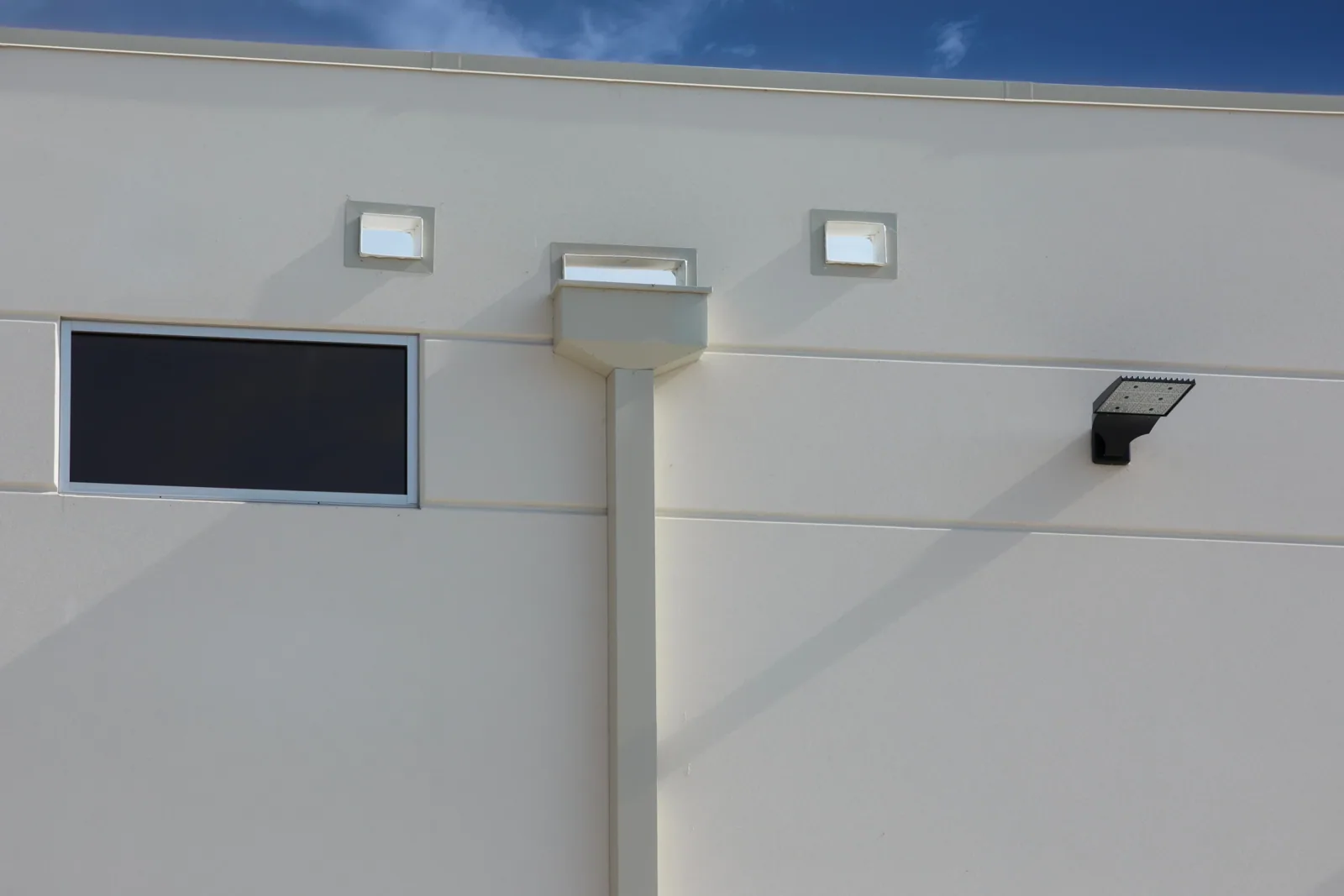
A gap of a few millimeters between two lengths of coping, with a stain trailing down the wall below, is a finding that can be photographed from the ground. It tells the facility director that water is entering at the joint and that the metal may be moving. In Kenosha, WI, we treat the roof perimeter as its own inspection zone. Edge metal, coping, drip edge, gutters and downspouts take wind first and carry water off last, so they fail early and cost more to ignore than they cost to fix. Each item is rated, photographed and tied to a position on the plan.
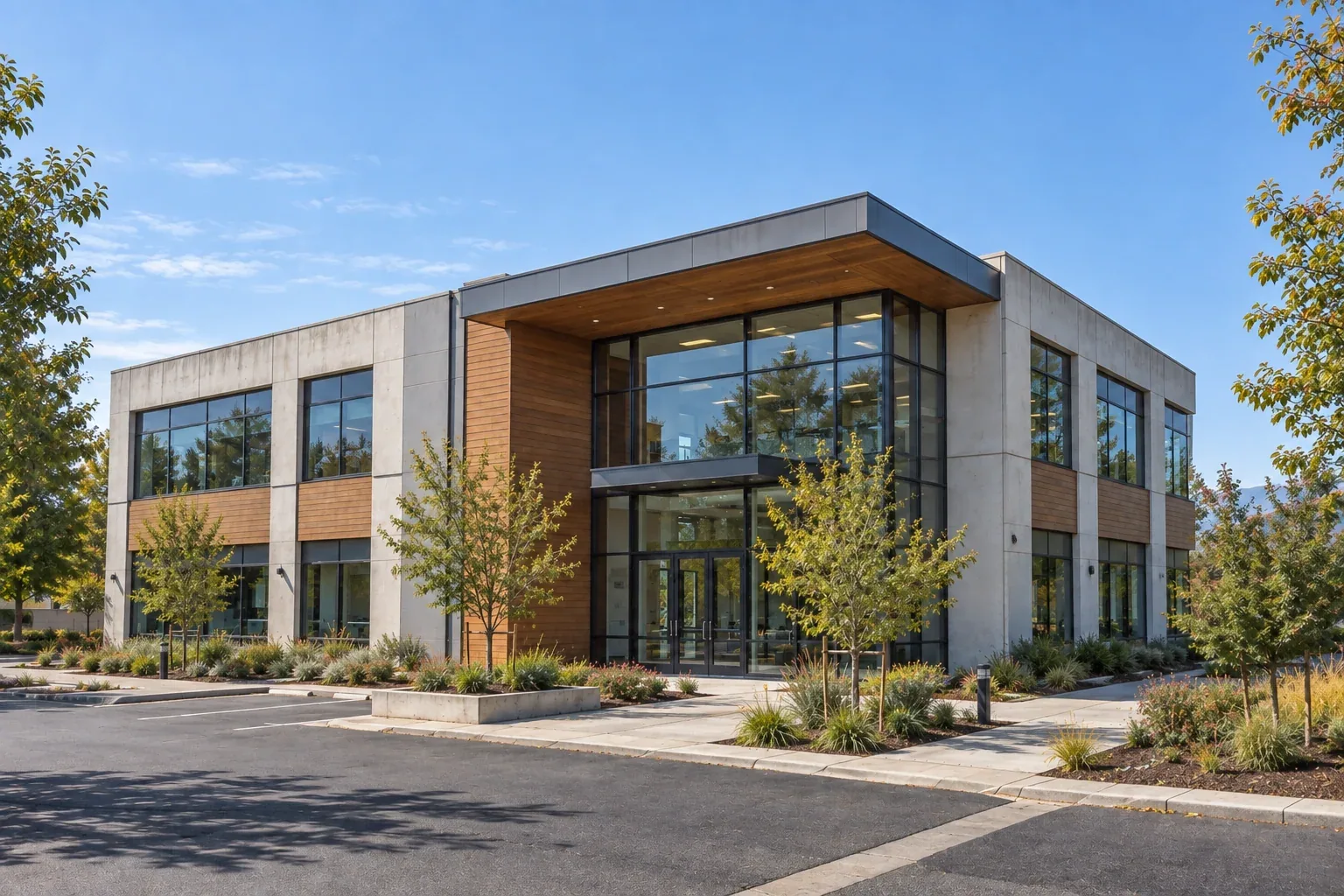
Edge metal holds the membrane at the roof perimeter and sheds water away from the wall. When it loosens, the membrane edge can lift, and wind gets under the sheet. We check fasteners, cleats, joints and the sealant at each lap, and we look for bent flanges, open miters and corrosion at the cut ends.
The most common findings are lifted metal at corners, open joints between sections and fasteners that have backed out after repeated temperature swings. Kenosha's record range runs from minus 31 degrees in January 1985 to 105 in July 2012, and metal moves along that range every year. We log each finding by number, photograph it with a reference and measure the gap.
Corners deserve extra attention. A corner piece takes wind from two directions, and its seams are the first to open. We measure the overlap, check the sealant and test the cleat behind it. A corner that rattles gets a work order even if it looks sound.
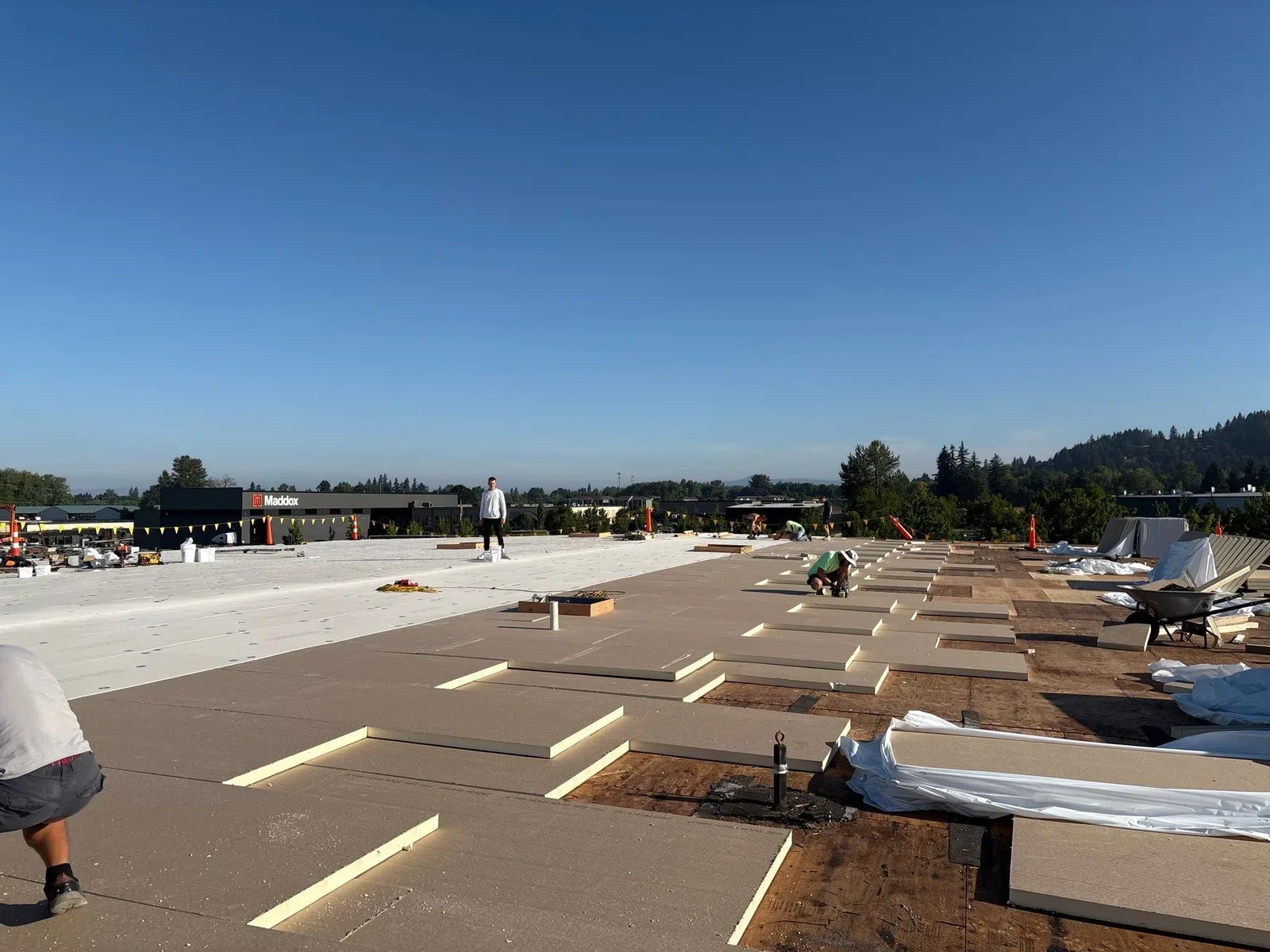
Coping caps the top of a parapet wall and keeps water out of the wall and the membrane termination below. Metal coping depends on cleats and sealed splice plates to stay in place and stay tight. Precast and stone coping depend on mortar joints and sealant.
We check whether the cap slopes toward the roof, whether the splice plates are sealed and whether the cleats hold the outer edge. A cap that drains water outward onto the wall leaves a stain that is easy to photograph and hard to ignore. Repairs include re-sealing joints, replacing failed splice plates, adding cleats and replacing sections that have bent or corroded. Where the parapet wall itself is damaged, the finding goes into the file for masonry or carpentry follow-up.
Sealant is a consumable at coping joints. It dries, shrinks and splits after a few cycles, and we record its condition as part of the finding. Resealing is a normal maintenance item, but a joint that has been resealed three times in four years is telling the owner the joint design is wrong.
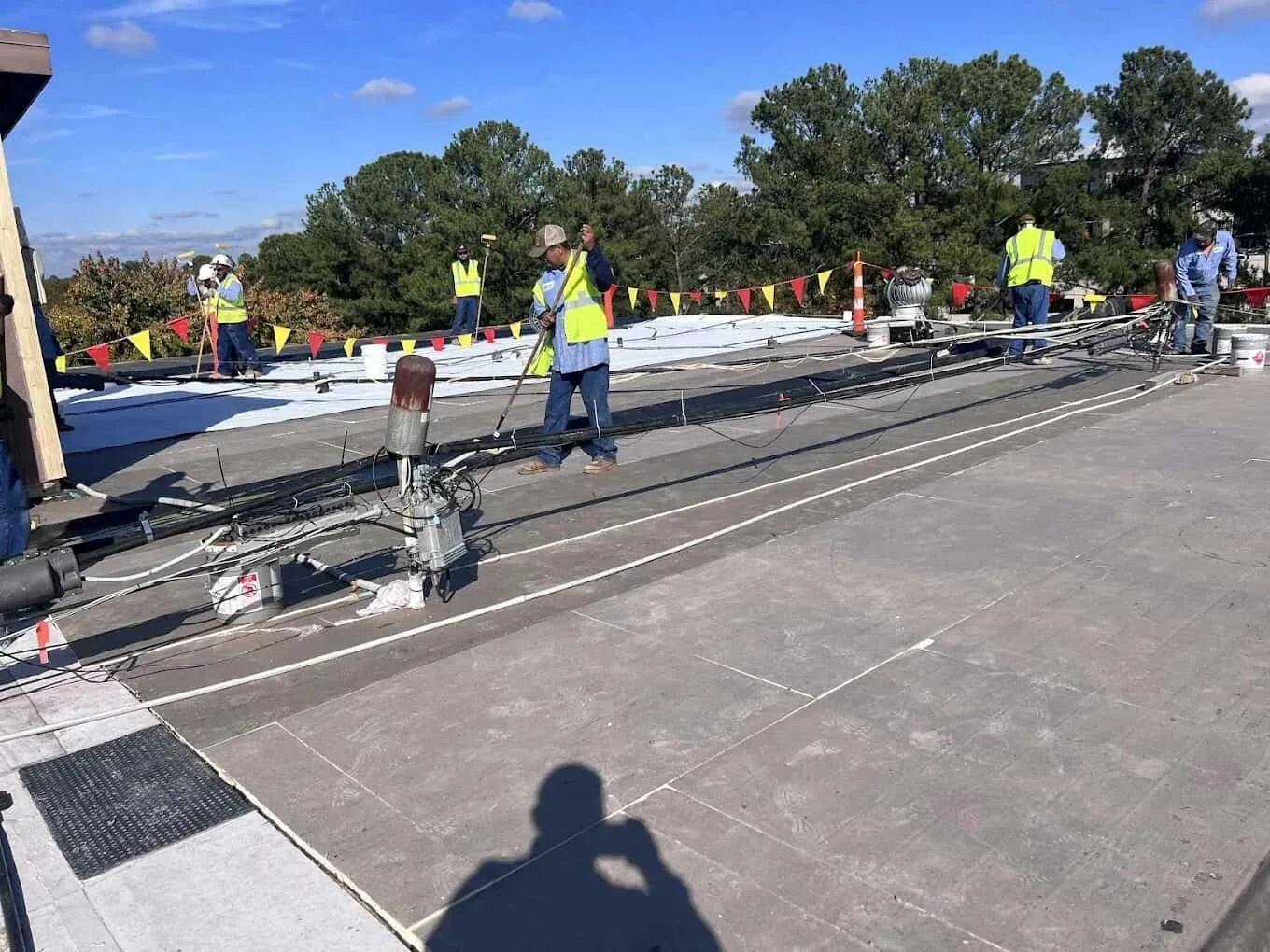
On January 7, 2008, tornadoes touched down in Kenosha County, including one in Somers and on the city's north side, and another that moved through Wheatland and Brighton. The event damaged 105 homes, 27 of them destroyed. For commercial roofs it is a dated reminder to put wind-edge condition on the record.
We check edge attachment on every inspection: the spacing and condition of fasteners, the continuity of cleats, the integrity of corner pieces and the seal between metal and membrane. Wind lifts a loose edge first, then peels the membrane across the field, and a wind damage repair scope begins from the edge findings. A tight edge today is the cheapest protection available, and the log shows when it was last checked.
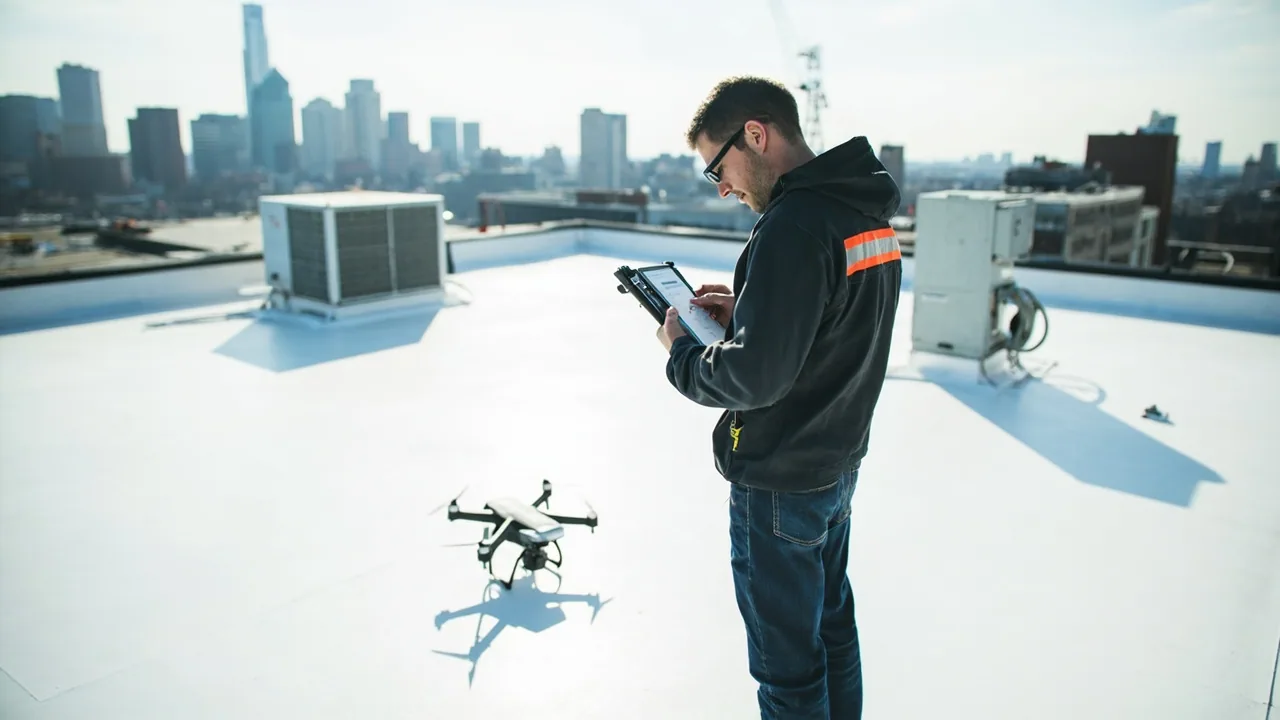
Visual checks miss fasteners that hold the cap in place but no longer grip the substrate. We test attachment by hand at sample points along each run, tugging the metal and listening for movement, and we use a fastener pull gauge where a measured value is needed. The result is recorded by position, so a weak run can be found again.
When a run fails the check, we open it up. Under the metal we look at the cleat, the substrate, the membrane edge and any wood blocking. Rot in blocking is common where water has been entering for some time, and the repair then includes replacing the wood before new metal goes on. The photograph of the opened edge becomes part of the finding, and it supports the price of the repair when the owner reviews the scope with the roof repair estimate.
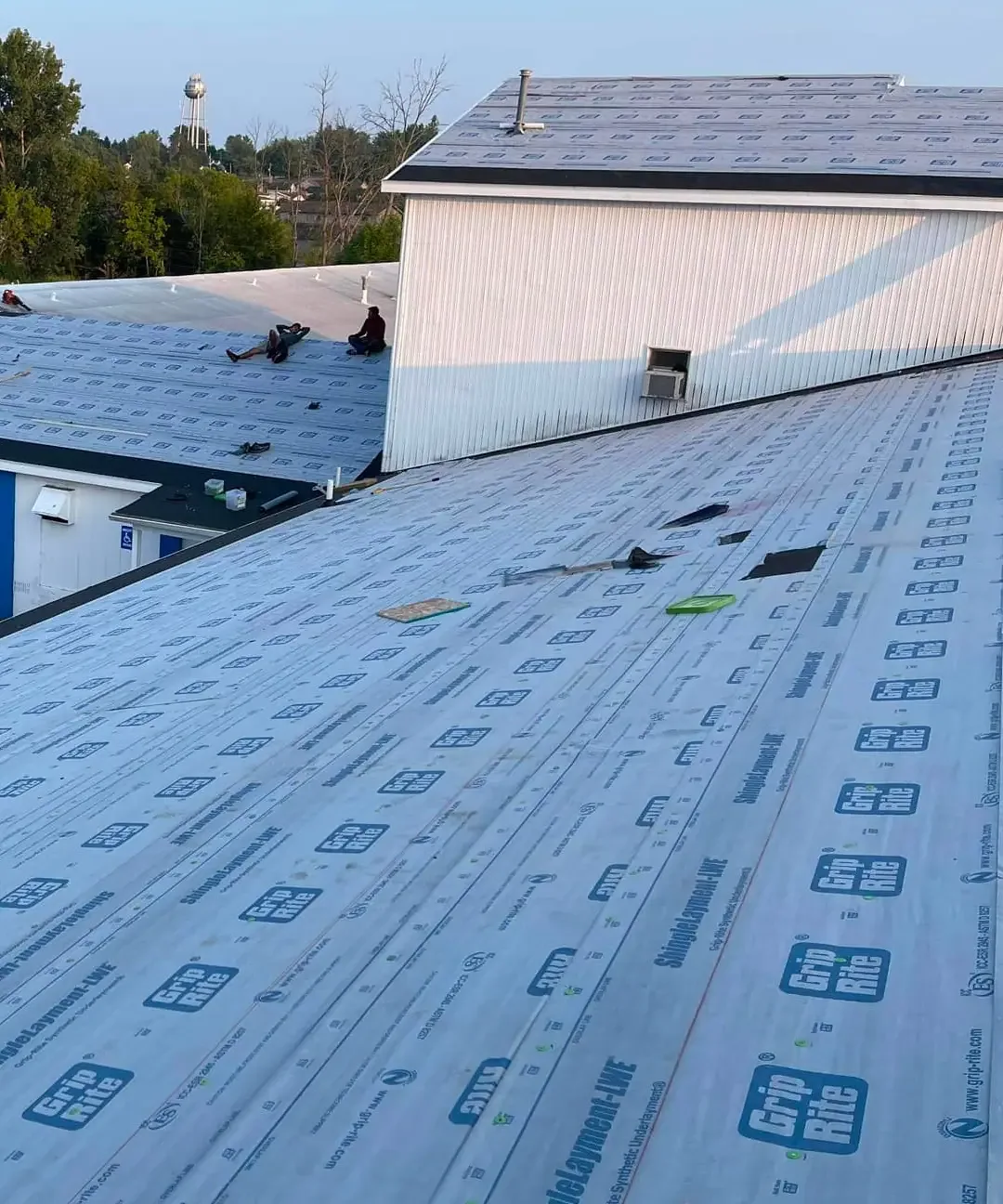
Gutters and downspouts carry roof water to the ground, and in Kenosha they carry a lot of it. The city averages 37.6 inches of precipitation and 36.2 inches of snow a year. Gutters fill with ice, sag under its weight, pull brackets from fascia and spill water onto walls and walkways.
We check brackets, joints, slope and outlets. We look at downspouts for crushed sections, loose straps and discharge points that run onto foundations or paved areas. Repairs include re-hanging, re-sealing, replacing damaged runs and extending discharge. Where gutters are unsuitable for snow load, we discuss alternatives. The other half of the same drainage system, the scuppers and roof drains, is the drain and scupper work.
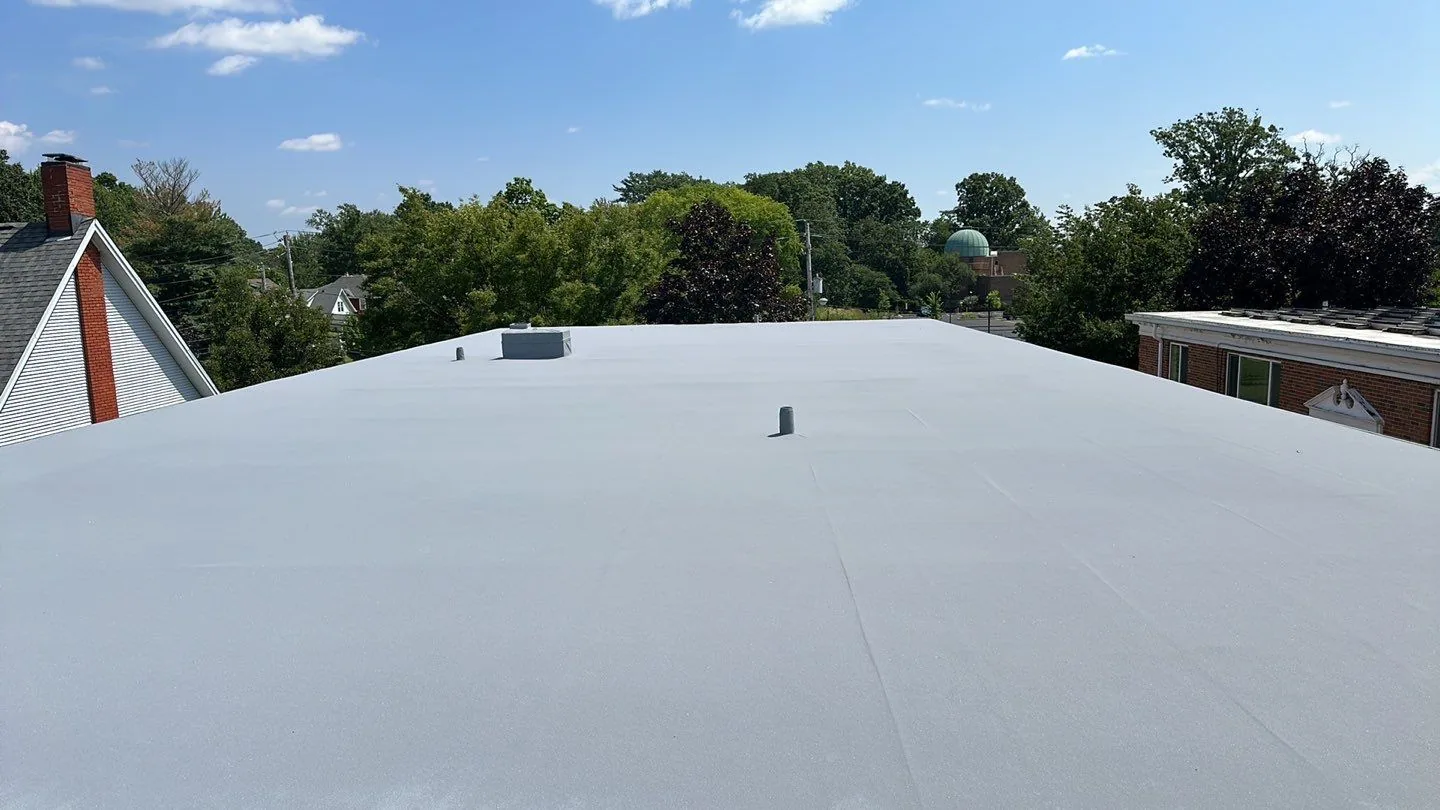
Long distribution buildings in Pleasant Prairie's LakeView Corporate Park have extended edge runs, where a single failed fastener line can run for many feet. Uline has several distribution buildings there, one of them listed at 502,000 square feet, and whatever a building's size, each roof is walked and its perimeter rated on its own evidence. Racine County plants and Kenosha's lakefront buildings each carry their own exposure to wind.
Hospital roofs need perimeter work scheduled with facilities staff and, where the edge runs over an entrance or a drive, with pedestrian protection. Downtown and HarborPark buildings front on streets and walkways, so the staging plan for lifting materials matters as much as the repair.
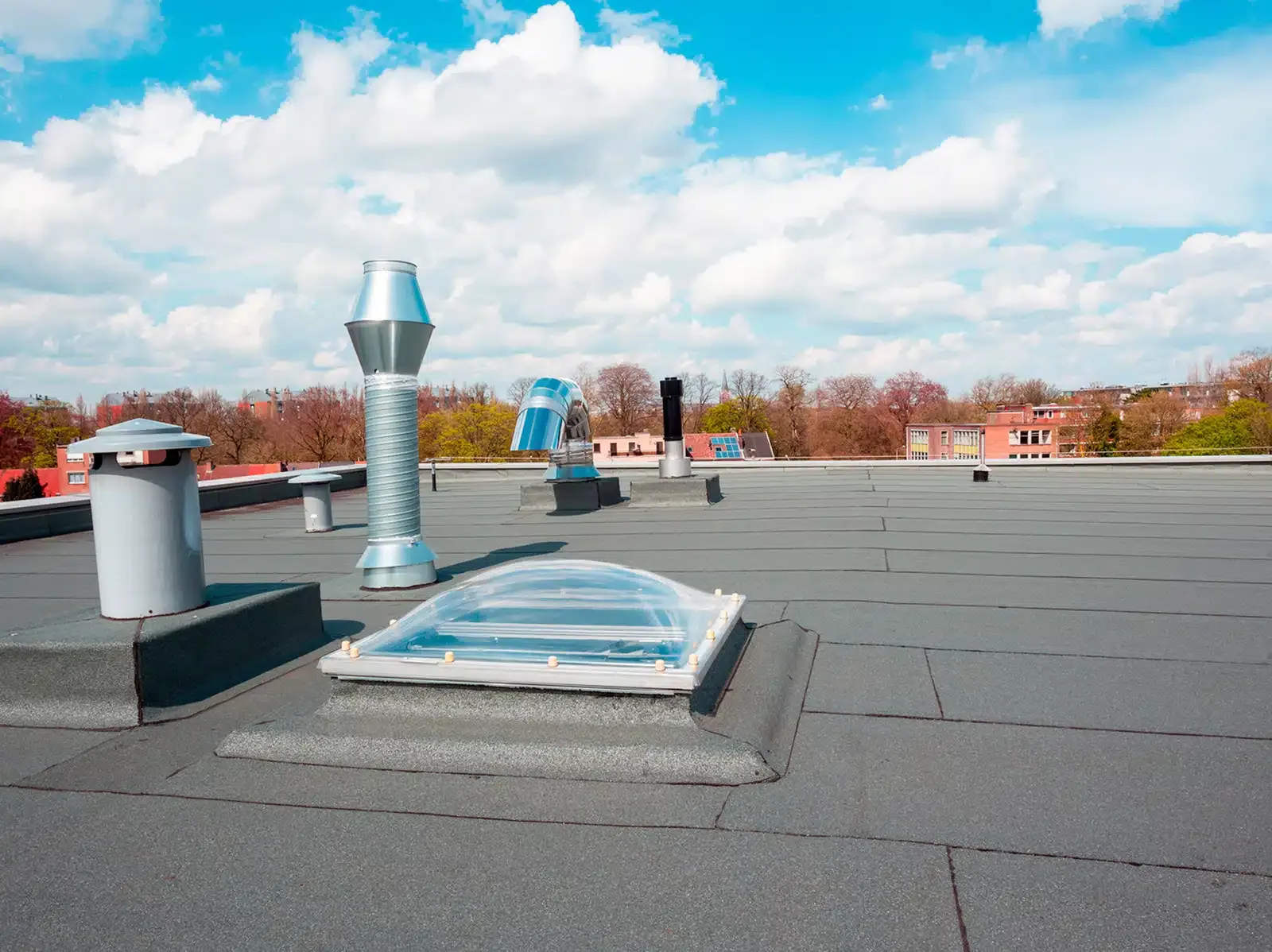
Perimeter findings go into their own section of the inspection file. Each run of edge metal or coping is rated from sound to failed, with a short statement of the evidence. The rating and the photographs support a work order that names the run, the defect, the material and the fix.
The log tracks recurring defects. If the same corner fails each spring, the cause may be the cleat design, the fastener type or a wall movement problem, and the log shows that pattern. Owners reading the file can decide between another repair and a rebuilt detail. A full roof inspection includes the perimeter log, and a maintenance program rechecks it every season.
Keep Reading
Commercial roofing in Somers, WI for institutional, retail and highway-side buildings, with wind-edge checks, moisture surveys and dated condition ratings.
Wind damage roof repair in Kenosha, WI: edge metal and membrane findings logged with dated photos, plan marks and ratings for a claim file or capital request.
Planned membrane, flashing and seam repair for Kenosha, WI commercial roofs, with dated photos, a marked roof plan and a written repair log for every visit.
Roof drain, scupper, cricket and ponding correction in Kenosha, WI: drain checks, ponding records and slope fixes logged for facility directors.
Hands-on commercial roof inspections in Kenosha, WI with dated photos, a marked roof plan and a written condition rating you can attach to a capital request.
Scheduled preventive roof maintenance in Kenosha, WI: drain checks, seam and flashing logs, dated photo sets and work orders for facility directors.
It takes wind, sun, freeze-thaw and thermal movement on every inch. Fasteners loosen and joints open. Regular checks catch it early. A dated perimeter log shows which runs are loosening and how fast.
Repairs work when the metal is sound and only joints or cleats have failed. Bent, corroded or poorly sloped caps are usually replaced.
Yes, where the gutter carries roof water. We repair and replace gutters and downspouts as part of the roof drainage system.
Many manufacturers specify edge details and wind-uplift ratings. We follow the system's requirements and record the materials used. We read the specification before choosing a replacement piece, and we match the gauge, finish and profile where the system calls for it.
Temporary securing can be done at any time. Sealants and adhesives need suitable temperatures, so permanent repairs may wait for milder weather.