The Finding at the Roof Edge
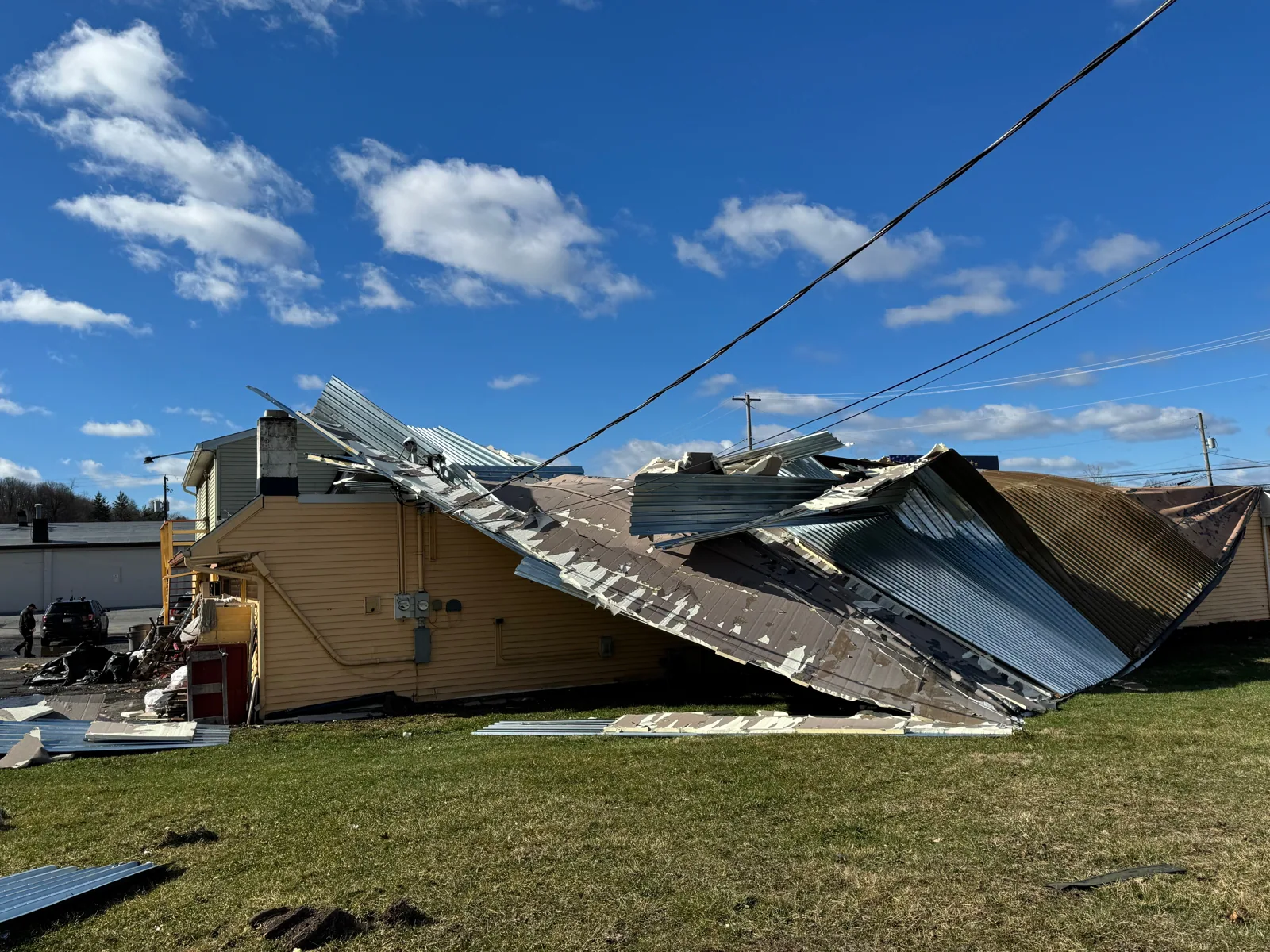
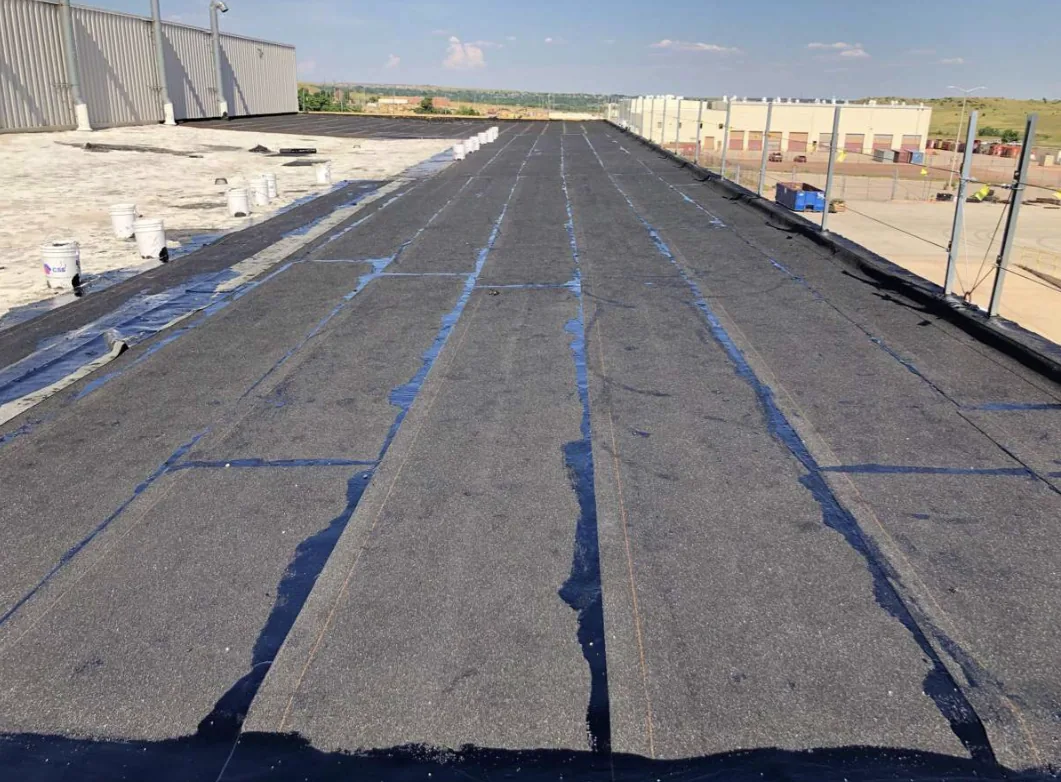
Wind starts at edges and corners, where pressure is highest. A coping cap that has shifted a half inch, a drip edge with a gap beneath it, or a corner where the membrane has begun to flutter all point to attachment that has loosened. The membrane further inside may look untouched.
We measure each gap, photograph it with a scale, and note the direction it opens. Fastener pull-out, torn membrane and peeled flashing each get their own entry, since the repair differs for every one. A pattern that runs along one side of a building tells the next inspector which exposure took the load.
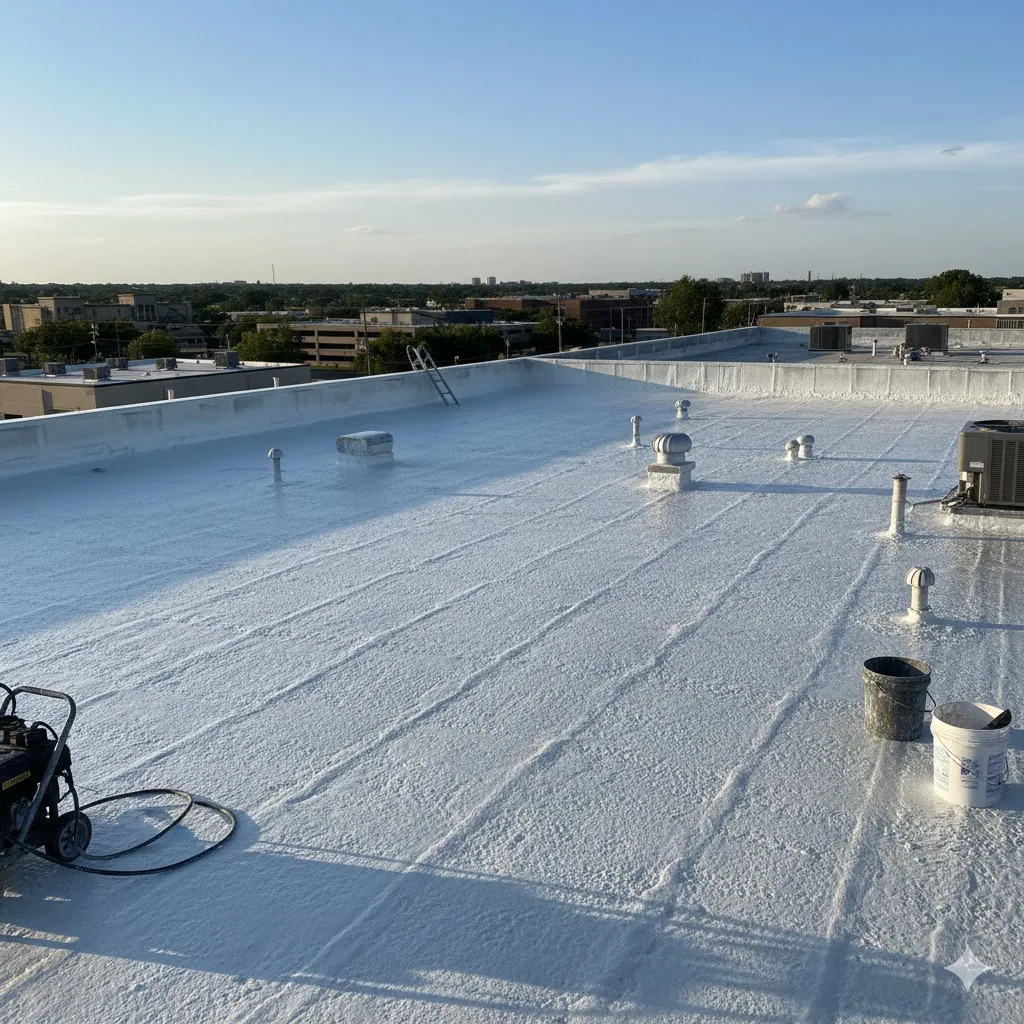
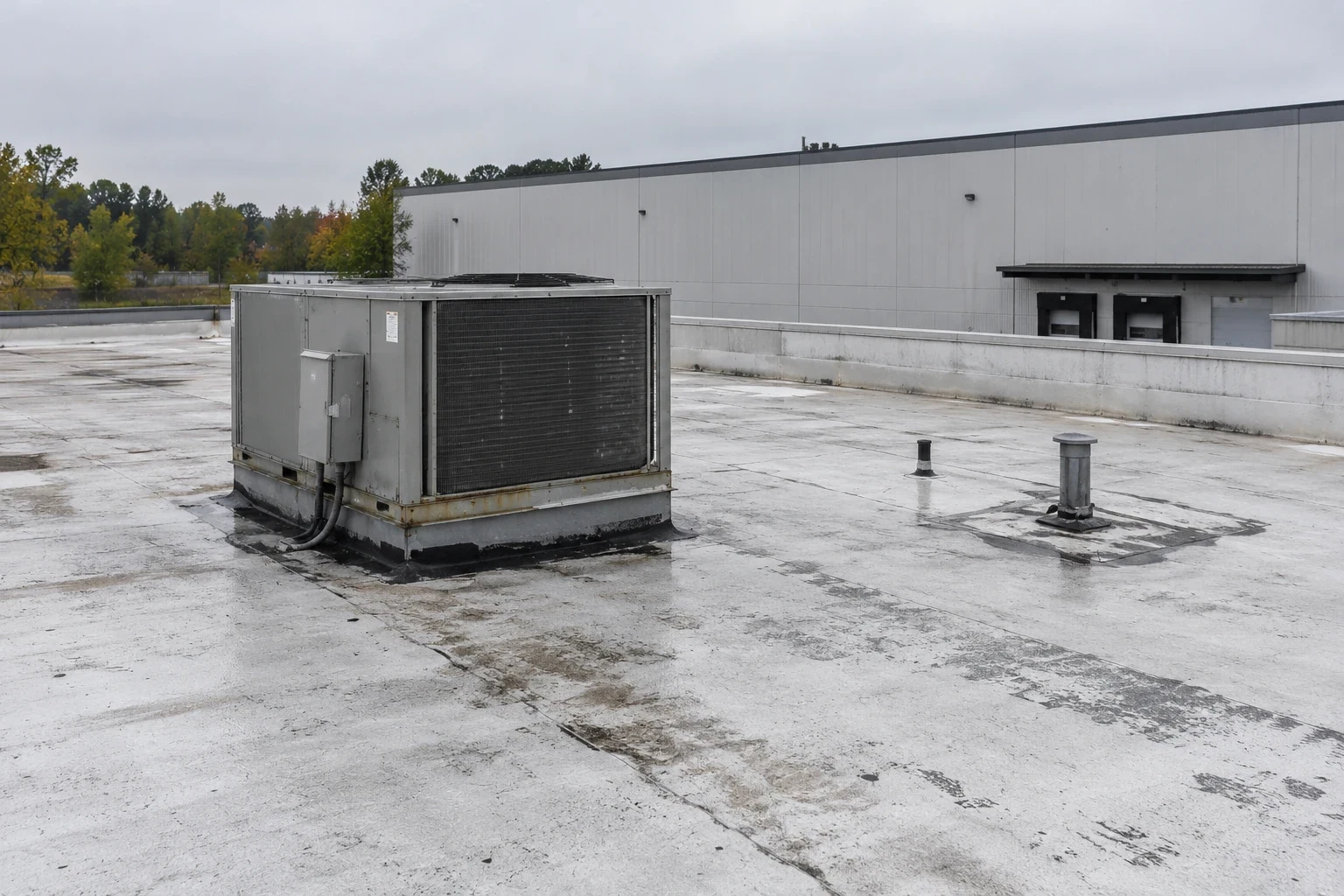
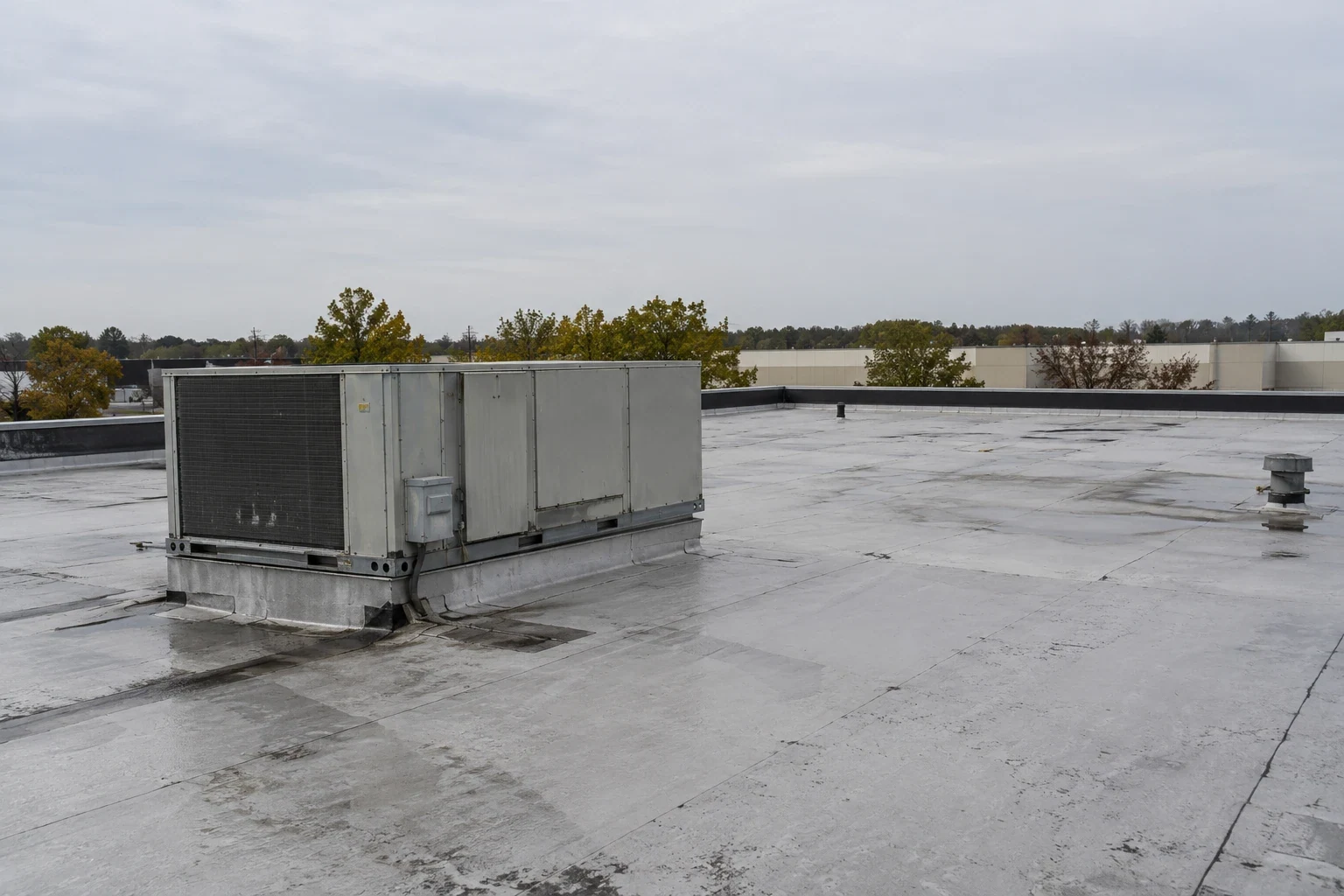
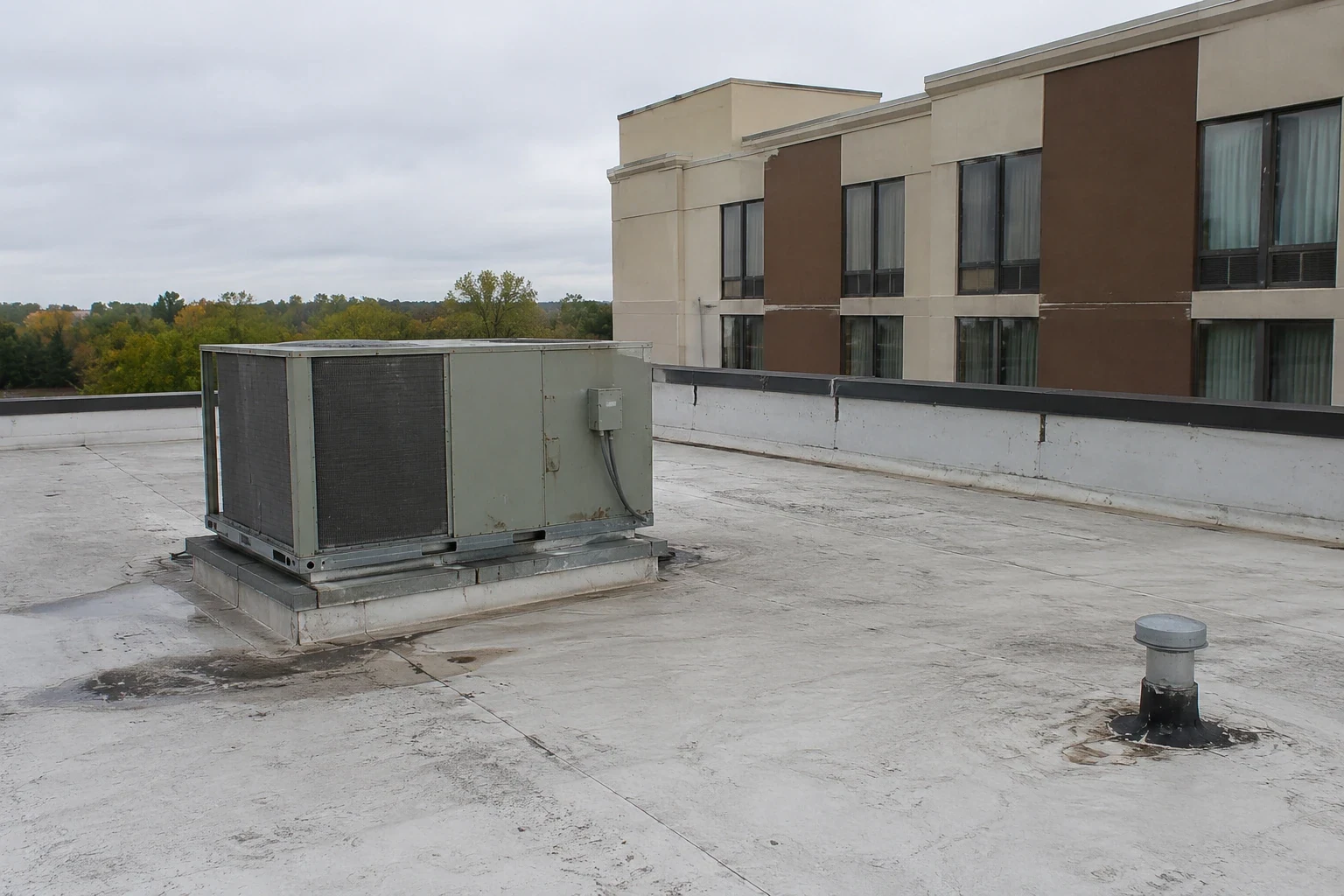
Rooftop equipment tells its own story. A unit shifted on its curb, a disconnected conduit or a bent screen panel shows where wind found a grip. The membrane around the curb is checked for tears where the unit moved, because that is where a hidden leak starts.
Gravel-surfaced and ballasted roofs add a further entry: displaced stone. Bare patches beside the parapet show where wind scoured the surface, and the log records how much cover remains.