
What comes first after a tornado hits a building?
Safety first, then photographs, then temporary protection. Nothing is moved until it is recorded, because debris position and failure edges are evidence of what happened.
Tornado damage roof repair in Kenosha, WI: debris impact, uplift and displaced equipment documented room by room, with emergency dry-in and a claim-ready file.
A clean-edged hole through a roof deck, with a length of lumber still lodged in it, is a finding no inspector will misread. It shows what hit, from which direction and how deep. It is also the first line in a tornado file, which has to be built before the debris is cleared and the weather moves in.
We document tornado damage on commercial roofs in Kenosha, WI in a fixed order: photograph everything as it lies, protect the opening, then repair. The file records uplift, impact, displaced equipment and missing sections with dated photographs and plan marks. It is built to be read by an owner, an adjuster and an engineer without a word of explanation.
Where the event passed near but not over a building, the same record serves as a baseline, and a later storm is then measured against it.
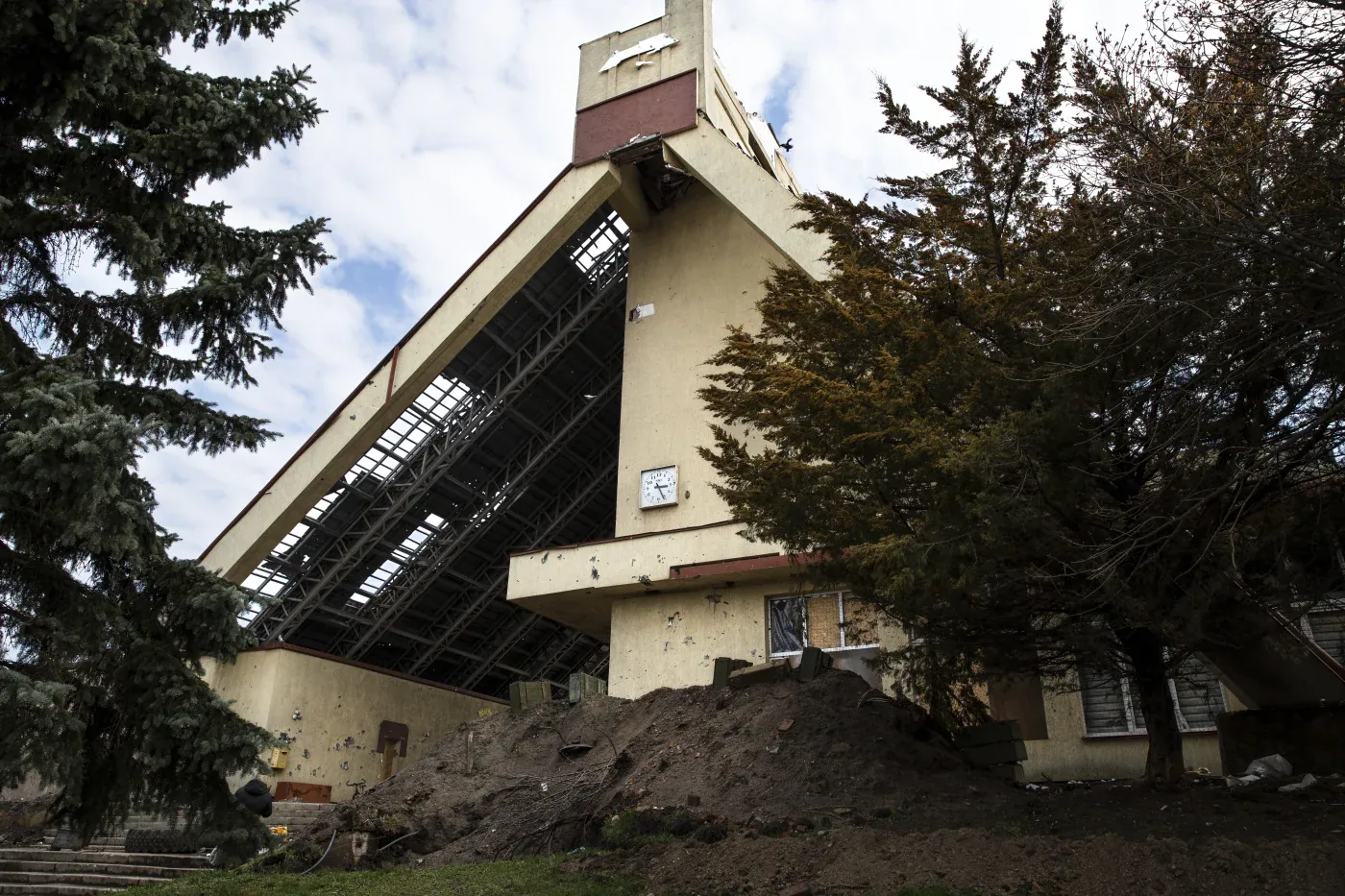
Tornado damage differs from ordinary wind damage in kind. Uplift can remove whole sections of membrane and deck. Flying debris punches holes and tears. Rooftop equipment can be shifted, tipped or carried off its curb. Parapets and walls can fail, leaving the roof edge open.
We photograph each of these in place before anything moves. A frame shows the damage in context, a second shows it close with a scale, and a third looks across the roof to show how it relates to its neighbors. Debris is noted with its type and location, since where it lands can show the storm's path.
Areas that look undamaged are logged too. A sound section next to a failed one defines the boundary of the damage, and the file shows where it stops.
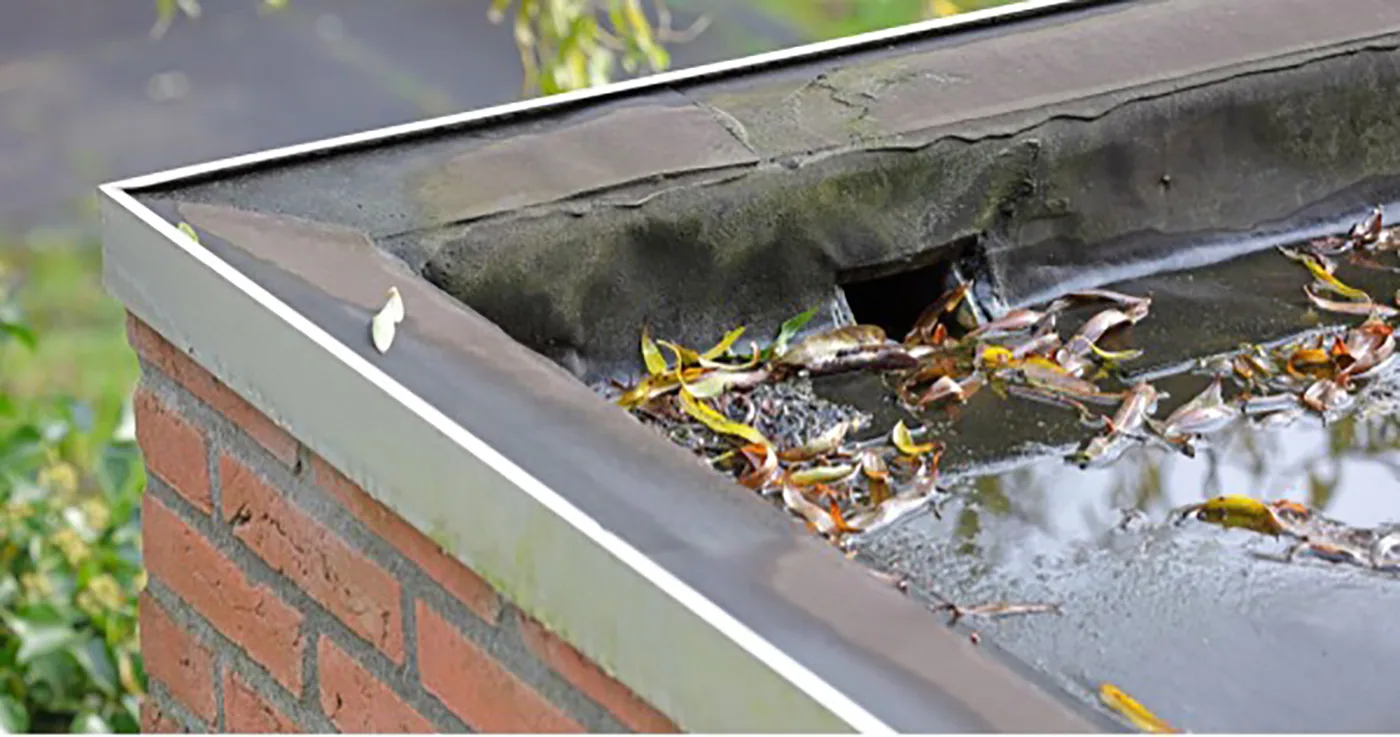
Flashing and edge details are logged even where the field looks sound. A flashing failure after a tornado often hides behind a parapet that appears intact, and a displaced coping stone can open a path for water that shows up weeks later.
Two tornadoes hit the county on the same January day in 2008. One tracked through the Wheatland and Brighton areas. The other came down in Somers and across the north side of Kenosha. The Wheatland storm was the first confirmed in the county since 2001, and between them the tornadoes damaged 105 homes, destroying 27.
In Wheatland, the EF3 tornado damaged roughly 100 houses and leveled 25. Those figures describe homes, not commercial roofs, but they set the scale of the event and the range of damage a tornado leaves. Buildings in Somers and on the city's north side were in the other path. An owner whose building sits near either should have a baseline on file.
Winter belongs on the storm calendar too. A roof opened by a tornado in January sits under snow until it is covered, and Kenosha's Groundhog Day blizzard of 2011, at 23.2 inches, showed what that can mean. Temporary protection has to account for both.
The first hours decide how much secondary damage follows. After a tornado the sequence is photograph with scale, mark the plan, cover what is open, then repair. Temporary protection goes over openings with materials that can be lifted without further damage, and each piece is photographed when placed. The log notes what it covers and for how long.
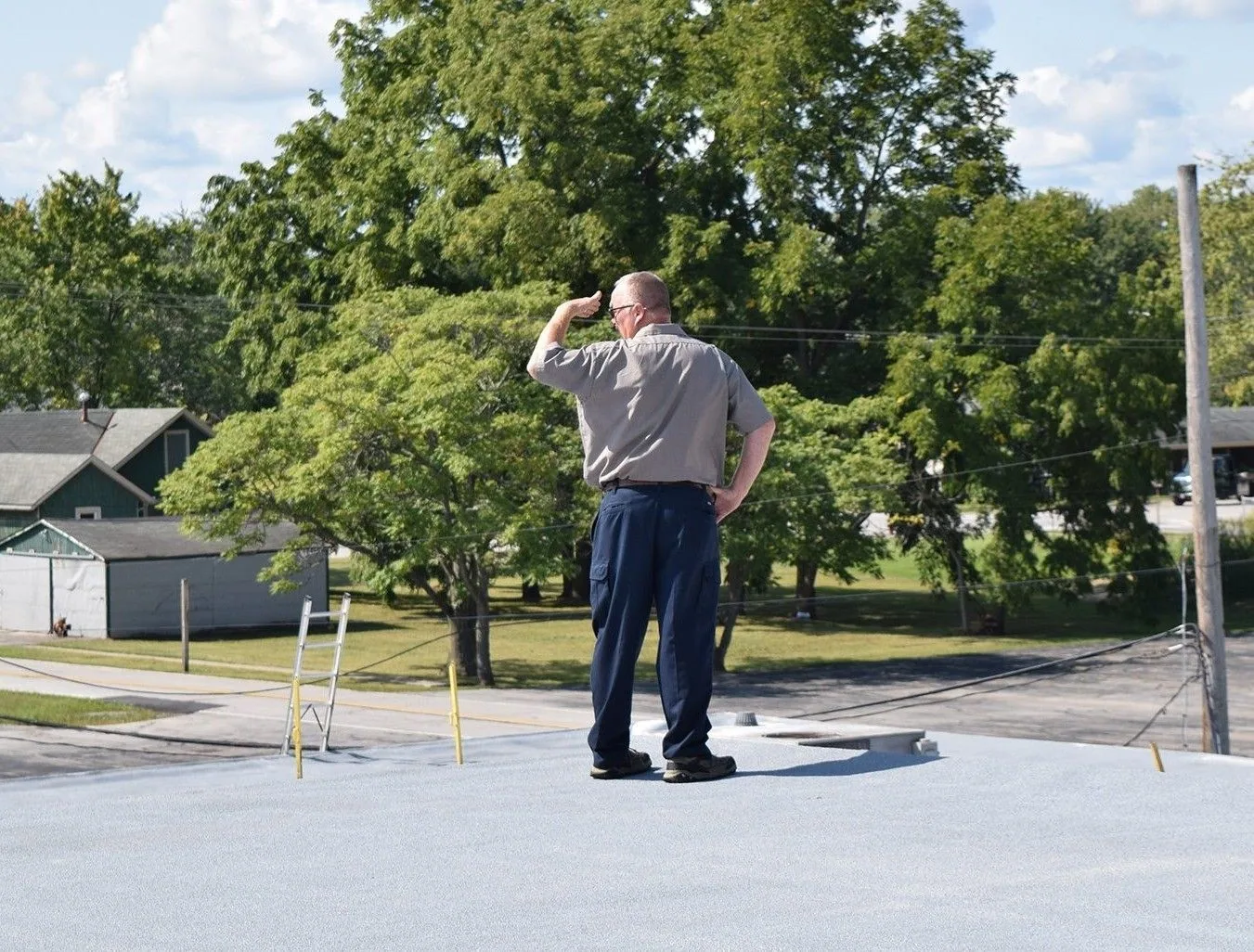
An emergency roof repair crew works from the field inward, because the safest footing is away from damaged edges. Structural questions go to an engineer before anyone walks a damaged deck, and the log records the engineer's name and date.
Temporary roofing on a tornado-damaged building is inspected after every rain and at least weekly, and the visits go in the log with photographs. A tarp that has slipped by Thursday is a finding on Friday, not a surprise after the next storm.
Neighbors matter on a storm job. Debris from an adjacent building can land on the roof, and the log notes its origin if known, since that bears on who deals with it.
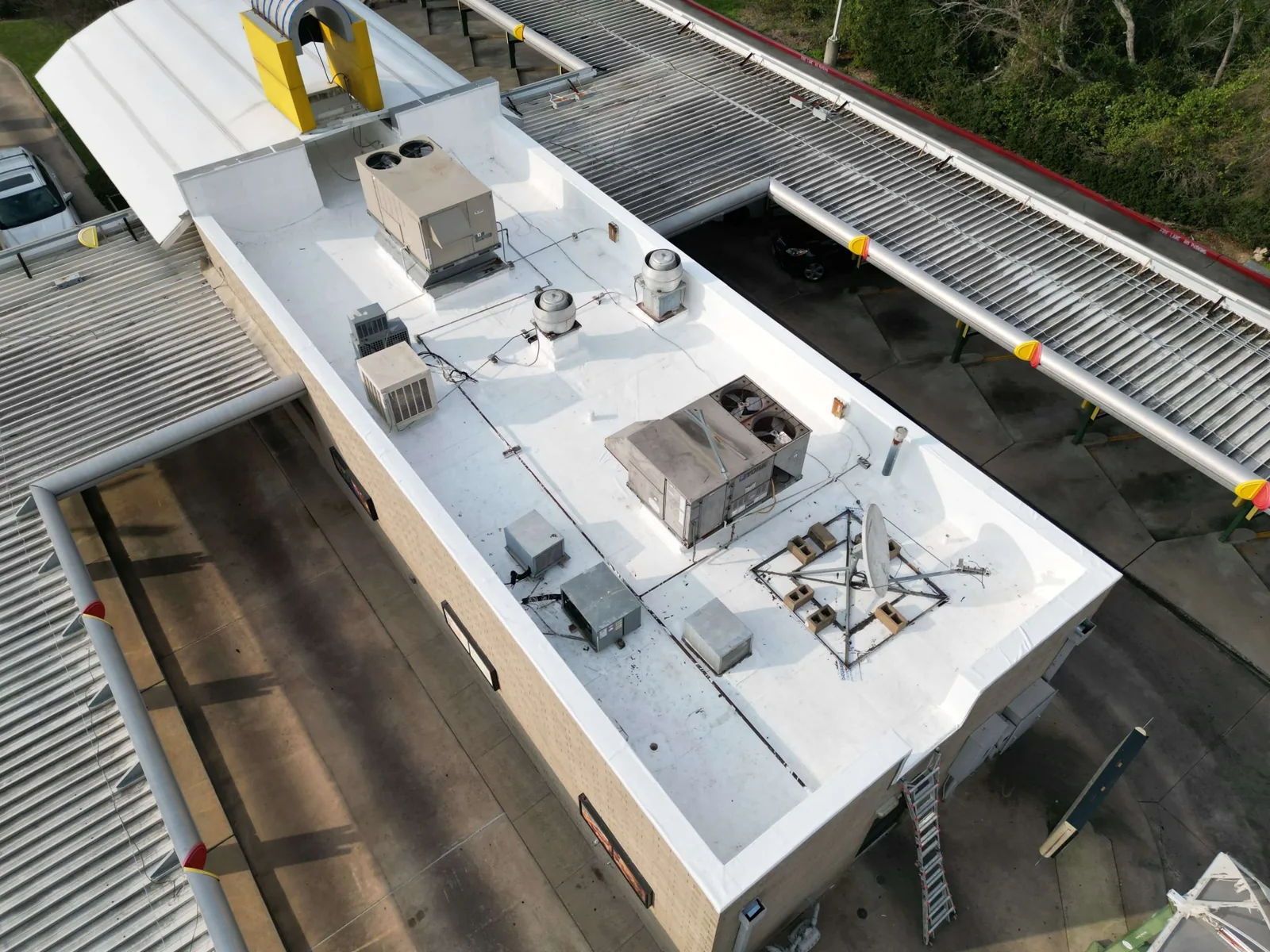
The tornado file combines dated photographs, a marked plan, a rated findings log and a candid list of what stayed out of reach. Where water may have entered the building, a moisture survey maps wet insulation once access is safe. Core cuts are taken at the margins of the damage.
Storm records matter too. The file notes the date and time of the event if known, the sources used and the local reports. A storm damage repair scope built on this file lines up with an adjuster's estimate line by line.
Numbered photographs are saved in the order taken. The first frame in the folder is always the wide shot of the building, so the sequence tells the story without a caption.
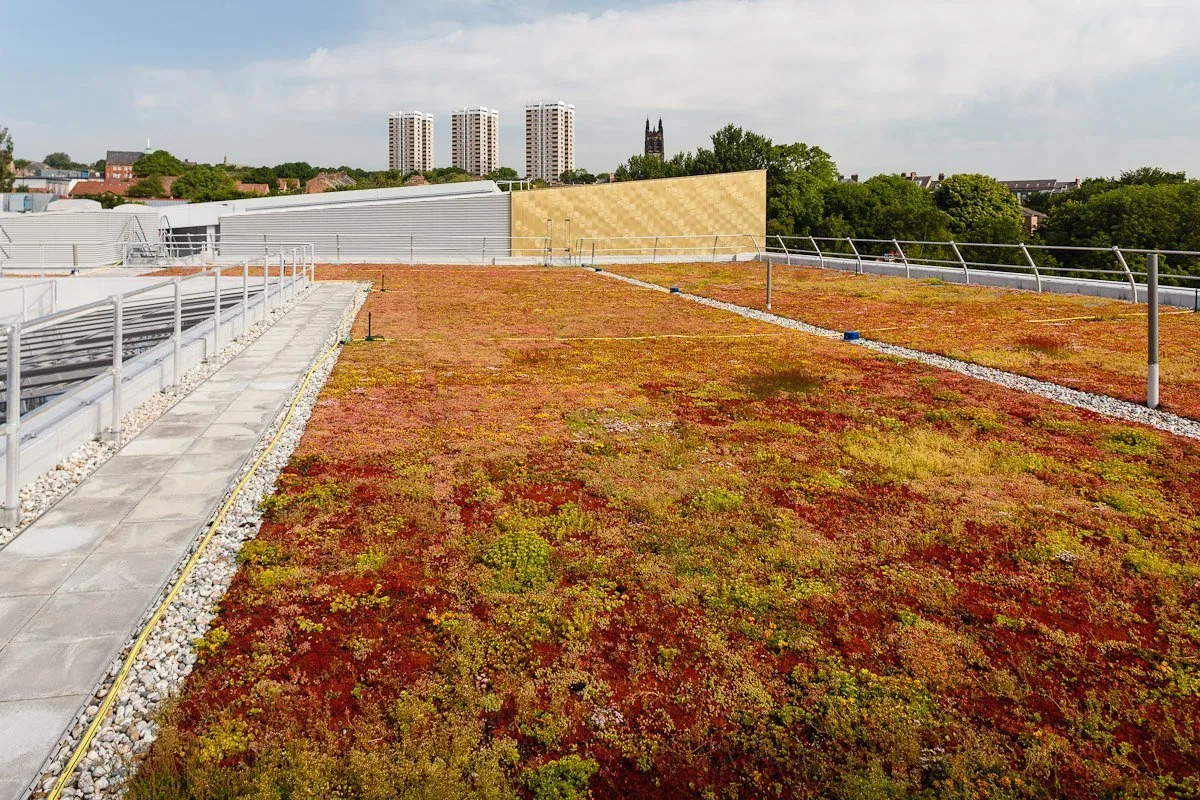
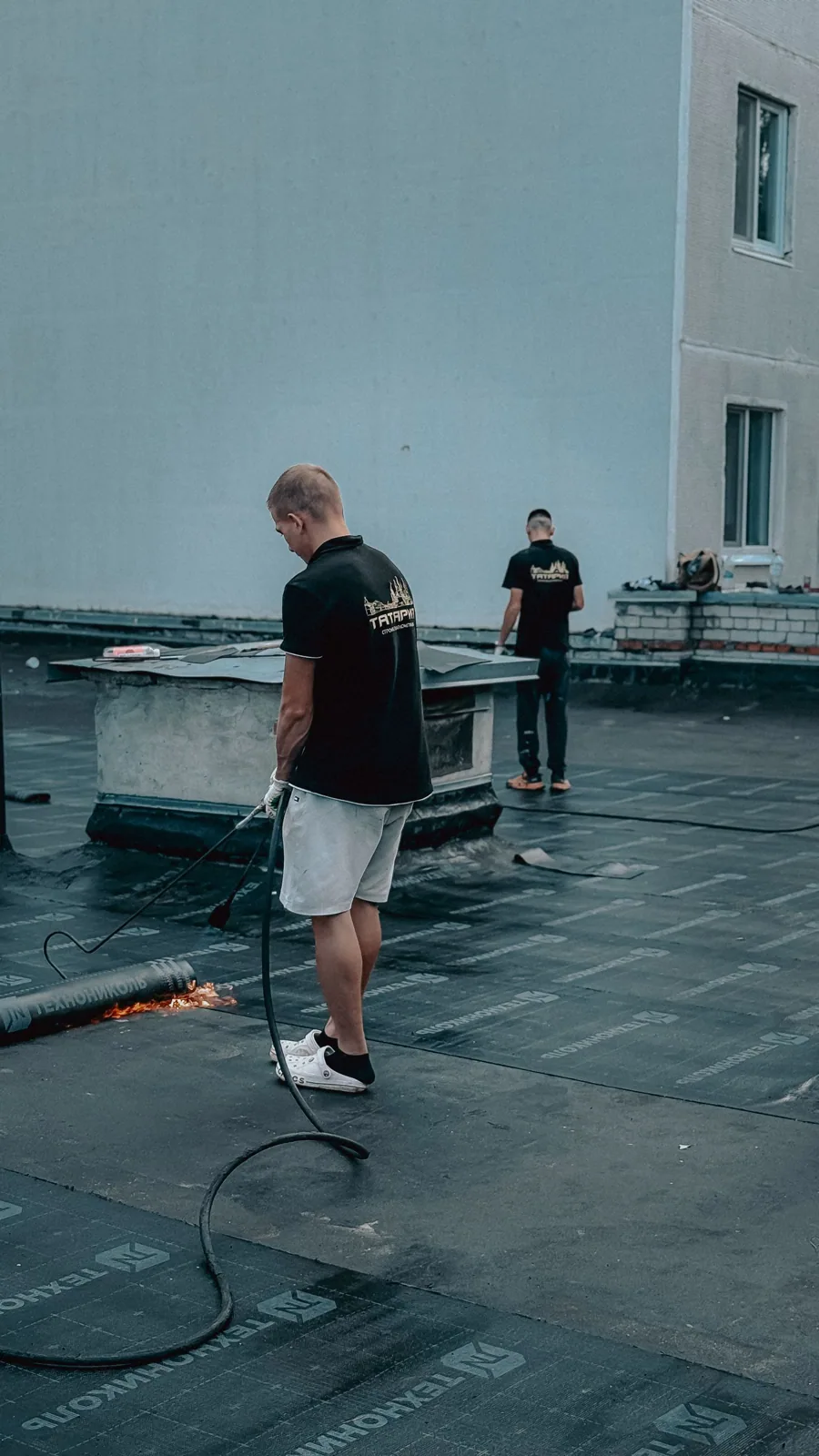
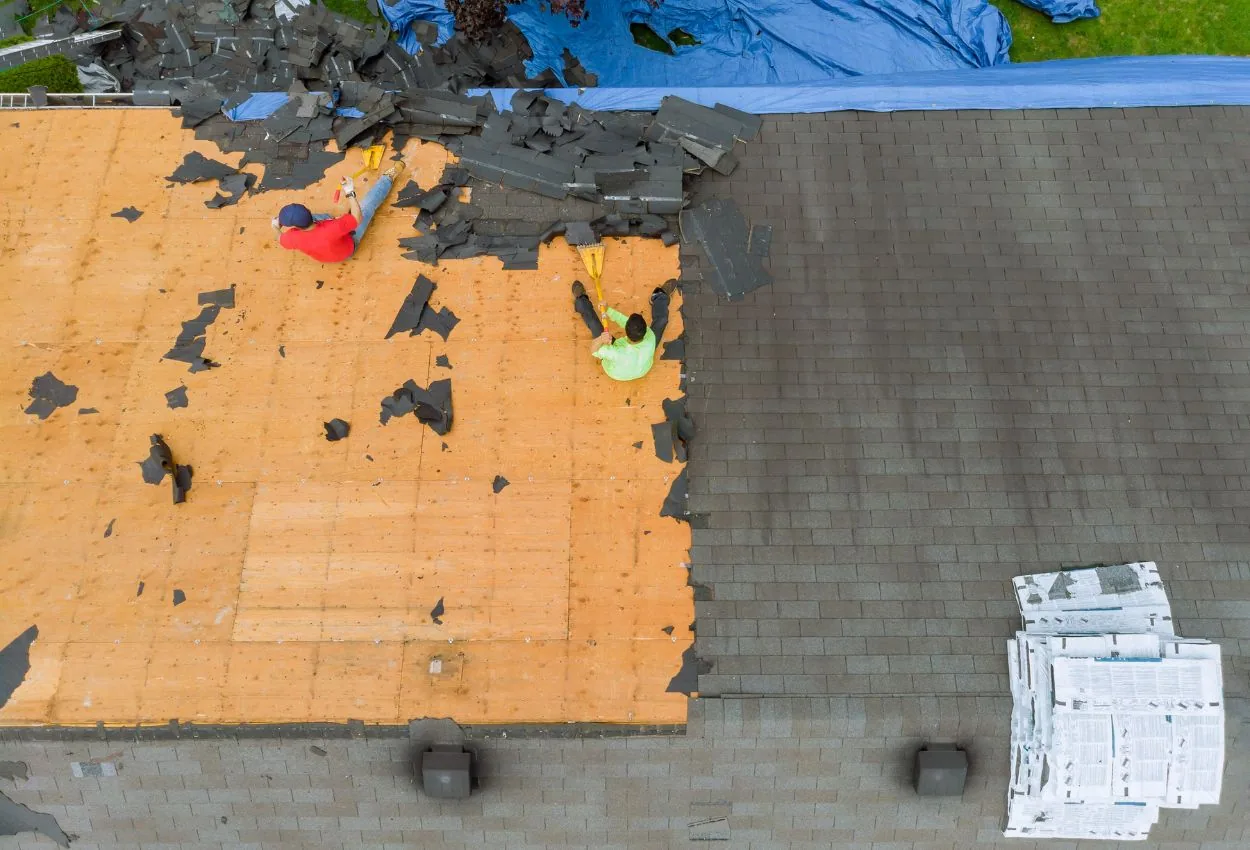
Repairs follow the documentation. Structural repairs to deck and framing come first. Insulation is replaced where wet or crushed. Membrane goes down in sections, with new flashing at every edge and penetration. Rooftop equipment is reset on repaired curbs.
The scope lists each of these by section, with the condition that triggers each line. Where a roof lost a large share of its area, the scope compares repair of the remainder with full replacement, and the log counts show which is better value. A related wind damage record covers the edges that remain.
Permits and engineering letters are part of the scope when the structure was affected. The file keeps copies with the approval dates.
Replacement materials are matched to the original system or upgraded where the engineer or owner chooses, and the scope states the reason for any change.
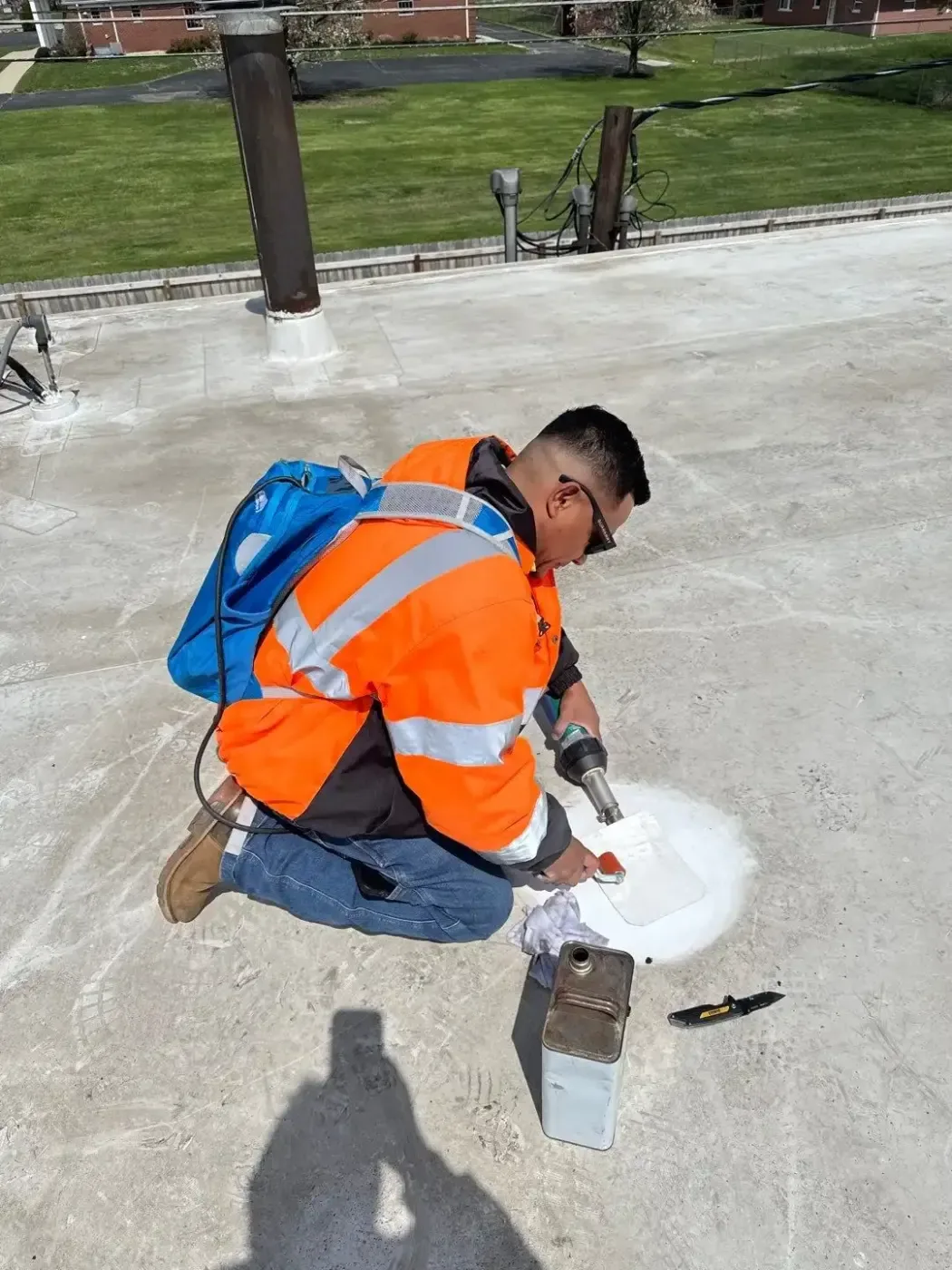
A tornado loss usually goes to the carrier, and the file serves as the record of the roof's condition. We document and leave coverage to the insurer. The owner uses the same file to plan the budget for anything the claim does not cover.
For owners working with insurance and restoration partners, the file lines up each scope item with its evidence. That shortens the supplement conversation, because the photographs show what the tear-off found.
Cost ranges separate emergency work, structural repair, roofing and interior drying, so an owner can see what each portion of the loss contributes.
At the end of repairs the owner receives last photographs, the as-built drawing, material sheets, structural sign-offs and warranty paperwork, and a return visit after the first winter compares the new work with the old edges.
The package lists open items with dates and owners: a delayed rooftop unit, a back-ordered panel, a permit still pending. Each line is closed in writing, so the file never leaves a loose end.
Keep Reading
Flashing failure repair in Kenosha, WI: wall, curb and penetration flashings inspected, photographed and rated, with repairs matched to the roof system.
Commercial roofing in Wheatland, WI: wind-edge records, storm documentation, dated photo sets and condition ratings that support repairs and insurance claims.
Commercial roofing in Somers, WI for institutional, retail and highway-side buildings, with wind-edge checks, moisture surveys and dated condition ratings.
Round-the-clock emergency roof repair in Kenosha, WI: make-safe, tarping and dry-in, with timed photos and a written incident record for your insurer.
Infrared scans and core-cut verification for Kenosha, WI commercial roofs, producing a numbered moisture map that separates wet insulation from dry.
Storm damage roof assessment and repair in Kenosha, WI: wind, snow and ice findings logged with dated photos and condition ratings for insurers and owners.
Safety first, then photographs, then temporary protection. Nothing is moved until it is recorded, because debris position and failure edges are evidence of what happened.
Only after an engineer clears the deck. The log records who cleared it and when, and anyone on the roof stays on the cleared route.
It adds debris, structural damage and missing sections to the record. The photographs are wider, the plan marks are more detailed, and an engineer's note sits in the file.
The carrier does. We document condition and cause.
Until the permanent repair, if it is checked on a schedule. Each check goes in the log with a photograph, so a slipped cover is caught the same week.
Yes. A dated baseline separates storm damage from older wear if a later event strikes.