
How soon after a storm should the roof be inspected?
Within days if possible, before more weather blurs the evidence. If damage is suspected, schedule it now. Temporary protection should not wait for the full report.
Storm damage roof assessment and repair in Kenosha, WI: wind, snow and ice findings logged with dated photos and condition ratings for insurers and owners.
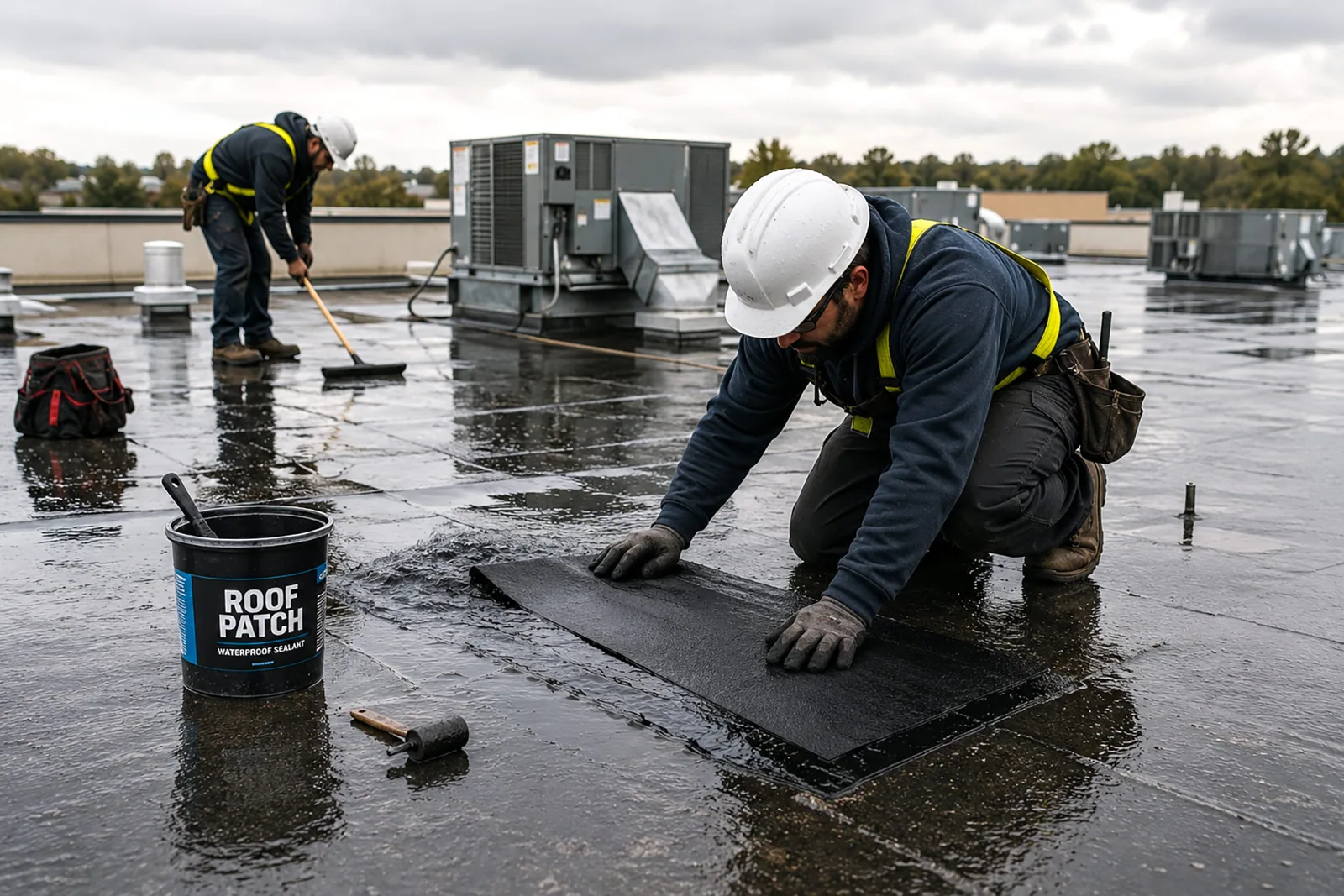
Coping that sits a quarter inch proud of its fasteners at a building corner is a small finding with a large meaning. It says wind reached the perimeter, and it says the membrane under that edge may have moved. After a storm in Kenosha, WI, we start at the perimeter and log findings like this one with a date, a photograph and a position on the roof plan. The assessment that follows separates storm damage from older wear, which is the question an insurer, an owner and a lender will each ask. The repair scope comes from the same record.
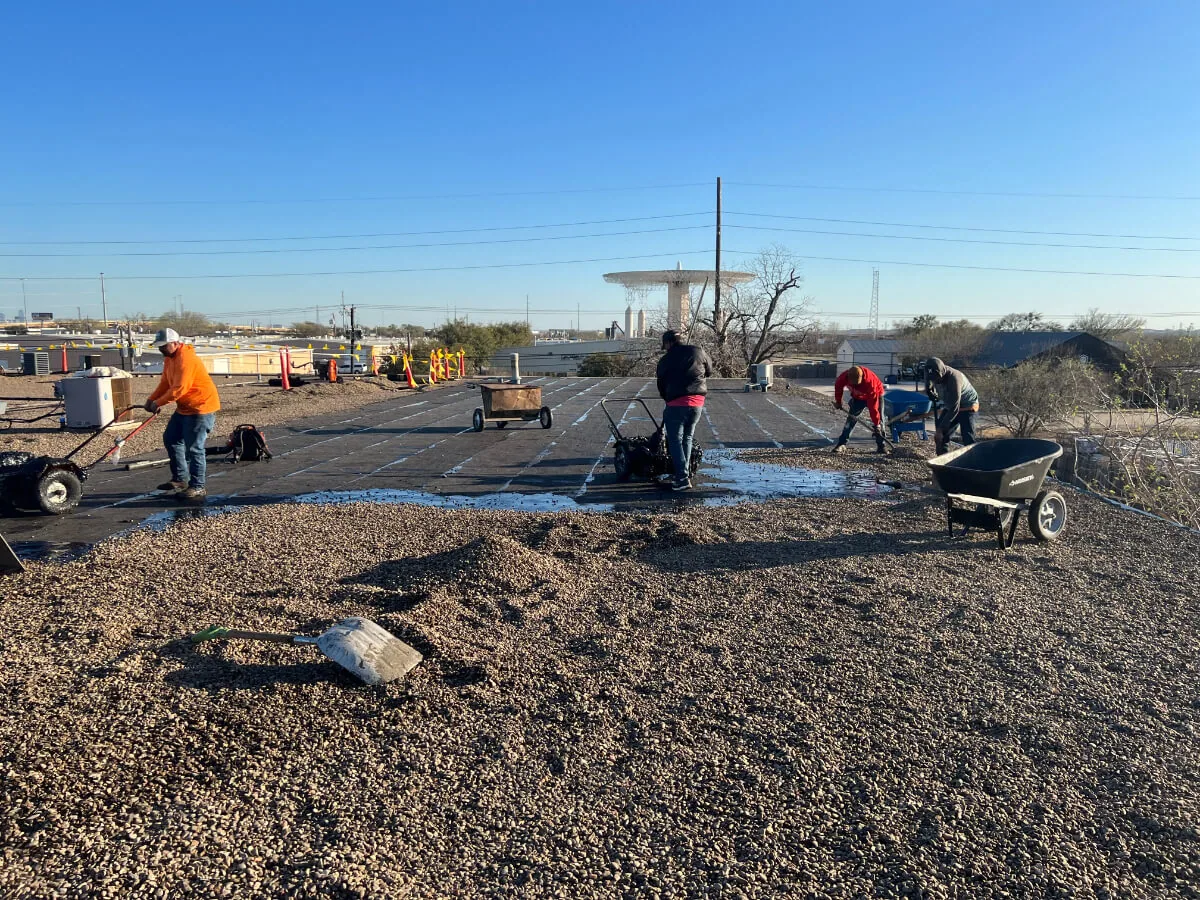
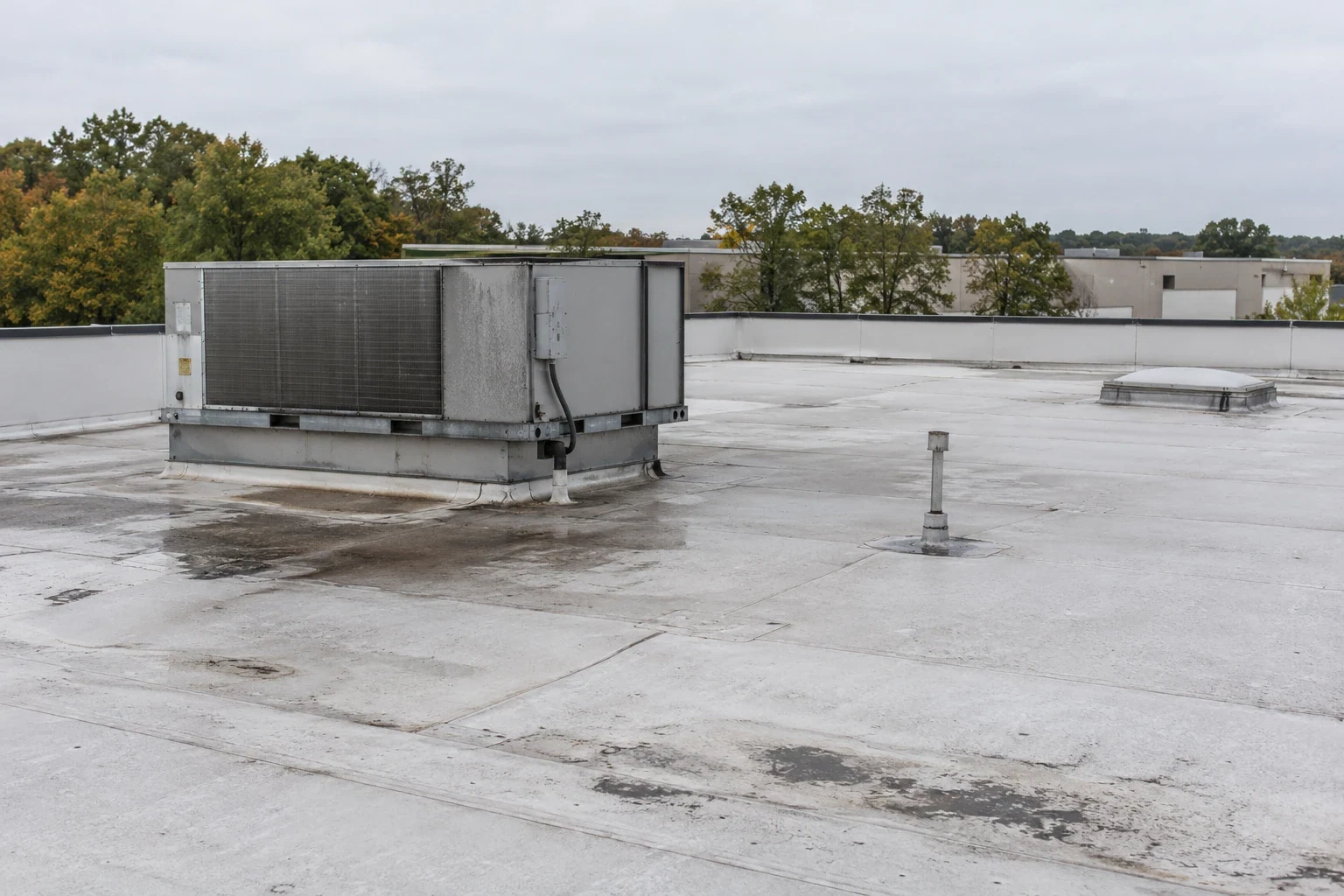
The assessment begins with safety. We check the deck from below if the building allows, look for sagging or open penetrations, and decide whether a crew can walk the roof. Then we work the perimeter, corners, rooftop equipment and drains, in that order. Each finding gets a number, a photograph, a measurement and a judgment on whether it appears new.
New damage tends to show clean edges, fresh scuffs, bright metal where coating has been abraded and debris lodged against curbs. Older wear shows weathering, dirt in cracks and staining. We record both. The report lists storm findings and pre-existing conditions separately, so a claim covers what it should and an owner does not pay twice for old problems.
Drains and gutters are checked for debris that a storm can deposit, and for ice or snow that blocks them. A storm that leaves the field untouched can still clog a drain, and a clogged drain turns the next rain into a ponding event. The drain check goes in the file even when nothing else is found, so the record shows the roof was covered from edge to outlet and not only where the damage was loudest.
On January 7, 2008, tornadoes struck Kenosha County. The first passed through Wheatland and Brighton, the second reached Somers and the north side of the city of Kenosha, and the Wheatland storm was the county's first confirmed tornado since 2001. The event damaged 105 homes, 27 of them destroyed, and it is a dated reason to check wind-edge condition on commercial roofs in the county.
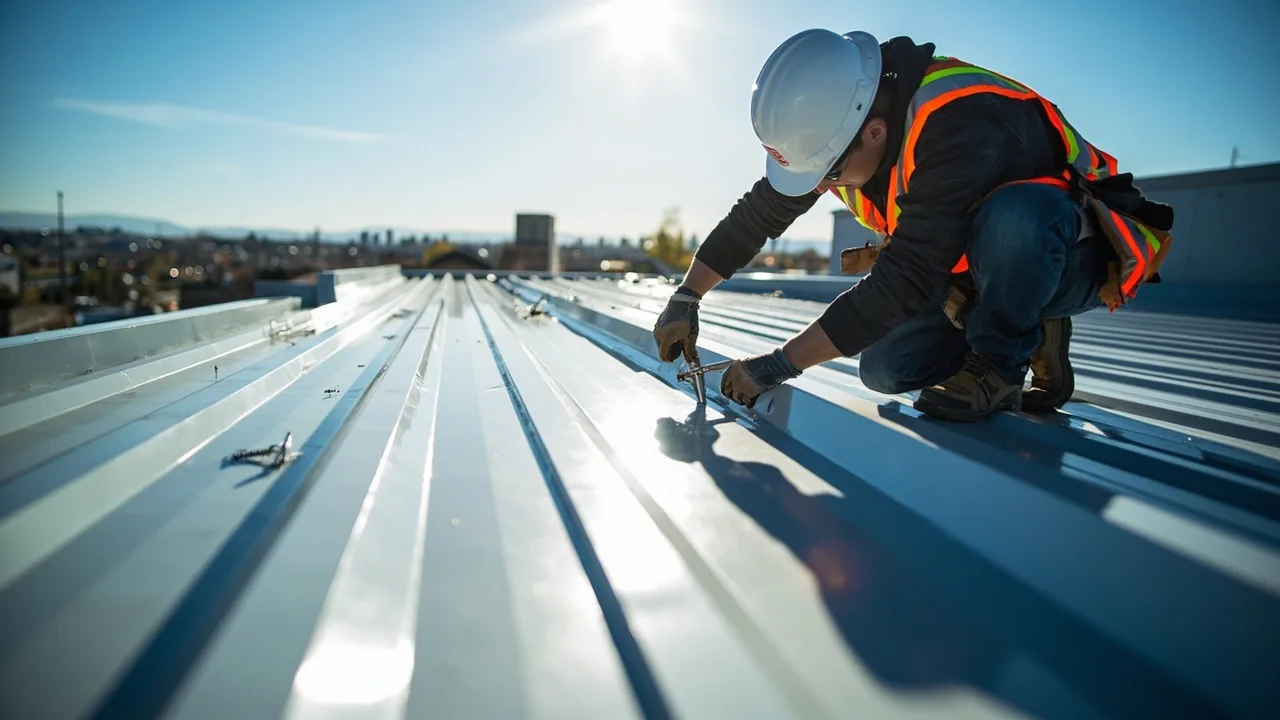
Wind findings concentrate at edges and corners: lifted coping, bent drip edge, peeled membrane at terminations, displaced rooftop unit covers. We log each one, then check the field membrane for fastener pull-out and billowing. The repair methods for these conditions are the same whether the cause was straight-line wind or a tornado, and the wind damage repair and tornado damage repair scopes start from this record.
Winter storms damage roofs by weight and by freezing. Kenosha took roughly 19 inches in the January 1979 blizzard and roughly 23.2 inches in the 2011 Groundhog Day blizzard, against an annual average of 36.2 inches that peaks in January and February. After a heavy event, we look for deck deflection, new ponding, cracked drains and seam splits.
Ice damage shows at drains, scuppers and gutters, where meltwater refreezes and pushes against flashing. We photograph those locations and record the temperature and date, because a split seam found in a thaw can be traced to a freeze weeks earlier. For roofs that are carrying snow, structural concerns go to an engineer before anyone works on the roof. Repairs of that kind are scoped as snow and ice roof damage repair once the thaw lets the crew work.
Some storm damage cannot be seen from the surface. A membrane that looks intact can sit over insulation that took in water through a torn edge, or over a deck that shifted under snow load. We use an infrared moisture survey after dry-in, and we cut cores at the suspect spots to confirm what the scan suggests. The core photograph shows the layers and the water.
Wet insulation is cut out and replaced, and the repair boundary follows the moisture map, not the visible tear. A deck that has deflected goes to a structural engineer before new roofing is laid over it. These findings change the scope and the price, so they are recorded early and shown to the owner with the photographs.
The first visit stops water. Tarps, temporary membrane or sealant close open areas, and loose metal is secured so it cannot travel. The emergency response is available at any hour, and temporary work is labeled as temporary in the work order. A tarp is a way to buy time, and it is not a repair.
Permanent repair follows once the damage is mapped and the insurer has had a chance to look. Materials and methods are matched to the existing system, and anything that touches a warranted area follows the manufacturer's requirements. Cold-weather work is limited by adhesive and sealant temperatures, and when a permanent repair has to wait for a thaw, the work order says so and sets a return date.
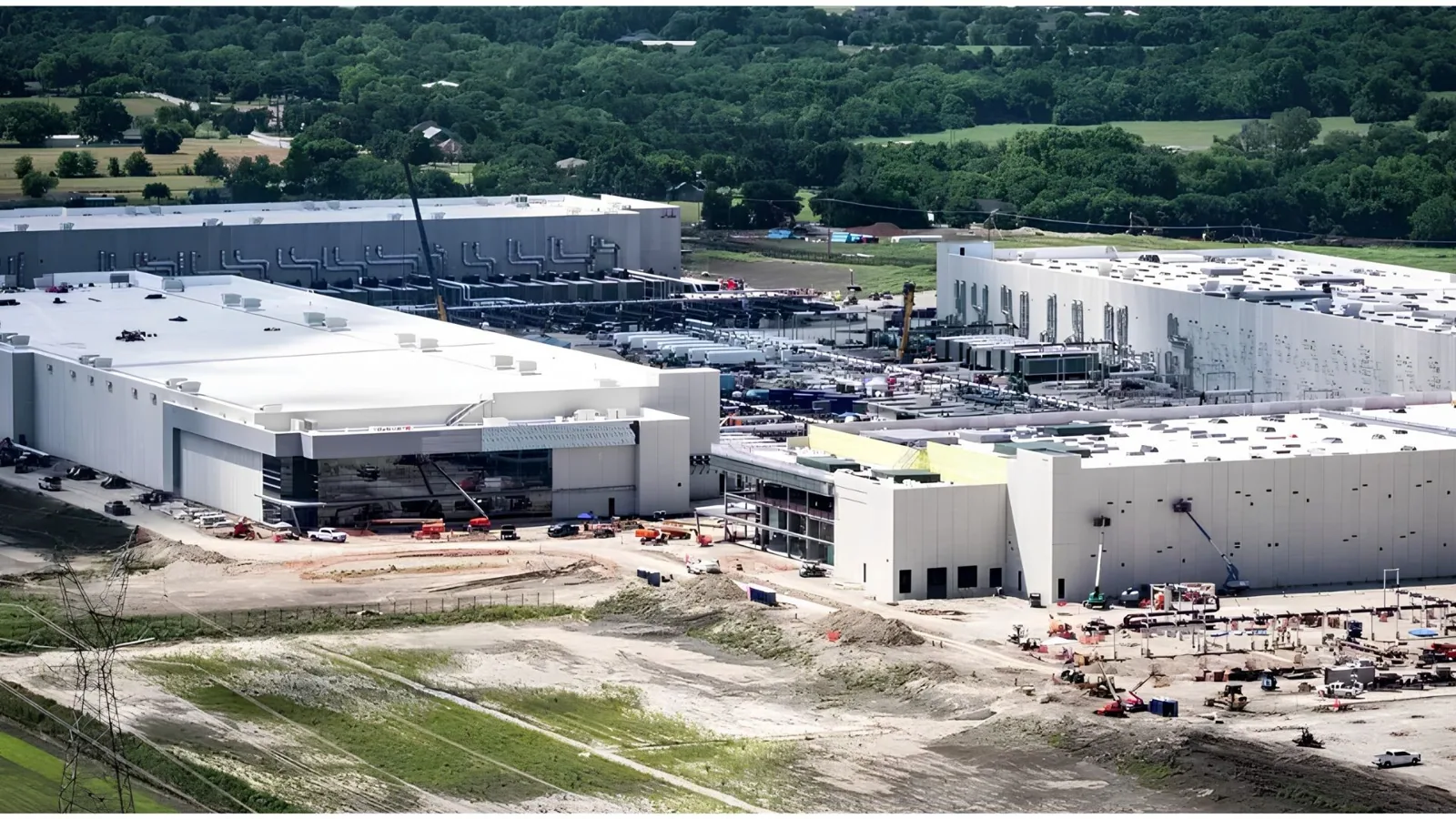
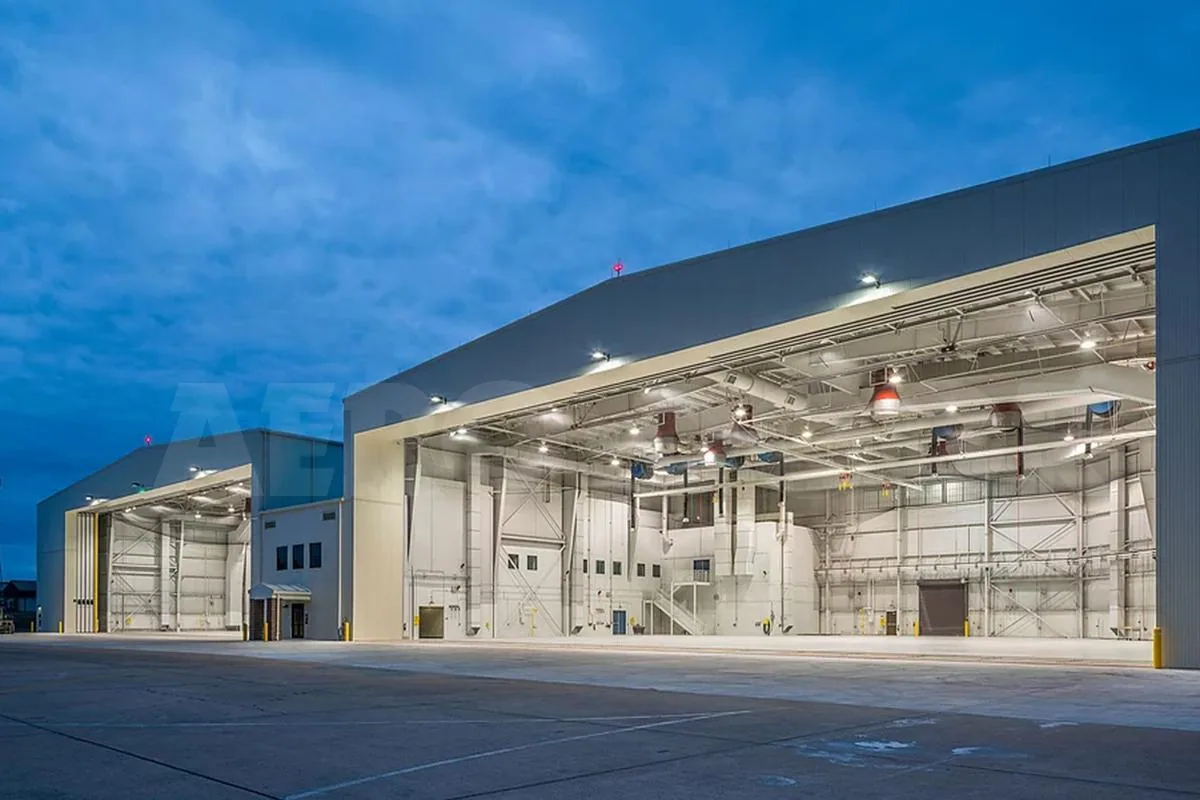
Exposure differs across the area. Kenosha County has about 8 miles of Lake Michigan shoreline, and lakefront buildings in the city take wind and freeze-thaw off the lake. Wide distribution buildings in Pleasant Prairie's LakeView Corporate Park, which the village describes as the largest industrial park in Wisconsin, put a great deal of coping and edge metal in the wind. Hospitals and medical buildings need their repairs coordinated with infection control and access rules.
The assessment adapts to each. For a long distribution roof, we sample edge runs in sections and log the worst. For a hospital roof, we agree the schedule with facilities staff and work in sections that can be closed quickly. For a downtown building in the HarborPark district, we plan around street and pedestrian access for materials.
The storm file holds the dated photo set, the numbered findings, the roof plan with positions, the temporary-protection log and the repair scope with price ranges. It is organized so an adjuster can follow it without a guided tour. Findings are marked as new or pre-existing, and each is tied to the date of the storm.
We support the claim with insurance claim documentation and we stay out of coverage decisions, which belong to the owner and the insurer. A baseline report from before the storm makes the comparison stronger, which is one reason owners keep a condition report on file.
Keep Reading
Commercial roofing in Somers, WI for institutional, retail and highway-side buildings, with wind-edge checks, moisture surveys and dated condition ratings.
Wind damage roof repair in Kenosha, WI: edge metal and membrane findings logged with dated photos, plan marks and ratings for a claim file or capital request.
Tornado damage roof repair in Kenosha, WI: debris impact, uplift and displaced equipment documented room by room, with emergency dry-in and a claim-ready file.
Snow load and ice dam roof damage repair in Kenosha, WI: drifts, frozen drains and ice damage logged with dated photos, plan marks and ratings for each roof.
Infrared scans and core-cut verification for Kenosha, WI commercial roofs, producing a numbered moisture map that separates wet insulation from dry.
Round-the-clock emergency roof repair in Kenosha, WI: make-safe, tarping and dry-in, with timed photos and a written incident record for your insurer.
Within days if possible, before more weather blurs the evidence. If damage is suspected, schedule it now. Temporary protection should not wait for the full report.
Yes, after a significant wind or snow event. Damage to edges, attachment and insulation can sit unseen for months before water shows. A logged inspection also shows condition on the storm date.
The insurer and the policy language do. We supply the photographs, measurements and scope. We separate storm damage from older wear so the claim is clear.
Temporary protection should start at once. Permanent repair usually waits for documentation and the adjuster's visit, unless the policy or the urgency says otherwise.
It can, if the wrong method or material is used. We read the terms first, match the repair to the system and record what was done.