
Do you decide coverage?
No. The carrier decides coverage. We document the roof's condition and the likely cause, and we note what remains uncertain.
Dated photo sets, core cuts and cause-and-origin notes for adjusters and restoration firms handling commercial roof claims in Kenosha, WI and Racine County.
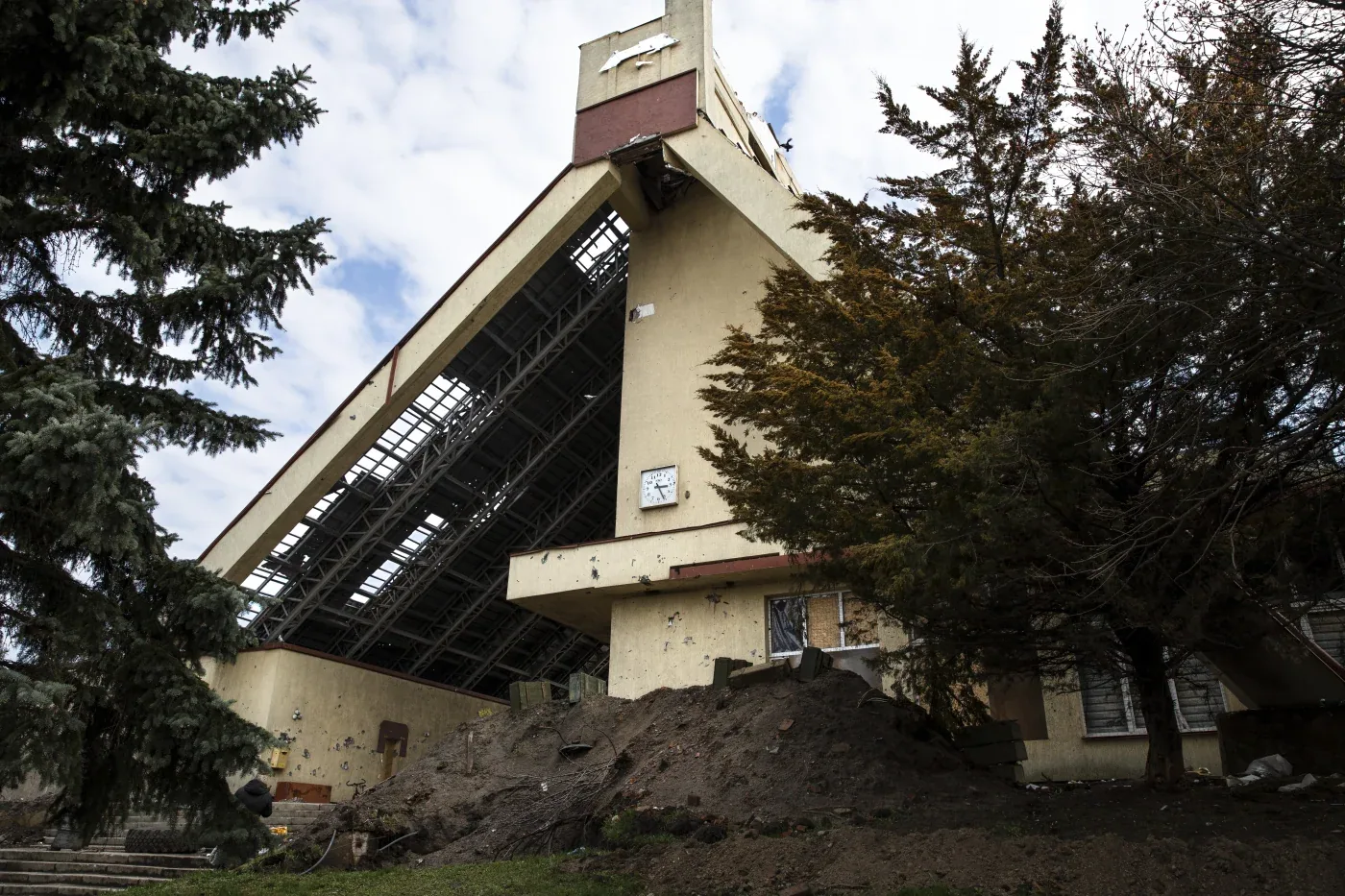
A torn edge of membrane with a bright, clean fracture line is a different finding from one with a gray, weathered edge. The first points to a recent event. The second points to age. An adjuster can see the difference in a photograph, provided the photograph is sharp, dated, scaled and tied to a plan location.
We document commercial roofs for adjusters, restoration firms and the owners they serve. In Kenosha, WI and Racine County, that means separating storm damage from wear in a file that holds up under review. We record what we see. The coverage decision stays with the carrier, and the file stays neutral.
Restoration firms get the same record, so the repair scope and the claim narrative describe one roof in one set of words.
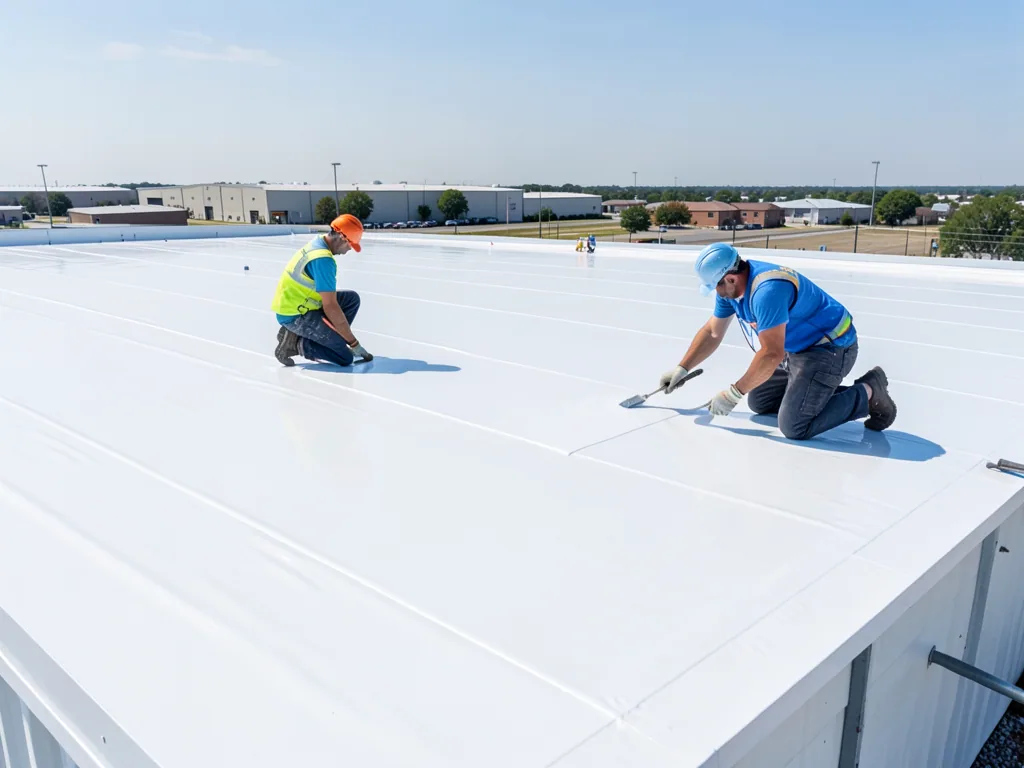
Storm damage and age leave different marks. Wind lifts edge metal and peels membrane from the edges inward. Impact leaves fractures and bruising in a pattern. Age leaves crazing, shrinkage and open laps spread across a whole field. Ponding stains show repeated wetting, not a single event.
Each mark is photographed with a scale, numbered and located on the plan. Where the cause is unclear, we say so and note which test would settle it. A core cut or a moisture survey often does, because fresh water intrusion shows up differently from long-term saturation.
Fire and smoke losses follow a similar pattern. Scorch lines, melted membrane and heat-distorted flashing are photographed before any cleanup, and the log notes which sections the fire did not touch.
Photographs also record what is intact. A sound section beside a damaged one shows the carrier where the damage stops, and that boundary often matters as much as the damage itself.
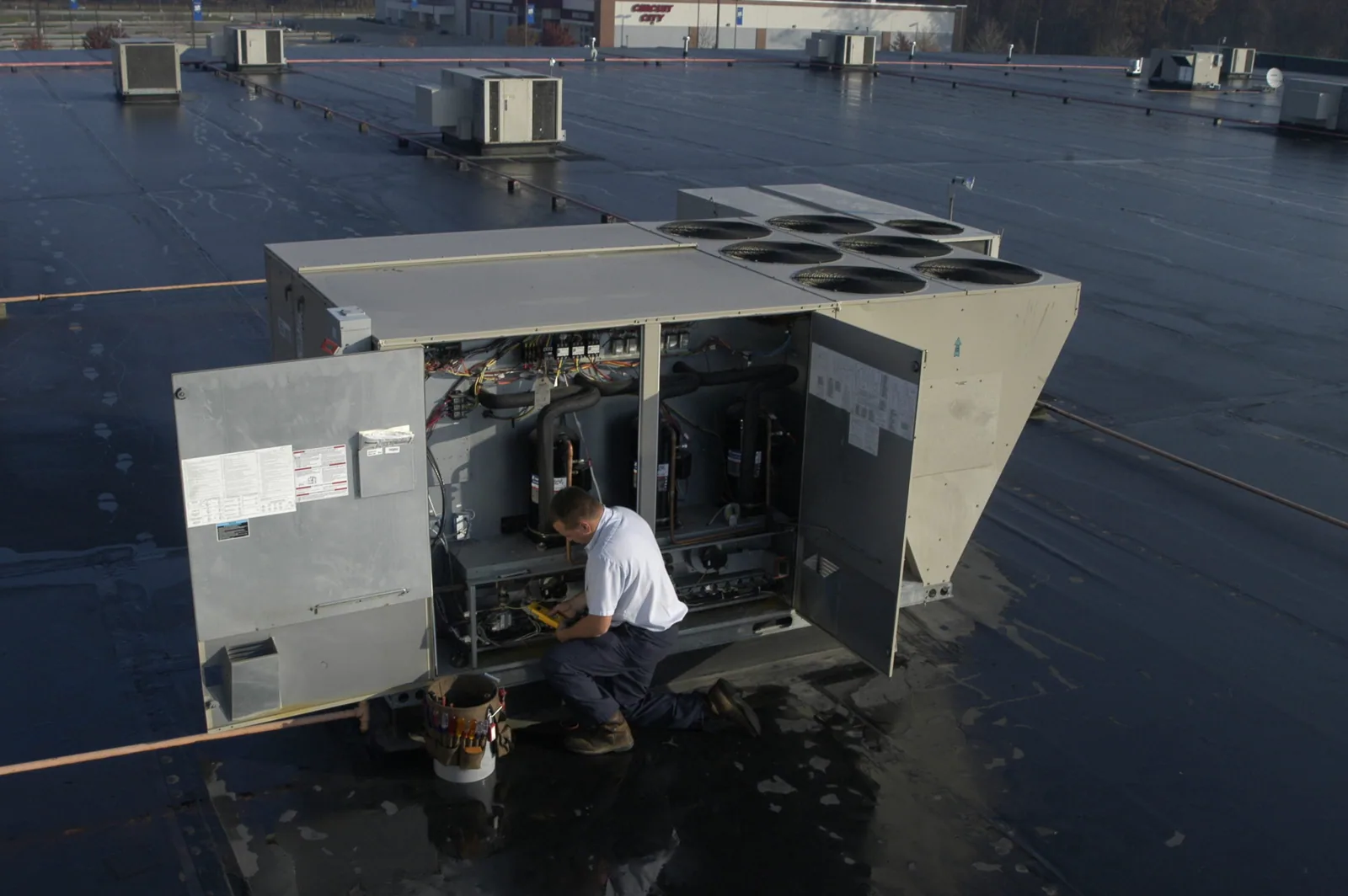
The claim file combines dated photographs and a marked plan with a rated log of findings, plus the core cut and moisture records. It also lists what we could not inspect and why. A prior-condition entry, drawn from earlier inspections where they exist, shows the roof's state before the event.
A claim documentation package like this reads the same to every party. The adjuster, the restoration firm, the owner and any engineer can open the same photographs and reach the same locations.
Chain of custody applies to evidence too. A removed fastener or a cut sample is labeled with date, location and the person who took it, and the label appears in the photograph. Nothing leaves the roof unnumbered.
On January 7, 2008, one tornado cut through Wheatland and Brighton while another reached Somers and the north side of Kenosha. The Wheatland storm was the county's first confirmed tornado since 2001, and between them the two left 105 homes damaged and 27 destroyed. Wheatland alone saw about 100 houses damaged and 25 demolished in an EF3 event.
Winter has its own record. The January 1979 blizzard left roughly 19 inches and the 2011 Groundhog Day storm roughly 23.2 inches, and the city's yearly snowfall averages 36.2 inches. Those numbers set the baseline an adjuster sees. A tornado-damaged roof and a snow-loaded one need different notes.
Prior-condition records matter most after events like these. A roof with a dated inspection from the year before has a baseline. A roof with none leaves the adjuster to infer, and inference is slower and less certain than a photograph taken last spring.
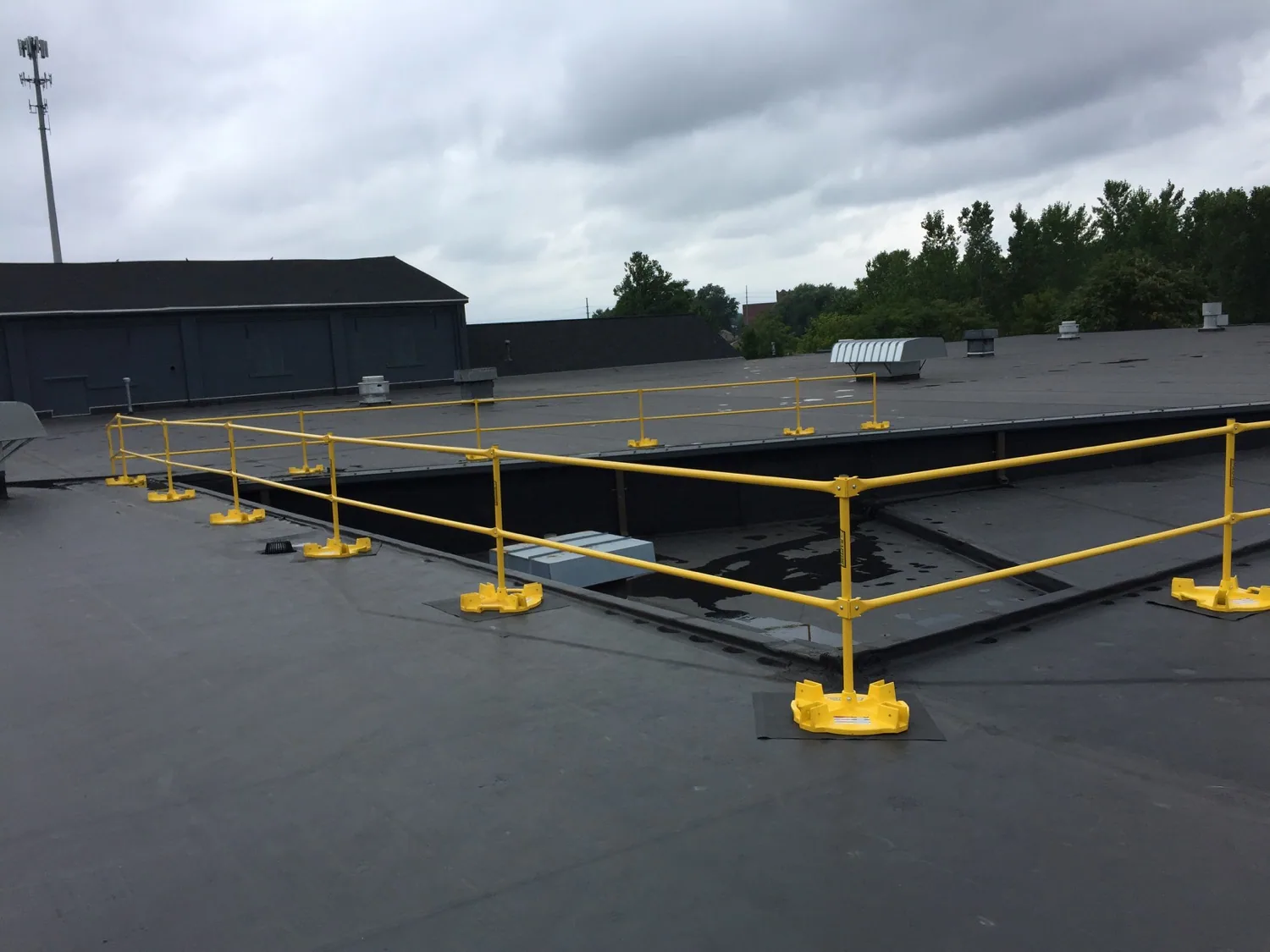
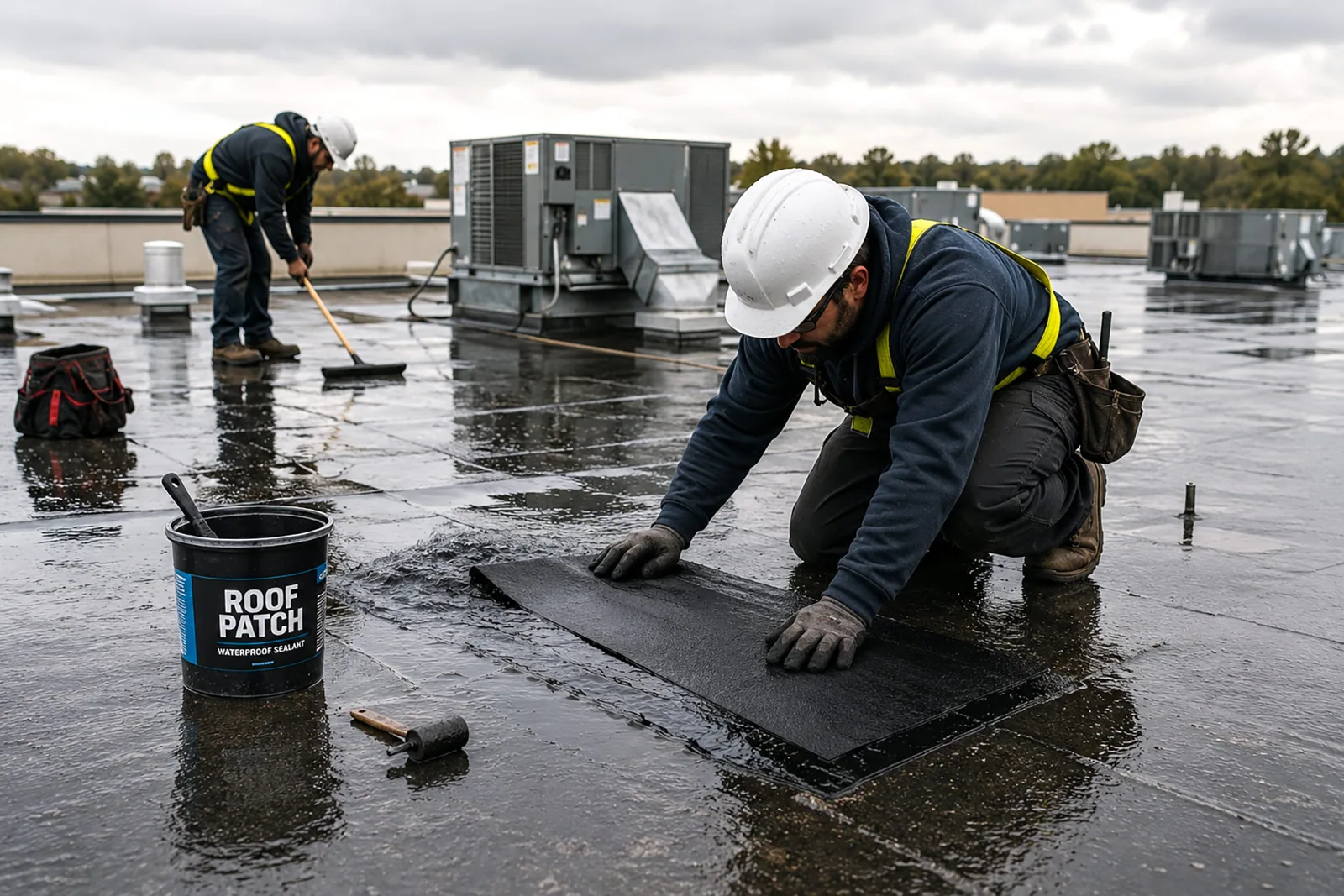
After an event, the first job is to stop water. We place temporary protection, photograph it and record what it covers. Documentation of the damage comes before any permanent repair, so the file shows the roof as the storm left it.
Sequence matters: photograph with a scale, locate on the plan, protect the opening, then repair. A storm damage roof repair proceeds only after the carrier has what it needs. Where a decision is pending, the temporary measure holds and the log records its condition on each visit.
A general contractor managing a larger repair gets the same sequence, with the roofing steps slotted into the project calendar. Interior drying, framing and roofing do not share a day unless the sequence allows it.
Temporary protection is not a free-for-all. We use materials that can be removed without damaging the membrane beneath, and the log notes the type, the area covered and the date it went on. When permanent repair begins, the log notes the date it came off.
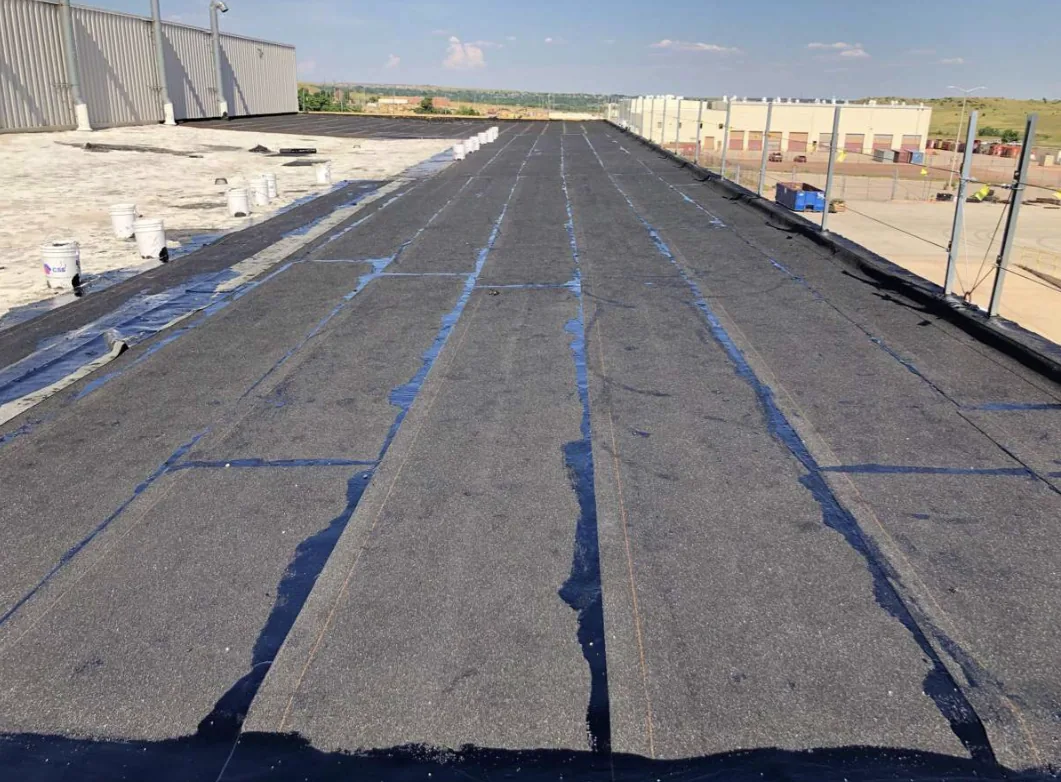
Restoration firms need scopes that line up with the adjuster's estimate. Ours list each section, the system, the insulation, the flashing and the drain work, with the condition that triggers each line. If a carrier's estimate omits an item, the file shows the evidence for including it.
When an owner disagrees with the estimate, the file gives them a factual basis for a conversation. We do not argue coverage. We document what the roof shows, in terms an adjuster can check.
Supplements arrive after tear-off reveals more than the estimate showed. The file's baseline lets the restoration firm and the carrier compare what was visible before with what was found, and the photographs from each stage support the supplement.
Restoration firms working from the file can reconcile their numbers with the carrier's, because each scope line carries its evidence.
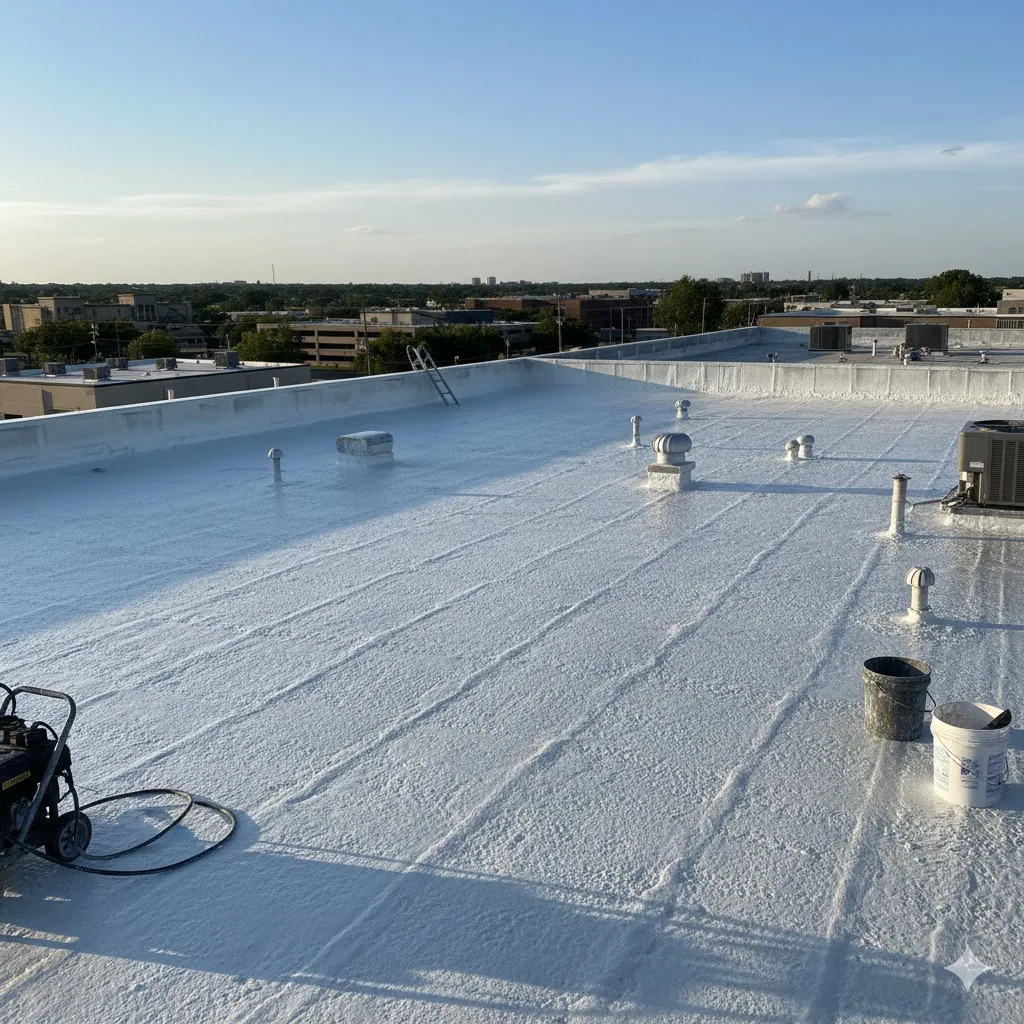
Along the county's 8 miles of Lake Michigan shoreline, lakefront buildings face wind and freeze-thaw exposure off the water. Wind losses there tend to involve edge metal and the first few feet of membrane. Ice claims involve drains, scuppers and the low points behind parapets.
For wind losses, a wind damage roof repair file starts with perimeter photographs. For ice, it starts with drains and the nearest ponding record. Both end in a rating for each section.
Heat belongs in the file too. A roof that has run hot can show softened membrane and lifted laps that look like storm damage but are not, and the 105-degree record of July 2012 shows how hot a Kenosha summer can get. The log notes surface temperature conditions on the day of the visit.
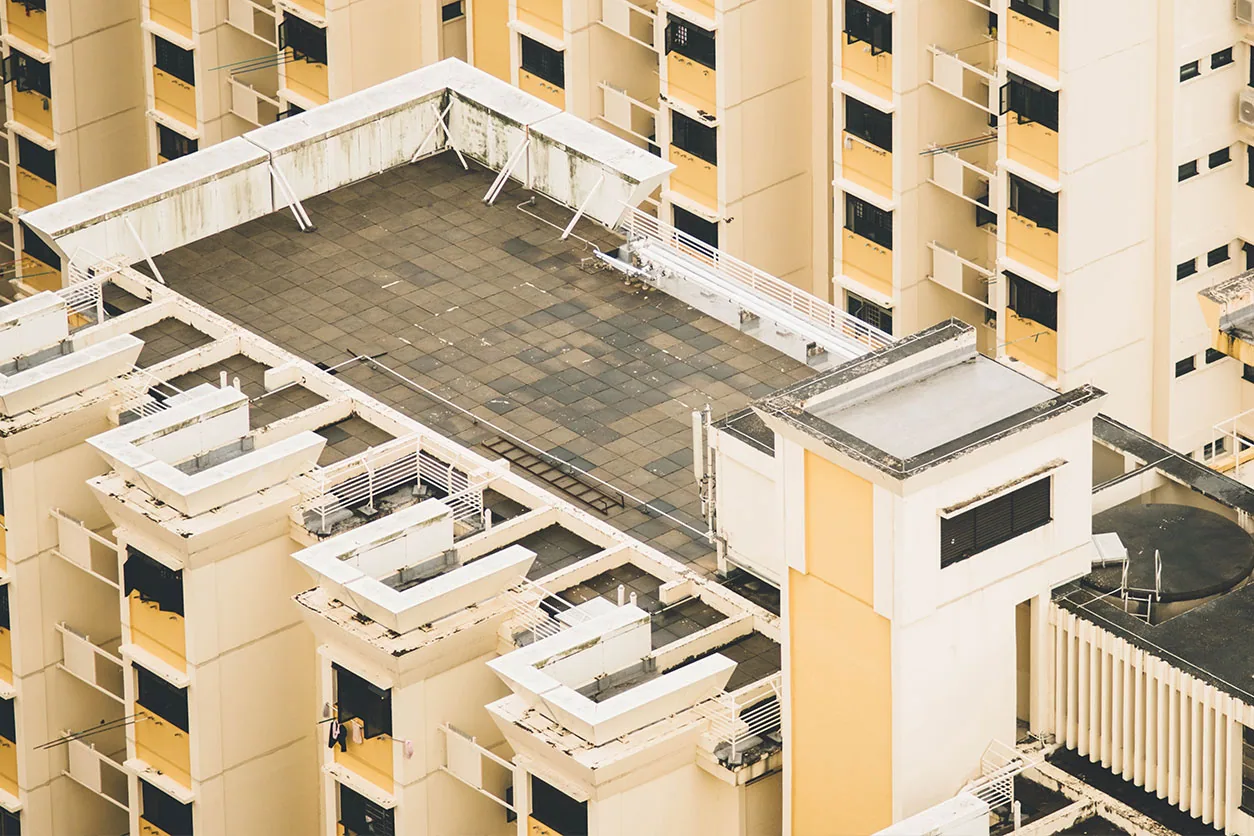
Repairs end with the file closing on last photographs, the as-built plan, product sheets and the warranty paperwork. It also lists any items the carrier did not cover and the owner's decision on each. Insurers, owners and property managers can file the same package.
Open items remain listed with a date and an owner until each is closed or declined in writing.
Keep Reading
Roof insurance claim documentation in Kenosha, WI: dated photo sets, core cuts, moisture maps and scopes that separate storm loss from prior wear.
Commercial roofing in Wheatland, WI: wind-edge records, storm documentation, dated photo sets and condition ratings that support repairs and insurance claims.
Tornado damage roof repair in Kenosha, WI: debris impact, uplift and displaced equipment documented room by room, with emergency dry-in and a claim-ready file.
Storm damage roof assessment and repair in Kenosha, WI: wind, snow and ice findings logged with dated photos and condition ratings for insurers and owners.
Scope sheets, dated submittals and close-out packages for general contractors who need a roofing partner on Kenosha, WI renovation and new-build projects.
Wind damage roof repair in Kenosha, WI: edge metal and membrane findings logged with dated photos, plan marks and ratings for a claim file or capital request.
No. The carrier decides coverage. We document the roof's condition and the likely cause, and we note what remains uncertain.
By pattern. Storm marks cluster by direction and exposure, while age spreads evenly. Photographs with scale and a plan location show the pattern.
A dated photo set, a marked plan, a findings log with ratings, and moisture and core records where they apply.
Yes, and it should. We photograph the damage first, then protect the opening and record what the protection covers.
The file says so and names the test that would settle it, such as a core cut or a moisture survey.
As soon as it is safe. Fresh fractures and displaced material change within days under weather and foot traffic, so the sooner the photographs are dated, the stronger the record.