
Why photograph edges before a storm?
A dated before-and-after set shows what changed. Without a baseline, new damage is hard to separate from old wear.
Commercial roofing in Wheatland, WI: wind-edge records, storm documentation, dated photo sets and condition ratings that support repairs and insurance claims.
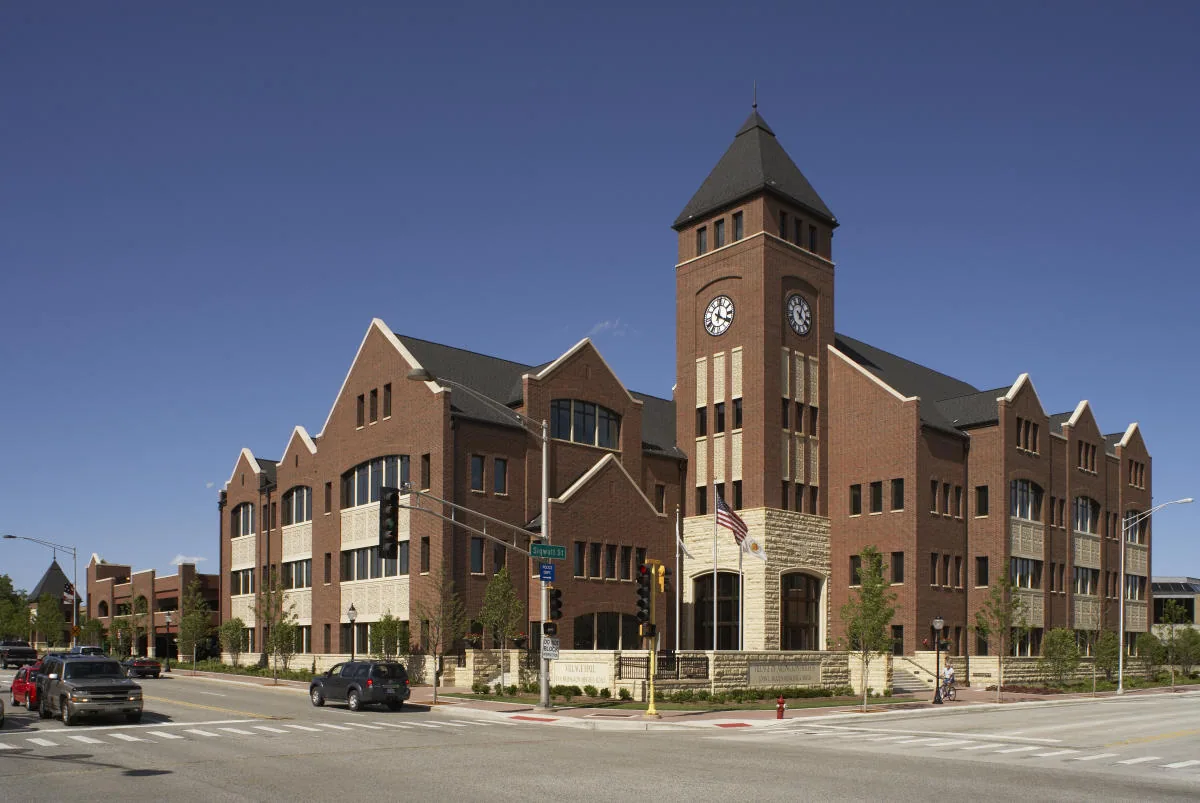
An edge termination photographed straight on, with its fasteners visible and its sealant line intact, is the most useful wind record a building can have. It shows what the edge looked like before any storm, and it gives an adjuster, a lender or the next inspector something to compare against. In Wheatland, WI, a town of about 24 square miles in western Kenosha County, wind-edge condition has a regional history. The photograph turns that history into a record.
We create it before it is needed, and we keep it current.
An EF3 tornado that struck Wheatland on January 7, 2008 damaged about 100 houses and demolished 25. The same day, other tornadoes struck Somers and Kenosha's north side, leaving 105 homes damaged across the county (27 destroyed). Wheatland's was the county's first confirmed tornado since 2001.
That history is context. It does not say anything about a given roof today. What it does is explain why perimeter metal, fastener condition and attachment deserve a documented baseline. A dated record shows what a roof looked like before the next event, and it separates new damage from old wear.
Records also protect the owner in a dispute over cause. Wind, hail, age and poor installation can all produce a lifted edge or an open seam. A dated baseline showing a tight edge before the event and a lifted edge after points to the event. A baseline showing a loose edge already in place points elsewhere. Either result is useful, and either one comes from the photograph.
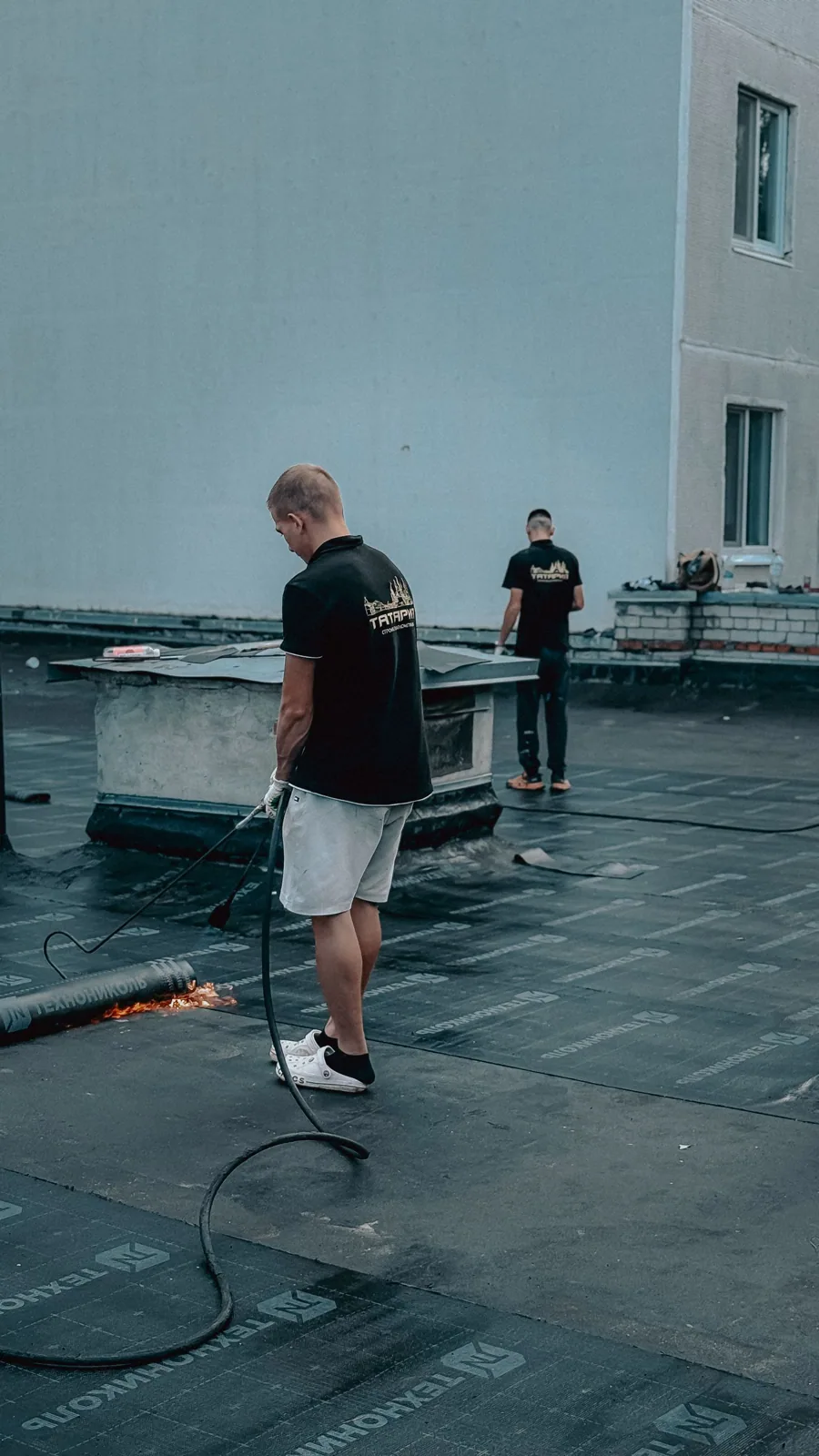
Wind loads concentrate at corners and perimeters, so that is where we start. For each building the record lists:
The entries carry section numbers and dates. When a storm passes, the same locations are photographed again, and the comparison is the evidence.
Attachment is the quiet part of the check. A coping cap can look fine while the cleat or fastener behind it has corroded. We lift a sample section where the cap allows, photograph what is behind it and note the fastener type and condition. If the attachment is weak, the entry says so, and the scope addresses the substrate as well as the metal.
Equipment gets the same rigor. A rooftop unit, a satellite dish or an antenna mount that has shifted in the wind can wear the membrane beneath it, so each is pushed, photographed and logged. A part that moves by hand will move in a gust, and the entry gives the owner a reason to secure it before the next storm.
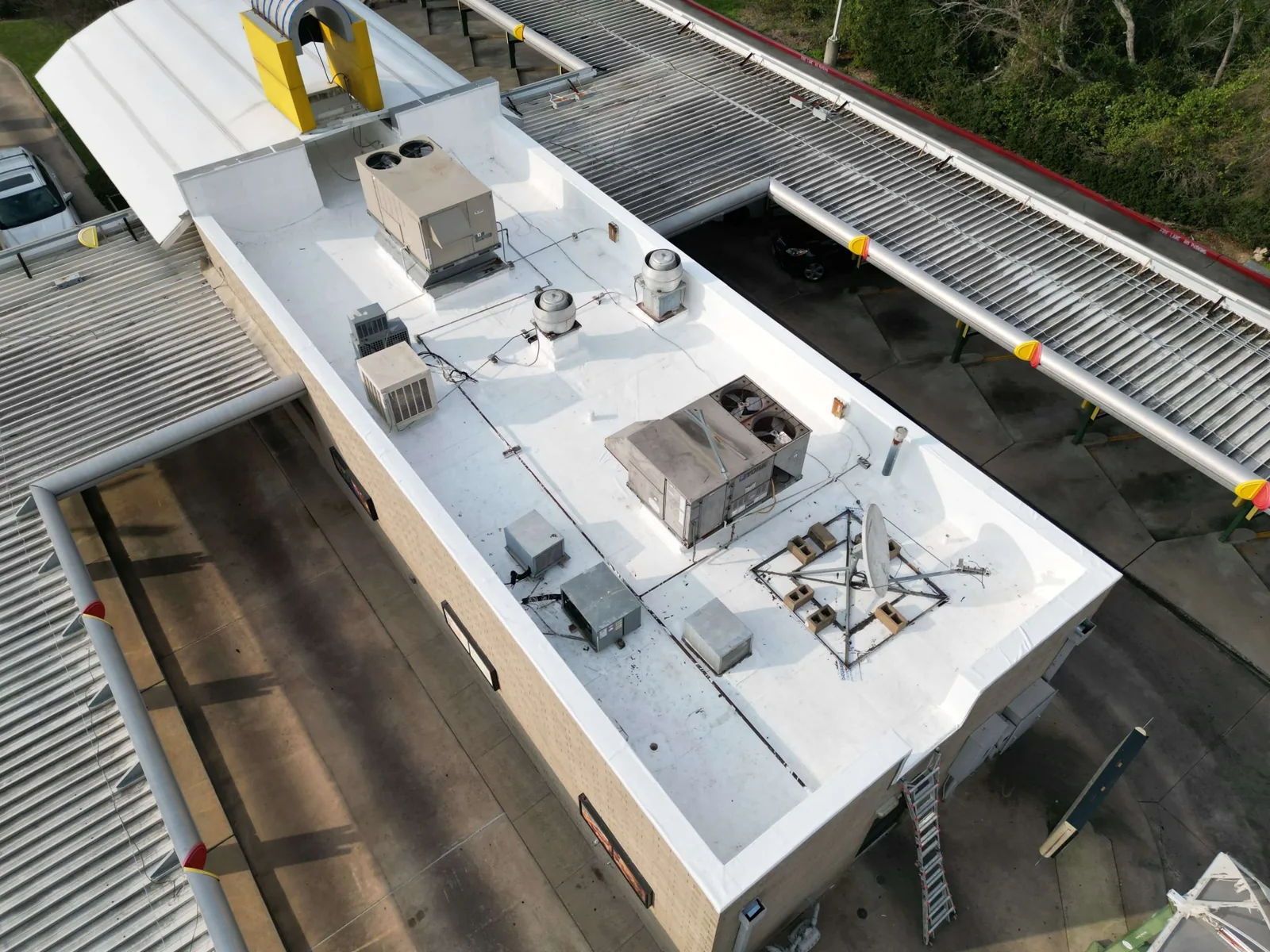
After a severe wind event, the order of work matters. First, make the building safe and stop any water entry. Second, photograph the roof and the interior before anything is moved. Third, tag damaged items with numbers that match the roof plan. Fourth, compare the new photographs with the baseline and write down what changed.
The tornado damage roof repair and wind damage roof repair scopes follow from that comparison. Our roof insurance claim assistance uses the same record, so the claim file shows dated before-and-after evidence tied to specific locations.
Temporary protection is documented too. A tarp, a sealed patch or a board-over is photographed in place, dated and marked on the plan as temporary. The permanent scope later replaces it and states what is removed. That separation keeps the claim file clean and prevents a temporary fix from being mistaken for a finished repair.
If the storm is severe, a structural review may come before any roof work. Where the deck or framing is in doubt, we stop and ask an engineer, then continue when the roof is cleared. The record notes the date of that clearance and who gave it.
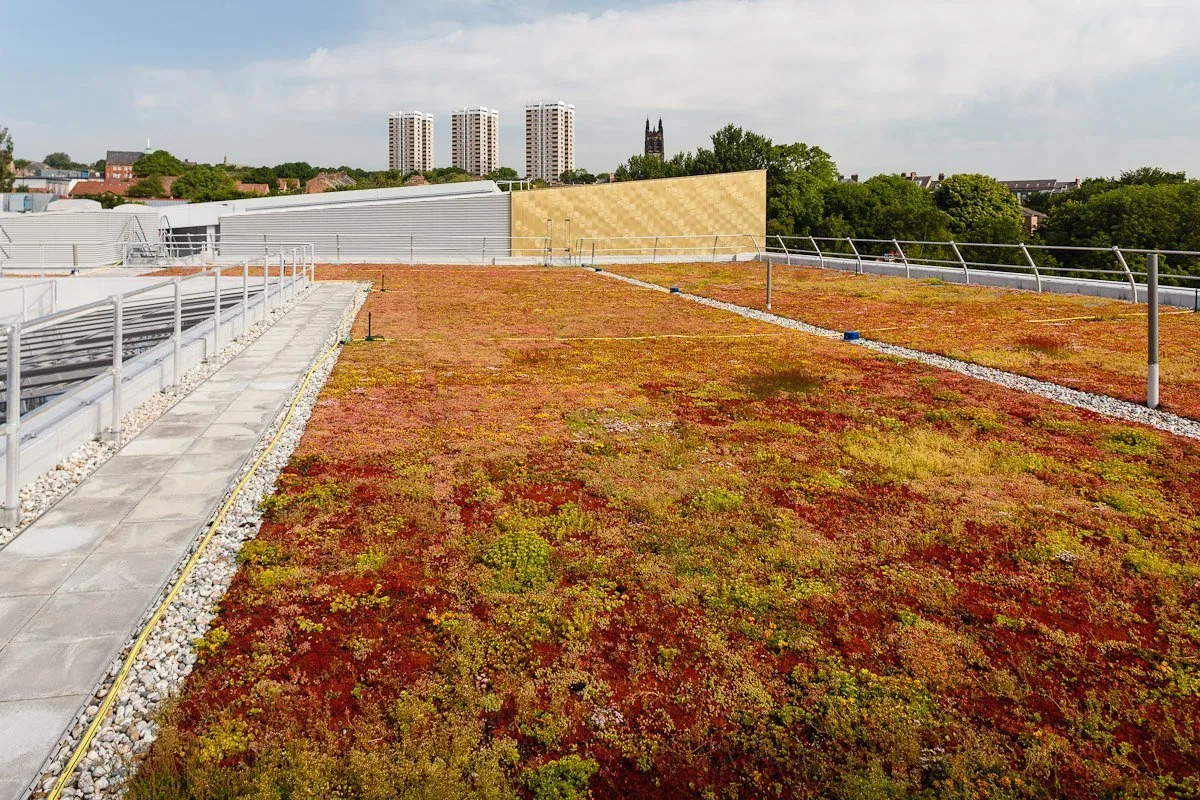
Wheatland includes Powers Lake, Lily Lake, New Munster and Slades Corners. For roofing, that matters in one practical way: addresses and directions. A call that says "the building in Wheatland" leaves a lot of room. We ask for the street address, the community and a landmark, and we put all three on the work order so the crew finds the right roof the first time.
The same precision applies to records. Each building has its own file, named by address and community, with its own plan, photographs and ratings. An owner with several sites across the town can open one file and see everything the roof has been through.
Distances inside a 24-square-mile town add up. A crew that has the correct address and the access method on the first call saves a trip, and the owner saves the cost of a second mobilization. The file lists the roof hatch or ladder location, the key holder and the best approach for equipment.
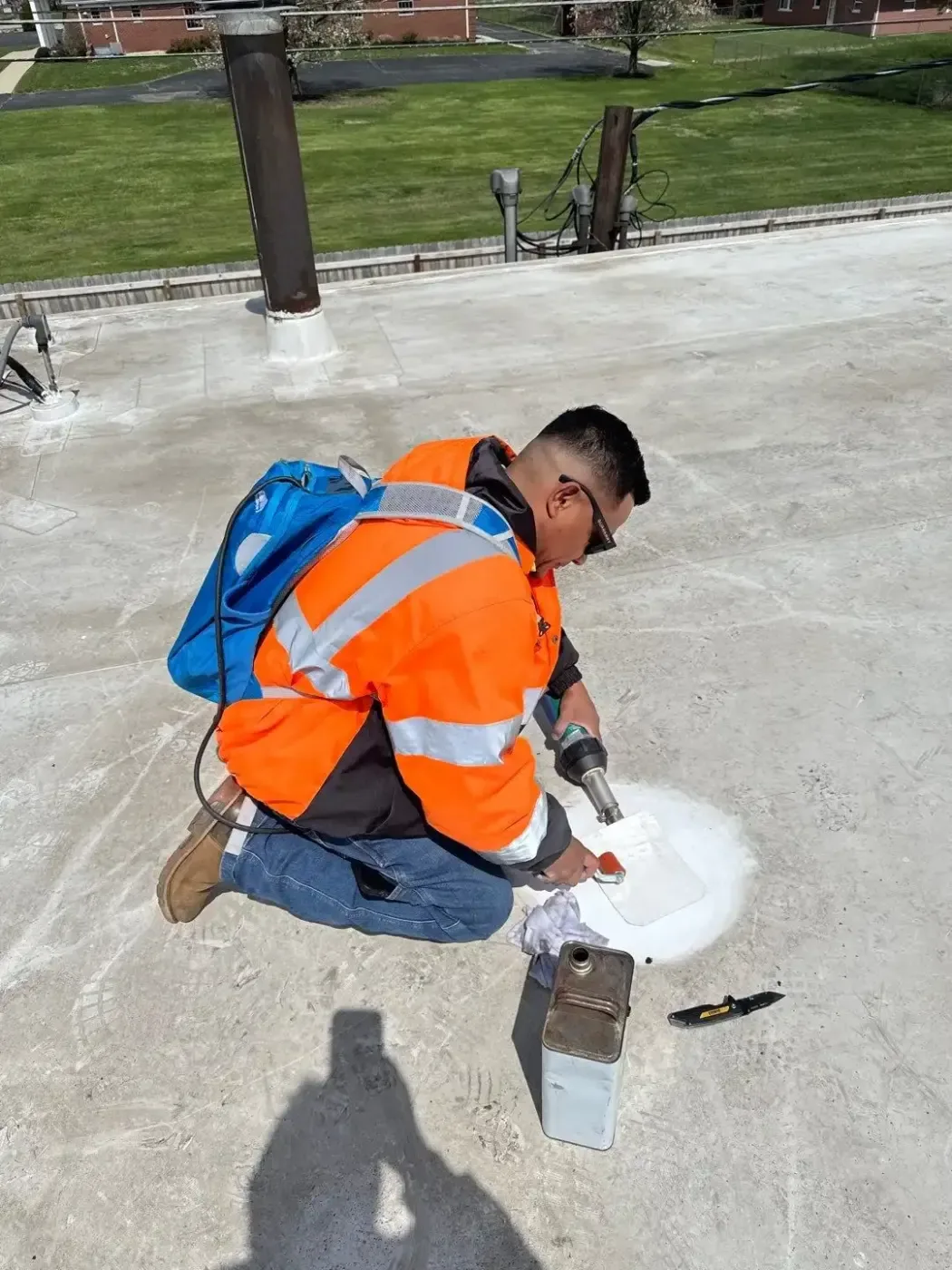
The former Wisconsin Central main line, now Canadian National, runs through Wheatland. A rail corridor affects staging. Cranes and lifts need clearance, and delivery trucks must stay away from crossings. The first walk measures from the roof to the nearest right of way, and any limit on equipment placement goes on the plan.
The walk confirms which properties sit beside the line. For any property near the corridor, the work order includes traffic control, dust control and debris containment, so material stays on the roof and out of the corridor.
Freight crossings also affect scheduling. A train can block a road for several minutes, and a delivery that arrives at the wrong moment may be delayed. We schedule the heavy deliveries with a margin and give the driver an alternate route.
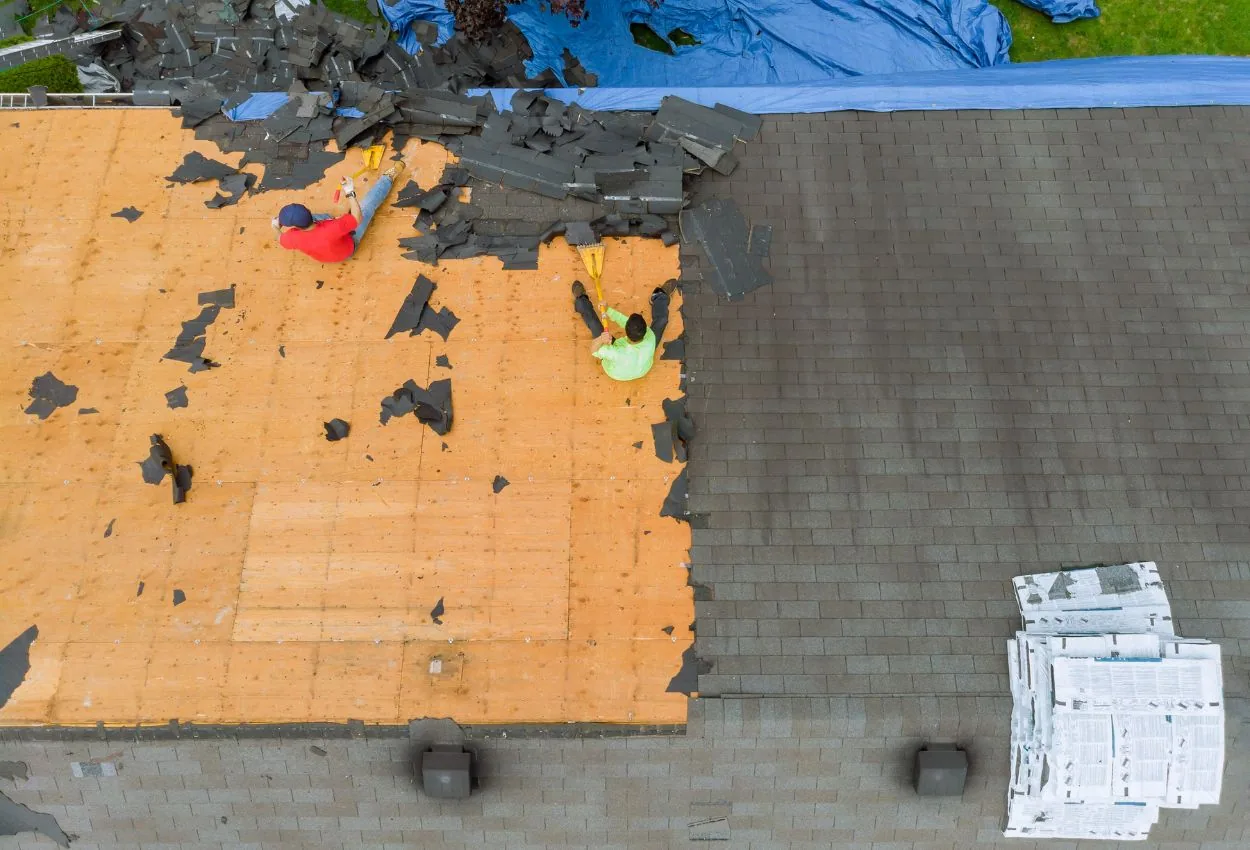
Kenosha sees roughly 36 inches of snow a year and has touched minus 31 degrees once, so roofs in this part of the county cycle through hard freezes and thaws each winter. In spring, we walk each roof, compare the edge photographs with the baseline and log any change. The annual walk, the post-storm walk and the baseline together give the owner a record that stands up to scrutiny. Owners with other sites in Somers or Kenosha use the same format, and the edge metal, coping and gutters work is scoped from the same findings.
The result is a short report that the owner can hand to anyone who asks about the roof. It lists the system, the sections, the ratings and the findings, each with a photograph and a date. The file grows each year, and it is easiest to rely on when the next storm arrives.
Keep Reading
Tornado damage roof repair in Kenosha, WI: debris impact, uplift and displaced equipment documented room by room, with emergency dry-in and a claim-ready file.
Wind damage roof repair in Kenosha, WI: edge metal and membrane findings logged with dated photos, plan marks and ratings for a claim file or capital request.
Roof insurance claim documentation in Kenosha, WI: dated photo sets, core cuts, moisture maps and scopes that separate storm loss from prior wear.
Commercial roofing in Somers, WI for institutional, retail and highway-side buildings, with wind-edge checks, moisture surveys and dated condition ratings.
Commercial roof inspection, repair and replacement in Kenosha, WI for distribution buildings, hospitals and downtown properties, with a dated condition record.
Edge metal, coping, gutter and downspout repair in Kenosha, WI: perimeter findings logged and rated, with wind-edge details checked after the 2008 tornadoes.
A dated before-and-after set shows what changed. Without a baseline, new damage is hard to separate from old wear.
No. It is history. The walk tells us the condition of your roof today.
The roof, the interior and any debris, before anything is moved. Then each damaged item is tagged to the roof plan.
We ask for the street address, the community name and a landmark, and put all three on the work order.
At any hour after a storm. Temporary cover goes on first, tagged on the plan, and the permanent scope follows the comparison with the baseline.