
Do you work on Johns Manville roofs?
We inspect, repair and maintain the single-ply, bituminous and insulation system types that Johns Manville supplies. Products and warranty terms follow the owner's documents.
Inspection, repair and upkeep of Johns Manville commercial roofs in Kenosha, WI: single-ply, bituminous and insulation assemblies in a documented roof file.
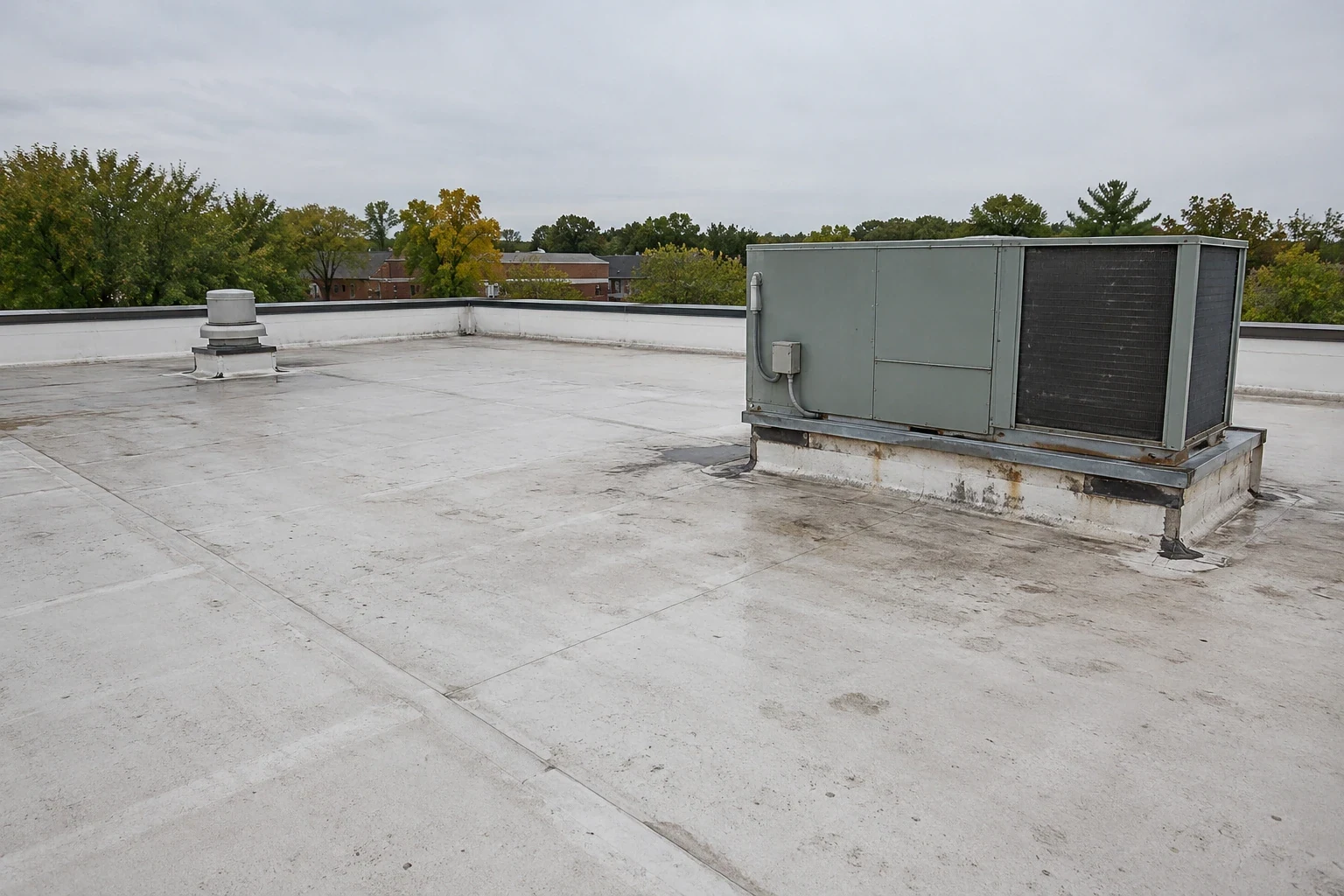
Core cut 3 shows a membrane over two layers of rigid insulation, and the lower layer is wet. That single core changes the plan for the section, and it only exists because someone opened the roof and photographed what was inside. On roofs that carry Johns Manville products, the layers below the membrane matter as much as the surface.
For a facility director in Kenosha, WI the question is which layers are on the roof and what condition they are in. Our file starts with that record and builds the inspection plan from it.
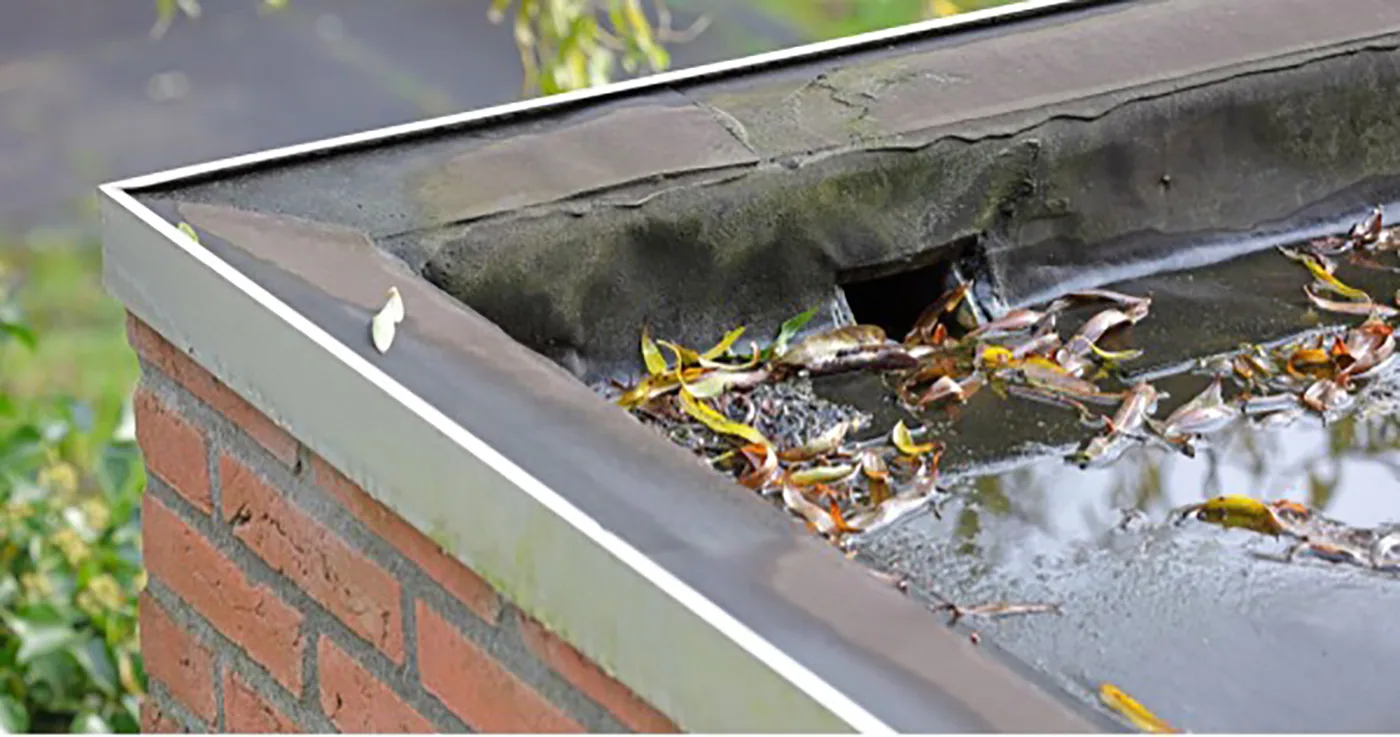
Johns Manville is a building products manufacturer whose commercial roofing line covers single-ply membranes, modified bitumen and built-up materials, along with rigid insulation and accessories. A building may carry a single-ply membrane over insulation from the same supplier, or a layered bituminous roof with a mineral surface.
Because the line spans categories, we do not assume a type from the name on the paperwork. We confirm it on the roof, through cores, labels and installation records, and write the result into the plan. Where records and roof disagree, the report states the difference and relies on what we saw.
Accessories complete the picture: edge metal, flashings, sealants, fasteners and walk pads. They are easy to overlook and often explain a leak better than the membrane does. Each appears in the register with its location and condition, and we flag any that differ from the original system, since a mismatched component can matter to the warranty.
Rigid insulation boards sit between the deck and the membrane and carry much of the roof's thermal performance. When water reaches them, they lose value and add weight. A roof can look sound on the surface while insulation below holds moisture, and the first sign may be a stained ceiling tile weeks later.
A moisture survey maps suspected wet areas, and cores confirm them. We record layer thickness, board type and moisture condition at each core. Those records separate a section that needs a membrane repair from one that needs insulation replacement, and they set the scope for a recover or replacement.
Thermal performance carries a code side as well. Under Wisconsin's commercial code, SPS 361 through 366, insulation requirements draw on the 2021 International Energy Conservation Code, and the state requires the 2021 IECC option in COMcheck. When a replacement or recover changes the insulation, the scope states the thickness and the local building department confirms the edition that applies. The owner sees that line in the report before the bid arrives.
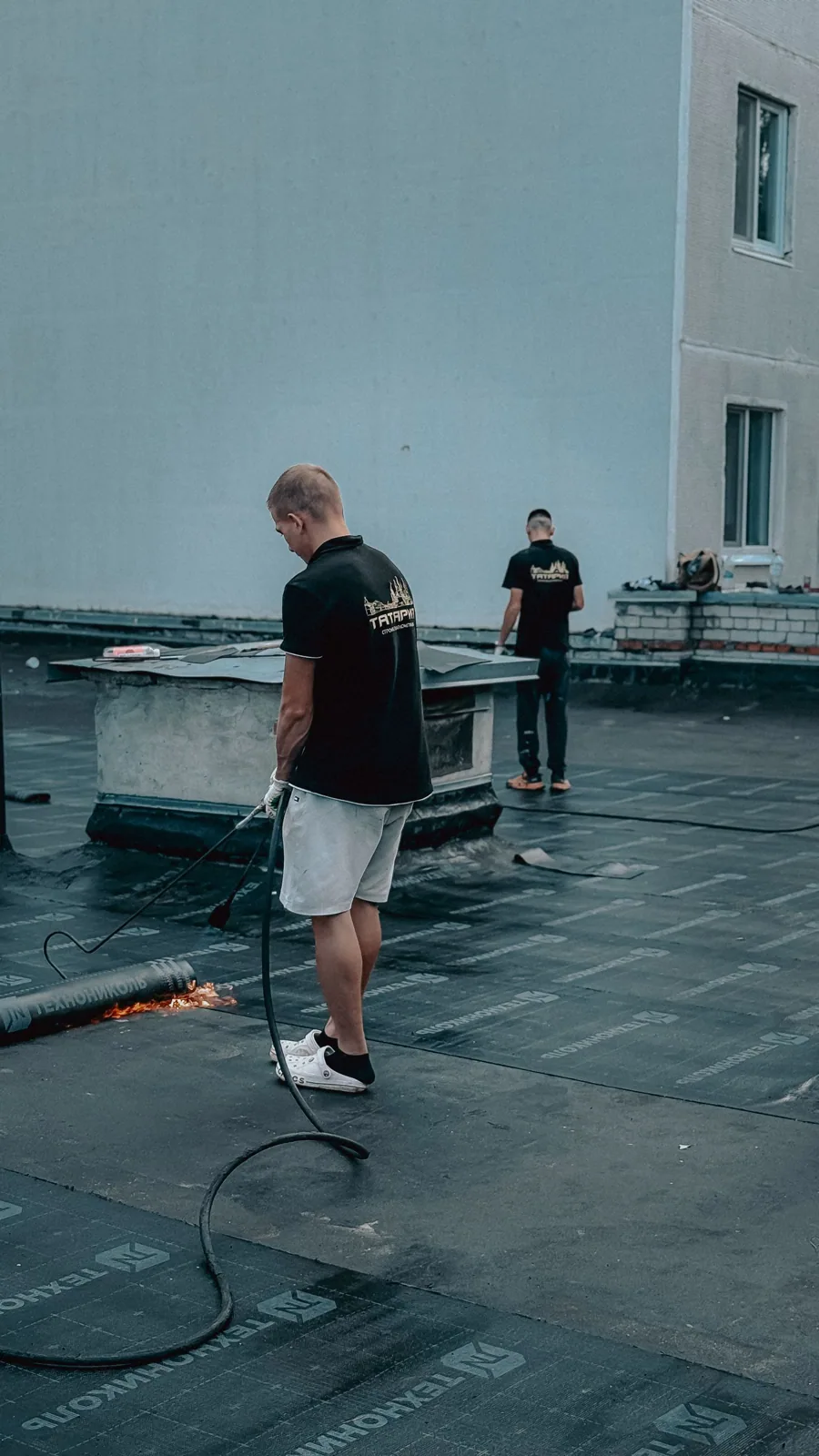
Older commercial buildings often carry multi-ply asphalt roofs. We examine surface granules or gravel, blisters, ridges, splits and flashing condition. We count plies at cores and note whether the felts are dry. Dry plies with local damage mean repair; wet plies across a section mean planning for replacement.
The built-up roofing and modified bitumen roofing methods give the facility director a dated history of each section, with every repair located on the roof plan.
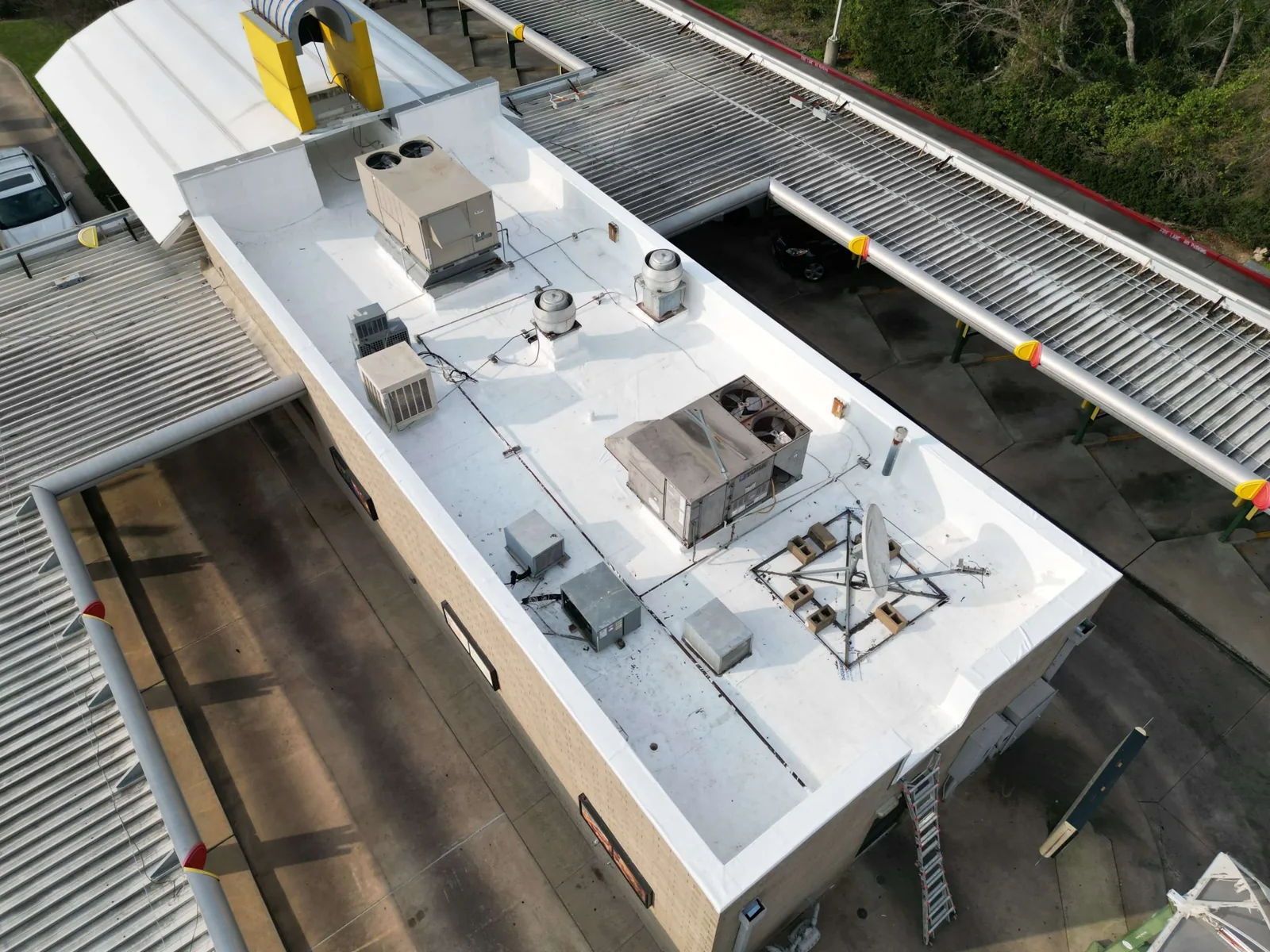
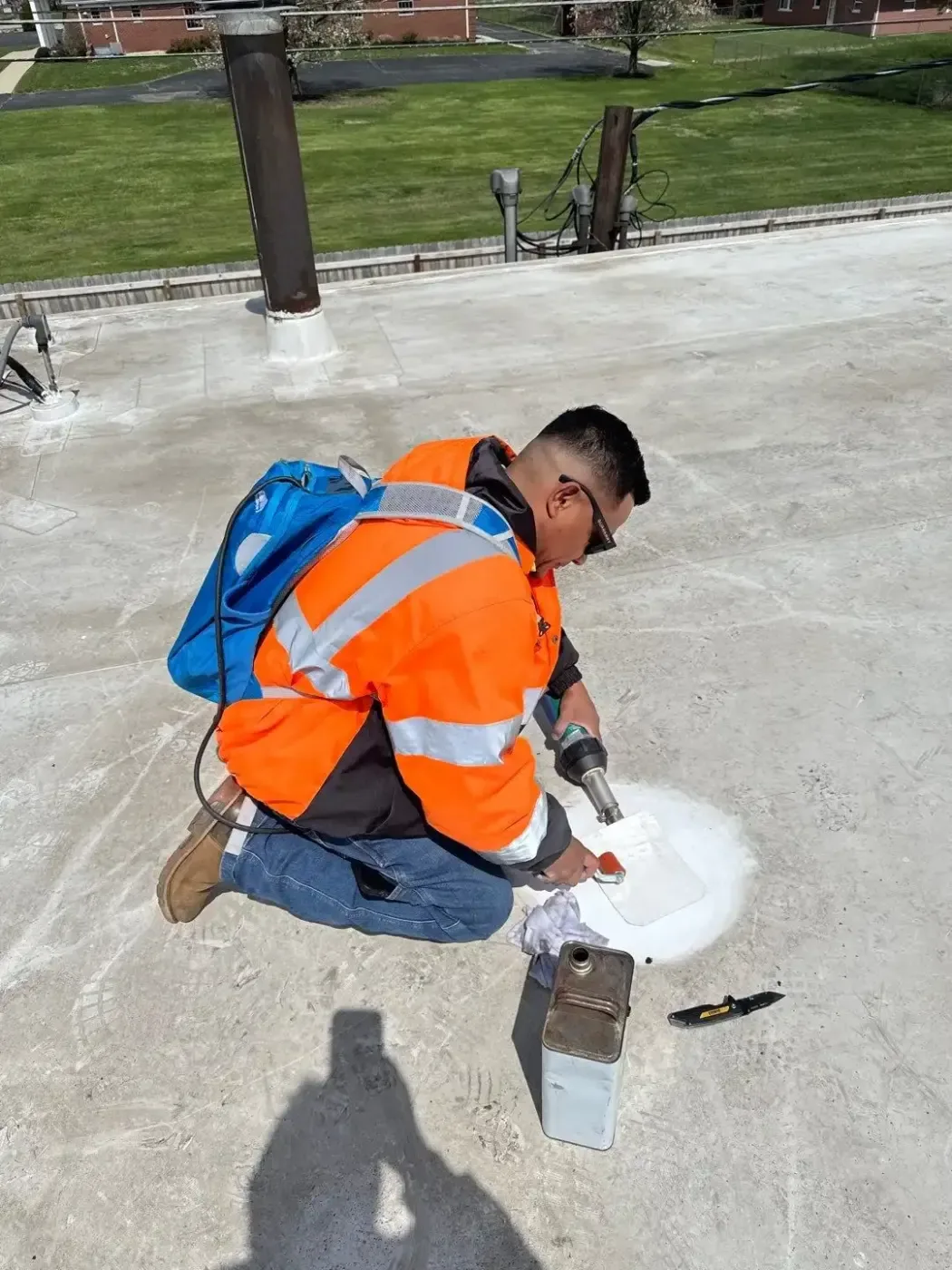
On single-ply sections, we probe seams, check flashing terminations and examine fastening near edges. Corners, curbs and penetrations are the details that open first. We photograph each finding, rate the section and log repairs by method and product.
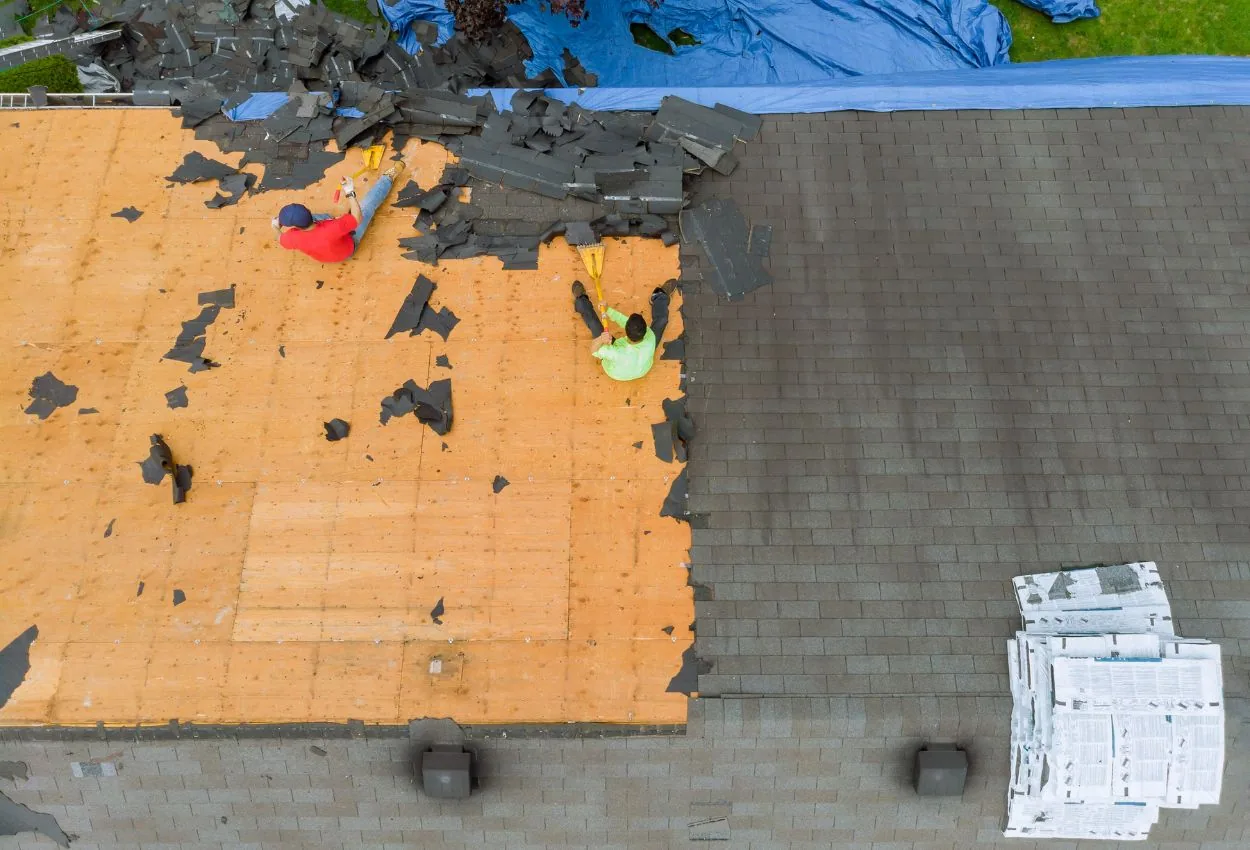
If a roof has been recovered over an older layer, we note the extra weight and the chance of trapped moisture. A recover is only sound over dry insulation, so the cores come first. That is the same discipline we apply to every manufacturer, including Holcim Elevate systems.
Drains deserve their own paragraph. Sumps, strainers, scuppers and overflow outlets are checked at every visit, and we record whether each was clear. Standing water after rain is logged as a ponding record, with the number of days it lasts. A pattern of ponding over several visits points to a drainage fix, a tapered insulation repair or a section for the capital plan.
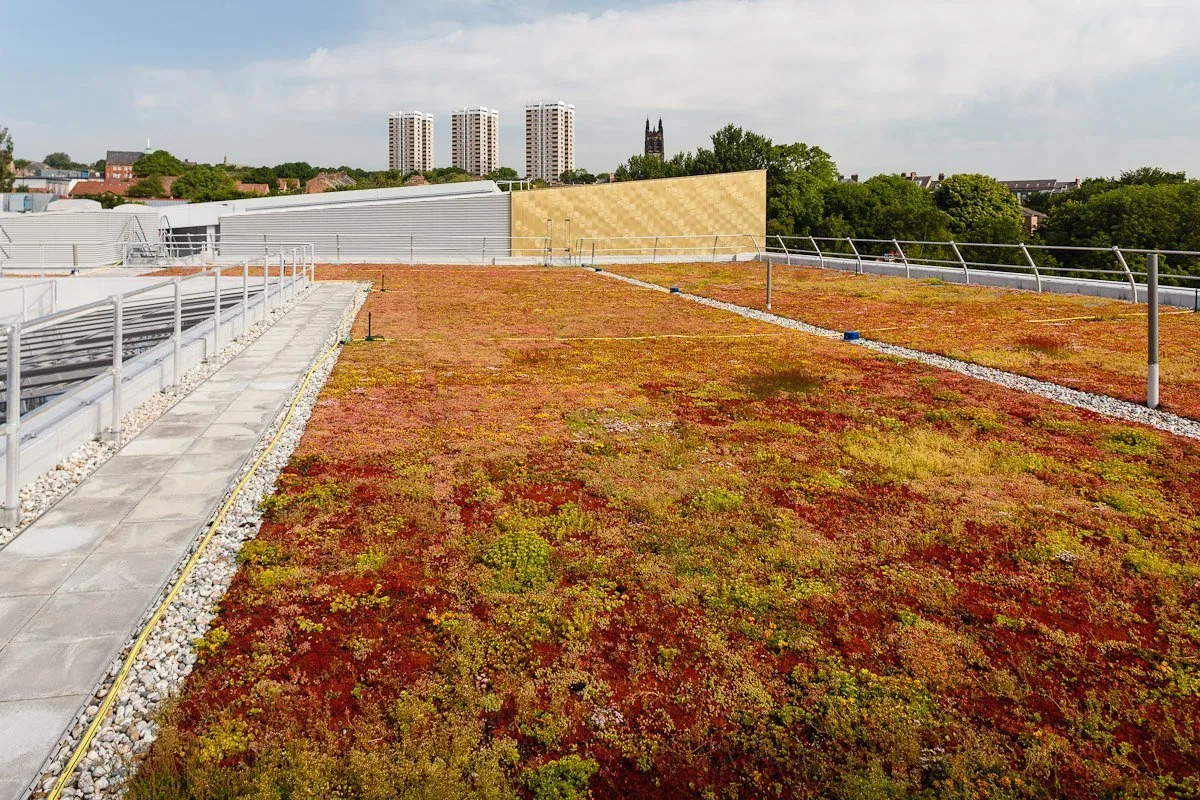
Snowfall in Kenosha runs about 36.2 inches a year, on top of 37.6 inches of total precipitation. About 23.2 inches fell in the 2011 Groundhog Day blizzard and about 19 in the blizzard of January 1979. Heavy snow loads roofs, and ice at drains can hold water on the field.
Wind adds another test. Tornadoes touched Somers and Kenosha's north side on January 7, 2008, and the county recorded damage to 105 homes. For commercial roofs, that history keeps edge metal, coping and perimeter laps on the inspection list for every system we handle.
Sturtevant has distribution warehouses along its western side, Racine County has large manufacturers, and in Pleasant Prairie LakeView Corporate Park hosts more than 80 companies. Kenosha's hospitals and downtown buildings add medical and mixed-use roofs. Each type has its own demands: dock edges and large fields for distribution, exhaust for plants, shutdown limits for medical space.
The area's roof stock is mixed, so the first visit identifies the products on each building from cores, labels and installation records.
Where a building stands decides how the crew reaches the roof. A downtown property near HarborPark may need street staging and tenant coordination. A plant in Racine may need a lift plan and a clear route around equipment. We write those notes into the building profile, so the next visit begins with the access question already answered.
A roof under a manufacturer's warranty gets a warranty file with the document, the installation records and every visit after that. For roofs without one, the roof register serves the same purpose for the budget.
Each visit ends with a close-out package: photographs, findings, ratings and work orders. A capital request or a lender can receive the same package. The package grows with the roof, and the next inspector can follow it without asking anyone what was meant.
Related single-ply suppliers such as Sika Sarnafil and Duro-Last are tracked in the same format, which keeps mixed portfolios readable.
A visit starts with the roof plan and ends with a package. We walk the sections in a fixed order, photograph findings with the date, cut cores only where needed and patch them the same day. The package that follows lists findings by number, the rating for each section and the repairs recommended.
A repair carries a work order that cites the finding number. If the work is larger, the report supplies the quantities and conditions the scope depends on. In either case, the facility director holds a record that another contractor can read and price against.
On occupied buildings, the package also notes access, operations and any tenant constraint, so the next crew arrives prepared. The record costs little to keep current and saves time each time someone needs to understand what is on the roof.
Keep Reading
Infrared scans and core-cut verification for Kenosha, WI commercial roofs, producing a numbered moisture map that separates wet insulation from dry.
Built-up roof inspection, blister and flashing repair and replacement in Kenosha, WI, with dated photo sets, core cut records and condition ratings.
Modified bitumen roof inspection, lap repair and replacement in Kenosha, WI, with dated photo sets, split and blister ratings and capital-ready reports.
Inspection, repair and upkeep of Holcim Elevate commercial roofs in Kenosha, WI, including older paperwork under the former Firestone Building Products name.
Commercial roofing in Pleasant Prairie, WI for LakeView and Prairie Highlands industrial buildings, with seam, drain and curb findings recorded and dated.
Commercial roofing in Racine, WI for manufacturing plants, retail centers and lakefront buildings, with dated findings, moisture surveys and condition ratings.
We inspect, repair and maintain the single-ply, bituminous and insulation system types that Johns Manville supplies. Products and warranty terms follow the owner's documents.
A moisture survey maps suspect areas and cores confirm them. Surface appearance alone cannot tell.
Sometimes. The insulation must be dry and the deck able to carry another layer. Cores decide.
Dated photographs, numbered findings, condition ratings and a repair list sorted by urgency.
Yes. We use the published repair details for the system and record the product and method.