
Do you install GAF systems?
We install and repair the single-ply, modified bitumen and built-up system types that GAF supplies. The owner's contract and the manufacturer's terms decide which products and warranty apply.
How we inspect, repair and maintain GAF commercial roofing systems in Kenosha, WI: single-ply, modified bitumen and built-up assemblies with a documented file.
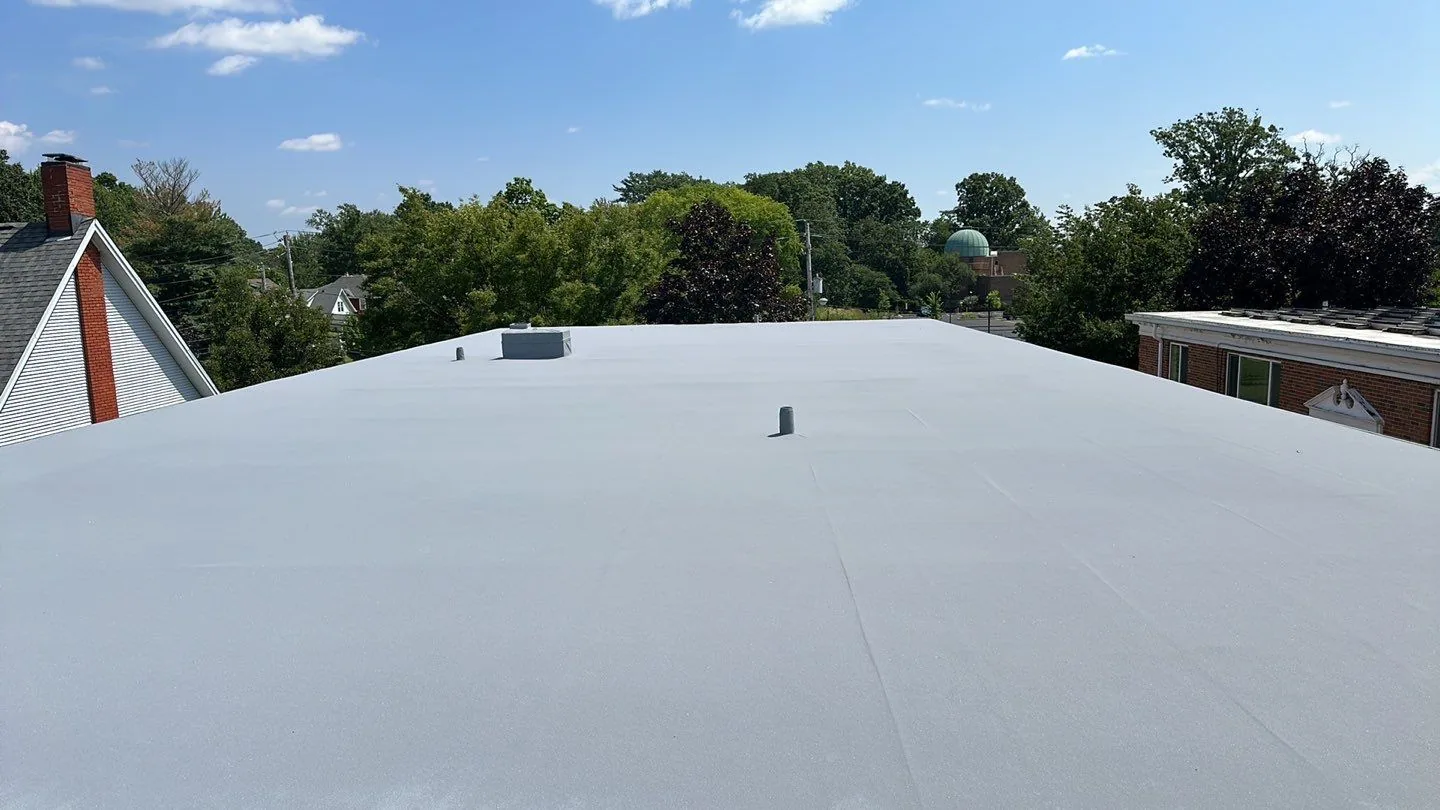
A roof with a GAF label on its warranty paperwork can still be several different assemblies. The label may sit over a single-ply membrane, a modified bitumen system or a multi-ply built-up roof, and each one ages in a different way. The first entry in our file for a Kenosha, WI building names the system, the insulation beneath it and the date of the last record.
That detail decides what we look for on the walk. A welded seam, a torch-applied lap and a gravel-surfaced flood coat each fail in their own way, so the inspection plan follows the system.
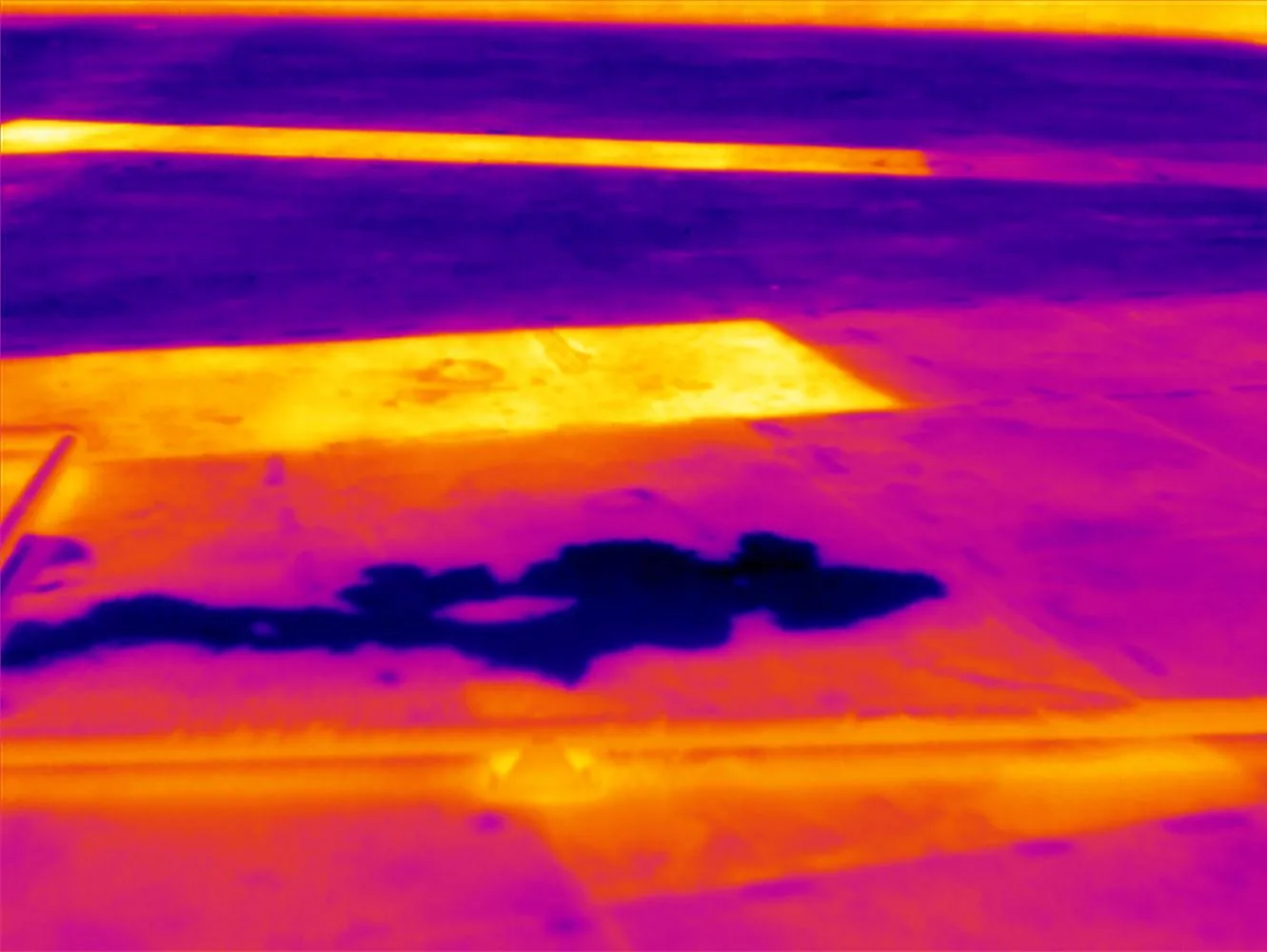
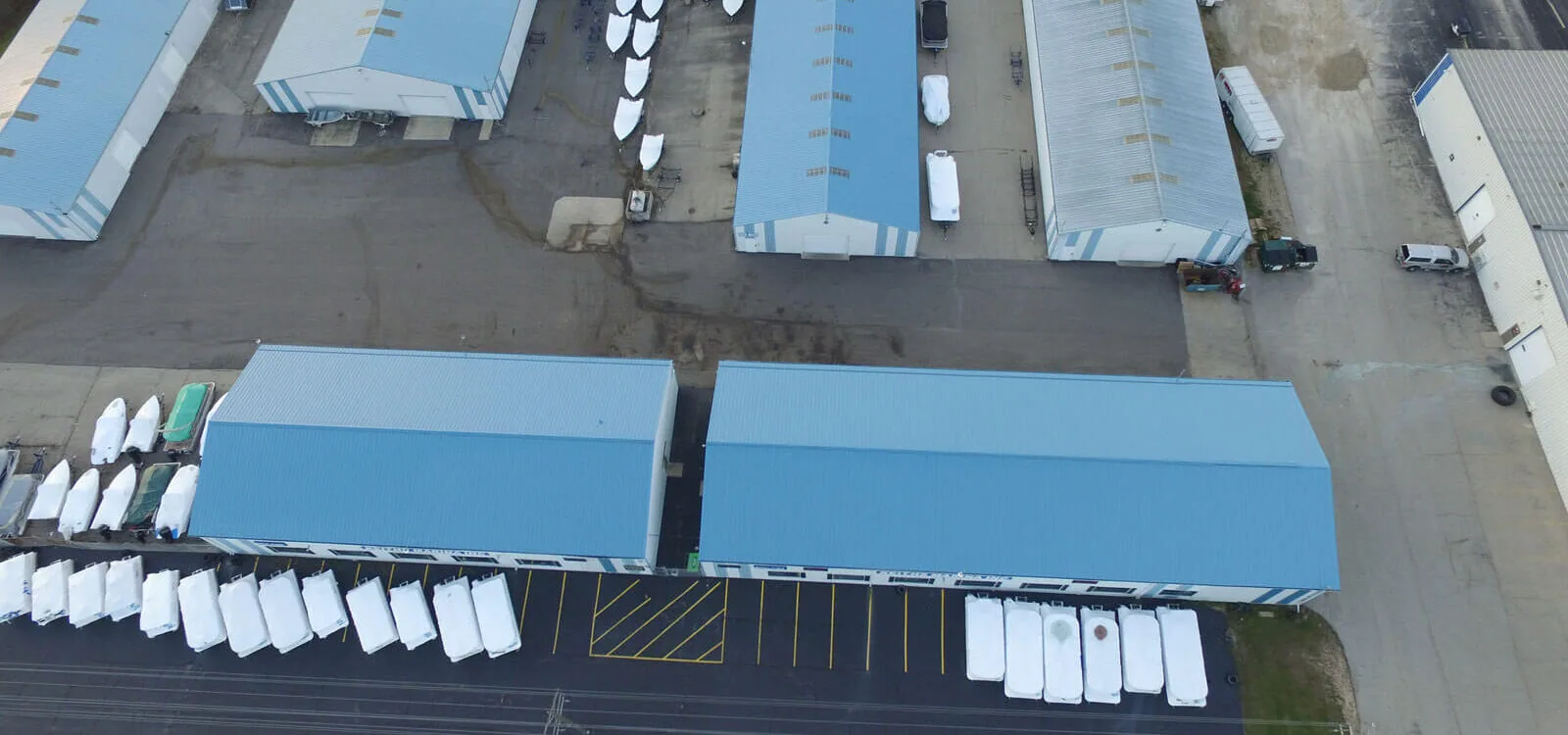
GAF is a large roofing manufacturer whose commercial offerings span single-ply membranes, modified bitumen sheets and built-up roofing materials, along with insulation, coatings and accessories. A commercial building may carry any of these, and the roof can include several categories after repairs or additions.
We identify which category is on each section. Cores confirm the layers, product labels on the roof or in the file confirm the products, and installation records fill gaps. Where the records disagree with what we find, the discrepancy goes into the report. The owner's warranty document governs what the manufacturer will accept, and we work from it.
Insulation and accessories matter as much as the membrane. Polyisocyanurate board, cover board, edge metal, fasteners and sealants are chosen as a set, and a warranty usually names them. When we repair or recover a roof, we match the components to what the file lists, and we note anything that differs so the owner can raise it before work starts.
On a single-ply section, the welded or adhered seam is the primary finding location. We probe a sample of seams with a blunt tool, check flashing terminations at walls and curbs, and examine the fastening pattern near edges. A seam that opens at a corner or a flashing that pulls from a curb creates a work order the same day.
Repairs follow the system's published repair details. For a thermoplastic membrane, that usually means hot-air welded patches. For a thermoset membrane, it means adhesive and cured patches. We record the product, the method and the weather, and add before and after photographs. On a TPO section the same checks follow the TPO roofing method.
Thickness and color vary between products, so a repair uses material that matches the existing sheet. A new patch on an aged membrane needs a clean surface, and the preparation is recorded. If the old sheet is too weathered to weld or bond, the section moves from repair to a larger scope, and the report explains why.
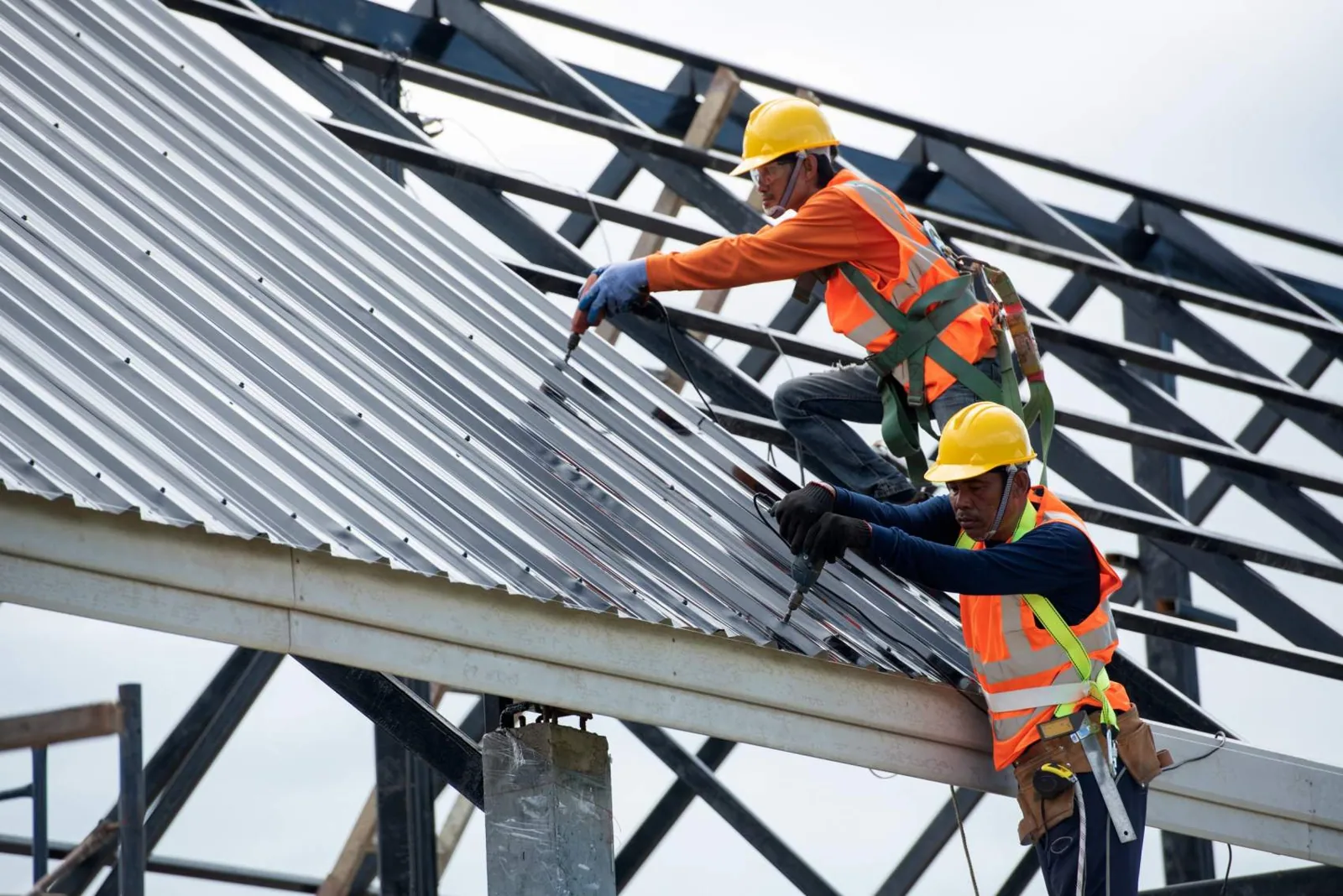
Layered asphalt roofs show their age on the surface. We look for granule loss on cap sheets, open laps, blisters, splits at flashings and bleed-out at seams. A built-up roof adds gravel movement, alligatoring and ridges over insulation joints.
The defining question is how many plies still keep water out. Cores answer it, and a moisture survey maps the places that need cores. A section with dry plies and local damage can be repaired. A section with wet plies across its area moves into the capital plan. Our modified bitumen roofing work uses the same cores, and each repair is logged against the section.
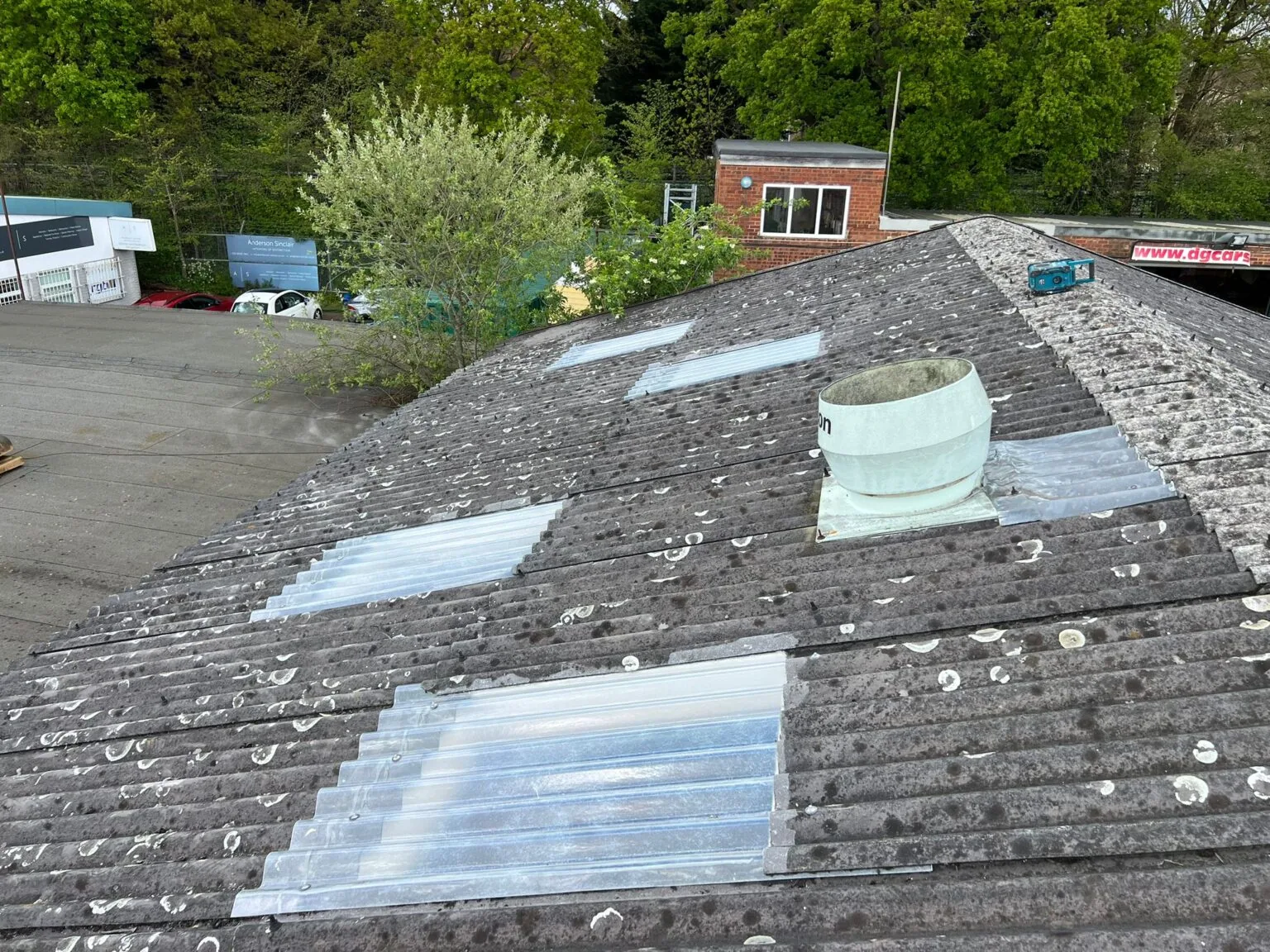
Yearly precipitation in Kenosha is about 37.6 inches, snowfall adds up to 36.2 inches, and the thermometer has touched minus 31 degrees in January 1985 and 105 in July 2012. Membranes stiffen in the cold and soften in the heat, and seams and flashings move with them.
Lake Michigan adds exposure along the shoreline, where Kenosha County has about eight miles of coast. Tornadoes reached Somers and Kenosha's north side on January 7, 2008, so wind-edge condition goes in the log. For any system, we inspect edges, coping and perimeter laps first after a storm, and we log the freeze-thaw findings each spring.
The wide temperature range puts steady stress on laps and flashings. A seam that holds in August may open in January when the membrane contracts. For that reason we compare winter and summer photographs of the same detail, and we mark any lap that has moved between seasons for follow-up. Snow adds weight and ice at drains, and the drain check is part of every visit.
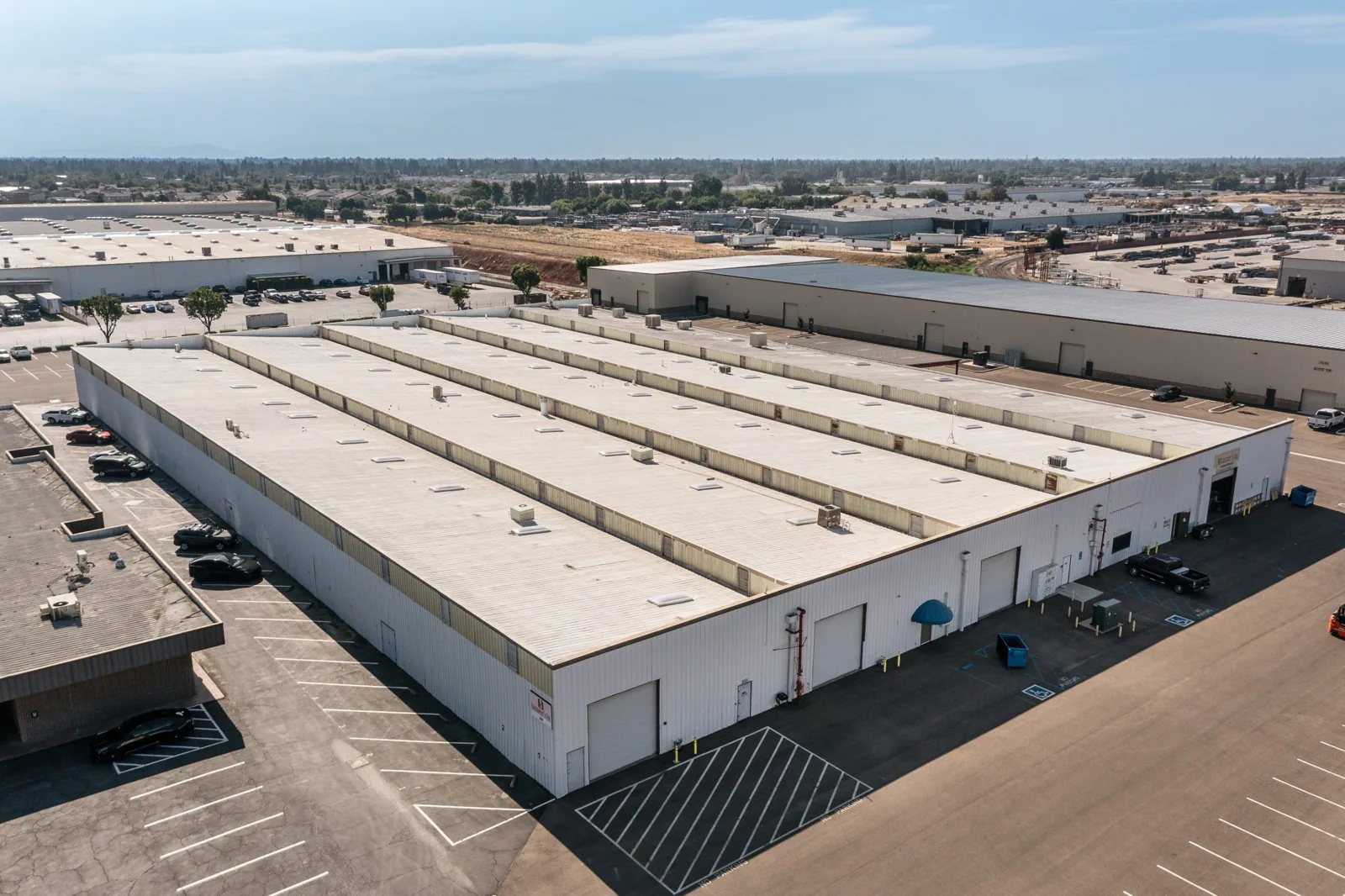
LakeView Corporate Park in Pleasant Prairie holds more than 80 companies, and neighboring buildings there can carry different roofs. Racine County plants, Kenosha's hospitals and downtown buildings near HarborPark each present a different mix as well.
For that reason, we identify the system on every roof before recommending work. A facility director who inherits a warranty file from a prior owner can bring it to us, and we compare it with the roof itself.
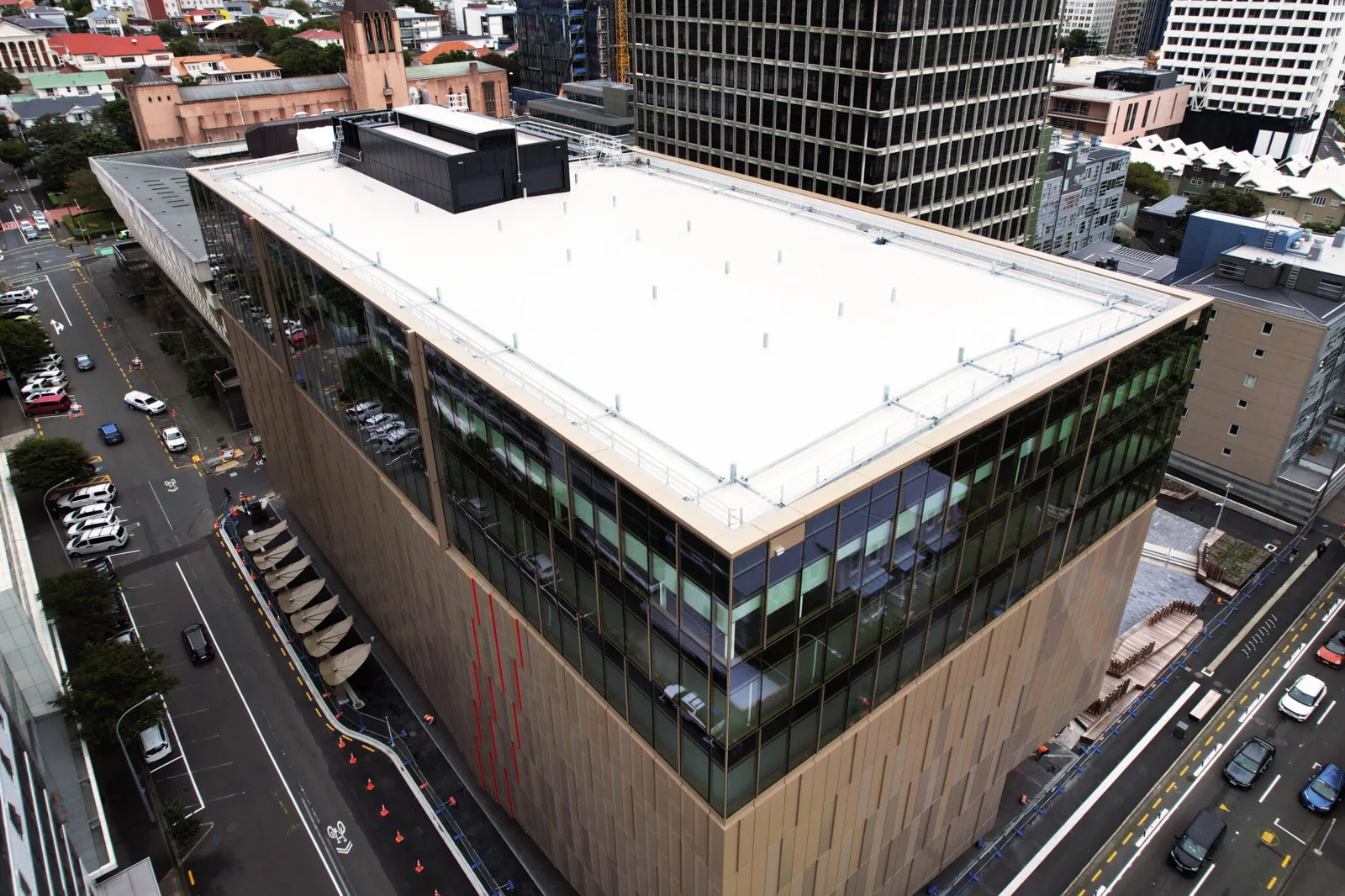
If a roof carries a manufacturer's warranty, we build a file that holds the document, the installation records and every inspection and repair after that. Each visit adds a dated photo set and a findings list. A repair adds the product used and the method followed.
The warranty management record gives the facility director a way to show that maintenance conditions were met. We also note any rooftop work by other trades, with dates and flashing details. If a claim becomes necessary, the file answers the first questions the manufacturer asks. Single-ply and bituminous categories overlap with those from Carlisle SynTec and Johns Manville, so the same file format serves them.
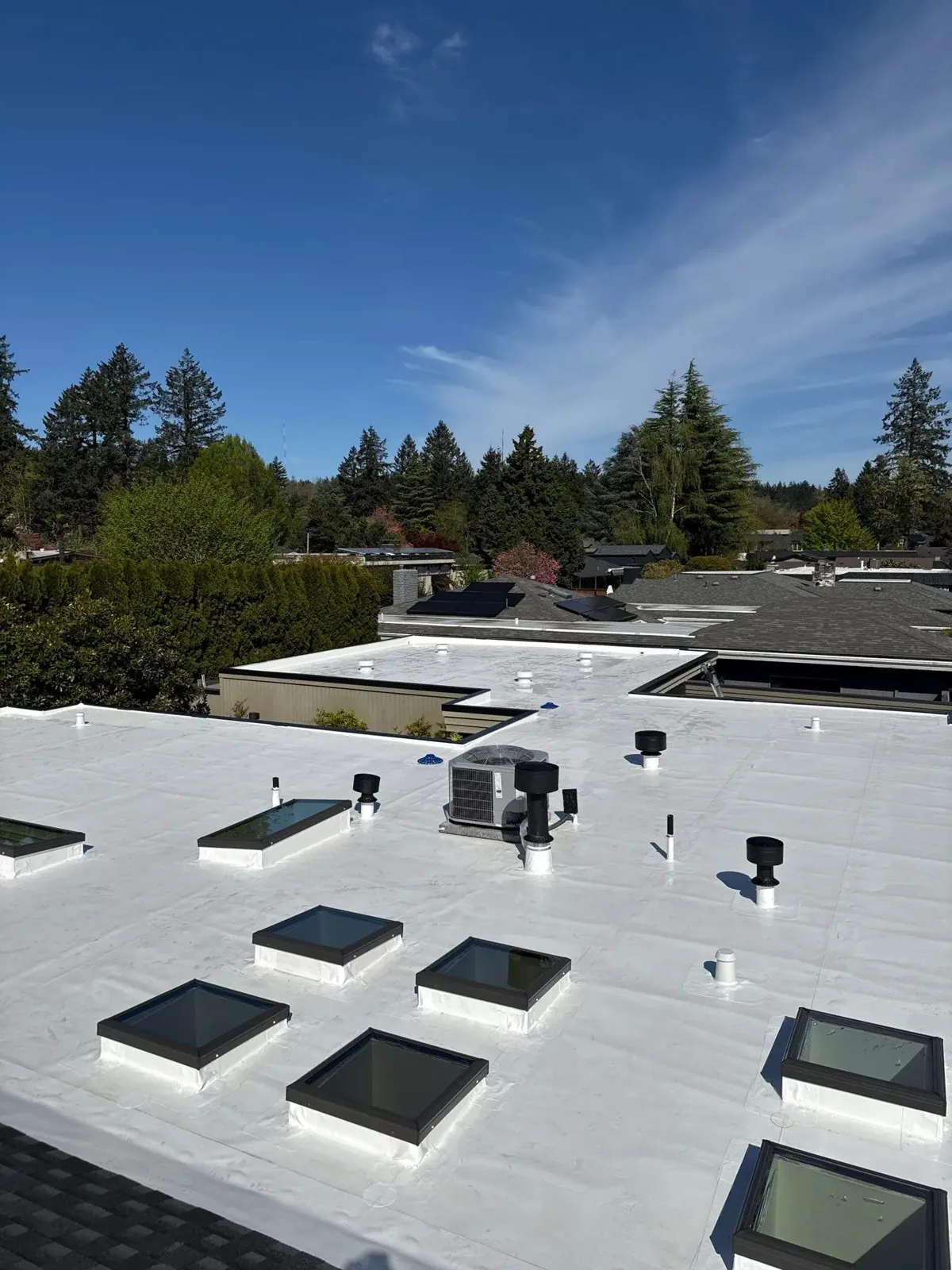
The visit begins at the roof plan. We confirm the section numbers, walk each section along a fixed route and photograph every finding with the date. Cores are cut only where moisture or layer information is needed, and each is patched the same day.
Afterward, the facility director receives the report with ratings, a list of repairs and a note on any section that should be watched. If the work is a repair, the work order cites the finding number. If it is a recover or replacement, the report supplies the scope basis. In either case, the owner holds a record that the next contractor can follow.
For occupied buildings, we also record access and operations: where the crew enters, which areas are off limits and what hours apply. Those notes save time on the next visit and help when another contractor is asked to price the work. A roof with a documented history costs less to inspect and repair, because nobody has to rediscover what the last visit already found.
Keep Reading
TPO roof inspection, seam repair and replacement in Kenosha, WI, with probed weld records, dated photo sets and condition ratings for capital requests.
Modified bitumen roof inspection, lap repair and replacement in Kenosha, WI, with dated photo sets, split and blister ratings and capital-ready reports.
Commercial roofing in Pleasant Prairie, WI for LakeView and Prairie Highlands industrial buildings, with seam, drain and curb findings recorded and dated.
Roof warranty management for Kenosha, WI owners: warranty files, maintenance records, repair documentation and notice dates that keep coverage in force.
Inspection, repair and upkeep of Carlisle SynTec single-ply roofs in Kenosha, WI: EPDM, TPO and PVC membranes tracked by section in a documented warranty file.
Inspection, repair and upkeep of Johns Manville commercial roofs in Kenosha, WI: single-ply, bituminous and insulation assemblies in a documented roof file.
We install and repair the single-ply, modified bitumen and built-up system types that GAF supplies. The owner's contract and the manufacturer's terms decide which products and warranty apply.
Usually, yes. Cores, labels and installation records identify it. When they conflict, we report the conflict and rely on field evidence.
They can if they do not follow the warranty terms. We read the document first, follow the published repair details and keep the record in the file.
Plies, flashings, drains, surface condition and moisture. A core and a moisture survey tell us whether repair or replacement planning fits.
Warranties come from the manufacturer on its own terms. We document the roof and the work so the owner can show the conditions were met.