
Do you install Carlisle SynTec systems?
We install and repair the EPDM, TPO and PVC system types that Carlisle SynTec supplies. Products and warranty terms come from the owner's contract and the manufacturer.
Inspection, repair and upkeep of Carlisle SynTec single-ply roofs in Kenosha, WI: EPDM, TPO and PVC membranes tracked by section in a documented warranty file.
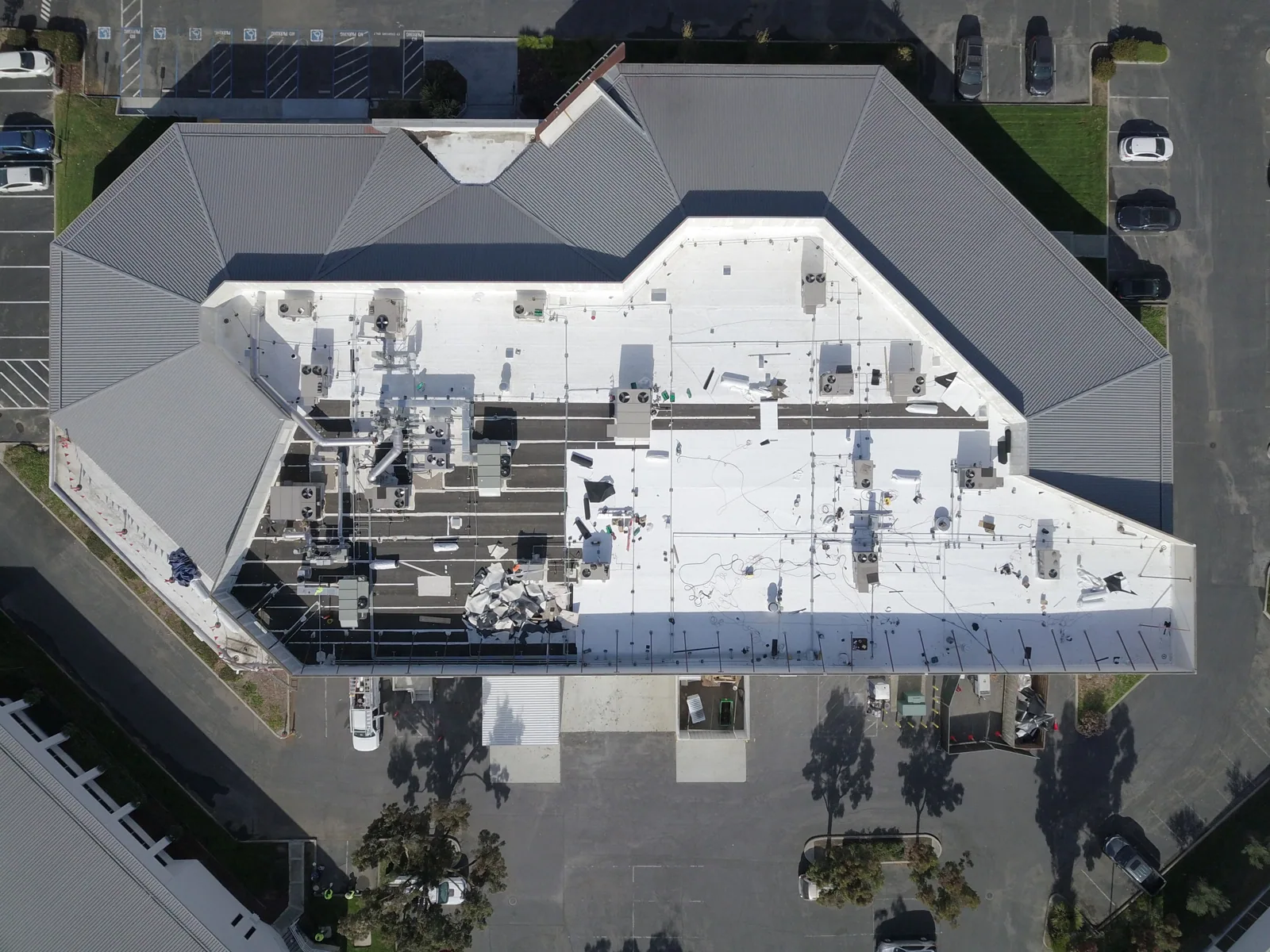
On an older rubber roof, the finding that matters is often a corner where the flashing has pulled one inch from the wall. It is easy to photograph, easy to date and cheap to repair if caught early. On a newer welded roof, the same attention goes to a seam probe at the base of a curb.
Carlisle SynTec supplies single-ply systems of both kinds, and a Kenosha, WI building may carry either. Our file for each roof names the membrane type first, because the type decides which findings to hunt and which repair method applies.
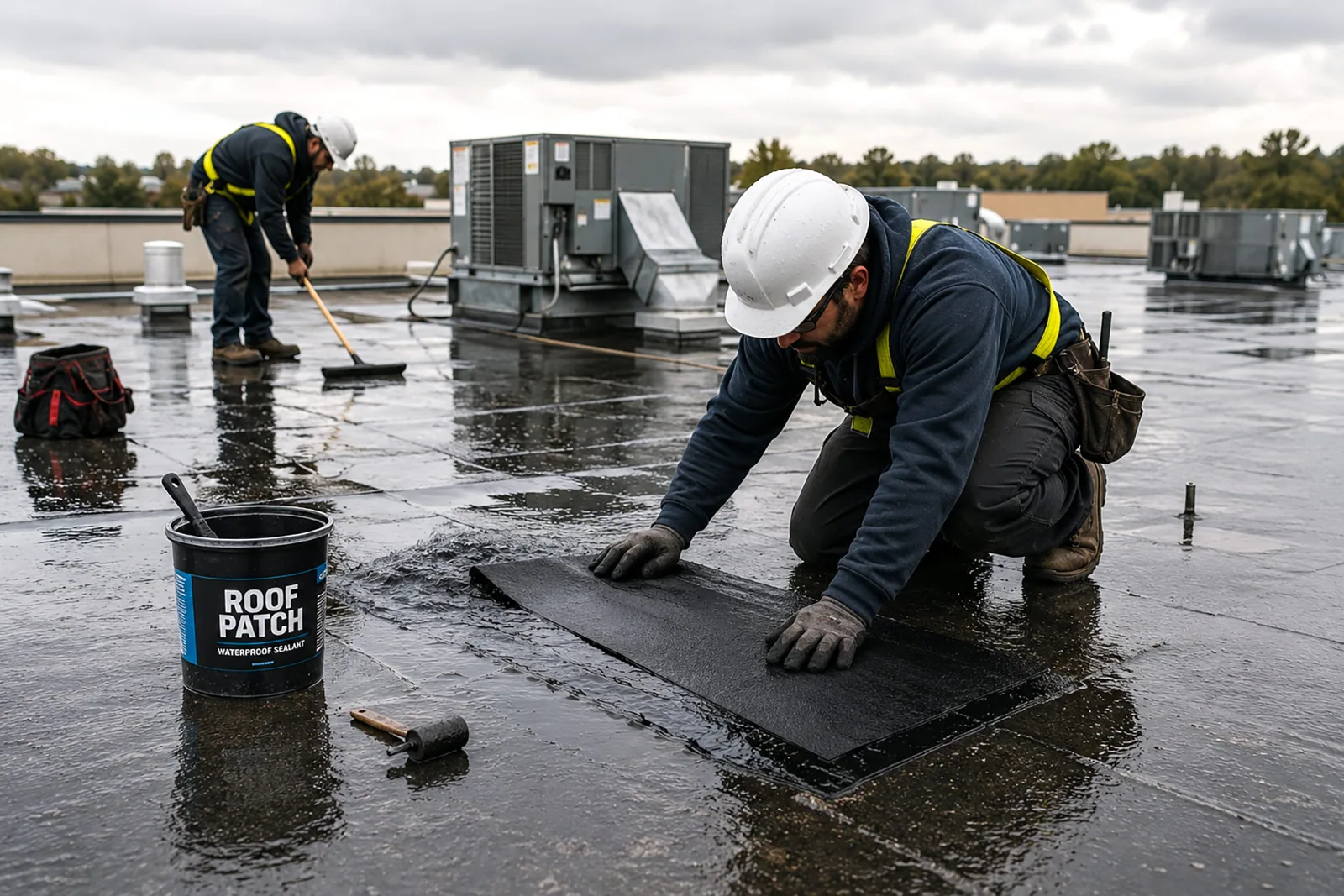
Carlisle SynTec is a large supplier of single-ply roofing. Its range covers thermoset EPDM rubber membranes and thermoplastic TPO and PVC membranes, with insulation, adhesives and flashing accessories sold alongside them. An owner may find any of these on a commercial roof, and a building with additions may have more than one.
The difference shapes maintenance. EPDM seams are joined with tape or adhesive and watched for edge lift. TPO and PVC seams are welded with hot air and probed for weld quality. Both types depend on sound flashings and clear drains, and both fail first at details. We identify the membrane on each section by core, label or installation record and write it into the roof plan.
Insulation and attachment complete the system. Rigid insulation boards, cover boards, fasteners and plates, and adhesives are chosen as a set. A membrane repair on a mechanically attached roof, for example, must account for fastener rows under the sheet. Single-ply systems from Versico cover similar membrane categories, and the inspection method is the same.
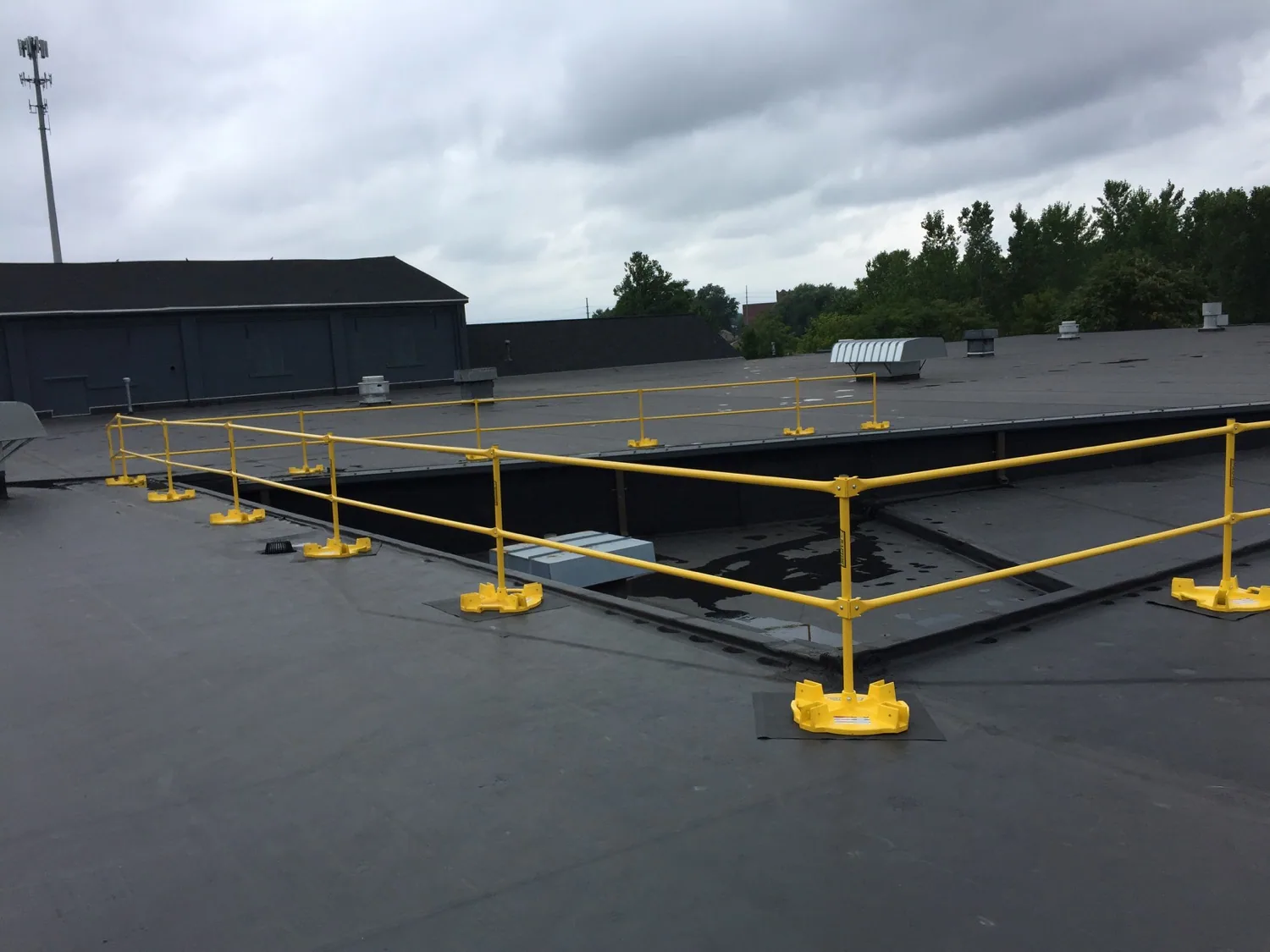
On EPDM we walk seams and look for lifted edges, tape that has crept, and splice areas that have gone dirty. Flashings at walls and curbs get a close look because older rubber can shrink slightly and pull away. We check ballast distribution on ballasted roofs and note areas where wind or runoff has moved the stone.
Repairs use compatible primers, tapes and patches, applied to cleaned and dried surfaces. We record the product and the weather, since cold or damp conditions can ruin a bond. The EPDM roofing method logs how each repair performs across winters, and that log feeds the capital plan.
Ballasted roofs deserve a note of their own. Stone ballast holds the sheet in place by weight, so the structure must carry it, and wind can move stone near edges. In a market with lake exposure and storm winds, we check ballast depth at corners and perimeters on each visit. Where stone has been displaced, the finding gets a number and a photograph.
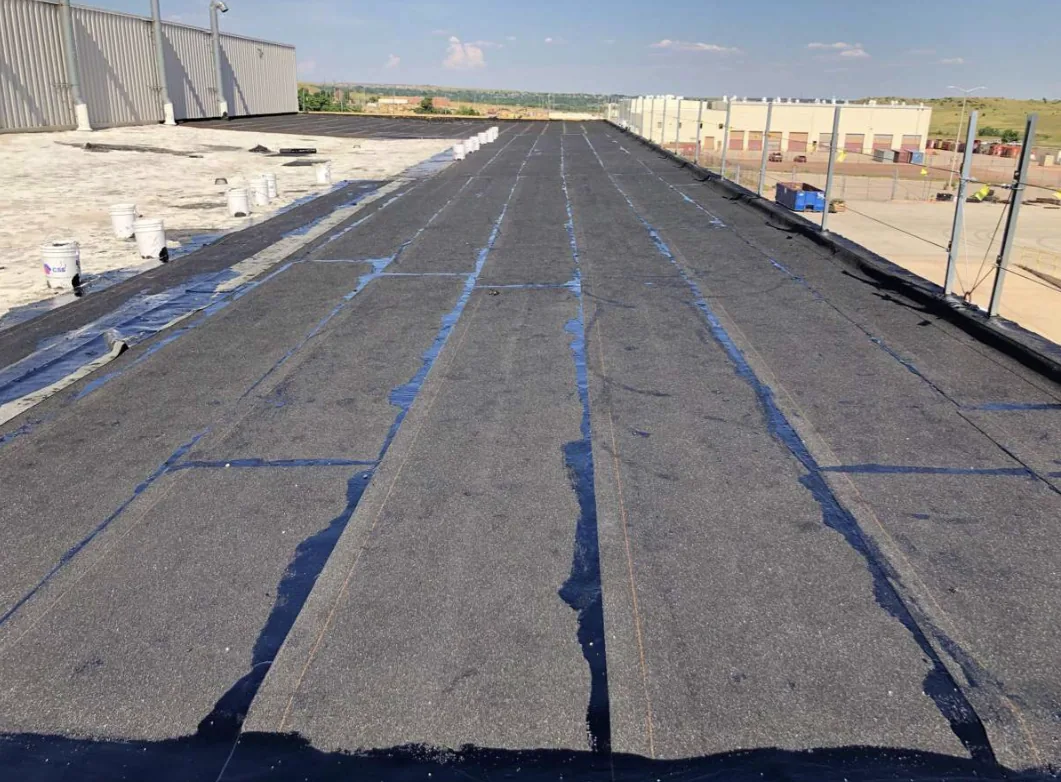
On TPO and PVC we probe a sample of welds with a blunt tool, look for pinholes at weld edges and check flashing terminations. Surface condition matters: chalking, discoloration or cracking near fasteners signals aging. Corners and penetrations get extra time because hand welds there are the most variable.
A repair patch is welded with hot air after cleaning, and we cut a test strip when the owner wants proof of weld quality. The TPO roofing and PVC roofing records follow the same format, so a mixed portfolio reads in one style.
Heat aging shows differently on welded sheets than on rubber. Surface chalking, slight shrinkage at flashings and stress lines at corners are early signs. None of them alone means failure, but a cluster in one section raises its rating. We record each sign with a photograph, and the ratings change only when the evidence does.
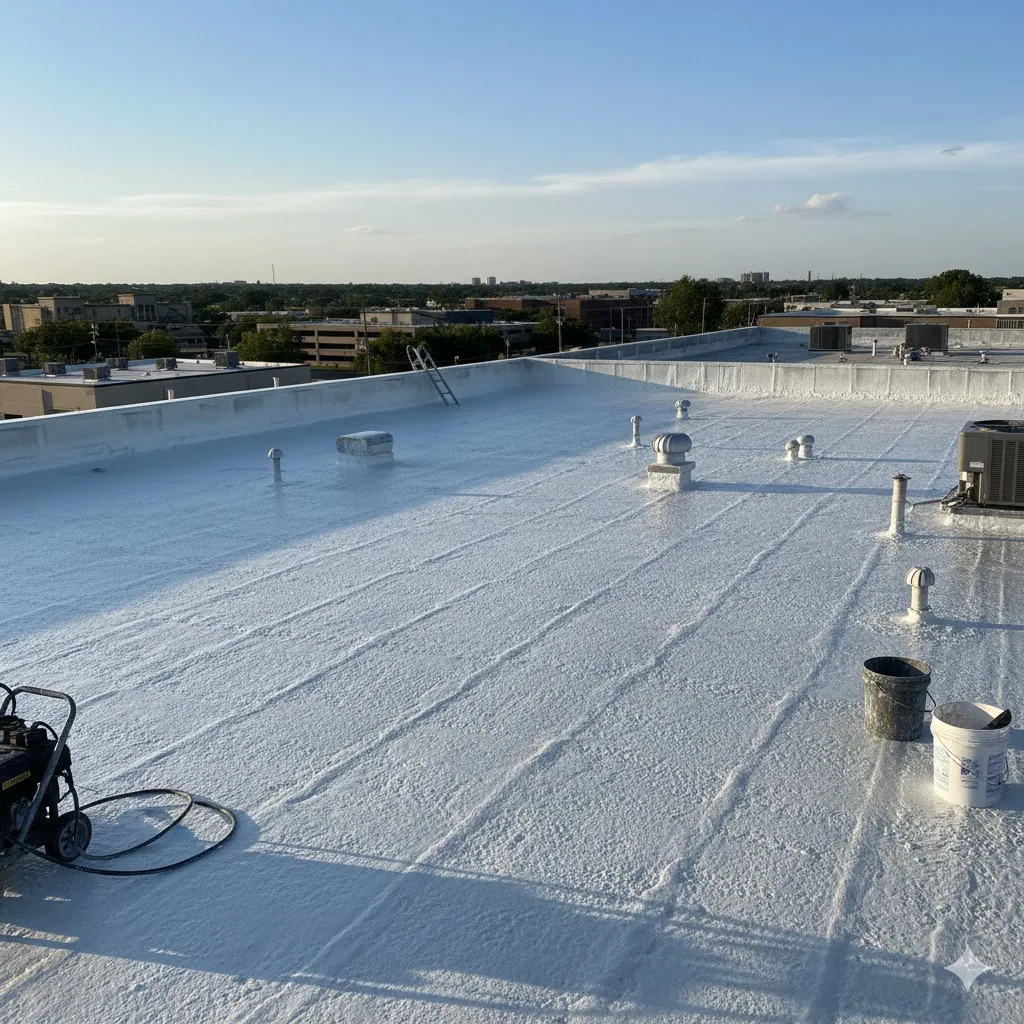
Snow totals about 36.2 inches in a Kenosha year, with January and February the heaviest months. Ice at drains, snow drifts against parapets and freeze-thaw cycles all test single-ply seams. A recorded low of minus 31 degrees shows how far membranes can contract.
Perimeter attachment matters because tornadoes struck Somers and Kenosha's north side on January 7, 2008. Edge metal, coping and the first rows of fasteners carry the most uplift load, so they come first after any storm. We photograph them with the date and compare them with the prior set.
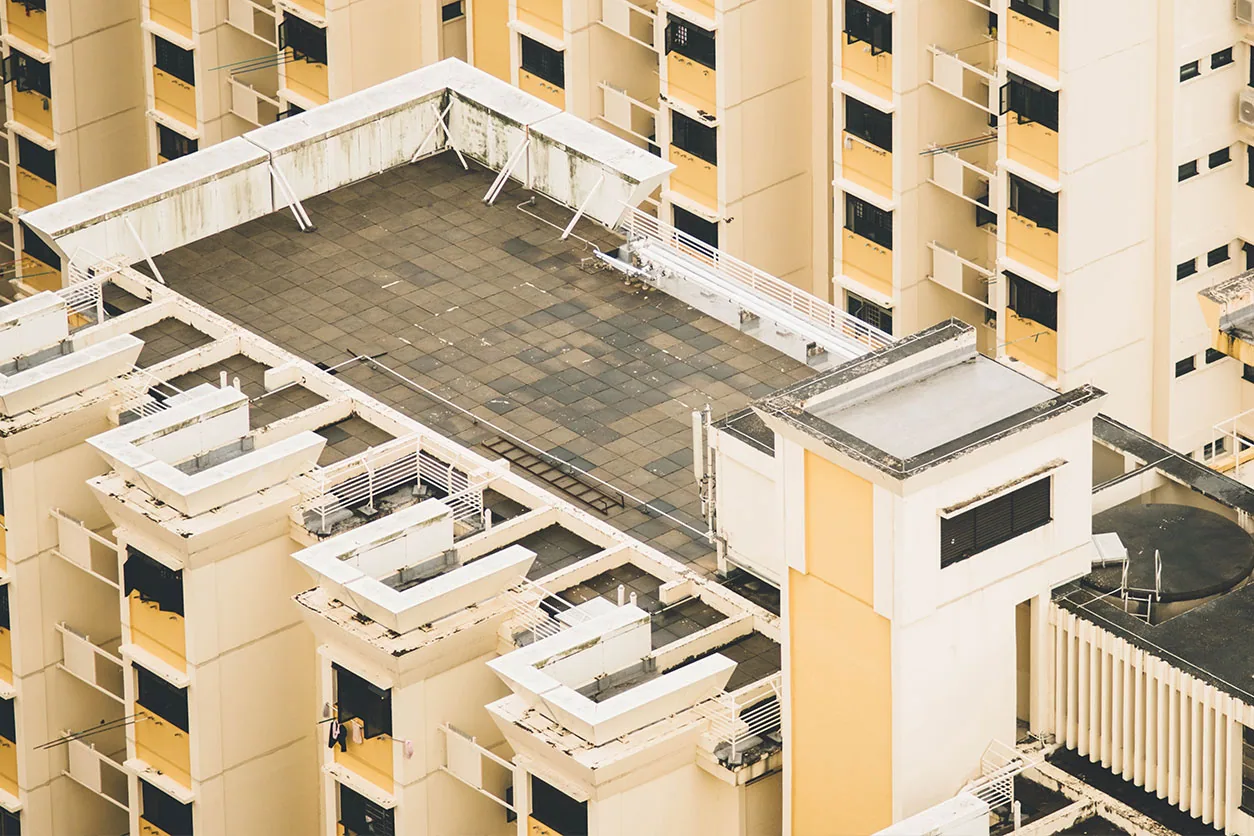
Single-ply systems cover large areas, and large areas generate large records. A distribution building in Pleasant Prairie can have numbered sections by drainage zone, each with its own photographs and ratings. Mount Pleasant adds more scale, with a Foxconn campus announced on about 1,000 acres and a large data center announced by Microsoft in September 2025.
Whatever the roof, the record method is the same. Number the sections, photograph the findings, rate the condition and log the repairs.
Racine County manufacturing plants and Kenosha's hospitals add other demands. A plant may have process exhaust that affects the membrane, and a hospital roof has rooftop equipment, infection-control limits and short shutdown windows. Downtown buildings near HarborPark have small roofs and limited access. The record notes those constraints beside the findings, so the next crew arrives prepared.
Each section sheet names the drainage zone it serves, so a ponding entry points straight to the outlet that needs attention.
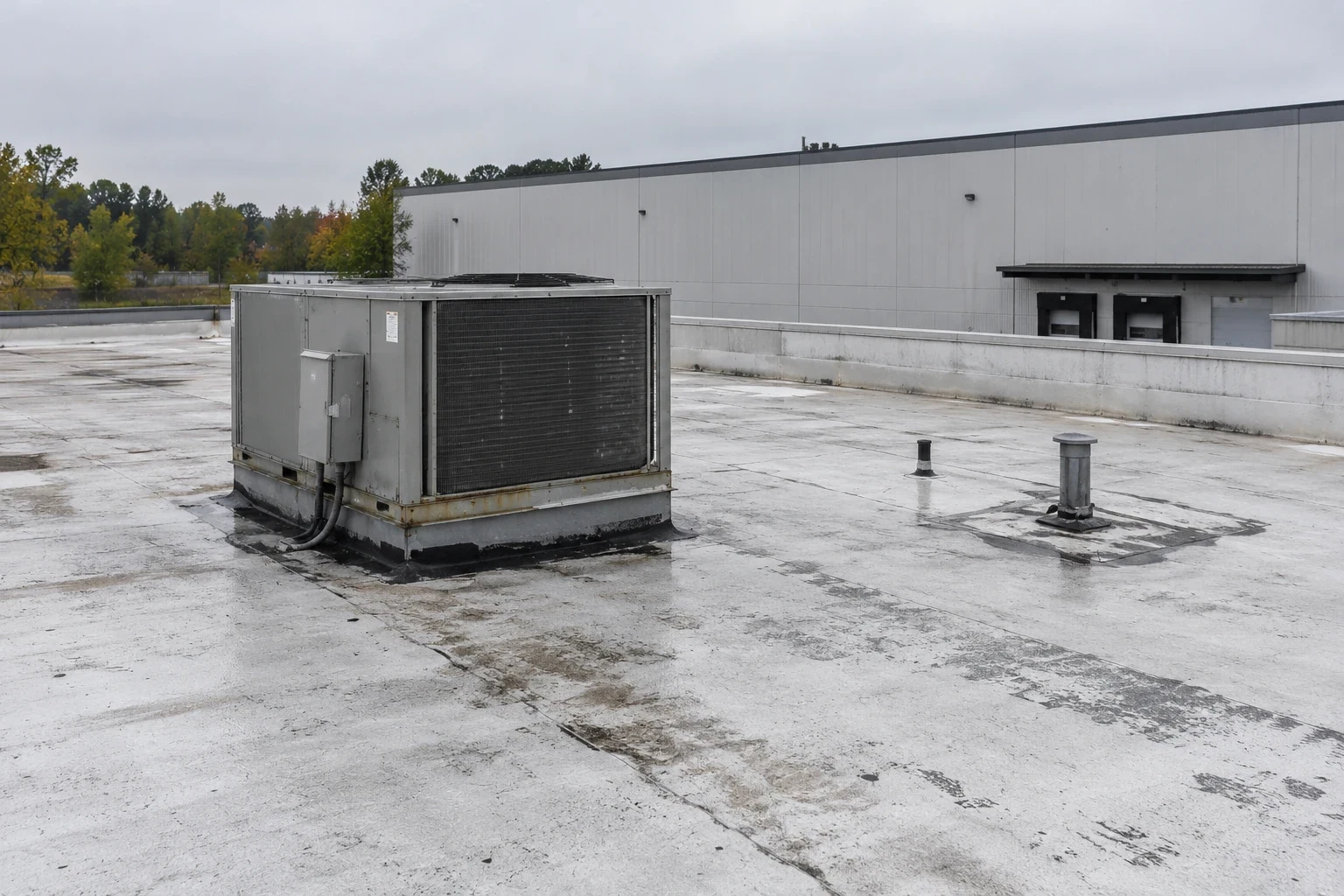
A manufacturer's warranty on a single-ply roof comes with maintenance conditions. We read the document and list them. Typical items include prompt notice of leaks, repairs by approved methods, protection from rooftop traffic and documented drain maintenance.
The warranty file holds each visit's photographs, each repair's product and method, and notes on work by other trades. If the manufacturer asks for records, the file is ready. Single-ply and bituminous suppliers such as GAF share this need, and the file format is the same.
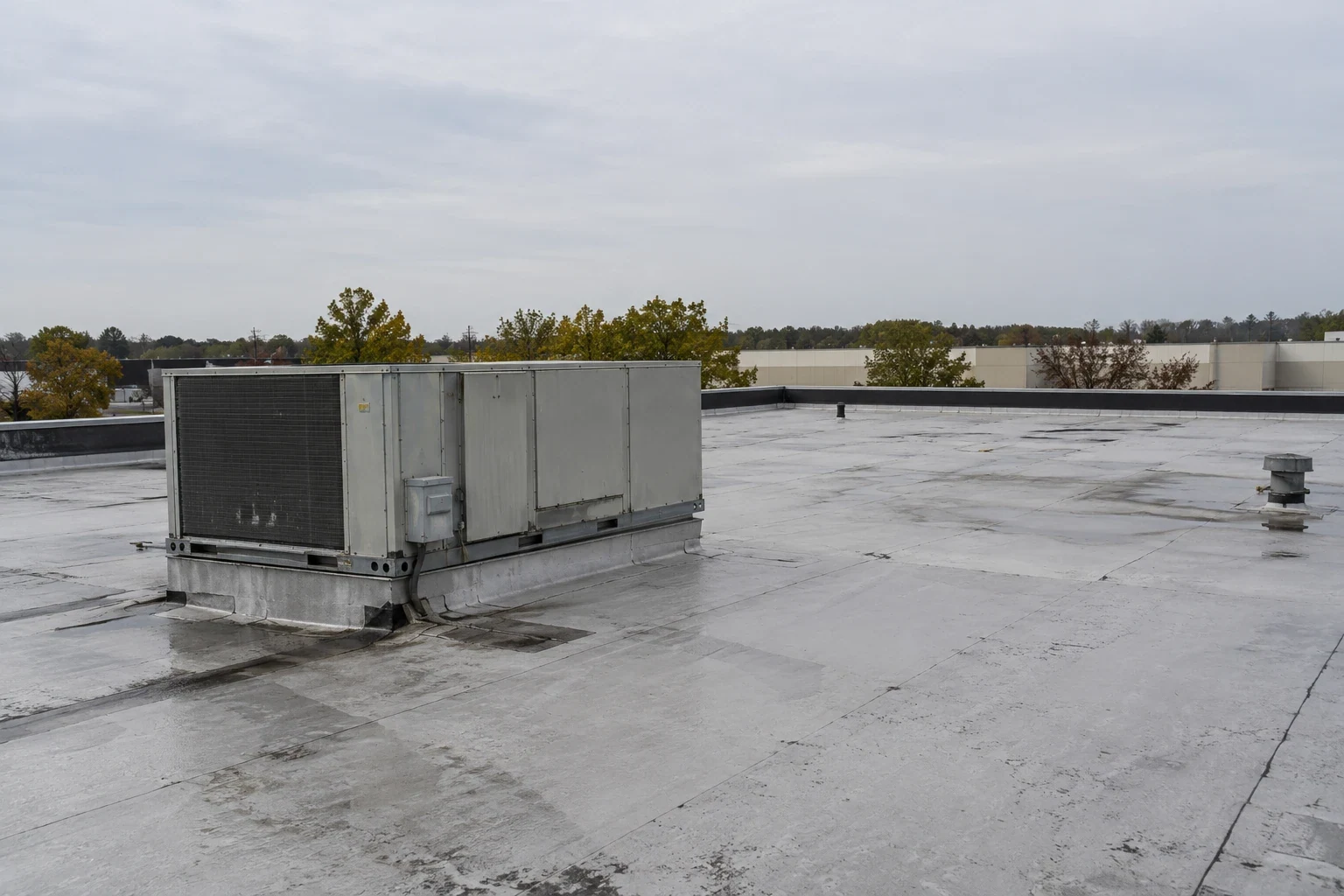
The decision follows the evidence. Dry insulation, tight seams and local damage point to repair. Dry insulation with widespread seam wear may point to a recover. Wet insulation across sections points to replacement. Each path has a different scope and cost, and the report gives the quantities that support each.
We also note the carry-forward items. A recover leaves the old membrane in place, so the next replacement is larger. A repair leaves aging material that will need attention again. The facility director can weigh those items against the budget year.
Timing matters in this climate. Spring is when the winter's damage shows. Fall is when open details must be sealed before the first freeze. A reserve plan that places a replacement in a warm-season window gives crews time to order materials and schedule shutdowns, and the facility director can approve the work with the evidence in hand.
Keep Reading
Inspection, repair and upkeep of Versico single-ply roofs in Kenosha, WI, with drainage records, tapered insulation review and warranty files by roof section.
EPDM roof inspection, splice repair and replacement in Kenosha, WI, with dated detail ratings, ponding records and capital-ready condition reports.
TPO roof inspection, seam repair and replacement in Kenosha, WI, with probed weld records, dated photo sets and condition ratings for capital requests.
PVC roof inspection, weld repair and replacement in Kenosha, WI, with grease-exposure mapping, moisture surveys and dated condition ratings.
Commercial roofing in Pleasant Prairie, WI for LakeView and Prairie Highlands industrial buildings, with seam, drain and curb findings recorded and dated.
Roof warranty management for Kenosha, WI owners: warranty files, maintenance records, repair documentation and notice dates that keep coverage in force.
We install and repair the EPDM, TPO and PVC system types that Carlisle SynTec supplies. Products and warranty terms come from the owner's contract and the manufacturer.
A core and the installation record identify it. Appearance helps but can mislead on aged sheets, so we confirm before recommending a repair.
Temporary repairs are possible. Permanent seam work waits for conditions where adhesive and tape will bond, and the temporary repair is logged.
Not if it follows the warranty terms. We read them first, use matching materials and keep the record.
A dated photo set, a findings list, updated ratings and a work order for each repair.