
How does the lake affect a downtown Kenosha roof?
Lakefront buildings take extra wind and freeze-thaw exposure. Edge metal, coping and parapet caps feel it first, so we rate them on every visit and compare against earlier photos.
Commercial roof inspection, repair and replacement in downtown Kenosha, WI and the HarborPark district, with lakefront wind and freeze-thaw findings logged.
A photo of a restaurant roof with a rooftop exhaust fan, a grease stain and a ring of worn membrane around the curb is a finding the owner can act on immediately. It shows what the equipment has done to the roof and what the record should track. For commercial buildings in downtown Kenosha, WI and the HarborPark district, restaurants, shops and mixed-use buildings share a short list of first findings, and we photograph each one.
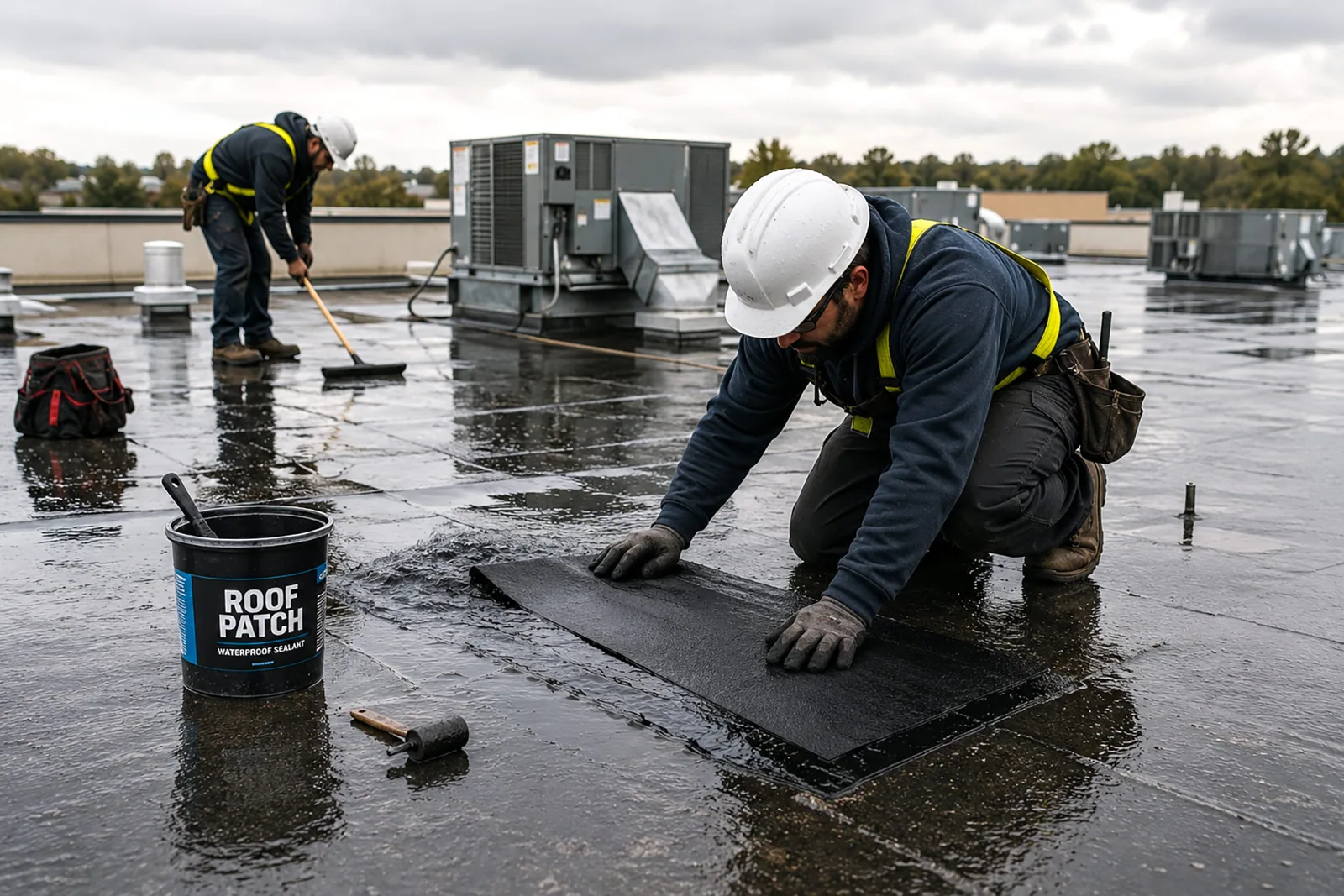
We inspect, repair and replace low-slope and metal commercial roofs downtown and in HarborPark. Each walk produces a dated photo set, a marked roof plan and a condition rating. The owner or manager receives a written next step that can attach to a work order or a capital request. Storm and leak emergencies are answered at any hour, holidays included.
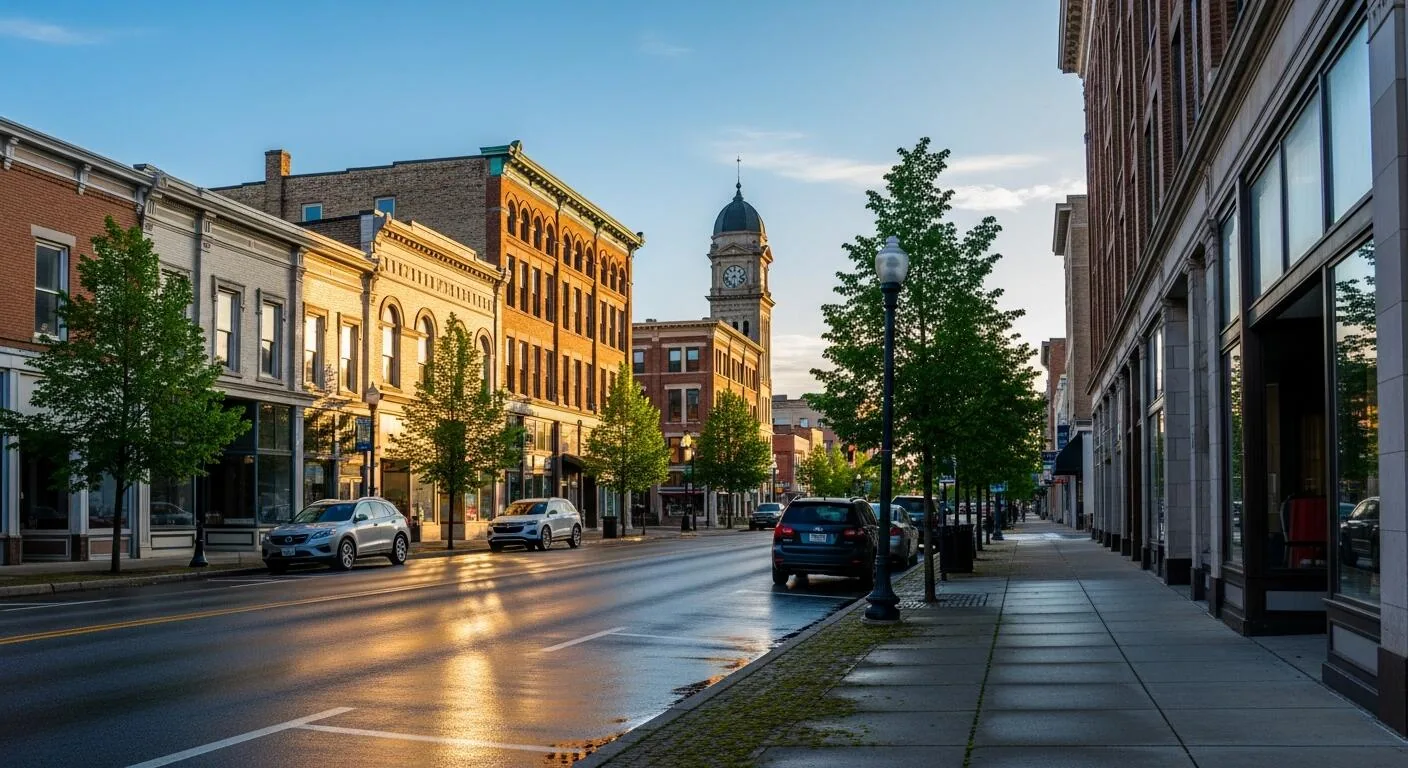
Government buildings, museums, restaurants and shops share downtown Kenosha, where over 50 of the businesses are restaurants, bars, breweries and shops, and the HarborMarket farmers' market sets up on 2nd Avenue. HarborPark is a mixed residential and commercial district built on the former AMC Lakefront plant site, which was demolished in 1990. A two-mile streetcar line serves downtown and HarborPark.
A district like that holds many building uses at once, and each use brings its own roof questions. Restaurants add exhaust and grease. Shops add signage and awnings. Public and cultural buildings add long-term ownership and records. The first walk records the roof type and age of each building, and the rating is written for that building.
Core cuts and moisture maps settle the first big question on any downtown roof: repair, restore or replace. An infrared moisture survey maps wet insulation, and cuts at marked locations confirm what the image shows. Isolated findings with dry insulation point to commercial roof repair. Wet insulation across a broad area points to replacement. The map goes into the file so the choice can be explained later.
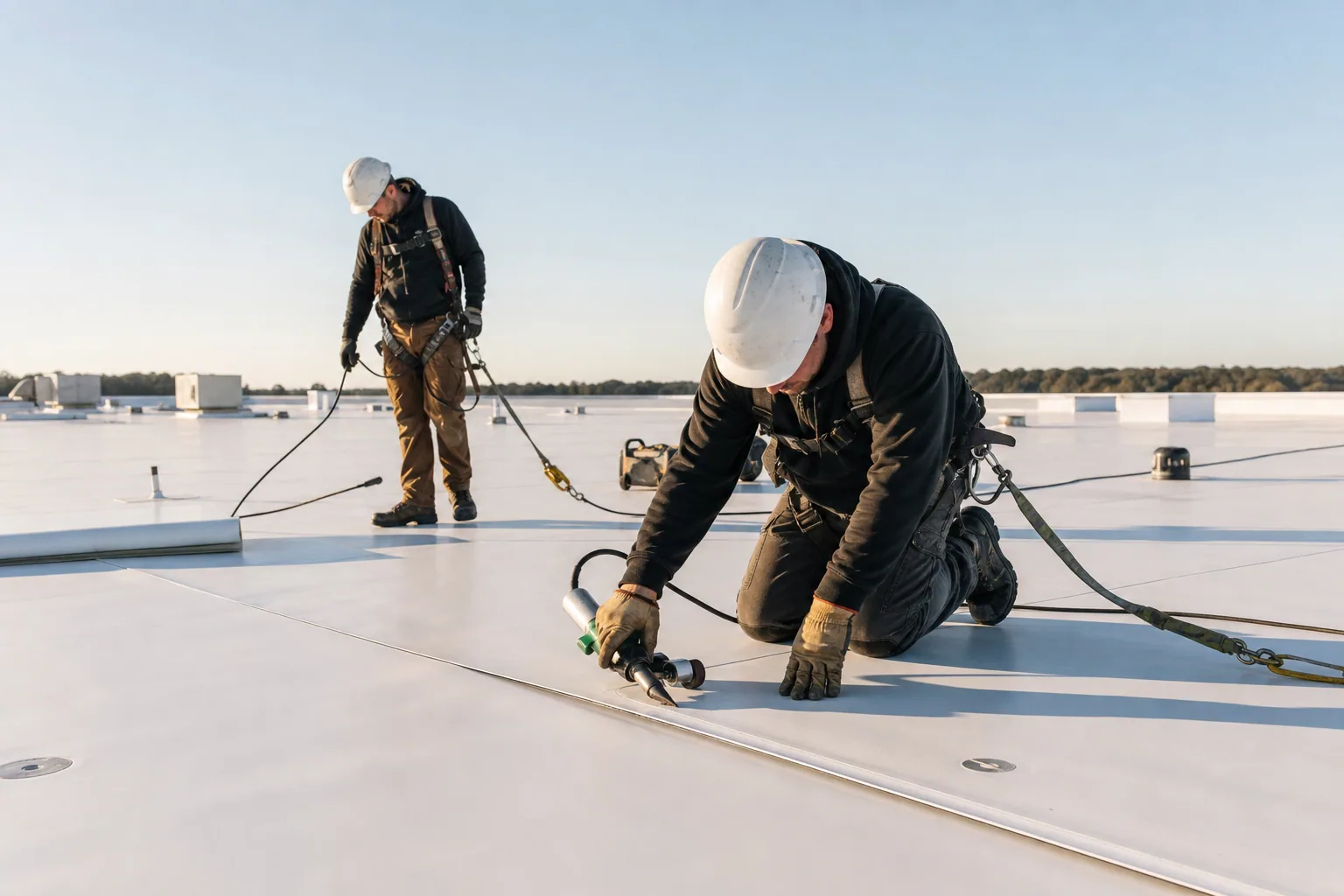
Kenosha County's lakefront, roughly eight miles of it, exposes city buildings near the water to wind and freeze-thaw. Edge metal, coping, parapet caps and perimeter fasteners are the details that feel it first. We photograph each, rate its condition and compare against the previous visit.
In an average year Kenosha collects about 37.6 inches of precipitation, including 36.2 inches of snow that falls mostly in January (11.3 inches) and February (9.8 inches). The record low is minus 31 degrees in January 1985, and the record high is 105 degrees in July 2012. That range moves membranes, flashings and sealants every year. Blizzards in January 1979 (about 19 inches) and on Groundhog Day 2011 (about 23.2 inches) are the kind of storms after which a documented walk matters.
Snow and ice need their own line in the log. Drifting snow loads roofs unevenly, with heavy drifts at parapets, rooftop units and level changes. Ice at drains and scuppers holds water on the membrane. After a heavy snow we check drifts, drains and signs of overstress, and snow and ice damage is recorded with dated photos so it can be told from old wear.
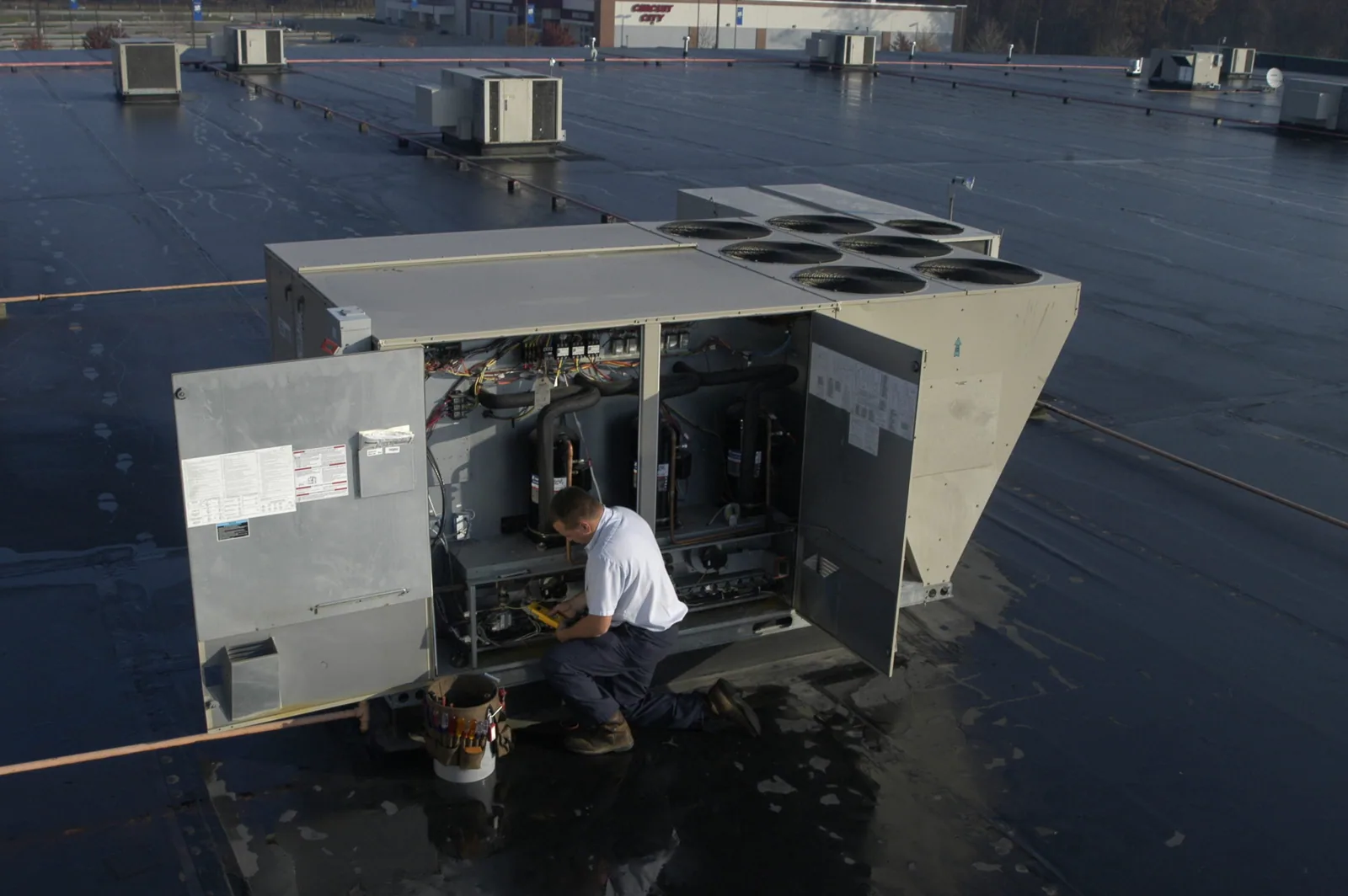
Exhaust fans throw grease on the membrane, and some membranes soften under it. We photograph the area around each fan, rate the surface and check the grease containment. Where a stained, softened band shows up, the scope can call for a material that tolerates the exposure and a containment fix at the fan.
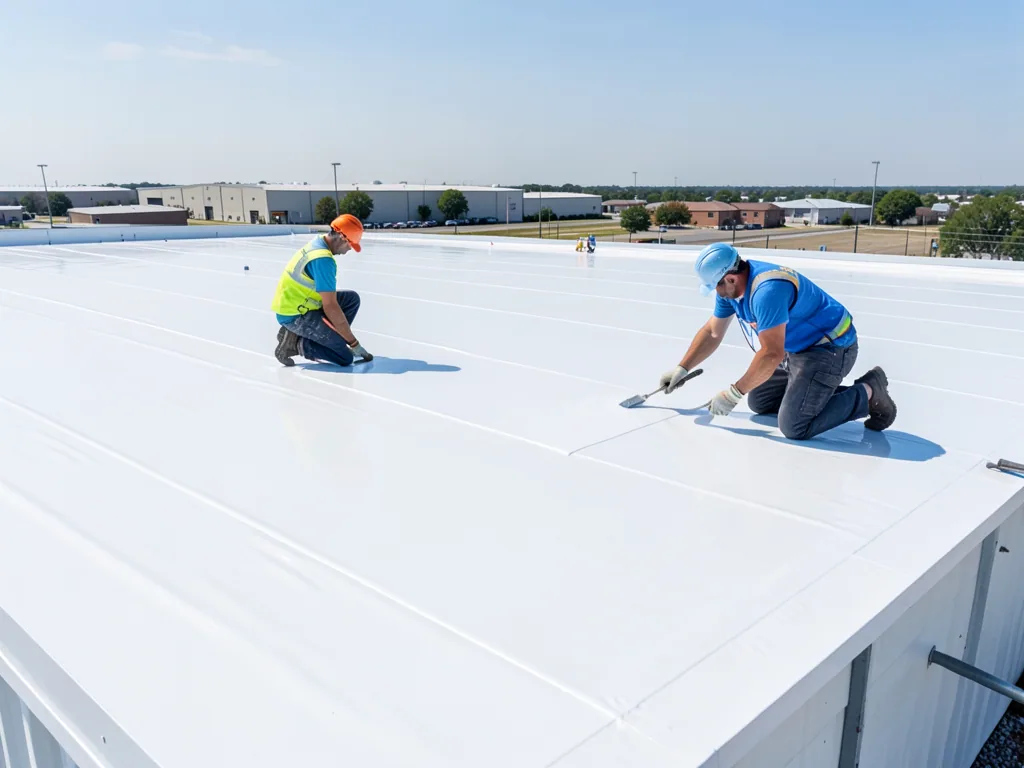
Rooftop units add service traffic. Walk pads, tight curb flashing and a record of units and their owners protect the membrane. In multi-tenant buildings, each unit's owner is marked on the plan, so a leak at a curb reaches the right party. For small low-slope roofs, EPDM, TPO and PVC are common choices, and the scope explains the match to the exposure.
Wind belongs on the list for lakefront and tall buildings. The county's January 7, 2008 tornadoes, which followed Wheatland and Brighton on one track and Somers and north Kenosha on another, damaged 105 homes and destroyed 27. That history is why edge metal and perimeter attachment are rated on every visit.
Rooftop patios and terraces, where a building has them, add another finding. Pavers, planters and furniture sit on or near the membrane, and each can trap water or cut the surface. We lift a few to check what is beneath, photograph the membrane and rate drainage around them. A roof used by people needs walk protection and a clear drain path.
A downtown site has limits that a suburban one does not. Lift position, staging, sidewalk protection, permits and nearby events all shape the schedule. Market-day crowds and the streetcar line bring traffic into the district, and a nine-block downtown development valued at $450 million was approved in 2023. Construction nearby can affect crane access, dust and noise.
We confirm the access plan at the first visit and write it into the scope. Notice goes to tenants and neighbors before work starts. For occupied buildings, occupied building reroofing means phased sections, a watertight finish each day and clean sidewalks every morning.
Cost drivers for a downtown job are stated in the scope: wet insulation volume, lift or crane access, sidewalk and street protection, the number of penetrations, deck repairs and the chosen system. Cold months limit some adhesives and welds, so scheduling is part of the plan. Quantities are written in numbers the owner can check, which makes bids comparable line by line.
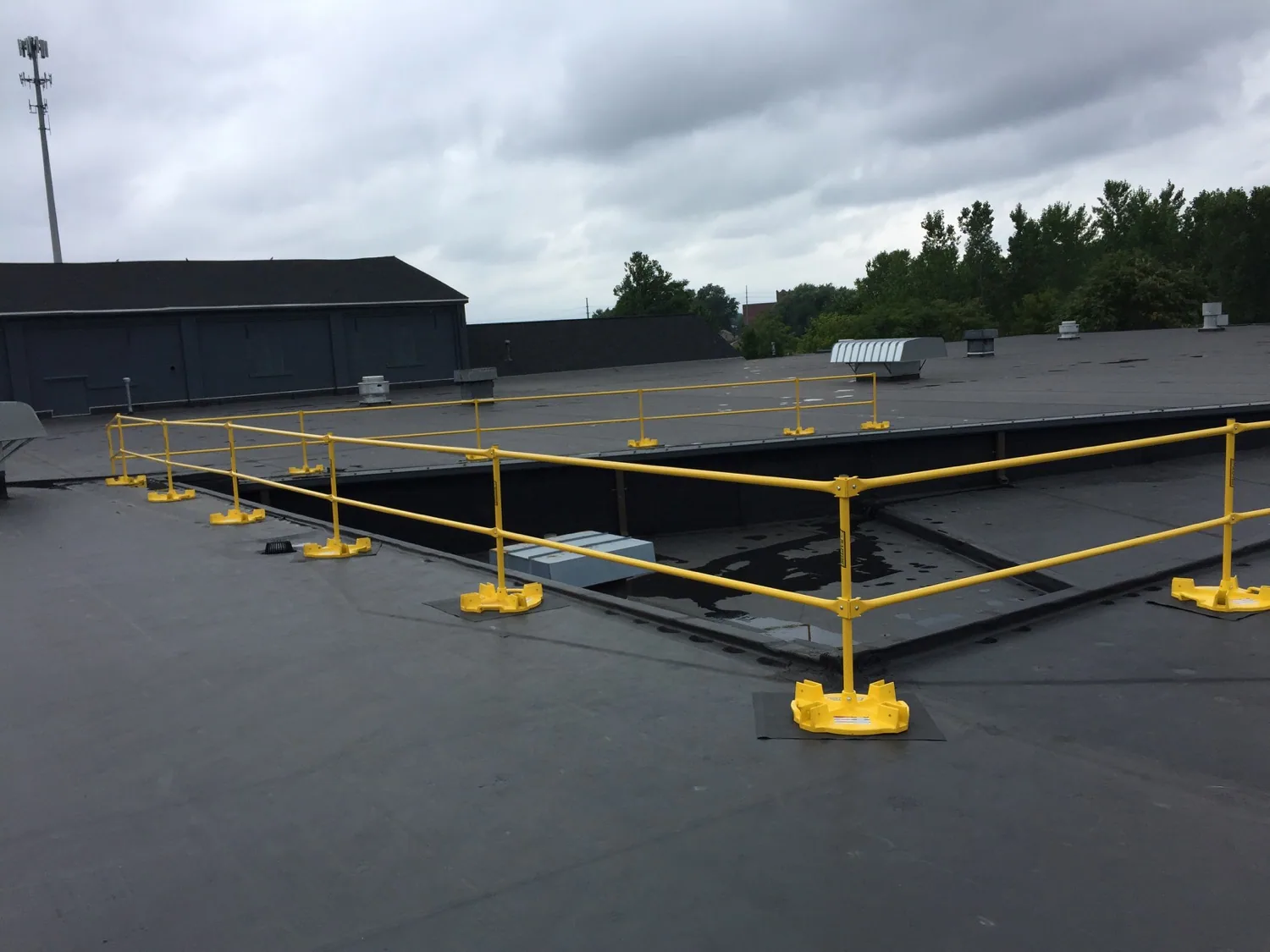
Public, medical and cultural buildings are held for a long time, and their roof records should last as long. Froedtert South Kenosha Medical Center Campus is downtown, along with the streetcar and government buildings. Long-term owners need a file that survives staff changes: dated photos, a roof plan, core cuts, drain checks and a warranty folder.
The close-out package holds all of that after each job. Owners with buildings in downtown Kenosha and in Pleasant Prairie or Racine can use one format across sites. A maintenance program then keeps the log current with two scheduled walks a year.
Warranty paperwork goes into the same folder. If a manufacturer warranty applies, we note its terms, the repairs it allows and the maintenance the maker expects. A repair outside those terms is a finding too, and the owner hears about it before the work starts. After a storm, the dated photos separate new damage from old wear, which supports any insurance review and any capital request that follows.
Keep Reading
Infrared scans and core-cut verification for Kenosha, WI commercial roofs, producing a numbered moisture map that separates wet insulation from dry.
Planned membrane, flashing and seam repair for Kenosha, WI commercial roofs, with dated photos, a marked roof plan and a written repair log for every visit.
Snow load and ice dam roof damage repair in Kenosha, WI: drifts, frozen drains and ice damage logged with dated photos, plan marks and ratings for each roof.
EPDM roof inspection, splice repair and replacement in Kenosha, WI, with dated detail ratings, ponding records and capital-ready condition reports.
Reroofing occupied buildings in Kenosha, WI: phased tear-off, interior protection and daily dry-in logs that keep tenants and operations running.
Commercial roofing in Pleasant Prairie, WI for LakeView and Prairie Highlands industrial buildings, with seam, drain and curb findings recorded and dated.
Lakefront buildings take extra wind and freeze-thaw exposure. Edge metal, coping and parapet caps feel it first, so we rate them on every visit and compare against earlier photos.
It can. Grease softens some materials. We photograph the area around each fan, check containment and recommend a membrane suited to the exposure where a stained band appears.
We plan lift position, staging, sidewalk protection and permits at the first visit, then write the plan into the scope. Tenants and neighbors receive notice before work begins.
Yes. We phase sections, protect entrances, close in each section nightly and place loud steps in quiet hours. Tenants hear the plan before the first day.
Share the building use, the roof age if you have it, any leak history and old repair invoices; a roof plan helps. The reply is a written condition rating that can go straight onto a work order.