
When should a seasonal business roof be inspected?
In spring, before the busy months begin. That leaves time to repair without closing the business.
Commercial roofing in Fox Lake, IL: pre-season inspections, penetration and flashing checks, dated photo sets and condition ratings for lakeside businesses.
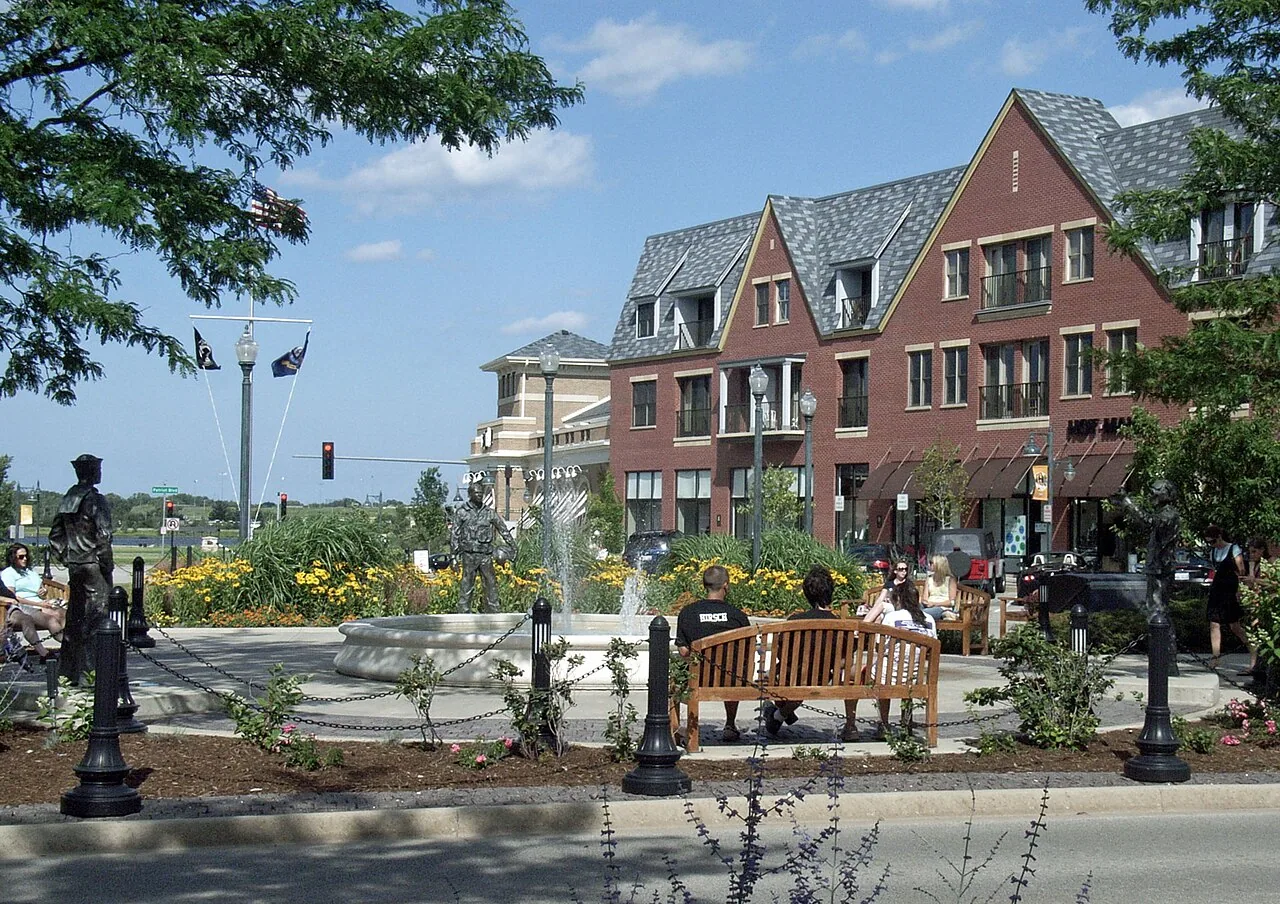
A cracked sealant bead at a vent pipe, photographed with a date and a section number, is the smallest useful entry in a roof log. It shows where water could enter, how the sealant failed and what the next visit should compare it against. In Fox Lake, IL, a village with its center on the east shore of Pistakee Lake, many commercial roofs sit under the demands of a summer destination in the Chain O'Lakes. Small entries like this one, repeated across a roof, protect the busiest months from the most avoidable leaks.
We keep the log; the repair scope follows from it.
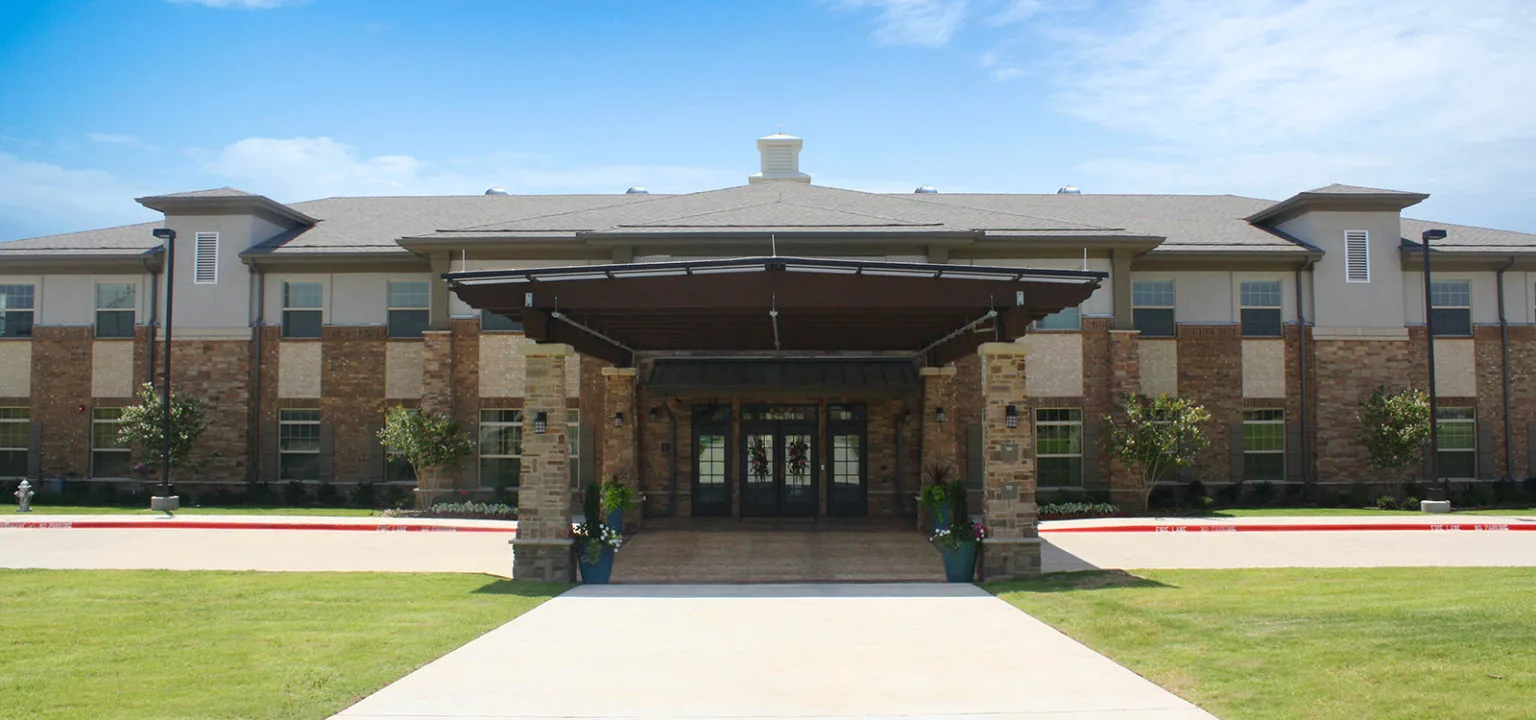
A summer destination has a calendar. Restaurants, retail shops and hospitality properties that serve summer visitors depend on a few busy months, and a leak during those months costs more than at any other time. The cheapest protection is a walk in spring, before the season opens, when the roof can be fixed without closing a dining room or turning away customers.
The pre-season walk follows a fixed order. We check penetrations and vents first, then flashing at walls and curbs, then drains and edges. Each finding gets a photograph and a section number. The rating that results tells the owner whether to repair now, schedule work for the off-season or leave the roof on watch.
A rating system helps owners decide what cannot wait. A section rated good stays on its schedule. A section rated fair is sealed at weak points and watched. A section rated poor gets a written scope with a date, so that the repair lands before the season instead of in the middle of it. We give the owner the rating in writing, with the photograph that supports it.
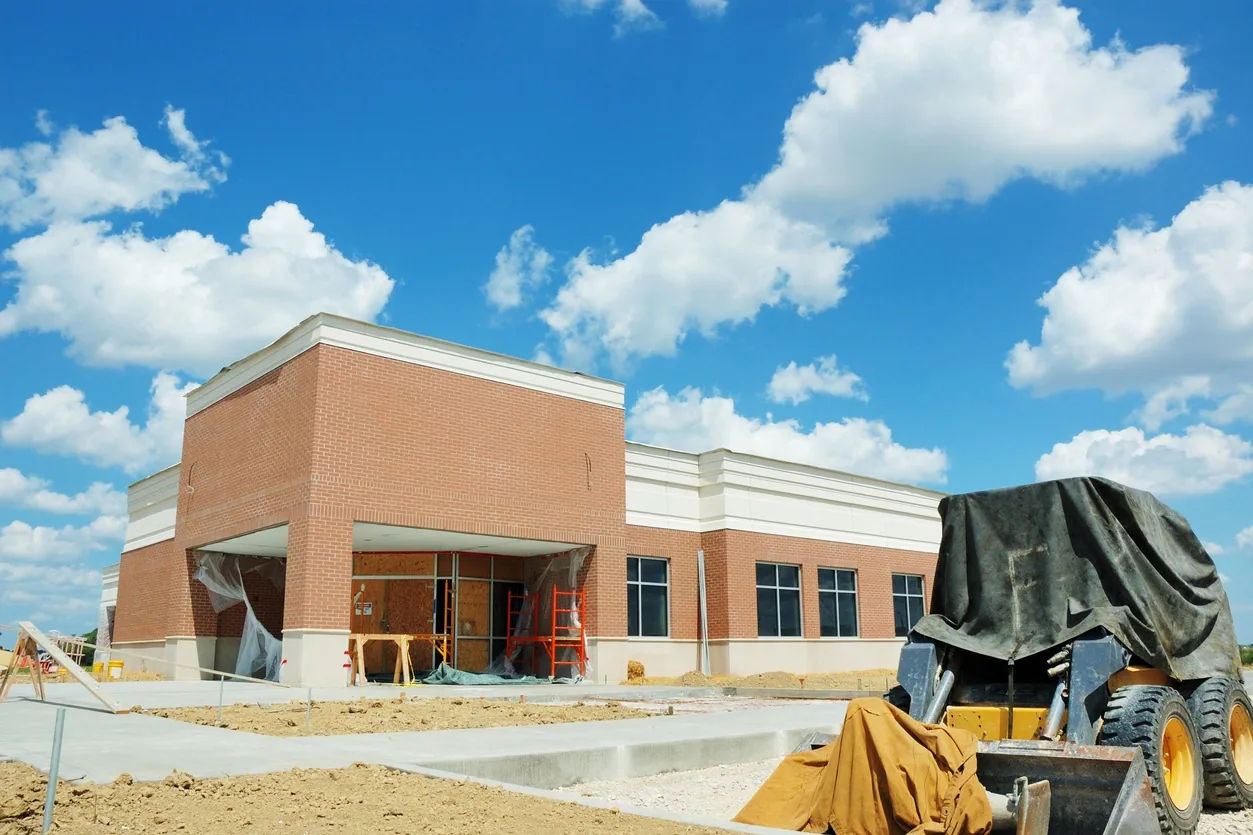
Food service and hospitality roofs carry more penetrations than most. Exhaust fans, make-up air units, plumbing vents and refrigeration lines each pierce the roof, and each has a flashing detail that can fail. We number every one and rate it separately.
The skylight and penetration flashing work that follows is scoped from this list, so the repair addresses the failed details and nothing else.
Kitchen exhaust deserves its own note. Grease that settles on a membrane can soften some materials and stain others, and a roof under an exhaust fan wears faster than the rest. We photograph the area around each fan, check the grease containment and record whether the membrane has softened or blistered. That finding determines whether a localized replacement or a protective layer is the right answer.
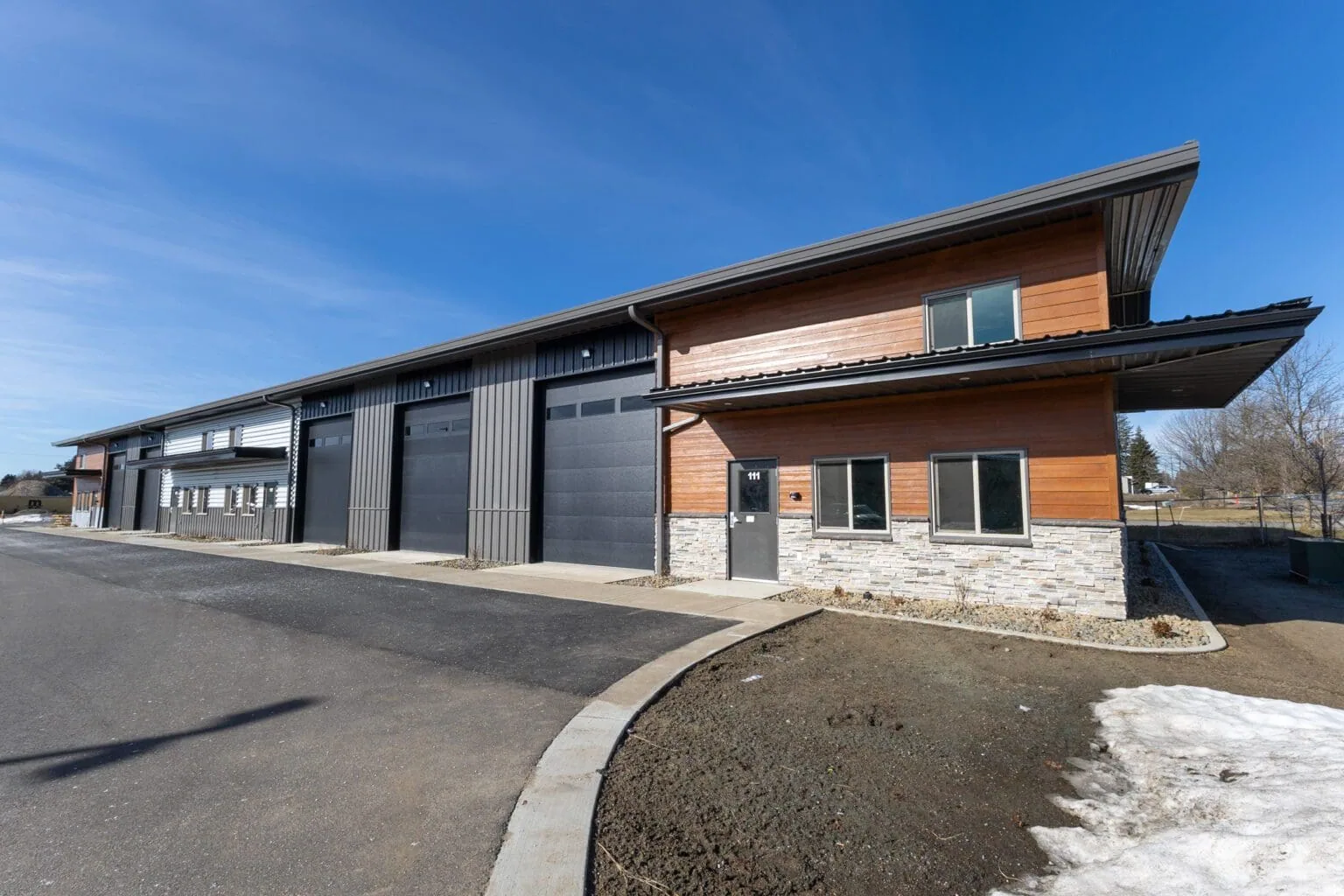
Fox Lake covers 9.44 square miles, of which 1.60 are water. That much water beside the buildings can mean humid air, wind with a long open run across the surface and, in winter, snow that arrives with no obstruction. Humidity shows up under metal panels as condensation and in insulation as dampness. Wind loads the roof edge.
We separate these findings. A moisture survey and, where needed, a core cut tell us whether a stain comes from a leak or from condensation. An edge photograph and a pull test on fasteners tell us whether the perimeter is holding. The rating states which problem was found, so the owner pays for the right fix.
Wind off open water also lifts loose items. Unsecured covers, lightweight vent caps and gravel guards are the first to move. We tug on each accessory during the walk and tag any that shift, then list them as repair items even when no leak has been reported. A part that moves in a breeze today will move in a storm.
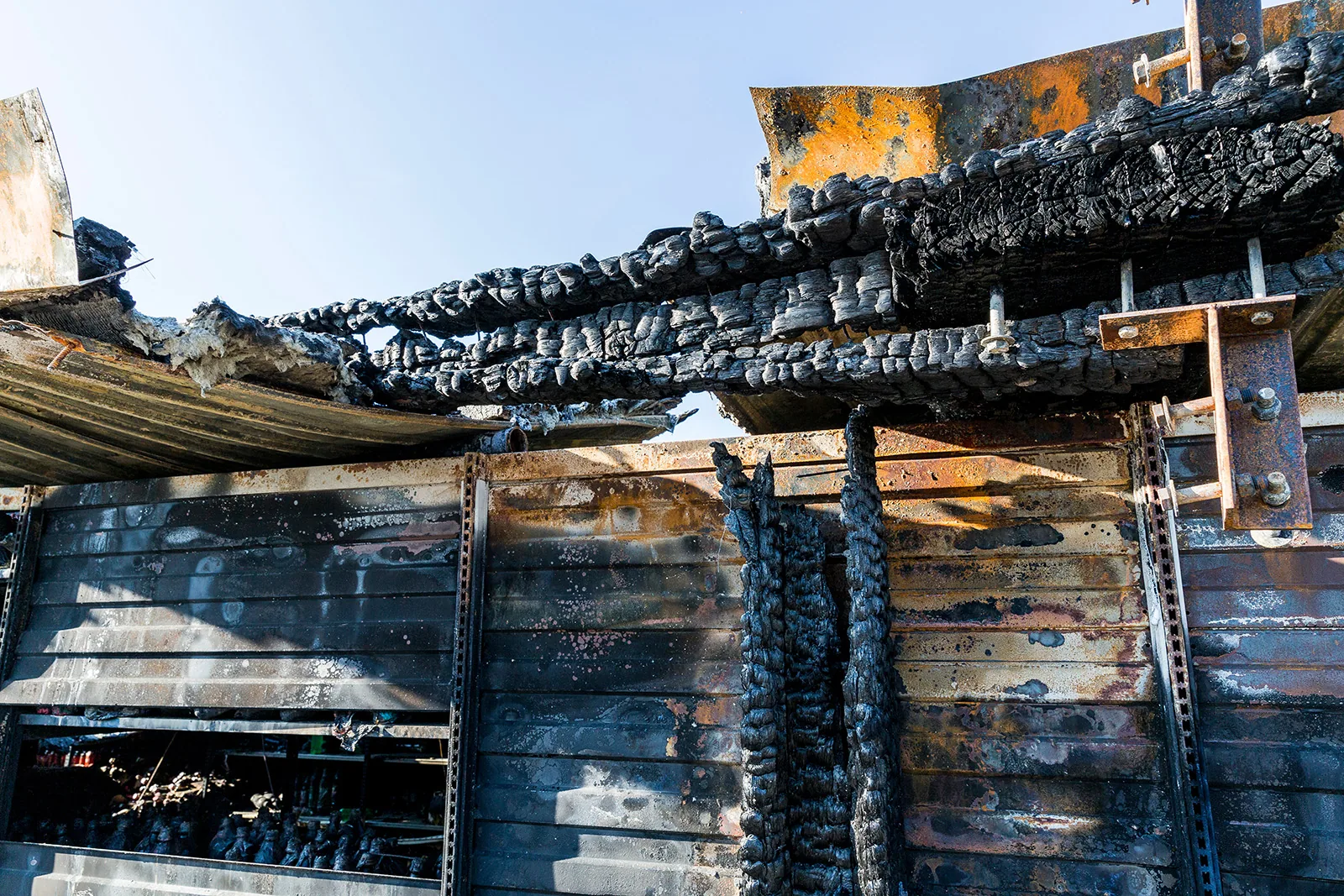
U.S. Route 12 and Illinois Routes 59 and 173 serve Fox Lake, and the Fox Lake station is the terminus of Metra's Milwaukee District North Line. Routes and a commuter station matter for roof work because they set where trucks can stage, when streets are busy and how crews reach the site. At the first walk we record the delivery route, the staging area and any hours when the property is busiest.
For a business near the station or a main route, we plan deliveries outside peak traffic and keep lifts and dumpsters out of fire lanes and customer parking. The work order states each constraint, so owners can pass accurate information to tenants and customers.
Parking is the other constraint. Customers need spaces, and crews need a place for a lift. We mark both on the site plan and agree on hours with the manager so that neither group blocks the other. If a street closure or a parking permit is required, the work order says so before the job begins.
Around Fox Lake the freeze-thaw and heat cycle works on membranes and flashings just as it does in Kenosha, where snow runs near 36.2 inches a year and the record stretches from minus 31 degrees to 105.
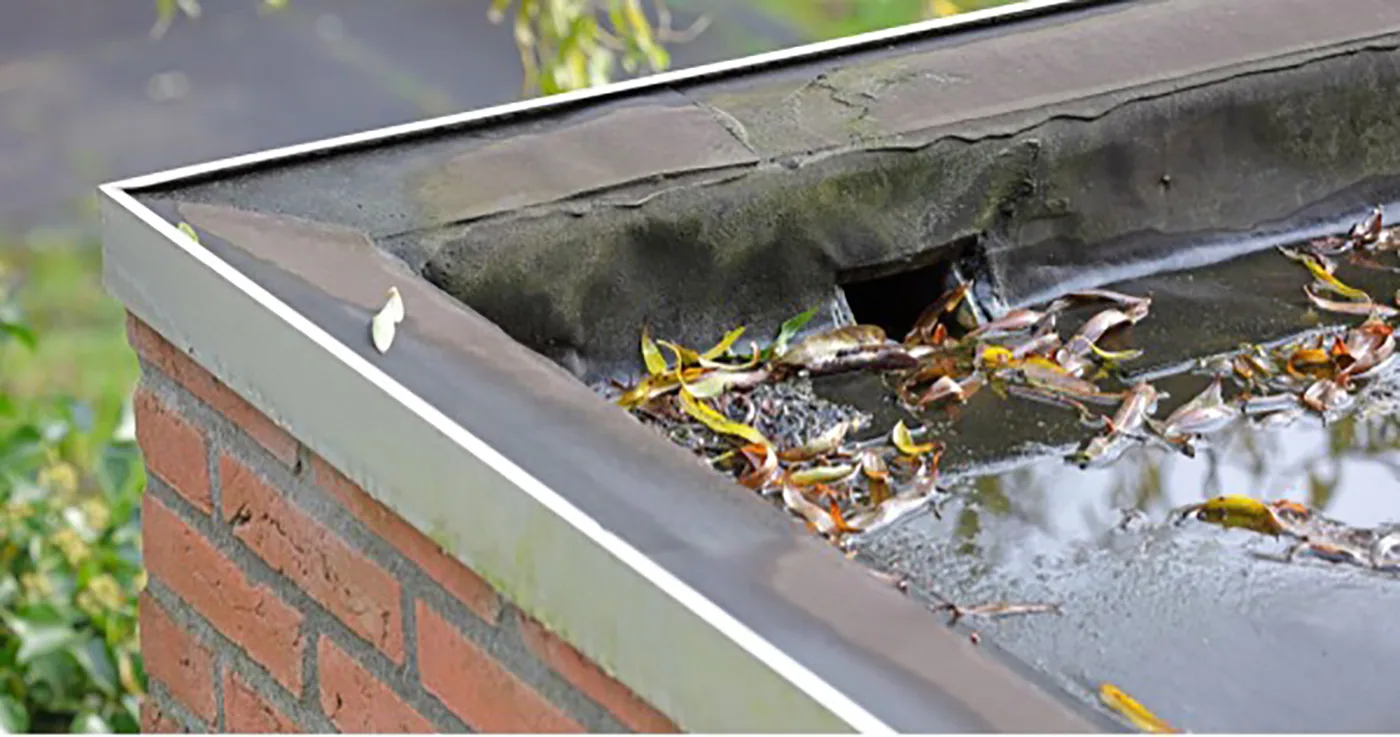
In spring we log what winter left behind: lifted seams, split sealants, cracked boots, drains that held water. Each entry is photographed and rated, and the set is compared with the previous year. A finding that repeats gets moved up the list.
Drain checks are part of every visit. A drain bowl that holds leaves in the fall and ice in winter is a leak waiting for a thaw. We clear it, photograph it and log the date, and we recommend a scheduled cleaning if the same drain clogs more than once.
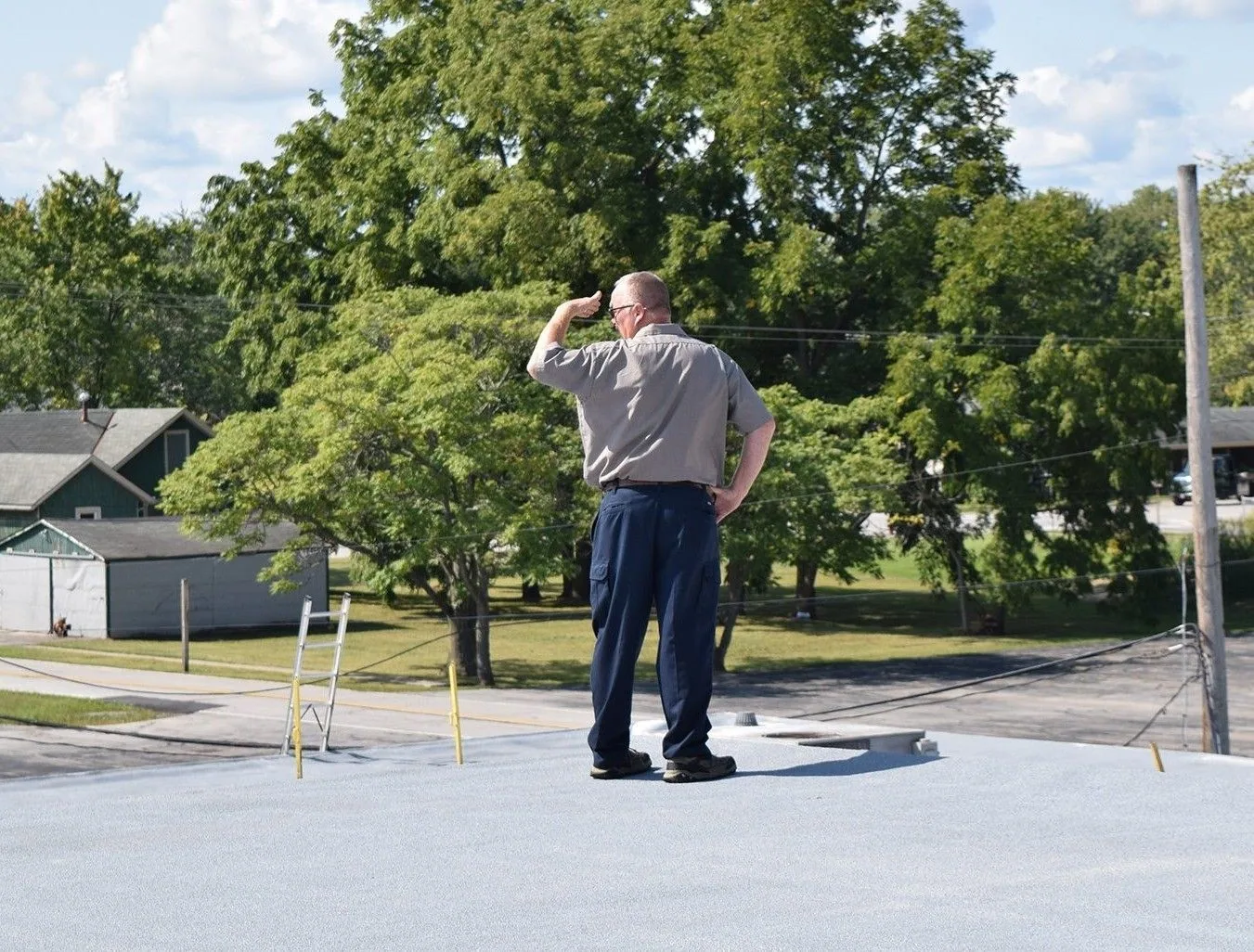
The inspection ends in a scope. Local damage on a dry roof is a repair. A sound roof with a worn surface may be a candidate for restoration through a roof coating restoration. Wet insulation over a wide area calls for replacement. Each option is written with its cost drivers: area, access, penetrations, insulation condition and system.
A seasonal business can choose the timing. Work scheduled in the off-season avoids closing during the busy months. The close-out package, with a final photo set, marked plan and materials list, goes to the owner and into the building file. Owners with other sites in Lake Villa or Round Lake Beach can keep the same format, and restaurant roofing and shopping center roofing follow the same steps.
An owner with a larger portfolio gets one rating scale across every site and sees at a glance which building needs money first, and a preventive roof maintenance plan keeps the records current between projects.
Keep Reading
Skylight, curb and penetration flashing repair in Kenosha, WI: pipe boots, pitch pans and curb details inspected, rated and logged for facility directors.
Roof coating restoration in Kenosha, WI: core cuts, adhesion tests and moisture surveys decide whether a sound roof can be coated to extend its service life.
Commercial roof inspection, repair and replacement in Lake Villa, IL, with access planning for village-center buildings and a written record of every finding.
Commercial roof inspection, repair, coating and replacement in Round Lake Beach, IL, for multi-tenant retail and service buildings, with written ratings.
Restaurant roofing in Kenosha, WI: grease findings at exhaust fans, rooftop unit records, winter damage logs and repair scheduling around service hours.
Shopping center and strip retail roofing in Kenosha, WI: tenant-by-tenant findings, shared-roof leak records and winter damage logs for retail owners.
In spring, before the busy months begin. That leaves time to repair without closing the business.
Yes. Emergency repairs are made watertight first, and the permanent repair is scheduled for a quiet period.
With a moisture survey and, when needed, a core cut. The rating states which one it is.
We do. Deliveries and lifts are scheduled outside peak hours and kept out of fire lanes.
Around the clock, including summer weekends. The first visit seals the opening so the business can keep serving customers.