
What do you photograph first on a commercial roof?
Curb corners, drains and wall terminations, since most leaks begin there. We then walk the field seams, edges and penetrations and add each finding to the log with a date.
Commercial roof inspection, repair and replacement in Lake Villa, IL, with access planning for village-center buildings and a written record of every finding.
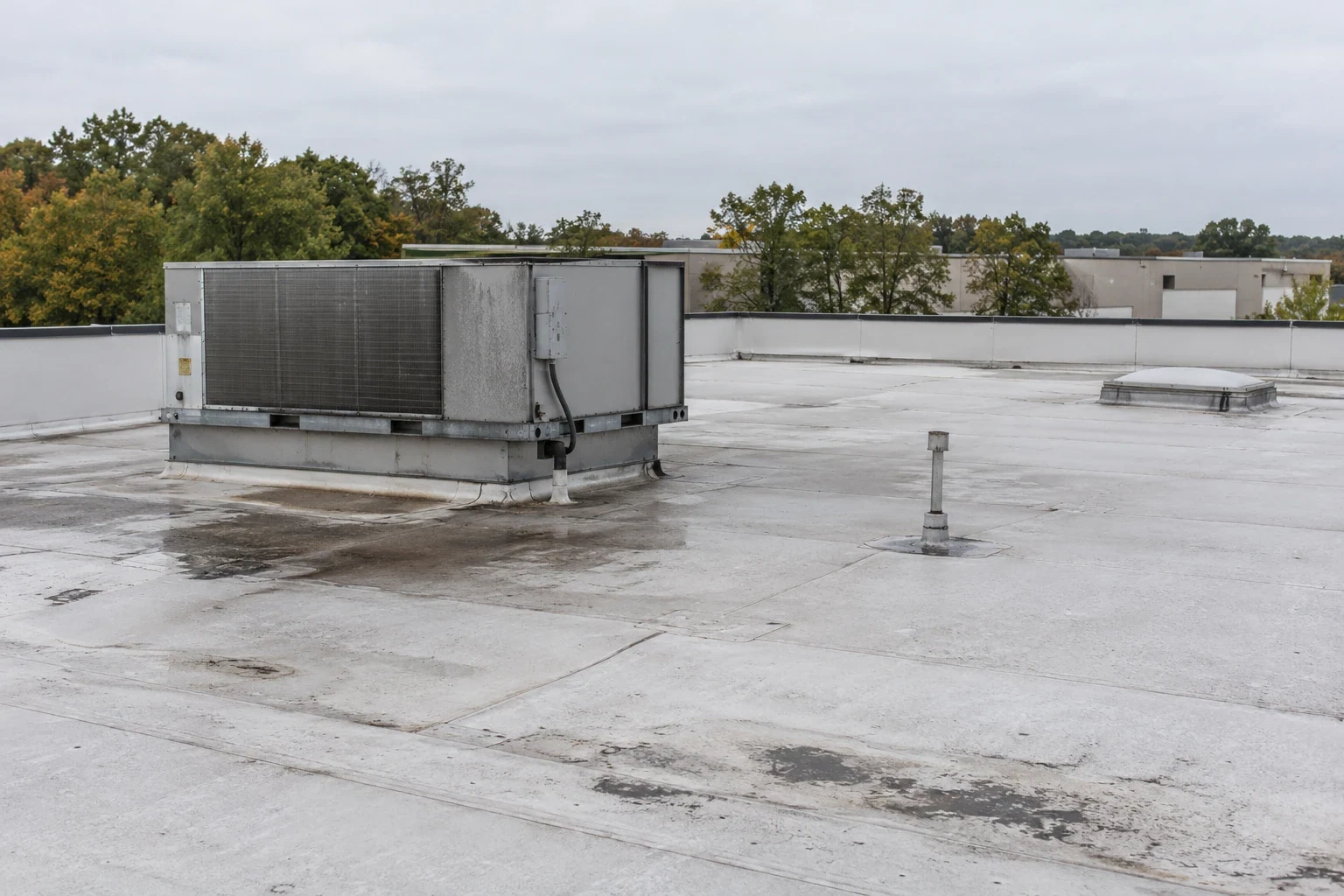
A photo of a rooftop unit curb with a gap at one corner is a small finding with a large consequence. Water that gets past that corner runs into the deck and the insulation, and it can show up as a ceiling stain far from the unit. For commercial buildings in Lake Villa, IL, curb corners, drains and wall terminations are the three places we photograph first, because they are where most leak records begin.
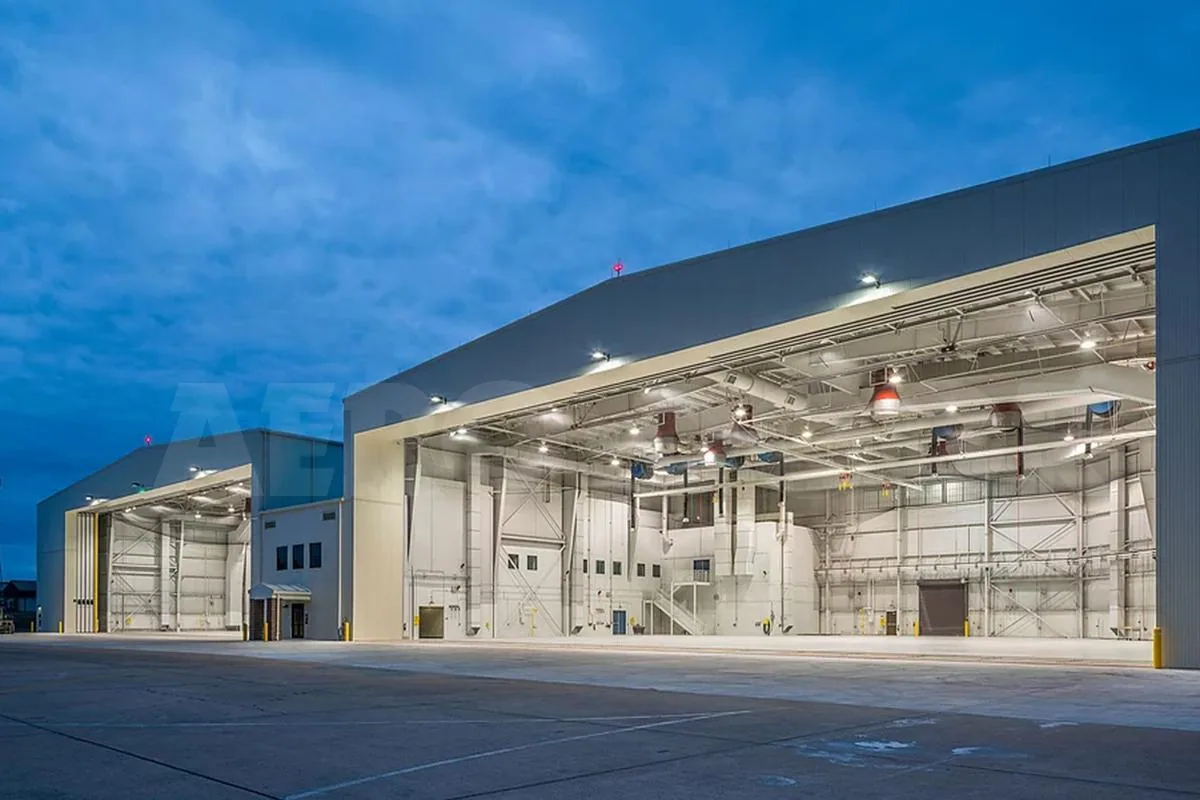
Lake Villa's low-slope and metal commercial roofs are ours to inspect, repair and replace. Every walk leaves behind dated photographs, a marked roof plan and a condition rating. The facility director gets a written next step, whether the answer is a repair, a recover or a plan for replacement. Emergency calls reach a crew around the clock, on holidays as well.
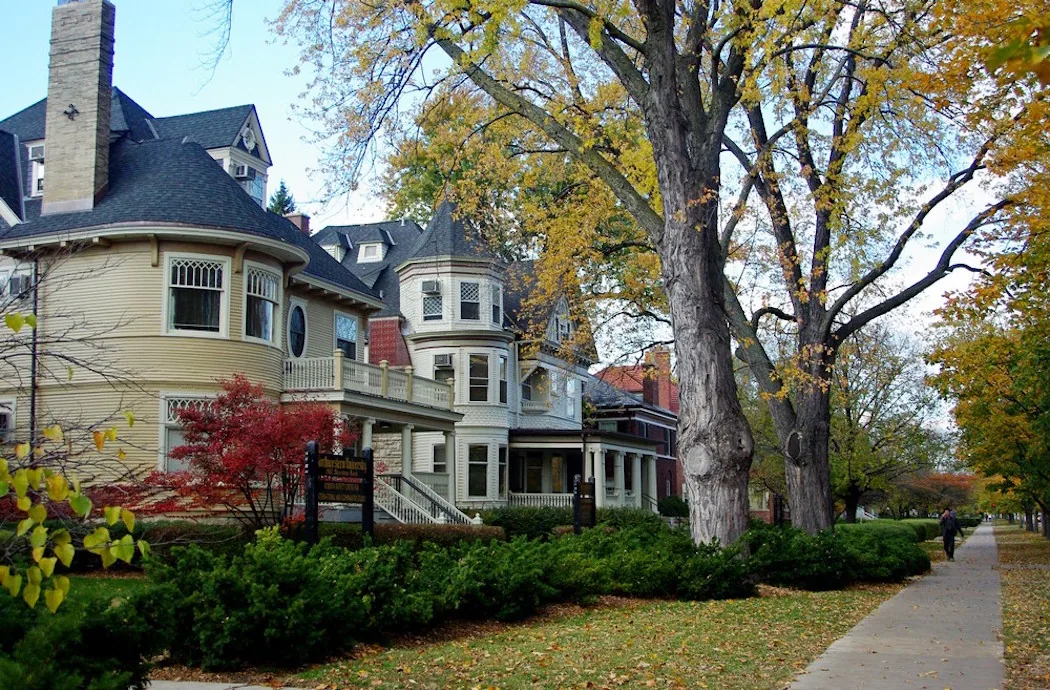
A Metra North Central Service station and a heavily used freight line run through the center of Lake Villa. Milwaukee Avenue (Illinois 83), Grand Avenue (Illinois 132) and Old Grand Avenue (Illinois 59) serve the village. Roof work near a village center is mostly a matter of access: where the lift can stand, where materials can be staged, how pedestrians and deliveries are kept clear.
We plan that before the first day. The plan names the staging area, the route for materials, the hours for noisy steps and the protection at entrances. If a building shares a lot with neighbors or sits close to a street, we mark the safety zone on the site plan and brief the tenants. The access plan is written around the actual site.
Rooftop equipment brings its own access question. Heating and cooling units on a low-slope roof need service routes, and technicians who cross the membrane carry tools, filters and panels. We mark walk paths on the roof plan, recommend pads where traffic is regular and note any equipment that sits too close to an edge or drain. The mark on the plan tells the next service visit where to step.
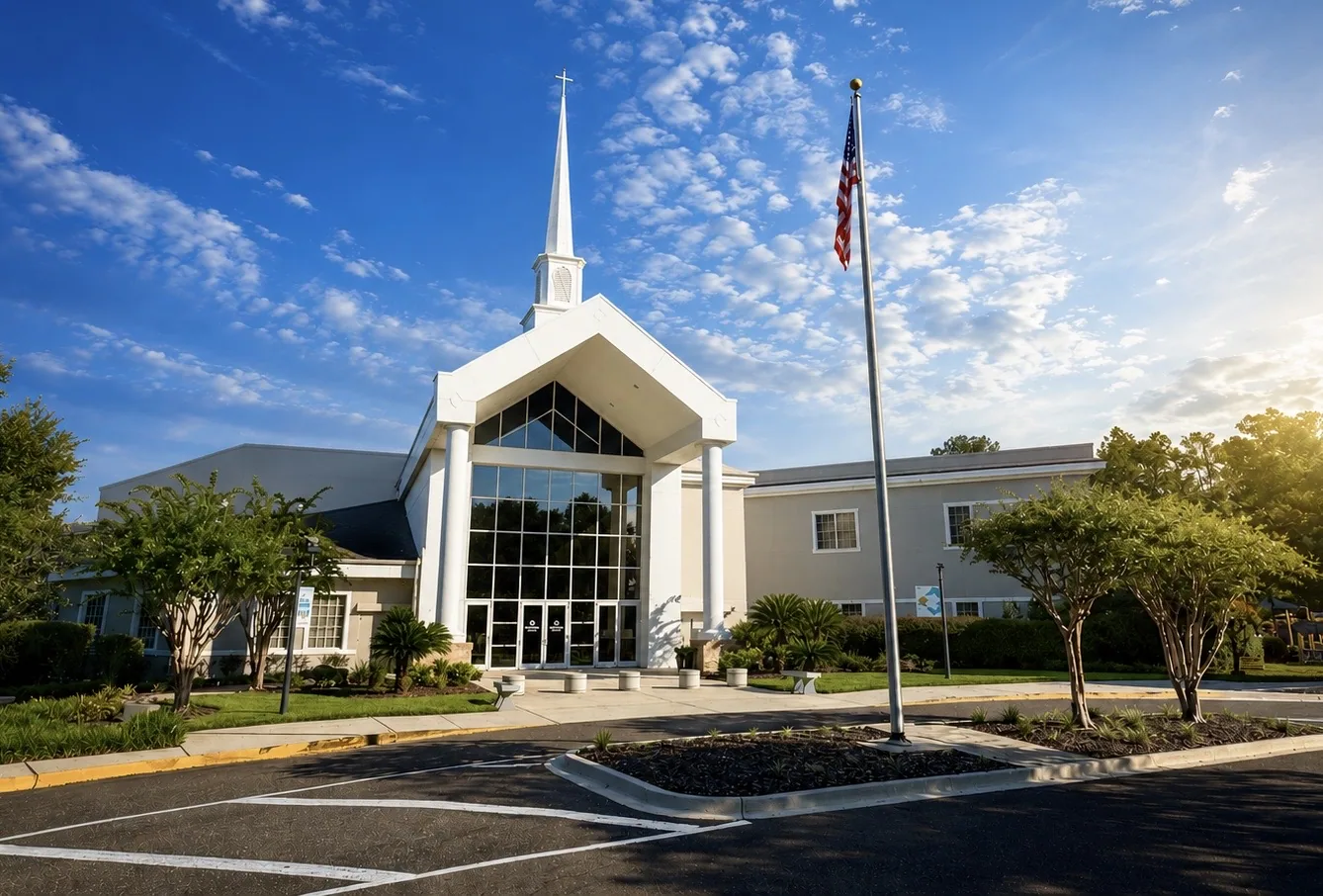
Each of the three details fails in its own way. A curb opens at its corners, where folded membrane relaxes with temperature cycling. A drain fails when its clamping ring loosens or when debris builds in the bowl and water backs up. A wall termination fails when the sealant at the top of the flashing cracks and the bar behind it comes loose.
Our findings log treats each one as a line item. We photograph the detail, note its condition and give it a rating. A rating of poor on a drain moves it to the front of the work order. A rating of fair on a curb goes into the spring maintenance list. The record also shows how a detail has changed from one walk to the next, which is what a facility team needs to plan repairs before a leak occurs.
Penetrations get a count. Every pipe, vent, conduit and cable that passes through the roof is a possible entry, and older roofs often have abandoned ones that no longer serve anything. We log each penetration, note its flashing, and flag the dead ones for removal. Fewer penetrations means fewer places for water to enter, and the count is part of the baseline report.
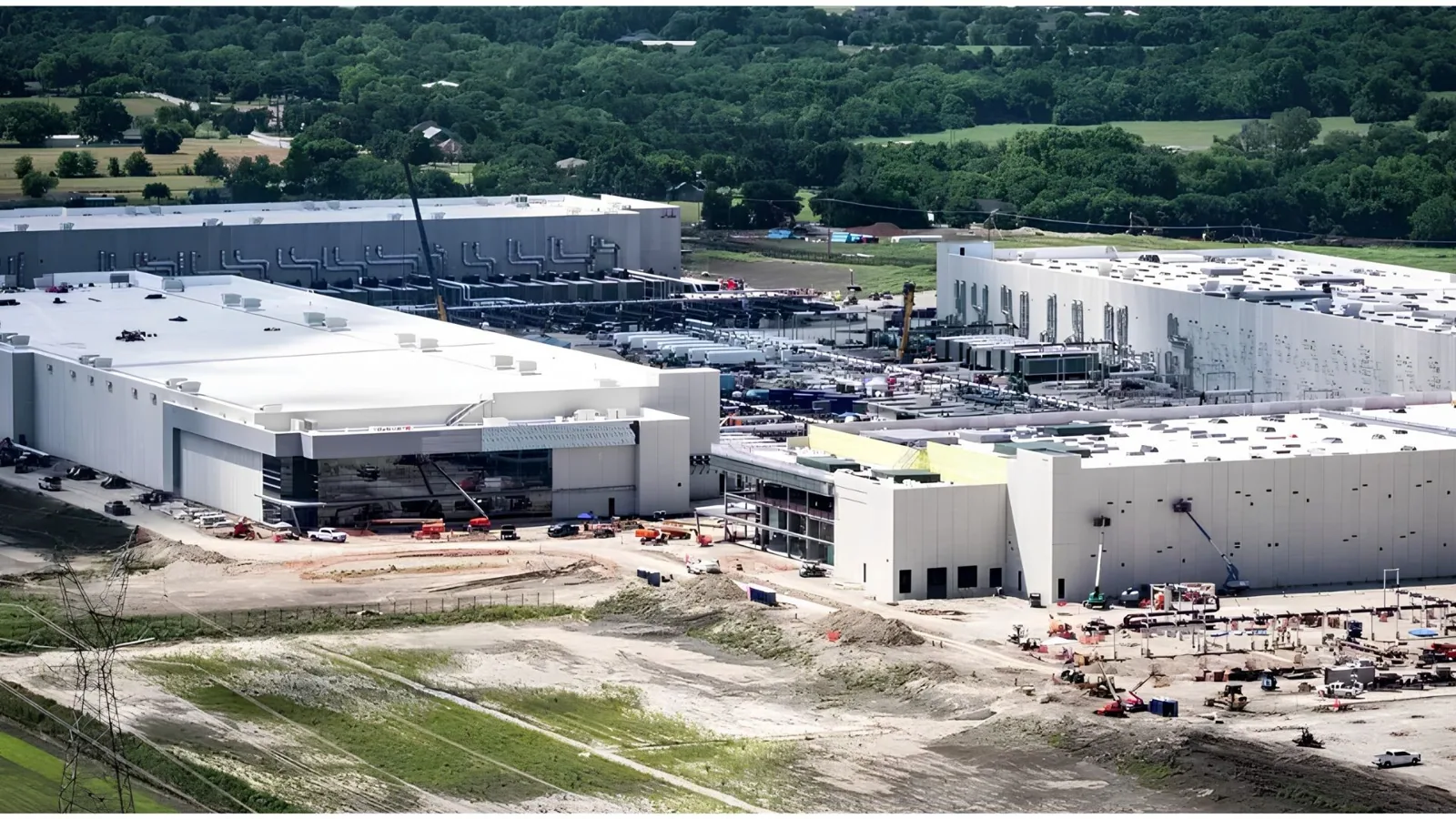
Kenosha receives about 37.6 inches of precipitation a year, 36.2 inches of it as snow, with the heaviest falls in January and February. Its coldest recorded reading is minus 31 degrees, from January 1985, and its hottest is 105 degrees, from July 2012.
That range works on every joint. Cold shrinks membranes and stiffens sealants. Snow adds load and hides ponding. Thaw water runs to the lowest point and finds any open lap. Blizzards left about 19 inches in January 1979 and 23.2 on Groundhog Day 2011, and after a storm of that kind the roof is walked and anything that moved is logged. The record is what lets us tell storm damage from slow wear.
The record supports the decision. When the findings are isolated and the insulation is dry, commercial roof repair is the lowest-cost path. When the membrane is worn but the layer underneath is dry, a recover can add life. When moisture has spread across the roof, replacement with a system such as TPO or PVC is the sound answer, and the moisture map shows where the line falls.
Cost drivers go into the scope in plain terms: the area of wet insulation, access, the number of penetrations and drains, deck repairs and the chosen system. Occupied buildings add notice, protection and phasing. Where tenants cannot be moved, occupied building reroofing is planned in sections so each day ends watertight.
Insulation condition is the deciding factor more often than membrane age. A membrane may still be flexible while the board beneath it holds water, and a core cut is the only way to see it. We cut cores in a grid, photograph each cross-section, weigh or measure moisture where needed and record the result on the plan. The result is a map of wet and dry that supports a decision the owner can defend to a budget committee.
Each job ends with a package of final photos, a plan marking every repair, product data and warranty notes. A manager who opens it a year later can see exactly what changed. An owner with buildings in Lake Villa and in Grayslake or Antioch can rank them on one scale, because every report uses the same format.
After a storm, the earlier photo set is the comparison. A moisture survey and the dated log together separate new damage from old, which helps with any insurance review. The same file supports a capital request when a roof is nearing the end of its useful life.
Seasonal checks keep the log alive. A fall walk clears drains, checks edge metal and photographs seams before snow. Each spring we set the fall photographs beside what winter left. Two short visits a year cost little and turn a surprise into a dated entry.
Keep Reading
Planned membrane, flashing and seam repair for Kenosha, WI commercial roofs, with dated photos, a marked roof plan and a written repair log for every visit.
TPO roof inspection, seam repair and replacement in Kenosha, WI, with probed weld records, dated photo sets and condition ratings for capital requests.
Reroofing occupied buildings in Kenosha, WI: phased tear-off, interior protection and daily dry-in logs that keep tenants and operations running.
Commercial roof inspection, repair and replacement in Grayslake, IL, from institutional and retail buildings to new light-industry and office construction.
Commercial roof inspection, repair, coating and replacement in Antioch, IL, for industrial-park, factory and Route 173 corridor buildings, with written ratings.
Infrared scans and core-cut verification for Kenosha, WI commercial roofs, producing a numbered moisture map that separates wet insulation from dry.
Curb corners, drains and wall terminations, since most leaks begin there. We then walk the field seams, edges and penetrations and add each finding to the log with a date.
We write an access plan before work begins. It names the staging area, lift position, material route, hours for noisy work and protection at entrances. Tenants are told in advance.
Yes. Water travels along decks and insulation joints before it shows inside. A moisture survey, drain checks and a walk of the roof above the stain usually find the entry point.
Freeze and thaw, drifted snow and ice at drains work on roofs here as they do in Kenosha to the north, where snow averages 36.2 inches a year. The roof itself decides the repair, and it is judged from what the walk shows.
Send the building use, an approximate roof age, notes on any leaks and old repair invoices. A roof plan helps. You receive a written condition rating suited to a work order.