What does a moisture survey show on a factory roof?
It maps wet insulation without opening the roof. Cores confirm the readings. The map separates areas that need replacement from areas that can be repaired or coated, which narrows the scope.
Commercial roof inspection, repair, coating and replacement in Antioch, IL, for industrial-park, factory and Route 173 corridor buildings, with written ratings.
A moisture map laid over a factory roof plan answers the first question a plant manager asks: how much of this roof is actually wet? The map shows dry insulation in white, suspect areas in yellow and saturated areas in red, and it becomes the basis for every scope that follows. For commercial and industrial buildings in Antioch, IL, a moisture survey is often the first record we make, because it separates a roof that needs patches from one that needs replacing.
We inspect, repair, coat and replace low-slope and metal roofs in Antioch. Each building gets a dated photo set, a roof plan and a condition rating. The facility director receives a written next step that can be attached to a work order or a capital request. Emergency response runs around the clock, holidays included.
Antioch created an industrial park in the 1970s, and the village has the Pickard China factory. Industrial buildings share a few roofing questions wherever they stand. What runs under the roof? Where are the exhaust stacks and makeup air units? Which areas must stay dry? The answers set the order of the walk and the sensitivity of each finding.
A building in an industrial park may have been reroofed more than once, and a core cut shows what is there now. We record the layers, the insulation thickness, the moisture content and the condition of the deck where the core is taken. That record, not the date of the park, determines whether the roof is repaired, restored or replaced.
Equipment on an industrial roof is logged as carefully as the membrane. Stacks, fans, conduit runs and supports are listed with their flashing condition and distance from drains. Supports that sit directly on the membrane without pads wear it through. A stack with no storm collar lets water down the pipe. Each item gets a photograph and a rating, and the list becomes a punch list for repair.
Commercial growth in Antioch is concentrated along the Illinois Route 173 corridor and near the Metra depot, and Illinois Routes 59, 83 and 173 and US 45 serve the village. Retail, service and office buildings along a corridor like that tend to have shared parking, tenant-controlled entrances and rooftop equipment of varied age. We plan access around those facts once we see the site.
For multi-tenant buildings, the tenant complaint log is part of the file. Each report of a stain or drip is tied to a roof location, so the owner can see whether leaks belong to one drain or one seam. The log protects the owner in two ways: it shows promptly acted-on complaints, and it guides repair to the real cause and not to the stain.
Roof access is a record too. We note where the hatch or ladder is, whether it meets safety requirements and whether fall protection is in place. If access is poor, that is a finding, because it means the roof will be inspected less often than it should be. Improving access is often the cheapest way to improve the next ten years of records.
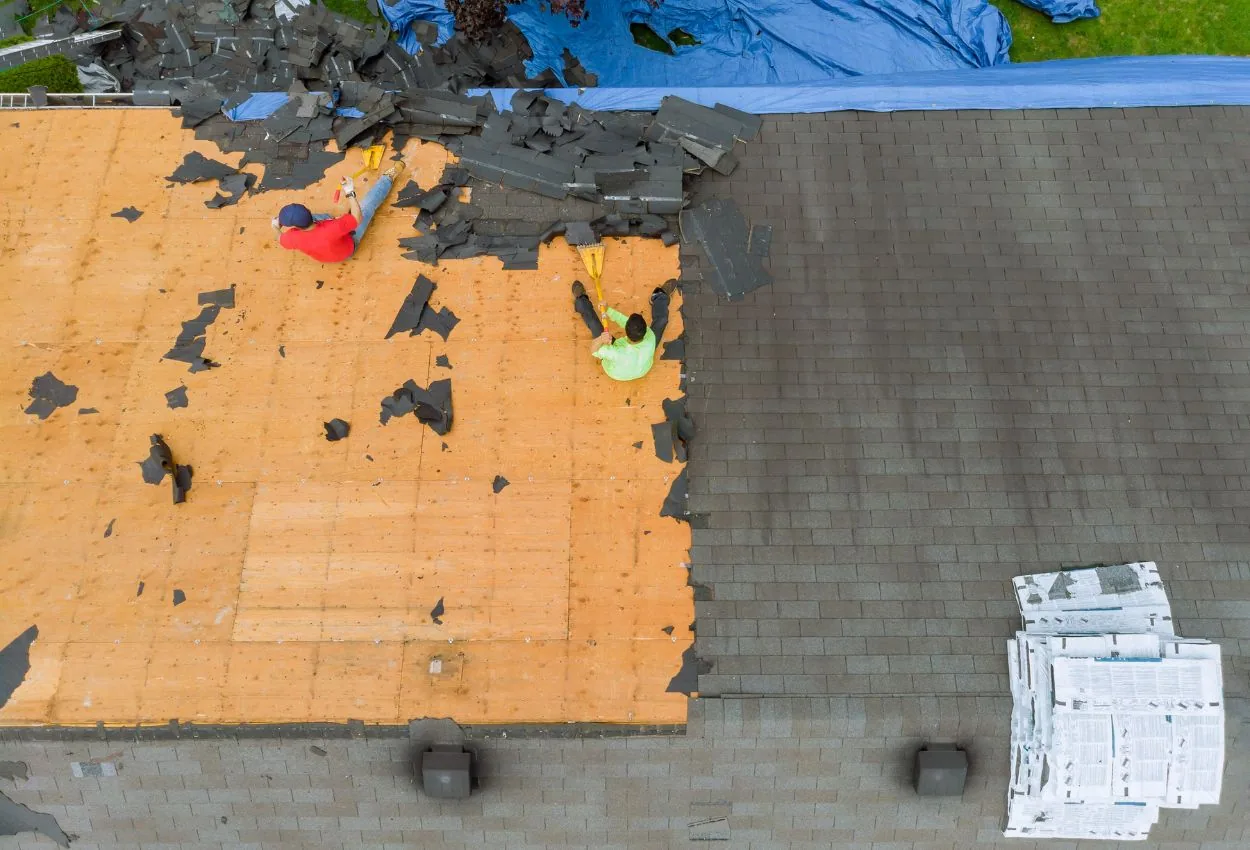
Kenosha’s record runs from a January 1985 low of minus 31 degrees to a 105-degree afternoon in July 2012, with about 36.2 inches of snow in an average year. A membrane that moves across that range develops findings every year: lifted seams, cracked sealant, ponding behind drains and edges that no longer sit tight.
Industrial roofs add heat from the building below, which can melt snow unevenly and send water to the cold parts of the roof, where it freezes again. Ice at drains and scuppers is a finding we log with a date. A record kept across several winters shows where this happens, and it points to drainage or insulation changes that stop the cycle.
Wind belongs in the winter log as well. Tornadoes crossed Kenosha County on January 7, 2008, reaching Somers and the north side of the city of Kenosha and damaging 105 homes, and that puts wind-edge condition on the regional record. We check edge metal, coping and perimeter fasteners every visit, and we photograph any metal that has shifted. A tight edge is the cheapest wind protection a roof has.
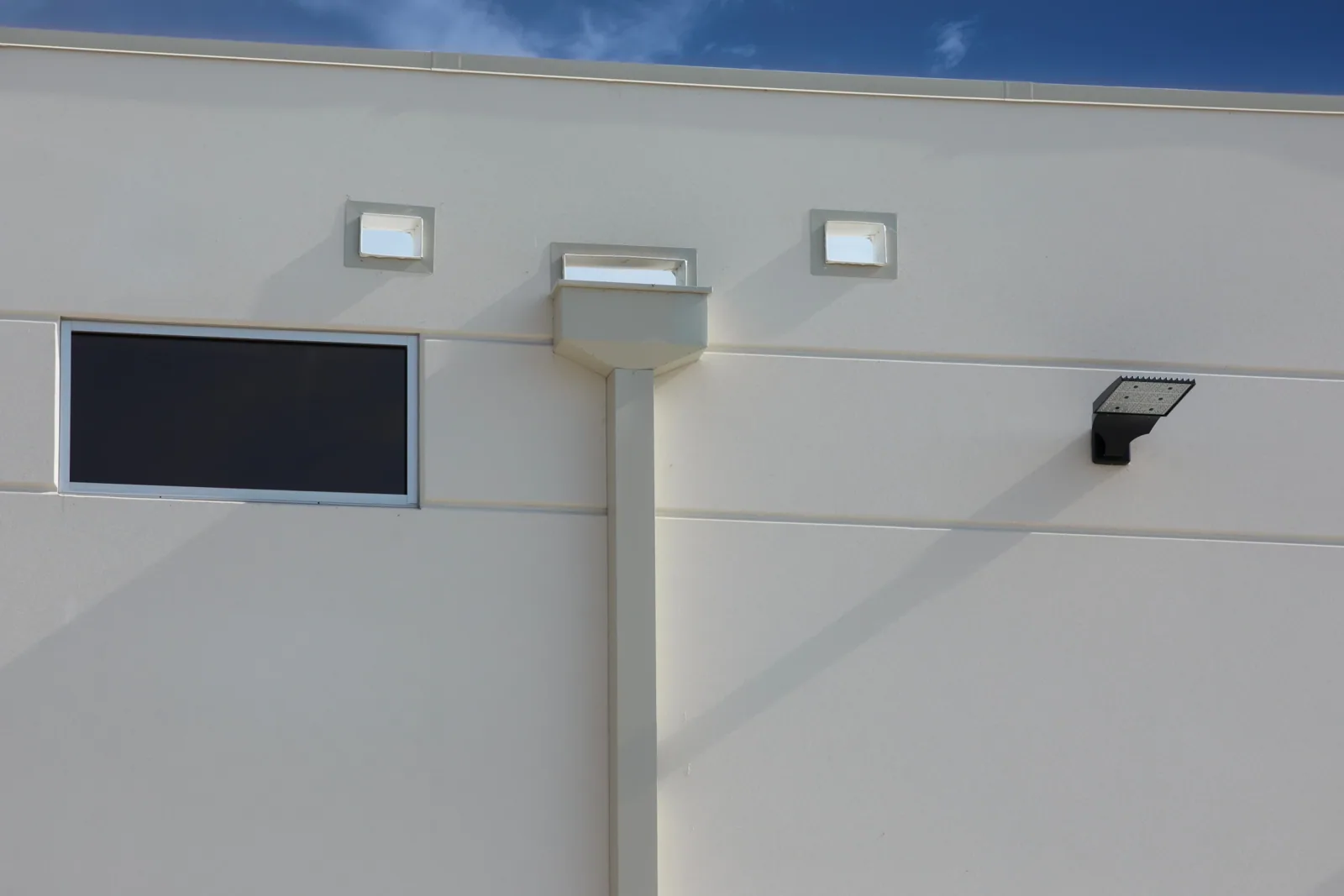
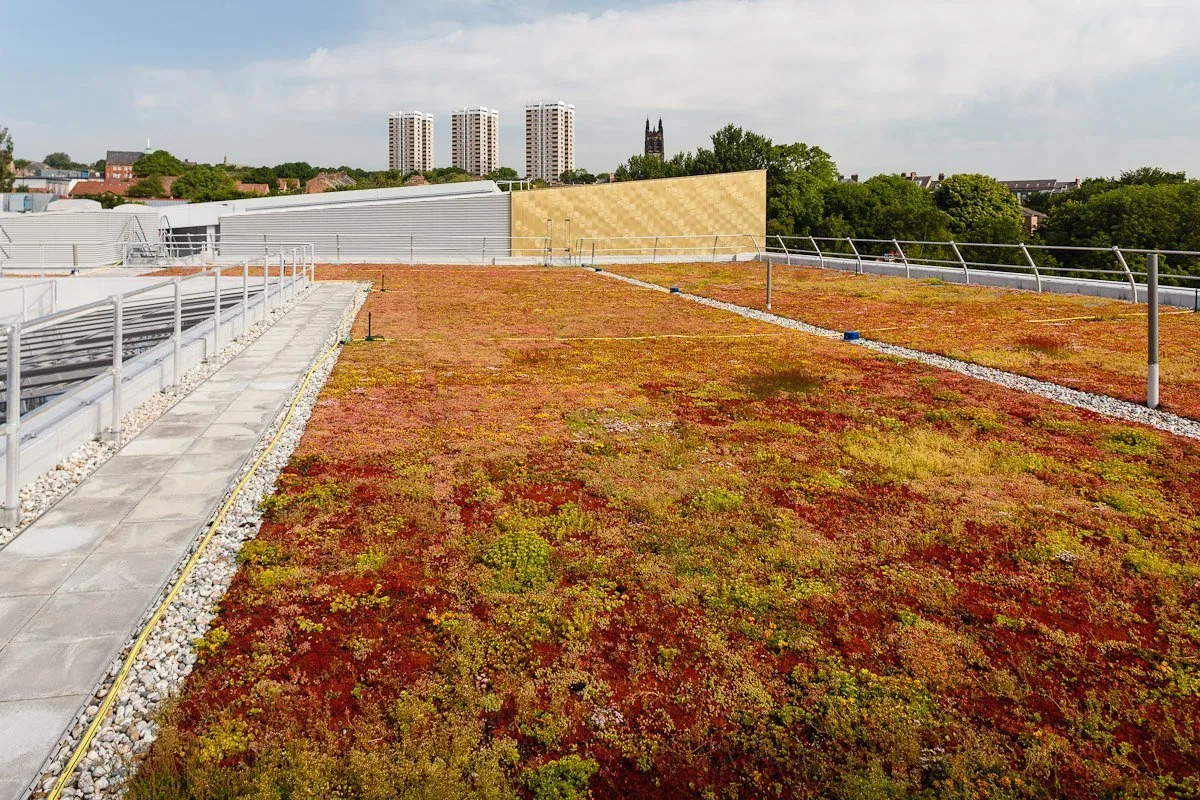
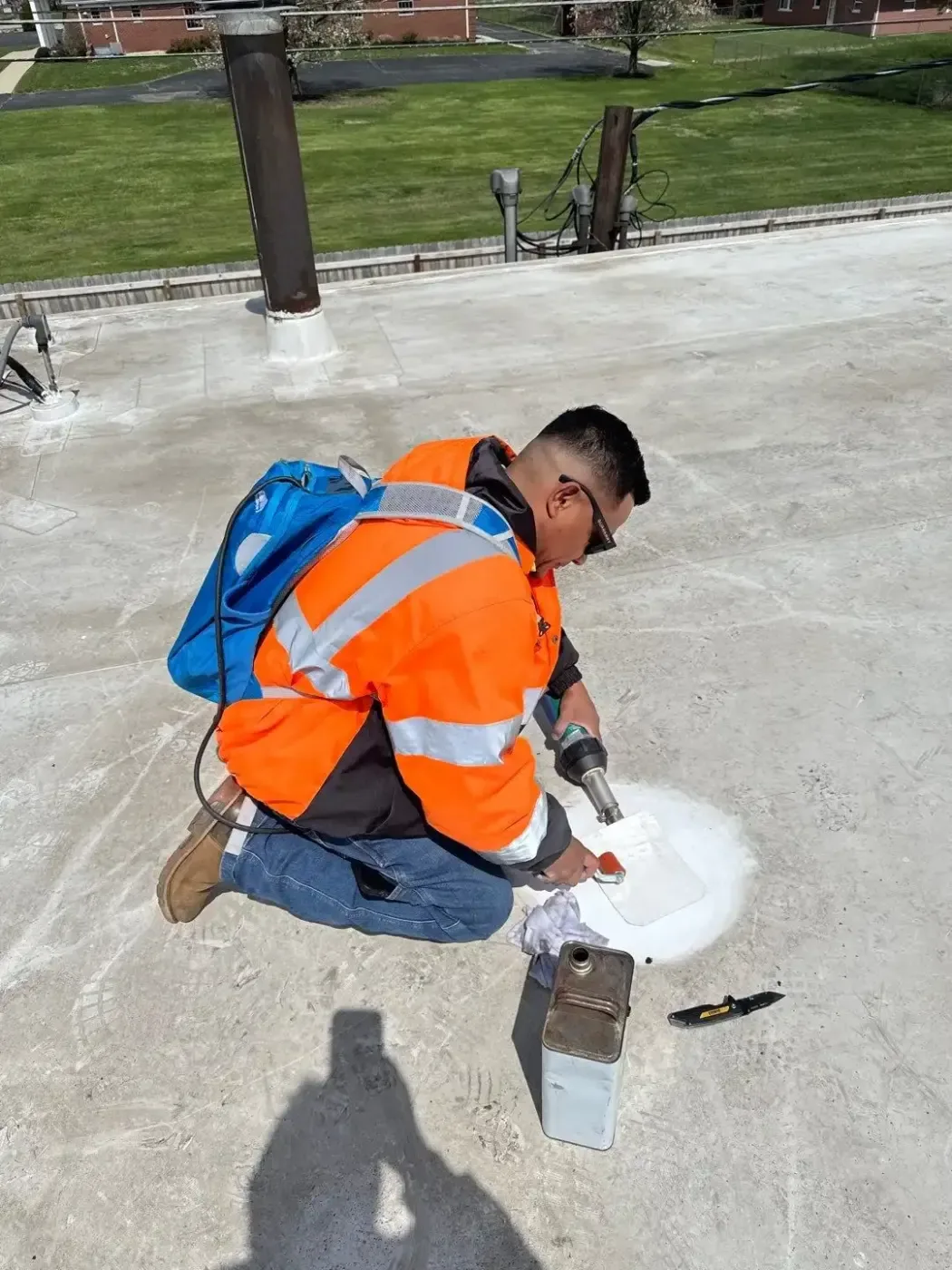
A roof with a sound membrane, dry insulation and surface wear may be a candidate for roof coating restoration. The membrane is cleaned, seams and flashings are repaired and a reflective coating goes on, which extends service life at a fraction of replacement cost. A roof with isolated failures needs commercial roof repair. A roof with wet insulation across a broad area needs replacement.
The moisture map decides which. We state the cost drivers plainly: wet insulation volume, access, equipment to be lifted or moved, deck repair, the number of penetrations and the chosen system. Systems such as TPO, PVC and modified bitumen each suit different conditions, and the scope explains why one fits the building.
Insurance and warranty paperwork follow the same photos. If a manufacturer warranty applies, we note its terms and which repairs it allows. If a claim follows a storm, the dated photo set separates new damage from old wear. Keeping those documents together saves the facility team from rebuilding the history under pressure.
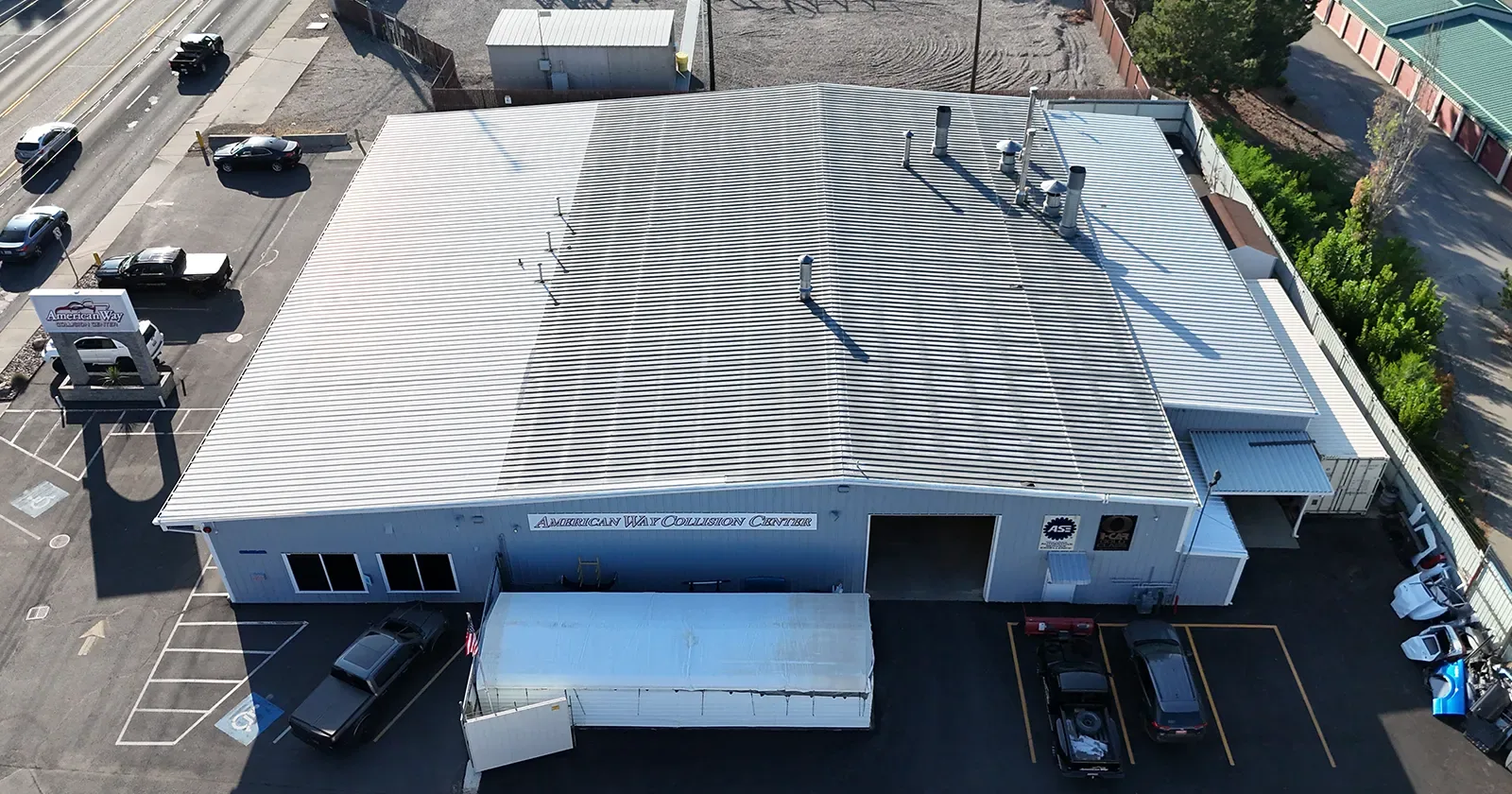
A maintenance program keeps the log current. Two visits a year clear drains, reseal small cracks, check equipment curbs and photograph the roof. Each visit adds an entry, and the series of entries shows trends the owner can budget against.
When work is finished, the close-out package includes the final photo set, repair locations on the plan, product data and warranty notes. Owners with buildings in nearby Lake Villa or Grayslake can use the same format for every site, which lets a capital plan rank roofs across a group.
Each entry also records who accompanied the walk, so a later question about access or approvals has a name beside it.
Keep Reading
Roof coating restoration in Kenosha, WI: core cuts, adhesion tests and moisture surveys decide whether a sound roof can be coated to extend its service life.
Planned membrane, flashing and seam repair for Kenosha, WI commercial roofs, with dated photos, a marked roof plan and a written repair log for every visit.
TPO roof inspection, seam repair and replacement in Kenosha, WI, with probed weld records, dated photo sets and condition ratings for capital requests.
Scheduled preventive roof maintenance in Kenosha, WI: drain checks, seam and flashing logs, dated photo sets and work orders for facility directors.
Commercial roof inspection, repair and replacement in Lake Villa, IL, with access planning for village-center buildings and a written record of every finding.
Commercial roof inspection, repair and replacement in Grayslake, IL, from institutional and retail buildings to new light-industry and office construction.
It maps wet insulation without opening the roof. Cores confirm the readings. The map separates areas that need replacement from areas that can be repaired or coated, which narrows the scope.
It can. Heat, steam, oil mist and chemical vapor affect some membranes more than others. We note where exhaust reaches the roof and choose materials that suit the exposure.
A coating suits a sound, dry roof with surface wear. It does not fix wet insulation or open seams. We repair first, test for moisture and then decide whether coating is the right step.
Each report is tied to a roof location, so patterns show up. Several complaints near one drain point to that drain. The log guides repair to the cause and records that complaints were acted on.
Send the building use, roof age if known, leak history and past repair invoices. A roof plan helps. We schedule the walk and return a written condition rating.
Each one is an opening in the roof. Dead conduit, capped pipes and unused curbs can leak. Listing them lets the owner remove or properly flash the ones that no longer serve any purpose.