
How often should an intermittently used building be checked?
Short checks at set intervals work best, with an additional walk after any major storm. The interval depends on the roof's condition rating.
Commercial roof inspection and repair in Twin Lakes, WI, with dated photo sets and scheduled checks for buildings used in bursts or left empty for stretches.
A dark ring on the ceiling of a building that sits empty for weeks at a time is a finding with a missing date. Nobody saw it start, nobody can say how fast it grew, and the roof above it has had no record of its own. In Twin Lakes, WI, a village east of U.S. Highway 12 on the Illinois border, owners of buildings that are used in bursts face that blind spot every year. A dated photo set and a scheduled walk replace the missing weeks with evidence.
The record we create is simple: what was seen, where, on which date, and what changed since the last visit.
Twin Lakes hosts the Country Thunder music festival, and event venues, seasonal shops and lodging can sit quiet between busy stretches. A commercial owner with an intermittently used building has a blind spot: a small leak in an unoccupied room can run for a month before anyone opens the door.
Water that runs unseen wets insulation, stains decking and feeds mold behind finishes. By the time the damage shows, the repair covers a much larger area than the original opening. The cheapest roof repair is the one found while it is still small, and that depends on someone looking on a schedule.
Insurers and lenders ask the same question after a loss: when did it start? A building with a log can answer with dates and pictures. A building without one leaves the answer to guesswork, and guesswork rarely helps a claim. The log is cheap, and its value shows up the one time it is needed.
Walk-through notes from a caretaker or a part-time manager can be filed beside the roof entries, so something noticed indoors lines up with the roof section above it.

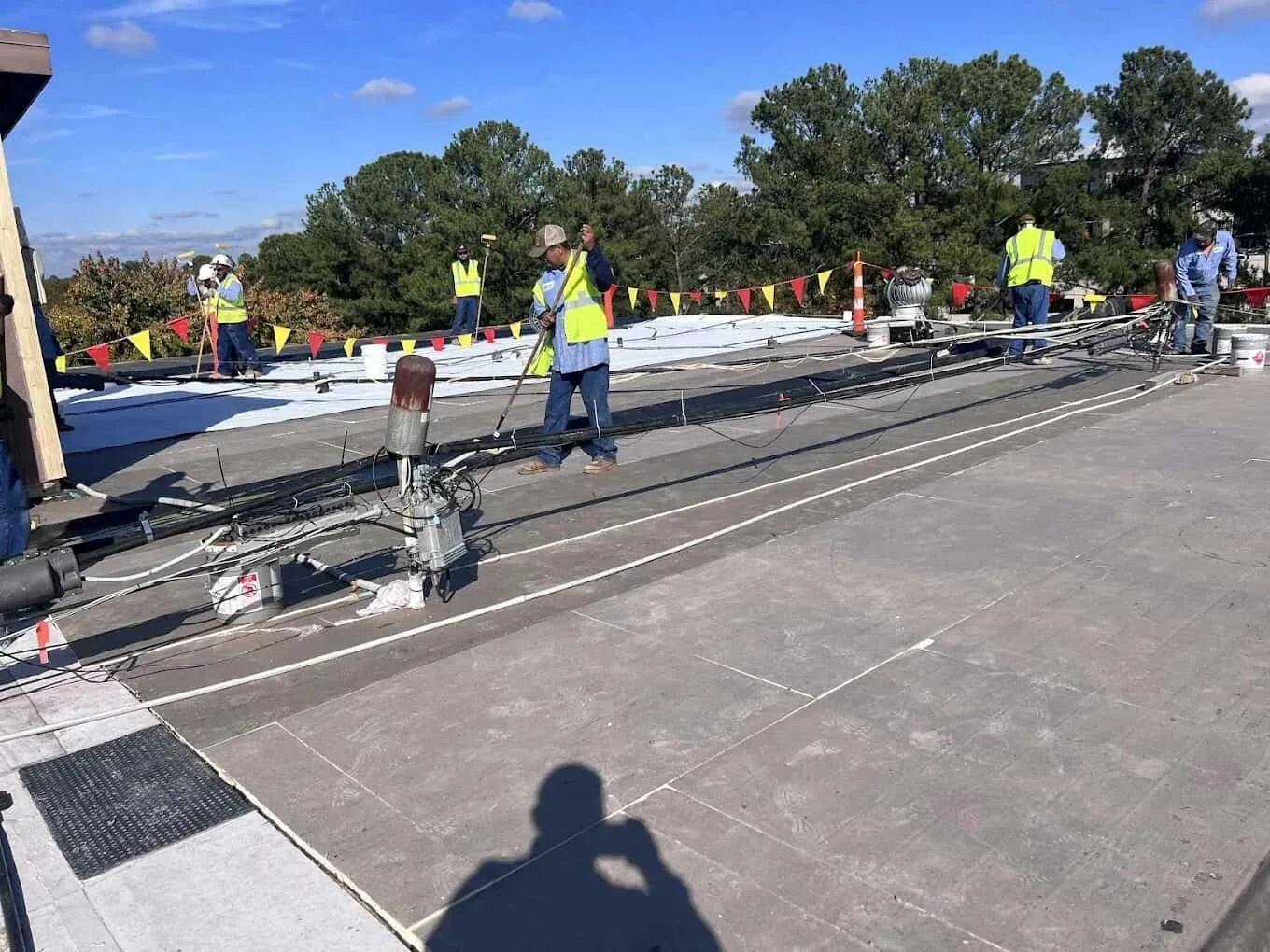
For a building that is occupied in bursts, we set a calendar of short visits instead of a single annual walk. Each visit follows the same list, so the entries compare cleanly:
A visit like this takes little time. Its value is in the pattern. Three entries showing the same stain growing a little each time make a stronger case for work than one dramatic photograph.
We also record who holds the key. An unattended building often has a keyholder who lives elsewhere, and a leak found on a holiday weekend is hard to reach without a name and a number. The file lists the contact, the roof access method and the shutoff locations for any equipment on the roof.
Twin Lakes includes nearly 1,000 acres of surface water, which adds humidity to the air. Humidity shows up in a roof assembly in two ways. One is condensation on the underside of metal panels or decking, which looks like a leak and is not. The other is dampness in insulation that has been wetted slowly over a long period.
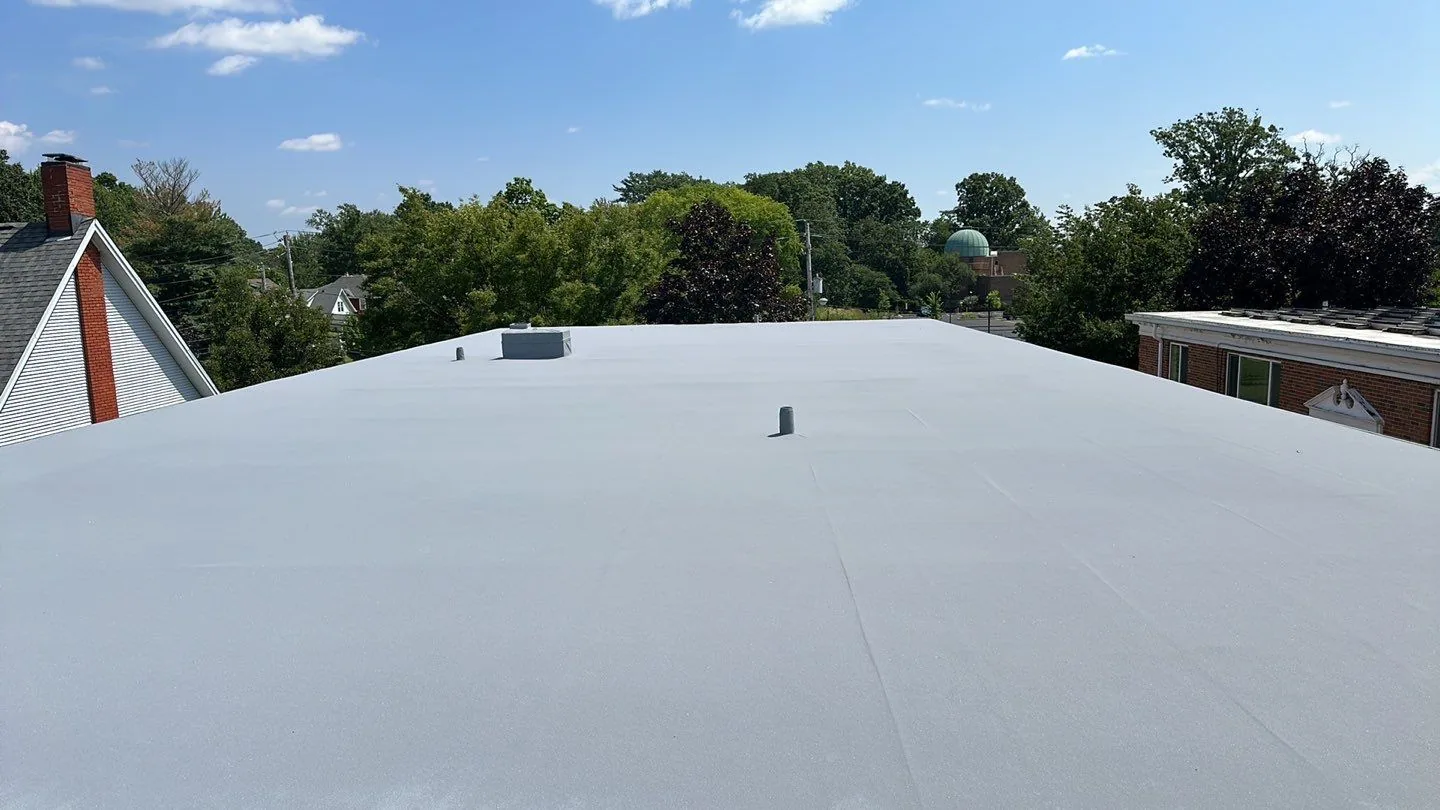
A moisture survey and, when needed, a core cut tell the two apart. A condensation problem is solved with ventilation or vapor control, not a new membrane. A true leak is traced to a flashing, seam or penetration. Calling one by the other's name wastes money, so the rating states which it is and shows the reading that supports the call.
The cost difference is large. Venting a metal roof or adding a vapor retarder costs a fraction of replacing a membrane that was never failing. We write the finding in plain terms: reading, location, probable cause and the lowest-cost fix that addresses it. The facility director then sees why a replacement was not recommended.
The village hosts the Country Thunder music festival, and large events change how a place works. Traffic, parking and neighboring access all tighten. Roof work planned near an event week competes for the same roads, and a crane or lift that blocks a lane at the wrong moment creates a problem for everyone.
We ask owners for the dates of any event that affects their property, and we place inspections and repairs outside those windows. The work order lists entry routes, staging areas and tenant or guest constraints. If an emergency repair is needed during an event, we plan the approach in advance so that the opening is made watertight with minimal disruption.
Crowds also change the roof's use. Staging materials near public areas means fencing, signs and a spotter for deliveries, and we include those items in the scope so they are priced from the start rather than added as extras.
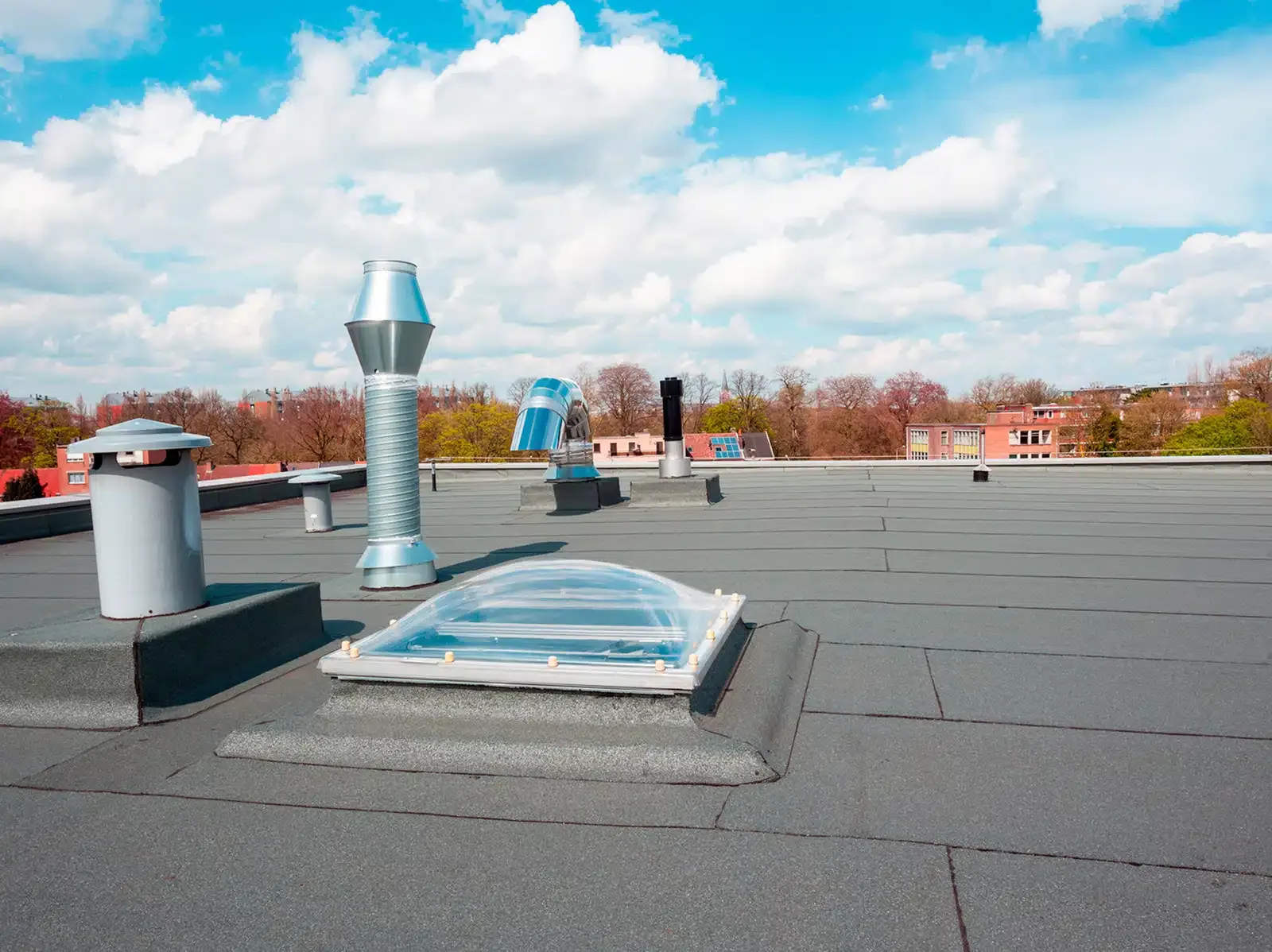
Kenosha's record sets the winter frame: snowfall near 36 inches in an average year, and the January 1985 reading of minus 31 degrees. Snow that collects on an unwatched roof melts and refreezes at drains and edges, and the ice can back water under the membrane. The snow and ice roof damage repair work begins with a drain check and a dated photograph of every outlet.
In early spring we walk the roof again and compare. Cracks at laps, lifted seams and new gaps in sealant go into the log with section numbers. Where a finding repeats, it moves up the list for repair.
Spring is also when the baseline gets updated. A rating given in autumn may shift by April, and the new entry shows how much. If the change is small, the roof stays on the maintenance list. If it is large, the scope moves up for the next budget cycle.
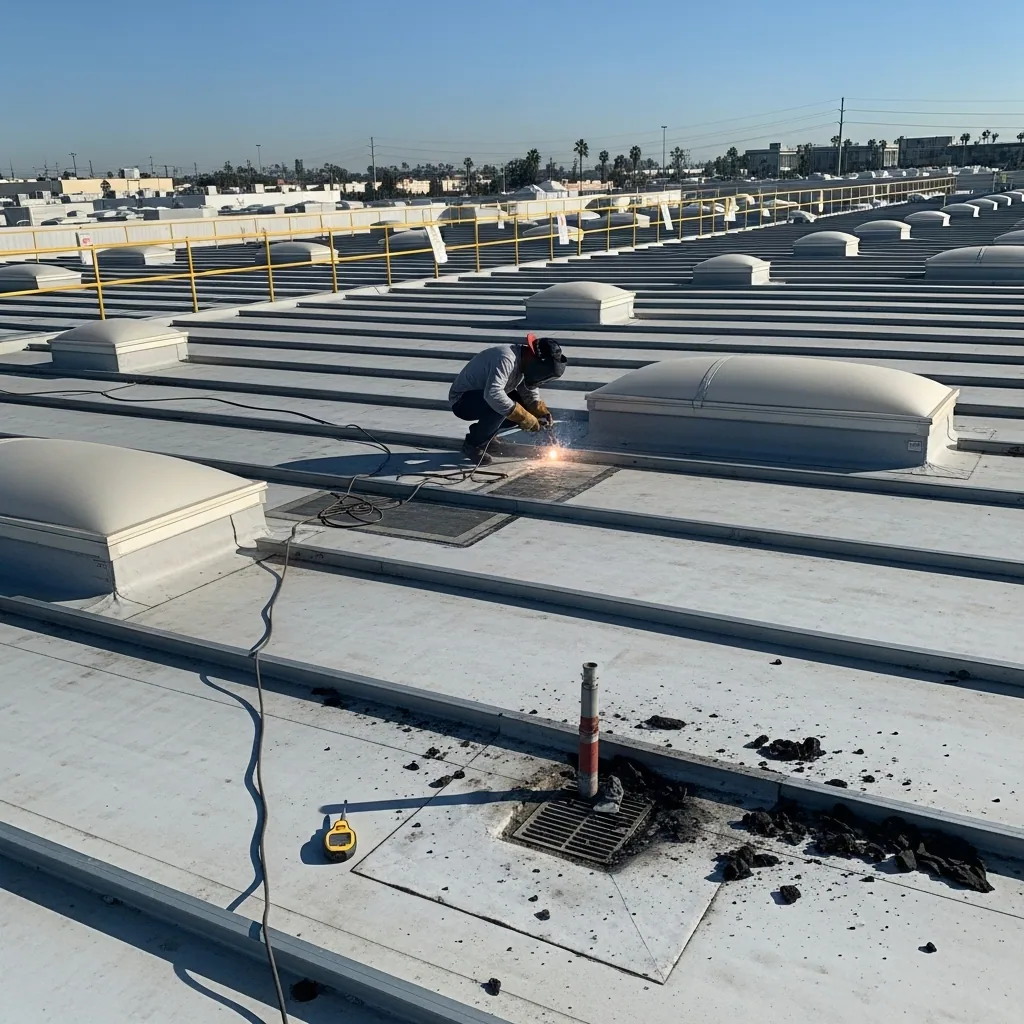
Twin Lakes sits on the Illinois border, and owners may hold buildings on both sides of it. We keep a single inspection format so that every site reads the same way, and we confirm the governing code and permit office for each building at the start of a job. The record can then feed a broader roof asset management file or a preventive roof maintenance schedule. Owners with nearby sites in Salem Lakes and Kenosha receive the same close-out package: final photo set, marked roof plan and materials list.
The package is useful beyond roofing. A buyer, a lender or an insurer who asks about the roof can be given the file in a few minutes, and the questions that follow are about specific entries instead of general doubts. The commercial roof inspection is the starting point for that file.
Keep Reading
Roof drain, scupper, cricket and ponding correction in Kenosha, WI: drain checks, ponding records and slope fixes logged for facility directors.
Snow load and ice dam roof damage repair in Kenosha, WI: drifts, frozen drains and ice damage logged with dated photos, plan marks and ratings for each roof.
Roof asset management for Kenosha, WI portfolios: numbered roof sections, dated photo sets, condition ratings and an inspection log for capital decisions.
Scheduled preventive roof maintenance in Kenosha, WI: drain checks, seam and flashing logs, dated photo sets and work orders for facility directors.
Commercial roofing in Salem Lakes, WI for school, community and commercial buildings, with dated findings, moisture surveys and rated condition reports.
Commercial roof inspection, repair and replacement in Kenosha, WI for distribution buildings, hospitals and downtown properties, with a dated condition record.
Short checks at set intervals work best, with an additional walk after any major storm. The interval depends on the roof's condition rating.
It can. A moisture survey or a core cut separates condensation from water entry, and the rating states which one was found.
We do. Owners tell us the dates, and the work order keeps staging and lifts clear of those windows.
The date, the section, a photograph, the finding and the person who walked the roof.
At any hour, including holidays. A crew can reach an unattended building, seal the opening and photograph it, then schedule the permanent repair.