
What gets checked on a school roof walk?
Drains, seams, each roof section by itself, equipment and openings, with moisture readings where needed and a dated photo set.
Commercial roofing in Salem Lakes, WI for school, community and commercial buildings, with dated findings, moisture surveys and rated condition reports.
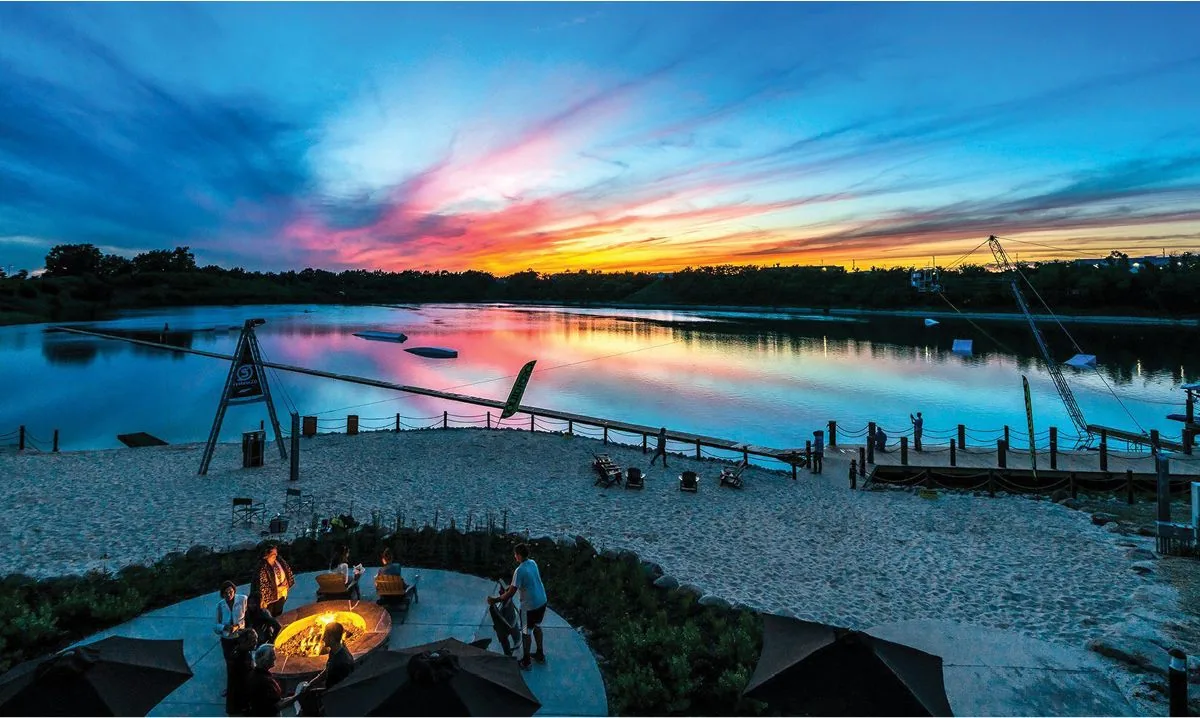
Leaves jammed into a drain basket at a parapet corner make an easy photograph for the file, and in Salem Lakes, WI that basket deserves a look every autumn. With a date, a spot on the plan and a score beside the picture, the file shows when the drain was last cleared and how quickly it ran.
Salem Lakes became a village on February 14, 2017, through a merger of the town of Salem and the village of Silver Lake. The Wilmot area now part of Salem Lakes is home to Wilmot Mountain, Wilmot Union High School and the Kenosha County Fairgrounds. Commercial, school and community buildings in a village that size need roofs that are well documented, because maintenance is easy to defer when nothing is leaking yet.
Our work starts with the drains and edges and ends with a written record.
A first visit is also a chance to learn who holds the keys, which hatch is the safe route and when the building is quiet.
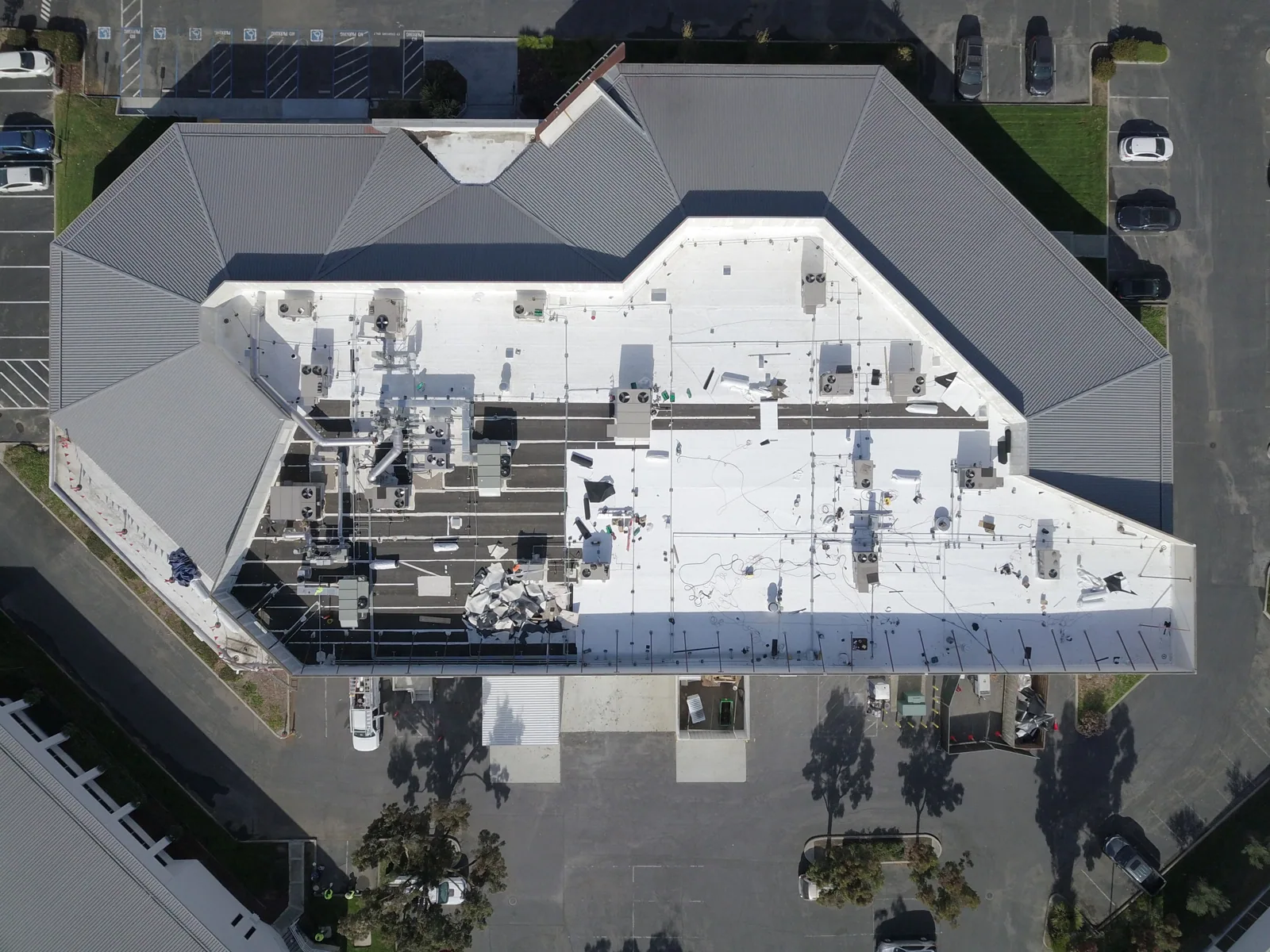
Wilmot Union High School lies in the Wilmot area of the village, and school roofs follow the calendar. A school roof gets heavy work in summer and repairs in agreed windows during breaks, and the principal and facilities office hear about it first. A written plan fixes the hatch, the route up and the working hours before anyone climbs.
Schools can have several roof sections added over time. Each section is scored by itself, so the budget request can start with the weakest area and skip the ones that are fine. The joint between an older and a newer section is probed, because that is a common leak path.
Records matter where responsibility is shared. With dated photos and a scored list in hand, a facilities director can walk a school board through a roof decision.
A core cut shows the real assembly of a school roof before any recommendation is made.
Summer is the working window for large scopes. We build the schedule backward from the first day of school: material lead times, tear-off limits, dry-in each day and a closeout walk with the facilities lead before students return.
For repairs during the school year, we plan around bell schedules, bus lines and drop-off areas, and we stage materials away from entrances. Noisy steps are placed in agreed windows.
Gym and cafeteria roofs are scored on their own lines.
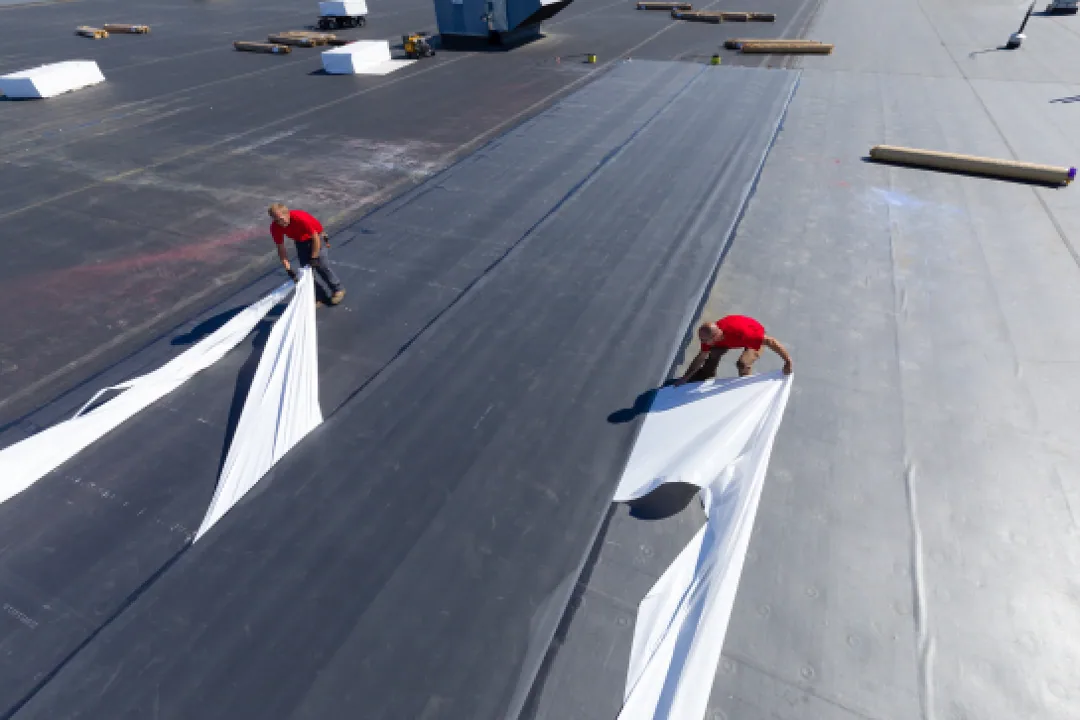
The Kenosha County Fairgrounds are in the Wilmot area, and buildings that host events have a roof need in common: large open spans, few interior supports and a lot of people below. On a first walk we confirm the assembly, check the fasteners and seams, and rate the drainage.
Event buildings are used in bursts, which means roofs can sit unobserved between uses. A leak that starts in the off-season may be found only when the building fills, so a scheduled walk before the busy period is worth more than a repair after it.
A large-span building roof often has long runs of seam and edge, and wind loads are highest at the perimeter. Edge metal, coping and cap sheet terminations are checked and logged first.
Water entering at a long seam can travel a long way before it shows, so moisture mapping helps find the entry point.
Fire and life safety rules apply to event buildings too. Penetrations through rated assemblies are checked on the walk, and any that have been cut and not sealed properly are rated for repair.
Gutters, downspouts and scuppers on large buildings carry a lot of water in a short time, and a blocked outlet loads the roof quickly. Each is cleared, timed and logged, and the log notes which ones need a larger fix.
Moisture mapping before a busy season gives the manager a chance to schedule repairs in the quiet weeks, rather than learning about a leak from a crowd.
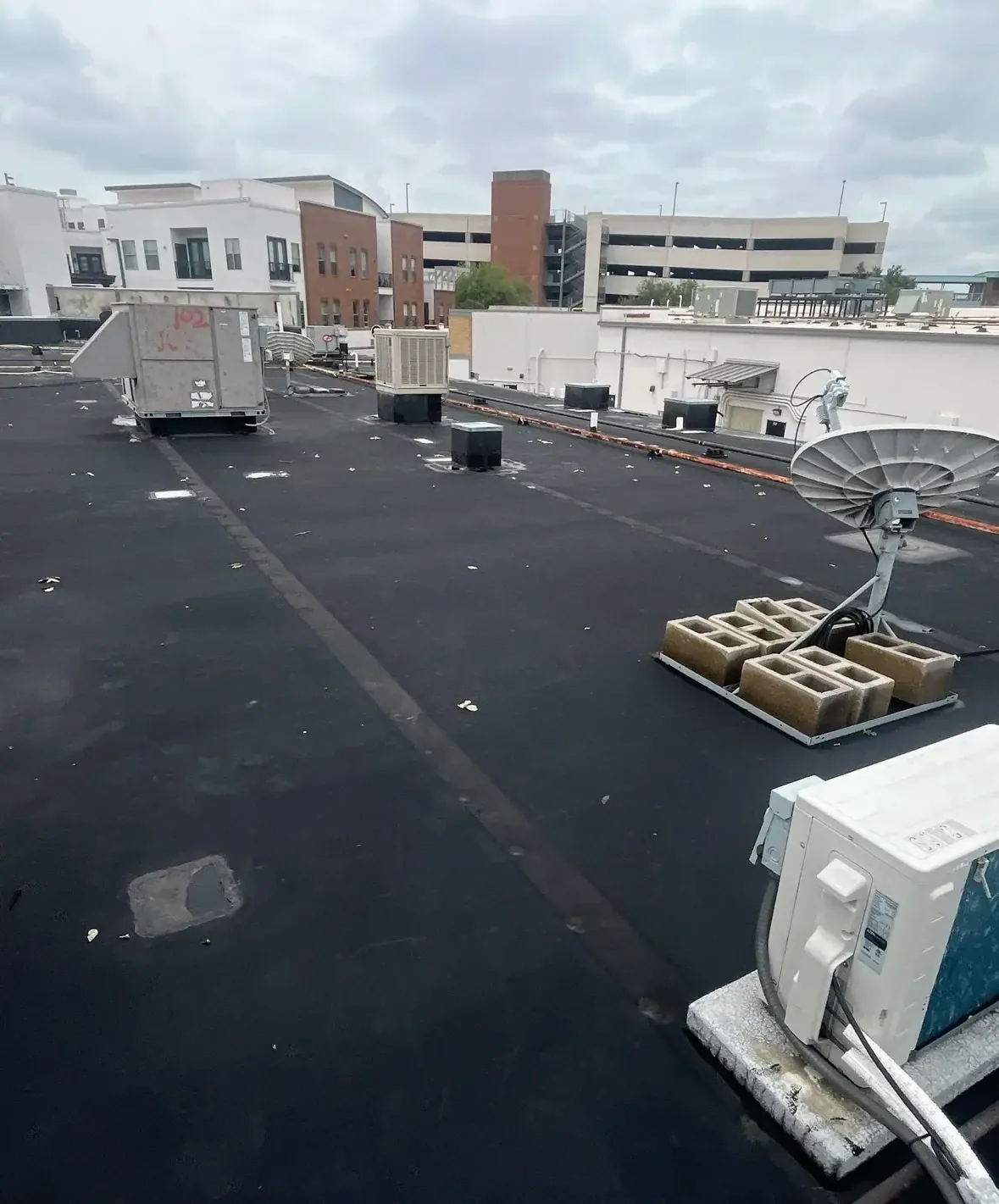
Commercial roofs in the village carry rooftop units, vents and signage supports. Each is a penetration, and each gets a plan location, a photograph and a flashing rating. When a tenant swaps a unit, the curb is checked before the new unit is set, which is much cheaper than fixing it afterward.
Roofs with walk paths worn into the surface get walk pads. The log notes where traffic has worn the membrane and where pads are in place.
Drains are flushed and timed in spring and fall. A slow drain becomes a work order, and a drain that is missing its strainer is rated for repair.
For multi-tenant roofs, the plan maps units to roof areas, so a leak call can be traced quickly.
Records stay with the building, not the tenant. When a business leaves, the file shows what was added to the roof and what condition it was in, so the next tenant starts clean.
Decisions between repair, coating and replacement rest on the evidence in the file. A roof coating restoration makes sense over dry insulation and sound seams. Wet insulation across a large area points to replacement.
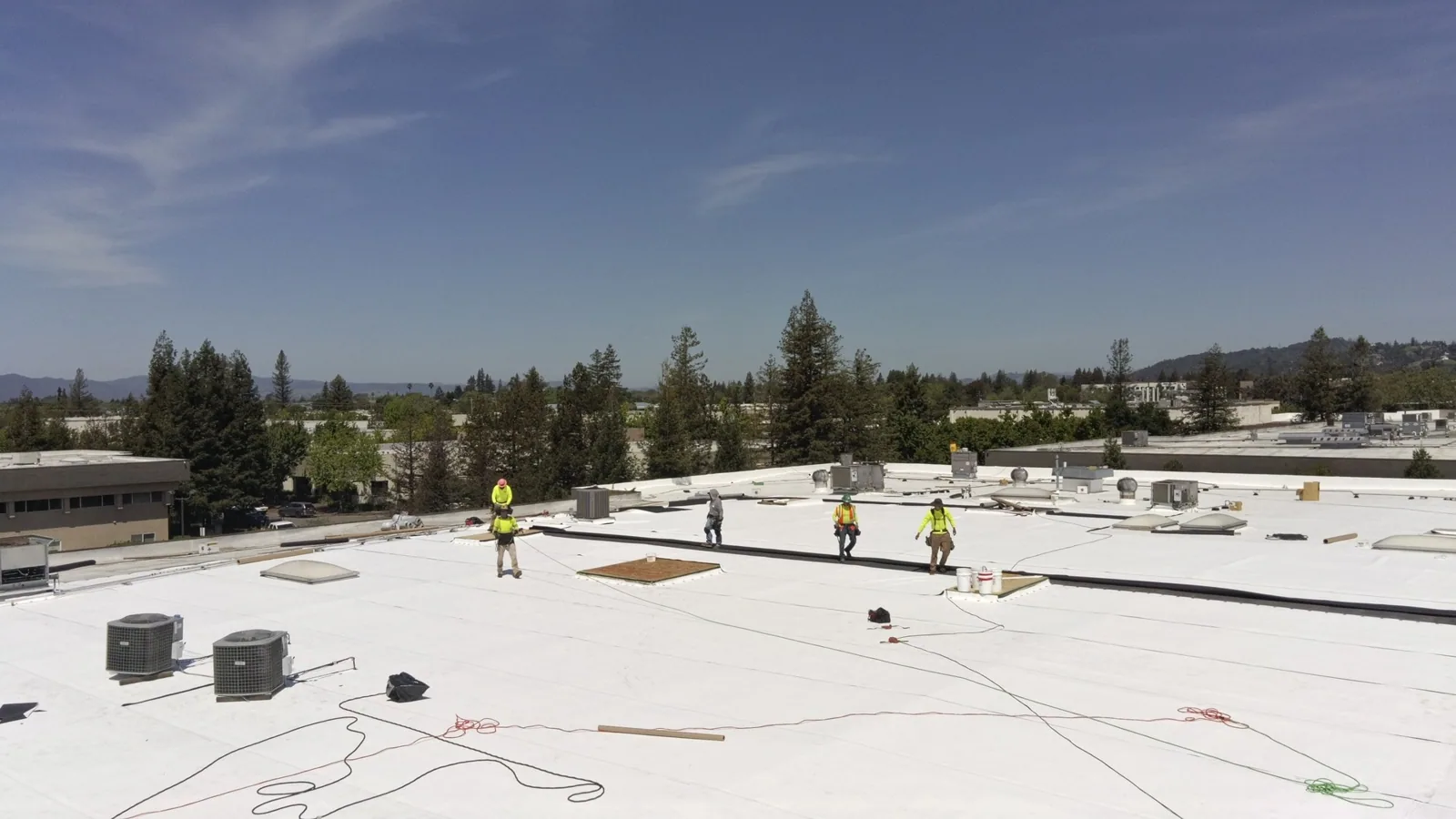
Kenosha records about 36.2 inches of yearly snow and swings from minus 31 to 105 degrees. A roof in Salem Lakes sees a Midwestern range of that kind. Spring brings a walk for lifted laps, cracked sealant and ice damage, and fall brings a check of drains and edges.
Snow collects in drifts behind equipment and along parapets. When a deck dips after a hard winter, an infrared moisture survey and a core cut tell us whether the insulation is wet.
Small details take the worst of repeated freezing, so every curb and pipe boot gets a sealant score.
Gutters and scuppers are the other spring stop. A block of ice can open a seam or flatten a basket; each casualty is photographed and put on the repair list.
Drains and scuppers get a pass in both seasons, and any that run slowly become work orders. The log records when each was cleared and how fast water left.
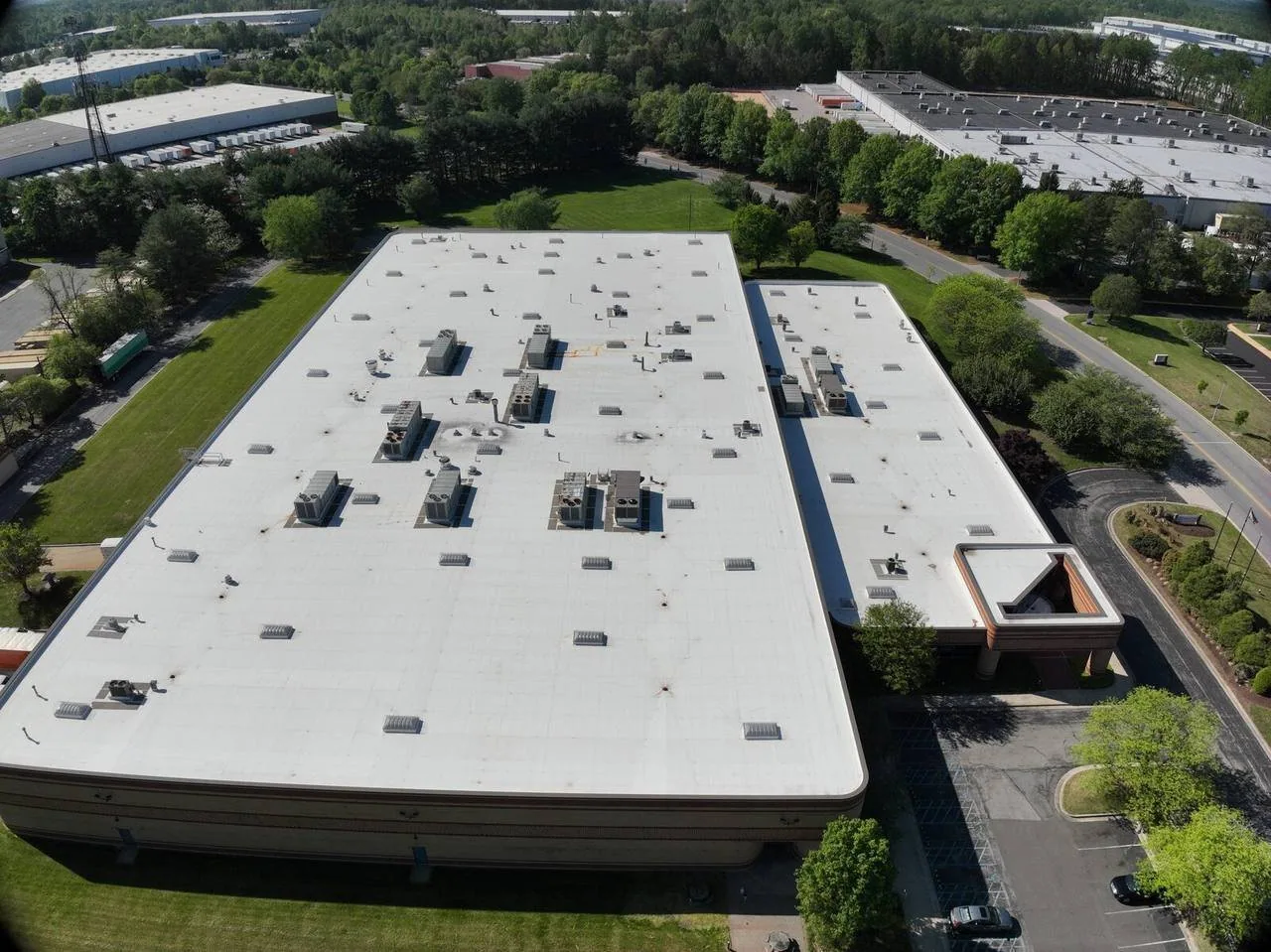
What we leave behind is a scored list, a marked drawing and dated photographs. Repeat a commercial roof inspection yearly and the file shows what holds steady and what is changing. Owners with buildings in Kenosha, Somers or Sturtevant receive the same format, so a manager can compare roofs across the area.
The same folder holds warranty notes, a calendar of required checks and a method note for every repair.
Each building, whether a school wing or an event hall, gets its own page in the file, with the access contact and the usual working hours at the top, so a new facilities lead can find out who holds the key without a phone call.
Keep Reading
School roofing in Kenosha, WI: dated inspection files, snow and freeze-thaw findings, and summer reroof plans a district can attach to a capital request.
Flex and light-industrial roofing in Kenosha, WI: suite-by-suite findings, step-wall and dock records, winter damage logs and tenant-ready repair schedules.
Roof coating restoration in Kenosha, WI: core cuts, adhesion tests and moisture surveys decide whether a sound roof can be coated to extend its service life.
Infrared scans and core-cut verification for Kenosha, WI commercial roofs, producing a numbered moisture map that separates wet insulation from dry.
Hands-on commercial roof inspections in Kenosha, WI with dated photos, a marked roof plan and a written condition rating you can attach to a capital request.
Commercial roof inspection, repair and replacement in Kenosha, WI for distribution buildings, hospitals and downtown properties, with a dated condition record.
Drains, seams, each roof section by itself, equipment and openings, with moisture readings where needed and a dated photo set.
Small repairs can, in agreed windows. Large projects wait for summer.
Yes, any hour, holidays included. A temporary seal comes first.
Yes. Each section has its own score for condition and consequence, so the oldest or weakest one is funded first.
The roof drawing, the dates of additions and any history of leaks.