Metal Roof Retrofit in Kenosha, WI

Metal roof retrofit and restoration in Kenosha, WI, starting with fastener counts, moisture surveys and dated condition reports for capital requests.

Metal Roof Retrofit in Kenosha, WI

Metal Roof Retrofit

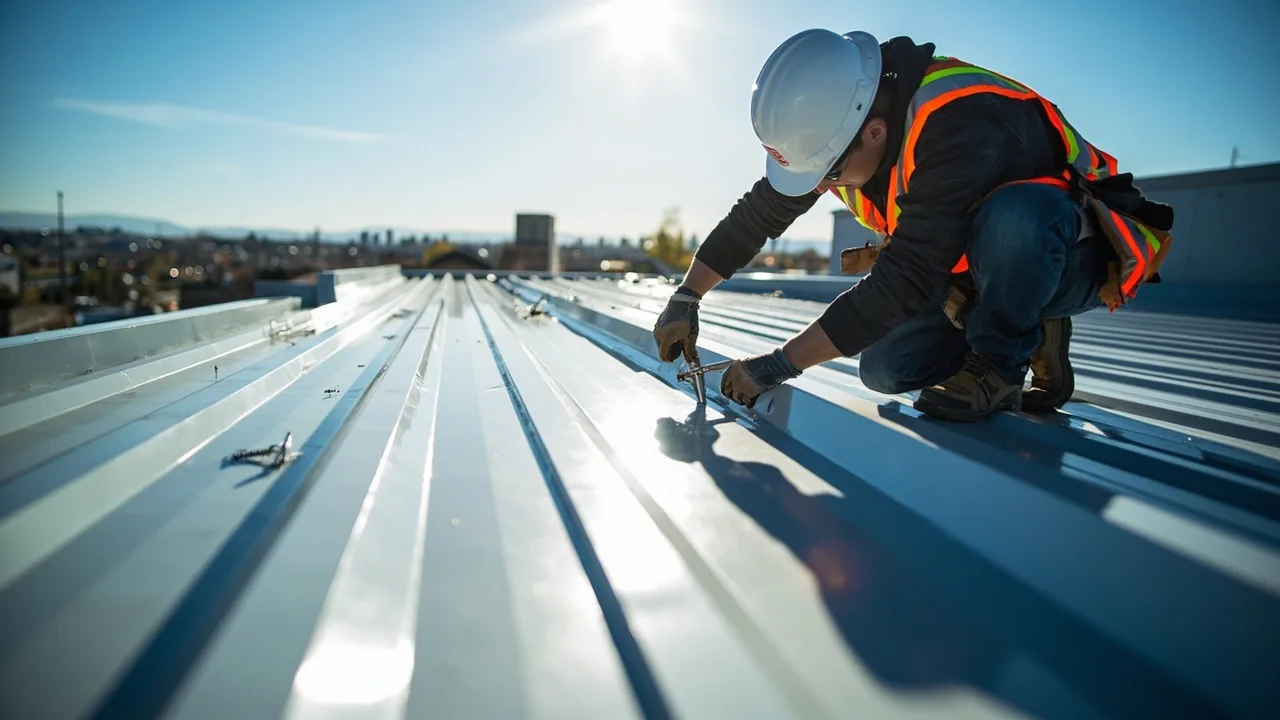
A row of exposed fasteners with washers that have cracked and screws that stand proud of the panel is a finding we photograph in close-up and count by row. It tells a facility director that the roof is leaking at its attachment points, not at its seams, and it sets the scope for a retrofit. In Kenosha, WI those fasteners are loaded by snow that totals about 36.2 inches in a typical year and by a recorded span from minus 31 in January 1985 to 105 in July 2012.

Metal panels flex with that swing, and every flex works a screw a little looser in its hole.

Metal Roof Retrofit

How Exposed-Fastener Roofs Age

An exposed-fastener metal roof is held down by screws driven through the panel face, each sealed with a rubber washer. The washers dry out and crack in sun and cold, the holes elongate as the metal moves, and the screws back out. Each loose screw is a small opening, and a roof can have thousands.

We count failed fasteners by area and record panel condition, laps, trim and rust. The count turns a vague complaint into a measured scope. A roof with scattered failures may be restored by replacing screws and sealing laps, while one with failure across most rows calls for a retrofit.

Laps and trim get the same count. A panel lap that has opened, a ridge cap with missing fasteners and a gutter that has pulled from the eave each get a number on the plan. The tally of defects by type shows the owner where money has been going and whether the spending should continue.
Metal Roof Retrofit

Retrofit Over the Existing Panels

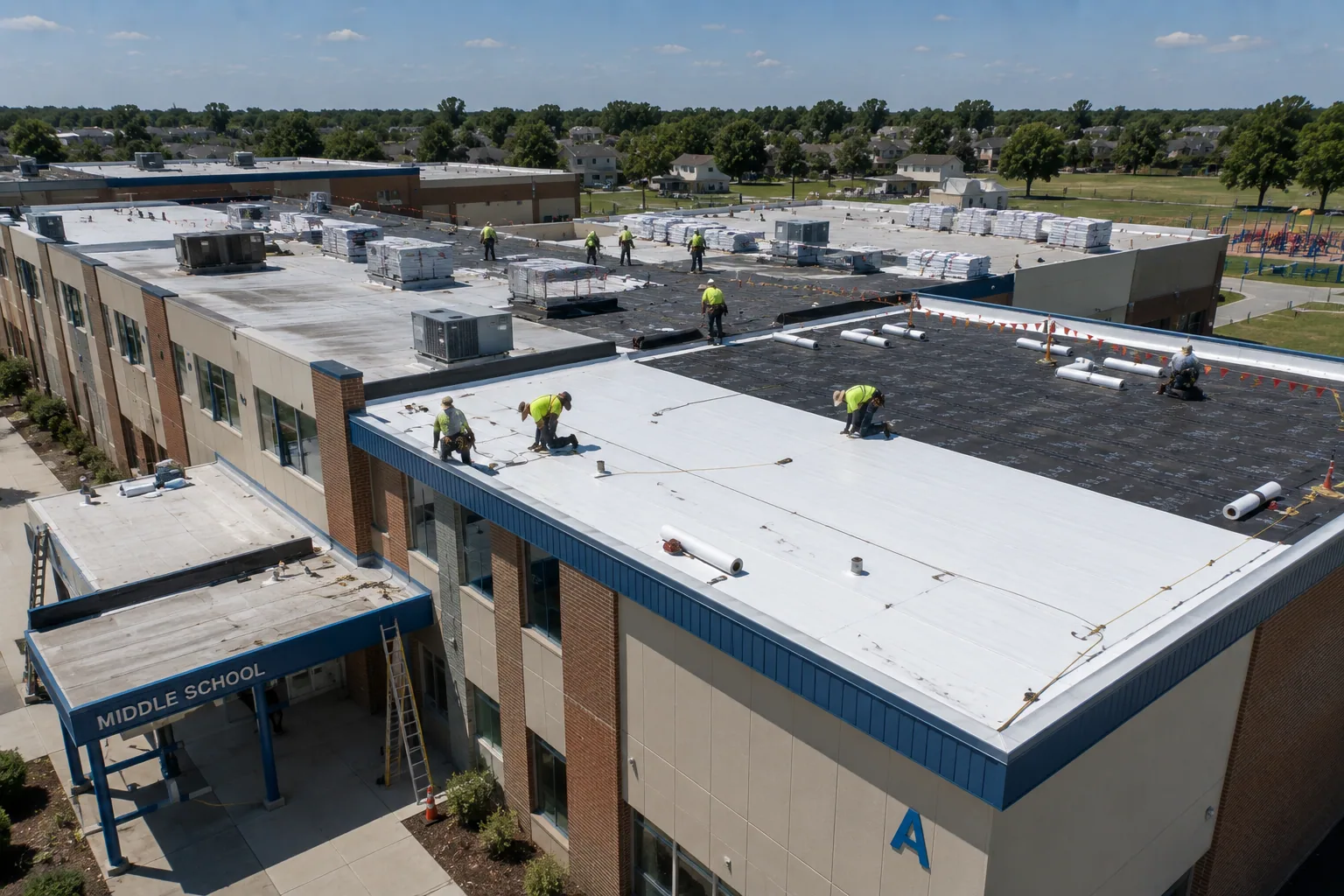
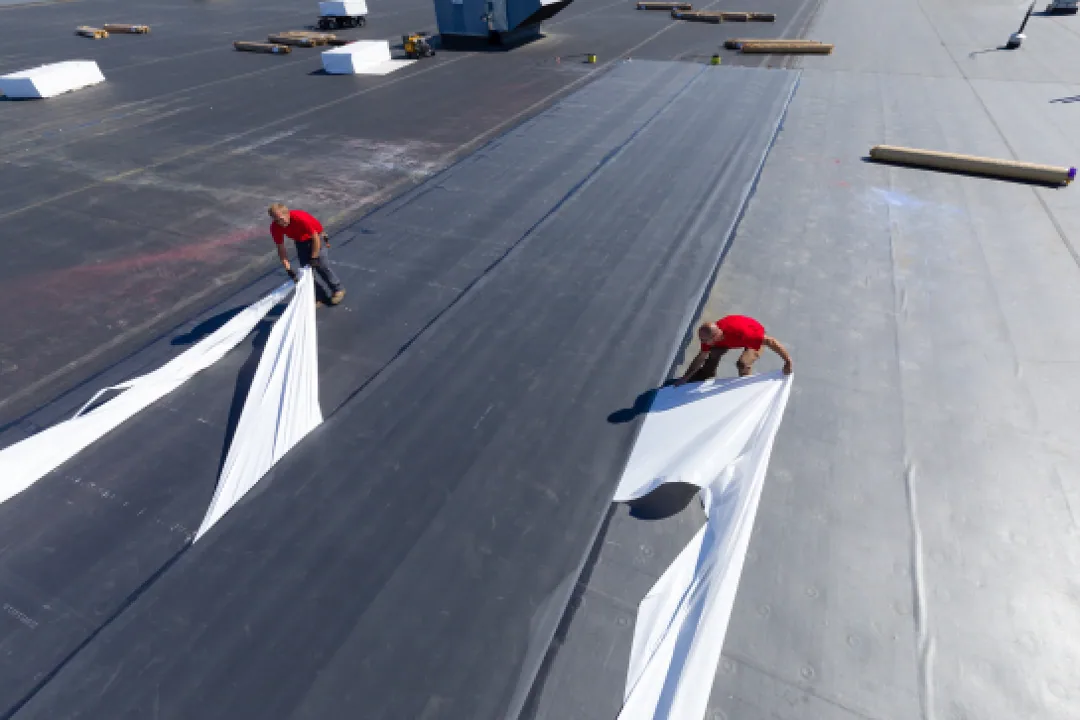
A metal retrofit installs a new roof over the old one, usually on framing or sub-purlins that span the old ribs, with new panels or a membrane above. It avoids tear-off, keeps the building enclosed during the work and adds an insulation layer if the design includes one.

The existing roof must be able to carry the added load, and the structure must be checked. We record the panel gauge, the purlin spacing and the condition of the supports at the first visit. Those facts go into the baseline report, and an engineer's review follows when the scope calls for it.

Fire and code requirements also shape a retrofit. Wisconsin's commercial building rules sit in chapters SPS 361 through 366 of the state administrative code, and the Department of Safety and Professional Services has developed inserts for the 2021 editions of the International Building Code and International Existing Building Code. We confirm the applicable requirements with the building official before a design is final, and the scope version records what was confirmed.

Metal Roof Retrofit

Restoration Without Retrofit

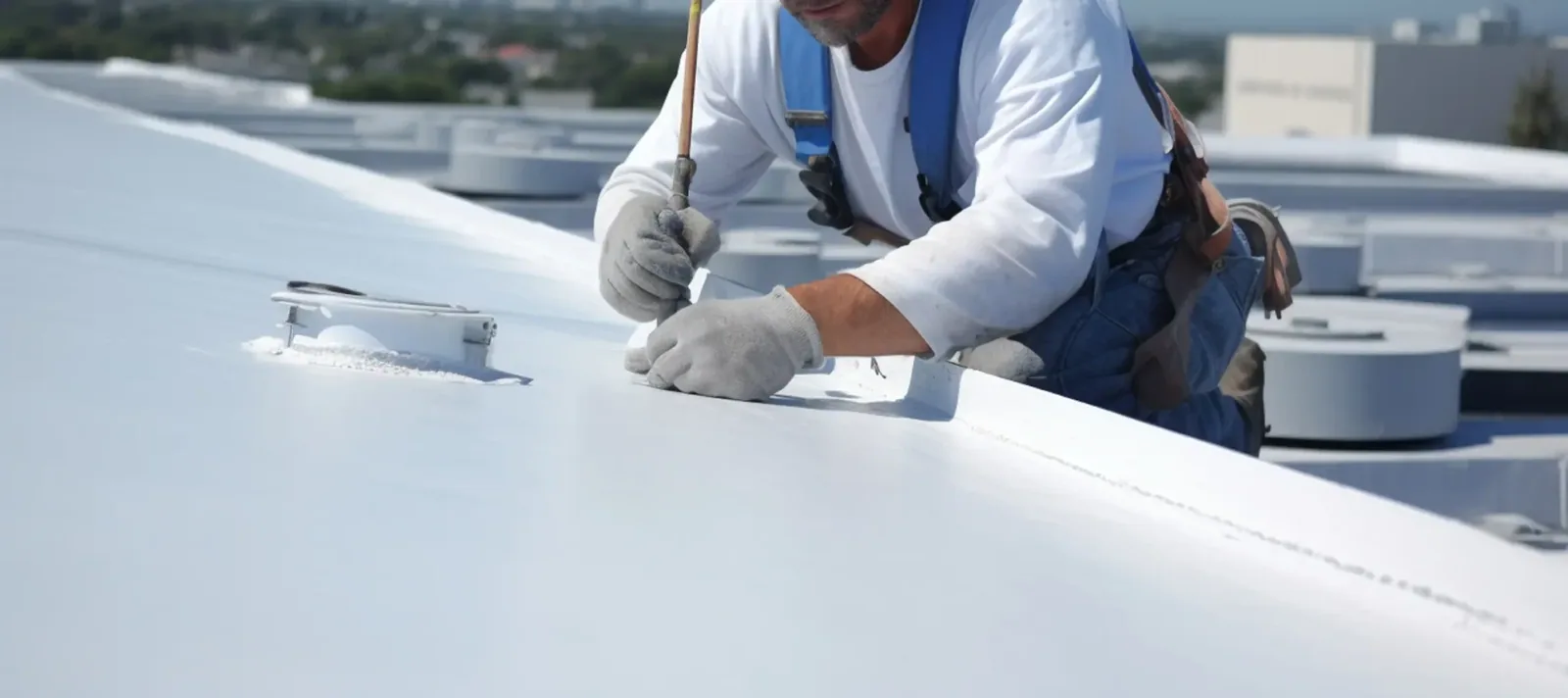
Not every metal roof needs a retrofit. If the panels are sound, a restoration can replace fasteners, reseal laps and flashings and apply a coating. It costs less and extends the roof's life by a defined interval. It fails if the underlying panels are rusted through or the deck is wet.

We test a few areas for rust and adhesion before recommending restoration. A silicone or acrylic coating can follow when the surface accepts it. The log records which areas were tested and what the tests showed.

Restoration also depends on cleaning. Chalking, dirt, mildew and loose rust all have to come off before any coating bonds, and the cleaning method must not damage the substrate. We record the method and the weather on the day, because adhesion tests taken in poor conditions can mislead.

Metal Roof Retrofit

Condensation, Insulation and Moisture

Metal roofs sweat. Warm interior air meets a cold panel underside in winter, and the moisture drips back into the building or into insulation. Owners sometimes mistake condensation for a leak, and the reverse also happens. We record interior conditions, insulation type and any staining pattern.

An infrared moisture survey helps where insulation lies between the panel and the deck, and a core cut confirms what we find. The result tells the owner whether the problem is water entering from above or moisture forming within, and each calls for a different repair. Where a roof sweats, the fix may be insulation, vapor control or ventilation, not new sheet metal, and a repair aimed at the wrong cause wastes the budget.

Metal Roof Retrofit

Warehouse and Industrial Buildings

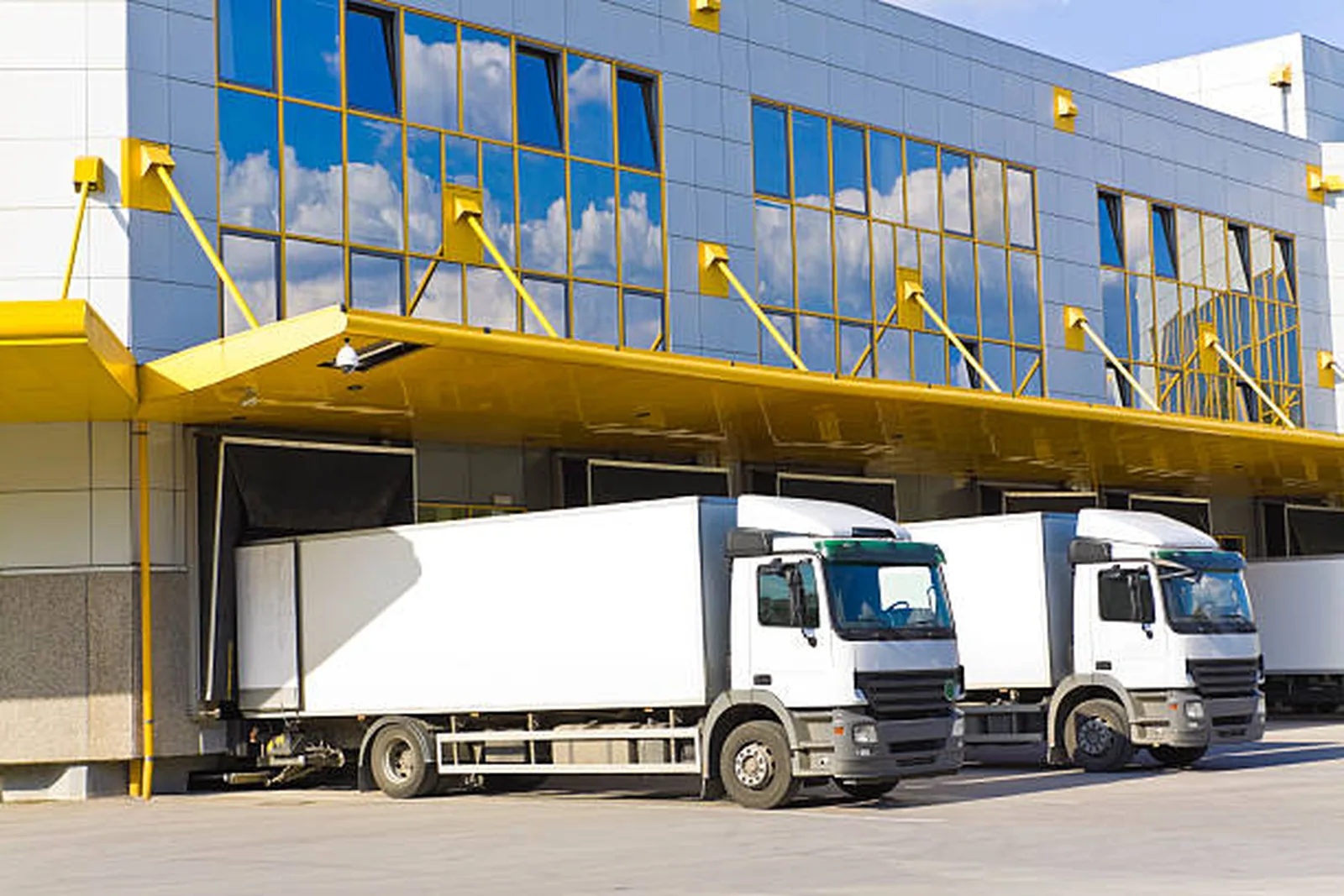
Exposed-fastener metal is common on pre-engineered buildings of many kinds. Kenosha has warehouses and distribution centers for Amazon, Rust-Oleum, Uline and Associated Wholesale Grocers, plus light industrial firms in outlying business parks, and Sturtevant has distribution warehouses along its western side. The first visit confirms what each building actually carries.

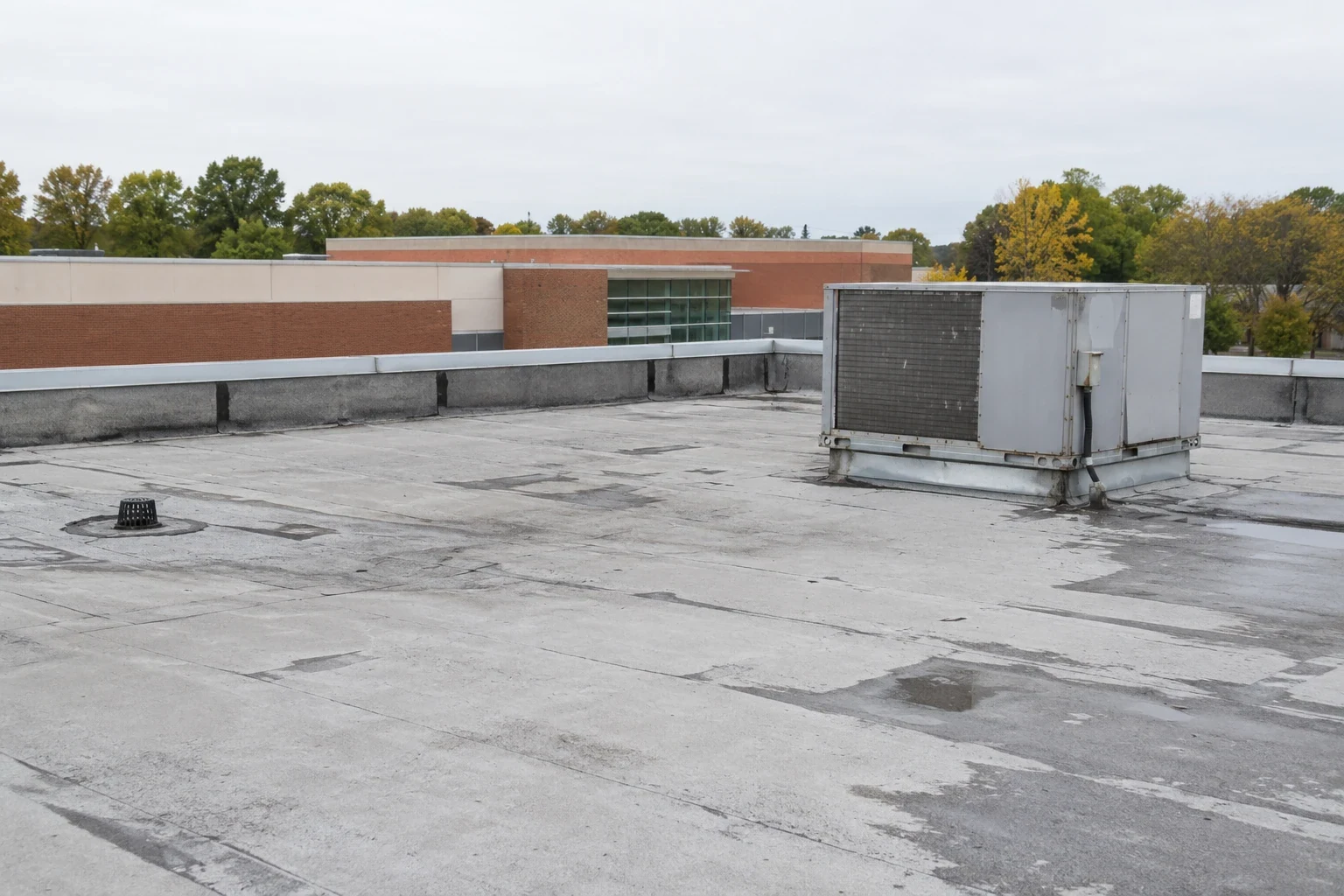
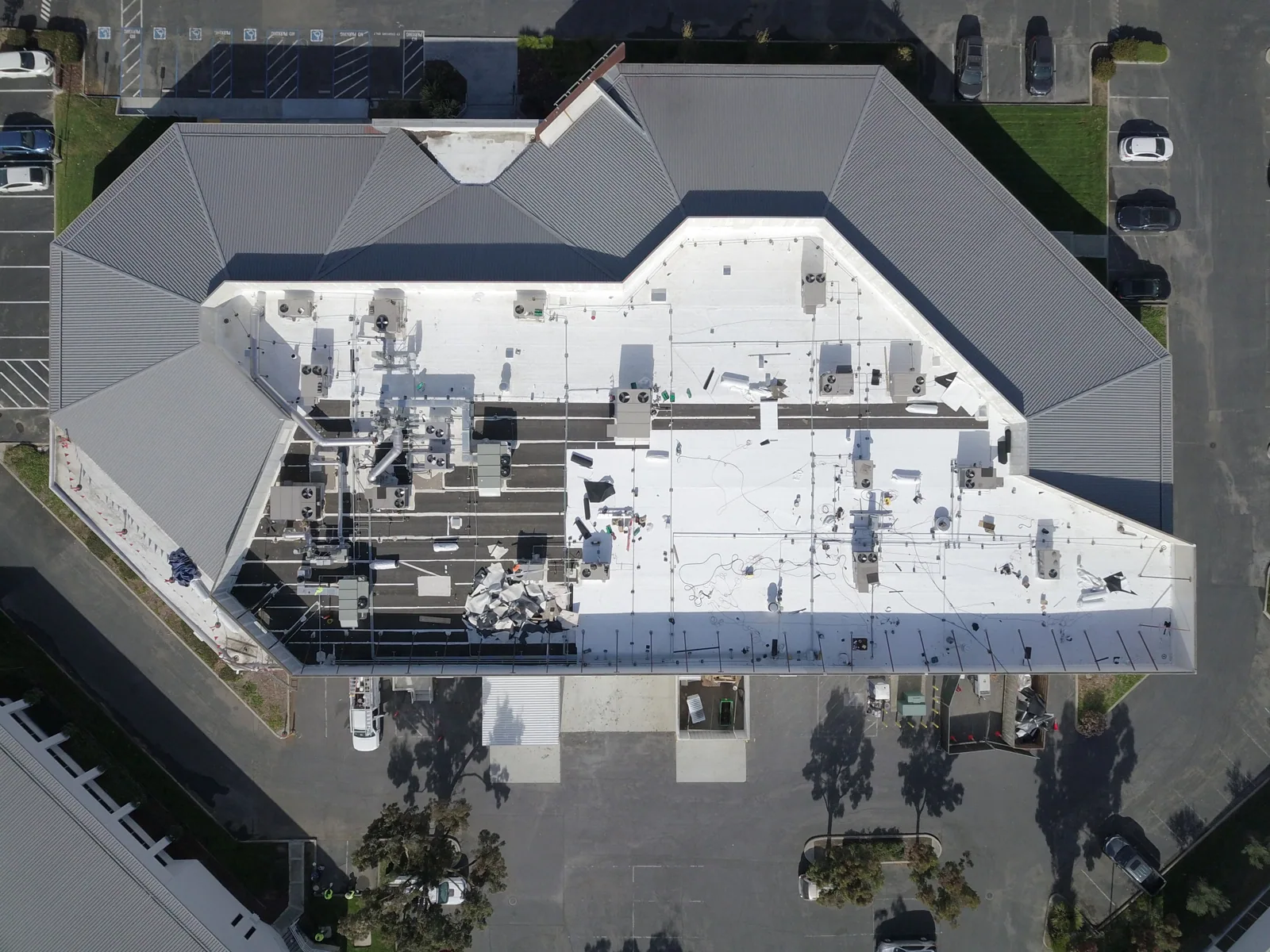
For a flex industrial building or a warehouse with metal panels, the inspection covers purlins, panel laps, ridge, gutters and skylight curbs. The log shows which roofs are due for work and in what order, with the failed fastener counts beside each. Skylights and roof-mounted equipment get checked on the same pass, since penetrations through metal are among the most frequent leak points and are easy to overlook on a large roof.

Metal Roof Retrofit

Wind, Snow and Tornado History

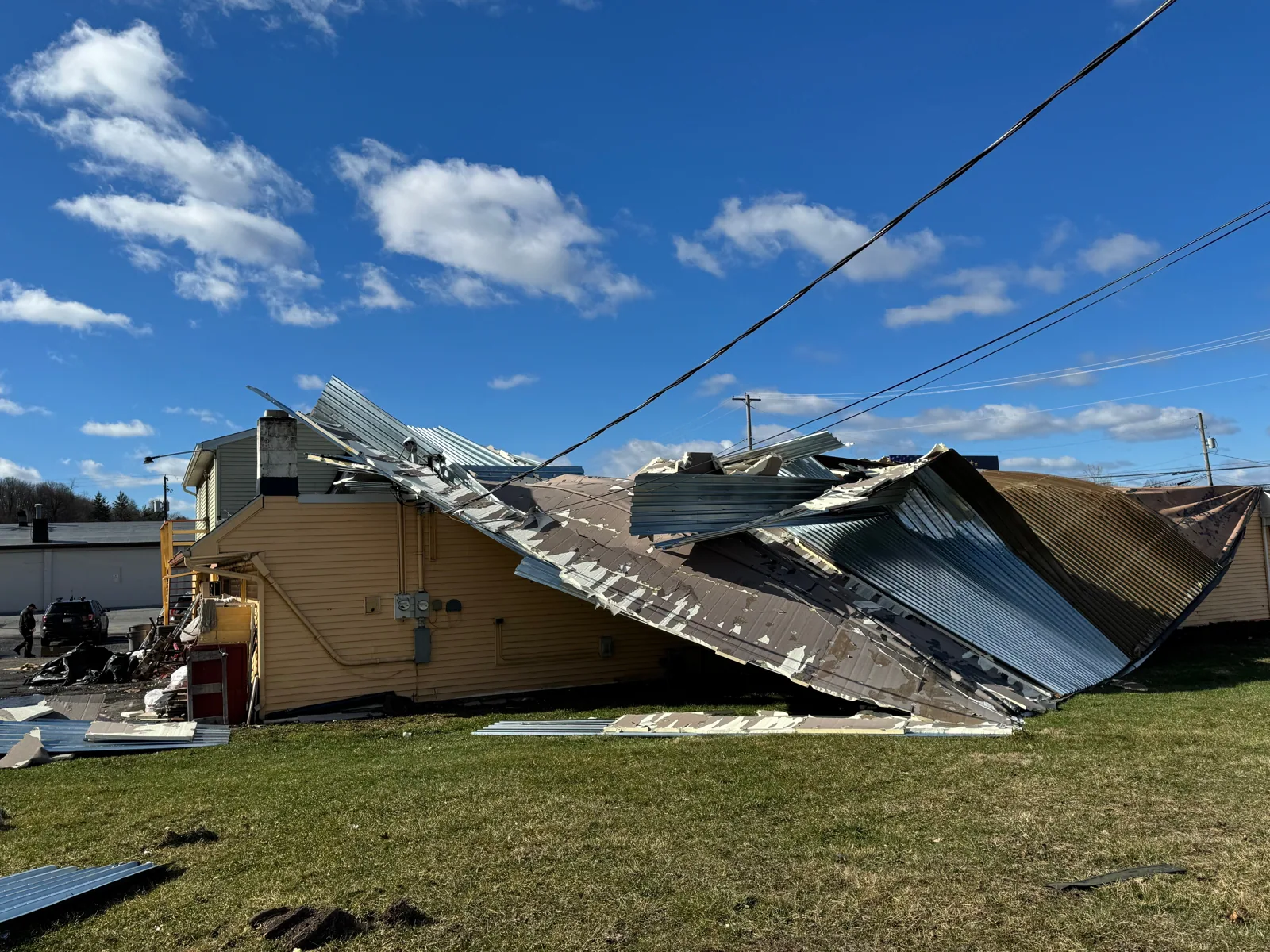
The two tornadoes that crossed Kenosha County on January 7, 2008, in Wheatland and Brighton and in Somers and the north side of the city, left 105 homes damaged, 27 of them destroyed. Metal roofs depend on fastener pullout resistance and edge trim, and any strong wind is a reason to inspect them.

We check trim, ridge caps and panel edges after a wind event and record what we find. A baseline from before the event makes the comparison simple, and the owner has the documentation an insurer will ask for. A page of dated photographs taken within days of a storm carries more weight than a summary written months later.

Metal Roof Retrofit

Close-Out and Next Steps

After a retrofit or restoration we deliver photographs, fastener and sealant products, locations and the next inspection date. A Kenosha owner with buildings in Sturtevant or Racine County can keep the records in one register, and the condition report supports the capital request.

Book a fastener count and baseline

Questions About Metal Roof Retrofit

What fails first on an exposed-fastener roof?

The rubber washers under the screw heads. They crack in sun and cold, and the screws back out as the metal moves. We count failed fasteners by area, which turns a vague complaint into a measured scope the owner can price, and the count is repeated each year to show the rate of failure.

Is a retrofit cheaper than replacement?

Usually, because it avoids tear-off and disposal and keeps the building enclosed. The roof structure must carry the added load, so we record panel gauge, purlin spacing and support condition before pricing it, and an engineer reviews where required.

Can restoration replace a retrofit?

When panels are sound and the deck is dry, yes. Replacing fasteners, resealing laps and applying a coating costs less and extends life for a defined interval. Rusted-through panels or wet insulation rule it out, and we test before recommending it.

How do we tell condensation from a leak?

By the pattern. Condensation forms on cold panel undersides in winter and drips across wide areas, while a leak follows a fastener row or lap. We log interior conditions, insulation and staining, and a moisture survey settles close cases.

When should metal roofs be inspected?

After the spring thaw each year and after any strong wind. Loose fasteners show best in clear, dry weather. We repair simple failures the same day and add anything larger to the work order with a photograph.

ServicesRoof SystemsIndustriesProperty TypesService AreasDamage RepairCapabilitiesManufacturersContactAboutRequest a Roof Assessment555-555-5555
Call555-555-5555