
How do I tell condensation from a roof leak?
Look at the weather. Drips on dry, cold mornings near ducts point to condensation. Drips after rain point to the roof. A survey and cores separate the two.
Gym, rec center and fitness facility roofing in Kenosha, WI: condensation versus leak records, pool-hall findings, winter damage logs and phased work plans.
A drip that appears on a cold January morning with no rain on the forecast is a finding about humidity, not about the membrane. The photograph shows water beading on the underside of the deck above the weight room. The weather note shows the day was dry and well below freezing. Together they point to condensation, and the repair that follows is different from a roof patch. At a gym in Kenosha, WI, we log both kinds of drips in the same file and separate them with evidence.
A fitness building has a few large rooms and several small ones. The weight floor, a studio or court and a pool hall have high ceilings and long spans. Locker rooms and showers produce moisture. Offices and reception need steady comfort. Each area asks something different of the roof and the air system beneath it.
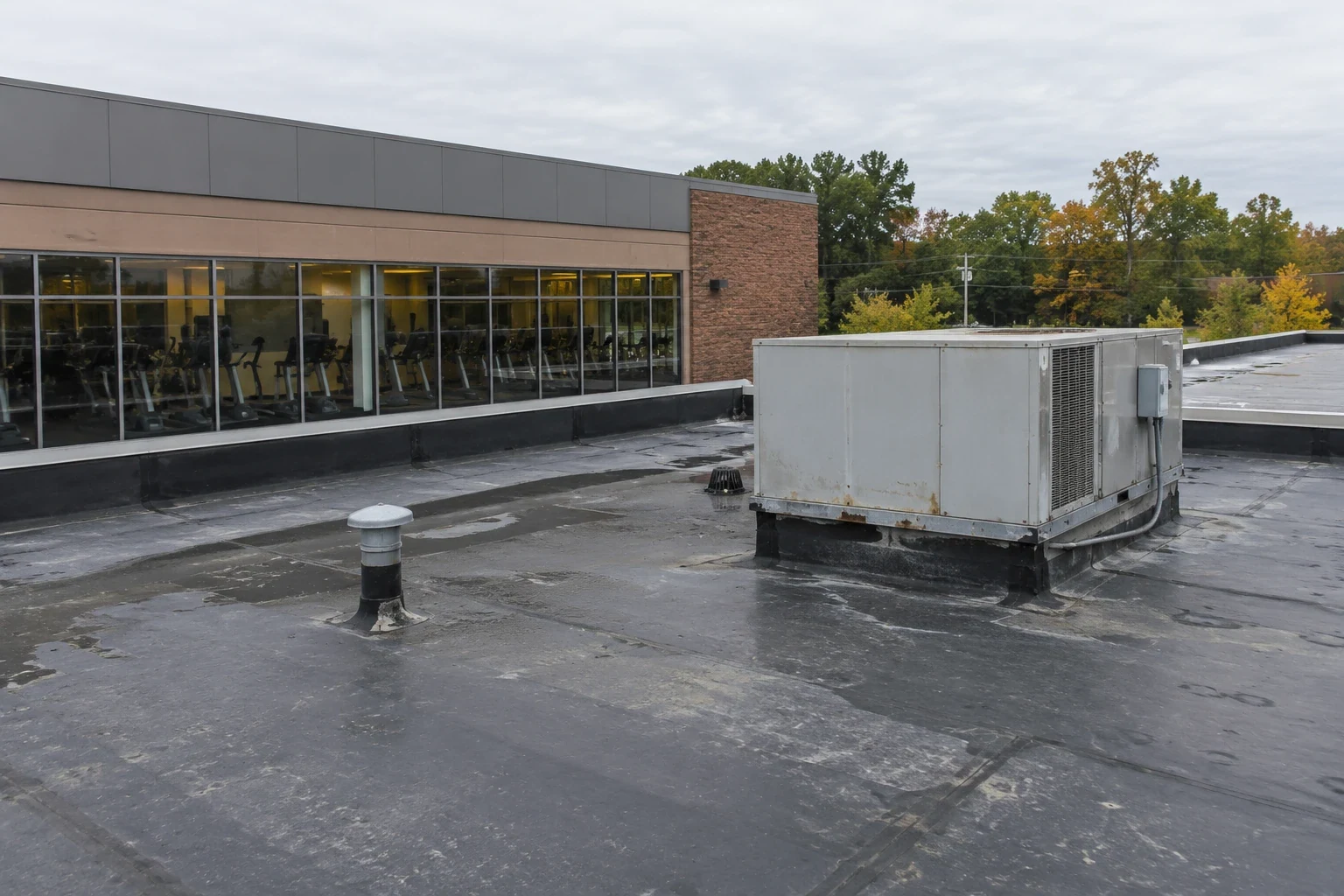
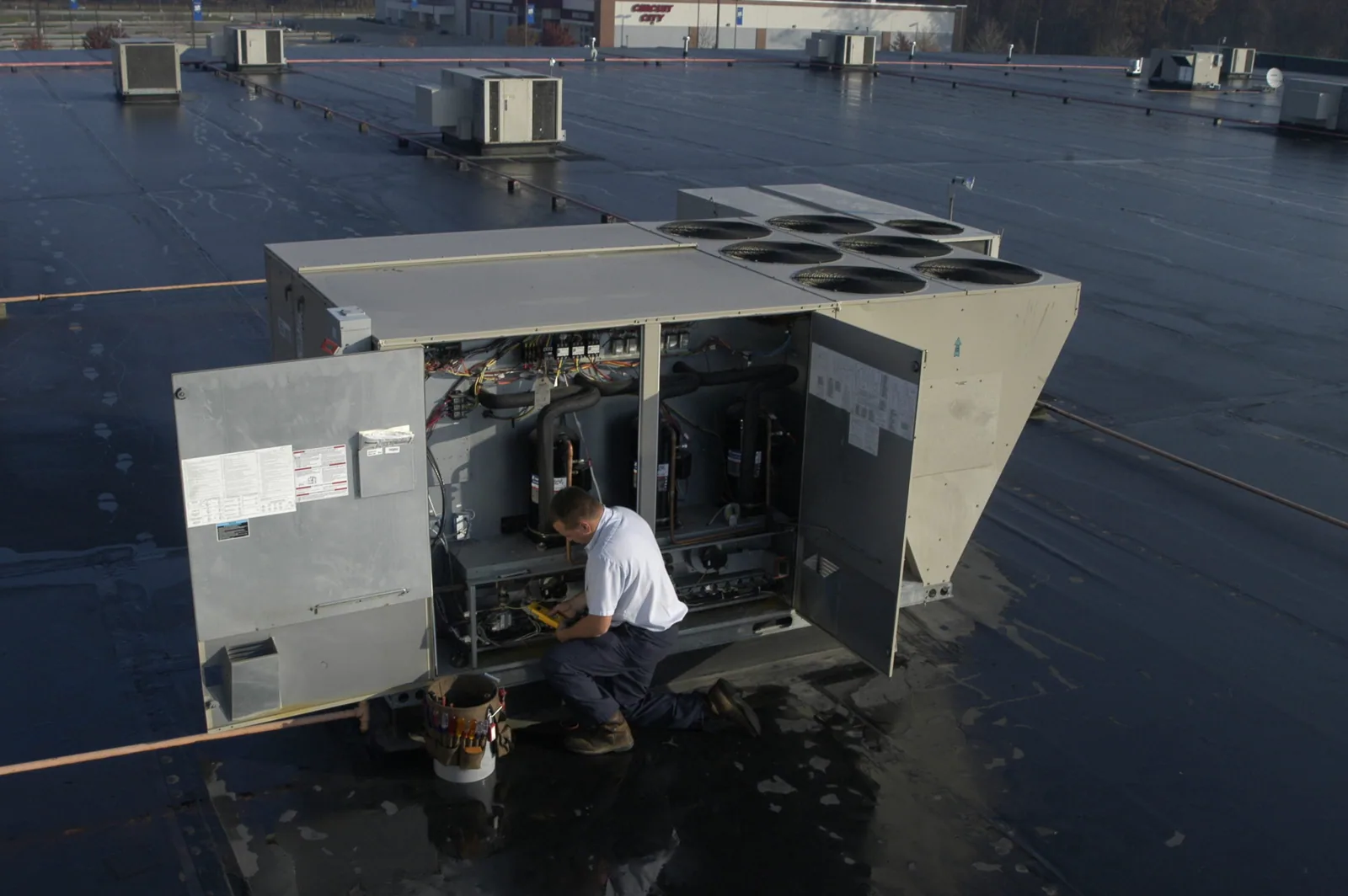
The roof plan marks every area and the equipment that serves it. Air handlers and dehumidification units sit on the roof, and they are heavy. Each curb gets a rating, a photograph and a note about the space served. When a unit is replaced, the entry is updated, and the old version stays in the file.
We also ask how the air system is run: setpoints, hours and any recent change. A building that moved its humidity setpoint or added an exhaust fan last year may have started a condensation problem the same week. Dates on the air side and dates on the roof side go into one timeline, which can explain a pattern that looked random on one record alone.
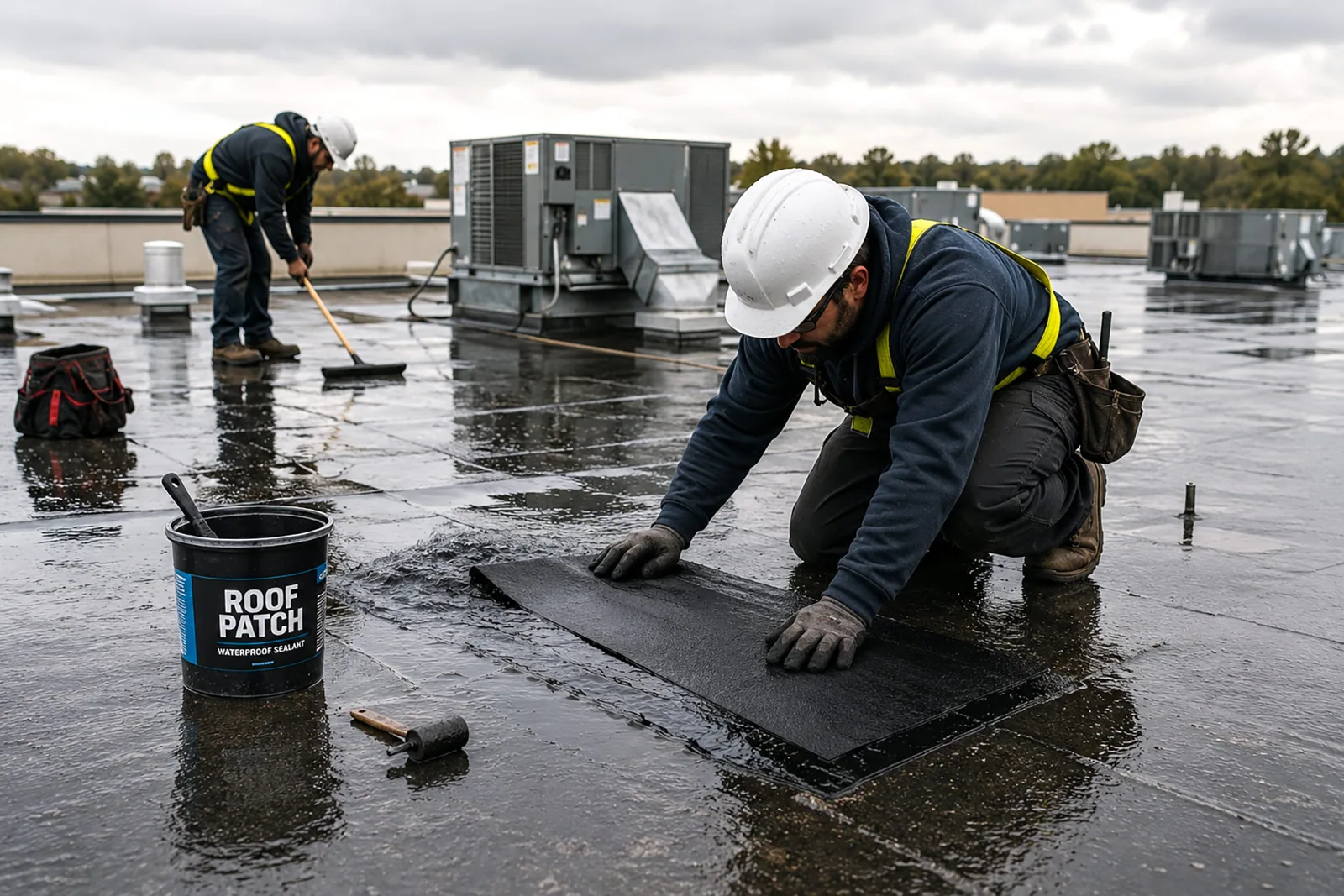
Warm, moist air from showers, pools and workouts rises to the roof deck. If the vapor layer is missing, torn or bypassed, the moisture condenses on a cold surface and drips. The drip looks like a roof leak. A patch fails to stop it, because the roof is not the cause.
The test is simple and recorded. Drips without rain, near ducts and exhausts, in cold or still weather, suggest condensation. Drips after storms suggest an opening. An infrared moisture survey and cores show wet insulation and the state of the vapor layer. The report names the cause and the fix: air sealing, a repaired vapor layer, a change in air handling or a roof repair.
Cost drivers for the fix differ by cause. A roof repair is priced by area and details. A vapor layer repair is priced by the area of ceiling or deck to be opened. An air-handling change is priced by the mechanical contractor. The report lists the three separately, so the owner funds the right one and does not pay for a roof repair that cannot cure a humidity problem.
Long spans move with temperature, and seams open at the ends. Rooftop units leave worn paths and cracked curb flashing. Pool-hall exhaust corrodes fasteners and sealant. Locker room vents wear their boots faster than the field around them. Drains clog with leaves and grit.
Each finding is photographed in two frames, dated and numbered. Seam failures over the main floor and corroded fasteners near the pool exhaust are the entries to look for first. A count by roof section shows whether the problem is local or spread, and the rating follows.
Skylights and clerestory windows are common over gym floors, and each is a joint between glazing and roof. Dried gaskets, cracked glazing and loose frames are logged with a photograph. Condensation on the inside of a skylight in winter is noted separately from water entering around the frame, because they point to different fixes: ventilation in one case and resealing in the other.
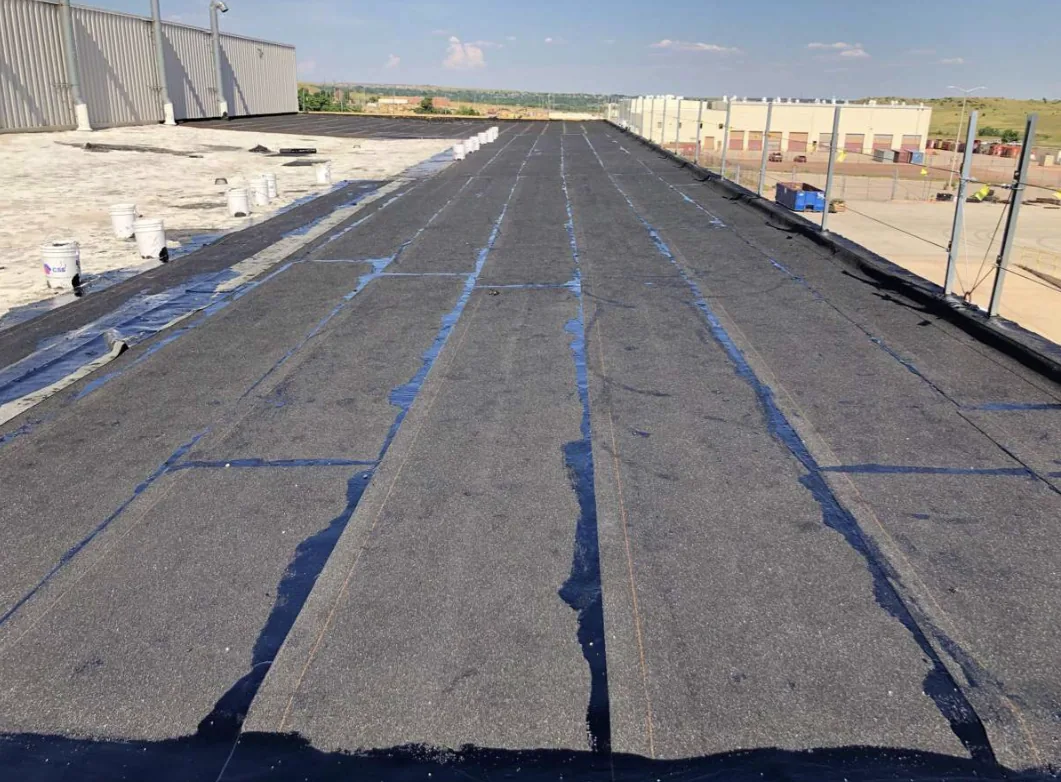
Kenosha winters add up to about 36.2 inches of snow, and one storm, the Groundhog Day blizzard of 2011, delivered 23.2 inches of it. A wide, low-slope gym roof carries that weight across a long span, and drifts form against taller walls and equipment screens. Cold air against a heated, humid space also raises the condensation risk.
The spring walk records ice scars at scuppers, split seams, compressed insulation under drifts and bent edge metal. A snow and ice damage log from several winters flags the sections that fail year after year. The same walk checks that heat tracing and drains, if installed, worked as intended. Where a gym roof sits beside a taller building, the drift line is marked on the plan each year, so the board can see whether the same strip carries more snow than the rest.
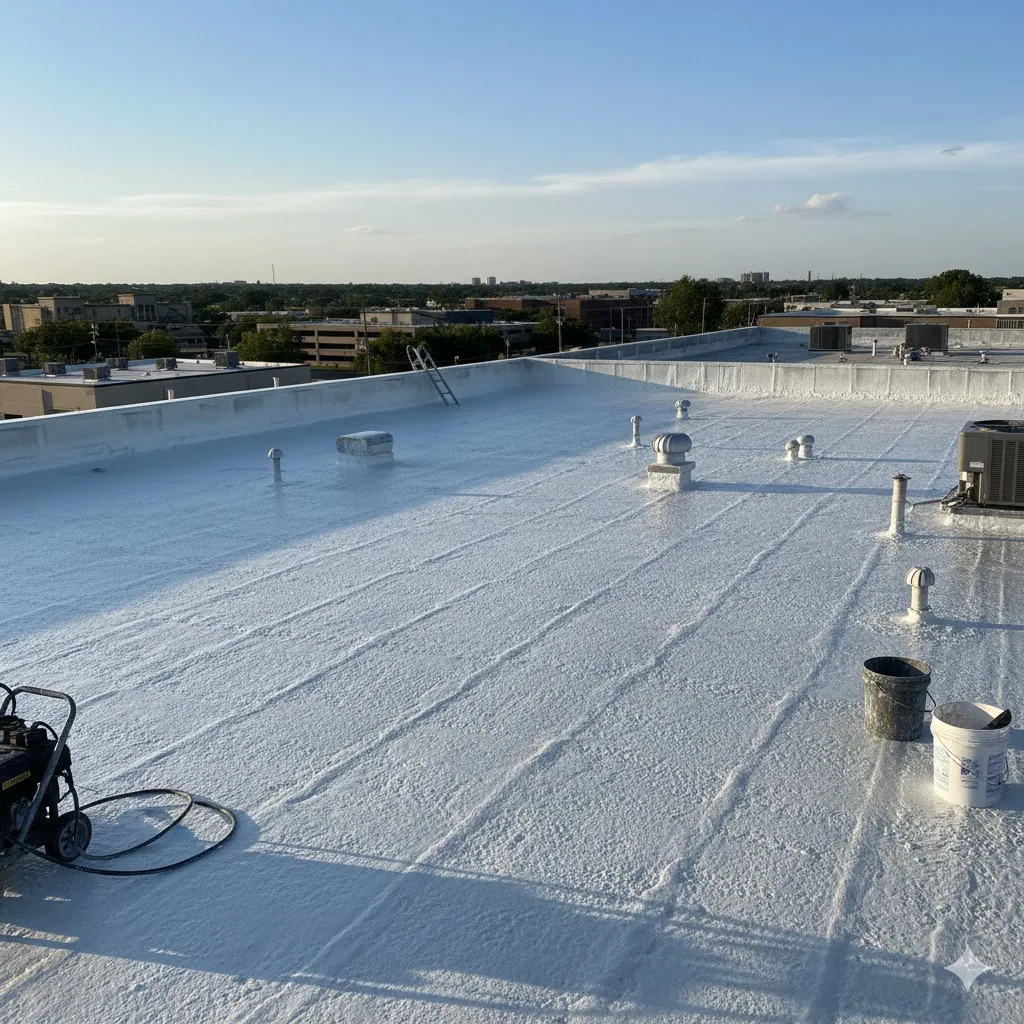
Recreation and athletic buildings in this market range from college facilities to community centers and private clubs. The University of Wisconsin-Parkside is located in the village of Somers, and a Gateway Technical College campus is in Burlington. Rosalind Franklin University is in North Chicago, and the College of Lake County is in Grayslake. Each campus holds buildings with their own rooftop equipment.
Owners can be public boards, private clubs or campus facilities offices, and the ratings, cores and photographs follow the same format for each. A college and a school can add their gym roofs to the same inventory as their classroom buildings.
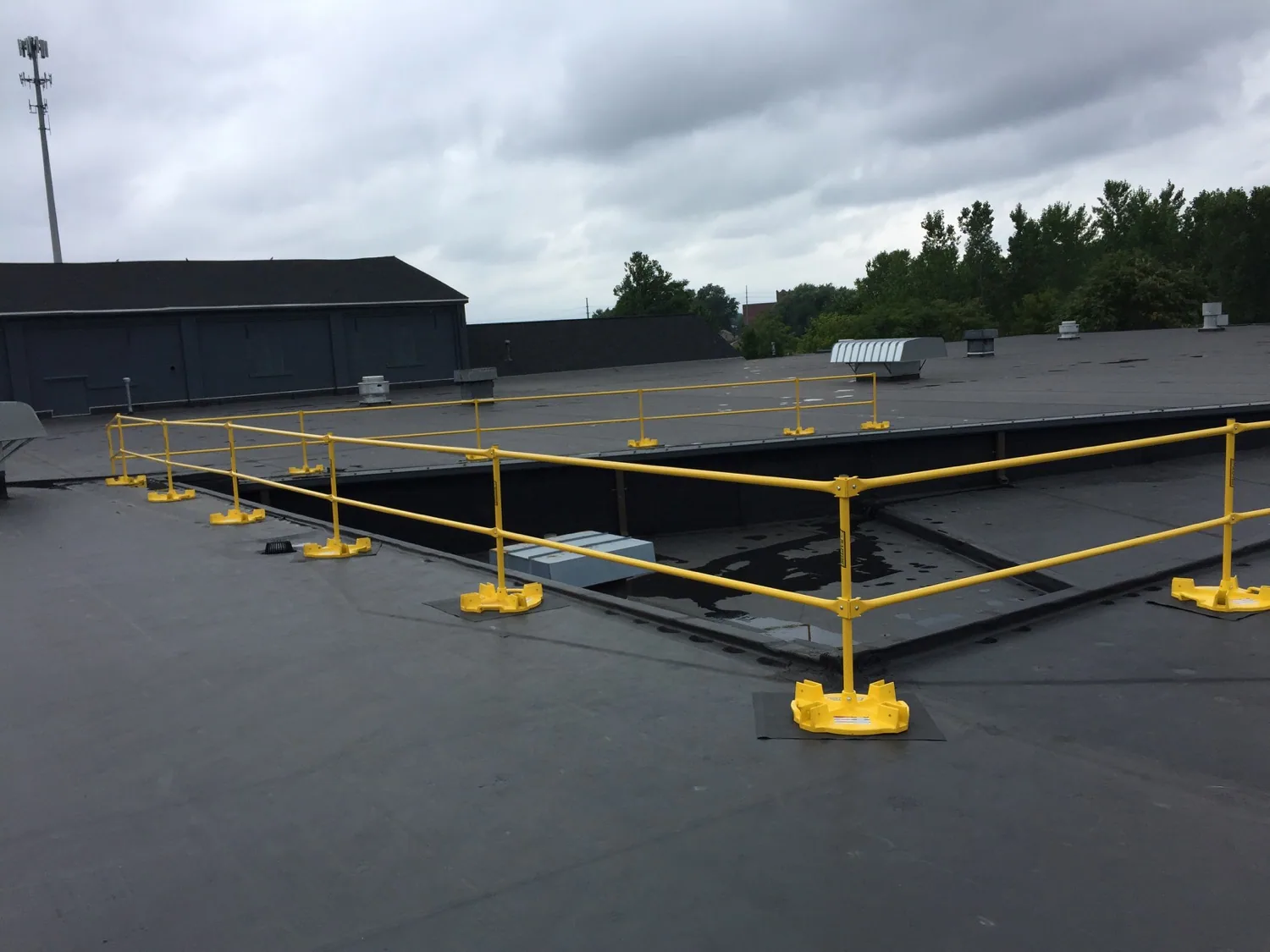
A recreation center at a school or college shares its calendar with practices and events, so the schedule for roof work is built from that calendar. The report lists the dates the building is unavailable for work and the weeks that fit, and the athletic director approves it before the crew is scheduled.
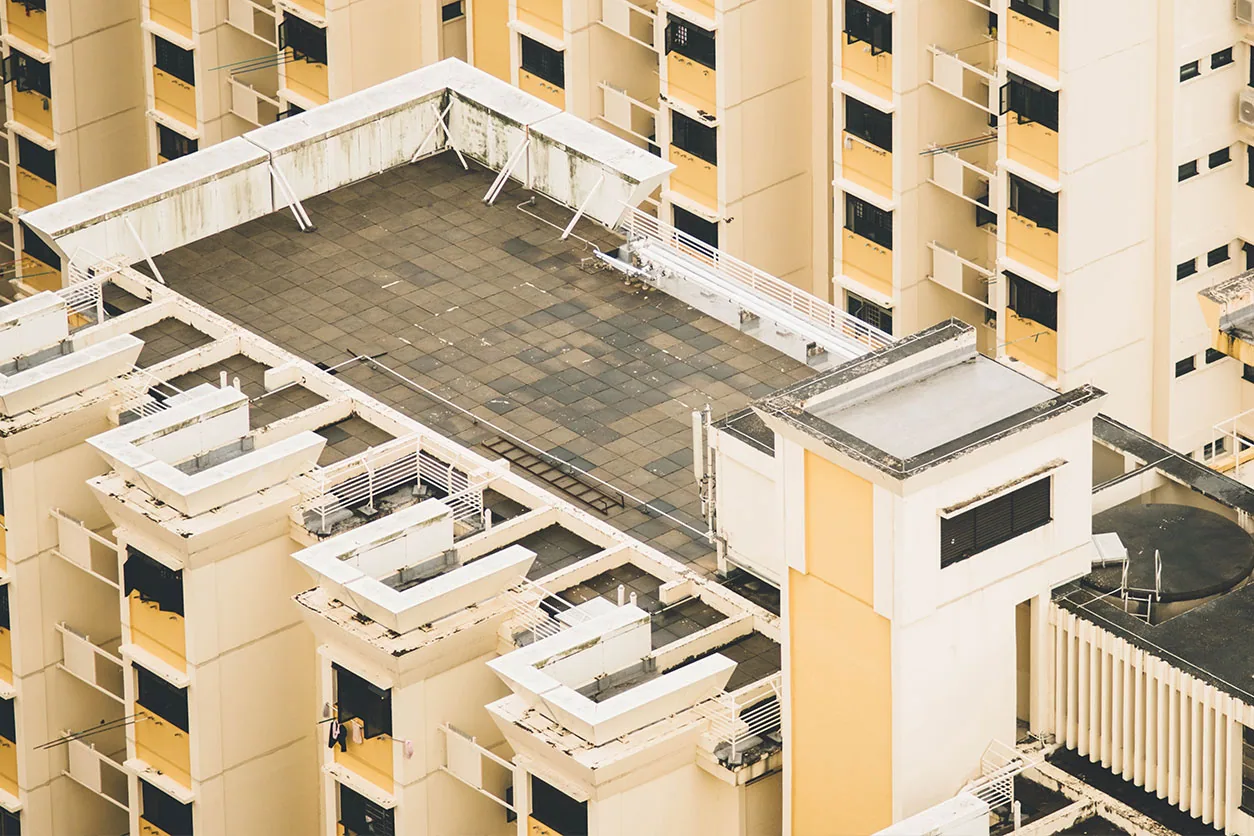
Fitness centers have early mornings and late evenings, so roof work is placed in the quiet middle of the day. Over pool halls and courts, we plan to close the room or the affected lane. Floors, equipment and the pool cover are protected before a cut opens. Welded and cold-applied systems keep fumes out of air intakes.
Close-out ends with the as-built plan, photographs taken before and after the work, product data, warranty papers and a list of anything still open. It also records the air-handling changes made to cure any condensation, so the next facility manager sees both the roof and the cause. The next inspection date and any warranty requirements are listed, along with the vendor who services the air handlers, because a roof and its air system are repaired together.
Keep Reading
Infrared scans and core-cut verification for Kenosha, WI commercial roofs, producing a numbered moisture map that separates wet insulation from dry.
Seam failure repair in Kenosha, WI: open laps and split seams probed, photographed and rated, with repairs matched to the membrane type and a follow-up date.
Snow load and ice dam roof damage repair in Kenosha, WI: drifts, frozen drains and ice damage logged with dated photos, plan marks and ratings for each roof.
Commercial roofing in Somers, WI for institutional, retail and highway-side buildings, with wind-edge checks, moisture surveys and dated condition ratings.
College and university roofing in Kenosha, WI: building-by-building condition ratings, freeze-thaw findings and phased plans for halls, labs and gyms.
School roofing in Kenosha, WI: dated inspection files, snow and freeze-thaw findings, and summer reroof plans a district can attach to a capital request.
Look at the weather. Drips on dry, cold mornings near ducts point to condensation. Drips after rain point to the roof. A survey and cores separate the two.
Chlorinated moist air attacks metal fasteners, sealants and flashings. We photograph them and recommend corrosion-resistant details where the file shows wear.
Frequently, if the roof is worked in sections and the space below each open cut is protected. Pool and court areas may close for a day or two, and the schedule lists each.
It limits moisture moving from the warm, humid interior into the cold roof assembly. A missing or torn layer explains wet insulation that surface repairs cannot fix.
Yes. Each curb is rated for flashing, sealant and vibration wear, and the entry names the space it serves.
The roof age if known, a floor plan with room uses, the air-handler locations and any drip reports with date and weather.